
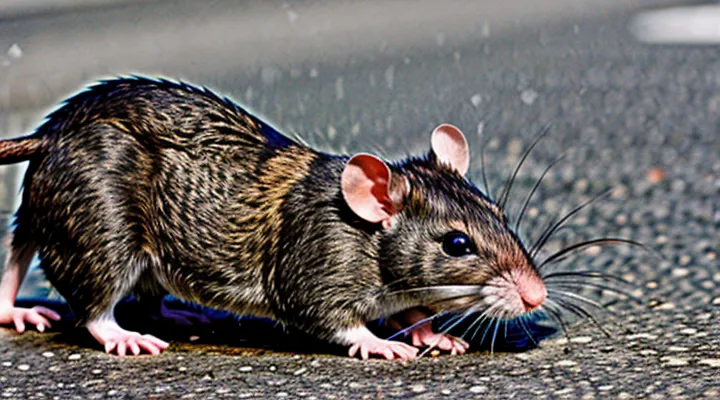
Understanding Rat Snorting
What is Rat Snorting?
Defining the Sound
The snort produced by a laboratory or wild rodent is a brief, high‑pressure expulsion of air through the nasal passages. It manifests as a sharp, percussive burst lasting 30–150 ms, with an onset marked by a rapid rise in acoustic amplitude followed by a swift decay. Spectral analysis shows dominant frequencies between 2 kHz and 8 kHz, often accompanied by harmonics that extend into the ultrasonic range above 20 kHz. The waveform typically exhibits a steep leading edge, a narrow peak, and a trailing tail that may contain low‑frequency rumble linked to thoracic vibration.
Key acoustic parameters:
- Peak pressure: 70–120 Pa (measured at 10 cm from the animal’s snout)
- Duration: 0.03–0.15 s
- Fundamental frequency: 2–8 kHz
- Harmonic content: up to 30 kHz, variable with individual size and health
- Temporal pattern: single burst or series of 2–4 bursts spaced 0.2–0.5 s apart
These characteristics differentiate the rat’s snort from other vocalizations such as squeaks or chirps, providing a reliable acoustic marker for physiological and behavioral studies.
Differentiating from Other Noises
Rats emit a short, sharp exhalation that differs markedly from squeaks, chattering, or guttural vocalizations. Recognizing this sound is essential for interpreting rodent behavior and assessing health status.
- Frequency: peaks between 5–10 kHz, higher than most low‑frequency growls and lower than ultrasonic squeaks.
- Duration: typically 30–80 ms, shorter than continuous chatter and longer than brief clicks.
- Pattern: isolated bursts or rhythmic series of 2–4 repeats, lacking the modulated pitch of social calls.
- Origin: produced by rapid closure of the nostrils and brief expulsion of air from the nasal cavity; other noises involve vocal cords, teeth grinding, or limb movement.
- Context: appears during exploratory pauses, mild irritation, or after exposure to strong odors; unlike distress screams, it is not accompanied by increased heart rate or frantic locomotion.
Accurate differentiation relies on calibrated microphones capable of sampling above 20 kHz, spectral analysis software to isolate the 5–10 kHz band, and synchronized video to correlate sound with observable actions.
Proper identification separates the rat’s snort from unrelated laboratory noises, ensuring reliable data interpretation and effective monitoring of animal welfare.
Common Reasons for Rat Snorting
Respiratory Health Issues
Mycoplasma pulmonis and Other Bacterial Infections
Rats produce audible snorts when the upper airway is obstructed or inflamed. The most common bacterial culprit is Mycoplasma pulmonis, a cell‑wall‑deficient organism that colonizes the nasal passages, trachea, and lungs. Infection triggers epithelial damage, mucus overproduction, and bronchoconstriction, all of which generate the characteristic snorting noise.
Mycoplasma pulmonis spreads through direct contact, aerosolized droplets, and contaminated bedding. Clinical signs include nasal discharge, sneezing, labored breathing, and reduced activity. Diagnosis relies on culture of nasal swabs, polymerase chain reaction assays, or serologic testing. Treatment protocols combine macrolide antibiotics (e.g., tylosin) with supportive care such as humidified environments and anti‑inflammatory agents.
Other bacterial agents that can produce similar respiratory disturbances in rats include:
- Streptococcus pneumoniae – induces purulent bronchopneumonia, often accompanied by fever.
- Klebsiella pneumoniae – causes necrotizing lung lesions and severe dyspnea.
- Pseudomonas aeruginosa – leads to chronic airway infection, especially in immunocompromised individuals.
- Bordetella bronchiseptica – results in tracheobronchitis with prominent coughing and snorting.
Each pathogen elicits inflammation of the upper and lower respiratory tract, increasing airway resistance and prompting the audible snort. Effective management requires accurate identification of the infectious agent, targeted antimicrobial therapy, and environmental controls to reduce pathogen load.
Allergic Reactions and Irritants
Rats emit snorts when the nasal passages encounter substances that trigger inflammation or sensory irritation. Allergic reactions develop when the immune system recognizes inhaled proteins or chemicals as threats, releasing histamine and other mediators that swell mucosal tissue and increase secretions. The resulting turbulence of airflow produces the characteristic snorting sound.
Common allergens and irritants that provoke this response include:
- Dust mites and rodent bedding particles
- Mold spores and fungal metabolites
- Pollen from grasses, weeds, and trees
- Volatile organic compounds from cleaning agents, perfumes, and smoke
- Food proteins such as soy, wheat, or dairy residues in the environment
Exposure to these agents activates mast cells in the nasal epithelium, leading to rapid constriction of the airway and heightened sensitivity of trigeminal nerve endings. The reflexive snort serves to clear the obstruction and protect the lower respiratory tract.
Chronic exposure can desensitize the nasal mucosa, reducing the frequency of snorts but increasing the risk of persistent rhinitis and secondary infections. Monitoring environmental conditions, maintaining low dust levels, and avoiding strong odors are effective measures to limit allergic and irritant‑induced snorting in laboratory and pet rats.
Tumors and Polyps
Rats may emit a sharp snort when respiratory passages are compromised by abnormal growths. Tumors arising in the nasal cavity, sinuses, or pharynx occupy space, restrict airflow, and irritate mucosal surfaces. The resulting turbulence produces audible snorting that differs from normal respiration.
Polyps, typically benign mucosal protrusions, can develop on the nasal septum or within the nasopharynx. Their soft, gelatinous composition allows them to shift with each breath, intermittently blocking the airway and generating brief, forceful exhalations. Repeated episodes often indicate progressive enlargement.
Key clinical indicators associated with these lesions include:
- Persistent nasal discharge, sometimes blood‑tinged
- Audible snorting or wheezing during quiet periods
- Reduced activity and weight loss due to impaired oxygen intake
- Visible swelling or deformation of the snout upon examination
Diagnostic confirmation relies on imaging (radiography, CT) and histopathology obtained via endoscopic biopsy. Early identification permits surgical excision or targeted therapy, reducing respiratory distress and preventing secondary complications such as secondary infections or chronic inflammation.
Behavioral Factors
Excitement and Happiness
Rats emit short, sharp snorts when they encounter rewarding stimuli such as fresh food, novel objects, or social interaction. The sound results from a rapid expulsion of air through the nasal passages, synchronized with a brief increase in heart rate and dopamine release. This physiological pattern signals a state of heightened arousal that corresponds to positive emotional experience.
Observable indicators that accompany snorting include:
- Quickened locomotion toward the stimulus
- Elevated grooming frequency
- Increased ultrasonic vocalizations in the 50‑kHz range
These behaviors co‑occur with the snort, reinforcing the interpretation that the noise reflects excitement and happiness rather than distress.
Experimental studies using neurochemical monitoring confirm that snort episodes align with spikes in mesolimbic dopamine, a neurotransmitter linked to reward processing. Consequently, the snort serves as a reliable external marker for researchers assessing affective states in laboratory rats.
Stress and Anxiety
Rats emit short, forceful snorts when confronted with acute stressors or heightened anxiety. The sound originates from rapid closure of the nasal passages, producing a sharp exhalation that signals alarm to conspecifics and prepares the animal for defensive action.
Stress triggers activation of the hypothalamic‑pituitary‑adrenal (HPA) axis, releasing corticosterone. Elevated corticosterone increases muscle tension in the facial and respiratory structures, facilitating the snort. Anxiety, often linked to unpredictable environments, sustains this physiological state, leading to repeated snorting episodes even in the absence of immediate threats.
Key mechanisms connecting the behavior to stress and anxiety:
- Neuroendocrine response: Corticosterone surge amplifies sympathetic output, tightening airway muscles.
- Auditory signaling: Snort serves as a brief warning cue, alerting nearby rats to potential danger.
- Respiratory modulation: Rapid exhalation clears nasal passages, enhancing olfactory detection during heightened vigilance.
Observations in laboratory settings confirm that rats exposed to novel objects, predator odors, or social isolation exhibit a higher frequency of snorting compared to baseline conditions. Reducing environmental stressors—through habituation, enrichment, or pharmacological anxiolysis—correlates with a measurable decline in snort occurrence, underscoring the direct link between the behavior and the animal’s stress‑anxiety profile.
Communication Within the Colony
Rats use snorting as a rapid acoustic signal that conveys immediate information about threats, food sources, and social status. The sound is produced by forceful exhalation through the nasal passages, creating a high‑frequency burst audible to conspecifics within a few meters. This vocalization integrates with other modalities to maintain colony cohesion.
Communication channels in a rat colony include:
- Acoustic calls – snorts, ultrasonic chirps, and distress squeaks that encode urgency and identity.
- Olfactory cues – pheromones deposited in urine, feces, and glandular secretions that mark territory, reproductive readiness, and hierarchical position.
- Tactile interactions – grooming, whisker contact, and body brushing that reinforce social bonds and signal dominance.
- Vibrational signals – foot‑stomps and substrate vibrations that travel through nesting material, alerting nearby individuals to disturbances.
These mechanisms operate concurrently, allowing rats to transmit complex messages with minimal delay. Snorting, in particular, serves as an early‑warning alarm that triggers immediate defensive or investigative behavior across the group.
Environmental Influences
Dust and Poor Air Quality
Rats emit short, sharp snorts when inhaled air contains high concentrations of dust or other airborne contaminants. The sound results from abrupt closure of the nasal passages as irritants trigger reflexive muscle contraction.
Dust particles smaller than 10 µm reach the nasal epithelium, where they:
- Bind to mucous membranes, causing mechanical irritation.
- Activate sensory nerve endings that signal the brain to initiate a rapid exhalation.
- Prompt temporary narrowing of the nasal valve, producing the characteristic snort.
Repeated exposure leads to:
- Inflammation of the nasal lining, increasing mucus production.
- Reduced airflow efficiency, forcing the animal to compensate with quicker breaths.
- Elevated stress hormones, which can affect overall health and behavior.
Mitigation strategies focus on improving indoor air quality:
- Install high‑efficiency particulate air (HEPA) filters to capture fine dust.
- Maintain low humidity to prevent dust agglomeration.
- Use low‑dust bedding and regularly clean enclosures to limit particulate buildup.
Changes in Temperature and Humidity
Rats emit snorts primarily as an involuntary reflex to maintain airway patency when environmental conditions challenge respiratory stability. Temperature shifts and moisture levels directly influence the viscosity of nasal secretions and the responsiveness of sensory receptors, thereby modulating snort frequency and intensity.
Higher ambient temperatures reduce the density of air, increase the rate of evaporative loss from the nasal mucosa, and thin mucus layers. The resulting decrease in surface tension facilitates rapid clearance of particulate matter but also heightens the sensitivity of mechanoreceptors that trigger snorting. Conversely, sudden cooling contracts nasal vessels, thickens mucus, and may suppress snort production until the animal adapts.
Humidity exerts complementary effects. Elevated relative humidity hydrates mucosal surfaces, softens mucus, and supports continuous airflow without the need for forceful exhalations. Low humidity desiccates the nasal lining, raises mucus viscosity, and often provokes repetitive snorting as the rat attempts to clear obstructed passages.
Key physiological responses to combined temperature‑humidity variations include:
- Thermal stress: rapid temperature rise → increased respiratory rate → more frequent snorts.
- Dehumidification: low humidity → mucus thickening → heightened snort reflex.
- Thermal‑moisture synergy: simultaneous high temperature and high humidity → balanced mucus consistency → reduced snort occurrence.
- Cold‑dry exposure: low temperature plus low humidity → maximal mucosal irritation → pronounced snort bursts.
Experimental observations confirm that rats subjected to abrupt thermal or hygroscopic changes display a measurable rise in snort count within minutes, reflecting an immediate protective adjustment of the upper respiratory tract. Understanding these dynamics assists researchers in designing controlled environments that minimize stress‑induced respiratory artifacts during behavioral and physiological studies.
Strong Scents and Chemical Exposure
Rats emit brief, forceful nasal exhalations when they encounter potent airborne substances. The response clears irritants from the nasal passages and alerts nearby individuals.
- Ammonia vapors
- Acetone fumes
- Formaldehyde gas
- Capsaicin aerosol
- Strong essential oils (clove, eucalyptus, peppermint)
- Heavy‑metal fumes (zinc oxide, cadmium chloride)
The irritation of the olfactory epithelium activates trigeminal sensory fibers, triggering rapid contraction of the nasal musculature. This contraction forces air outward, producing the characteristic snort and stimulates mucus secretion to trap particles.
Snorting shortens the duration of chemical exposure, disperses volatile compounds, and conveys a warning signal within the colony.
When to Be Concerned About Rat Snorting
Signs Indicating a Problem
Changes in Breathing Pattern
Rats emit short, audible bursts during rapid adjustments of their respiratory cycle. When a snort occurs, the inspiratory phase shortens while the expiratory phase extends, producing a brief, high‑velocity airflow through the nasal passages. This pattern reflects a sudden increase in airway resistance, often triggered by obstruction of the nasal cavity or by reflex activation of the nasopharyngeal muscles.
Key physiological changes associated with the snort include:
- Elevated inspiratory flow rate, measured by a spike in tidal volume per unit time.
- Decreased inspiratory duration, typically reduced by 30‑40 % compared to baseline breathing.
- Prolonged expiratory phase, allowing excess air to be expelled forcefully.
- Temporary rise in intrathoracic pressure, detectable with pressure transducers placed near the diaphragm.
These modifications serve to clear particulate matter or mucus from the nasal conduit, restore normal airflow, and protect the lower respiratory tract from irritants. Repeated snorting episodes may indicate chronic nasal congestion, allergic inflammation, or neurologically mediated dysregulation of the breathing rhythm. Monitoring the temporal profile of each snort—onset, peak flow, and recovery—provides reliable indicators of respiratory health in laboratory rodents.
Discharge from Nose or Eyes
Rats produce nasal or ocular secretions when the respiratory or tear ducts are irritated, and the expelled fluid often accompanies the characteristic snorting sound. The discharge serves to clear foreign particles, excess mucus, or inflammatory exudate from the upper airway and eye structures, preventing obstruction and infection.
Common triggers of this fluid release include:
- Upper‑respiratory infections (viral, bacterial, or fungal) that increase mucus production.
- Allergic reactions to dust, bedding material, or food allergens, causing histamine‑mediated swelling and secretion.
- Dental malocclusion or overgrown incisors that press against the nasal passages, generating mechanical irritation.
- Environmental irritants such as strong odors, smoke, or ammonia from litter, which stimulate the nasal mucosa.
- Traumatic injury to the face or eyes, leading to acute tearing and nasal bleeding.
Each factor can provoke a snort as the animal forcefully expels air to dislodge the excess fluid, making discharge a reliable clinical indicator of underlying health issues.
Lethargy and Loss of Appetite
Rats that emit frequent snorts often display reduced activity and a decline in food intake. These two signs usually indicate an underlying health problem that also triggers the noisy breathing.
- Upper‑respiratory infection: bacterial or viral agents inflame nasal passages, causing snorting, fatigue, and diminished appetite.
- Nasal obstruction: tumors, polyps, or foreign material block airflow, forcing the animal to breathe through the mouth and expend extra energy to obtain oxygen, leading to lethargy.
- Dental disease: severe malocclusion or abscesses create pain that discourages eating and may produce snorting when the rat attempts to breathe through a compromised oral cavity.
- Neurological disorders: encephalitis or head trauma impair motor function, producing both sluggish behavior and abnormal respiratory sounds.
- Environmental stress: poor ventilation, extreme temperatures, or overcrowding elevate stress hormones, suppressing appetite and reducing movement while encouraging audible snorts.
When these symptoms appear together, immediate veterinary assessment is warranted. Diagnostic steps typically include physical examination, otoscopic inspection, radiography, and laboratory testing for infectious agents. Early intervention—antibiotics for infection, surgical removal of obstructions, dental correction, or environmental modification—can restore normal eating patterns and activity levels, eliminating the snorting behavior.
Other Accompanying Symptoms
Rats that emit audible snorts often exhibit additional clinical signs that help identify the underlying cause. Observation of these signs enables prompt veterinary assessment and targeted treatment.
Common accompanying manifestations include:
- Nasal discharge, ranging from clear mucus to purulent fluid
- Labored breathing, characterized by increased respiratory rate or visible effort
- Reduced activity levels and lethargy
- Decreased food and water intake, leading to weight loss
- Coughing or gagging, especially after exposure to dust or irritants
- Ocular discharge or conjunctival redness, indicating systemic infection
- Swelling around the nostrils or facial region
- Unusual posture, such as hunching or head tilting, suggestive of sinus pressure
Presence of multiple symptoms strengthens the likelihood of respiratory infection, dental disease, or environmental irritation as the trigger for snorting behavior. Accurate documentation of each sign assists in differential diagnosis and informs therapeutic decisions.
Seeking Veterinary Advice
Importance of Early Diagnosis
Early identification of the respiratory disturbances that cause a rodent to emit snorting sounds dramatically improves treatment outcomes. Prompt veterinary assessment distinguishes between transient irritants and progressive pathologies such as nasal tumors, chronic infections, or allergic rhinitis. When diagnosis occurs within the first few days of symptom emergence, therapeutic interventions can be tailored before irreversible tissue damage develops.
Benefits of immediate evaluation include:
- Accurate differentiation of infectious agents, enabling targeted antimicrobial therapy.
- Early detection of structural abnormalities, allowing surgical correction before extensive invasion.
- Reduction of systemic complications, such as secondary pneumonia, by controlling primary airway inflammation.
- Lower treatment costs, because interventions are less invasive and require shorter durations.
Delayed recognition often leads to advanced disease stages where clinical signs become severe, prognosis worsens, and therapeutic options narrow. Routine health monitoring that records changes in breathing sounds provides the earliest alert for potential issues. Veterinarians who incorporate acoustic observation into regular examinations can initiate diagnostic imaging or laboratory testing at the first indication of abnormal snorting, thereby preserving the animal’s respiratory function and overall wellbeing.
What to Expect at the Vet
A rat that frequently snorts may be experiencing respiratory irritation, infection, or structural issues in the nasal passages. When the animal is taken to a veterinary clinic, the professional will focus on confirming the underlying cause and preventing complications.
During the appointment, the veterinarian typically performs a physical examination that includes visual inspection of the nose, ears, and throat, auscultation of the chest, and assessment of breathing rate and effort. If the snorting persists, the clinician may request additional diagnostics such as:
- Radiographs of the skull and thorax to identify sinus blockages, dental overgrowth, or lung infiltrates.
- Nasal swabs or lavage for bacterial culture and sensitivity testing.
- Blood work to evaluate systemic infection or inflammation markers.
Owners should arrive with the rat’s recent health history, a list of observed symptoms, and any previous treatment records. Providing the animal’s diet, housing conditions, and recent environmental changes helps the veterinarian pinpoint potential irritants.
After diagnosis, the treatment plan may involve one or more of the following:
- Targeted antibiotics or antifungal agents based on culture results.
- Anti-inflammatory medication to reduce mucosal swelling.
- Dental trimming if overgrown incisors are contributing to airway obstruction.
- Environmental modifications, such as improving ventilation or removing dusty bedding.
The veterinarian will give specific instructions for medication administration, follow‑up appointments, and signs that require immediate attention, such as sudden labored breathing, discharge from the nostrils, or loss of appetite. Compliance with these guidelines maximizes recovery chances and reduces the risk of chronic respiratory disease.
Preventing and Managing Rat Snorting
Optimizing Cage Environment
Air Filtration and Dust Control
Rats emit snorting sounds when inhaled air contains particulate matter that irritates the nasal passages. Fine dust settles on fur and in the environment, creating a constant source of airborne particles that trigger reflexive snorts. Effective air filtration removes these particles before they reach the respiratory tract, reducing the frequency of snorting.
Dust control strategies complement filtration by limiting the generation of airborne particles. Common measures include:
- Regular cleaning of cages and bedding with low‑dust materials.
- Use of sealed food containers to prevent crumb dispersal.
- Installation of floor mats or dust‑catching trays beneath enclosures.
High‑efficiency particulate air (HEPA) filters capture particles as small as 0.3 µm, preventing them from entering the ventilation system. When combined with proper dust‑minimizing practices, HEPA filtration maintains a cleaner air volume, decreasing nasal irritation and the associated snort response.
Monitoring air quality with particle counters provides quantitative feedback on filtration performance. Adjusting filter replacement intervals based on measured particle counts ensures consistent protection against dust‑induced snorting.
Appropriate Bedding Materials
Rats often produce a sharp, audible snort when nasal passages become irritated; the primary environmental factor influencing this response is the type of bedding used in their enclosure. Dust‑laden or chemically treated substrates can provoke inflammation, leading to the characteristic sound and potential respiratory complications.
Effective bedding must meet three criteria: low particulate generation, absorbency sufficient to keep the environment dry, and non‑toxicity. Materials that satisfy these requirements provide a stable microclimate, reduce aerosolized particles, and support healthy nasal mucosa.
- Paper‑based products (e.g., shredded paper, recycled paper pellets) – minimal dust, high absorbency, easy to replace.
- Aspen shavings – low resin content, moderate dust, good odor control.
- Coconut fiber (coir) – natural, low dust, excellent moisture wicking.
- Hemp bedding – biodegradable, low particulate release, antimicrobial properties.
- Kiln‑dried pine or cedar – avoid unless specifically processed to remove aromatic oils; raw forms release volatile compounds that irritate the respiratory system.
Materials that generate excessive dust or contain aromatic oils should be excluded because they increase airborne particles and provoke nasal irritation. Commonly problematic substrates include:
- Untreated pine or cedar shavings – high resin content, strong scent.
- Straw – coarse fibers, high dust levels.
- Cat litter (clumping or scented) – chemical additives, fine particles.
Regular monitoring of bedding condition, replacement of soiled sections, and maintaining a humidity level between 40‑60 % further diminish the likelihood of snorting episodes. Selecting low‑dust, absorbent, and non‑irritating bedding directly supports respiratory health and reduces the incidence of the snort response in pet rats.
Regular Cleaning Practices
Rats emit short, sharp snorts when nasal passages encounter irritants, elevated ammonia, or microbial load. Persistent snorting indicates that the environment fails to keep respiratory surfaces clear, which can lead to stress and health decline.
Effective hygiene measures eliminate the sources of irritation. Key actions include:
- Daily removal of uneaten food and fecal deposits.
- Weekly replacement of bedding with fresh, absorbent material.
- Routine cleaning of cage walls, water bottles, and accessories using a mild disinfectant followed by thorough rinsing.
- Installation of a ventilation system that exchanges air several times per hour.
- Periodic inspection for mold, dust accumulation, or droplet buildup on surfaces.
Each measure reduces airborne particles and volatile compounds that trigger nasal reflexes. Removing waste lowers ammonia concentration, fresh bedding absorbs moisture, and disinfecting surfaces curtails bacterial colonies. Adequate airflow dilutes residual odors, preventing the nasal mucosa from becoming inflamed.
Consistent application of these practices creates a stable, low‑irritant environment, directly decreasing the frequency of rat snorts and supporting overall respiratory health.
Dietary Considerations
Supporting Immune Health
Rat snorting provides a quantifiable indicator of respiratory and immune system activity. Researchers monitor the frequency, duration, and acoustic profile of the snort to infer changes in mucosal immunity, inflammatory signaling, and pathogen clearance. The behavior correlates with measurable biomarkers such as cytokine levels, immunoglobulin concentrations, and leukocyte counts, allowing precise assessment of immune competence.
Supporting immune health reduces the incidence of abnormal snort patterns. Enhanced barrier function, balanced microbiota, and optimal nutrient status dampen inflammatory cascades that trigger excessive nasal airflow. Consequently, rats exhibit fewer, shorter, and less turbulent snorts, reflecting stabilized respiratory immunity.
Practical interventions that improve immune resilience include:
- Provision of a diet rich in vitamins A, C, D, and E, which modulate innate and adaptive responses.
- Inclusion of omega‑3 fatty acids to regulate eicosanoid production and limit hyper‑reactivity.
- Administration of probiotic strains (e.g., Lactobacillus reuteri) to maintain gut‑lung axis equilibrium.
- Maintenance of environmental hygiene to minimize pathogen exposure and allergen load.
- Implementation of regular, moderate exercise to promote leukocyte circulation and mucociliary clearance.
Monitoring rat snort characteristics alongside these interventions yields reliable data on the effectiveness of immune‑support strategies.
Avoiding Allergy Triggers
Rats emit snorts when airborne particles irritate the nasal mucosa, indicating an allergic response. The sound serves as an immediate, observable marker of exposure to substances that provoke histamine release and airway inflammation.
Typical allergen sources in environments where rats are housed include:
- Dust from bedding material, especially wood shavings and straw.
- Mold spores that develop in damp corners of cages or storage areas.
- Food residues containing protein allergens such as soy, wheat, or dairy.
- Rodent‑specific pheromones accumulated on nesting material.
- Chemical aerosols from cleaning agents, disinfectants, or scented products.
Effective avoidance measures consist of:
- Selecting low‑dust bedding, such as paper pulp or specialized low‑allergen pellets, and replacing it weekly.
- Maintaining humidity below 55 % and inspecting cages for visible mold, cleaning affected areas with a non‑irritant solution.
- Providing a purified diet free of common protein allergens; store feed in sealed containers to prevent contamination.
- Rotating and washing nesting material regularly to minimize pheromone buildup.
- Using fragrance‑free, non‑volatile cleaning agents; ventilate the room thoroughly after each application.
Implementing these controls reduces the frequency of snorting episodes, improves respiratory health, and enhances overall laboratory or pet‑care outcomes.
Stress Reduction Strategies
Enriching the Environment
Rats emit short, forceful snorts when confronted with uncomfortable or overly stimulating conditions. The sound often signals heightened arousal, which may stem from lack of stimulation, overcrowding, or abrupt changes in the cage environment.
Providing a varied and challenging habitat modifies the physiological state that generates snorting. Enrichment supplies tactile, olfactory, and cognitive cues that stabilize respiratory patterns and reduce stress‑related vocalizations. Simultaneously, novel stimuli can provoke brief snorts that accompany exploratory excitement, indicating that the behavior is not exclusively negative.
Effective enrichment measures include:
- Rotating tunnels, ladders, and chewable objects every few days to prevent habituation.
- Introducing scent sources such as herbs, citrus peels, or bedding from other conspecifics to engage the olfactory system.
- Offering puzzle feeders that require manipulation for food access, thereby stimulating problem‑solving circuits.
- Maintaining a stable social group with compatible individuals to satisfy affiliative needs.
- Adjusting lighting cycles and providing dimmer periods to mimic natural dawn‑dusk transitions.
Implementing these strategies creates a balanced sensory landscape, diminishing chronic snorting linked to distress while allowing occasional, context‑appropriate snorts that reflect healthy exploratory behavior.
Gentle Handling and Interaction
Rats emit short, audible snorts during moments of heightened arousal, uncertainty, or mild aggression. The sound originates from rapid airflow through the nasal passages and signals a brief warning to nearby conspecifics. When a rat perceives a threat or experiences stress, the snort functions as an early alert, allowing the animal to assess the situation without escalating to overt fighting.
Gentle handling minimizes the triggers that provoke snorting. Soft, consistent contact reduces the animal’s perception of danger, lowers cortisol levels, and encourages a calm state in which the nasal alarm is unnecessary. Regular, low‑stress interaction trains the rat to associate human presence with safety, decreasing the frequency of the vocalization.
Practical guidelines for gentle handling:
- Approach from the side, avoiding direct eye contact that may be interpreted as a challenge.
- Use slow, deliberate movements; sudden gestures can startle the animal.
- Support the body fully, allowing the rat to grip with its forepaws while its hindquarters remain stable.
- Speak in a low, steady tone to reinforce a tranquil environment.
- Limit handling sessions to 5‑10 minutes, gradually extending duration as the rat shows comfort.
Consistent application of these techniques correlates with a measurable decline in snort incidents, indicating that the behavior is largely stress‑related rather than a default communication mode.