
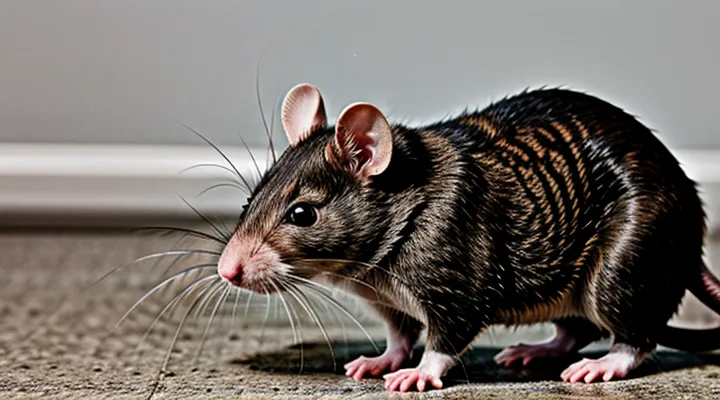
Understanding Rat Fur Loss
The Natural Cycle of Shedding
Rats replace their coat through a regular physiological process that maintains skin health and thermoregulation. The cycle begins with the formation of a new hair shaft beneath the existing fur; as the new hair reaches maturity, the older shaft detaches and is expelled.
Hormonal fluctuations drive the timing of this cycle. Elevated levels of melatonin during shorter daylight periods stimulate increased shedding, while thyroid hormones modulate the speed of hair growth. Seasonal shifts in ambient temperature also alter the rate at which fur is lost and regrown.
Age influences the pattern as well. Juvenile rats experience rapid turnover to accommodate growth, whereas older individuals exhibit slower cycles, sometimes resulting in patchy loss.
Environmental conditions can accelerate or suppress shedding:
- Ambient temperature extremes
- Nutritional deficiencies, especially lack of protein or essential fatty acids
- Chronic stressors that disrupt endocrine balance
When shedding proceeds without interruption, the rat’s skin remains protected against parasites and infection. Excessive or irregular loss may signal underlying health issues and warrants veterinary assessment.
Common Causes of Hair Loss in Rats
Rats experience hair loss for several well‑documented reasons. Identifying the underlying factor is essential for effective treatment and prevention.
- Parasitic infestations – Mites, lice, and fleas irritate the skin, prompting excessive scratching and localized alopecia.
- Dermatophytosis (ringworm) – Fungal infection spreads across the coat, producing circular patches of hair loss and scaly skin.
- Nutritional deficiencies – Inadequate protein, essential fatty acids, or vitamins (especially A, E, and B‑complex) weaken hair follicles, leading to diffuse thinning.
- Hormonal imbalances – Thyroid disorders, adrenal hyperactivity, and reproductive hormone fluctuations disrupt normal hair cycles.
- Stress and environmental factors – Chronic stress, overcrowding, and poor ventilation trigger physiological responses that can cause shedding.
- Allergic reactions – Contact with bedding materials, cleaning agents, or dietary components may provoke dermatitis and subsequent hair loss.
- Genetic predisposition – Certain strains exhibit inherited susceptibility to alopecia, often manifesting early in life.
- Medical conditions – Autoimmune diseases, neoplasia, and systemic infections can impair follicular health, resulting in patchy or total hair loss.
Accurate diagnosis typically involves skin scrapings, fungal cultures, blood panels, and dietary assessments. Prompt intervention—targeted antiparasitic treatment, nutritional supplementation, environmental modification, or medical therapy—halts progression and promotes regrowth.
Medical Conditions Leading to Fur Loss
Parasitic Infestations
Mites
Mites are external parasites that feed on rat skin and blood, directly damaging hair follicles and causing noticeable hair loss. Their attachment irritates the epidermis, leading to inflammation, scratching, and subsequent loss of fur.
- Sarcoptes scabiei – burrows into the epidermis, creating tunnels that destroy hair shafts.
- Demodex spp. – inhabits hair follicles, proliferates when the host’s immune system is compromised, resulting in localized alopecia.
- Cheyletiella spp. – moves across the skin surface, scraping scales and hair, producing patchy baldness.
Effective management requires accurate identification, usually through skin scrapings examined microscopically. Treatment protocols include topical acaricides (e.g., selamectin, ivermectin) applied according to veterinary guidelines, and environmental decontamination to eradicate off‑host stages. Regular health monitoring and maintaining clean housing reduce the risk of reinfestation.
Fleas
Fleas are primary ectoparasites that can directly trigger hair loss in rats. Their blood‑feeding activity creates localized irritation, prompting the animal to scratch and bite the affected skin. Repeated trauma damages hair follicles, leading to patchy alopecia. Additionally, flea saliva contains proteins that provoke allergic dermatitis; the resulting inflammation accelerates follicular damage and fur shedding.
Key mechanisms by which fleas contribute to rat fur loss:
- Mechanical trauma: Continuous scratching and grooming break hair shafts and disrupt follicle integrity.
- Allergic response: Host immune reaction to flea antigens produces pruritic lesions that further exacerbate hair loss.
- Secondary infection: Skin lesions become entry points for bacteria and fungi, causing pustules and necrosis that destroy hair follicles.
- Stress‑induced hormonal changes: Chronic discomfort elevates cortisol levels, suppressing normal hair growth cycles.
Effective control measures—regular ectoparasite treatment, environmental sanitation, and monitoring for skin lesions—prevent flea infestations and mitigate fur loss in laboratory and pet rats.
Lice
Lice are external parasites that feed on the blood and epidermal tissue of rodents. In rats, infestation leads to intense itching, skin irritation, and direct damage to hair follicles. Continuous feeding disrupts the integrity of the coat, causing patches of missing fur and thinning areas.
The mechanical action of lice mouthparts removes hair shafts and creates micro‑lesions. These lesions serve as entry points for bacteria and fungi, which accelerate follicular destruction. The host’s immune response produces inflammation that further degrades hair growth cycles.
Behavioral changes accompany heavy lice loads. Rats increase grooming frequency, often resulting in self‑induced hair loss. Prolonged grooming can strip remaining hair and exacerbate skin trauma.
Typical signs of lice‑induced fur loss include:
- Localized bald spots, especially on the back and neck
- Scaly or reddened skin surrounding affected areas
- Presence of moving specks or nits attached to hair shafts
- Excessive scratching or grooming behavior
Effective control requires prompt identification, thorough cleaning of the environment, and appropriate ectoparasitic medication. Eliminating lice removes the primary source of follicular damage, allowing normal hair regrowth.
Fungal Infections
Ringworm
Ringworm, a dermatophyte infection caused by fungi such as Trichophyton or Microsporum, is a common source of hair loss in laboratory and pet rats. The fungus colonizes the keratinized layers of skin, hair shafts, and nails, digesting keratin and disrupting the structural integrity of hair follicles. As a result, affected rats develop localized or extensive alopecia, often accompanied by scaling, crust formation, and mild pruritus.
Key characteristics of ringworm in rats:
- Circular, hair‑free patches with raised, erythematous margins
- Fine white or yellowish scales within the lesion
- Occasionally, secondary bacterial infection in severe cases
Transmission occurs through direct contact with infected animals, contaminated bedding, or fomites. Spores remain viable in the environment for months, making sanitation critical.
Diagnosis relies on:
- Clinical observation of typical lesions
- Microscopic examination of hair plucks stained with potassium hydroxide
- Fungal culture on Sabouraud agar for species identification
Effective management includes:
- Topical antifungal agents (e.g., clotrimazole, miconazole) applied twice daily for at least two weeks after lesion resolution
- Systemic therapy with oral itraconazole or terbinafine for extensive infection
- Environmental decontamination: autoclave or heat‑treat bedding, disinfect cages with 10 % bleach solution, and replace contaminated materials
Prevention strategies:
- Quarantine new arrivals for a minimum of three weeks and screen for dermatological signs
- Maintain low humidity and regular cage cleaning to reduce spore survival
- Use barrier methods, such as gloves and disposable gowns, when handling infected animals
Prompt identification and comprehensive treatment of ringworm prevent progressive hair loss and limit the spread of infection among rodent colonies.
Bacterial Infections
Bacterial infections represent a frequent, direct cause of fur loss in rats. Pathogenic bacteria invade the skin, trigger inflammation, and damage hair follicles, resulting in alopecia.
Common bacterial agents include:
- Staphylococcus aureus
- Pseudomonas aeruginosa
- Mycoplasma pulmonis
- Streptococcus spp.
Infection initiates folliculitis, characterized by edema, pus formation, and destruction of the hair shaft. Persistent inflammation disrupts the hair growth cycle, leading to patchy or diffuse hair loss.
Affected rats display:
- Localized or widespread bald spots
- Red, swollen skin around the lesions
- Crusts or scabs containing purulent exudate
- Scratching or gnawing behavior
Diagnosis relies on:
- Microscopic examination of skin scrapings for bacterial morphology
- Culture on selective media to identify the organism
- Polymerase chain reaction for rapid species confirmation
Therapeutic measures consist of:
- Systemic antibiotics selected according to culture sensitivity (e.g., oxytetracycline for Staphylococcus, ciprofloxacin for Pseudomonas)
- Topical antiseptics applied to lesions
- Supportive care, including analgesics and wound cleaning
Preventive strategies focus on:
- Maintaining clean housing and bedding
- Implementing quarantine for new arrivals
- Monitoring colony health to detect early signs of infection
Effective management of bacterial skin disease reduces fur loss, improves welfare, and limits spread within laboratory or pet rat populations.
Allergic Reactions
Rats may shed hair when their immune systems react to external substances. When an allergen penetrates the skin or is inhaled, the animal’s mast cells release histamine and other mediators. These compounds increase vascular permeability, attract inflammatory cells, and trigger localized dermatitis. Persistent inflammation damages hair follicles, leading to patchy alopecia.
Typical triggers for such reactions include:
- Rodent feed additives (e.g., soy protein, corn gluten)
- Bedding materials (e.g., cedar shavings, scented fabrics)
- Environmental molds and dust mites
- Parasite control products containing pyrethroids or organophosphates
- Chemical disinfectants or cleaning agents used in cages
If allergic dermatitis is suspected, diagnostic steps involve:
- Observation of lesion distribution and timing relative to exposure changes.
- Skin scrapings or biopsies to rule out parasites and infections.
- Elimination trials that replace suspected allergens with hypoallergenic alternatives.
- Administration of antihistamines or corticosteroids to assess therapeutic response.
Effective management requires removing the offending allergen, providing supportive skin care, and, when necessary, employing anti‑inflammatory medication to halt follicular damage and restore normal coat growth.
Hormonal Imbalances
Thyroid Issues
Thyroid dysfunction is a primary internal factor that can trigger hair loss in rats. Both hypothyroidism and hyperthyroidism disrupt the normal hair‑growth cycle, leading to thinning coats, patchy alopecia, and delayed regrowth.
Hypothyroidism reduces metabolic activity, causing follicles to remain in the telogen (resting) phase longer than normal. The resulting decrease in keratin production produces coarse, sparse fur that sheds easily. Clinical signs often include weight gain, lethargy, and a dull coat.
Hyperthyroidism accelerates metabolism, pushing follicles into the anagen (growth) phase prematurely. Rapid turnover produces brittle hair that breaks shortly after emergence, creating uneven patches. Affected rats may display increased appetite, heat intolerance, and restless behavior.
Key diagnostic indicators:
- Serum thyroxine (T4) below or above reference range
- Elevated thyroid‑stimulating hormone (TSH) in hypothyroid cases
- Reduced TSH in hyperthyroid cases
- Histopathology showing follicular atrophy (hypothyroid) or hyperplasia (hyperthyroid)
Management strategies:
- Confirm diagnosis with blood chemistry and, if needed, ultrasound of the thyroid gland.
- Administer levothyroxine for hypothyroid rats; adjust dosage based on periodic T4 monitoring.
- Use antithyroid drugs (e.g., methimazole) for hyperthyroid rats; taper according to hormone levels.
- Provide a balanced diet enriched with iodine and essential fatty acids to support normal thyroid function.
- Monitor coat condition weekly; expect visible improvement within 4–6 weeks of appropriate therapy.
Addressing thyroid disorders eliminates the hormonal imbalance responsible for fur loss, restores normal hair‑cycle dynamics, and promotes a healthy, full coat.
Adrenal Gland Problems
Adrenal gland dysfunction can directly influence the condition of a rat’s coat. Hormonal imbalances originating from the adrenal cortex or medulla disrupt normal hair growth cycles, leading to thinning, patchy loss, or complete alopecia.
Common adrenal disorders that affect fur include:
- Hyperadrenocorticism – excess cortisol suppresses follicle activity, accelerates catabolism of skin proteins, and impairs keratin synthesis.
- Hypoadrenocorticism – insufficient cortisol reduces the skin’s ability to retain moisture, making hair brittle and prone to breakage.
- Pheochromocytoma – elevated catecholamines cause vasoconstriction, limiting nutrient delivery to hair follicles and provoking localized hair loss.
- Adrenal neoplasia – tumor‑induced hormonal dysregulation interferes with the normal anagen phase, resulting in irregular shedding.
Physiological mechanisms involve altered expression of growth factors, disrupted melanocyte activity, and compromised immune surveillance within the integumentary system. Elevated glucocorticoids, for example, down‑regulate fibroblast growth factor‑2, a critical promoter of hair follicle proliferation.
Diagnosing adrenal‑related fur loss requires biochemical profiling (serum cortisol, ACTH, catecholamines) and imaging studies to detect gland enlargement or masses. Therapeutic interventions—pharmacologic hormone replacement, surgical excision of tumors, or targeted radiation—aim to restore endocrine equilibrium and consequently normalize hair growth.
Effective management of adrenal pathology therefore resolves the underlying cause of coat deterioration and promotes recovery of a healthy fur coat in affected rats.
Nutritional Deficiencies
Protein Deficiency
Protein deficiency directly impairs keratin synthesis, the structural protein that composes rat fur. When dietary intake of essential amino acids falls below physiological requirements, the body reallocates limited protein resources to vital organs, reducing the supply for hair follicle cells. This shortage slows cell division in the matrix, resulting in thinner, weaker shafts and premature shedding.
Key physiological effects of inadequate protein include:
- Decreased production of keratin and associated structural proteins.
- Impaired follicular cycling, prolonging the telogen (resting) phase.
- Reduced growth factor secretion that normally stimulates hair regeneration.
- Lowered immune competence, increasing susceptibility to skin infections that exacerbate hair loss.
Experimental models consistently demonstrate that rats fed a low‑protein diet (5–7 % crude protein) develop diffuse alopecia within two to three weeks, whereas control groups receiving standard protein levels (18–20 % crude protein) maintain normal coat density. Histological analysis reveals truncated hair shafts and increased follicular dystrophy in deficient subjects.
Corrective measures focus on restoring amino acid balance. A diet containing at least 15 % high‑quality protein, supplemented with lysine, methionine, and tryptophan, reverses fur loss in most cases within a fortnight. Monitoring body weight, coat condition, and serum albumin provides practical indicators of nutritional recovery.
In summary, insufficient protein supply disrupts keratin formation and follicle function, leading to observable fur loss in rats. Adequate dietary protein is essential for maintaining a healthy, dense coat.
Vitamin Deficiencies
Rats that exhibit hair loss often suffer from inadequate intake of essential vitamins. Deficiencies disrupt keratin synthesis, impair skin integrity, and trigger inflammatory processes that accelerate fur shedding.
Key vitamins and their impact on rodent coat health:
- Vitamin A – deficiency reduces epidermal cell turnover, leading to dry, brittle hair and alopecia.
- Vitamin B‑complex (particularly B‑2, B‑6, B‑12) – insufficient levels impair melanin production and fatty acid metabolism, resulting in thinning fur and discoloration.
- Vitamin C – lack of this antioxidant compromises collagen formation, weakening the dermal matrix and promoting hair breakage.
- Vitamin D – low availability interferes with calcium regulation, affecting follicle cycling and causing patchy hair loss.
- Vitamin E – inadequate antioxidant protection increases oxidative stress in skin cells, accelerating follicular damage.
- Vitamin K – deficiency may disturb blood clotting within the skin, leading to micro‑hemorrhages and secondary fur loss.
Laboratory observations confirm that supplementing deficient diets restores normal hair density within weeks. Precise dosage must match species‑specific requirements to avoid toxicity. Monitoring serum vitamin levels and adjusting feed formulations constitute effective strategies for preventing fur loss linked to nutritional insufficiency.
Systemic Diseases
Hair loss in rats often signals an underlying systemic condition rather than a localized skin problem. Systemic diseases affect the entire organism, altering metabolic, hormonal, or immune pathways that regulate hair growth cycles.
Common systemic disorders associated with rat alopecia include:
- Endocrine disorders such as hypothyroidism, hyperthyroidism, and adrenal insufficiency; these disrupt the hormonal balance that controls follicle activity.
- Metabolic diseases like diabetes mellitus, which impair nutrient delivery to hair follicles and promote inflammation.
- Renal failure leading to toxin accumulation, uremic pruritus, and secondary skin lesions that precipitate coat loss.
- Hepatic dysfunction causing cholestasis and bile acid accumulation, which can induce pruritus and follicular damage.
- Immune-mediated conditions including systemic lupus erythematosus and autoimmune polyendocrine syndromes; autoantibodies target follicular structures, resulting in diffuse shedding.
- Neoplastic diseases such as lymphoma or mast cell tumors that release cytokines disrupting normal hair cycle regulation.
Diagnosis requires comprehensive evaluation: complete blood count, serum chemistry, thyroid panel, and urinalysis to identify organ dysfunction; imaging or biopsy may be necessary for neoplastic assessment. Treatment focuses on correcting the primary disease, which typically restores normal hair growth over weeks to months. Monitoring weight, appetite, and coat condition provides practical indicators of therapeutic success.
Environmental and Behavioral Factors
Stress and Anxiety
Rats experiencing chronic stress or heightened anxiety often exhibit noticeable fur loss. The relationship between psychological distress and coat condition is supported by physiological evidence.
- Activation of the hypothalamic‑pituitary‑adrenal (HPA) axis increases circulating corticosterone, which suppresses keratinocyte proliferation and disrupts hair follicle cycling.
- Sympathetic nervous system stimulation releases norepinephrine, reducing blood flow to the dermal papillae and impairing nutrient delivery to growing follicles.
- Elevated cortisol levels interfere with melatonin production, weakening the protective antioxidant environment of the skin and accelerating follicular degeneration.
- Behavioral manifestations of anxiety, such as excessive grooming or self‑biting, create mechanical damage that compounds follicular loss.
In experimental settings, rats subjected to unpredictable stressors display a higher frequency of telogen‑phase hairs and a thinner epidermal layer compared to unstressed controls. These findings indicate that both endocrine disruption and stress‑induced behaviors converge to compromise hair integrity, leading to observable shedding.
Over-grooming («Barbering»)
Rats may develop bald patches when they repeatedly remove their own or cage‑mates’ hair, a behavior known as over‑grooming or barbering. The action produces localized hair loss that mimics other dermatological problems, but its origin is behavioral rather than infectious.
Typical indicators include:
- Smooth, hair‑free areas on the back, flanks, or face
- Missing whiskers or short, broken fur
- Skin that appears pink and may be irritated from constant manipulation
Common drivers of excessive grooming are:
- Chronic stress from inadequate environmental complexity
- Hierarchical tension in groups where dominant individuals impose grooming on subordinates
- Underlying medical conditions such as parasites, allergies, or pain that provoke self‑soothing behavior
- Nutritional deficiencies that affect coat integrity, prompting rats to compensate by nibbling
Effective control measures focus on eliminating the precipitating factors:
- Provide nesting material, tunnels, and chewable objects to reduce boredom
- Maintain stable group compositions and monitor social interactions for signs of aggression
- Conduct regular veterinary examinations to rule out ectoparasites, skin infections, or systemic disease
- Ensure a balanced diet rich in essential fatty acids and vitamins to support healthy fur growth
When over‑grooming is identified early, corrective steps can prevent extensive hair loss and promote a full, healthy coat.
Cage Mates Aggression
Aggressive interactions between rats sharing a cage often result in localized hair loss. Biting, excessive grooming, and repeated skin contact create mechanical damage that removes hair shafts and irritates follicles.
Physical trauma from bites produces puncture wounds that disrupt the follicular structure. Repeated aggressive grooming transfers saliva and friction to the skin, weakening the hair shaft and accelerating shedding. Chronic stress associated with dominance disputes triggers elevated cortisol levels, which impair the hair growth cycle and promote thinning.
Observable signs include:
- Small, irregular patches of missing fur, usually near the neck, back, or tail base.
- Fresh or healing bite marks accompanied by erythema.
- Excessive scratching or grooming in specific areas.
- Visible tension among cage occupants, such as frequent chases or vocalizations.
Effective mitigation focuses on preventing aggression and minimizing injury:
- Provide ample space per animal to reduce territorial pressure.
- Supply multiple nesting sites, shelters, and enrichment objects to disperse attention.
- Introduce rats gradually, monitoring behavior before permanent cohabitation.
- Separate individuals displaying persistent dominance or recurrent biting.
- Maintain a stable environment with consistent lighting, temperature, and feeding schedules to lower stress hormones.
Addressing cage‑mate aggression directly reduces traumatic hair loss and supports normal coat regeneration.
Environmental Irritants
Allergens in Bedding
Allergens present in a rat’s sleeping area can trigger skin irritation, inflammation, and subsequent hair loss. When a rat contacts contaminated bedding, its immune system may react to proteins or particles, leading to localized dermatitis and follicular damage.
Common bedding allergens include:
- Dust‑mite feces and body fragments, rich in allergenic proteins.
- Mold spores that proliferate in damp bedding.
- Feather or down residues from natural bedding materials.
- Synthetic fibers treated with flame retardants or antimicrobial agents.
- Residual chemicals from cleaning agents or pesticide sprays.
These substances can breach the skin barrier, activate mast cells, and release histamine and cytokines. The resulting inflammation disrupts the hair growth cycle, causing premature shedding and thinning patches.
Preventive actions:
- Choose low‑allergen bedding such as plain paper or untreated hemp.
- Keep the enclosure dry; replace damp bedding promptly.
- Wash hands and tools before handling bedding to avoid cross‑contamination.
- Rotate bedding material periodically to monitor for adverse reactions.
- Conduct regular health checks for signs of dermatitis or hair loss and adjust bedding accordingly.
By controlling allergen exposure, caretakers can reduce the risk of fur loss and maintain healthier skin in laboratory and pet rats.
Harsh Cleaning Products
Harsh cleaning agents can directly damage a rat’s coat, leading to noticeable hair loss. Chemical components such as ammonia, bleach, and strong solvents dissolve the natural oils that protect fur, causing the fibers to become brittle and break. Repeated exposure to these substances also irritates the skin, triggering inflammation that accelerates follicle deterioration.
- Ammonia: strips sebum, dries epidermis, weakens hair shafts.
- Sodium hypochlorite (bleach): oxidizes keratin proteins, causing brittleness and breakage.
- Phenolic disinfectants: provoke dermatitis, disrupt hair growth cycles.
- Solvent-based degreasers: dissolve lipid layers, increase susceptibility to mechanical damage.
When a rat inhabits an environment where such products are used frequently—laboratories, households, or food‑processing facilities—the cumulative effect compromises the integrity of the coat. The animal may respond by grooming excessively to remove irritants, further removing weakened hairs. Over time, the combination of chemical erosion and self‑induced abrasion results in patches of alopecia, which is often mistaken for disease but is primarily a reaction to the toxic cleaning environment.
When to Seek Veterinary Care
Recognizing Warning Signs
Rats that begin to shed hair abruptly often signal underlying health problems. Early identification of these signals allows prompt veterinary intervention, reducing the risk of severe complications.
Visible changes include:
- Patches of thinning fur or complete bald spots, especially on the back, tail, and ears.
- Red or inflamed skin underneath the missing hair, indicating irritation or infection.
- Excessive scratching, biting, or grooming that results in hair loss.
- Presence of scabs, crusts, or oozing lesions where fur is absent.
- Sudden weight loss or reduced appetite accompanying the hair loss.
Behavioral alterations can also serve as clues. A rat that becomes lethargic, displays reduced activity, or shows signs of pain when touched near affected areas may be experiencing discomfort linked to skin or systemic disorders.
Laboratory findings support visual assessment. Elevated white‑blood‑cell counts, abnormal hormone levels, or positive parasite screens confirm many causes of alopecia, such as bacterial infections, endocrine imbalances, or ectoparasite infestations.
Timely observation of these warning signs, followed by diagnostic testing, is essential for effective treatment and recovery.
Diagnostic Approaches
Rats presenting with hair loss require a systematic diagnostic workflow to identify underlying etiologies and guide treatment.
Initial assessment includes a thorough physical examination, noting pattern, extent, and texture of alopecia, presence of crusts, erythema, or parasites, and evaluating body condition, weight, and behavior. Palpation of the skin reveals firmness, edema, or lesions suggestive of infection or neoplasia.
Laboratory investigations provide objective data:
- Skin scrapings examined microscopically for mites, lice, or fungal elements.
- Direct bacterial and fungal cultures from affected sites.
- Blood panel comprising complete blood count and serum chemistry to detect anemia, leukocytosis, electrolyte imbalances, or organ dysfunction.
- Hormonal assays (thyroid hormones, cortisol) to assess endocrine disorders that may precipitate hair loss.
- Histopathology of biopsy specimens to distinguish inflammatory dermatoses, neoplastic processes, or autoimmune conditions.
Advanced imaging, such as high‑resolution ultrasound or computed tomography, assists in evaluating subcutaneous masses, lymphadenopathy, or internal organ involvement when superficial findings are inconclusive.
Integration of clinical signs with laboratory and imaging results narrows the differential diagnosis, which includes ectoparasitic infestations, dermatophytosis, bacterial pyoderma, endocrine abnormalities, nutritional deficiencies, and neoplastic disease. A definitive diagnosis directs targeted therapy and informs prognosis.
Treatment Options
Hair loss in rats signals underlying health problems that require prompt intervention. Effective management begins with accurate diagnosis, including physical examination, skin scrapings, and laboratory testing to identify parasites, fungal infections, nutritional deficiencies, or systemic disease.
- Topical antiparasitic agents (e.g., selamectin, ivermectin) eliminate ectoparasites such as mites and lice. Apply as directed, monitor for skin irritation, and repeat according to product guidelines.
- Antifungal creams or ointments (e.g., miconazole, clotrimazole) treat dermatophytic infections. Clean the lesion, apply medication twice daily, and continue treatment for the full prescribed course.
- Nutritional supplementation addresses deficiencies that manifest as alopecia. Provide balanced rodent chow enriched with essential fatty acids, vitamins A, E, and B‑complex; consider adding a high‑quality supplement if laboratory results indicate specific deficits.
- Systemic antibiotics or anti‑inflammatory drugs are indicated for bacterial infections or immune‑mediated dermatitis. Choose agents based on culture and sensitivity testing; administer the full regimen to prevent recurrence.
- Environmental modifications reduce stress‑related hair loss. Maintain consistent temperature, humidity, and bedding hygiene; eliminate overcrowding and ensure adequate enrichment.
Supportive care includes gentle grooming to remove debris, regular monitoring of coat condition, and prompt veterinary follow‑up if symptoms persist or worsen. Combining targeted therapy with preventive measures maximizes recovery and minimizes future episodes of fur loss.