
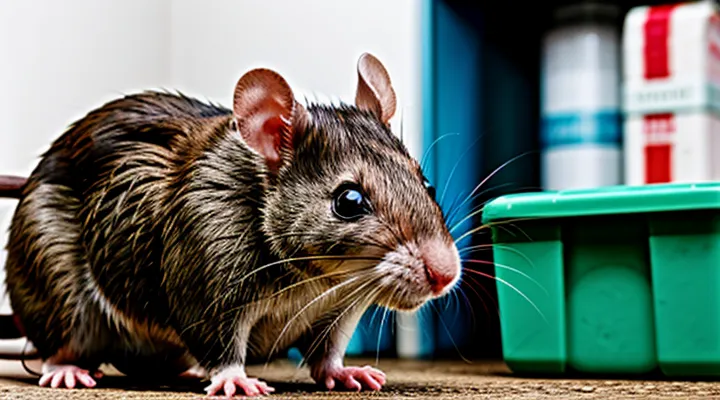
Introduction to Rat Nosebleeds
Understanding Rat Anatomy and Physiology
The Rat's Respiratory System
The rat’s respiratory system consists of the nasal passages, turbinates, nasopharynx, larynx, trachea, bronchi, and lungs. The nasal cavity contains a dense network of capillaries that supply the mucosal lining and the olfactory epithelium. Thin epithelial layers and high vascularity make this region especially susceptible to hemorrhage when the delicate vessels are disrupted.
Bleeding from the nose typically originates in the anterior nasal septum, where the Kiesselbach’s plexus‑like area is present. Factors that compromise vessel integrity include:
- Bacterial or viral upper‑respiratory infections that inflame and erode mucosa.
- Neoplastic growths in the nasal cavity or sinuses that invade vascular tissue.
- Traumatic injury from handling, cage mate aggression, or environmental obstacles.
- Systemic coagulopathies such as vitamin K deficiency, liver disease, or anticoagulant exposure.
- Hypertension or cardiac disease that elevates capillary pressure.
Environmental conditions also affect the respiratory tract. Low humidity, dust, ammonia from urine, and strong odors dry the mucosa, increasing the likelihood of rupture. Poor ventilation amplifies these irritants, further predisposing rats to epistaxis.
Diagnostic evaluation begins with a visual inspection of the nostrils for active bleeding or crusting. Rhinoscopic examination allows direct assessment of the mucosal surface and identification of lesions. Radiographs or computed tomography can reveal sinusitis, masses, or bone erosion. Complete blood count and coagulation panels determine systemic bleeding disorders.
Treatment proceeds in stages:
- Stabilize the animal: provide a warm, quiet environment; apply gentle pressure to the nostrils for a few minutes to halt flow.
- Address local factors: increase cage humidity with a water dish or misting device; reduce dust and ammonia by frequent bedding changes.
- Pharmacologic measures: administer topical vasoconstrictors (e.g., oxymetazoline) sparingly; prescribe broad‑spectrum antibiotics if bacterial infection is confirmed; use analgesics to lessen stress‑induced hypertension.
- Correct systemic abnormalities: supplement vitamin K, treat liver dysfunction, or adjust anticoagulant dosing as indicated by laboratory results.
- Surgical intervention: consider excision of neoplastic tissue or cauterization of persistent bleeding sites when conservative measures fail.
Monitoring includes daily checks for recurrence, weight tracking, and periodic reevaluation of respiratory function. Prompt identification of the underlying cause and targeted therapy reduce mortality and improve recovery in affected rats.
Blood Clotting Mechanisms in Rats
Rats possess a hemostatic system that closely mirrors the mammalian coagulation cascade. Vascular injury triggers rapid platelet adhesion to exposed collagen, mediated by glycoprotein receptors such as GPVI and integrin αIIbβ3. Activated platelets release ADP, thromboxane A₂, and serotonin, amplifying aggregation and forming a primary platelet plug.
Simultaneously, the coagulation cascade proceeds through intrinsic and extrinsic pathways. Factor X activation, driven by the tissue factor–factor VIIa complex and the tenase complex (factors VIIIa and IXa), converts prothrombin to thrombin. Thrombin catalyzes fibrinogen cleavage, generating fibrin strands that stabilize the platelet plug. Factor XIII cross‑links fibrin, enhancing clot firmness.
Regulatory proteins modulate clot formation. Antithrombin III and protein C, activated by thrombin‑thrombomodulin interaction, limit excessive thrombin activity. Tissue‑type plasminogen activator (tPA) initiates fibrinolysis by converting plasminogen to plasmin, which degrades fibrin once vascular repair is complete.
Key differences in rats affect nasal hemorrhage susceptibility:
- Higher baseline platelet count compared to larger mammals, providing swift plug formation.
- Elevated levels of factor VIII, accelerating intrinsic pathway activation.
- Shorter plasma half‑life of fibrinogen, leading to quicker clot turnover.
When a rat experiences epistaxis, the balance between clot formation and fibrinolysis determines bleeding duration. Impaired platelet function, deficiency of coagulation factors, or excessive tPA release can prolong hemorrhage.
Management strategies target these mechanisms:
- Apply topical vasoconstrictors to reduce blood flow and support platelet adhesion.
- Administer vitamin K or plasma‑derived clotting factor concentrates to correct deficiencies.
- Use antifibrinolytic agents such as tranexamic acid to inhibit plasmin activity and preserve fibrin integrity.
Understanding the rat’s coagulation architecture enables precise intervention, minimizing nasal bleeding and promoting rapid recovery.
Common Causes of Rat Nosebleeds
Environmental Factors
Low Humidity and Dry Air
Low humidity and dry air directly affect the delicate vasculature of a rat’s nasal passages. When ambient moisture drops below the species‑specific threshold, the mucosal lining loses its protective moisture film, leading to desiccation of epithelial cells and increased fragility of capillaries. The resulting micro‑tears allow blood to escape, producing spontaneous nosebleeds.
Dry conditions also accelerate the evaporation of nasal secretions, concentrating irritants such as dust or ammonia. These concentrated particles further irritate the nasal mucosa, aggravating inflammation and promoting hemorrhage. In laboratory or pet environments, inadequate ventilation combined with low relative humidity intensifies the risk.
Effective management focuses on restoring optimal humidity and protecting the nasal mucosa:
- Maintain room humidity between 45 % and 55 % using humidifiers or water‑filled containers.
- Provide daily misting of the enclosure’s interior surfaces to create a micro‑climate of higher moisture.
- Ensure adequate ventilation to prevent buildup of irritant gases while avoiding drafts that lower humidity.
- Incorporate moist bedding materials (e.g., shredded paper with added water) that slowly release vapor.
- Monitor humidity with calibrated hygrometers; adjust devices promptly when levels fall outside the target range.
When a rat presents with active epistaxis, immediate steps include gentle pressure on the nostrils for 1–2 minutes, followed by application of a sterile, saline‑soaked gauze to keep the mucosa moist. If bleeding persists, veterinary evaluation is required to rule out underlying coagulopathies or infections, but correcting the environmental dryness remains a primary preventative measure.
Exposure to Irritants and Toxins
Exposure to airborne chemicals, strong odors, or contaminated feed can damage the delicate mucosal lining of a rat’s nasal cavity, leading to hemorrhage. Irritants provoke inflammation, increase vascular permeability, and may erode capillary walls, causing blood to escape into the nasal passages.
Typical agents include:
- Ammonia from bedding or waste accumulation
- Formaldehyde and other disinfectants used in laboratory settings
- Smoke, dust, or particulate matter from poor ventilation
- Pesticides, rodenticides, or heavy metals present in food or water
When a rat presents with nasal bleeding, immediate steps should focus on removing the offending source, providing a clean, low‑odor environment, and ensuring adequate hydration. Supportive care may involve saline nasal rinses to clear debris and mild topical vasoconstrictors to reduce bleeding. If bleeding persists, veterinary assessment is required to evaluate systemic toxicity and consider systemic therapies such as anti‑inflammatory drugs or antibiotics if secondary infection is suspected.
Traumatic Injuries
Falls and Collisions
Falls and collisions are frequent sources of nasal hemorrhage in rats. Direct impact to the snout or head damages delicate blood vessels in the nasal cavity, leading to rapid bleeding.
Trauma disrupts the mucosal lining and fractures fragile nasal bones. The resulting rupture of capillaries or small arteries produces visible blood flow from the nostrils. In severe cases, the force may also cause internal bruising, swelling, and compromised airflow.
Typical signs include bright red discharge from one or both nostrils, frequent nose wiping, reduced activity, and occasional coughing as blood is expelled. The animal may appear pale or lethargic if blood loss is significant.
Immediate steps to control bleeding:
- Apply gentle pressure with a clean, dry gauze pad to the nostrils for 2–3 minutes.
- Keep the rat in a calm, warm environment to prevent shock.
- Monitor respiratory rate and color; if bleeding persists beyond five minutes, seek veterinary assistance.
Veterinary treatment may involve:
- Examination of the nasal passages with a otoscope to locate the bleed source.
- Cauterization or application of topical hemostatic agents to seal damaged vessels.
- Administration of analgesics and fluids to stabilize the patient.
- Radiographic imaging if fractures are suspected.
Preventive measures include securing cages to eliminate high surfaces, providing soft bedding, and handling rats gently to avoid accidental impacts. Regular inspection of the environment reduces the likelihood of falls and collisions, thereby lowering the risk of nasal bleeding.
Fights with Other Rats
Nasal hemorrhage in rats often stems from external trauma, and aggressive encounters with other rats represent a common source of such injury.
During a fight, a rat may receive a direct bite to the snout, a forced head impact, or a crushing pressure that ruptures the delicate vessels of the nasal cavity. Repeated snapping or wrestling can also cause micro‑fractures of nasal cartilage, leading to persistent bleeding.
- Bite wound to the nostril or surrounding skin
- Compression of the snout during wrestling
- Trauma to the sinus walls from head‑to‑head collisions
Visible signs include fresh blood at the nostrils, blood‑stained bedding, and occasional blood‑tinged sneezes. The affected rat may display heightened agitation, reduced appetite, and rapid breathing.
Immediate care involves applying gentle pressure with a clean gauze pad to stop the flow, followed by rinsing the area with sterile saline. Veterinary evaluation is required to assess the extent of tissue damage, prescribe anti‑inflammatory medication, and consider antibiotics to prevent secondary infection. Long‑term prevention relies on reducing social stress: provide ample space, multiple hiding spots, and monitor group composition to avoid recurrent confrontations.
Underlying Health Conditions
Respiratory Infections
Respiratory infections are a frequent trigger of epistaxis in laboratory and pet rats. Pathogens such as Mycoplasma pulmonis, Streptococcus pneumoniae, and certain viral agents inflame the nasal mucosa, increase vascular permeability, and weaken capillary walls. The resulting hemorrhage may appear as intermittent or continuous bleeding from the nostrils.
Infected rats often exhibit additional signs that help differentiate infection‑related bleeding from trauma or neoplasia:
- Sneezing or nasal discharge (purulent or serous)
- Labored breathing, audible wheezes, or increased respiratory rate
- Weight loss, reduced activity, and poor coat condition
- Fever or elevated body temperature measured rectally
Diagnostic confirmation relies on a combination of clinical observation and laboratory testing. Nasal swabs cultured on selective media identify bacterial agents, while polymerase chain reaction (PCR) detects viral genomes. Radiographic or computed tomography imaging reveals sinus involvement, fluid accumulation, or bone erosion.
Effective treatment combines antimicrobial therapy, supportive care, and environmental management:
- Targeted antibiotics (e.g., doxycycline for mycoplasma, enrofloxacin for bacterial pneumonia) administered according to susceptibility results
- Antiviral agents when a specific virus is identified, though supportive care remains primary for most viral infections
- Intranasal saline irrigation to clear crusts and reduce mucosal irritation
- Humidified housing, reduced dust, and avoidance of overcrowding to limit pathogen spread
Monitoring includes daily assessment of nasal bleeding, respiratory effort, and body weight. Persistent or worsening epistaxis despite appropriate therapy warrants reevaluation for secondary complications such as nasal tumor development or coagulopathy. Early intervention grounded in accurate diagnosis markedly improves outcomes and reduces the risk of chronic hemorrhage in affected rodents.
Dental Problems
Dental overgrowth, malocclusion, or abscesses in a rat’s incisors can directly trigger nose bleeding. The continuously growing teeth press against the palate and nasal passages, leading to tissue erosion, inflammation, and rupture of fragile blood vessels. When a tooth becomes misaligned, it may scrape the delicate mucosa of the nasal cavity, creating a source of persistent hemorrhage.
Common dental conditions that precipitate epistaxis include:
- Incisor overgrowth – unchecked length damages adjacent structures.
- Malocclusion – uneven wear creates sharp edges that irritate nasal tissue.
- Periodontal abscesses – infection spreads to the nasal cavity, weakening vessel walls.
- Tooth fractures – broken fragments act as foreign bodies within the nasal passage.
Effective treatment follows a systematic approach:
- Examination – visual inspection and radiography confirm dental pathology and locate bleeding sites.
- Dental trimming – precise reduction of overgrown incisors restores proper alignment and eliminates tissue contact.
- Abscess drainage – surgical opening and cleaning remove infectious material, reducing inflammation.
- Antibiotic therapy – targeted antimicrobial agents prevent secondary infection and support healing.
- Supportive care – humidified environment and soft diet minimize further irritation during recovery.
Prompt identification of dental problems and immediate corrective action prevent recurrent nose bleeding and promote long‑term health in laboratory and pet rats. Regular dental checks are essential for early detection and avoidance of severe epistaxis.
Tumors and Growths
Tumor formation within the nasal cavity or adjacent structures is a recognized source of spontaneous bleeding in laboratory rats. Neoplastic growths may arise from respiratory epithelium, sinus mucosa, or bone, producing lesions such as adenocarcinoma, squamous cell carcinoma, and osteosarcoma. These masses disrupt normal vascular integrity, leading to intermittent or persistent epistaxis.
Key characteristics of tumor‑related nosebleeds include:
- Unilateral discharge that becomes progressively blood‑stained.
- Presence of a palpable mass or facial swelling.
- Weight loss and reduced activity due to chronic blood loss or systemic effects of the neoplasm.
Diagnostic approach relies on imaging and histopathology. Computed tomography or radiography visualizes bone erosion and soft‑tissue masses, while biopsy samples confirm cell type and grade. Blood work may reveal anemia or altered coagulation parameters secondary to tumor activity.
Treatment options depend on tumor type, size, and location:
- Surgical excision: Preferred for localized, accessible lesions; requires careful hemostasis to prevent intra‑operative bleeding.
- Radiation therapy: Applied when complete resection is infeasible; can reduce tumor volume and control hemorrhage.
- Chemotherapy: Utilized for malignant, rapidly proliferating tumors; may be combined with radiation for synergistic effect.
- Supportive care: Fluid therapy and iron supplementation address anemia; topical vasoconstrictors can temporarily reduce bleeding.
Prognosis varies. Benign growths, when fully removed, often result in complete resolution of nosebleeds. Malignant tumors carry a higher risk of recurrence and systemic spread, leading to persistent hemorrhage and reduced survival. Early detection through regular health monitoring improves outcomes and allows timely intervention.
Blood Clotting Disorders
Blood clotting disorders represent a frequent underlying factor in rat epistaxis. Deficiencies or dysfunctions within the coagulation cascade impede the formation of stable fibrin clots, allowing bleeding from the delicate nasal mucosa to persist.
When the cascade is disrupted, either by insufficient clotting factors or by impaired platelet activity, the initial hemostatic plug fails to mature. The result is continuous oozing from the nasal vessels, which appears as a nosebleed that does not resolve without intervention.
Typical clotting abnormalities observed in laboratory rats include:
- Von Willebrand disease – reduced platelet adhesion and factor VIII stability.
- Hemophilia A – deficiency of factor VIII; Hemophilia B – deficiency of factor IX.
- Thrombocytopenia – low platelet count due to bone‑marrow suppression or immune destruction.
- Liver insufficiency – decreased synthesis of most clotting factors.
- Vitamin K deficiency – impaired γ‑carboxylation of factors II, VII, IX, X.
Diagnostic evaluation begins with a complete blood count to assess platelet numbers, followed by plasma coagulation tests (PT, aPTT) to identify factor deficiencies. Specific assays for von Willebrand factor or factor VIII/IX activity confirm the precise disorder.
Therapeutic measures focus on restoring hemostasis. Options comprise:
- Fresh frozen plasma or factor‑specific concentrates to replace missing clotting proteins.
- Vitamin K administration for deficiency‑related coagulopathy.
- Desmopressin (DDAVP) to raise von Willebrand factor levels in mild cases.
- Platelet transfusion for severe thrombocytopenia.
- Supportive care such as nasal compression and humidified environment to reduce mucosal irritation.
Effective control of rat nasal bleeding requires prompt identification of the clotting defect and targeted replacement therapy, thereby preventing recurrence and minimizing systemic blood loss.
Kidney Disease
Kidney disease in rats frequently leads to nasal bleeding through several physiological mechanisms. Impaired renal function reduces the ability to excrete waste, resulting in uremia that damages blood vessel walls and interferes with platelet aggregation. Elevated systemic blood pressure, a common consequence of chronic kidney insufficiency, increases stress on the delicate vessels of the nasal mucosa, making rupture more likely. Additionally, renal failure can cause a deficiency of clotting factors and vitamin K‑dependent proteins, further compromising hemostasis.
Key contributors to epistaxis in rats with renal pathology include:
- Uremic toxin accumulation damaging endothelial cells.
- Hypertension exerted on nasal capillaries.
- Coagulopathy from reduced synthesis of clotting factors.
- Secondary anemia decreasing oxygen delivery to mucosal tissues.
Effective management targets the underlying renal disorder and the immediate hemorrhagic event. Recommended interventions are:
- Fluid therapy with isotonic solutions to correct dehydration and support renal perfusion.
- Antihypertensive agents (e.g., amlodipine or enalapril) to lower systemic pressure.
- Administration of vitamin K or plasma transfusions to restore clotting capacity.
- Dietary adjustments reducing protein load and phosphorus intake to lessen renal strain.
- Monitoring of blood urea nitrogen, creatinine, and complete blood count to assess treatment response.
Prompt identification of kidney‑related factors and implementation of these measures substantially reduce the incidence and severity of nasal bleeding in affected rodents.
Heart Conditions
Nasal bleeding in rats frequently signals underlying cardiovascular pathology. Elevated blood pressure resulting from congestive heart failure forces capillaries in the nasal mucosa to rupture, producing visible hemorrhage. Arrhythmias that reduce cardiac output can lead to hypoxia, prompting vasodilation and fragile vessels that bleed easily. Valvular insufficiencies generate turbulent flow, increasing shear stress on delicate nasal vessels and precipitating epistaxis.
In addition to hemodynamic stress, systemic effects of heart disease contribute to bleeding risk. Chronic heart insufficiency often causes hepatic congestion, impairing synthesis of clotting factors and extending bleeding time. Renal hypoperfusion associated with cardiac dysfunction reduces platelet function, further compromising hemostasis. These co‑morbidities create a multifactorial environment where nasal hemorrhage becomes a clinical indicator of cardiac compromise.
Diagnostic evaluation should focus on confirming cardiovascular involvement. Recommended procedures include:
- Auscultation for murmur or arrhythmia detection.
- Echocardiography to assess chamber size, wall motion, and valve integrity.
- Blood pressure measurement using a tail‑cuff or telemetry system.
- Laboratory analysis of coagulation profile and renal function.
Therapeutic management targets both the bleeding episode and the primary heart condition. Immediate steps involve applying gentle pressure to the nostrils and administering a topical vasoconstrictor. Long‑term interventions include:
- Administration of antihypertensive agents (e.g., ACE inhibitors) to lower systemic pressure.
- Use of diuretics to reduce fluid overload and decrease vascular congestion.
- Treatment of arrhythmias with appropriate anti‑arrhythmic drugs.
- Supplementation of deficient clotting factors or vitamin K if laboratory results indicate coagulopathy.
- Regular monitoring of cardiac function to adjust therapy and prevent recurrence.
Addressing cardiac disease directly reduces the incidence of nasal bleeding and improves overall health outcomes for affected rats.
Recognizing and Diagnosing Rat Nosebleeds
Symptoms Associated with Nosebleeds
Visible Blood
Visible blood from a rat’s nostrils signals a nasal hemorrhage that requires prompt attention. The blood may appear as a few droplets, a steady stream, or a larger pool within the cage. Its color ranges from bright red to darker shades, indicating the speed of bleeding and the involvement of arterial or venous vessels. The presence of blood on the fur, bedding, or surrounding surfaces confirms external leakage and helps assess severity.
Key observations for evaluating visible blood:
- Quantity: minimal spotting versus profuse flow.
- Distribution: confined to one nostril or spreading to both.
- Color: bright red (arterial) suggests rapid loss; dark red or brown (venous) indicates slower bleeding.
- Accompanying signs: sneezing, nasal discharge, facial swelling, or respiratory distress.
Common origins of nasal bleeding in rats include:
- Trauma from cage mates, environmental hazards, or handling.
- Local infections such as bacterial rhinitis or fungal invasion.
- Tumors affecting nasal passages or sinus cavities.
- Coagulopathies caused by vitamin K deficiency, liver disease, or anticoagulant exposure.
- Systemic conditions like hypertension or severe stress that increase vascular pressure.
Treatment steps follow the evaluation of visible blood:
- Isolate the affected animal to prevent further contamination and reduce stress.
- Apply gentle pressure with a clean gauze pad for several minutes to halt active bleeding.
- Inspect the nasal cavity for obvious wounds or foreign objects; remove safely if identified.
- Initiate diagnostic tests—complete blood count, clotting profile, and imaging (radiography or CT) to locate internal sources.
- Administer appropriate therapy: antibiotics for infection, analgesics for pain, vitamin K or plasma transfusion for clotting disorders, and surgical removal for neoplastic growths.
- Monitor recovery, ensuring the absence of recurrent bleeding and normal respiratory function.
Prompt recognition of visible blood and systematic assessment enable effective intervention, reducing the risk of fatal blood loss and supporting the rat’s overall health.
Nasal Discharge
Nasal discharge in a rat often precedes or accompanies epistaxis, indicating an underlying respiratory or systemic problem. Recognizing the characteristics of the discharge—clear, serous, purulent, or bloody—helps differentiate between infectious, inflammatory, traumatic, or neoplastic origins.
Common causes of nasal discharge that can lead to nosebleeds include:
- Bacterial or viral upper respiratory infections, frequently linked to Mycoplasma pulmonis or Streptococcus spp.
- Allergic reactions to dust, bedding material, or airborne irritants.
- Physical injury from fighting, cage cleaning, or accidental trauma.
- Nasal tumors such as adenocarcinomas or lymphomas, which erode vasculature.
- Foreign bodies lodged in the nasal passage, causing obstruction and mucosal damage.
Diagnostic approach should consist of:
- Physical examination of the nasal cavity and oral cavity.
- Radiographic or CT imaging to assess sinus involvement and detect masses.
- Culture and sensitivity testing of purulent material.
- Blood work to evaluate systemic infection or coagulopathy.
Treatment protocols depend on the identified cause:
- Antibiotics targeted to cultured pathogens for bacterial infections.
- Antihistamines or environmental modifications for allergic responses.
- Surgical removal of foreign objects or tumor excision when feasible.
- Supportive care, including humidified environments and nasal saline irrigation, to maintain mucosal moisture.
- Hemostatic agents or cauterization for active bleeding when necessary.
Monitoring includes daily assessment of discharge volume, color, and odor, as well as regular weight checks to detect secondary complications such as dehydration or anemia. Prompt intervention based on the outlined steps reduces the risk of severe hemorrhage and improves the rat’s overall health outcome.
Labored Breathing
Labored breathing in rats appears as increased effort to inhale or exhale, often with audible wheezing, open‑mouth respiration, or visible chest movement. The sign indicates compromised airway function and may accompany nasal hemorrhage, suggesting a systemic or localized pathology affecting both the respiratory tract and nasal vessels.
Nasal bleeding and respiratory distress share several pathophysiological pathways. Elevated blood pressure within the nasal mucosa can rupture fragile capillaries, while inflammation or infection of the upper airway may irritate the mucosa and obstruct airflow, forcing the animal to breathe with greater effort. Toxic exposure or trauma can simultaneously damage nasal epithelium and impair lung tissue, producing the combined presentation.
Typical conditions that generate both symptoms include:
- Severe bacterial or viral upper‑respiratory infections
- Exposure to chemical irritants (e.g., ammonia, formaldehyde)
- Traumatic injury to the head or snout
- Coagulopathies such as disseminated intravascular coagulation
- Neoplastic growths affecting nasal passages or lung tissue
Diagnostic evaluation should begin with a thorough physical exam, followed by:
- Nasal endoscopy to identify bleeding sources and mucosal lesions
- Radiographic or CT imaging of the skull and thorax to detect fractures, masses, or pulmonary infiltrates
- Complete blood count and coagulation profile to assess bleeding disorders
- Microbial cultures from nasal swabs and, if indicated, bronchoalveolar lavage
Treatment focuses on stabilizing respiration and controlling hemorrhage. Immediate measures include supplemental oxygen, humidified air, and gentle nasal packing or topical vasoconstrictors to reduce bleeding. Underlying infections require appropriate antimicrobial therapy; toxic exposures demand removal from the source and administration of antidotes when available. Coagulopathies are managed with plasma transfusions or clotting factor supplementation. Surgical intervention may be necessary for neoplastic lesions or severe trauma. Continuous monitoring of respiratory rate, blood oxygen saturation, and nasal bleeding volume guides adjustments in therapy until the rat’s condition normalizes.
Lethargy and Weakness
Nose bleeding in rats often coincides with reduced activity and diminished strength. When a rodent exhibits lethargy and weakness, the underlying mechanisms may include severe anemia, hypoxia, or systemic infection, each of which can compromise vascular integrity in the nasal passages. Anemic conditions lower the blood’s oxygen‑carrying capacity, prompting the animal to conserve energy and move less, while fragile capillaries become prone to rupture, producing epistaxis. Hypoxic stress, resulting from respiratory disease or environmental factors, forces the heart to work harder; the increased pressure can damage delicate nasal vessels, and the animal’s response is typically a slowdown in locomotion. Bacterial or viral infections that affect the nasal mucosa generate inflammation, ulceration, and clotting disorders, all of which manifest as bleeding and a noticeable decline in vigor.
Prompt identification of these signs is essential for effective intervention. Veterinary assessment should include:
- Complete blood count to detect anemia or clotting abnormalities.
- Respiratory examination and imaging to rule out pneumonia or upper‑airway obstruction.
- Culture or PCR testing for infectious agents.
- Environmental review for low humidity, drafts, or toxic fumes that may irritate the nasal epithelium.
Treatment strategies target the root cause while supporting the rat’s energy reserves. Iron supplementation or blood transfusion addresses anemia; supplemental oxygen and humidified cages alleviate hypoxia; appropriate antimicrobial therapy resolves infection; and anti‑inflammatory agents reduce mucosal swelling. Nutritional enrichment, gentle handling, and a stress‑free environment help restore activity levels. Monitoring for recurring bleeding and ongoing lethargy ensures timely adjustments to the therapeutic plan.
Veterinary Examination and Diagnostic Tests
Physical Examination
Physical examination is the first step in evaluating a rat presenting with epistaxis. The clinician should begin with a calm restraint to minimize stress and allow clear observation of the nasal region. Visual inspection of the nostrils, surrounding fur, and facial skin reveals the presence, location, and amount of blood. Look for unilateral versus bilateral discharge, clotted blood, or active streaming. Note any associated signs such as swelling, crusting, ulceration, or external trauma.
Palpation of the nasal bridge and surrounding structures detects tenderness, masses, or fractures. Gentle pressure on the external nares can help identify the source of bleeding and assess the integrity of the nasal cartilage. Examination of the oral cavity, pharynx, and throat determines whether blood is originating from the upper respiratory tract or being swallowed.
A systematic assessment of vital parameters provides context for the severity of the condition. Record heart rate, respiratory rate, and temperature; deviations may indicate systemic infection, shock, or metabolic disturbance. Auscultation of the chest evaluates for concurrent respiratory disease that could exacerbate nasal hemorrhage.
Laboratory sampling may be incorporated when the physical findings suggest infection or coagulopathy. Nasal swabs for cytology and culture, blood smears for platelet count, and coagulation panels help differentiate infectious, traumatic, or hematologic causes.
Key elements of the physical exam for a rat with nose bleeding include:
- Observation of nasal discharge (color, volume, laterality)
- Palpation of nasal bridge and facial structures for pain or lesions
- Assessment of oral cavity and throat for secondary bleeding sites
- Measurement of heart rate, respiratory rate, and temperature
- Auscultation of lung fields for respiratory involvement
- Collection of diagnostic samples when indicated
Accurate, thorough physical examination narrows differential diagnoses, guides further testing, and informs immediate treatment decisions such as topical hemostasis, antimicrobial therapy, or supportive care.
Blood Tests
Blood tests are essential for identifying systemic factors that contribute to nasal hemorrhage in rats. By analyzing a complete blood count (CBC), veterinarians can detect anemia, thrombocytopenia, or leukocytosis, each indicating different underlying conditions such as chronic blood loss, platelet disorders, or infection. Serum biochemistry panels reveal hepatic or renal dysfunction, which may impair clotting factor synthesis and increase bleeding risk. Coagulation profiles, including prothrombin time (PT) and activated partial thromboplastin time (aPTT), directly assess the integrity of the clotting cascade and help differentiate between intrinsic and extrinsic pathway deficiencies.
Key laboratory evaluations include:
- CBC with differential: evaluates red and white cell counts, hemoglobin concentration, and platelet numbers.
- Serum chemistry: measures liver enzymes, kidney markers, electrolytes, and total protein to uncover organ-related coagulopathies.
- PT and aPTT: quantifies clotting times, identifying deficiencies in specific clotting factors.
- Fibrinogen assay: determines the availability of fibrinogen, a crucial substrate for clot formation.
- D-dimer test: detects fibrin degradation products, indicating ongoing fibrinolysis or disseminated intravascular coagulation.
Interpretation of these results guides therapeutic decisions. For example, confirmed thrombocytopenia may require platelet transfusion or immunosuppressive therapy, while prolonged PT suggests vitamin K deficiency and warrants supplementation. Normal coagulation parameters combined with local nasal pathology shift treatment focus to topical hemostatic agents, environmental modifications, or surgical intervention. Accurate blood test data thus streamline diagnosis, prevent unnecessary treatments, and improve prognosis for rats experiencing nosebleeds.
X-rays and Imaging
X‑ray radiography provides a rapid assessment of skeletal structures that may contribute to epistaxis in rodents. By positioning the rat in a lateral or dorsal view, clinicians can identify fractured nasal bones, sinus fractures, or foreign objects lodged in the nasal cavity. Radiographs also reveal enlarged blood vessels or tumors that appear as radiodense masses, guiding further diagnostic steps.
Computed tomography (CT) offers three‑dimensional visualization of the nasal passages and adjacent sinuses. Thin‑slice CT images delineate mucosal thickening, sinusitis, or neoplastic lesions with high contrast. Contrast‑enhanced CT can highlight vascular malformations or active bleeding sites, facilitating precise localization before surgical intervention.
Magnetic resonance imaging (MRI) excels at soft‑tissue characterization. T1‑ and T2‑weighted sequences differentiate inflammatory tissue from neoplastic growth, while gadolinium enhancement outlines areas of active hemorrhage. MRI is particularly useful when radiographs and CT fail to explain persistent nosebleeds.
Ultrasound, though limited by bone interference, can assist in evaluating superficial vascular structures and detecting fluid collections in the nasal vestibule. Doppler modes identify abnormal blood flow patterns that may indicate vascular rupture.
When imaging identifies a treatable cause, options include:
- Surgical excision of neoplastic tissue.
- Endoscopic cauterization of bleeding vessels.
- Antibiotic therapy for bacterial sinusitis.
- Nasal packing or topical hemostatic agents for minor trauma.
In cases where imaging uncovers systemic disease (e.g., coagulopathy), treatment shifts to correcting underlying hematologic abnormalities. Continuous monitoring with repeat imaging ensures resolution and prevents recurrence.
Treatment Options for Rat Nosebleeds
First Aid at Home
Controlling Bleeding
When a rodent exhibits epistaxis, rapid hemostasis prevents blood loss and secondary complications. Direct pressure applied to the nasal bridge with a sterile gauze pad for 2–5 minutes often stops superficial bleeding. If pressure fails, a topical vasoconstrictor such as 0.5 % phenylephrine solution may be administered using a cotton swab, limiting exposure to the mucosa to avoid irritation.
For persistent hemorrhage, consider the following interventions:
- Tranexamic acid: 25 mg/kg administered intraperitoneally reduces fibrinolysis and supports clot stability.
- Vitamin K1 (phytonadione): 5 mg subcutaneously corrects coagulopathies linked to dietary deficiencies or rodenticide exposure.
- Local cautery: Apply a low‑temperature electrocautery probe to the bleeding site for no more than 2 seconds to avoid tissue necrosis.
- Hemostatic powders: Sprinkle sterile, absorbable powder (e.g., oxidized cellulose) directly onto the nasal mucosa; monitor for obstruction.
After hemostasis, maintain a humidified environment (relative humidity 55–65 %) to keep nasal passages moist and reduce re‑bleeding risk. Provide soft, high‑fat diet and ensure adequate hydration. Monitor the rat for at least 24 hours; repeat blood work (CBC, PT/PTT) if bleeding recurs, indicating underlying clotting disorders.
Preventive measures include regular health checks, avoidance of abrasive bedding, and prompt treatment of respiratory infections. Implementing these protocols minimizes the likelihood of future nasal hemorrhage and supports overall welfare.
Providing a Calm Environment
A tranquil setting reduces physiological stress that can aggravate nasal hemorrhage in rodents. Elevated cortisol levels increase blood pressure in the delicate vessels of the nasal cavity, making spontaneous bleeding more likely. By minimizing stressors, owners lower the probability of bleeding episodes and create conditions favorable for recovery.
Key actions to establish a calm environment include:
- Placing the cage in a quiet room away from loud appliances, foot traffic, and sudden movements.
- Maintaining a stable ambient temperature between 18 °C and 22 °C and a relative humidity of 45‑55 %.
- Providing consistent light cycles, preferably 12 hours of light followed by 12 hours of darkness, without abrupt changes.
- Limiting handling to brief, gentle sessions performed at the same time each day.
Enrichment items that promote a sense of security further support stability. Provide nesting material, a solid hide box, and chewable objects that allow natural foraging behavior. These resources enable the animal to retreat and self‑regulate stress without external interference.
Regular observation is essential. Note any signs of agitation, vocalization, or increased grooming, and adjust environmental variables promptly. A calm habitat, combined with appropriate medical care, contributes significantly to the cessation of nasal bleeding and overall health maintenance.
Veterinary Interventions
Addressing the Underlying Cause
Nose bleeding in rats typically signals an underlying health problem that must be identified before symptomatic care can be effective. Accurate diagnosis starts with a thorough physical examination, observation of the bleeding pattern, and, when necessary, laboratory testing. The practitioner should assess for trauma, respiratory infections, neoplastic growths, coagulation abnormalities, and environmental irritants such as dry air or toxic fumes.
Key steps to address the root cause include:
- Eliminate traumatic sources: Inspect the cage for sharp objects, aggressive cage mates, or rough handling. Remove any identified hazards and provide soft bedding.
- Treat infectious agents: Perform nasal swabs or imaging to detect bacterial, viral, or fungal pathogens. Administer appropriate antimicrobial or antifungal medication based on culture results.
- Manage neoplasia: Conduct radiographs or ultrasound to locate masses. Refer to a veterinary oncologist for surgical excision, chemotherapy, or radiation as indicated.
- Correct clotting disorders: Run coagulation panels to detect deficiencies in platelets or clotting factors. Replace deficient components with plasma transfusions or vitamin K therapy.
- Adjust environmental conditions: Maintain humidity between 45‑55 % and ensure proper ventilation. Replace abrasive bedding with dust‑free alternatives and eliminate exposure to chemicals.
Once the primary issue is resolved, supportive measures such as nasal saline irrigation, topical hemostatic agents, and pain relief can aid recovery. Continuous monitoring for recurrence is essential; any new bleeding episodes should trigger a repeat assessment to confirm that the underlying condition remains controlled.
Medications to Stop Bleeding
When a rat suffers epistaxis, immediate pharmacologic intervention can halt hemorrhage and prevent further deterioration.
Topical agents applied directly to the nasal mucosa produce rapid vasoconstriction, reducing blood flow. Common choices include:
- Oxymetazoline 0.05 % spray, administered in 1–2 drops per nostril, limited to a single dose every 12 hours.
- Phenylephrine 0.25 % solution, applied with a cotton swab, not exceeding 0.1 ml per nostril.
Systemic medications address underlying coagulopathies. Vitamin K1 (phytonadione) restores clotting factor activity in rodents with deficiency; a typical dose is 2 mg/kg subcutaneously, repeated after 24 hours if bleeding persists.
Antifibrinolytic drugs inhibit clot breakdown. Tranexamic acid, given orally at 100 mg/kg or intravenously at 10 mg/kg, provides effective control for prolonged bleeding episodes.
If bacterial infection contributes to mucosal erosion, a short course of a broad‑spectrum antibiotic (e.g., enrofloxacin 10 mg/kg subcutaneously once daily for 5 days) supports hemostasis by reducing inflammation.
Adjunctive therapy with corticosteroids (dexamethasone 0.5 mg/kg intramuscularly) diminishes edema and stabilizes fragile vessels, but should be limited to 48 hours to avoid immunosuppression.
All medications must be selected based on the rat’s weight, health status, and concurrent conditions. Monitoring includes checking nasal discharge every 2–4 hours, assessing mucosal color, and recording any adverse reactions. Prompt adjustment of dosage or drug choice is essential to maintain hemostasis while minimizing toxicity.
Supportive Care
Supportive care stabilizes a rat experiencing nasal hemorrhage while underlying causes are addressed. Immediate measures include applying gentle pressure with a sterile gauze pad for 2–3 minutes to stem active bleeding. After hemostasis, place the animal in a warm, quiet cage with low humidity to reduce mucosal irritation.
Maintain hydration by offering fresh water in a shallow dish that prevents spillage. If oral intake declines, administer subcutaneous isotonic saline (0.9 % NaCl) at 5 ml/kg to preserve circulatory volume. Nutrient support involves providing easily digestible protein sources, such as boiled egg white or commercial rodent formula, in small, frequent portions.
Environmental adjustments lessen stress and secondary bleeding:
- Keep cage bedding dry and dust‑free.
- Limit handling to essential procedures.
- Ensure ambient temperature remains between 20 °C and 24 °C.
Regular observation is essential. Record frequency and volume of any recurrent discharge, respiratory rate, and behavior changes. Early detection of re‑bleeding guides timely veterinary intervention.
If the rat tolerates oral fluids, supplement with vitamin C‑rich foods (e.g., small pieces of citrus peel) to support vascular integrity. For prolonged bleeding, consult a veterinarian about topical hemostatic agents (e.g., gelatin sponge) and possible systemic therapy.
Surgical Options
Nasal bleeding in rats may require surgical intervention when conservative measures fail or when underlying pathology is severe. The primary objectives of surgery are to control hemorrhage, restore airway patency, and address the root cause of the lesion.
Procedures commonly employed include:
- Nasal cavity cauterization: Application of electrocautery or laser energy to bleeding vessels identified during endoscopic examination. Provides immediate hemostasis and minimizes tissue trauma.
- Partial rhinotomy: Surgical opening of the nasal dorsum to expose the mucosal surface, allowing direct ligation of persistent bleeding points or removal of foreign bodies and neoplastic tissue.
- Endoscopic sinusotomy: Creation of a drainage pathway within the sinus cavity to alleviate pressure and reduce venous congestion that contributes to epistaxis.
- Vascular embolization: Catheter‑guided delivery of embolic agents to occlude arterial supply to the nasal region, reserved for refractory cases where direct access is limited.
- Tumor resection: Excision of malignant or benign growths causing vascular disruption, often combined with adjunctive radiotherapy or chemotherapy.
Post‑operative care emphasizes airway monitoring, analgesia, and infection prophylaxis. Regular endoscopic follow‑up confirms hemostasis and detects early recurrence. Selection of the appropriate technique depends on the rat’s size, overall health, and the anatomical location of the bleed.
Preventing Rat Nosebleeds
Optimizing Environmental Conditions
Maintaining Appropriate Humidity
Maintaining appropriate humidity is essential for preventing nasal hemorrhage in rats. Dry air desiccates the nasal mucosa, causing irritation and fragile capillaries that bleed easily. Excessive moisture encourages fungal growth and respiratory infections, which also predispose to nosebleeds.
Optimal relative humidity for rodent enclosures lies between 40 % and 60 %. Values below this range increase the risk of mucosal drying; values above promote microbial proliferation. Continuous monitoring with a calibrated hygrometer enables timely adjustments.
Practical steps to achieve the target range:
- Use a cool‑mist humidifier set to maintain the desired level; clean the unit weekly to prevent bacterial buildup.
- Place shallow water dishes with clean water in the cage; replace water daily to avoid stagnation.
- Ensure adequate ventilation; install adjustable vents or use a low‑speed fan to circulate air without creating drafts.
- Avoid placing the enclosure near heating vents, direct sunlight, or air‑conditioning outlets, which can cause rapid fluctuations.
- Perform weekly humidity checks; record readings and adjust humidifier output or ventilation accordingly.
When humidity deviates from the optimal range, intervene promptly. In low‑humidity situations, increase humidifier output or add damp sponges to the cage. In high‑humidity conditions, enhance airflow, reduce water sources, or use a dehumidifier in the room.
Consistent humidity control reduces mucosal irritation, supports normal nasal function, and complements other therapeutic measures for rats experiencing nosebleeds.
Ensuring Good Ventilation
Proper airflow reduces the risk of nasal bleeding in rodents by preventing the buildup of irritants, humidity spikes, and temperature fluctuations that can damage delicate nasal vessels. Stagnant air encourages mold growth, dust accumulation, and ammonia from waste, each of which can inflame the mucous membranes and trigger hemorrhage. Maintaining a stable, well‑ventilated environment therefore supports both prevention and recovery.
Key actions for achieving optimal ventilation:
- Install a mechanical exhaust system that exchanges indoor air at a rate of at least 10 times per hour; adjust fan speed according to room size and occupancy.
- Position intake vents opposite exhaust points to create a cross‑draft, ensuring fresh air reaches every corner of the enclosure.
- Use HEPA‑rated filters on intake openings to block dust, pollen, and fungal spores that could irritate the nasal passages.
- Monitor relative humidity, keeping it between 40 % and 60 %; employ dehumidifiers or humidifiers as needed to maintain this range.
- Conduct weekly checks for signs of condensation on cage walls or equipment; eliminate sources of excess moisture promptly.
When a rat presents with epistaxis, immediate medical assessment should address underlying conditions such as trauma, infection, or coagulopathy. After stabilizing the animal, improve the cage’s ventilation as outlined above to minimize re‑bleeding. Regular cleaning of bedding and prompt removal of waste further reduce ammonia levels, complementing the airflow strategy.
Consistent implementation of these ventilation practices creates an environment that protects nasal tissue integrity, lowers the incidence of bleeding episodes, and supports overall respiratory health in laboratory and pet rats.
Regular Health Checks and Care
Routine Veterinary Visits
Routine veterinary examinations are essential for early detection of conditions that can lead to nasal hemorrhage in pet rats. During a standard check‑up, the veterinarian assesses the animal’s overall health, inspects the nasal passages, and records any signs of bleeding or irritation. Early identification of underlying issues—such as trauma, infection, neoplasia, or clotting disorders—allows timely intervention before severe bleeding occurs.
Key elements of a routine visit include:
- Physical examination focusing on the head, ears, and nasal cavity.
- Blood work to evaluate hematologic parameters and coagulation status.
- Imaging (radiography or ultrasound) if structural abnormalities are suspected.
- Review of diet, environment, and husbandry practices that may contribute to mucosal dryness or irritation.
- Vaccination updates and parasite prevention measures.
Regular appointments provide a baseline for comparison, making it easier to recognize subtle changes that precede epistaxis. Prompt treatment options—ranging from topical hemostatic agents to systemic therapies—are more effective when the veterinarian has comprehensive health records and a clear understanding of the rat’s normal condition.
Proper Nutrition and Hydration
Proper nutrition and adequate fluid intake directly influence the health of a rat’s nasal passages. Deficiencies in essential vitamins, minerals, and proteins weaken blood vessel walls, making them more prone to rupture. Dehydration reduces mucosal moisture, leading to crust formation that can irritate delicate tissues and trigger bleeding.
Key dietary components that support vascular integrity and mucosal health include:
- Vitamin C: promotes collagen synthesis, reinforcing capillary walls.
- Vitamin K: essential for normal clotting processes.
- Zinc and copper: contribute to tissue repair and immune function.
- High‑quality protein: supplies amino acids needed for tissue regeneration.
- Balanced electrolytes: maintain fluid balance and prevent excessive drying of nasal membranes.
Consistent access to clean, fresh water is critical. Offer water bottles with stainless‑steel nipples to minimize contamination and encourage regular drinking. Monitor intake daily; a drop of more than 10 % below baseline indicates potential dehydration. If a rat exhibits nosebleeds, immediately assess diet for gaps, supplement missing nutrients under veterinary guidance, and ensure hydration levels are restored before addressing any underlying medical conditions.
Managing Stress
Stress is a recognized trigger for epistaxis in laboratory and pet rats. Elevated cortisol levels can impair vascular integrity in the nasal mucosa, making capillaries prone to rupture. Recognizing stress as a contributing factor allows owners and researchers to incorporate preventive measures into the overall care plan.
Common stressors include abrupt changes in cage environment, overcrowding, excessive handling, loud noises, and nutritional deficiencies. Each factor can activate the sympathetic nervous system, leading to hypertension and subsequent bleeding.
Effective stress management consists of:
- Maintaining a stable temperature and lighting schedule; fluctuations should not exceed ±2 °C and ±1 hour of light exposure.
- Limiting cage density to no more than 4 rats per 0.5 sq ft; provide multiple nesting sites and enrichment objects.
- Implementing gentle handling techniques; use calm voice and slow movements, avoid sudden grabs.
- Reducing ambient noise; keep enclosure away from loud equipment, use sound‑absorbing covers if necessary.
- Ensuring a balanced diet rich in vitamin C and omega‑3 fatty acids; supplement with fortified pellets when required.
- Scheduling regular health checks; monitor weight, coat condition, and nasal discharge for early signs of distress.
Integrating these practices with medical treatment—such as topical vasoconstrictors or humidified environments—optimizes recovery. Continuous observation of behavior and nasal health determines whether adjustments to the stress‑reduction protocol are needed, thereby decreasing the likelihood of recurrent bleeding.
Avoiding Injuries
Rats are prone to nasal hemorrhage when their nasal passages are damaged by trauma, rough handling, or environmental hazards. Preventing such injuries reduces the likelihood of bleeding and supports overall health.
Practical measures include:
- Keep cages free of sharp objects, broken bars, or protruding wire that could scrape the snout.
- Use gentle restraint techniques; avoid squeezing the head or applying pressure to the face.
- Maintain bedding at a depth that cushions movement and prevents the animal from striking the cage walls.
- Inspect feeding stations for metal edges or hard surfaces that might injure the nose during chewing.
- Provide adequate ventilation to keep humidity at a level that prevents drying of nasal membranes.
Regular observation of the rat’s behavior and physical condition helps detect early signs of irritation or injury, allowing prompt intervention before bleeding occurs.
When to Seek Emergency Veterinary Care
Severe or Persistent Bleeding
Severe or persistent nasal bleeding in a rat signals an acute health crisis that requires immediate veterinary attention. The volume of blood loss, frequency of episodes, and inability to stop the hemorrhage differentiate ordinary epistaxis from a life‑threatening condition.
Common factors that precipitate intense or ongoing nosebleeds include:
- Direct trauma to the nasal cavity or facial bones
- Coagulopathies such as vitamin K deficiency, liver disease, or inherited clotting disorders
- Neoplastic growths within the nasal passages or surrounding sinuses
- Severe infections that erode vascular tissue, e.g., bacterial rhinitis or fungal sinusitis
- Presence of foreign objects that perforate mucosal vessels
- Systemic hypertension or cardiac failure that elevates capillary pressure
Initial response should focus on stabilizing the animal. Apply gentle, constant pressure to the nostrils with a clean gauze pad, elevate the head slightly, and keep the rat in a warm, quiet environment to reduce stress and vasodilation. Monitor respiratory rate, heart rhythm, and consciousness level while arranging prompt transport to a veterinarian.
Veterinary evaluation typically involves:
- Complete blood count and clotting panel to identify anemia or coagulation deficits.
- Radiographic or computed‑tomographic imaging to locate lesions, masses, or foreign bodies.
- Targeted therapy based on diagnosis:
- Antifibrinolytic agents (e.g., tranexamic acid) for uncontrolled bleeding
- Vitamin K supplementation for deficiency‑related coagulopathy
- Broad‑spectrum antibiotics or antifungal medication for infectious causes
- Surgical excision or cauterization of tumors or damaged tissue
Outcome depends on the underlying cause and timeliness of intervention. Early detection and aggressive management improve survival rates and reduce the risk of recurrent hemorrhage. Continuous monitoring after treatment ensures that any residual bleeding is identified and addressed promptly.
Difficulty Breathing
Nasal bleeding in rats often coincides with compromised airflow, making respiratory assessment a priority. When a rat exhibits epistaxis, reduced oxygen intake can worsen bleeding, while blood loss can impair mucosal function and create obstruction.
Key ways difficulty breathing relates to nose bleeding include:
- Swelling of nasal passages limits air entry, increasing effort to inhale.
- Blood accumulation in the nasal cavity blocks the airway, causing audible wheezing or silent hypoxia.
- Underlying infections or tumors produce inflammatory exudate that both hemorrhages and narrows the trachea.
- Systemic clotting disorders lead to persistent bleed and reduced blood volume, which depresses respiratory drive.
Evaluation should consist of:
- Visual inspection of the nostrils for clotted blood and edema.
- Measurement of respiratory rate and rhythm; tachypnea or irregular breaths signal distress.
- Pulse oximetry or arterial blood gas analysis to confirm oxygen deficiency.
- Palpation of the thorax for abnormal sounds that suggest secondary lung involvement.
Treatment focuses on stabilizing airflow while controlling hemorrhage:
- Apply gentle pressure with sterile gauze to stop active bleeding; avoid excessive force that could further obstruct the airway.
- Administer humidified oxygen through a mask or chamber to counteract hypoxia.
- Use topical vasoconstrictors sparingly; monitor for irritation that could exacerbate breathing difficulty.
- Provide analgesics and anti‑inflammatory agents to reduce mucosal swelling, thereby improving ventilation.
- If clotting disorder is suspected, inject appropriate vitamin K or plasma products under veterinary guidance.
Preventive measures reduce the likelihood of concurrent bleeding and respiratory compromise:
- Keep cage humidity within optimal range to maintain mucosal integrity.
- Screen for parasites, bacterial infections, and neoplasms during routine health checks.
- Ensure diet supplies adequate vitamin C and K to support vascular health and clotting mechanisms.
- Minimize exposure to irritants such as dust, strong scents, or abrupt temperature changes.
Signs of Shock
Nasal bleeding in rats can lead to rapid blood loss, triggering circulatory shock. Shock compromises tissue oxygenation and may quickly become fatal if not recognized.
Typical indicators of shock in rodents include:
- Pale or grayish mucous membranes
- Weak, rapid pulse
- Decreased respiratory rate or shallow breathing
- Cool extremities, especially tail and paws
- Lethargy or unresponsiveness
- Abnormal posture, such as hunching or inability to maintain balance
- Reduced urine output
Early identification of these signs allows immediate intervention. Stabilization measures involve controlling the hemorrhage, restoring fluid volume with isotonic solutions, and providing supplemental oxygen. Continuous monitoring of heart rate, respiratory pattern, and mucous membrane color guides treatment adjustments. Prompt veterinary care improves survival prospects for rats experiencing severe nasal hemorrhage.
Long-Term Management and Prognosis
Monitoring for Recurrence
After a rat’s nasal hemorrhage has been treated, systematic observation is essential to detect any return of bleeding promptly. Continuous assessment reduces the risk of underlying conditions worsening and allows timely intervention.
Key elements of a recurrence‑monitoring protocol include:
- Daily visual inspection of the nostrils for fresh blood or discharge.
- Recording the frequency, duration, and severity of any observed bleeding episodes.
- Monitoring the animal’s behavior for signs of discomfort, such as rubbing the face, reduced activity, or altered feeding patterns.
- Maintaining stable environmental conditions—humidity, temperature, and air quality—to minimize irritants that could provoke bleeding.
- Conducting weekly weight checks to identify gradual health decline that may accompany hidden hemorrhage.
If any indication of renewed nasal bleeding appears, the veterinarian should reassess the initial diagnosis, repeat diagnostic tests (e.g., nasal endoscopy, blood work, imaging), and adjust the treatment plan accordingly. Prompt modification of therapy, such as altering medication dosage, addressing coagulopathies, or treating infections, prevents escalation and supports the rat’s recovery.
Lifestyle Adjustments
Rats prone to nasal bleeding benefit from consistent environmental and behavioral modifications. Maintaining stable humidity levels (40‑60 %) reduces mucosal drying, a common trigger for epistaxis. Use a humidifier or place water dishes near the cage to achieve this range.
A balanced diet supports vascular health. Provide high‑quality rodent pellets supplemented with fresh vegetables rich in vitamin C and K, which aid collagen formation and clotting. Avoid excessive salty treats that can increase blood pressure.
Regular cage cleaning eliminates dust and ammonia, both irritants to the nasal passages. Replace bedding weekly with low‑dust alternatives such as paper or aspen shavings. Ensure ventilation is adequate but not drafty, preserving temperature stability around 20‑24 °C.
Limit stressors that elevate heart rate and blood pressure. Keep handling sessions brief, provide hiding spaces, and avoid sudden loud noises. Social housing, when compatible, can reduce isolation‑induced stress.
Physical activity promotes circulation without overexertion. Offer climbing structures and exercise wheels, but monitor for aggressive play that may cause facial trauma.
Key lifestyle adjustments
- Control humidity (40‑60 %)
- Offer nutrient‑dense diet with vitamins C and K
- Use low‑dust bedding; clean cage weekly
- Maintain stable temperature (20‑24 °C) and gentle airflow
- Reduce stress through enrichment and calm handling
- Provide safe exercise opportunities
Implementing these measures lowers the likelihood of nasal hemorrhage and supports recovery when bleeding occurs. Regular observation for early signs—such as blood‑stained bedding or sneezing—allows prompt veterinary consultation.
Understanding the Outlook
Understanding the outlook for a rat with nasal bleeding requires assessing the underlying cause, the amount of blood loss, and the speed of medical intervention. These variables determine whether the condition resolves quickly, persists as a chronic issue, or leads to life‑threatening complications.
Key factors influencing prognosis:
- Etiology: traumatic injury, bacterial infection, neoplasia, or clotting disorders each carry a distinct risk profile.
- Severity: minor oozing typically resolves within 24–48 hours, whereas profuse hemorrhage can cause rapid anemia.
- Treatment timeliness: prompt veterinary care, including hemostasis and targeted therapy, improves survival odds.
- Overall health: malnourished or immunocompromised rats face higher mortality rates.
When the cause is identified early and appropriate therapy is applied, most rats recover fully within a week. Supportive measures—fluid replacement, nutritional supplementation, and environmental stress reduction—accelerate healing. In cases of chronic infection or malignant growth, the outlook shifts toward long‑term management, with periodic monitoring required to detect recurrence.
Signs that indicate a guarded prognosis include persistent epistaxis despite treatment, declining body condition, lethargy, and laboratory evidence of severe anemia or coagulopathy. Immediate reassessment and escalation of care are warranted under these circumstances.
Owners can enhance the rat’s chances of a favorable outcome by:
- Observing the frequency and volume of nasal discharge.
- Maintaining a clean, low‑humidity habitat to reduce irritation.
- Providing balanced nutrition and unrestricted access to water.
- Seeking veterinary evaluation at the first indication of bleeding.
A clear understanding of these elements equips caretakers to anticipate the disease course, make informed decisions, and optimize the rat’s recovery.