
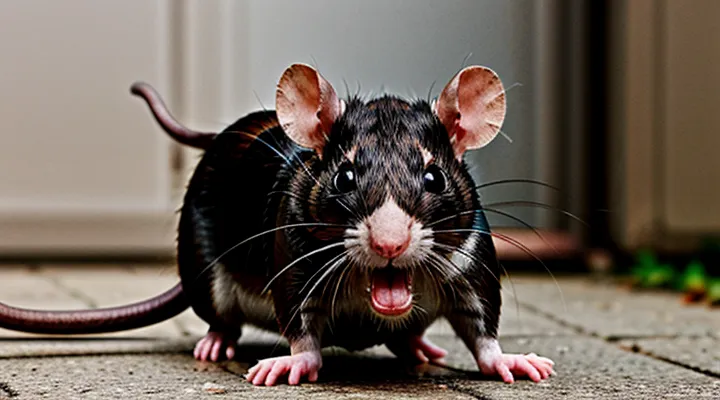
Recognizing the Signs
Visual Cues
Rats that gasp with their mouths open display distinct visual markers that reveal the underlying cause of the behavior. The most reliable indicators appear on the head, torso, and limbs, allowing observers to differentiate between respiratory distress, heat stress, and neurological impairment.
- Rapid, shallow breaths accompanied by nostril flaring suggest airway obstruction or pulmonary infection.
- Pale or bluish coloration of the gums and ear pinnae points to hypoxia.
- Excessive drooling or frothy saliva indicates liquid accumulation in the lungs or severe dehydration.
- Elevated body temperature combined with flushed fur signals heat‑related exhaustion.
- Uncoordinated movements, tremors, or loss of balance accompany open‑mouth gasping when neurological damage is present.
- Persistent vocalizations or squeaks during the episode often correlate with pain or acute stress.
Additional visual cues include a collapsed thoracic cavity, where the chest wall appears sunken, and a visibly swollen abdomen that may result from gastrointestinal blockage. Observers should also note the animal’s posture; a hunched stance with head lowered intensifies the likelihood of respiratory compromise.
By systematically assessing these visual signals, researchers and caretakers can quickly identify the physiological disturbance prompting the open‑mouth gasping and implement appropriate interventions.
Auditory Cues
Rats exhibit open‑mouth gasping when auditory stimuli trigger a rapid respiratory response. Sudden sounds, especially high‑frequency or broadband noises, can activate the startle circuit in the brainstem, causing a brief interruption of normal breathing patterns and an involuntary gasp.
Typical auditory triggers include:
- Sharp clicks or clacks
- Ultrasonic calls from conspecifics
- Mechanical vibrations from equipment
- Sudden human speech bursts
The auditory pathway projects to the nucleus of the solitary tract, which coordinates respiratory muscles. When the pathway receives a sudden, intense signal, motor neurons drive the diaphragm and accessory muscles, forcing the mouth to open as air is rapidly drawn in. This reflex protects the airway and prepares the animal for potential threat.
Primary Causes of Respiratory Distress
Environmental Factors
Rats open their mouths to gasp when environmental conditions compromise normal respiration.
High ambient temperature forces rapid breathing to dissipate heat; excessive heat can overwhelm thermoregulatory mechanisms, leading to open‑mouth panting. Low humidity aggravates airway drying, reducing moisture‑dependent gas exchange and prompting the animal to increase airflow through the oral cavity.
Air quality directly influences respiratory effort. Elevated carbon dioxide, ammonia from waste, or volatile organic compounds irritate nasal passages, forcing the rat to bypass the nose and breathe through the mouth. Poor ventilation intensifies these gases, further encouraging open‑mouth respiration.
Chemical irritants such as cleaning agents, pesticides, or smoke introduce particulate matter that obstructs nasal airflow. Immediate response includes mouth breathing to maintain oxygen intake while the nasal tract clears.
Physical stressors also affect breathing patterns. Overcrowding raises metabolic demand and limits space for normal ventilation; loud noises or sudden disturbances trigger a sympathetic surge that accelerates respiration, often manifested as mouth gaping.
Key environmental triggers
- Temperatures above the thermoneutral zone
- Relative humidity below optimal levels (≈30–50 %)
- Accumulated ammonia or carbon dioxide in enclosures
- Presence of volatile chemicals or smoke
- Inadequate airflow or stagnant air pockets
- High population density and associated stress
Mitigating these factors—maintaining stable temperature, ensuring proper humidity, providing adequate ventilation, minimizing chemical exposure, and preventing overcrowding—reduces the likelihood of rats exhibiting open‑mouth gasping.
Poor Air Quality
Rats open their mouths when breathing in environments where the air lacks sufficient oxygen or contains high concentrations of carbon dioxide. In such conditions the nasal passages cannot deliver enough oxygen, forcing the animal to switch to oral respiration to increase airflow.
- Low oxygen levels reduce the partial pressure gradient across the respiratory membrane, limiting gas exchange.
- Elevated carbon dioxide creates a hypercapnic response that stimulates rapid, shallow breaths.
- Fine particulate matter and volatile chemicals irritate the nasal mucosa, obstructing normal inhalation.
- High humidity or temperature can increase mucus production, further impeding nasal airflow.
These factors combine to lower the efficiency of nasal breathing, compelling the rat to gasp with its mouth open to meet metabolic demands. Continuous exposure to poor air quality can lead to chronic respiratory stress, reduced stamina, and heightened susceptibility to disease.
Temperature Extremes
Rats exposed to extreme temperatures often exhibit open‑mouth gasping, a physiological response driven by the need to increase airflow and dissipate heat or conserve warmth. When ambient heat rises above the animal’s thermoneutral zone, vasodilation and rapid respiration expand the surface area for evaporative cooling. The open mouth reduces resistance in the upper airway, allowing greater tidal volume and faster heat loss through panting.
Conversely, exposure to severe cold forces rats to increase respiratory effort to generate metabolic heat. Mouth breathing minimizes the resistance of the nasal passages, facilitating a higher rate of oxygen intake that supports elevated metabolic activity. The behavior also helps prevent frostbite of nasal tissues by reducing airflow over delicate structures.
Key effects of temperature extremes on rat respiration:
-
Heat stress:
• Elevated core temperature → activation of hypothalamic cooling pathways.
• Increased minute ventilation → open‑mouth panting maximizes evaporative cooling.
• Accelerated heart rate to deliver cooled blood to peripheral tissues. -
Cold stress:
• Drop in core temperature → sympathetic stimulation of brown adipose tissue.
• Higher oxygen demand for thermogenesis → mouth breathing reduces airway resistance.
• Enhanced shivering rhythm synchronized with rapid breaths.
The combined influence of thermal load and metabolic demand explains why rats resort to open‑mouth gasping under both hot and cold extremes. The response optimizes airflow, supports temperature regulation, and sustains vital organ function when environmental conditions push physiological limits.
Infectious Diseases
Rats that breathe with their mouths wide open often exhibit acute respiratory distress caused by pathogenic infections. The symptom reflects a compensatory effort to increase airflow when normal nasal ventilation is impaired.
Common infectious agents producing this presentation include:
- Mycoplasma pulmonis – chronic respiratory pathogen that induces airway inflammation and mucus hypersecretion.
- Streptococcus pneumoniae – bacterial pneumonia leading to alveolar consolidation and hypoxia.
- Sendai virus – paramyxovirus causing severe bronchiolitis and epithelial damage.
- Rat coronavirus (RCV) – viral infection characterized by interstitial pneumonia and fluid accumulation.
- Pneumocystis carinii – opportunistic fungus that proliferates in immunocompromised rodents, producing diffuse lung infiltrates.
Pathophysiology involves infection‑driven inflammation, edema, and exudate filling the alveolar spaces. Reduced oxygen diffusion forces the animal to open the oral cavity, allowing greater air volume to bypass obstructed nasal passages and partially restore gas exchange.
Diagnostic protocols rely on:
- Observation of open‑mouth breathing together with nasal discharge, tremors, or lethargy.
- Necropsy examination of lung tissue for consolidation, hemorrhage, or fungal colonies.
- Microbiological culture or PCR assays targeting specific bacterial or viral genomes.
- Serological testing for antibodies indicative of recent exposure.
Control strategies emphasize prevention and targeted treatment:
- Quarantine new arrivals for at least two weeks, monitoring respiratory signs.
- Sanitation through routine cage cleaning, disinfection of equipment, and proper ventilation.
- Vaccination where available (e.g., Mycoplasma pulmonis vaccines) to reduce susceptibility.
- Antimicrobial therapy guided by susceptibility testing to avoid resistance development.
Effective management of these infectious agents eliminates the primary trigger of open‑mouth gasping, restores normal respiration, and prevents spread within rodent colonies.
Bacterial Infections
Rats that breathe with an open mouth often suffer from severe respiratory distress caused by bacterial invasion of the lower airways. Infection triggers inflammation, fluid accumulation, and reduced airway compliance, forcing the animal to use oral ventilation to obtain oxygen.
Typical bacterial agents responsible for this condition include:
- Pasteurella multocida – produces necrotizing pneumonia and pleuritis.
- Streptococcus pneumoniae – induces lobar consolidation and alveolar exudate.
- Mycoplasma pulmonis – causes chronic bronchitis and interstitial pneumonia.
- Klebsiella pneumoniae – generates thick, purulent secretions that obstruct bronchi.
Pathogenesis proceeds through colonization of the nasopharynx, migration to the lungs, and multiplication within alveolar spaces. Resulting inflammation elevates capillary permeability, leading to edema and pus formation. The compromised gas‑exchange surface forces the rat to adopt an open‑mouth breathing pattern to increase tidal volume and reduce respiratory effort.
Diagnostic procedures rely on:
- Clinical observation of open‑mouth respiration and tachypnea.
- Radiographic imaging showing lung opacity and consolidation.
- Microbiological culture of tracheal swabs or lung tissue.
- Polymerase chain reaction (PCR) targeting species‑specific DNA sequences.
Effective therapy combines targeted antibiotics—selected after susceptibility testing—with supportive measures such as supplemental oxygen, fluid therapy, and environmental temperature control. Early intervention limits tissue damage and improves survival rates.
Prevention focuses on biosecurity: regular cleaning of cages, sterilization of feed and water, quarantine of new arrivals, and routine health monitoring. Maintaining a low bacterial load in the environment reduces the incidence of respiratory infections that provoke open‑mouth gasping in rats.
Viral Infections
Rats exhibit open‑mouth gasping when viral pathogens compromise the respiratory system. The infection typically targets the nasal epithelium, trachea, and lungs, producing inflammation, edema, and mucus accumulation that obstruct airflow. As airway resistance rises, the animal resorts to oral breathing to maintain oxygen intake, resulting in the characteristic gasp.
Key viral agents responsible for this symptom include:
- Hantavirus: induces severe pulmonary syndrome, causing rapid fluid leakage into alveoli.
- Sendai virus: triggers bronchiolitis and necrosis of airway epithelium.
- Rat coronavirus (RCV): produces interstitial pneumonia with extensive inflammatory infiltrates.
- Lymphocytic choriomeningitis virus (LCMV): leads to encephalitis and secondary respiratory distress.
Pathophysiological mechanisms underlying the open‑mouth respiration are:
- Cytokine‑mediated inflammation expands vascular permeability, filling alveolar spaces with exudate.
- Necrosis of ciliated cells reduces mucociliary clearance, allowing mucus buildup.
- Bronchoconstriction narrows airway diameter, increasing the work of breathing.
- Hypoxemia stimulates central respiratory centers to augment tidal volume, achieved through oral inhalation.
Laboratory observation of rats with persistent mouth‑open gasping should prompt virological screening, histopathological evaluation of lung tissue, and measurement of inflammatory markers. Early identification of the causative virus enables targeted antiviral therapy or supportive care, reducing mortality associated with severe respiratory compromise.
Non-Infectious Conditions
Rats may exhibit open‑mouth gasping without the presence of an infectious agent. Several non‑infectious mechanisms can produce this respiratory pattern.
- Obstructive airway lesions – tumors, foreign bodies, or severe inflammation of the nasal passages can limit airflow, forcing the animal to breathe through an open mouth to maintain oxygen intake.
- Pulmonary edema or hemorrhage – accumulation of fluid or blood in the lungs reduces gas exchange efficiency, prompting rapid, shallow breaths with the mouth open.
- Cardiovascular failure – heart dysfunction can lead to reduced perfusion of lung tissue, resulting in hypoxia that manifests as labored, open‑mouth respiration.
- Metabolic acidosis – conditions such as renal insufficiency or severe electrolyte imbalance increase acid load, stimulating the respiratory center to expel CO₂ rapidly, often visible as mouth‑gasping.
- Neurological impairment – lesions affecting the brainstem respiratory centers or cranial nerves controlling the larynx may disrupt normal breathing patterns, causing the animal to resort to oral ventilation.
- Traumatic injury – blunt force or penetrating wounds to the thorax or neck can compromise airway patency or lung elasticity, leading to compensatory mouth breathing.
- Environmental stressors – exposure to extreme temperatures, low oxygen environments, or inhalation of irritant gases can trigger acute respiratory distress without infection.
Recognition of these non‑infectious contributors is essential for accurate diagnosis and appropriate therapeutic intervention.
Allergies and Irritants
Rats exhibit open‑mouth gasping when their respiratory passages encounter substances that trigger hypersensitive or irritant reactions. The response originates from rapid dilation of the bronchi and increased mucus production, which obstruct airflow and force the animal to expand the oral cavity to draw additional air.
Typical agents that provoke this behavior include:
- Dust mites and pollen: airborne particles that bind to IgE antibodies on mast cells, causing histamine release.
- Chemical fumes: ammonia, formaldehyde, and volatile organic compounds irritate the nasal epithelium and provoke reflex bronchoconstriction.
- Food allergens: proteins such as soy, wheat gluten, and dairy can induce systemic anaphylaxis, leading to laryngeal swelling and open‑mouth breathing.
- Environmental pollutants: particulate matter from combustion or mold spores act as irritants, stimulating cough receptors and increasing respiratory effort.
Physiologically, exposure to these agents initiates a cascade: mast cell degranulation → histamine and leukotriene release → smooth‑muscle contraction and vascular permeability → airway narrowing. The rat compensates by elevating the jaw, allowing a larger oral inlet to maintain oxygen intake despite reduced nasal airflow.
Repeated exposure may sensitize the animal, lowering the threshold for gasping episodes. Controlling dust, eliminating strong odors, and providing a hypoallergenic diet reduce the incidence of open‑mouth respiration in laboratory and pet rats.
Cardiovascular Issues
Rats that exhibit open‑mouth gasping often suffer from cardiovascular disturbances that impair oxygen delivery. When cardiac output declines, arterial pressure drops, reducing perfusion of the respiratory muscles and central nervous system. The resulting hypoxia triggers rapid, shallow breaths, and the animal resorts to mouth breathing because nasal passages cannot meet the increased demand.
Common cardiovascular conditions linked to this behavior include:
- Congestive heart failure, which leads to pulmonary congestion and fluid accumulation, limiting gas exchange.
- Acute hemorrhage, causing sudden loss of blood volume, hypotension, and compensatory tachypnea.
- Arrhythmias that disrupt coordinated cardiac contraction, decreasing stroke volume and tissue oxygenation.
- Systemic shock from sepsis or toxin exposure, producing widespread vasodilation and inadequate perfusion.
The physiological cascade begins with insufficient blood flow, prompting the brainstem respiratory centers to increase respiratory rate. Mouth opening reduces airway resistance, allowing maximal airflow despite compromised pulmonary mechanics. Persistent open‑mouth gasping indicates severe cardiovascular compromise and warrants immediate veterinary assessment.
Neurological Disorders
The observation of a rat breathing with its mouth open often signals disruption of neural pathways that regulate respiration. Damage to the brainstem, where the pre‑Bötzinger complex and dorsal respiratory group reside, impairs rhythmic inspiratory drive and can produce audible gasps.
Neurological conditions that interfere with these centers include:
- Neurodegenerative disease – accumulation of misfolded proteins in the medulla reduces neuronal excitability, leading to irregular breathing patterns.
- Epileptic seizures – ictal activity in cortical or subcortical regions may spread to respiratory nuclei, causing abrupt, shallow inhalations.
- Toxic encephalopathy – exposure to neurotoxins such as organophosphates or heavy metals depresses synaptic transmission in respiratory circuits, resulting in mouth‑open gasping.
- Traumatic brain injury – contusions or hemorrhage near the ventral respiratory column disrupt normal inspiratory timing.
- Peripheral neuropathy – loss of vagal afferent input alters feedback to the respiratory centers, weakening the coordination of thoracic muscles.
When evaluating a rat that exhibits this breathing pattern, clinicians should assess:
- Neurological reflexes (pupillary light response, righting reflex).
- Blood gas values to detect hypoxemia or hypercapnia.
- Imaging or histopathology for lesions in the brainstem.
- Exposure history to identify potential toxins or traumatic events.
Identifying the underlying neurological disorder guides targeted interventions, such as antiepileptic therapy, neuroprotective agents, or supportive ventilation, to restore normal respiratory rhythm.
Physiological Mechanisms
The Role of the Diaphragm
Rats often exhibit rapid, open‑mouth breathing when confronted with acute stress, intense activity, or hypoxic conditions. This response originates from the mechanics of the diaphragm, the primary respiratory muscle that drives ventilation.
The diaphragm forms a muscular partition between the thoracic and abdominal cavities. Contraction pulls the central tendon downward, expanding the rib cage and decreasing intrathoracic pressure. The resulting pressure gradient forces air into the lungs. In rodents, the diaphragm contracts at high frequency and with considerable force, enabling swift adjustments in ventilation.
When metabolic demand surpasses the capacity of nasal airflow, the animal supplements diaphragmatic suction by opening the oral cavity. Mouth opening reduces airway resistance, allowing a larger volume of air to enter with each diaphragmatic contraction. This adaptation compensates for the limited nasal passage size and the relatively small tidal volume achievable through nostrils alone.
- Greater tidal volume per breath
- Faster removal of carbon dioxide
- Stabilization of blood pH
- Prevention of tissue hypoxia
Thus, the diaphragm’s rapid, forceful movements, combined with an open oral airway, provide the physiological basis for the characteristic mouth‑gasping observed in rats under demanding conditions.
Airway Obstruction
Airway obstruction in rodents restricts the flow of air through the trachea and nasopharynx, forcing the animal to rely on oral respiration. When the normal nasal passage is blocked, the respiratory muscles generate a stronger inspiratory effort, which visibly opens the mouth and creates a gasp‑like pattern.
Typical sources of obstruction include:
- Inhaled particles or food fragments lodged in the nasal cavity or larynx
- Edema caused by allergic reactions, bacterial infection, or viral pneumonia
- Traumatic injury to the facial bones or soft tissues
- Congenital malformations such as choanal atresia
- Tumors compressing the upper airway
Signs accompanying the condition consist of rapid shallow breaths, audible wheezing, cyanotic mucous membranes, and persistent mouth opening. Prompt removal of the blockage, administration of anti‑inflammatory or antimicrobial agents, and supportive oxygen therapy are essential to restore normal breathing and prevent hypoxia.
Oxygen Deprivation
Rats exhibit open‑mouth gasping when their tissues receive insufficient oxygen. The condition, known as hypoxia, triggers a cascade of physiological responses aimed at restoring adequate oxygen levels.
During hypoxia, arterial oxygen pressure drops, reducing the gradient that drives diffusion across alveolar membranes. Chemoreceptors in the carotid bodies detect this decline and stimulate the respiratory center in the medulla, producing rapid, shallow breaths. The animal’s mandible opens to enlarge the oral cavity, decreasing airway resistance and facilitating greater airflow.
Key mechanisms involved:
- Increased ventilatory drive – elevated respiratory rate and tidal volume.
- Activation of sympathetic pathways – heart rate acceleration to improve oxygen delivery.
- Peripheral vasodilation – enhances blood flow to vital organs.
- Shift to anaerobic metabolism – temporary energy production when aerobic pathways fail.
If oxygen supply remains inadequate, prolonged gasping can lead to loss of consciousness, organ failure, and death. Immediate restoration of ambient oxygen concentration or supplemental delivery halts the respiratory distress and normalizes blood gas values.
When to Seek Veterinary Care
Urgent Symptoms
Rats that exhibit open‑mouth gasping may be experiencing life‑threatening conditions. Recognizing accompanying urgent signs allows timely intervention.
- Rapid, shallow breaths
- Visible cyanosis of the tongue or extremities
- Collapse or inability to maintain posture
- Profuse nasal discharge mixed with blood
- Extreme lethargy or unresponsiveness
- Abnormal heart rate (tachycardia or bradycardia)
These manifestations indicate respiratory failure, severe hemorrhage, shock, or toxic exposure. Immediate actions include isolating the animal, providing supplemental oxygen, and contacting a veterinary professional without delay. Delay increases the risk of irreversible damage or death.
Diagnostic Procedures
Open‑mouth gasping in rats signals respiratory distress and warrants systematic evaluation. Initial assessment includes observation of breathing pattern, respiratory rate, and effort. Palpation of the thorax detects abnormal sounds or masses. Pulse oximetry measures arterial oxygen saturation, providing immediate data on hypoxemia.
Imaging studies clarify structural causes. Thoracic radiographs reveal pulmonary infiltrates, pneumothorax, or cardiac enlargement. Computed tomography offers detailed visualization of airway obstruction, lung parenchyma, and mediastinal lesions.
Laboratory analysis identifies metabolic and infectious contributors. Arterial blood gas analysis quantifies oxygen and carbon dioxide tensions, pH, and bicarbonate levels. Complete blood count detects leukocytosis or anemia. Serum biochemistry evaluates electrolyte balance, renal function, and hepatic enzymes, which may influence respiratory control.
Invasive diagnostics confirm definitive pathology. Bronchoalveolar lavage collects cellular and microbial samples for cytology and culture. Endotracheal intubation permits direct airway inspection and pressure measurements. Necropsy, followed by histopathology, identifies tissue damage, inflammation, neoplasia, or congenital defects.
The diagnostic workflow proceeds from non‑invasive observation to targeted imaging, laboratory testing, and, when necessary, invasive procedures, ensuring accurate identification of the underlying cause of the rat’s open‑mouth breathing.
Physical Examination
Physical examination of a rat that is breathing with its mouth open focuses on identifying respiratory compromise, cardiovascular stress, and neurological impairment. The examiner begins with visual inspection, noting the rate, depth, and rhythm of breaths, the presence of audible wheezes or crackles, and any abnormal thoracic movements. Skin coloration, mucous membrane pallor, and capillary refill time provide immediate clues about oxygenation and perfusion.
- Palpate the thorax to detect rib fractures, subcutaneous emphysema, or abnormal chest wall rigidity.
- Place a stethoscope on the ventral and dorsal lung fields; listen for diminished breath sounds, harsh expiratory noises, or bronchial over‑airway patterns.
- Assess heart rate and rhythm by auscultation; irregularities may indicate hypoxia‑induced arrhythmias.
- Examine the nasal passages and oral cavity for obstruction, edema, or discharge that could force mouth breathing.
- Perform a quick neurological check: evaluate the righting reflex, pupillary response, and limb tone to rule out central nervous system involvement.
Blood sampling for arterial blood gases, complete blood count, and serum electrolytes quantifies hypoxemia, hypercapnia, and metabolic disturbances that often accompany forced mouth respiration. Radiographic imaging of the thorax clarifies pulmonary infiltrates, pleural effusion, or airway collapse.
Collectively, these examination components allow the clinician to differentiate primary respiratory pathology from secondary systemic effects, guiding targeted therapeutic interventions for rats that exhibit open‑mouth gasping.
Imaging Techniques
The open‑mouth gasping observed in rats during acute respiratory distress provides a visible indicator of compromised airway function. Capturing the underlying physiological changes requires imaging methods that resolve airway anatomy, airflow dynamics, and tissue perfusion without altering the animal’s breathing pattern.
- X‑ray fluoroscopy delivers real‑time visualization of tracheal and bronchial patency, allowing measurement of inspiratory and expiratory flow rates.
- Micro‑computed tomography (µCT) produces high‑resolution three‑dimensional reconstructions of the pulmonary airways, revealing structural obstructions and alveolar collapse.
- Magnetic resonance imaging (MRI), especially with hyperpolarized gases, maps ventilation distribution and detects regional ventilation defects.
- Positron emission tomography (PET) combined with radiolabeled tracers quantifies metabolic activity in respiratory muscles and inflammatory cells.
- High‑speed video endoscopy records the motion of the upper airway and tongue, correlating mouth opening amplitude with respiratory cycle phases.
Choosing an appropriate technique depends on spatial resolution, temporal fidelity, and invasiveness. µCT excels in structural detail but involves ionizing radiation; MRI offers soft‑tissue contrast without radiation but has lower temporal resolution. Fluoroscopy provides rapid frame rates suitable for tracking rapid gasps, while PET supplies functional information at the cost of lower spatial detail. High‑speed video endoscopy adds direct observation of oral and pharyngeal movements, complementing internal imaging data.
Data integration across modalities enables correlation of airway narrowing, ventilation heterogeneity, and muscular activity with the observed open‑mouth gasping. Quantitative metrics such as airway cross‑sectional area, ventilation‑perfusion mismatch, and muscle oxygen consumption clarify the physiological mechanisms driving the behavior. Advanced imaging therefore transforms a superficial respiratory sign into a measurable set of pathophysiological parameters, supporting precise assessment of respiratory compromise in experimental rat models.
Laboratory Tests
Laboratory assessment of open‑mouth gasping in rats requires systematic evaluation of respiratory, cardiovascular, and metabolic parameters. Blood gas analysis provides arterial oxygen (PaO₂) and carbon dioxide (PaCO₂) levels, indicating hypoxemia or hypercapnia that may trigger the observed breathing pattern. Hemoglobin saturation measured by pulse oximetry corroborates arterial findings and helps rule out anemia‑related hypoxia.
Cardiovascular monitoring includes electrocardiography and blood pressure measurement. Arrhythmias, tachycardia, or hypotension can compromise tissue perfusion, leading to respiratory distress. Echocardiography identifies structural heart defects that could impair oxygen delivery.
Pulmonary function tests assess airway resistance and lung compliance. Whole‑body plethysmography quantifies tidal volume and respiratory rate, distinguishing between normal rapid breathing and pathological gasping. Bronchoalveolar lavage fluid analysis detects inflammatory cells, pathogens, or toxic substances that may irritate the airway.
Metabolic profiling involves serum glucose, lactate, and electrolyte panels. Elevated lactate suggests anaerobic metabolism, while electrolyte imbalances (e.g., hypokalemia) can affect neuromuscular control of breathing. Hormone assays for thyroid and adrenal function identify endocrine disorders influencing respiration.
A concise list of essential laboratory tests:
- Arterial blood gas (ABG) with pH, PaO₂, PaCO₂, and bicarbonate.
- Pulse oximetry for peripheral oxygen saturation.
- Electrocardiogram (ECG) and non‑invasive blood pressure.
- Echocardiography for cardiac structure and function.
- Whole‑body plethysmography for respiratory mechanics.
- Bronchoalveolar lavage cytology and culture.
- Serum lactate, glucose, electrolytes, and arterial blood chemistries.
- Hormone panels (thyroid, cortisol) as indicated.
Integrating these data points enables precise identification of physiological disturbances that manifest as open‑mouth gasping, guiding targeted interventions and further experimental design.
Preventative Measures and Management
Maintaining Optimal Environment
Rats exhibit open‑mouth gasping when environmental conditions exceed physiological limits. Elevated ambient temperature, excessive humidity, and insufficient airflow reduce oxygen availability and increase respiratory effort, prompting the animal to inhale through the mouth rather than the nasal passages.
Key environmental variables that influence respiratory behavior include:
- Ambient temperature above 30 °C (86 °F)
- Relative humidity exceeding 70 %
- Poor ventilation resulting in stagnant air
- Elevated concentrations of ammonia, carbon dioxide, or dust particles
- Inadequate cage space that restricts movement and airflow
Maintaining optimal conditions requires precise control of each factor. Install thermostats and hygrometers to monitor temperature and humidity continuously. Use high‑efficiency ventilation systems with regular filter replacement to ensure fresh air exchange. Implement routine cleaning protocols to limit ammonia buildup from urine and feces. Provide cages that meet or exceed recommended size standards, allowing unrestricted breathing and movement.
By adhering to these standards, the likelihood of open‑mouth gasping diminishes, supporting normal respiratory function and overall health in laboratory or pet rats.
Ventilation and Filtration
Rats resort to mouth breathing when the normal nasal airflow cannot meet the oxygen demand of the body. The nasal passages contain turbinates and mucosal surfaces that filter, humidify, and warm inhaled air. When these structures are blocked by debris, disease, or inflammation, the resistance to airflow rises sharply. The animal compensates by opening the mouth, allowing a larger volume of air to bypass the compromised nasal filter and reach the lungs quickly.
Effective ventilation depends on the pressure gradient created by the diaphragm and intercostal muscles. If the gradient is insufficient because the nasal route is obstructed, the rat increases tidal volume through oral intake. This strategy restores oxygen delivery at the expense of reduced filtration, exposing the lower respiratory tract to unconditioned air.
Key factors that trigger mouth breathing in rats include:
- Nasal congestion from viral or bacterial infections.
- Accumulation of dust, bedding fibers, or ammonia in the environment.
- Structural abnormalities such as deviated septum or enlarged turbinates.
- Acute stress or exertion that raises metabolic oxygen requirements.
The filtration function of the nasal cavity is compromised during mouth breathing. Particles and pathogens that would normally be trapped by nasal hairs and mucus reach the trachea and bronchi directly, increasing the risk of lower respiratory infections. Maintaining clean air, low humidity, and proper ventilation in the enclosure reduces the need for rats to abandon nasal filtration and prevents the characteristic open‑mouth gasp.
Temperature Control
Rats regulate body temperature through a combination of physiological and behavioral mechanisms. When ambient heat exceeds the animal’s capacity to lose heat via skin and fur, the respiratory system becomes a primary avenue for heat expulsion. Open‑mouth breathing, or panting, increases airflow across moist mucosal surfaces, enhancing evaporative cooling and lowering core temperature.
Key aspects of temperature control relevant to open‑mouth respiration include:
- Evaporative loss: Moisture in the nasal passages and oral cavity absorbs heat as it vaporizes, removing thermal energy from the bloodstream.
- Increased tidal volume: Expanding the oral cavity allows larger breaths, delivering more cool air to the lungs and expelling warmer air more efficiently.
- Vasodilation: Heat stress triggers dilation of peripheral blood vessels, directing blood toward the skin and mucous membranes where heat can be transferred to the environment.
- Behavioral adjustments: Rats seek cooler microhabitats, reduce activity, and adopt postures that expose less surface area to direct heat, complementing physiological responses.
Failure of these mechanisms, such as in extreme temperatures or when the animal is dehydrated, can lead to hyperthermia. Panting with the mouth open represents an acute response that maximizes heat loss when other routes—conduction through the paws or convection across the fur—are insufficient. The process is rapid, reversible, and essential for maintaining homeostasis under thermal stress.
Nutrition and Hydration
Rats that breathe with their mouths open often do so because their bodies lack sufficient nutrients or fluids. When blood glucose drops, the brain signals a need for rapid oxygen intake, and the animal resorts to mouth breathing to increase ventilation. Similarly, dehydration reduces plasma volume, limiting blood flow to the respiratory muscles and prompting a compensatory gasp.
Key nutritional and hydration factors influencing this behavior include:
- Low carbohydrate availability → reduced energy for diaphragm contraction → increased respiratory effort.
- Electrolyte imbalance (especially sodium and potassium) → impaired muscle excitability → irregular breathing patterns.
- Inadequate water intake → decreased blood volume → heightened heart rate and shallow breaths, leading to open‑mouth gasping.
- Deficiency in B‑vitamins → diminished metabolic efficiency → elevated oxygen demand.
Correcting these deficiencies typically eliminates the open‑mouth gasp. Providing a balanced diet rich in complex carbohydrates, sufficient electrolytes, and constant access to clean water restores normal breathing rhythm. Monitoring feed composition and water consumption is therefore essential for preventing respiratory distress in laboratory and pet rats.
Stress Reduction
Rats exhibit open‑mouth gasping when they experience sudden respiratory distress, a reaction triggered by rapid activation of the sympathetic nervous system. The pattern reflects a surge of adrenaline that forces rapid, shallow breaths and forces the jaw to open for increased airflow. When the animal remains under chronic stress, the threshold for this response lowers, resulting in more frequent episodes.
Reducing environmental and physiological stress raises the respiratory threshold, thereby decreasing the occurrence of gasping. Lower stress levels also improve overall cardiovascular stability, which further mitigates abrupt breathing events.
Effective strategies for minimizing stress in rats include:
- Providing nesting material and shelter to create a secure micro‑environment.
- Maintaining consistent light‑dark cycles and ambient temperature.
- Limiting handling to brief, gentle interactions and allowing habituation periods.
- Enriching cages with tunnels, wheels, and chewable objects to encourage natural behaviors.
- Ensuring a balanced diet and uninterrupted access to clean water.
Implementing these measures supports autonomic balance, reduces the likelihood of open‑mouth gasping, and promotes healthier respiratory function.
Early Intervention Strategies
Rats that exhibit open‑mouth gasping are typically experiencing acute respiratory compromise. Prompt identification of the underlying trigger—such as infection, environmental toxin exposure, or trauma—allows corrective measures before systemic deterioration.
Effective early actions include:
- Immediate isolation of the affected animal to prevent spread of infectious agents.
- Administration of supplemental oxygen via a small‑volume chamber or mask, ensuring flow rates match the species’ metabolic demand.
- Rapid assessment of ambient conditions; reduce temperature extremes, eliminate drafts, and maintain humidity within optimal ranges (40‑60 %).
- Initiation of empiric antimicrobial or anti‑inflammatory therapy based on prevalent pathogens and clinical signs, adjusted after laboratory confirmation.
- Monitoring of respiratory rate, effort, and blood oxygen saturation every 15 minutes for the first hour, then at 30‑minute intervals.
Documentation of the animal’s response guides escalation or de‑escalation of treatment. If oxygenation fails to improve within 30 minutes, consider advanced interventions such as intubation or mechanical ventilation, adhering to species‑specific protocols.
Long‑term prevention relies on regular health surveillance, strict quarantine of new arrivals, and maintenance of clean, well‑ventilated housing. These measures reduce the incidence of sudden respiratory events and support overall colony stability.