
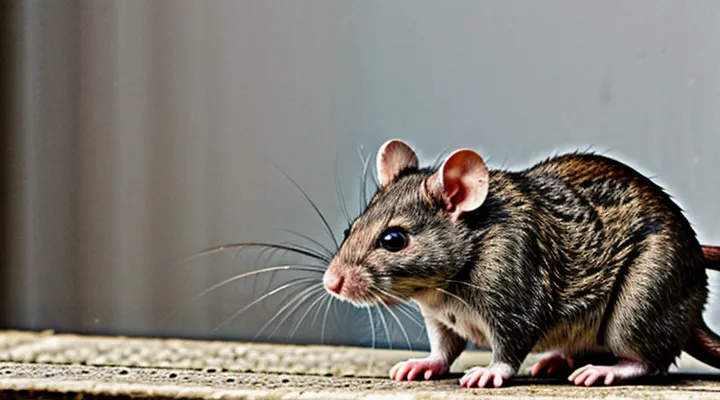
Understanding Rat Sneezing: The Basics
What Constitutes «Frequent» Sneezing in Rats?
Frequent sneezing in rats must be defined by measurable thresholds rather than vague description. Researchers typically compare observed rates to baseline activity recorded in healthy, unstressed animals.
In laboratory colonies, a rat that sneezes fewer than one time per 24 hours is considered normal. Studies using continuous video observation report an average of 0.2–0.5 sneezes per day for adult Sprague‑Dawley rats kept in clean cages with filtered air. Any deviation from this baseline provides a quantitative reference point.
A practical definition of “frequent” includes any of the following criteria:
- ≥ 3 sneezes within a 10‑minute interval; this pattern indicates episodic clustering that exceeds normal spontaneous events.
- ≥ 10 sneezes in a 24‑hour period; the cumulative count surpasses the upper limit of typical daily variation.
- Persistent elevation: a daily average of ≥ 5 sneezes over three consecutive days, confirming a sustained increase rather than an isolated incident.
Measurement techniques that yield reliable counts encompass:
- High‑resolution video recording with frame‑by‑frame analysis.
- Automated acoustic sensors calibrated to detect the characteristic sound of a rat sneeze.
- Nasal airflow probes that register sudden expiratory spikes.
Applying these thresholds allows investigators to distinguish ordinary respiratory reflexes from pathological sneezing patterns, facilitating accurate diagnosis of irritant exposure, infectious agents, or allergic reactions in rodent models.
Normal vs. Concerning Sneezing Patterns
Rats sneeze as a protective reflex that clears the nasal passages of irritants. Under healthy conditions, a rat may sneeze one to three times per day, typically in response to dust, strong odors, or temporary changes in temperature. The sneezes are brief, isolated events without accompanying symptoms. Breathing remains regular, appetite and activity levels stay unchanged, and the animal’s weight remains stable.
In contrast, patterns that deviate from this baseline can signal underlying problems. Indicators of concern include:
- More than five sneezes within an hour, especially if they occur in clusters.
- Persistent sneezing lasting several days without a clear environmental trigger.
- Accompanying nasal discharge that is thick, colored, or bloody.
- Signs of respiratory distress such as open‑mouth breathing, wheezing, or labored inhalation.
- Reduced food and water intake, weight loss, or lethargy.
- Visible lesions or swelling around the snout and eyes.
When these signs appear, veterinary evaluation is advisable. Diagnostic steps often involve physical examination, nasal swab culture, and imaging to identify infections, allergic reactions, dental malocclusion, or neoplastic growths. Early intervention can prevent progression to severe respiratory disease.
Common Causes of Rat Sneezing
Environmental Factors
Dust and Allergens
Rats inhale airborne particles constantly; dust particles that contain proteins, mold spores, and insect fragments trigger the nasal mucosa. When these substances bind to immunoglobulin E on mast cells, histamine release induces the sneeze reflex. The reaction occurs repeatedly if the environment remains contaminated.
Typical dust components that provoke sneezing in rats include:
- House dust mite feces (Der p 1, Der f 1)
- Fungal spores (Aspergillus, Penicillium)
- Cockroach allergen proteins (Bla g 1)
- Pollen fragments carried indoors
- Fine cellulose fibers from bedding
Environmental control reduces exposure. Strategies consist of:
- Replacing standard wood shavings with low‑dust alternatives such as paper or corncob bedding.
- Installing high‑efficiency particulate air (HEPA) filtration to capture microscopic allergens.
- Conducting routine cage cleaning with damp cloths rather than dry sweeping.
- Maintaining humidity between 40 % and 60 % to limit mite proliferation.
Persistent sneezing despite mitigation may indicate a hypersensitivity disorder. Diagnostic evaluation involves nasal lavage cytology and serum IgE measurement, followed by targeted antihistamine or corticosteroid therapy as prescribed by a veterinarian.
Poor Ventilation and Air Quality
Rats housed in environments with inadequate airflow often exhibit repeated sneezing. Stagnant air permits the buildup of particles and gases that irritate the nasal mucosa, triggering reflexive expulsions.
Typical airborne irritants that accumulate under poor ventilation include:
- Dust from bedding, feed, and enclosure surfaces
- Ammonia generated by urine and feces decomposition
- Volatile organic compounds released by cleaning agents or plastic components
- Mold spores thriving in humid corners
- Fine particulate matter introduced from external sources
When these substances remain suspended, they contact the delicate epithelium of the rat’s nasal passages. Continuous exposure desiccates the mucous layer, compromises ciliary function, and provokes inflammatory responses. The resulting hyper‑reactivity manifests as frequent sneezing episodes.
Improving air exchange reduces contaminant concentration. Strategies involve installing filtered ventilation fans, monitoring ammonia levels, maintaining relative humidity between 40‑60 %, and regularly cleaning to eliminate dust reservoirs. Consistent environmental control diminishes nasal irritation and stabilizes respiratory health in laboratory and pet rats alike.
Irritants (e.g., strong scents, cleaning products)
Rats often sneeze when exposed to airborne substances that irritate the nasal epithelium. Strong odors, volatile solvents, and residues from cleaning agents are common triggers because they contain chemicals that stimulate sensory nerves in the upper respiratory tract.
Typical irritants include:
- Essential oils or perfume sprays with high concentrations of terpenes
- Chlorine bleach, ammonia, and other disinfectants that release vapors
- Detergent surfactants and enzymatic cleaners that produce aerosolized particles
- Dust from bedding, wood shavings, or powdered feed
- Smoke or combustion by‑products from heating devices
When these compounds enter the nasal cavity, they bind to transient receptor potential (TRP) channels on trigeminal nerve endings. Activation of TRPA1 and TRPV1 receptors generates depolarizing currents that provoke a reflex arc, resulting in an abrupt, forceful expulsion of air—sneezing—to clear the irritant from the airway.
In laboratory environments, controlling irritant exposure reduces the frequency of sneezing episodes. Strategies include using low‑odor cleaning products, ventilating cages after disinfection, and selecting bedding materials with minimal dust generation. Monitoring air quality and limiting the use of scented enrichment items further diminishes nasal irritation, promoting stable respiratory health in rodent colonies.
Respiratory Infections
Mycoplasma pulmonis
Mycoplasma pulmonis is a cell‑wall‑deficient bacterium that colonizes the upper respiratory tract of rodents. Infection establishes a persistent inflammatory response in the nasal mucosa and trachea, creating the sensory irritation that triggers frequent sneezing.
The organism adheres to epithelial cells, proliferates in the mucus layer, and releases lipoproteins that stimulate cytokine production. Resulting edema and increased secretions mechanically stimulate the trigeminal nerve endings, producing the characteristic sneeze reflex.
Typical clinical manifestations include:
- Repetitive sneezing episodes
- Serous or purulent nasal discharge
- Nasal crusting
- Labored breathing when infection spreads to the lower airway
Diagnostic confirmation relies on:
- Culture of nasal swabs on specialized mycoplasma media
- Polymerase chain reaction targeting the 16S rRNA gene of M. pulmonis
- Serologic detection of specific antibodies
Therapeutic strategies focus on antimicrobial agents effective against mycoplasmas, such as tetracyclines or macrolides, combined with environmental controls to reduce aerosol transmission. Regular health monitoring of breeding colonies and prompt isolation of symptomatic individuals limit outbreak severity.
Other Bacterial Infections
Frequent sneezing in rats often signals a bacterial challenge beyond the typical Mycoplasma species. Several pathogens can irritate the upper respiratory tract, provoke mucosal inflammation, and trigger repeated nasal discharge.
- Streptococcus pneumoniae – colonizes nasopharyngeal epithelium, produces capsular polysaccharide that resists phagocytosis, leading to purulent rhinitis.
- Klebsiella pneumoniae – opportunistic gram‑negative rod, thrives in compromised airways, generates thick exudate and may progress to pneumonia.
- Bordetella bronchiseptica – adheres to ciliated cells, releases toxins that impair mucociliary clearance, resulting in chronic sneezing and bronchitis.
- Pseudomonas aeruginosa – environmental gram‑negative bacterium, forms biofilms on nasal passages, causes persistent irritation and secondary infections.
Affected rats display clear or mucoid nasal discharge, occasional epistaxis, ocular tearing, and reduced activity. Respiratory rate may increase, and auscultation can reveal crackles or wheezes if lower airway involvement occurs.
Diagnosis relies on culture of nasal swabs, polymerase chain reaction targeting species‑specific genes, and histopathology of nasal tissue when necropsy is performed. Antimicrobial susceptibility testing guides therapeutic choices.
Treatment protocols include systemic antibiotics selected after susceptibility results, supportive care such as humidified enclosures, and isolation to prevent spread. Preventive measures consist of rigorous cage sanitation, quarantine of new arrivals, and vaccination where available (e.g., for Bordetella). Regular health monitoring reduces the likelihood of unnoticed bacterial colonization and minimizes sneezing episodes.
Viral Infections
Rats that sneeze repeatedly often harbor viral pathogens that irritate the nasal mucosa and trigger reflexive expulsions. Respiratory viruses such as Sendai virus, rat coronavirus, and hantavirus infect epithelial cells, causing inflammation, edema, and mucus overproduction. The resulting obstruction of nasal passages stimulates the trigeminal sensory fibers, producing the characteristic sneeze reflex.
Key mechanisms include:
- Viral replication in ciliated respiratory epithelium, leading to cell death and loss of mucociliary clearance.
- Release of pro‑inflammatory cytokines (IL‑1β, TNF‑α) that increase vascular permeability and recruit neutrophils.
- Accumulation of serous and purulent secretions that stimulate mechanoreceptors in the nasal turbinates.
Diagnostic confirmation relies on:
- Nasal swab collection for polymerase chain reaction (PCR) targeting viral genomes.
- Histopathological examination of nasal tissue showing epithelial necrosis and inflammatory infiltrates.
- Serological assays detecting virus‑specific antibodies.
Control measures focus on:
- Strict biosecurity to prevent introduction of infected animals.
- Routine health monitoring with PCR screening of colony stock.
- Vaccination where available, such as for Sendai virus in laboratory rat colonies.
Understanding the viral etiology of frequent sneezing enables precise treatment, reduces unnecessary antibiotic use, and supports the health of research and pet rat populations.
Non-Infectious Medical Conditions
Allergies and Sensitivities
Rats exhibit frequent sneezing when their nasal mucosa encounters irritants that trigger an immune response. The reflex expels particles and reduces inflammation, but repeated episodes indicate underlying hypersensitivity.
Common triggers include:
- Dust and wood shavings from bedding
- Mold spores present in humid environments
- Protein residues in commercial feed or treats
- Aerosolized chemicals such as cleaning agents or pesticides
Identifying the responsible agent requires observation of environmental changes and, when necessary, veterinary testing. Management strategies focus on eliminating the offending substance, improving ventilation, and, if indicated, administering antihistamines or corticosteroids under professional guidance. Continuous monitoring ensures the respiratory condition stabilizes and prevents chronic irritation.
Tumors or Polyps in Nasal Passages
Rats that sneeze repeatedly often harbor growths within the nasal cavity. Benign polyps and malignant tumors can obstruct airflow, irritate mucosal linings, and trigger reflexive sneezing. Polyps typically arise from chronic inflammation, presenting as soft, pedunculated masses that enlarge the nasal passage lumen. Tumors may originate from epithelial, mesenchymal, or neuroendocrine cells, producing firm, infiltrative lesions that compromise the nasal turbinates and septum.
Clinical signs associated with nasal growths include:
- Persistent, forceful sneezing episodes
- Nasal discharge, sometimes blood‑tinged
- Reduced olfactory response and altered feeding behavior
- Visible swelling or deformation of the nasal bridge
Diagnosis relies on imaging and histopathology. High‑resolution micro‑CT scans reveal soft‑tissue density and bone erosion, while endoscopic examination permits direct visualization and biopsy. Histological analysis distinguishes between inflammatory polyps, adenomas, squamous cell carcinoma, and other neoplastic entities.
Management strategies depend on lesion type and severity. Surgical excision via dorsal or lateral rhinotomy removes accessible polyps and well‑circumscribed tumors. Adjunctive radiation or chemotherapy targets invasive carcinomas, reducing recurrence risk. Post‑operative care includes anti‑inflammatory agents and humidified environments to promote mucosal healing and minimize sneezing triggers.
Prognosis varies: benign polyps generally resolve with complete removal, whereas malignant tumors carry a guarded outlook, especially when metastasis to adjacent sinuses or the brain occurs. Early detection through routine observation of sneezing patterns improves therapeutic outcomes and prevents chronic respiratory compromise.
Dental Problems Affecting Sinuses
Rats often sneeze because dental abnormalities can irritate the sinus cavities. The continuously growing incisors lie close to the nasal passages; any deviation in tooth alignment or length can press against the surrounding bone and mucosa.
Common dental disorders that impact the sinuses include:
- Overgrown incisors that extend into the nasal cavity
- Malocclusion causing uneven pressure on the maxillary bone
- Dental abscesses that spread inflammation to adjacent sinus tissue
When a tooth protrudes into the sinus, it triggers local inflammation, increases mucus production, and may obstruct normal airflow. The resulting irritation stimulates the trigeminal nerve, producing the sneeze reflex. Infections originating in the tooth can also travel to the sinus, leading to purulent discharge that further provokes sneezing.
Clinical signs of dental‑related sinus involvement are:
- Repetitive sneezing without apparent respiratory infection
- Nasal discharge that may be blood‑tinged or pus‑filled
- Facial swelling near the upper jaw
- Reduced appetite due to oral discomfort
Diagnosis relies on visual examination of the incisors, radiographic imaging of the skull, and assessment of nasal secretions. Treatment typically involves trimming overgrown teeth, correcting bite alignment, and administering antibiotics for secondary infections. Early intervention prevents chronic sinus inflammation and reduces the frequency of sneezing episodes.
Behavioral and Stress-Related Sneezing
Stress and Anxiety Responses
Frequent sneezing in rats often signals an activation of the autonomic nervous system triggered by psychological stressors. When a rat perceives a threat, the hypothalamic‑pituitary‑adrenal (HPA) axis releases corticotropin‑releasing hormone, leading to elevated cortisol levels. Cortisol modulates nasal mucosa blood flow and mucus production, creating conditions that provoke sneeze reflexes.
Key physiological links between anxiety and sneezing include:
- Sympathetic discharge causing nasal vasodilation, which increases mucosal edema and irritates sensory nerve endings.
- Elevated catecholamines enhancing the sensitivity of trigeminal afferents that initiate the sneeze response.
- Altered breathing patterns (rapid, shallow breaths) that dry nasal passages and promote particulate irritation.
Behavioral observations support this connection: rats exposed to unpredictable light‑dark cycles, predator odors, or social isolation display higher sneeze frequencies than control groups. Pharmacological suppression of stress hormones reduces sneeze rates, confirming that the sneeze reflex can serve as an external indicator of an animal’s internal stress state.
Social Dynamics and Dominance Displays
Rats that sneeze repeatedly often do so as part of their social communication system. In hierarchical groups, sneezing can function as a low‑intensity signal that conveys submission or non‑aggressive intent, reducing the likelihood of escalation when a subordinate encounters a dominant individual.
The behavior aligns with several established patterns of dominance display:
- Submissive individuals emit brief, repetitive sneezes when approaching higher‑ranking conspecifics, signaling deference.
- Dominant rats may respond to sneezing by increasing grooming or by initiating mild aggressive actions, reinforcing their status.
- Group members use sneezing frequency as a cue to assess current tension levels, adjusting spacing and resource access accordingly.
- In unfamiliar environments, elevated sneezing rates often precede the establishment of a new social order, reflecting heightened stress and the need for clear status signals.
Neurochemical data support this interpretation. Elevated levels of corticosterone accompany frequent sneezing, indicating stress that correlates with social uncertainty. Simultaneously, increased dopamine activity in the ventral striatum accompanies dominant individuals during encounters where sneezing occurs, linking the behavior to reward pathways that reinforce hierarchy maintenance.
Overall, the repetitive sneezing observed in rats serves not merely as a physiological reflex but as an integral component of their social dynamics, providing a measurable indicator of dominance relationships and group stability.
When to Seek Veterinary Care
Red Flags: Symptoms Accompanying Sneezing
Nasal Discharge (color, consistency)
Frequent sneezing in rats often signals irritation or infection of the upper respiratory tract. One of the most immediate indicators is nasal discharge, whose appearance provides clues about underlying causes.
- Clear, watery discharge – suggests allergic reaction, environmental irritants, or early viral infection. The fluid is thin, non‑viscous, and may increase during exposure to dust, strong odors, or temperature changes.
- White or milky discharge – indicates presence of mucus mixed with cellular debris, common in mild bacterial infections or chronic inflammation. The consistency is slightly thicker than clear fluid but still flows freely.
- Yellow or green discharge – points to bacterial involvement, with pus formation. The color results from neutrophil degradation and bacterial pigments; the secretion is thicker, may clump, and can obstruct nasal passages.
- Blood‑tinged or reddish discharge – reflects trauma to the nasal mucosa, severe inflammation, or ulceration. The fluid may be thin or mixed with clots, and its presence warrants immediate veterinary assessment.
Consistency further refines diagnosis:
- Thin, serous fluid – aligns with allergic or viral origins; easy to expel, rarely causes nasal blockage.
- Viscous, mucous‑rich secretion – typical of bacterial infections; may adhere to fur and respiratory epithelium, increasing sneezing frequency.
- Purulent, semi‑solid material – denotes advanced bacterial infection; can form crusts that hinder airflow and exacerbate sneezing cycles.
Monitoring changes in color and texture allows rapid differentiation between allergic, viral, and bacterial processes, guiding appropriate treatment and environmental adjustments.
Labored Breathing or Wheezing
Frequent sneezing in rats often coincides with labored breathing or wheezing, indicating that the upper airway is compromised and airflow through the lower respiratory tract is obstructed. When nasal passages become inflamed or blocked, the animal increases inspiratory effort, producing audible wheeze and visible thoracic movement.
Obstruction raises airway resistance, forcing the diaphragm and intercostal muscles to work harder. The resulting turbulence creates a high‑pitched sound during exhalation, while the rat’s chest expands more than normal to draw sufficient air. This pattern signals that the sneezing episode is part of a broader respiratory disturbance rather than an isolated nasal reflex.
Typical causes of labored breathing and wheezing in sneezing rats include:
- Bacterial or viral respiratory infections
- Allergic reactions to dust, bedding, or feed particles
- Irritant gases such as ammonia from poorly ventilated cages
- Parasitic infestations affecting the lungs (e.g., Mycoplasma spp.)
- Congenital or acquired airway malformations
Veterinary assessment should record respiratory rate, effort, and sound quality, followed by physical examination of the nasal cavity and thorax. Radiography or computed tomography can reveal pulmonary infiltrates or structural anomalies. Laboratory analysis of nasal swabs or bronchoalveolar lavage helps identify infectious agents.
Treatment protocols focus on eliminating the underlying trigger and supporting airway patency. Options include antimicrobial therapy for confirmed infections, antihistamines or corticosteroids for allergic inflammation, environmental improvements to reduce ammonia and dust, and bronchodilators to relieve bronchospasm. Continuous monitoring of sneezing frequency and breathing pattern ensures therapeutic efficacy and early detection of relapse.
Lethargy and Appetite Loss
Frequent sneezing in rats often signals underlying health disturbances that manifest as reduced activity and diminished food intake. When a rodent experiences respiratory irritation—whether from viral agents, bacterial infections, allergens, or environmental pollutants—the inflammatory response can extend beyond the nasal passages. Cytokine release and systemic inflammation impair metabolic regulation, leading to lethargy and appetite suppression.
Key mechanisms linking sneezing to lethargy and appetite loss include:
- Systemic inflammation: Pro-inflammatory mediators such as interleukin‑1β and tumor necrosis factor‑α disrupt hypothalamic centers that control wakefulness and hunger, causing the animal to withdraw from normal activity and eating.
- Nasal obstruction: Persistent congestion reduces olfactory function, diminishing the ability to detect food odors, which lowers motivation to feed.
- Energy diversion: The immune system reallocates energy resources toward pathogen defense, leaving fewer calories available for locomotion and growth.
- Secondary infections: Repeated sneezing can predispose the respiratory tract to bacterial colonization, aggravating illness and further suppressing vitality.
Veterinarians assess these signs by measuring body weight trends, monitoring locomotor patterns, and conducting nasal swabs or radiographs to identify infectious agents. Prompt treatment—antibiotics for bacterial involvement, antiviral therapy when appropriate, and environmental remediation—typically restores normal behavior within days. Failure to address the underlying cause may result in progressive weight loss, chronic fatigue, and heightened mortality risk.
Huddled Posture or Hunched Back
Rats that adopt a huddled or hunched posture often display an increased rate of sneezing. The curvature of the spine reduces the volume of the thoracic cavity, which in turn limits the expansion of the rib cage during inhalation. This restriction raises intra‑nasal pressure and promotes the accumulation of particulate matter and mucus within the nasal passages.
The posture‑induced changes affect sneezing through several mechanisms:
- Compression of the upper airway limits airflow, causing turbulent entry of air that irritates the nasal epithelium.
- Reduced chest expansion diminishes the strength of the inspiratory draw, leaving residual particles in the nasal cavity.
- Chronic hunched positioning may alter the alignment of the cervical vertebrae, narrowing the nasopharyngeal conduit and increasing susceptibility to irritants.
Experimental observations confirm that rats forced into a crouched stance sneeze more frequently than those allowed to stand upright. Video analysis of laboratory colonies shows a correlation between the duration of the hunched position and the number of sneeze bouts per hour.
For researchers and caretakers, recognizing the link between body posture and nasal reflexes is essential. Providing spacious enclosures, encouraging upright movement, and minimizing stressors that promote hunching can reduce the incidence of sneezing and improve the reliability of respiratory data in experimental settings.
Preparing for a Vet Visit
Observing and Documenting Symptoms
Observing a rat’s sneezing behavior requires a disciplined recording routine. Each episode should be logged with exact time, duration, and number of expulsions. Note any apparent triggers such as dust, bedding changes, or handling. Record accompanying signs—nasal discharge, ocular irritation, respiratory sounds, or changes in activity level. Environmental parameters (temperature, humidity, ventilation rate) must be captured alongside the animal’s health status (weight, recent procedures, medication).
- Frequency of sneezes per hour
- Duration of each sneeze bout
- Presence and type of nasal/ocular discharge
- Ambient temperature and humidity
- Recent modifications to cage contents or diet
- Concurrent signs of respiratory distress
Documentation tools include bound observation sheets, electronic spreadsheets, and video recordings with synchronized timestamps. Use standardized abbreviations and units to ensure consistency across observers. Store data in a searchable database, enabling rapid retrieval for trend analysis.
Analyzing the compiled records reveals patterns that differentiate allergic reactions, infectious agents, and irritant exposure. Correlate sneeze spikes with specific environmental changes or infectious disease outbreaks. Statistical tests (e.g., chi‑square for categorical variables, regression for continuous factors) quantify the strength of associations.
A rigorous observation and documentation protocol supplies the evidence base necessary for diagnosing the underlying cause of frequent sneezing in rats and for implementing targeted interventions.
Information to Provide to Your Veterinarian
When your rat is sneezing repeatedly, provide the veterinarian with precise details to enable an accurate assessment.
- Onset: date the sneezing began and whether it was sudden or gradual.
- Frequency: number of sneezes per hour or day, and any patterns (e.g., after feeding, during cleaning).
- Duration: length of each sneezing episode and total period the problem has persisted.
Include environmental data that could influence respiratory health.
- Cage type: material of bedding, presence of dust‑producing substrates, and frequency of cleaning.
- Air quality: use of heaters, fans, or humidifiers, and any recent changes in ventilation.
- Temperature and humidity levels measured in the habitat.
Report dietary and health background.
- Current diet: brand, formulation, and any recent switches or treats introduced.
- Supplements or medications administered in the past month.
- History of respiratory infections, allergies, or other illnesses.
Note accompanying clinical signs.
- Nasal or ocular discharge, its color and consistency.
- Changes in appetite, weight, activity level, or grooming behavior.
- Presence of wheezing, coughing, or labored breathing.
Providing this structured information allows the veterinarian to differentiate between allergic reactions, infectious agents, dental issues, or environmental irritants and to formulate an appropriate treatment plan.
Preventing and Managing Rat Sneezing
Optimizing the Rat’s Environment
Dust-Free Bedding and Substrates
Rats often sneeze because airborne particles irritate the nasal passages. When bedding releases dust, each breath introduces microscopic irritants that trigger reflexive sneezing. Reducing or eliminating dust in the cage environment directly lowers the frequency of these episodes.
Dust‑free bedding options share common characteristics: low particle shedding, high absorbency, and non‑allergenic composition. Typical choices include:
- Compressed paper pulp blocks that expand when wetted, producing a dense, dustless surface.
- Hemp fiber mats processed to remove fine particles, offering natural absorbency and minimal airborne debris.
- Laboratory‑grade cellulose sheets designed for sterile environments, providing a virtually particle‑free substrate.
Selecting a dust‑free material minimizes respiratory stress, supports mucosal health, and improves overall comfort for the animal. Regular replacement of the substrate prevents accumulation of residual particles and maintains the low‑dust environment. Cleaning the cage with a mild, fragrance‑free detergent and rinsing thoroughly removes any lingering contaminants that could reintroduce irritants.
Monitoring the rat’s sneezing pattern after bedding changes provides immediate feedback. A noticeable decline in sneeze frequency indicates that airborne dust was a primary trigger. Consistent use of low‑dust bedding, combined with diligent cage hygiene, offers a practical strategy for controlling respiratory irritation in pet and laboratory rats.
Regular Cage Cleaning and Sanitization
Regular cage cleaning and thorough sanitization directly affect the incidence of sneezing in pet rats. Accumulated bedding, droppings, and food debris release dust and mold spores that irritate the nasal passages. Elevated ammonia levels from urine breakdown also compromise respiratory mucosa, making sneezing more frequent.
Effective maintenance includes:
- Removing all soiled bedding at least once daily.
- Washing the cage with warm water and a mild detergent after each bedding change.
- Applying a rodent‑safe disinfectant (e.g., diluted hydrogen peroxide or veterinary‑approved quaternary ammonium solution) and allowing a contact time of 10‑15 minutes before rinsing.
- Rinsing thoroughly to eliminate chemical residues that could irritate the animal.
- Drying the cage completely before adding fresh bedding to prevent humidity‑driven mold growth.
Additional measures reinforce respiratory health:
- Use low‑dust bedding such as paper or aspen shavings.
- Position the cage in a well‑ventilated area to disperse airborne particles.
- Monitor ammonia levels with test strips; replace bedding promptly if levels exceed 25 ppm.
Consistent implementation of these practices reduces airborne irritants, lowers pathogen load, and consequently diminishes the frequency of sneezing episodes in rats.
Air Purification and Humidity Control
Rats sneeze repeatedly when airborne irritants or improper moisture levels affect their nasal passages. Effective air purification removes dust, mold spores, and volatile compounds that trigger reflexive sneezing. High‑efficiency particulate air (HEPA) filters capture particles as small as 0.3 µm, reducing the concentration of allergens that rats inhale during normal activity. Activated carbon layers adsorb gaseous pollutants, preventing irritation from ammonia, phenols, and other volatile organic compounds commonly produced by bedding and urine.
Humidity control further stabilizes the respiratory environment. Rat nasal mucosa requires a specific moisture balance: overly dry air desiccates the epithelium, increasing sensitivity to particles; excessive humidity fosters fungal growth and aerosolized spores. Maintaining relative humidity between 45 % and 55 % achieves two objectives:
- Prevents mucosal drying, preserving ciliary function.
- Inhibits mold proliferation, limiting airborne spore load.
Implementing both measures in a rodent enclosure yields measurable reductions in sneeze frequency. Studies comparing untreated cages with those equipped with HEPA filtration and humidistats report a decline of up to 70 % in observed sneezing events. Continuous monitoring of particulate counts and humidity levels ensures the environment remains within optimal parameters, thereby minimizing respiratory irritation and supporting overall health.
Dietary Considerations
Ensuring a Balanced and Nutritious Diet
A rat’s respiratory system responds to dietary quality. Inadequate nutrients weaken mucosal barriers, allowing irritants to trigger sneezing episodes.
Vitamins A and C maintain epithelial health, while zinc and selenium support antioxidant defenses. Omega‑3 fatty acids reduce inflammation in nasal passages. Adequate protein supplies amino acids required for immune cell production.
High‑fiber diets prevent gastrointestinal distress that can indirectly affect breathing. Excessive grain or sugary treats introduce allergens and destabilize gut microbiota, increasing susceptibility to respiratory irritation.
Feeding recommendations
- Provide a commercial rodent pellet formulated to meet AAFCO nutrient profiles.
- Supplement with fresh vegetables rich in vitamins (e.g., carrots, kale) twice weekly.
- Offer a small portion of lean protein such as boiled egg or cooked chicken three times per week.
- Include a source of omega‑3 (e.g., a few drops of fish oil) once weekly.
- Limit seeds, nuts, and sugary snacks to no more than 5 % of total intake.
- Ensure constant access to clean water to keep mucous membranes hydrated.
Consistent application of these guidelines reduces nasal irritation and promotes overall health, thereby decreasing the frequency of sneezing in rats.
Avoiding Potential Dietary Allergens
Frequent sneezing in rats often signals irritation of the nasal passages, and ingested allergens can trigger such irritation through systemic inflammatory responses. When a rat consumes proteins or additives that its immune system recognizes as foreign, the resulting release of histamine and other mediators may reach the respiratory tract, provoking sneeze reflexes.
Typical dietary triggers include:
- Soy protein, frequently present in commercial rodent chow.
- Wheat gluten, a common binder in pellet formulations.
- Dairy derivatives such as casein, used in enrichment mixes.
- Certain vegetable oils rich in omega‑6 fatty acids, which can exacerbate inflammatory pathways.
- Artificial flavorings and preservatives, especially sulfites and benzoates.
Effective prevention relies on strict control of feed composition:
- Select a hypoallergenic base diet formulated without soy, wheat, and dairy proteins.
- Verify ingredient lists for hidden sources of gluten, casein, and common preservatives.
- Introduce novel foods gradually, monitoring the animal for any increase in sneeze frequency.
- Keep a detailed feeding log, noting batch numbers and any observable respiratory changes.
- Replace high‑omega‑6 oils with low‑inflammatory alternatives, such as omega‑3‑rich fish oil, only after veterinary approval.
Implementing these measures reduces exposure to dietary allergens, thereby limiting the immune activation that contributes to repetitive sneezing in laboratory and pet rats.
Stress Reduction Techniques
Adequate Enrichment and Stimulation
Rats kept in barren cages often exhibit repeated sneezing, a sign that their nasal passages are irritated or their immune system is compromised. Proper environmental enrichment mitigates these problems by reducing airborne particulates, lowering stress hormones, and promoting healthier mucosal function.
Enrichment that limits sneeze triggers works through several pathways. Fresh, low‑dust bedding prevents particulate buildup. Varied objects encourage movement, which improves circulation and clears nasal passages. Regular cleaning removes mold spores and dander that provoke inflammation.
- Use kiln‑dried wood shavings or paper‑based bedding with minimal dust.
- Provide chewable toys made from untreated natural fibers to satisfy gnawing instincts without generating debris.
- Install tunnels, platforms, and climbing structures to increase physical activity.
- Rotate enrichment items weekly to sustain mental stimulation and prevent habituation.
- Ensure ventilation rates meet species‑specific guidelines; replace air filters monthly.
Consistent application of these measures lowers the incidence of sneezing, supporting overall respiratory health and reducing the need for veterinary intervention.
Proper Socialization and Handling
Regular interaction with a rat reduces fear‑driven stress, which can trigger nasal inflammation and increase the frequency of sneezing. When a rat feels secure, airway irritation from adrenaline spikes diminishes, leading to fewer respiratory episodes.
Effective socialization involves:
- Introducing the animal to human presence gradually, beginning with short, calm sessions.
- Offering treats during early encounters to create a positive association.
- Allowing the rat to explore the hand and cage without abrupt movements.
- Repeating exposure daily for at least two weeks to establish trust.
Proper handling minimizes mechanical irritation of the nasal passages and prevents accidental trauma:
- Support the rat’s body with both hands, avoiding pressure on the head or snout.
- Move the animal slowly, ensuring the environment remains quiet and free of strong odors.
- Clean hands with unscented soap before contact to eliminate irritants.
- Limit handling sessions to 5‑10 minutes initially, extending duration as the rat becomes accustomed.
Consistent application of these practices lowers stress‑induced sneezing and supports overall respiratory health.