
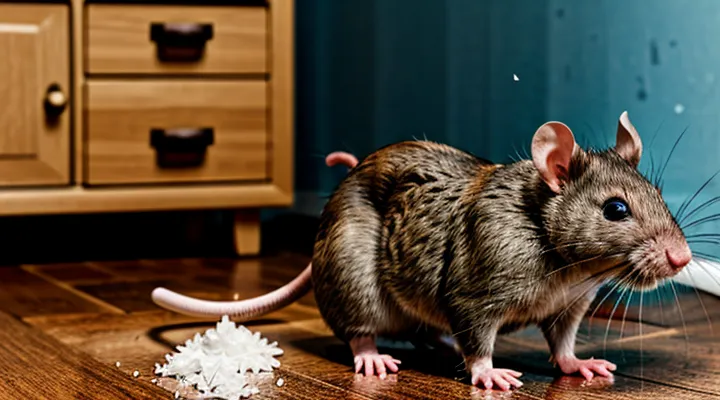
Understanding Rat Respiratory Health
Rats rely on a delicate airway system that must remain clear of irritants and infection. Continuous sneezing or snorting signals disruption of this system and often precedes more serious conditions.
Common triggers include:
- Viral or bacterial pathogens such as Sendai virus, Mycoplasma spp., and Streptococcus infections.
- Allergens from bedding, dust, or mold spores that provoke mucosal inflammation.
- Poor air quality caused by ammonia buildup, smoke, or inadequate ventilation.
- Dental abnormalities that obstruct nasal passages, especially overgrown incisors.
- Parasites like Nosema spp. that directly affect nasal epithelium.
Veterinarians assess respiratory health through visual inspection of nasal discharge, auscultation of lung sounds, and laboratory analysis of swabs or blood samples. Radiography or computed tomography may reveal sinus congestion or pulmonary infiltrates when clinical signs persist.
Effective control measures focus on prevention and targeted treatment. Routine cage cleaning reduces ammonia and particulate matter. Providing low‑dust bedding and maintaining humidity between 40‑60 % limits allergen exposure. Regular health screenings detect early infections; antimicrobial therapy is applied based on culture results. Dental trimming prevents mechanical obstruction. In severe cases, anti‑inflammatory drugs and supportive oxygen therapy improve outcomes.
Maintaining optimal environmental conditions and monitoring for early respiratory signs together sustain rat airway health and reduce the frequency of sneezing and snorting.
Common Causes of Sneezing and Snorting in Rats
Environmental Factors
Dust and Allergens
Dust particles suspended in the air irritate the nasal mucosa of rats, prompting rapid inhalation cycles that manifest as sneezing and snort‑like sounds. Fine silica, wood shavings, and powdered feed generate microscopic debris that settles on the respiratory epithelium, triggering mechanoreceptors and releasing histamine. The resulting reflex clears the airway but may become chronic if dust levels remain elevated.
Allergens present a parallel threat. Common sources include:
- House‑dust mites whose excretions contain potent proteins.
- Pollen grains drifting in from outdoor ventilation.
- Mold spores proliferating in damp bedding or enclosure corners.
- Feather or fur fragments from other animals sharing the habitat.
These agents provoke immunoglobulin‑E (IgE) mediated responses, swelling the nasal passages and increasing mucus production, which together amplify sneezing frequency.
Mitigation measures focus on environmental control:
- Replace absorbent bedding with low‑dust, paper‑based alternatives.
- Perform daily spot cleaning; conduct a thorough enclosure wash weekly with mild, fragrance‑free detergent.
- Install a HEPA‑rated air purifier sized for the cage area.
- Maintain humidity between 40‑55 % to inhibit mold growth.
- Rotate feed containers regularly to prevent accumulation of stale particles.
Consistent application of these practices reduces airborne irritants, stabilizes respiratory health, and diminishes the persistent sneezing and snorting observed in affected rats.
Irritants and Odors
Rats inhale air that often contains particulate matter, chemical vapors, or strong scents. When these substances contact the nasal mucosa, sensory nerves trigger reflexive sneezing or snorting to expel the irritant and protect the airway.
Common agents that provoke this response include:
- Dust from wood shavings, paper bedding, or stray fibers.
- Ammonia produced by urine breakdown, especially in poorly ventilated cages.
- Essential oils, cleaning agents, or disinfectants with volatile compounds such as phenols, alcohols, or citrus extracts.
- Food odors rich in spices, strong flavors, or fermenting residues.
- Smoke, incense, or scented candles that release particulate and gaseous pollutants.
Each irritant activates the trigeminal nerve endings within the nasal passages, leading to a rapid inhalation followed by a forceful expulsion of air. Persistent exposure can cause chronic inflammation, reducing the animal’s ability to filter air efficiently and increasing the frequency of sneezing episodes.
Mitigation strategies focus on environmental control:
- Replace bedding with low‑dust alternatives such as paper or aspen.
- Maintain ammonia levels below 25 ppm through daily spot cleaning and weekly deep sanitation.
- Store cleaning products and scented items away from the animal room; use fragrance‑free formulations when cleaning is necessary.
- Provide fresh, uncontaminated feed and remove spoiled food promptly.
- Ensure adequate ventilation, employing filtered air exchangers or HEPA units to reduce airborne particles.
By eliminating or reducing these irritants, the incidence of nasal reflexes declines, promoting better respiratory health and overall well‑being for the rat.
Humidity and Air Quality
Humidity directly influences the moisture level of a rat’s nasal passages. When ambient humidity falls below 30 % the mucous membranes dry, reducing their ability to trap particles and increasing susceptibility to irritation that triggers sneezing and snorting. Conversely, humidity above 70 % creates a damp environment that fosters mold growth and bacterial proliferation, which can also provoke respiratory reflexes.
Optimal indoor humidity for laboratory or pet rats lies between 40 % and 60 %. Within this range, mucosal surfaces remain hydrated without encouraging microbial excess. Maintaining stable humidity prevents the rapid temperature fluctuations that exacerbate nasal congestion and reflexive expulsion of air.
Air quality contributes equally to respiratory events. Elevated levels of dust, ammonia from urine, and volatile organic compounds irritate the olfactory epithelium. Continuous exposure to these pollutants overwhelms the rat’s clearance mechanisms, leading to frequent sneezing and snorting episodes.
Practical measures:
- Install a calibrated humidifier to sustain 45‑55 % relative humidity; monitor with a hygrometer.
- Ensure adequate ventilation; replace stale air with filtered fresh air at a rate of at least 10 % of room volume per hour.
- Use HEPA filters or activated‑carbon filters to capture dust particles and volatile compounds.
- Clean cages regularly, remove soiled bedding, and employ low‑ammonia bedding materials.
- Conduct periodic air quality assessments with a particulate matter meter and ammonia detector.
Implementing these controls stabilizes the respiratory environment, markedly reducing the frequency of sneezing and snorting in rats.
Infectious Diseases
Bacterial Infections
Bacterial infections frequently provoke continuous sneezing and snorting in rats. Typical agents include Streptococcus pneumoniae, Pasteurella multocida, Mycoplasma pulmonis and various Gram‑negative rods. Infected animals display nasal discharge, frequent nasal flares, audible snorts, and may develop secondary sinusitis or bronchopneumonia. Fever, reduced activity and weight loss often accompany the respiratory signs.
Accurate diagnosis relies on direct observation and laboratory confirmation. Veterinarians collect nasal swabs or lung tissue for culture, polymerase chain reaction, or fluorescent antibody testing. Radiography can reveal sinus thickening or pulmonary infiltrates, aiding in the assessment of disease severity.
Effective control combines medical and husbandry measures:
- Administer appropriate antibiotics based on sensitivity testing; fluoroquinolones and macrolides are commonly effective against respiratory pathogens.
- Isolate symptomatic rats to prevent aerosol transmission.
- Improve cage ventilation, maintain low humidity, and perform regular cleaning with disinfectants proven against bacterial spores.
- Provide a balanced diet enriched with vitamin C and vitamin E to support immune function.
- Monitor colony health continuously; replace compromised individuals promptly to reduce pathogen load.
Mycoplasmosis
Mycoplasmosis is a bacterial infection caused by Mycoplasma spp. that frequently affects laboratory and pet rats. The organism lacks a rigid cell wall, allowing it to colonize the upper respiratory tract and provoke persistent sneezing, snorting, and nasal discharge. Infection spreads through direct contact, contaminated bedding, or aerosolized droplets, making crowded housing conditions a major risk factor.
Typical clinical signs include:
- Repetitive sneezing episodes
- Audible snorting or wheezing
- Clear or serous nasal exudate
- Occasionally mild ocular discharge
- Reduced activity and appetite in severe cases
Diagnosis relies on a combination of clinical observation and laboratory confirmation. Nasal swabs cultured on specialized media, polymerase chain reaction (PCR) assays, or serological testing can identify Mycoplasma species with high specificity. Necropsy findings may reveal inflammatory lesions in the nasal mucosa and turbinates.
Effective treatment involves antimicrobial agents that penetrate the cell membrane, such as tetracyclines (e.g., doxycycline) or fluoroquinolones (e.g., enrofloxacin). Dosage regimens should follow veterinary guidelines, and the full course must be completed to prevent relapse. Supportive care—humidified environment, adequate nutrition, and stress reduction—enhances recovery.
Preventive measures focus on biosecurity and colony management:
- Quarantine new arrivals for at least two weeks, testing for Mycoplasma before integration.
- Maintain low animal density and provide ample ventilation to reduce aerosol concentration.
- Implement routine cleaning with disinfectants proven effective against Mycoplasma (e.g., 70 % ethanol, bleach solutions).
- Use personal protective equipment when handling infected animals to limit cross‑contamination.
Understanding Mycoplasmosis provides a direct link between the pathogen and the chronic sneezing and snorting observed in affected rats, guiding accurate diagnosis, targeted therapy, and robust prevention strategies.
Viral Infections
Viral infections frequently trigger persistent sneezing and snorting in laboratory and pet rats. Respiratory viruses invade the nasal mucosa and trachea, producing inflammation that irritates the airway and generates frequent expulsions of air.
Common pathogens include:
- Sendai virus (murine parainfluenza 1) – causes rhinitis, conjunctivitis, and nasal discharge.
- Rat coronavirus (RCV) – leads to upper‑respiratory tract inflammation and occasional pneumonia.
- Rat adenovirus – associated with mild nasal congestion and occasional lethargy.
- Pneumonia virus of mice (PVM) – can affect rats, producing severe broncho‑alveolar inflammation.
Clinical signs typically comprise:
- Repetitive sneezing episodes.
- Audible snorting during respiration.
- Nasal discharge ranging from clear to purulent.
- Mild fever and reduced activity in advanced cases.
Diagnosis relies on:
- Observation of symptom pattern and progression.
- Nasal swab or lung tissue PCR to identify viral RNA.
- Serology for specific antibodies when PCR is unavailable.
Treatment focuses on supportive care:
- Maintain a warm, humid environment to ease airway irritation.
- Provide readily accessible water and high‑calorie soft food.
- Administer broad‑spectrum antibiotics only if secondary bacterial infection is confirmed.
- Use antiviral agents (e.g., ribavirin) under veterinary supervision for severe infections.
Prevention strategies include:
- Quarantine of new arrivals for at least two weeks.
- Routine health screening of colonies.
- Strict sanitation of cages, bedding, and feeding utensils.
- Minimizing stressors that weaken immune response, such as overcrowding and abrupt temperature changes.
Other Health Issues
Dental Problems
Dental overgrowth is a frequent source of persistent sneezing and snorting in rats. The continuously growing incisors can extend into the nasal cavity when the bite is misaligned, creating mechanical irritation that triggers frequent respiratory sounds.
Rats rely on constant gnawing to wear down their teeth. When the incisors exceed normal length, they may press against the maxillary sinus or the nasal passage. This pressure irritates the mucosa, provokes reflex sneezing, and produces snorting noises during respiration.
Typical indicators of a dental problem include:
- Reduced food consumption
- Excessive salivation or drooling
- Facial swelling near the cheekbones
- Nasal discharge, often thick or bloody
- Repetitive sneezing or snorting without apparent infection
Veterinary assessment generally follows these steps:
- Visual inspection of the incisors for length and alignment.
- Palpation of the facial bones to detect swelling or pain.
- Radiographic imaging to reveal hidden root growth or sinus involvement.
Effective interventions focus on correcting the dental abnormality and preventing recurrence:
- Precise trimming of overgrown incisors under anesthesia.
- Installation of appropriate chew objects to promote natural wear.
- Surgical realignment in cases of severe malocclusion.
- Administration of antibiotics if secondary bacterial infection is present.
- Scheduled re‑checks to monitor tooth growth and nasal health.
Addressing dental overgrowth eliminates the mechanical irritation that drives chronic sneezing and snorting, restoring normal breathing and feeding behavior.
Tumors and Growths
Tumors within the nasal passages, sinuses, or upper respiratory tract can produce persistent sneezing and snorting in rats. Malignant or benign masses obstruct airflow, irritate mucosal lining, and stimulate the trigeminal nerve, leading to reflexive sneezing episodes. Frequently observed growths include:
- Nasal adenomas: epithelial tumors that expand within the nasal cavity, compressing turbinates and causing chronic irritation.
- Olfactory neuroblastomas: aggressive neoplasms arising from olfactory epithelium, often accompanied by epistaxis and frequent sneezing.
- Sinus fibroadenomas: fibroblastic proliferation in maxillary or frontal sinuses, resulting in intermittent snort-like sounds during respiration.
- Metastatic lesions: secondary tumors from distant organs that infiltrate nasal structures, producing similar respiratory signs.
Diagnosis relies on imaging (CT or MRI) to locate the mass, followed by histopathological examination of biopsy samples. Treatment strategies depend on tumor type and stage: surgical excision removes localized growths, while radiation or chemotherapy addresses malignant or infiltrative lesions. Post‑operative care includes anti‑inflammatory medication and humidified environments to reduce residual irritation and promote healing. Early identification and appropriate intervention significantly reduce the frequency of sneezing and snorting, improving the animal’s overall respiratory function.
Stress and Anxiety
Frequent sneezing and snorting in laboratory rats often indicate physiological stress. Elevated cortisol levels, a hallmark of chronic stress, provoke inflammation of the nasal mucosa, which directly triggers these respiratory reflexes.
Anxiety amplifies sympathetic activity, raising respiratory rate and causing turbulent airflow through the nasal passages. This mechanical irritation further increases the likelihood of sneeze bouts and snort episodes.
Mitigating stress‑related respiratory signs requires adjustments to housing and handling:
- Provide nesting material and objects that promote natural foraging behavior.
- Maintain consistent light‑dark cycles and temperature to avoid environmental fluctuations.
- Limit handling to brief, predictable sessions; use gentle transfer techniques.
- Ensure adequate ventilation to reduce airborne irritants.
- Consider low‑dose anxiolytic agents when behavioral assessments confirm heightened anxiety.
Routine monitoring should include daily counts of sneezing events and periodic measurement of plasma corticosterone. Correlating these data with environmental changes enables targeted interventions, reducing the incidence of sneeze‑snort patterns and improving overall animal welfare.
When to Seek Veterinary Care
Signs of Serious Illness
Persistent sneezing and snort‑like sounds in rats may appear harmless, but certain accompanying signs point to a severe underlying condition that requires immediate veterinary intervention.
- Lethargy or refusal to move
- Loss of appetite and rapid weight loss
- Labored or noisy breathing, especially during rest
- Bloody or pus‑filled nasal discharge
- Swelling around the eyes, nose, or facial region
- Fever, measured by a rectal temperature above 103 °F (39.4 °C)
- Unusual behavior such as aggression, tremors, or seizures
These indicators reflect systemic infection, respiratory organ damage, or toxic exposure. When any of them coexist with continuous nasal irritation, the risk of rapid deterioration increases significantly.
Prompt action includes isolating the affected rat, providing a warm, stress‑free environment, and contacting a veterinarian experienced with small mammals. Diagnostic tests such as radiographs, nasal swabs, and blood work help identify bacterial, viral, fungal, or toxic causes, allowing targeted treatment. Early professional care improves the likelihood of recovery and prevents spread to colony mates.
Importance of Early Diagnosis
Early detection of respiratory disturbances in laboratory rats prevents the progression of infections that manifest as frequent sneezing and snorting. Identifying the problem before symptoms become severe allows immediate intervention, reducing animal suffering and preserving the integrity of experimental data.
Benefits of prompt diagnosis include:
- Rapid initiation of targeted antimicrobial therapy
- Limitation of pathogen transmission to cage mates
- Decrease in mortality rates and long‑term health complications
- Maintenance of stable physiological baselines for research outcomes
Practical approaches for early identification involve:
- Daily monitoring of sneeze frequency, nasal discharge, and changes in activity levels
- Routine veterinary examinations with otoscopic or endoscopic inspection of the nasal passages
- Periodic collection of nasal swabs for microbiological analysis
- Non‑invasive imaging (e.g., low‑dose radiography) to assess sinus inflammation
Delays in recognizing respiratory issues often lead to chronic sinusitis, secondary bacterial infections, and heightened stress responses, which can invalidate experimental results and increase the cost of animal care. Implementing systematic observation protocols and regular health assessments ensures that respiratory problems are addressed at the earliest stage possible.
Effective Solutions and Management
Environmental Adjustments
Cage Cleaning and Bedding Choices
Rats that sneeze or snort frequently often react to irritants in their environment. Accumulated waste, ammonia, and dusty bedding create airborne particles that trigger the respiratory tract. Maintaining a clean cage reduces these irritants and supports nasal health.
Regular cleaning should include:
- Full cage emptying and washing with mild, unscented detergent weekly.
- Spot cleaning of soiled areas daily to prevent ammonia buildup.
- Rinsing all surfaces with water and allowing complete drying before re‑adding accessories.
Bedding choice directly influences dust levels and moisture control. High‑dust substrates such as pine shavings release particles that remain suspended and irritate nasal passages. Low‑dust options provide better air quality but must also manage humidity to avoid mold growth.
Recommended bedding materials:
- Paper‑based bedding (e.g., shredded paper): minimal dust, high absorbency, easy to replace.
- Aspen wood chips: low resin content, moderate dust, good odor control.
- Coconut fiber: excellent moisture retention, low dust, requires regular replacement to prevent mold.
Avoid aromatic woods (cedar, pine) and scented bedding, as volatile oils exacerbate respiratory symptoms. Consistent removal of waste, thorough cage sanitation, and selection of low‑dust, absorbent bedding together reduce the frequency of sneezing and snorting, promoting overall respiratory health in pet rats.
Air Filtration and Ventilation
Rats that sneeze and snort repeatedly often react to poor air quality. Particulate matter, dust, mold spores, and high concentrations of ammonia from urine accumulate in enclosed cages, irritating the nasal passages and triggering reflexes. When the ventilation system fails to exchange stale air, contaminants linger, increasing the frequency of respiratory events.
Effective air filtration removes particles that provoke irritation. High‑efficiency particulate air (HEPA) filters capture 99.97 % of particles down to 0.3 µm, eliminating dust, pollen, and fungal spores before they reach the animal. Activated‑carbon filters adsorb volatile compounds such as ammonia, reducing chemical irritation. Regular replacement of filter media maintains performance.
Ventilation complements filtration by diluting residual gases and maintaining stable humidity. Proper airflow prevents stagnation, lowers ammonia buildup, and reduces the risk of respiratory infection. Recommended practices include:
- Install a dedicated exhaust vent that removes cage air at a rate of at least 10 air changes per hour.
- Position intake vents away from the cage to supply fresh, filtered air.
- Monitor humidity and keep it between 40 % and 60 % to discourage mold growth.
- Clean or replace filters according to manufacturer guidelines, typically every 4–6 weeks.
By integrating high‑grade filtration with consistent ventilation, the environment becomes less likely to provoke sneezing and snorting, supporting the rat’s respiratory health and overall wellbeing.
Medical Treatments
Antibiotics and Anti-inflammatories
Antibiotics are indicated when bacterial infection underlies persistent sneezing or snort‑like sounds in rats. Commonly prescribed agents include enrofloxacin, trimethoprim‑sulfamethoxazole, and amoxicillin‑clavulanate. Selection depends on culture results, spectrum of activity, and renal function. Typical regimens last 7–10 days, with dosage calculated per kilogram of body weight; abrupt discontinuation may foster resistance. Monitoring includes daily observation of respiratory rate, nasal discharge, and appetite, as well as periodic blood work to detect hematologic or hepatic effects.
Anti‑inflammatory drugs reduce mucosal edema and alleviate irritation that triggers reflexive sneezing. Non‑steroidal options such as meloxicam or carprofen provide analgesic and anti‑edematous action at doses of 0.1–0.2 mg/kg once daily. Corticosteroids (e.g., dexamethasone) are reserved for severe inflammation or allergic reactions; short‑term courses minimize immunosuppression risk. Administration routes include oral gavage, subcutaneous injection, or topical nasal gels, each requiring accurate dosing to avoid systemic toxicity.
When combining therapies, consider drug interactions: NSAIDs may exacerbate gastrointestinal ulceration if paired with certain antibiotics, while corticosteroids can impair bacterial clearance. A prudent protocol involves:
- Confirming bacterial etiology through culture or PCR.
- Initiating an appropriate antibiotic based on sensitivity.
- Adding an NSAID for symptomatic relief, adjusting dose for weight and age.
- Reserving corticosteroids for cases unresponsive to NSAIDs after 48 hours.
- Re‑evaluating clinical signs after 3–5 days; discontinuing antibiotics if improvement is evident to limit exposure.
Proper hygiene, ventilation, and avoidance of irritants complement pharmacologic measures, reducing recurrence of sneezing and snorting episodes.
Symptomatic Relief
Rats that exhibit frequent sneezing and snorting often suffer from nasal irritation, inflammation, or infection. Immediate symptomatic relief can reduce discomfort while underlying causes are addressed.
- Administer a humidified environment; a warm‑mist diffuser or a water‑filled dish in the cage raises ambient humidity, easing nasal passages.
- Provide saline nasal drops formulated for small mammals; a few drops per nostril three times daily help clear mucus and moisturize mucosal membranes.
- Offer fresh, high‑quality hay or chew toys to stimulate natural grooming and encourage airflow through the nasal cavity.
- Reduce exposure to dust, strong fragrances, and aerosolized chemicals by using low‑dust bedding and avoiding scented cleaning agents.
- Monitor temperature; keep the enclosure at a stable, moderate temperature (20‑24 °C) to prevent cold‑induced congestion.
If symptoms persist beyond 48 hours despite these measures, consult a veterinarian for diagnostic testing and targeted therapy, such as antimicrobial or anti‑inflammatory medication. Continuous observation of breathing patterns, discharge characteristics, and appetite will guide further intervention.
Preventive Measures
Diet and Nutrition
Dietary factors can provoke persistent sneezing and snorting in rats through several mechanisms. Powdered feed releases fine particles that become airborne, irritating the nasal mucosa. High‑fat or highly processed diets often contain additives and artificial flavors that act as chemical irritants. Certain protein sources, such as soy or fish meal, may trigger allergic reactions manifesting as nasal discharge and sneezing. Deficiencies in essential nutrients, particularly vitamin A and omega‑3 fatty acids, impair mucosal integrity, making the respiratory tract more susceptible to irritation.
Addressing these issues involves targeted adjustments to the rat’s nutrition regimen:
- Switch to pelleted or extruded feed with minimal dust production.
- Select protein sources known for low allergenic potential, such as wheat‑based or plant‑derived isolates, and monitor for individual sensitivities.
- Incorporate foods rich in vitamin A (e.g., carrots, sweet potatoes) and omega‑3 oils (e.g., flaxseed, fish oil) to strengthen mucosal barriers.
- Eliminate strong‑smelling or heavily seasoned treats that may release volatile compounds.
- Ensure consistent hydration; adequate water intake helps thin mucus and reduce nasal congestion.
Regular evaluation of the rat’s diet, combined with observation of symptom changes after each modification, enables precise identification of the dietary trigger and promotes long‑term respiratory health.
Regular Check-ups
Regular veterinary examinations are essential for identifying underlying factors that trigger continuous sneezing and snorting in rats. A systematic health assessment provides early detection of respiratory infections, allergic reactions, dental problems, and environmental irritants that may provoke these symptoms.
Key components of a comprehensive check‑up include:
- Physical examination of the nasal passages, throat, and ears to detect inflammation, discharge, or foreign bodies.
- Dental inspection to uncover overgrown incisors or malocclusion, which can affect airflow and cause snorting.
- Respiratory testing, such as auscultation and, when necessary, radiography, to reveal pneumonia, bronchitis, or sinusitis.
- Laboratory analysis of blood and nasal swabs for bacterial, viral, or fungal pathogens.
- Evaluation of the cage environment: humidity levels, bedding material, and ventilation are measured to ensure they meet optimal standards for rodent health.
Frequency recommendations depend on the rat’s age and health status. Juvenile rats benefit from examinations every three months, while adults with no prior issues can be evaluated semi‑annually. Any recurrence of sneezing or snort-like sounds warrants an immediate appointment, regardless of the routine schedule.
Owners should maintain a record of each visit, noting observations, test results, and prescribed treatments. This documentation enables veterinarians to track trends, adjust care plans, and implement preventive measures such as vaccination updates, parasite control, and environmental modifications.
By adhering to a disciplined schedule of veterinary assessments, caretakers reduce the risk of chronic respiratory distress and promote overall wellbeing in pet rats.