
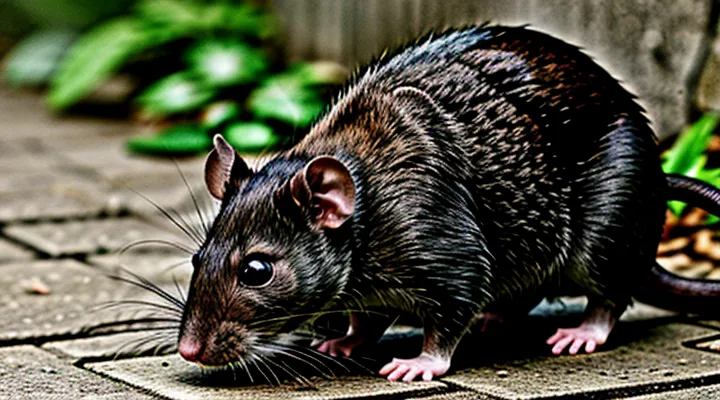
The Physiology Behind Shivering
Muscle Contraction and Heat Generation
Rats shiver as a physiological response to maintain core temperature when ambient conditions drop below their thermal comfort zone. The process relies on rapid, involuntary muscle activity that converts chemical energy into heat without producing external movement.
During shivering, skeletal muscles contract in a synchronized, high‑frequency pattern. Each contraction consumes adenosine triphosphate (ATP) generated by oxidative metabolism, releasing energy as thermal output. The heat produced offsets heat loss through the skin and respiratory tract, stabilizing internal temperature.
Key aspects of the mechanism include:
- Activation of motor neurons by the hypothalamic thermoregulatory center.
- Recruitment of both fast‑twitch and slow‑twitch muscle fibers to maximize heat production.
- Elevated calcium cycling within muscle cells, which increases ATP turnover.
- Enhanced mitochondrial respiration to supply the required ATP, resulting in additional heat release.
The net effect is a measurable rise in body temperature that prevents hypothermia. Continuous shivering ceases once the hypothalamus detects sufficient thermal gain, illustrating a tightly regulated feedback loop.
Role of the Hypothalamus
Rats exhibit shivering when ambient temperature falls below the set point maintained by the central nervous system. The hypothalamus determines that set point and initiates corrective actions.
Thermal receptors in the skin transmit cold signals to the preoptic area of the hypothalamus. Neurons in this region compare peripheral input with the internal temperature reference. When the measured temperature is lower than the reference, the hypothalamus generates an output that drives thermogenic mechanisms.
The output pathway includes:
- Activation of descending reticulospinal tracts that stimulate skeletal‑muscle motor neurons, producing rapid, involuntary contractions characteristic of shivering.
- Stimulation of sympathetic fibers that promote brown‑adipose tissue thermogenesis, increasing heat production without movement.
- Release of thyrotropin‑releasing hormone, which enhances metabolic rate and supports sustained heat generation.
These processes raise body temperature until the hypothalamic set point is restored, at which point shivering ceases. The hypothalamus therefore coordinates peripheral sensory information, central motor commands, and endocrine responses to counteract cold stress in rats.
Common Reasons for Shivering in Rats
Cold Stress and Thermoregulation
Rats respond to exposure below their thermoneutral zone by activating physiological and behavioral defenses that maintain core temperature. Cold stress triggers a cascade of neural and endocrine signals that converge on thermogenic pathways. The primary mechanisms include:
- Skeletal‑muscle shivering, generating heat through rapid, involuntary contractions.
- Brown adipose tissue (BAT) activation, mediated by sympathetic norepinephrine release, which uncouples oxidative phosphorylation to produce heat.
- Vasoconstriction of peripheral vessels, reducing heat loss by limiting blood flow to the skin.
- Increased metabolic rate, driven by thyroid hormone and catecholamine elevation.
Thermoregulation is coordinated by the hypothalamic preoptic area, which detects temperature deviations via cutaneous and central thermoreceptors. Upon sensing cold, the preoptic area modulates downstream nuclei to initiate shivering and BAT recruitment. Simultaneously, the adrenal medulla releases epinephrine, supporting metabolic heat production.
Behavioral adaptations complement physiological responses. Rats seek insulated habitats, huddle with conspecifics, and curl their bodies to minimize exposed surface area. These actions reduce convective and radiative heat loss, conserving the heat generated by shivering and BAT activity.
Chronic exposure to low ambient temperatures can induce acclimatization. Repeated cold stress leads to hypertrophy of BAT, up‑regulation of uncoupling protein‑1 (UCP‑1), and enhanced mitochondrial density in skeletal muscle, improving the efficiency of heat generation. However, prolonged stress may also compromise immune function and growth, reflecting the trade‑off between energy allocation for thermogenesis and other physiological demands.
Understanding the interplay between cold stress and thermoregulatory mechanisms clarifies why rats exhibit shivering. The phenomenon represents an integrated response that combines neural control, endocrine signaling, tissue‑specific heat production, and adaptive behavior to preserve homeostasis under thermal challenge.
Fear, Stress, and Anxiety
Rats exhibit shivering when confronted with threatening stimuli, a response driven by fear, stress, and anxiety. Acute fear triggers the sympathetic nervous system, releasing catecholamines that increase muscle tone and cause rapid, involuntary contractions. This physiological cascade prepares the animal for flight or fight, manifesting as visible tremors.
Chronic stress elevates circulating cortisol, altering neuronal activity in the amygdala and hippocampus. Persistent anxiety sensitizes these brain regions, lowering the threshold for motor activation. Consequently, even minor disturbances can provoke shivering, reflecting heightened vigilance.
Behavioral observations support the link between emotional states and tremor intensity:
- Sudden exposure to predator odor → immediate, high‑frequency shivering.
- Prolonged isolation → low‑amplitude, sustained trembling.
- Unpredictable light cycles → intermittent shivering episodes.
Neurochemical studies identify glutamate and GABA dysregulation as mediators of the motor output. Excess glutamate amplifies excitatory pathways, while reduced GABA inhibition removes restraint on muscle fibers, both contributing to the shaking phenotype.
Understanding these mechanisms clarifies why rats shiver under adverse psychological conditions, emphasizing the interplay of autonomic activation, hormonal modulation, and central nervous system circuitry.
Behavioral Indicators of Stress
Rats display shivering when confronted with acute stressors such as sudden temperature changes, predator cues, or handling procedures. The tremor reflects heightened sympathetic activity and serves as a visible marker of the animal’s physiological arousal.
Common behavioral signs that accompany or precede shivering include:
- Rapid grooming of fur and whiskers
- Prolonged immobility or freezing in a corner
- High‑frequency ultrasonic vocalizations
- Increased fecal pellet output
- Reduced exploration of novel objects or arenas
Each indicator correlates with specific stress pathways. Rapid grooming often signals attempts to regulate body temperature and mitigate tactile discomfort. Freezing denotes a defensive posture mediated by the amygdala’s fear circuitry. Ultrasonic calls convey alarm to conspecifics and are measurable with specialized microphones. Elevated fecal production reflects activation of the hypothalamic‑pituitary‑adrenal axis, while diminished exploration indicates lowered motivation and heightened anxiety.
Recognizing these patterns enables researchers to assess welfare, refine experimental protocols, and differentiate stress‑induced shivering from thermoregulatory tremors. Accurate interpretation of the behavioral repertoire improves data reliability and supports ethical standards in rodent studies.
Pain or Illness
Rats often exhibit shivering when they experience physiological stress. The response can stem from nociceptive input or systemic disease, each producing distinct patterns.
-
Pain‑related shivering
• Rapid, low‑amplitude tremor localized to the forelimbs or torso.
• Immediate onset after tissue injury, surgical incision, or inflammatory stimulus.
• Accompanied by elevated heart rate, increased cortisol, and vocalization when handled.
• Alleviation follows administration of analgesics such as buprenorphine or meloxicam. -
Illness‑related shivering
• Sustained, high‑amplitude shaking affecting the whole body.
• Develops alongside fever, lethargy, or respiratory distress.
• Correlates with elevated body temperature, altered white‑blood‑cell counts, and cytokine spikes (e.g., IL‑1β, TNF‑α).
• Resolves when the underlying infection or metabolic disorder is treated, often with antibiotics or supportive care.
Physiologically, pain activates the spinal reflex arc, triggering sympathetic discharge that produces brief muscle contractions. Systemic illness engages the hypothalamic thermoregulatory center, generating shivering thermogenesis to raise core temperature. Recognizing the source of tremor enables targeted intervention, reduces unnecessary analgesic use, and improves welfare monitoring in laboratory and pet rat populations.
Signs of Discomfort
Rats exhibit several observable behaviors when they experience discomfort. Recognizing these signals helps differentiate normal physiological tremors from stress‑related shivering.
- Rapid, irregular breathing accompanied by shallow chest movements.
- Tension in the facial muscles, including tightened whiskers and narrowed eyes.
- Frequent grooming of a specific body region, often accompanied by excessive licking.
- Withdrawal from social interaction, hiding in corners, or reduced exploration of the environment.
- Elevated heart rate detectable by pulse monitoring or subtle flank pulsations.
- Vocalizations such as high‑pitched squeaks or chattering when approached.
In addition to overt actions, subtle changes in posture provide clues. A hunched back, lowered tail, and rigid limbs suggest unease. Skin temperature may drop, leading to a pale or bluish hue on the extremities, which can be mistaken for cold‑induced shivering but frequently signals distress.
When these indicators appear concurrently with tremor episodes, the tremor likely reflects a stress response rather than a purely thermoregulatory mechanism. Continuous observation and correlation of the listed signs enable accurate assessment of a rat’s comfort level.
Neurological Conditions
Rats exhibit involuntary trembling when neural pathways are disrupted or when pathological processes affect the central nervous system. The phenomenon serves as an observable indicator of underlying neurological disturbances that can be identified through behavioral monitoring and electrophysiological assessment.
Common neurological conditions associated with rat shivering include:
- Epileptic seizures – excessive neuronal firing generates rhythmic muscle contractions that manifest as tremor.
- Spinal cord injury – loss of inhibitory control over motor neurons leads to spontaneous muscle activity.
- Neurodegenerative disease – progressive loss of dopaminergic neurons produces motor instability and tremor.
- Neurotoxic exposure – agents such as organophosphates impair synaptic transmission, resulting in uncontrolled muscle movements.
- Thermoregulatory dysregulation – hypothalamic damage disrupts temperature homeostasis, causing compensatory shivering.
Drug Reactions or Toxicity
Rats exhibit shivering when exposed to toxic substances or pharmacological agents that disrupt normal thermoregulation. The response originates from activation of peripheral sensory neurons and central pathways that trigger involuntary muscle contractions to generate heat.
Common mechanisms behind this reaction include:
- Neurotoxic effects – chemicals that impair neuronal ion channels cause hyperexcitability, leading to tremor and shivering.
- Metabolic interference – substances that inhibit mitochondrial function reduce heat production, prompting compensatory shivering.
- Immune-mediated inflammation – cytokine release during drug‑induced fever activates hypothalamic thermoregulatory centers, resulting in muscle tremor.
- Direct muscle toxicity – agents that damage skeletal muscle fibers provoke spontaneous contractions that manifest as shivering.
Experimental observations show that dose‑dependent increases in shivering correlate with serum concentrations of the offending compound. Antagonists targeting specific receptors (e.g., NMDA, GABA) can attenuate the response, confirming a neuropharmacological basis.
Interpretation of shivering in rodent toxicity studies provides a rapid, observable indicator of systemic distress. Accurate documentation of onset time, intensity, and duration assists in determining lethal thresholds and evaluating safety margins for new pharmaceuticals.
Post-Surgical Recovery
Rats exhibit shivering during the immediate phase after surgery, a response that often signals thermoregulatory disruption, pain, or stress. The phenomenon provides a measurable indicator of the animal’s physiological state, allowing researchers to assess the effectiveness of analgesic protocols and environmental controls.
Post‑surgical recovery in rodents requires systematic management of several factors:
- Ambient temperature: maintain a stable environment within the species‑specific thermoneutral zone to reduce involuntary tremors.
- Analgesia: administer appropriate doses of opioid or non‑opioid agents promptly to mitigate nociceptive triggers of shivering.
- Hydration and nutrition: ensure fluid balance and caloric intake to support metabolic demands and prevent hypothermia‑induced muscle activity.
- Monitoring: record body temperature, locomotor activity, and tremor intensity at regular intervals to detect deviations from baseline.
Effective control of these variables minimizes shivering episodes, improves wound healing, and enhances overall experimental reliability.
Distinguishing Between Types of Shivering
Rats exhibit shivering as a physiological response that varies according to stimulus, underlying mechanism, and functional outcome. Recognizing distinct shivering patterns improves interpretation of behavioral experiments and health assessments.
- Thermogenic shivering – triggered by ambient temperatures below the thermoneutral zone; rapid, rhythmic muscle contractions generate heat; accompanied by increased metabolic rate and brown‑fat activation.
- Emotional shivering – provoked by acute stressors such as predator cues or handling; irregular, low‑amplitude tremors; correlated with elevated corticosterone and sympathetic discharge.
- Pathological shivering – appears in neurodegenerative models or after neurotoxic exposure; persistent, high‑frequency tremor unrelated to temperature or stress; often linked to dysregulated motor circuitry.
- Postural shivering – occurs during transitions between rest and activity; brief, localized muscle twitches; serves to maintain muscle tone rather than produce heat.
Distinguishing these categories enables precise attribution of observed tremor to environmental, emotional, or disease‑related factors, thereby refining experimental design and therapeutic evaluation.
When to Be Concerned: Red Flags
Persistent Shivering
Rats exhibit persistent shivering when the nervous system continuously triggers muscle tremors, even in the absence of external temperature changes. This phenomenon reflects ongoing activation of thermogenic pathways, primarily mediated by brown adipose tissue and uncoupling protein‑1, which generate heat through rapid, low‑amplitude contractions.
Key physiological drivers include:
- Elevated sympathetic output: Chronic stress or pain stimulates the hypothalamic–pituitary–adrenal axis, releasing catecholamines that sustain muscle activity.
- Neurotransmitter imbalance: Excess glutamate or reduced GABAergic inhibition in the spinal cord can produce rhythmic motor neuron firing.
- Inflammatory mediators: Cytokines such as IL‑1β and TNF‑α sensitize peripheral nerves, lowering the threshold for shiver induction.
- Metabolic disorders: Hyperthyroidism or mitochondrial dysfunction increase basal metabolic rate, prompting continuous tremor generation.
Behavioral observations often reveal that rats with persistent shivering display heightened vigilance, reduced grooming, and altered feeding patterns. Laboratory measurements show a modest rise in core temperature (0.3–0.5 °C) and increased oxygen consumption, confirming a metabolic cost.
Intervention strategies focus on:
- Pharmacological modulation: β‑adrenergic antagonists diminish sympathetic drive; GABA agonists restore inhibitory balance.
- Environmental control: Stable ambient temperature and reduced noise limit external stressors that exacerbate the response.
- Nutritional support: Antioxidant‑rich diets mitigate oxidative stress linked to inflammatory pathways.
Understanding the mechanisms behind continuous shivering allows researchers to differentiate normal thermoregulatory responses from pathological tremor syndromes, improving experimental design and animal welfare.
Accompanied by Other Symptoms
Rats commonly exhibit shivering together with a set of observable signs that indicate physiological stress. The combination of tremors and additional symptoms helps researchers identify underlying conditions such as infection, hypothermia, or neurological disruption.
Typical accompanying manifestations include:
- Elevated body temperature or fever, measurable with a rectal probe.
- Rapid breathing (tachypnea) and increased heart rate, detectable through auscultation or pulse monitoring.
- Reduced activity levels, manifested as prolonged immobility or decreased exploration of the environment.
- Abnormal grooming behavior, such as excessive licking or neglect of fur maintenance.
- Changes in posture, often a crouched stance with lowered head and tail.
When shivering co-occurs with these indicators, the most probable causes are:
- Infectious agents – bacterial or viral pathogens trigger immune responses that raise temperature and stimulate muscular contractions.
- Thermal imbalance – exposure to cold environments forces the animal to generate heat through involuntary muscle activity, accompanied by reduced locomotion to conserve energy.
- Neurological impairment – lesions or toxins affecting the central nervous system produce uncontrolled tremors alongside altered respiration and motor function.
Monitoring the full symptom profile enables accurate diagnosis and appropriate intervention, whether through antimicrobial treatment, environmental temperature adjustment, or neurological assessment.
Providing Comfort and Care
Environmental Adjustments
Rats shiver when external conditions disrupt their thermoregulatory balance. Low ambient temperature, sudden drafts, and high humidity increase heat loss, prompting involuntary muscular contractions to generate warmth.
Maintaining a stable environment limits shivering. Key adjustments include:
- Keeping room temperature between 20 °C and 24 °C.
- Eliminating direct airflow from vents or fans.
- Controlling humidity within 40‑60 % to avoid excessive evaporative cooling.
- Providing insulated nesting material such as shredded paper or cotton.
- Using cage covers that retain heat without restricting ventilation.
In laboratory and pet settings, consistent temperature monitoring and prompt correction of temperature drops prevent stress‑induced shivering, thereby supporting normal metabolic function and experimental reliability.
Veterinary Consultation
Rats that exhibit tremors or shivering require a focused veterinary assessment. The clinician first determines whether the movement is a physiological response to cold, a sign of pain, a neurological disorder, or an infectious process. A thorough history includes ambient temperature, recent handling, diet changes, and exposure to toxins.
Physical examination targets temperature regulation, musculoskeletal integrity, and neurological function. Palpation of the fur and skin checks for ectoparasites or skin lesions. Neurological testing evaluates reflexes, gait, and coordination to identify central or peripheral deficits.
Diagnostic work‑up may involve:
- Measuring core body temperature to rule out hypothermia.
- Blood panel (CBC, chemistry) to detect infection, organ dysfunction, or metabolic imbalance.
- Urinalysis for renal issues or toxin exposure.
- Radiographs or MRI when skeletal or brain pathology is suspected.
- Serology or PCR for common pathogens (e.g., Mycoplasma pulmonis, hantavirus).
Treatment follows the identified cause. For hypothermia, gradual warming with a heat lamp or incubator is recommended. Analgesics address pain‑induced shivering; anti‑inflammatory drugs reduce fever‑related tremors. Antibiotics target bacterial infections, while antivirals or supportive care are applied for viral illnesses. Neurological disorders may require anticonvulsants or corticosteroids, depending on the diagnosis.
Prevention focuses on stable housing temperatures, minimal stress during handling, regular health checks, and strict biosecurity to avoid pathogen introduction. Owners should monitor for early signs of tremor and seek veterinary consultation promptly to prevent progression.