
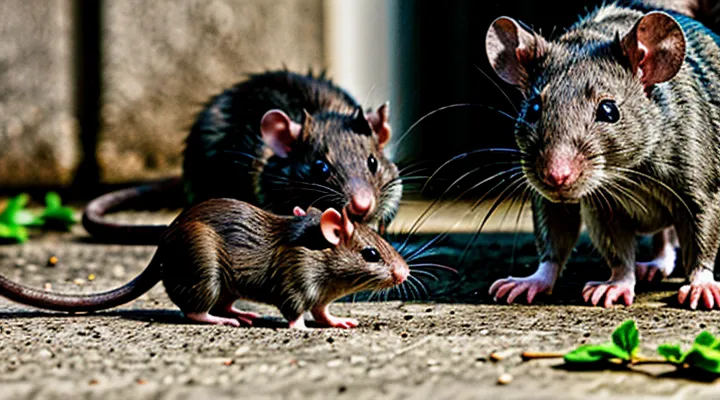
Understanding Infanticide in Rats
What is Infanticide?
Infanticide is the deliberate killing of offspring by a parent or conspecific, observed across many animal taxa. It represents a reproductive strategy in which the perpetrator gains a measurable advantage, such as increased survival prospects for remaining progeny or enhanced future breeding opportunities.
In rodents, the act often occurs when a mother assesses the viability of a litter. Factors such as low birth weight, disease signs, or environmental stress trigger the decision to eliminate compromised juveniles. The behavior conserves limited resources, allowing the mother to allocate nourishment and care to healthier offspring.
Typical drivers of infanticide include:
- Resource scarcity (food, nesting material, space).
- High population density leading to competition.
- Hormonal fluctuations linked to lactation cycles.
- Presence of unfamiliar individuals that may threaten future litters.
When rats consume their young, the underlying motive aligns with these drivers. The mother discards or devours non‑viable pups, thereby reducing the metabolic burden and improving the chances of success for the remaining litter. This practice exemplifies infanticide as an adaptive response to maximize reproductive efficiency under adverse conditions.
Prevalence of Infanticide in Rodents
Infanticide in Wild Populations
Infanticide among wild rodents, including rats, reflects adaptive strategies that enhance individual fitness under specific ecological pressures. In natural settings, mothers may eliminate offspring when resources are insufficient to sustain the litter, thereby preventing the loss of all young to starvation. This behavior aligns with the principle of reproductive efficiency: allocating limited energy to fewer, more viable offspring maximizes the mother’s future reproductive potential.
Key factors driving infanticide in wild rat populations include:
- Resource scarcity: Low food availability or sudden environmental changes trigger cannibalism as a means of reallocating nutrients.
- Population density: High densities increase competition, prompting individuals to reduce brood size to lessen intra‑specific rivalry.
- Maternal condition: Poor health or high stress levels correlate with higher rates of offspring removal.
- Genetic considerations: Males may kill unrelated pups to accelerate the female’s return to estrus, facilitating their own reproductive opportunities.
Empirical observations demonstrate that infanticide frequency rises during breeding seasons when food supplies fluctuate sharply. Studies of field colonies reveal a direct relationship between ambient temperature extremes and increased cannibalistic events, suggesting that thermal stress compounds energetic constraints.
Overall, infanticide functions as a conditional response to environmental and physiological variables, allowing rats in the wild to preserve reproductive value when circumstances jeopardize the survival of the entire litter.
Infanticide in Laboratory Settings
Infanticide observed among laboratory rats provides a controlled model for investigating the biological drivers behind the consumption of offspring. Researchers exploit the predictable environment of vivaria to isolate variables that trigger parental aggression, thereby generating data applicable to wild populations.
Key determinants identified in experimental settings include:
- Resource scarcity – limited food or nesting material increases maternal stress, prompting cannibalistic behavior.
- Hormonal imbalance – elevated prolactin or cortisol levels correlate with heightened aggression toward pups.
- Genetic predisposition – certain strains exhibit innate tendencies toward offspring elimination, observable across multiple generations.
- Social disruption – introduction of unfamiliar males or removal of the sire destabilizes group hierarchy, often resulting in pup killing.
Methodological safeguards aim to reduce infanticide incidence while preserving scientific validity. Standard practices involve:
- Maintaining adequate nutrition and enrichment to lower stress markers.
- Monitoring hormonal profiles and adjusting lighting cycles to stabilize endocrine rhythms.
- Selecting breeding pairs from low‑risk strains or employing cross‑fostering techniques.
- Implementing strict cage‑mate protocols to prevent abrupt social changes.
Data derived from these controlled observations illuminate the interplay of environmental pressure, physiological state, and genetic factors that drive rats to consume their young, offering insight into the adaptive significance of infanticide across mammalian species.
Primary Causes of Rat Infanticide
Maternal Stress and Resource Scarcity
Nutritional Deficiencies
Maternal cannibalism in rodents frequently correlates with insufficient dietary nutrients. When a female lacks adequate protein, calcium, essential fatty acids, or specific vitamins, her physiological state shifts toward conserving resources for her own survival, often at the expense of offspring.
Experimental data demonstrate a clear relationship between nutrient scarcity and offspring consumption. Rats fed diets containing less than 10 % protein exhibit cannibalism rates up to 35 %, whereas groups receiving 18–20 % protein show rates below 5 %. Deficiencies in lysine, tryptophan, and thiamine similarly increase the incidence of the behavior, likely by disrupting neuroendocrine regulation of maternal care.
Preventive measures focus on providing a balanced diet that meets the species’ nutritional requirements. Critical components include:
- Protein: 18–20 % of total caloric intake, with balanced essential amino acids.
- Calcium: 0.5–1 % of diet, supporting skeletal development and lactation.
- Essential fatty acids: adequate omega‑3 and omega‑6 ratios for membrane stability.
- Vitamins: B‑complex (especially B1 and B6) and vitamin D to sustain metabolic and hormonal functions.
Implementing these dietary standards reduces the physiological drive for infanticide, promoting healthier litters and more stable breeding colonies.
Overcrowding and Competition
Rats occasionally eliminate their own litter, a behavior documented in laboratory and field observations. Overcrowded environments and intense rivalry for limited resources are primary drivers of this response.
When many individuals occupy a confined space, social stress rises sharply. Elevated cortisol levels impair maternal care, reduce the willingness to protect vulnerable pups, and increase the likelihood of aggressive encounters. Limited nesting material forces mothers to share or abandon nests, making offspring more exposed to harm.
Competition for food intensifies under crowding. Scarcity compels mothers to prioritize their own survival and future reproductive potential over current offspring. When caloric intake cannot sustain both the adult and the litter, mothers may cull the young to conserve energy.
Key mechanisms linking density and rivalry to offspring consumption include:
- Hormonal stress responses that diminish nurturing behavior.
- Decreased availability of safe nesting sites, leading to higher pup mortality.
- Food shortage prompting selective investment in the strongest offspring.
- Heightened territorial aggression causing accidental or intentional pup loss.
Empirical studies consistently show that reducing population density and ensuring ample nutrition markedly lower the incidence of litter cannibalism. Effective management of these factors mitigates the behavior.
Environmental Factors
Disturbances to the Nest
Rats may eliminate their offspring when the nest environment becomes unstable. Sudden vibrations, loud noises, or direct contact by humans can trigger a stress response that diminishes maternal care. Predators that disturb the nest, even without making a kill, generate the same effect; the mother perceives the site as unsafe and may resort to cannibalism as a defensive strategy.
Typical disturbances include:
- Intrusion by larger animals or people
- Relocation of the nest due to construction or cleaning
- Extreme temperature shifts, especially rapid cooling
- Contamination with chemicals, pesticides, or strong odors
- Overcrowding caused by multiple litters sharing limited space
- Presence of disease agents that weaken pups or compromise nest hygiene
Stress hormones released during these events suppress prolactin, a hormone essential for lactation and nurturing behavior. Reduced prolactin levels lead to diminished milk production and weakened bonding, making pup consumption a more likely outcome. Additionally, damaged or soiled nesting material can impede thermoregulation, causing pups to die from hypothermia; the mother often consumes the remains to reclaim nutrients.
Understanding the link between nest disruption and offspring loss aids in designing effective pest‑management protocols. Minimizing handling, preserving nest integrity, and controlling environmental fluctuations lower the incidence of infanticidal behavior, thereby reducing population turnover in controlled settings.
Unfamiliar Scents and Intruders
Rats frequently eliminate their own pups when the nest is contaminated by unfamiliar odors or when an unknown individual breaches the burrow. New scents signal potential disease, genetic incompatibility, or compromised hygiene, prompting the mother to assess the viability of the litter. If the olfactory profile deviates from the established colony signature, the mother may trigger a cascade of hormonal responses that culminate in pup removal and consumption.
Intruders, whether conspecific strangers or predators, introduce stress hormones that rapidly elevate corticosterone levels in the breeding female. Elevated corticosterone suppresses lactation and increases aggression toward offspring, leading to cannibalistic behavior as a stress‑mitigation strategy. The presence of an outsider also disrupts the social hierarchy, causing dominant females to reassert control by eliminating vulnerable offspring.
Key mechanisms linking foreign odors and intruder presence to pup cannibalism:
- Olfactory mismatch → hormonal shift → reduced maternal investment
- Acute stress response → corticosterone surge → heightened aggression
- Social destabilization → dominance enforcement → offspring removal
Understanding these pathways clarifies why rats may resort to infanticide under conditions of scent contamination and territorial intrusion.
Genetic and Hormonal Influences
First-Time Mothers
First‑time mother rats often display infanticidal behavior because their physiological systems are not yet calibrated for successful rearing. The hormonal surge that follows parturition—particularly elevated prolactin and oxytocin—must reach a stable threshold before maternal instincts dominate. In inexperienced females, this balance may remain incomplete, leaving the brain’s hypothalamic circuits in a conflicted state that can trigger aggression toward newborns.
Resource constraints intensify the risk. When a litter exceeds the mother’s capacity to provide adequate nutrition, the animal may eliminate some pups to preserve enough milk for the remaining offspring. This decision is not conscious; it emerges from innate mechanisms that prioritize the survival of at least a portion of the brood under limited conditions.
Environmental stressors also contribute. Poor nesting material, high ambient temperature, or the presence of predators can cause a first‑time mother to perceive the litter as a liability. In such scenarios, removing the pups reduces the chance of attracting attention and conserves the mother’s energy for future reproductive attempts.
Key factors influencing infanticide in novice rat mothers:
- Incomplete hormonal stabilization after birth
- Insufficient milk production relative to litter size
- Suboptimal nest quality or temperature
- High predation pressure or perceived threat
- Lack of prior maternal experience
Understanding these drivers clarifies why a rat’s inaugural reproductive episode may include the tragic loss of its young. The behavior reflects adaptive, though harsh, strategies encoded in the species’ biology to maximize overall reproductive success.
Hormonal Imbalances
Rats sometimes exhibit infanticidal behavior, a response linked to disruptions in endocrine signaling. When the balance of reproductive and stress hormones shifts, maternal instincts can be overridden by aggression toward offspring.
Key hormonal factors influencing this behavior include:
- Prolactin deficiency – reduces milk production and weakens bonding cues, prompting the mother to reject or consume her young.
- Elevated cortisol – chronic stress elevates glucocorticoids, heightening anxiety and aggression, which can trigger cannibalism.
- Increased testosterone – masculinizing hormones amplify territorial and competitive drives, diminishing parental tolerance.
- Low oxytocin – impairs social attachment and reduces the soothing effect of maternal touch, leading to neglect and aggression.
- Fluctuating estrogen – irregular estrous cycles disturb the neurochemical environment that normally supports nurturing behavior.
Experimental studies show that pharmacological restoration of prolactin or oxytocin levels can suppress infanticidal episodes, while stress‑induced cortisol spikes reliably increase them. Consequently, hormonal dysregulation provides a direct mechanistic explanation for why some rats turn against their offspring.
Pups' Health and Viability
Sick or Weak Offspring
Rats often eliminate pups that display signs of illness or frailty. This behavior conserves limited resources, ensuring that the mother and the remaining litter receive adequate nutrition. A sick pup can become a source of pathogens, increasing the risk of disease spread within the nest. By removing compromised offspring, the colony reduces the probability of an outbreak that could threaten all members.
The decision to cull weak young is driven by several physiological cues:
- Reduced body temperature or lack of vigorous movement.
- Visible deformities or failure to thrive during the first 24‑48 hours.
- Abnormal vocalizations or lack of response to maternal stimulation.
These indicators trigger instinctual maternal aggression, resulting in the consumption or abandonment of the affected pup. The consumed tissue provides immediate caloric benefit to the mother, allowing her to maintain lactation for healthier siblings. Consequently, the practice enhances overall reproductive success by favoring the survival of viable offspring.
Deformities or Abnormalities
Rats often eliminate offspring that display physical defects. Deformities such as missing limbs, spinal curvature, or facial malformations reduce the pup’s ability to compete for food and increase vulnerability to predators. Consequently, parents recognize these traits as indicators of low survivability and remove the compromised individuals from the litter.
Key abnormalities prompting this response include:
- Limb agenesis or severe malformation
- Congenital heart or respiratory defects
- Neural tube defects causing paralysis
- Craniofacial anomalies impairing nursing
The removal behavior conserves limited resources for healthier siblings, enhances the overall genetic fitness of the surviving litter, and prevents the spread of heritable mutations within the population.
Types of Infanticide in Rats
Filial Infanticide
Mother Killing Own Pups
Rats sometimes eliminate their own litter, a behavior known as maternal infanticide. The act occurs when a female assesses the likelihood of her offspring’s survival and decides that rearing them would compromise her reproductive success.
Key factors that trigger this response include:
- Resource scarcity – limited food or nesting material reduces the mother’s capacity to nourish the young.
- High stress – overcrowding, predator presence, or frequent disturbances elevate cortisol, which suppresses maternal care.
- Poor pup viability – congenital defects, low birth weight, or failure to thrive signal low future fitness.
- Hormonal imbalance – reduced prolactin or elevated estradiol after weaning can diminish nurturing instincts.
- Reproductive strategy – early termination of a litter allows the female to enter a new estrous cycle and produce a potentially stronger brood.
From an evolutionary perspective, sacrificing a weak or oversized litter conserves energy, improves the mother’s condition, and increases the probability of successful future breeding events. Laboratory observations confirm that when environmental pressures are alleviated—adequate nutrition, stable temperature, minimal disturbance—incidence of maternal cannibalism declines sharply.
Reasons for Filial Infanticide
Rats sometimes commit filial infanticide when conditions threaten the survival of the remaining litter or the mother’s own health. Several biologically driven mechanisms explain this behavior.
- Limited food supply forces mothers to allocate energy toward themselves rather than a large brood, prompting the removal of excess offspring.
- High population density increases competition for shelter and resources; eliminating some pups reduces intra‑litter rivalry.
- Hormonal fluctuations, especially low prolactin or elevated cortisol, diminish maternal attachment and trigger aggressive responses toward the young.
- Presence of disease or parasites in the nest raises the risk of infection; discarding compromised pups limits pathogen spread.
- Genetic assessment of offspring viability leads mothers to cull weak or deformed individuals, preserving overall reproductive quality.
These factors interact, producing a cost‑benefit calculation that favors the sacrifice of certain pups to enhance the mother’s future reproductive success and the genetic fitness of the surviving litter.
Non-Filial Infanticide
Male Rats Killing Pups
Male rats sometimes kill newborn pups, a behavior that contributes to the broader phenomenon of rodents consuming their offspring. This aggression is not random; it reflects adaptive strategies shaped by evolutionary pressures.
Key drivers of male‑initiated pup mortality include:
- Resource limitation – When food or shelter is scarce, males may eliminate pups to reduce competition for the surviving mate.
- Mating opportunities – Killing unrelated offspring can accelerate the female’s return to estrus, allowing the male to sire new litters.
- Stress and overcrowding – High population density or environmental disturbances trigger aggressive responses that target vulnerable young.
- Hormonal fluctuations – Elevated testosterone levels correlate with increased territorial and hostile behavior toward pups.
- Genetic relatedness – Males are more likely to kill pups that are not their own, preserving their own genetic investment.
Observational studies in laboratory and field settings demonstrate that male aggression peaks during the early post‑natal period, often resulting in complete litter loss within the first 24–48 hours. Preventive measures, such as separating breeding males from pregnant females until after parturition, substantially reduce pup mortality rates.
Understanding these mechanisms clarifies why rats sometimes consume their young and informs effective management practices in both research colonies and pest‑control programs.
Other Females Killing Pups
Infanticide among female rats extends beyond maternal behavior; subordinate or unrelated females may also kill pups. This action serves several adaptive functions.
- Resource competition: Eliminating competitors’ offspring reduces demand for limited food, nesting material, and space, allowing the killer’s own litter to receive more resources.
- Social hierarchy enforcement: Dominant females suppress the reproductive success of lower‑ranking individuals, maintaining their status within the colony.
- Genetic advantage: By removing unrelated pups, a female increases the relative proportion of her own genes in the group, especially when she subsequently mates with the dominant male.
- Stress‑induced aggression: High population density, overcrowding, or abrupt environmental changes trigger heightened cortisol levels, which can precipitate aggressive attacks on nearby neonates.
Observational studies show that infanticidal females often display elevated aggression toward pups shortly after they enter the nest, and the behavior correlates with a higher probability of future reproductive success for the perpetrator. Hormonal profiles reveal increased progesterone and reduced oxytocin during episodes of pup killing, suggesting a physiological shift away from maternal nurturing.
Behavioral Responses to Infanticide
Mother's Behavior After Infanticide
After a rat mother kills a litter, she typically exhibits a distinct sequence of behaviors that prepare her for a new reproductive cycle. Immediate cessation of maternal care occurs; the mother abandons the nest, leaves the dead pups, and refrains from grooming or feeding them. Hormonal shifts, particularly a rapid decline in prolactin and a surge in estradiol, trigger the onset of estrus within 24–48 hours, enabling the female to become receptive to mating again.
The post‑infanticide period also involves changes in activity patterns. The mother increases locomotion, explores the environment, and may engage in self‑grooming more frequently than during active lactation. These actions reduce stress hormones such as corticosterone, which rise sharply during the act of killing and subsequently normalize as the female resumes normal physiological states.
Common observable responses include:
- Nest abandonment and dismantling of bedding materials.
- Elevated aggression toward conspecifics that approach the former nest site.
- Rapid re‑entry into estrus, allowing conception within a few days.
- Increased self‑maintenance behaviors (self‑grooming, feeding) to restore body condition.
- Suppressed maternal hormone levels (prolactin, oxytocin) and heightened reproductive hormone activity (estrogen, luteinizing hormone).
These behavioral adjustments maximize the mother’s reproductive efficiency by minimizing the time spent caring for non‑viable offspring and by accelerating the transition to a new litter. The pattern is consistent across laboratory and wild populations, indicating an adaptive strategy rather than an aberrant response.
Impact on Surviving Offspring
Maternal cannibalism in rodents directly alters the survival prospects of the remaining litter. By eliminating weaker pups, the mother reduces competition for limited resources such as milk, warmth, and nest space. This selective loss often results in higher growth rates for the surviving offspring because each receives a larger proportion of the mother’s nutritional investment.
The physiological stress associated with cannibalism also triggers hormonal changes in the mother, notably increased prolactin and reduced cortisol, which enhance milk production and improve the quality of care provided to the remaining pups. Consequently, the surviving litter experiences:
- Accelerated weight gain during the first two weeks postpartum.
- Lower mortality from predation and disease due to stronger immune function.
- Earlier weaning, allowing quicker transition to solid food and independence.
Behaviorally, surviving pups display reduced sibling aggression and increased exploratory activity, traits linked to higher chances of successful dispersal and reproduction. Overall, the removal of a portion of the litter serves as a natural population‑regulating mechanism that optimizes the fitness of the remaining young.
Preventing Infanticide in Pet and Laboratory Rats
Providing a Secure Environment
Adequate Nesting Material
Adequate nesting material directly influences a rat’s decision to cannibalize its litter. When the nest lacks insulation, softness, or structural stability, mothers experience heightened stress and difficulty maintaining optimal temperature for neonates. This physiological strain often leads to the removal and consumption of offspring as a survival strategy.
Effective nest composition includes:
- Soft, absorbent fibers such as shredded paper or cotton.
- Insulating layers like shredded tissue or untreated wood shavings.
- Structural fillers (e.g., corn husk bedding) that allow the dam to create a compact, protected cavity.
Providing these resources reduces maternal anxiety, supports thermoregulation, and eliminates the need for drastic measures such as offspring consumption. Consequently, ensuring sufficient, high‑quality nesting material mitigates the primary driver behind rat cannibalism.
Minimizing Disturbances
Rats resort to filial cannibalism when environmental stress exceeds their capacity to care for offspring. Reducing external disruptions lowers the likelihood of this behavior.
Stable temperature limits metabolic strain. Maintain ambient range of 22‑24 °C with minimal fluctuations. Use insulated cages and consistent heating devices. Monitor temperature continuously; adjust only when deviations exceed ±1 °C.
Noise suppression prevents acute stress responses. Place enclosures in low‑decibel rooms, away from ventilation fans and foot traffic. Employ sound‑absorbing panels and schedule routine maintenance during periods when litters are not present.
Vibration control eliminates tactile alarms. Secure racks to solid surfaces, avoid nearby heavy machinery, and use rubber pads under cages. Inspect for loose components weekly.
Visual disturbances trigger predator‑avoidance instincts. Shield cages from direct light cycles, sudden shadows, and human movement. Install opaque barriers on side walls; limit opening frequency to essential checks.
Handling protocol minimizes handling‑induced cortisol spikes. Conduct examinations with gloved hands, gentle restraint, and brief duration (< 2 minutes). Record each interaction to ensure consistency.
Feeding consistency supports maternal confidence. Provide ad libitum access to high‑quality pellets and fresh water. Replenish food at fixed times, avoiding gaps longer than 12 hours.
Sanitation schedule curtails disease‑related stress. Perform cage cleaning every 3‑4 days, using mild disinfectants that leave no residue. Replace bedding with low‑dust material; avoid scented additives.
Implementing these measures creates a predictable environment, reducing the triggers that lead rats to consume their own young.
Nutritional Support for Pregnant and Lactating Females
Nutrient intake determines whether a pregnant or lactating female rat can meet the metabolic demands of gestation and nursing. Energy requirements rise by approximately 150 % during the final trimester and double during peak lactation. Insufficient calories prompt the mother to prioritize her own survival, which can trigger infanticidal behavior as a strategy to conserve resources.
Key dietary components include:
- Protein: 20–25 % of total diet, sourced from soy, casein, or fish meal; essential for fetal tissue growth and milk synthesis.
- Fat: 5–10 % of diet, with a balanced ratio of saturated to unsaturated fatty acids; provides dense energy for milk production.
- Calcium and phosphorus: 1.0–1.2 % calcium, 0.8 % phosphorus; critical for skeletal development of offspring and maternal bone maintenance.
- Vitamin A, D, E, and K: Ensure proper embryonic organ formation and immune function; deficiency correlates with reduced litter size and increased cannibalism.
- B‑complex vitamins: Support metabolic pathways involved in carbohydrate and protein utilization; deficits impair milk quality.
Feeding protocols should guarantee ad libitum access to a pelleted diet formulated to these specifications, supplemented with fresh water at all times. During late gestation, an additional 10–15 % of the daily ration, enriched with high‑energy oil and protein, reduces the likelihood of nutrient‑driven offspring consumption. Post‑parturition, continuous provision of the lactation formula prevents maternal weight loss and maintains milk output.
Environmental factors such as temperature, cage density, and stress levels interact with nutrition. Maintaining ambient temperature around 22 °C and minimizing disturbances lowers metabolic strain, complementing the dietary regimen and further decreasing the incidence of maternal cannibalism.
Monitoring Maternal Behavior
Monitoring maternal behavior provides the primary data needed to explain cannibalistic episodes in laboratory rats. Researchers obtain continuous video streams from transparent cages, allowing frame‑by‑frame analysis of nest construction, pup retrieval, and grooming. Direct observation sessions supplement recordings, with observers noting the onset of aggressive contacts and the duration of maternal care bouts.
Quantitative metrics derived from these observations include:
- Latency to retrieve displaced pups
- Frequency of pup‑directed licking and nursing
- Number of nest‑building actions per hour
- Incidence of aggressive bites or attempts to discard offspring
Physiological monitoring augments behavioral records. Blood samples taken from dams reveal circulating prolactin, oxytocin, and corticosterone levels, which correlate with nurturing versus aggressive states. Pup weight trajectories indicate whether maternal investment sustains growth or terminates prematurely.
Integrating behavioral counts with hormonal profiles enables statistical modeling of the conditions that trigger offspring consumption. Such models identify stressors, nutritional deficits, or hormonal imbalances as predictive factors, thereby clarifying the mechanisms underlying rat infanticide.
Selective Breeding Considerations
Selective breeding provides a controlled framework for investigating the drivers of rat infanticide. By establishing colonies with defined genetic backgrounds, researchers can isolate hereditary factors that predispose individuals to consume their offspring.
Genetic considerations focus on heritability estimates, identification of candidate loci, and the maintenance of homozygous lines that exhibit either heightened or reduced cannibalistic tendencies. Cross‑breeding experiments should include reciprocal matings to detect maternal versus paternal genetic contributions. Regular genotyping ensures that targeted alleles remain fixed throughout successive generations.
Environmental variables intersect with genetics. High population density, limited nesting material, and abrupt temperature shifts amplify stress, which can trigger the behavior. Breeding protocols must standardize cage size, provide ample enrichment, and monitor hormonal markers of stress to prevent inadvertent selection for maladaptive responses.
Ethical constraints require justification of any increase in mortality. Institutional review boards demand that breeding objectives be clearly linked to scientific outcomes that cannot be achieved through alternative methods. Welfare assessments must be conducted daily, with immediate removal of affected litters to minimize suffering.
Practical guidelines:
- Define a baseline phenotype through pilot observations before initiating selection.
- Record litter size, maternal age, and environmental parameters for each breeding event.
- Apply strict culling criteria only when data indicate a direct correlation with the genetic trait under study.
- Rotate breeding pairs periodically to avoid inbreeding depression.
- Maintain a parallel control line with identical housing conditions but without selective pressure.
Adhering to these considerations yields reproducible data while limiting confounding influences and upholding responsible research standards.