
The Lifespan of Pet Rats
Natural Lifespan Expectations
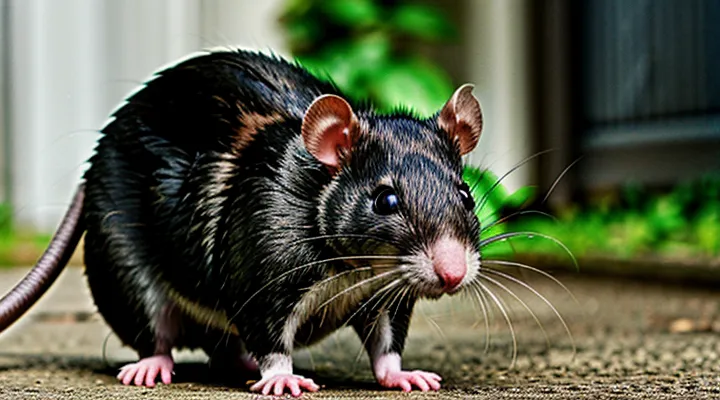
Pet rats typically live between 2 and 3 years under optimal care. The majority reach the 24‑ to 30‑month mark; a minority surpass 36 months when genetics, environment, and health management align.
- Genetic factors: Certain strains, such as Fancy rats, exhibit slightly longer lifespans than wild‑type variants.
- Nutrition: Balanced diets rich in protein, vitamins, and minerals extend longevity; deficiencies accelerate organ failure.
- Housing conditions: Clean, ventilated cages with appropriate temperature (18‑24 °C) reduce stress‑related illnesses.
- Preventive health: Regular veterinary checks, parasite control, and vaccination against common pathogens prevent premature death.
- Exercise and enrichment: Opportunities for climbing and foraging maintain cardiovascular health and delay age‑related decline.
When these variables are optimized, pet rats often achieve the upper range of natural expectancy. Deviations from these standards commonly result in earlier mortality, explaining the observed patterns in domestic rat deaths.
Factors Influencing Longevity
Pet rat lifespan is determined by a combination of genetic, nutritional, environmental, and medical variables. Understanding these variables clarifies why many owners observe premature loss of their companions.
- Genetic background: Inbred strains or lines with known health issues exhibit shorter lifespans than outbred populations.
- Diet quality: Balanced protein, fat, and fiber levels, along with vitamin and mineral adequacy, support organ function and immune resilience.
- Housing conditions: Clean cages, appropriate bedding, and temperature control (20‑24 °C) reduce stress and infection risk.
- Disease exposure: Viral, bacterial, and parasitic agents shorten life expectancy unless prevented through quarantine and regular health checks.
- Stressors: Overcrowding, loud noises, and frequent handling without acclimation elevate cortisol, impairing growth and immunity.
- Reproductive status: Pregnancy and lactation increase metabolic demand; frequent breeding cycles accelerate aging.
- Veterinary care: Routine examinations, vaccinations, and prompt treatment of injuries extend survival.
Each factor interacts with the others; deficiencies in one area often exacerbate problems elsewhere. Comprehensive management of genetics, nutrition, environment, disease prevention, stress reduction, breeding practices, and veterinary oversight collectively enhances longevity and reduces the incidence of early mortality in pet rats.
Common Causes of Death in Pet Rats
Respiratory Diseases
Mycoplasma pulmonis
Mycoplasma pulmonis is a bacterial pathogen that frequently contributes to fatal outcomes in laboratory and companion rats. The organism colonizes the respiratory tract, leading to chronic bronchopneumonia, pleuritis, and otitis media. Infection progresses silently; clinical manifestations often appear only after extensive tissue damage.
Typical signs include:
- Labored breathing
- Nasal discharge
- Coughing or wheezing
- Reduced activity and weight loss
- Ear inflammation with fluid accumulation
Transmission occurs through direct contact, aerosolized droplets, and contaminated bedding. The bacterium lacks a cell wall, rendering it resistant to β‑lactam antibiotics; effective therapy requires macrolides or tetracyclines administered for several weeks. Early diagnosis relies on culture of nasal swabs, PCR detection, or histopathology of lung tissue.
Control measures focus on biosecurity and colony management:
- Quarantine new arrivals for at least four weeks
- Maintain low humidity and adequate ventilation
- Regular health monitoring with periodic PCR screening
- Remove and isolate symptomatic individuals promptly
- Implement strict sanitation of cages, feeders, and water bottles
Mortality rates rise sharply when Mycoplasma pulmonis co‑infects with viruses such as Sendai or with opportunistic bacteria, compounding respiratory compromise. Effective prevention and timely treatment reduce the likelihood that this pathogen will be a primary cause of death in pet rats.
Other Respiratory Infections
Respiratory infections other than the commonly cited Mycoplasma pulmonis represent a significant mortality factor in companion rats. Pathogens frequently implicated include:
- Streptococcus pneumoniae – Gram‑positive diplococci that colonize the upper airway and may progress to pneumonia.
- Pasteurella pneumotropica – Opportunistic bacterium producing purulent bronchitis and sinusitis.
- Bordetella bronchiseptica – Causes chronic cough, nasal discharge, and bronchopneumonia.
- Sendai virus – Paramyxovirus leading to hemorrhagic pneumonia and secondary bacterial invasion.
- Rat coronavirus (RCV) – Triggers interstitial pneumonia with high morbidity in crowded colonies.
Clinical presentation often involves sneezing, serous or purulent nasal discharge, audible wheezing, increased respiratory rate, and reduced activity. Weight loss and dehydration may follow as the disease advances.
Diagnosis relies on a combination of physical examination, thoracic radiography, and laboratory testing. Nasal or lung swabs submitted for bacterial culture, Gram staining, and polymerase chain reaction (PCR) provide definitive identification. Hematology may reveal neutrophilia or lymphopenia, supporting an infectious process.
Therapeutic protocols typically include:
- Empiric broad‑spectrum antibiotics (e.g., enrofloxacin, doxycycline) pending culture results.
- Supportive care: humidified environment, fluid therapy, and nutritional supplementation.
- Antiviral agents only when specific viral etiologies are confirmed; otherwise, focus remains on bacterial management.
Preventive measures reduce outbreak risk:
- Quarantine new arrivals for at least two weeks, monitoring for respiratory signs.
- Maintain cage cleanliness, replace bedding regularly, and ensure adequate ventilation.
- Minimize stressors such as overcrowding, temperature fluctuations, and abrupt diet changes.
- Implement routine health checks, isolating any animal displaying early symptoms.
Understanding the spectrum of respiratory pathogens equips owners and veterinarians to intervene promptly, decreasing the likelihood of fatal outcomes in pet rats.
Tumors and Cancers
Mammary Tumors
Mammary tumors represent a primary health issue contributing to mortality in domestic rats. Studies indicate that a significant proportion of adult females develop neoplastic growths in the mammary glands, often leading to fatal outcomes if untreated.
Etiology includes several identifiable factors:
- Elevated estrogen levels associated with estrous cycles
- Genetic predisposition observed in specific breeding lines
- Advanced age, typically beyond eight months
- Chronic exposure to environmental irritants such as dust or ammonia
Clinical signs manifest as palpable masses in the thoracic or abdominal region, occasionally accompanied by ulceration, bleeding, or reduced activity. Rapid enlargement of a tumor frequently signals aggressive behavior and may interfere with normal feeding or respiration.
Diagnosis relies on systematic examination. Physical palpation confirms the presence of a lump; ultrasonography or radiography evaluates size and internal structure. Fine‑needle aspiration provides cytological material, while histopathological analysis of excised tissue determines malignancy grade.
Therapeutic options focus on surgical removal when feasible. Complete excision with clean margins offers the best prognosis, though recurrence rates remain high for malignant forms. Adjunctive measures, such as analgesia and supportive nutrition, improve postoperative recovery. In cases where surgery is contraindicated, humane euthanasia may be considered to prevent prolonged suffering.
Preventive strategies reduce incidence. Ovariectomy performed before sexual maturity diminishes hormonal stimulation of mammary tissue. Regular health checks enable early detection of small, asymptomatic lesions. Maintaining low‑dust bedding, adequate ventilation, and a balanced diet supports overall immune function.
By recognizing mammary tumors as a critical factor in rat mortality and applying targeted prevention and treatment protocols, owners and veterinarians can markedly improve survival prospects for affected pets.
Pituitary Tumors
Pituitary tumors are a common cause of premature mortality in owned rats. The gland controls hormone secretion that regulates growth, reproduction, and metabolism; neoplastic growth disrupts these processes, leading to systemic failure.
Typical clinical signs include:
- Progressive weight loss despite normal appetite
- Excessive drinking and urination
- Abnormal coat condition and skin lesions
- Behavioral changes such as lethargy or aggression
- Visual impairment from optic chiasm compression
Histopathology frequently reveals adenomas or carcinomas that secrete excess prolactin, growth hormone, or ACTH. Hyperprolactinemia can cause galactorrhea and reproductive dysfunction; excess growth hormone induces organomegaly and cardiac strain; ACTH overproduction leads to Cushing‑like syndrome with immunosuppression and metabolic disturbances.
Diagnosis relies on a combination of physical examination, endocrine assays, and imaging. Serum hormone levels (prolactin, IGF‑1, cortisol) provide initial evidence. Computed tomography or magnetic resonance imaging confirms tumor size and invasiveness.
Therapeutic options are limited. Surgical resection offers a potential cure but carries high peri‑operative risk due to the rat’s small size and delicate anatomy. Medical management includes dopamine agonists (e.g., cabergoline) to suppress prolactin secretion and somatostatin analogues for growth hormone excess, though response rates vary. Palliative care focuses on fluid balance, nutritional support, and stress reduction.
Prognosis is generally poor; untreated pituitary neoplasms progress rapidly, culminating in organ failure or severe endocrine crisis. Early detection and intervention improve survival odds, underscoring the need for routine health monitoring in captive rats.
Lymphoma
Lymphoma is a malignant tumor of lymphoid tissue that frequently appears in laboratory‑bred and pet rats. The disease originates from uncontrolled proliferation of B or T lymphocytes, leading to masses in the spleen, thymus, lymph nodes, or other organs. Rats with lymphoma often exhibit:
- Rapid weight loss despite normal appetite
- Enlarged abdomen or palpable masses
- Lethargy and reduced activity
- Labored breathing if thoracic structures are involved
- Anemia or pale mucous membranes
Diagnosis relies on physical examination, imaging (radiography or ultrasound), and cytological or histopathological analysis of aspirated tissue. Blood work may reveal elevated white blood cell counts or abnormal lymphocyte morphology, but definitive identification requires microscopic evaluation of tumor cells.
Treatment options are limited. Chemotherapeutic protocols used in laboratory settings, such as cyclophosphamide or vincristine, have been adapted for pet rats but carry a high risk of toxicity and require specialized dosing. Palliative care, including fluid therapy and nutritional support, may extend quality of life for a short period. Survival time after diagnosis typically ranges from a few weeks to several months, depending on tumor type, stage, and response to therapy.
Prevention focuses on minimizing exposure to known oncogenic agents. Maintaining a clean environment, avoiding chronic stress, and providing a balanced diet reduce the overall risk of neoplastic disease. Breeding practices that limit inbreeding depression also lower the incidence of hereditary predisposition to lymphoma.
Understanding lymphoma’s clinical presentation and diagnostic pathway enables owners and veterinarians to make timely decisions, potentially improving outcomes or allowing humane end‑of‑life care.
Heart Disease
Heart disease ranks among the leading causes of mortality in domesticated rats. Cardiac conditions develop spontaneously, are inherited, or arise from infections and metabolic disturbances.
Common cardiac disorders in pet rats include:
- Dilated cardiomyopathy, characterized by ventricular enlargement and reduced contractility.
- Hypertrophic cardiomyopathy, marked by thickened myocardial walls that impede filling.
- Congenital defects such as septal openings or malformed valves.
- Endocarditis resulting from bacterial infection.
Clinical signs often appear abruptly. Affected rats may exhibit respiratory distress, rapid or irregular heartbeat, lethargy, reduced appetite, and peripheral cyanosis. Sudden collapse can occur without prior warning.
Veterinary assessment relies on physical examination, auscultation of heart sounds, and imaging. Echocardiography provides detailed evaluation of chamber size, wall thickness, and valve function. Radiographs reveal cardiac silhouette enlargement and pulmonary congestion. Blood tests for cardiac biomarkers (e.g., troponin) aid in confirming myocardial injury.
Therapeutic options focus on stabilizing cardiac output and addressing underlying causes. Medications such as diuretics, ACE inhibitors, and positive inotropes are routinely employed. Antibiotic therapy is indicated for infectious endocarditis. In severe cases, humane euthanasia may be the most compassionate choice.
Preventive measures reduce incidence. Breeding programs avoid carriers of known genetic defects. Regular health checks allow early detection of murmurs or arrhythmias. Maintaining optimal nutrition, minimizing stress, and providing a clean environment lower the risk of infectious contributors to heart disease.
Kidney Disease
Kidney disease ranks among the most frequent fatal conditions affecting domestic rats, directly influencing their short lifespan.
Genetic susceptibility, chronic dehydration, excessive protein or salt intake, bacterial infections, and exposure to nephrotoxic substances such as certain medications or contaminated water are the primary drivers of renal failure in these animals.
Typical clinical manifestations include:
- Increased thirst and urination
- Lethargy or reduced activity
- Weight loss despite normal appetite
- Abdominal swelling due to fluid accumulation
- Pale or yellowish gums
Veterinarians confirm renal impairment through blood chemistry (elevated blood urea nitrogen and creatinine), urinalysis (proteinuria, low specific gravity), and imaging techniques that reveal enlarged kidneys or structural abnormalities.
Therapeutic interventions focus on stabilizing fluid balance, providing low‑protein, low‑phosphorus diets, and administering medications that support renal function or control hypertension. Intravenous or subcutaneous fluids are essential during acute decompensation.
Preventive measures reduce incidence: maintain constant access to clean water, feed a balanced commercial rodent diet supplemented with fresh vegetables, avoid high‑salt treats, and schedule regular health examinations to detect early renal changes.
When diagnosed early, supportive care can extend survival by several weeks to months; advanced disease often leads to rapid decline despite intervention.
Other Health Issues
Dental Problems
Dental health is a primary factor in the mortality of domestic rats. Their incisors grow continuously; without proper wear, teeth become overgrown, leading to malnutrition, ulceration, and systemic infection. Malocclusion—misalignment of the incisors—often results from genetic defects, trauma, or inadequate chewing surfaces, and can cause the animal to be unable to ingest food properly.
Common indicators of dental distress include:
- Drooling or wet fur around the mouth
- Visible tooth overgrowth or uneven bite
- Weight loss despite normal feeding attempts
- Pawing at the face or excessive grooming of the mouth area
- Reduced activity or lethargy
If untreated, dental disease can progress to abscess formation, osteomyelitis of the jaw, and septicemia, all of which can be fatal within a short period.
Preventive measures reduce the risk of lethal outcomes:
- Provide a diet rich in fibrous materials such as timothy hay, untreated wood blocks, and chew toys that promote natural tooth wear.
- Conduct regular oral examinations during routine health checks, looking for signs of overgrowth or misalignment.
- Schedule veterinary dental cleanings and, when necessary, corrective trimming of incisors under anesthesia.
- Monitor for changes in eating behavior or weight, and act promptly if abnormalities appear.
Early detection and consistent dental maintenance are essential to prevent fatal complications associated with rat dental problems.
Abscesses
Abscesses are localized collections of pus that develop when bacteria infiltrate tissue and the immune system isolates the infection. In pet rats, abscesses often originate from bite wounds, dental disease, or contaminated bedding, and they can spread rapidly because rats have a high metabolic rate and limited ability to tolerate systemic infection.
Typical clinical signs include swelling, heat, redness, and a palpable lump; the affected area may discharge foul‑smelling fluid. Additional indications are lethargy, loss of appetite, and fever. If left untreated, the infection can progress to septicemia, causing organ failure and death within days.
Effective management requires prompt veterinary intervention. Recommended actions are:
- Immediate cleaning and debridement of the wound.
- Administration of appropriate broad‑spectrum antibiotics based on culture results.
- Analgesia to control pain and reduce stress.
- Monitoring of temperature and blood parameters to assess systemic involvement.
Prevention focuses on minimizing injury and infection risk:
- Provide clean, dry bedding and regular cage sanitation.
- Inspect teeth and oral cavity for overgrowth that can lead to dental abscesses.
- Handle rats gently to avoid bites and scratches.
- Quarantine new arrivals and observe for early signs of infection.
When an abscess is identified early, surgical drainage combined with antibiotic therapy can resolve the infection and preserve the rat’s health. Delayed treatment markedly increases mortality risk, making vigilance essential for any rat owner.
Parasites
Parasites represent a frequent source of fatal illness in domesticated rats. Both internal and external species can disrupt physiological functions, leading to rapid decline and death if untreated.
Common internal parasites include:
- Pinworms (Syphacia muris) – cause weight loss, diarrhea, and intestinal irritation.
- Tapeworms (Hymenolepis nana) – produce malabsorption, abdominal swelling, and anemia.
- Coccidia (Isospora spp.) – generate watery diarrhea, dehydration, and severe intestinal damage.
External parasites affecting pet rats are:
- Mites (Myobia musculi, Radfordia affinis) – induce intense itching, skin lesions, and secondary bacterial infection.
- Fleas (Ctenocephalides felis) – transmit bacterial pathogens, cause anemia, and trigger allergic reactions.
- Lice (Polyplax serrata) – lead to feather‑like irritation, stress‑induced immunosuppression, and potential septicemia.
Transmission routes encompass ingestion of contaminated food or bedding, direct contact with infested animals, and exposure to poorly sanitized environments. Diagnosis relies on fecal flotation for internal parasites, microscopic skin scrapings for external infestations, and veterinary examination of clinical signs.
Effective treatment protocols involve:
- Anthelmintic drugs such as fenbendazole or pyrantel for worm infections.
- Coccidiostats like sulfadiazine for protozoal control.
- Topical acaricides or systemic insecticides for mites and fleas, applied according to veterinary guidance.
Prevention hinges on strict hygiene: regular cage cleaning, provision of parasite‑free bedding, quarantine of new arrivals, and routine veterinary health checks. Maintaining these practices reduces parasite load and significantly lowers the risk of lethal outcomes in pet rats.
Environmental and Care-Related Factors
Poor Nutrition
Inadequate Diet
Inadequate nutrition is a leading factor behind premature mortality in domesticated rats. Rats require a balanced intake of protein, fat, carbohydrates, vitamins, and minerals; shortfalls in any of these components compromise immune function, organ health, and lifespan.
Common dietary deficiencies and their effects include:
- Protein deficiency: muscle wasting, reduced growth, weakened immune response, increased susceptibility to infections.
- Calcium and phosphorus imbalance: skeletal deformities, kidney stones, impaired bone remodeling.
- Vitamin A shortage: vision problems, skin lesions, poor reproduction.
- Vitamin D insufficiency: weakened bones, metabolic bone disease, reduced calcium absorption.
- B‑vitamin gaps: neurological disorders, anemia, reduced energy metabolism.
- Essential fatty acid lack: dry skin, poor coat quality, impaired brain development.
Preventive measures focus on providing a complete, species‑specific rat chow supplemented with fresh vegetables, occasional fruits, and occasional protein sources such as cooked eggs or lean meat. Water must be clean and available at all times. Regular monitoring of body condition and veterinary checks for signs of malnutrition ensure early intervention before irreversible damage occurs.
Obesity
Obesity is a leading factor in the premature death of domestic rats. Excess body fat compromises cardiovascular function, increases the risk of heart disease, and strains the respiratory system. Overweight rats often develop hypertension, which can lead to organ failure.
Metabolic disorders accompany excess weight. Insulin resistance and type‑2 diabetes impair glucose regulation, causing chronic hyperglycemia that damages kidneys and nerves. Fat accumulation in the liver can progress to hepatic lipidosis, a condition that reduces detoxification capacity and may result in fatal liver failure.
Behavioral and environmental contributors include:
- Unlimited access to high‑calorie treats.
- Lack of regular exercise opportunities.
- Inadequate cage space that limits movement.
Preventing obesity requires controlled feeding schedules, balanced nutrition, and daily enrichment that encourages activity. Early detection of weight gain allows intervention before irreversible health damage occurs.
Substandard Living Conditions
Cage Size and Enrichment
Adequate cage dimensions are critical for rat longevity. A minimum floor area of 2 square feet per rat prevents overcrowding, reduces stress, and limits the spread of pathogens. Vertical space of at least 12 inches allows climbing, a natural behavior that supports musculoskeletal health. Larger enclosures also facilitate proper ventilation, decreasing humidity levels that foster respiratory infections.
Enrichment items directly influence survival rates. Provide:
- Multiple levels or platforms to encourage climbing and exploration.
- chewable objects (untreated wood, cardboard) to maintain dental wear and prevent malocclusion.
- tunnels, hideouts, and nesting material to satisfy shelter instincts and lower anxiety.
- rotating toys to prevent habituation and sustain mental stimulation.
Insufficient space or lack of stimulation leads to chronic stress, immune suppression, and increased susceptibility to disease. Rats confined to cramped cages often exhibit stereotypic behaviors, weight loss, and reduced reproductive success. Regularly assess cage size relative to the growing population and replace worn enrichment to maintain optimal health conditions.
Unsanitary Environment
Unsanitary living conditions accelerate pet rat mortality by exposing animals to harmful microorganisms, toxins, and chronic stress. Poor hygiene compromises immune function, shortens lifespan, and precipitates acute illnesses.
Typical problems caused by dirty environments include:
- Accumulation of ammonia from urine, leading to respiratory irritation and pneumonia.
- Mold growth on bedding, producing spores that trigger allergic reactions and lung infections.
- Bacterial contamination of food and water, resulting in gastroenteritis and septicemia.
- Presence of parasites such as mites and fleas, which transmit diseases and cause anemia.
- Overcrowded cages with waste buildup, increasing aggression and suppressing normal grooming behavior.
Mitigation strategies:
- Clean cages daily, replace bedding weekly, and disinfect with rodent‑safe solutions.
- Provide fresh water and high‑quality food in sealed containers.
- Maintain proper ventilation to reduce humidity and ammonia concentrations.
- Conduct regular health checks, isolate sick individuals, and seek veterinary care promptly.
Stress
Social Dynamics
Pet rats are highly social mammals; their interactions profoundly affect health and longevity. When a group’s hierarchy is unstable, dominant individuals may repeatedly chase subordinates, causing chronic stress. Elevated cortisol levels suppress immune function, making rats more susceptible to infections that can be fatal.
Frequent changes in group composition also increase mortality risk. Introducing new rats without proper acclimation can trigger aggressive encounters, leading to injuries that become septic. Removing a dominant animal disrupts the established order, often resulting in heightened anxiety among remaining members and a rise in stress‑related illnesses.
Key social factors influencing rat deaths include:
- Hierarchical instability – persistent fighting, constant reshuffling of rank.
- Group size – overcrowding heightens competition; solitary housing deprives rats of needed social contact, both conditions elevating stress.
- Compatibility – mismatched sexes, ages, or temperaments increase aggression.
- Breeding practices – uncontrolled breeding creates overpopulation, resource scarcity, and inbreeding depression.
Proper management of social dynamics—maintaining stable groups, providing adequate space, monitoring interactions, and using gradual introductions—directly reduces the incidence of stress‑related disease and injury, thereby extending the lifespan of pet rats.
Handling and Activity Levels
Improper handling directly shortens a pet rat’s life. Rough grips, sudden squeezes, and frequent restraint trigger stress hormones that suppress immune function, increase susceptibility to respiratory infections, and cause traumatic injuries such as broken teeth or spinal damage.
Common handling mistakes:
- Gripping the tail or limbs instead of supporting the body.
- Lifting the animal without a hand underneath the chest.
- Holding the rat for extended periods without breaks.
- Ignoring signs of fear, such as vocalization or frantic movement.
Activity levels also influence survival. Rats require daily exercise to maintain cardiovascular health, muscle tone, and mental stimulation. Insufficient activity leads to obesity, reduced bone density, and heightened stress, while excessive forced exercise can cause joint strain and exhaustion.
Typical activity‑related problems:
- Confinement to a small cage without enrichment objects.
- Absence of climbing structures, tunnels, or wheels.
- Over‑exercising on an improperly sized wheel that causes spinal curvature.
- Lack of scheduled playtime resulting in sedentary behavior.
To mitigate mortality risks, provide gentle, body‑supported handling; limit restraint sessions to a few minutes; equip cages with appropriate climbing and chewing accessories; ensure wheels are solid‑surface and sized for the rat’s length; and schedule regular supervised out‑of‑cage exploration. These practices promote physiological resilience and extend the lifespan of companion rats.
Exposure to Toxins
Household Cleaners
Household cleaning products pose a significant health risk to pet rats, often leading to fatal outcomes when ingested, inhaled, or contacted through the skin. Rats are small, have high metabolic rates, and are particularly vulnerable to toxic substances that are otherwise safe for humans.
Common chemicals found in domestic cleaners include:
- Bleach (sodium hypochlorite): Causes severe respiratory irritation, gastrointestinal ulceration, and hemolysis.
- Ammonia: Triggers pulmonary edema and acute kidney injury.
- Phenolic disinfectants: Lead to hepatic failure and neurological depression.
- Enzyme-based detergents: Produce corrosive burns and disrupt intestinal flora.
- Aerosol sprays (e.g., air fresheners, degreasers): Contain volatile organic compounds that induce central nervous system depression.
Exposure routes for rats encompass direct ingestion of residue on surfaces, inhalation of vapors during cleaning, and dermal absorption from contaminated bedding or food dishes. Clinical signs appear rapidly: coughing, labored breathing, lethargy, loss of appetite, and sudden collapse. Without immediate veterinary intervention, mortality is common.
Preventive actions:
- Store all cleaners in sealed containers away from cages.
- Rinse and dry surfaces thoroughly before reintroducing rats.
- Use rat‑safe alternatives such as diluted white vinegar or mild soap solutions.
- Ventilate rooms during and after cleaning to disperse residual fumes.
- Monitor the environment for accidental spills and clean them with water before applying any chemical.
By eliminating toxic residues and choosing non‑hazardous cleaning methods, owners can substantially reduce the likelihood of fatal incidents in pet rats.
Inappropriate Bedding
Inappropriate bedding directly threatens the health of pet rats and frequently leads to premature death. Loose fibers, excessive dust, and chemically treated materials irritate the respiratory system, cause nasal and lung inflammation, and predispose rats to bacterial infections such as pneumonia. Ingestion of soft bedding fragments can result in gastrointestinal blockage, leading to starvation or septic complications.
Typical hazards associated with unsuitable bedding include:
- High‑dust wood shavings (e.g., pine, cedar) that release volatile compounds and fine particles.
- Cellulose or paper products that disintegrate into small pieces, increasing the risk of intestinal obstruction.
- Scented or chemically treated fabrics that can cause allergic reactions or toxic exposure.
- Fibrous textiles (e.g., fleece) that shed strands easily, creating inhalable debris.
Mitigation strategies:
- Choose low‑dust, untreated hardwood shavings (aspen, maple) or paper‑based bedding specifically marketed for small rodents.
- Replace bedding regularly, maintaining a clean environment to prevent mold growth and bacterial buildup.
- Monitor rats for signs of respiratory distress (sneezing, labored breathing) or digestive issues (vomiting, reduced fecal output) and adjust bedding immediately if symptoms appear.
- Conduct periodic health checks with a veterinarian experienced in exotic pets to detect early complications.
Adhering to these practices eliminates the primary risks posed by unsuitable bedding, thereby reducing mortality rates among companion rats.
Medications
Medications represent a leading cause of mortality in domestic rats when administered improperly. Overdose, incorrect drug selection, and adverse drug reactions each contribute to fatal outcomes.
Typical pharmacological hazards include:
- Antibiotics (e.g., enrofloxacin, tetracycline) given at doses exceeding species‑specific limits, which can trigger renal failure or neurotoxicity.
- Analgesics such as non‑steroidal anti‑inflammatory drugs (NSAIDs) and acetaminophen; rats lack the metabolic pathways to safely process these compounds, leading to gastrointestinal ulceration, hepatic necrosis, or cardiovascular collapse.
- Sedatives and anesthetics (e.g., ketamine, xylazine) administered without precise weight‑based calculations; even slight excess can depress respiration and cause cardiac arrest.
- Antiparasitics including ivermectin and milbemycin; rodents are highly sensitive, and therapeutic doses for other species become lethal for rats.
- Human prescription drugs (e.g., antidepressants, antihistamines) unintentionally ingested; many possess toxic metabolites that rats cannot eliminate.
Preventive measures demand strict adherence to veterinary guidance:
- Verify that each medication is approved for use in rats.
- Calculate dosage based on exact body weight (grams) rather than approximations.
- Use calibrated syringes or droppers to deliver precise volumes.
- Observe rats for immediate signs of distress—lethargy, tremors, respiratory difficulty—following any administration.
- Keep all human medicines and over‑the‑counter products out of reach to avoid accidental ingestion.
When a rat exhibits unexplained illness after medication exposure, rapid veterinary intervention is essential. Antidotes, supportive fluid therapy, and monitoring of organ function can mitigate damage if applied promptly. In the absence of such care, medication‑related toxicity often culminates in death.
Preventive Measures and Good Practices
Regular Veterinary Care
Early Detection of Illness
Early identification of disease dramatically reduces the risk of fatal outcomes in domesticated rats. Observable changes in activity, appetite, and grooming provide the first indication that a health problem is developing. A rat that becomes lethargic, refuses food, or neglects self‑cleaning often signals an underlying infection or metabolic disorder.
Regular health assessments reinforce early detection. Recommended practices include:
- Daily visual inspection of eyes, nose, and fur for discharge or discoloration.
- Weekly weighing to track weight loss exceeding 5 % of baseline.
- Monitoring breathing patterns for audible wheezes or rapid respirations.
- Checking for abnormal stool consistency or blood presence.
When any of these signs appear, immediate veterinary consultation is essential. Veterinarians can employ diagnostic tools such as fecal microscopy, chest radiography, and blood chemistry panels to confirm conditions like respiratory infections, gastrointestinal parasites, or organ failure. Prompt treatment—antibiotics, supportive care, or surgical intervention—greatly improves survival prospects.
Implementing a structured observation schedule and seeking professional evaluation at the first sign of illness creates a proactive health management system for pet rats. This approach directly addresses the primary causes of mortality, ensuring that serious conditions are addressed before they become irreversible.
Routine Check-ups
Routine veterinary examinations are the most reliable method to identify health problems in pet rats before they become fatal. Regular appointments allow veterinarians to assess organ function, detect parasites, and evaluate dental health, all of which are common causes of premature death.
Key elements of a comprehensive check‑up include:
- Weight measurement and body condition scoring to spot malnutrition or obesity.
- Physical inspection of the skin, eyes, ears, and tail for lesions, discoloration, or swelling.
- Oral examination for overgrown incisors, misalignment, or gum disease.
- Respiratory assessment through auscultation and observation of breathing patterns.
- Fecal analysis to identify internal parasites or bacterial infections.
- Blood work to evaluate liver, kidney, and immune system performance.
Veterinarians recommend scheduling these examinations every three to six months for adult rats and more frequently for juveniles or individuals with known health issues. Owners should record observations such as changes in appetite, activity level, or grooming habits and report them promptly.
Early detection through routine check‑ups reduces the likelihood of sudden death by enabling timely treatment, preventive medication, and dietary adjustments tailored to each rat’s condition. Consistent monitoring therefore extends lifespan and improves overall welfare.
Optimal Diet and Nutrition
A balanced diet is essential for preventing premature loss of pet rats. Nutrient deficiencies weaken immune function, increase susceptibility to disease, and accelerate organ failure. Providing the correct proportions of protein, fat, fiber, vitamins, and minerals supports growth, reproduction, and longevity.
Key dietary components:
- Protein: 15‑20 % of total calories; sources include high‑quality rodent chow, cooked eggs, lean meat, or soy.
- Fat: 5‑10 % of calories; include small amounts of vegetable oil or nuts for essential fatty acids.
- Fiber: 5‑8 % of diet; supply through fresh vegetables, whole‑grain pellets, and occasional hay to maintain gastrointestinal motility.
- Vitamins and minerals: Ensure adequate calcium, phosphorus, vitamin C, and B‑complex. Commercial rat mixes are formulated to meet these needs; supplementation should follow veterinary guidance.
- Water: Unlimited access to clean, fresh water prevents dehydration and renal stress.
Feeding practices that reduce mortality:
- Offer fresh food daily; discard uneaten portions to avoid spoilage.
- Rotate vegetable varieties to provide a broad spectrum of micronutrients.
- Avoid high‑sugar treats, processed human foods, and excessive fruit, which can cause obesity and metabolic disorders.
- Monitor body condition; adjust portion size to maintain a lean, muscular build without excess fat.
Regular veterinary check‑ups, combined with this nutritional framework, markedly improve health outcomes and extend the lifespan of companion rats.
Maintaining a Clean and Enriched Environment
A dirty or unstimulating habitat accelerates disease, respiratory problems, and stress‑related disorders in captive rats, all of which increase mortality risk.
Cleaning protocol
- Replace bedding weekly; use absorbent, dust‑free material.
- Disinfect cage surfaces with a rodent‑safe sanitizer every two weeks.
- Remove uneaten food daily; store feed in sealed containers.
- Wash water bottles and refill with fresh water each day.
- Inspect and prune any mold or mildew on enclosure walls or accessories.
Enrichment practices
- Provide a rotating selection of chewable toys to promote dental health.
- Install tunnels, climbing structures, and hideouts to encourage natural foraging behavior.
- Offer varied textures (paper rolls, untreated wood) to stimulate tactile exploration.
- Schedule brief, supervised out‑of‑cage sessions for exercise and social interaction.
- Change the layout of enrichment items weekly to prevent habituation.
Consistent hygiene combined with diverse, stimulating surroundings sustains physiological balance, reduces pathogen exposure, and supports the longevity of pet rats.
Stress Reduction Techniques
Pet rats often succumb to health issues that stem from chronic stress. Elevated cortisol levels suppress immune function, increase susceptibility to respiratory infections, and can trigger gastrointestinal disturbances. Reducing environmental and psychological stress directly improves survival prospects.
Effective stress mitigation includes:
- Providing a stable, quiet habitat with consistent temperature and lighting cycles.
- Maintaining a predictable routine for feeding, cleaning, and handling to avoid sudden changes.
- Offering enrichment such as tunnels, chewable toys, and nesting material to encourage natural foraging and exploration behaviors.
- Limiting exposure to loud noises, strong odors, and aggressive species that may cause fear responses.
- Handling rats gently, supporting their bodies, and allowing them to initiate contact to prevent defensive aggression.
Nutrition supports stress resilience. A balanced diet rich in protein, fiber, and essential vitamins, supplemented with occasional fresh vegetables, sustains gut health and reduces anxiety-related behaviors.
Regular health monitoring—daily observation of activity, coat condition, and respiratory sounds—detects early signs of stress-related illness. Prompt veterinary assessment and intervention prevent progression to fatal outcomes.
Safe Housing and Handling
Safe housing and proper handling are critical factors in reducing premature mortality among domestic rats. A well‑designed enclosure provides space, ventilation, and protection from injury. The cage should measure at least 2 sq ft of floor area per animal, with a minimum height of 12 inches to allow climbing. Solid flooring prevents foot injuries; wire mesh should be covered with a chew‑resistant platform. Regular cleaning removes waste, limiting bacterial growth and respiratory irritation. Replace bedding weekly, using absorbent, dust‑free material such as paper or aspen shavings.
Key components of a secure environment include:
- Temperature control: maintain ambient temperature between 65–75 °F; avoid drafts and direct heat sources.
- Humidity: keep relative humidity between 40–60 % to prevent skin and respiratory problems.
- Enrichment: provide tunnels, chew toys, and climbing structures to stimulate natural behavior and reduce stress‑related illnesses.
- Escape prevention: inspect cage doors, latches, and ventilation panels for gaps; use secure locks.
- Food and water: supply fresh water daily in a sipper bottle; store dry food in a sealed container to prevent contamination.
Handling techniques further influence health outcomes. Always approach the rat calmly, allowing it to sniff your hand before contact. Support the animal’s hindquarters with one hand while the other steadies the torso, preventing spinal strain. Limit handling sessions to 5–10 minutes to reduce stress hormones. Wash hands before and after each interaction to avoid transmitting pathogens. Observe the rat for signs of injury, lethargy, or respiratory distress during handling; immediate veterinary assessment can prevent escalation.
Consistent application of these housing standards and handling practices lowers the incidence of preventable deaths, supporting longer, healthier lives for pet rats.
Understanding Rat Behavior
Pet rats exhibit social hierarchies that influence stress levels and immune function. Dominant individuals often control access to food and nesting sites, while subordinates experience chronic stress, which can suppress disease resistance and shorten lifespan.
Behavioral patterns affect exposure to pathogens. Rats groom each other, transferring saliva and skin microbes; excessive grooming after injury can introduce infection. Aggressive encounters may cause wounds that, if untreated, become septic.
Key behaviors linked to mortality include:
- Territorial aggression – leads to injuries and blood loss.
- Overgrooming – removes protective fur, exposing skin to parasites.
- Scent marking – involves urine and glandular secretions that may contain harmful bacteria if hygiene is poor.
- Exploratory foraging – increases risk of ingesting toxic substances or contaminated food.
Understanding these actions enables owners to modify environments, reduce conflict, and monitor health indicators, thereby decreasing the likelihood of premature death in companion rats.
What to Do When a Pet Rat Dies
Grief and Coping
Losing a pet rat often triggers intense sorrow because owners develop strong bonds with these intelligent, social animals. The abrupt absence can feel comparable to the loss of a family member, prompting a range of emotional responses.
Typical reactions include denial, persistent sadness, guilt over perceived care shortcomings, and occasional anger. These feelings may surface immediately or emerge gradually as the owner processes the reality of the loss.
Effective coping begins with permission to grieve. Allocate time for quiet reflection, write down memories, or create a small memorial using the rat’s favorite items. Sharing the experience with friends, family, or online communities provides external validation and reduces isolation.
Professional assistance—counselors, veterinarians, or grief therapists—offers structured guidance when emotions become overwhelming. Maintaining daily routines, such as feeding schedules or exercise times, helps preserve a sense of normalcy while honoring the departed companion.
Resources for further support include pet loss hotlines, specialist literature, and local support groups. Engaging with these options can transform grief into a manageable process, allowing the owner to remember the rat’s life while gradually rebuilding emotional equilibrium.
Respectful Farewell
Pet rat mortality prompts owners to consider a respectful farewell that acknowledges the animal’s brief yet significant presence. A dignified conclusion involves three essential actions: acknowledging loss, preserving memory, and completing closure.
- Acknowledge loss by speaking calmly, using the rat’s name, and expressing gratitude for companionship.
- Preserve memory through a small memorial, such as a photo, a written note, or a keepsake placed in a dedicated space.
- Complete closure by selecting an appropriate method for final disposition—burial in a pet‑friendly zone, cremation, or donation to a veterinary program—followed by a brief moment of silence or a gentle ritual, such as lighting a candle.
These steps provide a structured approach that honors the animal, supports the owner’s emotional adjustment, and reflects the responsibility inherent in pet stewardship.
Post-mortem Examination (Necropsy)
Post‑mortem examination, commonly called necropsy, provides the most reliable evidence for determining the cause of death in a pet rat. The procedure begins with a thorough external inspection, noting lesions, discoloration, or signs of trauma. Afterward, the abdominal and thoracic cavities are opened in a systematic order to expose internal organs. Each organ is examined for gross abnormalities such as hemorrhage, neoplasia, or inflammation, and tissue samples are collected for histopathology, microbiology, or toxicology as indicated.
Key observations typically include:
- Congestive pulmonary edema indicating respiratory distress or heart failure.
- Enlarged liver with mottled appearance suggesting hepatic disease or toxin exposure.
- Gastrointestinal ulceration or perforation pointing to dietary issues or ulcerogenic agents.
- Presence of parasites or bacterial colonies in the intestine, which can reveal infectious causes.
- Signs of systemic infection, such as fibrinous exudate on serosal surfaces, indicating septicemia.
Microscopic analysis of collected samples often confirms diagnoses suggested by gross findings. Bacterial cultures identify specific pathogens, while toxicological screens detect common rodenticide residues or accidental ingestion of household chemicals. Histological sections reveal cellular changes that differentiate between acute trauma and chronic disease processes.
Conducting a necropsy promptly, ideally within a few hours of death, preserves tissue integrity and improves diagnostic accuracy. Veterinarians may recommend a full necropsy when the death is unexpected, recurrent within a litter, or when the owner seeks clarification for future preventive measures. A limited, targeted necropsy may be sufficient if the clinical history suggests a specific organ system involvement.
The information obtained from a necropsy guides owners in adjusting husbandry practices, dietary regimens, or environmental safety to reduce the risk of similar fatalities in other rats. It also assists veterinarians in refining treatment protocols for living patients presenting with comparable clinical signs.