
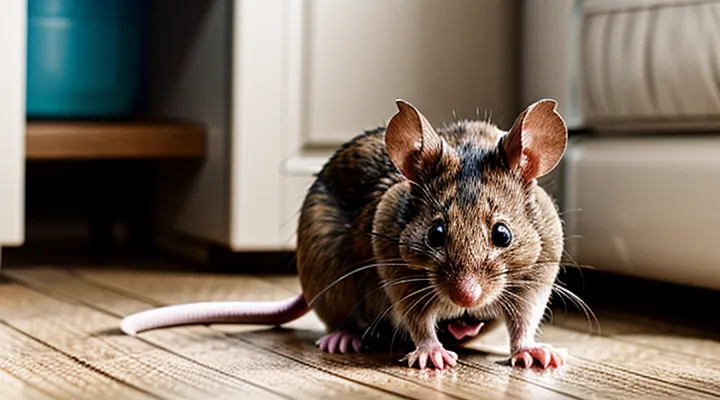
The Olfactory World of Mice
Identifying Mouse Odor
«Musky» Scent Characteristics
Mice emit a distinctive «musky» odor that results from a combination of volatile compounds produced by specialized glands, urine, and skin secretions. This scent serves as a chemical signal for territory marking, reproductive status, and predator avoidance, and it contributes significantly to the overall smell associated with rodent populations.
The «musky» profile is defined by several biochemical elements:
- Fatty acids such as isovaleric and caproic acids, which generate low‑frequency, lingering notes.
- Sulfur‑containing compounds, including dimethyl sulfide and thiols, that add sharp, animalistic nuances.
- Aldehydes like nonanal and decanal, providing a slightly sweet, waxy undertone.
- Steroid‑derived metabolites (e.g., androstenone) that reinforce species‑specific signals.
These substances share common physical traits:
- Low vapor pressure, allowing persistence on fur and in nesting material.
- High affinity for proteinaceous surfaces, leading to accumulation on bedding and food stores.
- Detectability at concentrations as low as parts per billion, ensuring effective communication over short distances.
Behavioral implications of the «musky» scent include:
- Dominance reinforcement: dominant individuals deposit stronger musky residues, influencing social hierarchy.
- Mate attraction: females respond preferentially to specific ratios of aldehydes and sulfides, indicating reproductive readiness.
- Predator deterrence: the odor masks prey identity, reducing detection by certain predators.
In summary, the «musky» odor of mice derives from a complex mixture of fatty acids, sulfur compounds, aldehydes, and steroids. Its low volatility and strong binding properties enable long‑lasting presence, while its chemical composition conveys essential information about individual status and environmental conditions.
Distinguishing Mouse Odor from Other Pests
Mouse odor originates primarily from urine, feces, and glandular secretions, producing a sweet‑musky scent that differs chemically from the waste of other common pests. Rat excretions contain higher concentrations of ammonia and uric acid, resulting in a sharper, more acrid smell. Cockroach droppings emit a musty, oily odor due to fatty acids and pheromones, while squirrel scent is dominated by woody, musky notes from glandular oils. These chemical distinctions enable reliable identification when multiple infestations coexist.
Key characteristics that separate mouse scent from alternatives include:
- Composition: mouse urine is rich in α‑acetophenone and 2‑methyl‑2‑butenal, whereas rat urine contains larger amounts of 2‑methoxy‑phenol and 4‑ethyl‑phenol.
- Intensity: mouse odor is generally faint, detectable at concentrations as low as 0.1 ppm; rat odor becomes noticeable above 0.5 ppm, and cockroach odor requires higher thresholds.
- Temporal pattern: mouse scent appears continuously in active areas, while rat odor spikes after feeding events, and cockroach odor fluctuates with humidity cycles.
Professional pest‑control assessments rely on these differences. Trained detection dogs are taught to recognize the specific volatile organic compounds associated with «mouse odor», allowing separation from rat or cockroach traces. Laboratory analyzers employ gas‑chromatography–mass‑spectrometry to profile the unique chemical markers, confirming species‑specific presence without visual confirmation.
Biological Reasons for Mouse Odor
Urine and Feces
Composition of Mouse Urine
Mouse urine is primarily water, typically comprising 95 % of the fluid. The remaining 5 % contains a mixture of organic and inorganic substances that contribute to the characteristic odor.
Key constituents include:
- Urea, a nitrogenous waste product that hydrolyzes to ammonia, a volatile compound with a sharp smell.
- Creatinine, a metabolic by‑product of muscle activity, present in low concentrations.
- Uric acid, less soluble than urea, can crystallize and release a faint sour note.
- Volatile organic compounds (VOCs) such as phenols, indoles, and sulfides, generated by microbial activity in the bladder and external environment.
- Pheromonal peptides, notably major urinary proteins (MUPs) that bind and transport scent markers used for communication.
The interaction of ammonia derived from urea breakdown with VOCs amplifies the overall stench. Elevated protein intake or stress can increase nitrogenous waste, raising ammonia output and intensifying odor. Additionally, bacterial colonization of wet urine deposits accelerates the conversion of urea to ammonia, further strengthening the scent profile.
Ammonia and Uric Acid Production
Mice excrete nitrogenous waste primarily as uric acid and, to a lesser extent, as ammonia. Uric acid results from the breakdown of purine nucleotides during cellular metabolism. The compound is poorly soluble in water, leading to crystallization in the renal tubules and subsequent release in urine. When urine evaporates, uric acid particles become airborne, contributing to the characteristic smell associated with rodent habitats.
Ammonia originates from the deamination of amino acids in the liver. The liver converts excess nitrogen into ammonia, which is then transported to the kidneys for excretion. In the presence of moisture, ammonia readily volatilizes, producing a sharp, pungent odor. The intensity of this odor increases in confined spaces where humidity slows evaporation, allowing higher concentrations of gaseous ammonia.
Key factors influencing odor production include:
- Dietary protein intake: higher protein levels elevate amino acid catabolism, increasing ammonia generation.
- Hydration status: reduced water consumption concentrates uric acid in urine, enhancing crystallization and odor release.
- Environmental temperature: warmer conditions accelerate ammonia volatilization, intensifying the smell.
Understanding the biochemical pathways of uric acid and ammonia formation clarifies why rodent colonies emit strong odors, especially in poorly ventilated environments.
Accumulation in Infested Areas
Mice colonies generate odor primarily through the buildup of biological waste in the spaces they occupy. When rodents infest a location, their excretions, glandular secretions, and discarded nesting material accumulate on surfaces, in corners, and within wall voids. This concentration of organic matter creates a persistent, musky scent that intensifies as the infestation persists.
Key contributors to the odor include:
- Urine deposits left on floors, walls, and insulation.
- Fecal pellets scattered throughout hidden crevices.
- Scent glands that release fatty acids and pheromones.
- Decomposing bodies of dead mice.
- Chewed or soiled nesting material such as shredded paper and fabric.
Accumulation occurs because rodents rarely abandon contaminated zones, and the lack of regular cleaning in hidden areas prevents the removal of waste. Moisture from urine and bodily fluids promotes bacterial growth, further amplifying the smell. High population density accelerates the rate at which waste layers form, leading to a rapid escalation of odor intensity.
The resulting odor not only signals the presence of an infestation but also poses health concerns. Volatile compounds from urine and feces can irritate respiratory passages, while bacterial proliferation increases the risk of disease transmission. Effective control therefore requires thorough cleaning of all infested zones, removal of contaminated materials, and sealing of entry points to prevent future buildup.
Scent Glands and Pheromones
Location and Function of Scent Glands
Mice possess several specialized exocrine glands that release volatile compounds for communication, territory marking, and reproductive signaling. These structures are distributed across distinct body regions, each contributing a characteristic odor profile.
- Ventral abdominal (preputial) glands – located near the genital area, secrete lipid‑rich secretions used in mate attraction and dominance displays.
- Dorsal flank glands – situated along the sides of the torso, emit pheromones that delineate individual territory.
- Facial (harderian) glands – positioned behind the eyes, produce oily substances that coat whiskers and assist in social recognition.
- Footpad (plantar) glands – embedded in the pads of the feet, release scent markers while the animal walks, reinforcing trail pheromones.
- Anal glands – found near the rectum, emit strong-smelling compounds during defensive behaviors and when marking fecal deposits.
Each gland synthesizes a unique blend of fatty acids, alcohols, and aldehydes. The secretions are transferred to the environment through rubbing, grooming, or direct contact, allowing rapid dissemination of chemical signals. The combined activity of these glands creates the characteristic mouse odor observed in laboratory and wild populations.
Pheromones for Communication
Mice rely on a complex system of chemical signals to coordinate social behavior, territory establishment, and reproductive activities. These signals, known as pheromones, are volatile compounds secreted by specialized glands and deposited on urine, fur, and scent marks. When other individuals detect these molecules through the vomeronasal organ, they trigger instinctive responses that influence aggression, mating readiness, and hierarchical status.
The odor associated with mice often originates from the accumulation of pheromonal blends in confined environments. Male mice emit major urinary proteins (MUPs) that bind and stabilize volatile ligands, extending the reach of the scent trail. Female mice release estrus-specific pheromones that attract potential mates and signal reproductive receptivity. Both sexes produce stress-related pheromones that can alert conspecifics to danger or overcrowding, contributing to the overall scent profile observed in laboratory and wild settings.
Key functions of mouse pheromones include:
- Conveying individual identity and genetic compatibility.
- Modulating aggression and dominance hierarchies.
- Signaling reproductive status and synchronizing mating cycles.
- Communicating predator presence or environmental stress.
Territorial Marking and Reproduction
Mice emit a complex blend of volatile compounds that serve as a primary means of communication. Among the most significant functions are the establishment of territory and the facilitation of reproductive interactions, both of which contribute directly to the characteristic odor associated with these rodents.
Territorial marking relies on specialized scent glands located in the head and flank regions, as well as on urine and fecal deposits. The released chemicals convey information about individual identity, dominance status, and occupancy of a specific area. Conspecifics detect these signals through the vomeronasal organ, enabling rapid assessment of whether a space is defended or available for colonization.
Reproductive behavior is driven by pheromonal cues that indicate sexual receptivity and fertility. Female mice secrete estrus‑related compounds in urine, which attract males and stimulate courtship. Males, in turn, release scent marks that advertise their health and genetic quality, influencing female mate choice and synchronizing breeding cycles.
Key odorants involved in these processes include:
- 2‑sec‑butyl‑4‑hydroxy‑2‑thiazoline, a predator‑derived alarm pheromone that also modulates aggression.
- α‑and β‑farnesenes, major components of male flank gland secretions.
- Estrus‑specific urinary volatiles such as (S)-methyl‑pyrrolidine‑2‑carboxylate.
The integration of territorial and reproductive scent signals creates a persistent olfactory footprint that defines social structure, resource allocation, and breeding success within mouse populations.
Decomposing Rodent Bodies
The Odor of Decay
Mice emit a strong, unpleasant smell when tissues begin to decompose. The odor originates from bacterial activity that breaks down proteins, fats, and carbohydrates, releasing volatile compounds detectable by humans and other animals. These compounds serve as chemical signals indicating compromised health or unsanitary conditions.
Key contributors to the decaying scent include:
- Putrefactive amines such as putrescine and cadaverine, produced by protein degradation.
- Short‑chain fatty acids, notably butyric and valeric acids, generated during lipid breakdown.
- Sulfur‑containing molecules like hydrogen sulfide and methyl mercaptan, released from amino‑acid metabolism.
- Phenolic derivatives, formed from the oxidation of aromatic compounds.
Environmental factors accelerate odor formation. Warm temperatures increase bacterial growth rates, while moisture facilitates enzymatic reactions. Poor ventilation concentrates volatile substances, intensifying the perceived smell.
The presence of decay odor signals a heightened risk of disease transmission. Rodent carriers often harbor pathogens that thrive in the same conditions that produce the foul scent. Prompt sanitation and pest control reduce bacterial proliferation, thereby diminishing the characteristic odor of decay.
Health Implications of Carcasses
Mice emit a strong odor when decomposing, a result of bacterial activity that breaks down tissues and releases volatile compounds. These compounds include cadaverine, putrescine, and sulfur‑containing molecules, each contributing to the characteristic smell and indicating advanced decay.
Health risks associated with mouse carcasses arise from the same biochemical processes:
- Transmission of pathogens such as Salmonella, Leptospira, and hantavirus through direct contact or aerosolized particles.
- Attraction of secondary pests, including flies and beetles, which can spread contamination to food stores and surfaces.
- Allergic reactions triggered by inhalation of decomposition gases or contact with skin lesions.
- Environmental contamination of water sources when carcasses decompose in damp areas, leading to bacterial proliferation.
Prompt removal and proper disposal of dead rodents mitigate exposure to these hazards. Disinfection of affected areas, use of sealed containers for transport, and adherence to local waste‑management regulations are essential measures to protect public health.
Environmental Factors Amplifying Odor
Enclosed Spaces and Poor Ventilation
Trapped Odors
Trapped odors arise when waste products, secretions, and nest debris accumulate in confined spaces inhabited by rodents. Urine and feces release volatile compounds that adhere to bedding, walls, and food remnants, creating a persistent scent reservoir. The odor persists even after the animal vacates the area because the chemicals bind to porous surfaces and resist rapid dissipation.
The reservoir of trapped odors amplifies the overall smell associated with mice. When a mouse moves through a contaminated zone, it contacts the stored volatiles, picks them up on its fur and paws, and redistributes them throughout its body. This process intensifies the characteristic odor detected by predators and humans alike.
Factors influencing odor intensity include:
- Limited airflow, which slows volatile dispersion.
- High humidity, which enhances chemical solubility and prolongs release.
- Absorbent bedding materials that retain waste liquids.
- Elevated population density, which increases waste deposition rates.
Mitigation strategies focus on disrupting the odor reservoir:
- Regular removal of soiled bedding and debris.
- Installation of ventilation openings to promote air exchange.
- Use of low‑absorbency materials that limit waste retention.
- Application of odor‑absorbing agents such as activated charcoal.
Effective control of trapped odors reduces the olfactory signature of rodents and diminishes the likelihood of detection by predators.
Lack of Air Circulation
Lack of air circulation creates a stagnant microenvironment that intensifies the odor emitted by rodents. Without sufficient airflow, volatile compounds from urine, feces and scent glands accumulate, leading to higher concentrations of ammonia, sulfur‑containing molecules and bacterial metabolites. The resulting odor is more noticeable to humans and can spread throughout adjacent spaces.
Key mechanisms linked to poor ventilation include:
- Trapped moisture promotes bacterial and fungal growth, which generate additional malodorous compounds.
- Accumulated ammonia from urine raises the pH of surrounding surfaces, enhancing the release of pungent gases.
- Limited dispersal of scent gland secretions prevents dilution, allowing odors to linger near nesting sites.
Improving ventilation reduces these effects by diluting and removing volatile substances, thereby lowering the overall scent intensity associated with rodent presence.
Moisture and Humidity
Enhancing Bacterial Growth
Bacterial proliferation on the skin and in the oral cavity of rodents generates volatile organic compounds that contribute markedly to the characteristic odor associated with these animals. Elevated microbial activity increases the concentration of substances such as indole, skatole, and short‑chain fatty acids, which are detected as a strong, unpleasant smell.
Factors that promote bacterial growth on mice include:
- Moisture availability from secretions of scent glands and urine
- Ambient temperature within the optimal range for mesophilic microbes (20 °C–37 °C)
- Nutrient supply from dead skin cells, sebaceous secretions, and dietary residues
- Suppressed immune response due to stress, overcrowding, or illness
Enhanced microbial metabolism intensifies the release of odoriferous metabolites, thereby amplifying the overall scent profile of the animal. Managing environmental conditions that limit moisture, temperature, and nutrient excess can reduce bacterial load and mitigate odor intensity.
Intensifying Odor Perception
Intensifying odor perception in rodents results from increased emission of volatile compounds and heightened sensitivity of olfactory receptors. Elevated concentrations of urinary pheromones, produced during reproductive cycles, amplify the scent signature. Metabolic by‑products such as trimethylamine and fatty acid derivatives accumulate when diet includes high protein or fat content, reinforcing the odor profile. Stress‑induced cortisol spikes accelerate sweat gland activity, releasing additional aromatic molecules. Environmental humidity and temperature modulate volatilization rates, with moist, warm conditions facilitating stronger scent dissemination.
Key contributors can be organized as follows:
- Hormonal fluctuations (e.g., estrus, stress hormones)
- Dietary composition influencing metabolic waste
- Microbial flora on skin and fur converting substrates into odorants
- Ambient factors that affect volatilization efficiency
Enhanced odor perception influences predator avoidance, social hierarchy, and mating behavior by providing clearer chemical cues. Monitoring these variables allows accurate assessment of odor intensity and its ecological implications. «musky scent» often indicates a convergence of the listed factors, serving as a reliable indicator of intensified olfactory signaling.
Food Sources and Nesting Materials
Food Spoilage Contribution
Food that begins to decay within mouse burrows releases volatile organic compounds. These chemicals disperse through the nest, coating the animal’s fur and skin, and become part of the overall scent profile.
Decomposition generates ammonia, hydrogen sulfide, and short‑chain fatty acids. Each of these substances possesses a strong, unpleasant odor that readily adheres to the mouse’s coat and respiratory tract.
When mice consume spoiled provisions, metabolic processing transforms the ingested toxins into odorous waste products. Excretion of these metabolites adds a persistent, malodorous layer to the animal’s natural scent.
Key mechanisms by which deteriorating food amplifies mouse odor:
- Direct contact of fur with decomposing matter, allowing absorption of volatile compounds.
- Ingestion of contaminated food, leading to excretion of malodorous metabolites.
- Colonization of the mouse’s exterior by spoilage‑associated bacteria, which produce additional scent‑active molecules.
Collectively, these pathways ensure that food spoilage markedly intensifies the characteristic smell associated with mice.
Odor Absorption by Nesting Materials
Rodent nests consist of soft fibers, shredded paper, insulation, and organic debris, each possessing porous structures that trap volatile compounds emitted from the animal’s skin, urine, and feces. The high surface‑area-to‑volume ratio of these materials facilitates adsorption of low‑molecular‑weight odorants such as ammonia, phenols, and fatty acids, reducing their release into surrounding air.
Key mechanisms of odor capture include:
- Physical adsorption onto cellulose fibers and synthetic filaments, where intermolecular forces retain volatile molecules.
- Chemical binding through hydrogen‑bond formation with moisture‑laden substrates, especially in shredded paper and cotton.
- Absorption into porous insulation, where capillary action draws odor‑laden vapors into microscopic cavities.
Factors influencing absorption efficiency:
- Material composition – natural fibers (cotton, wool) exhibit greater hygroscopicity, enhancing chemical binding compared to synthetic polyester.
- Moisture content – elevated humidity promotes dissolution of water‑soluble odorants, increasing retention.
- Nest density – compact arrangements limit airflow, prolonging contact time between volatiles and absorbent surfaces.
- Age of materials – repeated exposure leads to saturation, diminishing further adsorption capacity.
Implications for detection:
- Saturated nests act as reservoirs, releasing accumulated odor during disturbance, which can aid forensic identification.
- Fresh nests with high‑absorbent media may mask odor signatures, complicating early detection by scent‑training dogs or electronic sensors.
- Replacement of nesting substrates with low‑absorbency alternatives (e.g., metal mesh) can reduce odor buildup, lowering the likelihood of detection in pest‑management scenarios.
Health Risks Associated with Mouse Odor
Respiratory Irritation
Allergens and Asthma Triggers
Mice emit odor primarily through urine, feces, and skin particles. These biological materials contain proteins that function as potent allergens. When dispersed in indoor air, they can trigger respiratory responses in sensitized individuals.
Allergenic components include:
- Urinary proteins such as Mus m 1, recognized for inducing IgE-mediated reactions.
- Dander fragments rich in keratin and associated enzymes.
- Fecal particles carrying bacterial endotoxins that aggravate airway inflammation.
Exposure pathways involve inhalation of aerosolized particles, direct contact with contaminated surfaces, and secondary distribution through HVAC systems. In susceptible populations, these allergens can provoke bronchoconstriction, increased mucus production, and heightened airway hyperresponsiveness, characteristic of asthma attacks.
Mitigation strategies focus on eliminating rodent infestations, sealing entry points, and employing HEPA filtration to reduce airborne allergen concentrations. Regular cleaning with wet methods removes residual proteins, decreasing the likelihood of respiratory sensitization.
Particulates from Droppings
Mice excrete fecal pellets that contain a mixture of organic matter, uric acid, and bacterial colonies. When these pellets dry, microscopic particles detach and become suspended in the air. The airborne particles carry volatile compounds such as ammonia and short‑chain fatty acids, which are readily perceived by the human olfactory system.
Key constituents of the airborne fraction include:
- Residual uric acid crystals, which decompose to release ammonia.
- Lipid residues from the intestinal lining, breaking down into odor‑active fatty acids.
- Bacterial spores and metabolic by‑products, contributing additional malodorous volatiles.
- Fine dust particles derived from dried fecal matter, acting as carriers for the volatile compounds.
The accumulation of these particulates in confined spaces elevates odor intensity. Poor ventilation allows the volatiles to concentrate, creating a persistent smell that can be detected even after the rodents are removed. Regular cleaning eliminates the source material, while adequate airflow disperses the suspended particles, reducing the odor to background levels.
Bacterial and Viral Transmission
Hantavirus and Leptospirosis Concerns
Mice emit a distinctive odor that often signals underlying health risks. Two zoonotic agents associated with this scent are hantavirus and leptospirosis, both transmitted through rodent excreta and urine. Hantavirus infection can result from inhalation of aerosolized particles contaminated with viral material, leading to severe respiratory illness, hemorrhagic fever with renal syndrome, or hantavirus pulmonary syndrome. Leptospirosis originates from pathogenic Leptospira bacteria shed in urine, entering the body through skin abrasions or mucous membranes and causing fever, renal dysfunction, and, in extreme cases, hepatic failure.
Key concerns for public health include:
- Direct exposure to contaminated dust or surfaces in infested areas.
- Persistence of viral particles and bacterial spores in dry environments for weeks.
- Elevated risk in poorly ventilated structures where mouse populations are dense.
- Difficulty in early detection because symptoms often mimic common illnesses.
Mitigation strategies focus on rigorous sanitation, exclusion of rodents from food storage, and use of protective equipment when cleaning areas with visible mouse activity. Prompt medical evaluation is essential for individuals presenting with fever, respiratory distress, or unexplained kidney problems after potential contact with mouse droppings.
Indirect Exposure through Aerosols
Mice emit odor not only through direct contact with their urine, feces, and skin secretions but also via airborne particles that carry volatile compounds. When mice inhabit enclosed spaces, metabolic by‑products such as ammonia, skatole, and sulfur‑containing molecules become entrained in dust and microscopic droplets. These aerosols disperse throughout the environment, allowing odor to be detected even in areas where no visible signs of infestation exist.
Key mechanisms of indirect aerosol exposure include:
- Release of volatile organic compounds (VOCs) from urine and glandular secretions; VOCs attach to dust and remain suspended for hours.
- Formation of aerosolized bacterial and fungal metabolites when organic waste decomposes; microbial activity generates additional malodorous substances.
- Resuspension of contaminated particles by airflow, ventilation systems, or human movement, spreading odor to adjacent rooms.
- Deposition of odor‑laden aerosols on surfaces, where they can be re‑emitted when disturbed, creating a persistent scent trail.
Understanding these pathways aids in developing detection strategies that target air sampling and filtration, rather than relying solely on visual inspection of droppings or nests. Effective control measures must address both source elimination and aerosol mitigation to reduce the overall olfactory impact of mouse infestations.
Mitigation and Prevention of Mouse Odor
Eradication of Infestation
Trapping and Exclusion Methods
Traps and exclusion techniques constitute the primary means of eliminating the source of mouse‑related odor. Effective control requires immediate capture of intruding rodents and permanent denial of entry points.
- Snap traps, electronic devices, and live‑capture cages provide rapid reduction of the population. Bait selection—peanut butter, dried fruit, or commercial attractants—enhances capture rates. Placement near walls, behind appliances, and along known runways maximizes encounter frequency.
- Glue boards serve as supplemental tools for monitoring activity; they do not replace primary killing or live‑capture mechanisms.
Exclusion measures prevent re‑infestation and thus limit ongoing odor emission.
- Seal cracks and gaps larger than ¼ inch with steel wool, copper mesh, or expanding foam.
- Install door sweeps, window screens, and vent covers to block typical entry routes.
- Repair damaged siding, foundation walls, and roof eaves; apply caulk or mortar where needed.
- Maintain a clear perimeter by trimming vegetation, removing debris, and storing feed in sealed containers.
Regular inspection of trap placement and exclusion installations identifies breach points before they contribute to renewed scent problems. Prompt removal of captured rodents and immediate repair of compromised barriers sustain a low‑odor environment.
Professional Pest Control Services
Mice emit a distinct odor that originates from urine, feces, glandular secretions and decomposing nesting material. The scent persists in walls, insulation and stored food, creating an unpleasant environment and attracting additional rodents.
Professional pest control providers begin with a systematic inspection to locate infestation sites, assess the extent of contamination and identify structural vulnerabilities. Specialized equipment detects hidden droppings and tracks odor hotspots, enabling targeted removal of contaminated debris and thorough disinfection.
Elimination strategies combine exclusion techniques—sealing gaps, installing door sweeps, reinforcing vents—with humane trapping and, when necessary, licensed rodenticides. Sanitation protocols include enzymatic cleaners that break down organic residues, effectively neutralizing the source of the smell.
Benefits of engaging qualified pest control services:
- Comprehensive eradication of the rodent population
- Permanent reduction of odor through scientific cleaning methods
- Prevention of future infestations via structural modifications
- Compliance with health and safety standards for residential and commercial properties
By addressing both the biological source of the scent and the environmental conditions that sustain it, professional interventions restore indoor air quality and mitigate health risks associated with rodent contamination.
Cleaning and Deodorization
Proper Disposal of Contaminated Materials
Proper disposal of contaminated materials directly reduces the source of odor associated with rodent infestations. Removing dead rodents, droppings, nesting material, and any bedding that has absorbed urine eliminates the organic matter that decomposes and releases volatile compounds. Immediate sealing of waste in airtight containers prevents the release of malodorous gases during transport to disposal sites.
Effective disposal follows a defined protocol:
- Collect all contaminated items using disposable gloves and sealed bags.
- Place sealed bags in a rigid, leak‑proof container.
- Transport the container to a licensed hazardous‑waste facility or follow local regulations for biological waste.
- Disinfect the collection area with an EPA‑approved sanitizer after removal of materials.
Consistent application of these steps interrupts the cycle of odor generation, supports sanitation, and limits the attraction of additional rodents to the premises.
Enzyme-Based Cleaners
Enzyme‑based cleaners target the organic compounds that generate the characteristic odor of rodent infestations. Urine, feces, and glandular secretions contain proteins, fats, and carbohydrates that decompose into volatile nitrogenous and sulfurous molecules. When enzymes such as proteases, lipases, and amylases are applied, they catalyze the breakdown of these macromolecules into smaller, non‑volatile fragments, thereby eliminating the source of the smell.
The action of enzyme cleaners includes:
- Hydrolysis of protein residues, preventing formation of ammonia‑like compounds.
- Lipid degradation, reducing rancid fatty acid vapors.
- Carbohydrate breakdown, limiting microbial growth that contributes to foul odors.
Because the process relies on biochemical conversion rather than surface masking, the resulting environment remains inhospitable to odor‑producing bacteria. Repeated application on contaminated surfaces maintains low odor levels and supports long‑term pest‑management strategies.
In practice, effective use involves thorough saturation of affected areas, allowing sufficient contact time for enzymatic activity, and ensuring proper ventilation to disperse any residual vapors. The result is a measurable reduction in odor intensity without reliance on harsh chemicals or synthetic fragrances.
Air Purifiers and Ventilation Improvements
Airborne odor from rodents originates primarily from urine, feces, and secretions that accumulate in confined spaces. When these substances evaporate, volatile compounds disperse throughout the environment, creating a persistent smell that can affect indoor air quality.
Air purification systems mitigate this problem by removing odor‑bearing particles and gases before they reach occupants. High‑efficiency particulate air (HEPA) filters capture dust and dander, while activated‑carbon media adsorb volatile organic compounds responsible for the characteristic mouse odor. Ultraviolet (UV) and photocatalytic units break down organic molecules, further reducing scent intensity.
Ventilation improvements complement filtration by diluting contaminated air with fresh outdoor air. Effective strategies include:
- Installing exhaust fans in kitchens, basements, and utility rooms where rodent activity is likely.
- Using programmable ventilation controllers to maintain a minimum air exchange rate of 0.35 air changes per hour in residential spaces.
- Sealing gaps around doors, windows, and utility penetrations to prevent ingress of odor‑laden air from adjacent unconditioned areas.
Combining continuous filtration with balanced mechanical ventilation creates a synergistic effect: filters remove particles, carbon media capture gases, and increased airflow transports residual odor away from occupied zones. Regular maintenance of filters and fan systems ensures sustained performance and prevents re‑release of trapped contaminants.«Effective air management reduces rodent‑related odor and protects indoor air quality.»