
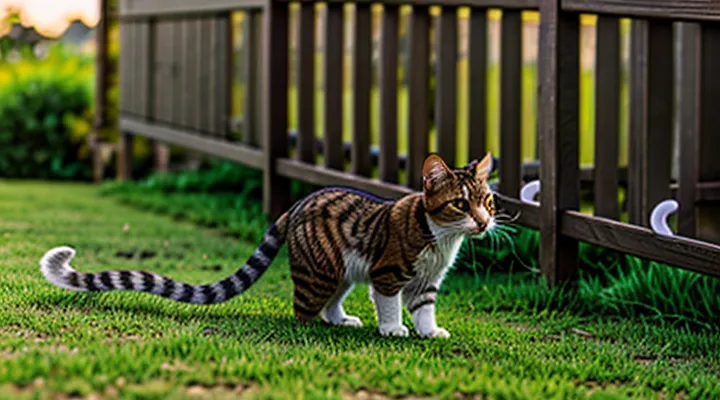
The Evolutionary Roots of Feline Predation
Ancestral Hunting Instincts
Wild Feline Behavior
Wild felines exhibit predatory behavior that targets small rodents because the activity satisfies multiple biological imperatives. The drive stems from evolutionary adaptations that have shaped sensory, motor, and cognitive systems for efficient capture of agile prey.
- Acute vision attuned to motion at low light levels enables detection of mice scurrying through underbrush.
- Whisker sensitivity provides spatial feedback that guides precise jaw placement during the final strike.
- Muscular coordination supports rapid acceleration, allowing a cat to close the gap before the mouse can escape.
Nutrition drives the behavior as well. Rodents supply essential proteins, taurine, and micronutrients that domestic cats also require; wild species rely on these prey items to meet daily caloric and amino‑acid needs. Seasonal fluctuations in prey availability compel felines to hone hunting skills year-round, ensuring survival during periods of scarcity.
Territoriality reinforces predation. By reducing the density of competing rodents, a cat secures resources for itself and any offspring, limiting the spread of disease vectors within its range. The act of killing also reinforces neural pathways linked to reward, strengthening the instinctual response across generations.
Collectively, sensory specialization, dietary necessity, and territorial maintenance explain why felids consistently pursue and kill mice in natural habitats.
Domestication and Instinct Preservation
Domestication of the Felis catus began around 9,000 years ago when humans attracted wild progenitors to grain stores, providing a reliable food source in exchange for rodent control. This mutualistic relationship selected for individuals that tolerated proximity to humans while retaining their predatory drive.
Key mechanisms that preserve hunting behavior despite generations of co‑habitation include:
- Genetic retention of the predatory sequence (stalk‑pounce‑kill) encoded in neural circuits that trigger when small, fast‑moving stimuli are detected.
- Hormonal regulation, particularly elevated levels of catecholamines during prey‑like motion, which stimulate arousal and motor readiness.
- Learned reinforcement: successful capture of a mouse reinforces the behavior through dopamine release, reinforcing the pattern even in indoor environments.
Consequently, domestic cats continue to chase and kill mice because domestication altered social tolerance but did not eliminate the instinctual circuitry essential for survival of their ancestors. The preserved instinct ensures that, when presented with appropriate cues, the cat’s response mirrors that of its wild counterparts.
Biological Drivers and Nutritional Needs
The Carnivorous Diet
Essential Nutrients from Prey
Cats pursue rodents primarily to obtain nutrients that cannot be synthesized in sufficient quantities from plant‑based sources. The prey’s tissue delivers a complete protein profile, including all essential amino acids required for muscle maintenance and growth. Additionally, mouse meat supplies several compounds that are critical for feline health.
- Taurine: indispensable for retinal function, cardiac health, and reproduction; absent in most plant proteins.
- Arachidonic acid: a long‑chain omega‑6 fatty acid needed for skin integrity and inflammatory regulation.
- Vitamin A (retinol): preformed vitamin that supports vision and immune response; cats cannot convert β‑carotene efficiently.
- B‑complex vitamins (B₁, B₂, B₆, B₁₂, niacin): co‑enzymes in energy metabolism; levels in whole prey exceed those in commercial diets.
- Minerals: iron, zinc, copper, calcium, phosphorus, and magnesium in bioavailable forms that facilitate hemoglobin synthesis, bone development, and enzymatic activity.
The bioavailability of these nutrients in fresh muscle, organs, and bone exceeds that of isolated supplements. For example, taurine bound to protein in mouse tissue is absorbed more efficiently than synthetic forms added to kibble. Similarly, the calcium‑phosphorus ratio in skeletal fragments aligns with feline physiological requirements, reducing the need for external mineral balancing.
Overall, the nutritional return from captured mice satisfies the obligate carnivore’s dietary mandates, reinforcing the evolutionary drive behind predatory behavior.
The Role of Small Mammals in Feline Nutrition
Small mammals provide a dense source of protein that matches the high‑protein requirement of domestic and wild felines. Muscle tissue in mice delivers essential amino acids in ratios that align with feline metabolism, supporting muscle maintenance and growth without excess carbohydrate load.
The prey’s organ meats supply taurine, arachidonic acid, and vitamin A in bioavailable forms. These compounds cannot be synthesized efficiently by cats; dietary intake prevents retinal degeneration, supports cardiac function, and maintains healthy skin and coat.
Energy provision from small mammals is efficient because fat deposits are concentrated in the abdominal cavity and subcutaneous layers. Consumption of these fats delivers caloric density necessary for short bursts of activity during hunting and territorial patrols.
Key nutritional contributions of small mammals:
- High‑quality protein with balanced essential amino acids
- Taurine and other obligate nutrients in readily absorbable form
- Concentrated animal fat for rapid energy release
- Micronutrients such as iron, zinc, and B‑vitamins in optimal ratios
Overall, the intake of small mammal tissue satisfies the physiological demands that drive predatory behavior in felines, ensuring survival and reproductive success.
Hunting as a Calorie Acquisition Strategy
Cats chase rodents primarily to satisfy their energy requirements. A single mouse supplies enough protein, fat, and carbohydrates to meet a substantial portion of an adult cat’s daily caloric demand, which averages 200–250 kcal for a moderately active individual. The metabolic cost of capturing and subduing a mouse is low compared to the nutritional payoff, making the behavior an efficient strategy for energy acquisition.
The nutritional profile of typical house mice aligns closely with feline dietary needs. Muscle tissue provides high‑quality protein, while visceral fat contributes essential fatty acids. Digestibility of mouse tissue exceeds 90 %, allowing rapid assimilation of nutrients and swift replenishment of glycogen stores. Consequently, successful hunts translate directly into measurable gains in body condition and stamina.
Key aspects of this strategy include:
- Energy return per prey item outweighs expenditure of locomotion and predatory effort.
- High nutrient density reduces the frequency of required captures.
- Immediate consumption after capture limits loss to scavengers and preserves caloric value.
Overall, the pursuit of mice functions as a calibrated mechanism for meeting metabolic demands, reinforcing the instinctual drive observed in domestic and wild felines.
Behavioral and Psychological Factors
Play and Practice
Developing Hunting Skills
Cats possess an instinctual drive to pursue rodents, yet the efficiency of that drive depends on a progressive refinement of hunting abilities. From birth, kittens observe the mother’s technique, then practice through play that mimics real predation. Each interaction strengthens neural pathways linked to visual tracking, motor coordination, and timing.
- Observation: Kittens watch the mother locate, stalk, and capture prey, learning spatial judgment and body posture.
- Stalking: Repetitive low‑speed movement hones silent footfall and depth perception.
- Pouncing: Sudden acceleration develops muscle power and precise bite placement.
- Capture: Gripping with forepaws and securing the neck refine grip strength and wrist dexterity.
- Handling: Manipulating the catch improves tactile feedback and reduces injury risk.
- Consumption: Coordinated chewing and swallowing complete the predatory sequence.
Environmental factors accelerate skill acquisition. Access to live or simulated prey in a controlled setting provides feedback loops that reinforce successful tactics. Maternal encouragement, such as allowing safe attempts and correcting errors, accelerates mastery. Conversely, deprivation of hunting opportunities can result in underdeveloped predatory competence, affecting nutrition and natural behavior expression.
The culmination of these stages produces a cat capable of efficient rodent control, contributing to its health, mental stimulation, and ecological role.
The Thrill of the Chase
Cats pursue mice because the act of chasing activates a complex set of physiological and neurological mechanisms. The pursuit provides immediate sensory feedback: rapid visual detection of movement, heightened auditory acuity, and tactile stimulation from whisker contact. Each sensory input triggers a cascade of neural activity that sharpens focus and prepares the musculoskeletal system for swift acceleration.
The chase engages the cat’s predatory circuitry. When a mouse darts, the brain releases dopamine, reinforcing the behavior and encouraging repetition. This reward loop sustains hunting proficiency even in well‑fed animals. Muscle fibers contract in a coordinated pattern that maximizes speed while conserving energy, allowing the cat to sprint, pivot, and pounce with precision.
Evolutionary analysis shows that individuals capable of efficient pursuit secured more food, leading to higher reproductive success. Over generations, natural selection favored traits such as acute motion detection, flexible spine articulation, and rapid reflexes. Modern domestic cats retain these inherited attributes, manifesting them during play or opportunistic hunting.
Key elements of the chase experience include:
- Visual tracking of erratic motion
- Auditory localization of scurrying sounds
- Tactile feedback from whisker deflection
- Neurological reward signaling (dopamine surge)
- Muscular coordination for burst speed and sudden stops
Collectively, these factors create a self‑reinforcing loop that drives feline interest in mouse pursuit, illustrating how the thrill of the chase underpins predatory behavior.
Territorial Defense and Pest Control
Protecting Resources
Cats pursue rodents primarily to secure the resources essential for their survival. By eliminating potential competitors, they maintain access to food stores and protect the nutritional stability of their environment.
Natural selection favors individuals that reduce the availability of prey for other predators. Cats that efficiently capture mice prevent those mammals from depleting grain, insects, and other small organisms that form the base of the food web supporting feline diets.
Territorial behavior reinforces resource protection. When a cat patrols its domain, hunting activity lowers rodent density, thereby decreasing the risk of grain spoilage, nest contamination, and disease transmission that could jeopardize the cat’s own health and that of co‑habiting species.
Typical strategies include:
- Rapid, low‑light ambushes that minimize prey escape and limit damage to stored provisions.
- Repeated patrols along perimeters where food caches are located, discouraging rodent infiltration.
- Vocal and scent marking that signals territorial ownership, deterring other predators from exploiting the same resources.
The cumulative effect of these actions sustains a balanced ecosystem. By controlling rodent populations, cats indirectly preserve agricultural yields and reduce pathogen loads, demonstrating that predatory behavior functions as a mechanism for resource protection.
Natural Rodent Deterrence
Cats reduce rodent populations through instinctive predation. Their acute hearing, night vision, and swift reflexes allow detection of mice in concealed spaces. When a cat captures a mouse, the immediate removal of an individual lowers the reproductive potential of the local colony.
The presence of a cat creates a deterrent effect that extends beyond actual kills. Mice sense feline scent marks, urine, and feces; these chemical cues trigger avoidance behavior. Even without direct contact, the mere awareness of a predator alters mouse foraging patterns, limiting access to food stores and nesting sites.
Key outcomes of feline deterrence include:
- Decreased infestation levels in residential and agricultural settings.
- Reduced transmission risk of rodent‑borne diseases.
- Lower reliance on chemical rodenticides, minimizing environmental contamination.
Overall, cats function as an efficient biological control agent, providing continuous, low‑maintenance protection against rodent incursions.
The Sensory World of a Hunting Cat
Acute Senses for Detection
Hearing Frequencies
Cats possess an auditory spectrum extending from approximately 45 Hz to 64 kHz, far surpassing the upper limit of human hearing (≈20 kHz). This broad range enables detection of ultrasonic emissions produced by rodents during movement and vocalization.
Mice generate high‑frequency sounds when their feet contact surfaces, emitting squeaks that peak between 20 kHz and 30 kHz. These frequencies fall well within the cat’s optimal hearing window (40 kHz–60 kHz), allowing the predator to locate prey even in low‑light conditions.
Key auditory advantages that facilitate predation:
- Sensitivity to ultrasonic cues; detection thresholds as low as 10 dB SPL at 30 kHz.
- Precise spatial localization; inter‑aural time differences of microseconds enable accurate bearing determination.
- Rapid auditory processing; neural pathways transmit high‑frequency signals to the auditory cortex within milliseconds, prompting immediate motor response.
The combination of extended frequency coverage, acute sensitivity, and swift neural integration equips cats with the capability to track and capture mice based primarily on sound cues.
Olfactory Sensitivity
Cats possess an exceptionally acute sense of smell, with up to 80 million olfactory receptors compared with roughly 5 million in humans. This high receptor density allows detection of volatile compounds at concentrations as low as parts per trillion. The feline olfactory bulb, proportionally larger than in many other mammals, processes scent information rapidly, influencing motor planning and attention.
Mouse scent contains a complex mixture of urine metabolites, pheromones, and skin secretions. Specific compounds, such as 2‑methyl‑2‑butenal and volatile fatty acids, trigger neural pathways linked to predatory drive. When a cat encounters these molecules, the olfactory system relays signals to the amygdala and hypothalamus, regions that coordinate instinctual hunting responses.
Key olfactory cues that initiate predation include:
- Urine-derived kairomones indicating recent mouse activity.
- Skin-derived pheromones that signal the presence of a potential prey animal.
- Decomposition odors released by injured or dead rodents, reinforcing pursuit.
The sensitivity of the feline nose enables cats to locate prey hidden beneath substrates, track movement through scent trails, and assess the health and size of a mouse before engagement. This chemical awareness reduces reliance on visual confirmation, allowing successful hunts in low‑light conditions where visual cues are limited.
Overall, the superior olfactory apparatus supplies the primary sensory input that activates the predatory circuitry, directing cats toward rodents and sustaining their hunting behavior.
Night Vision Capabilities
Cats rely on specialized visual adaptations to locate prey in low‑light environments. Their eyes contain a high density of rod cells, which are sensitive to minimal illumination and enable detection of movement at night. A reflective layer behind the retina, known as the tapetum lucidum, redirects incoming light, effectively doubling the photon count available to photoreceptors. This mechanism produces the characteristic eye shine observed in nocturnal hunters.
Additional features support night hunting:
- Pupil dilation: Vertical slit pupils expand dramatically, allowing more light to enter the eye.
- Foveal specialization: A central region with dense photoreceptor packing enhances sharpness for tracking small, fast‑moving targets.
- Motion detection circuitry: Neural pathways prioritize changes in luminance, facilitating rapid response to the subtle motions of rodents.
Together, these capabilities grant cats the ability to perceive and react to mice that are active after dark, directly influencing their predatory efficiency.
Stalking and Capturing Techniques
Ambush Predation
Cats capture mice primarily through ambush predation, a hunting strategy that relies on sudden, concealed attacks. The predator remains motionless, often hidden behind cover, and strikes when prey ventures within striking distance. This method minimizes energy expenditure and maximizes success against small, fast-moving rodents.
Mice are attracted to sheltered areas such as baseboards, storage boxes, or cluttered corners where cats can position themselves unseen. When a mouse pauses to investigate or feed, the cat releases a burst of acceleration, using its flexible spine and retractable claws to deliver a lethal bite. The rapid transition from stillness to explosive movement exploits the mouse’s limited reaction time.
Typical ambush sequence:
- Select a strategic hiding spot near known mouse pathways.
- Remain motionless, maintaining low body heat and silent breathing.
- Observe subtle mouse movements with binocular vision.
- Initiate a swift forward lunge, extending forelimbs and claws.
- Secure prey with a bite to the neck or throat, immobilizing it instantly.
Evolutionarily, ambush predation favors cats that can conceal themselves and react instantly, reinforcing traits such as acute hearing, night vision, and muscular agility. These adaptations sustain the cat’s role as an effective rodent control agent in domestic and wild environments.
The Kill Bite
The kill bite is the final, precise bite a cat delivers to a mouse to ensure rapid death. It targets the cervical vertebrae or the base of the skull, crushing the spinal cord and halting neural function within seconds. This method minimizes the risk of injury to the predator and prevents the prey from escaping or inflicting a counter‑attack.
Cats develop the kill bite through instinctual programming and practice. Young felines rehearse the motion during play, refining jaw pressure and bite placement. The behavior is reinforced by the immediate cessation of prey movement, which confirms the technique’s effectiveness.
Key characteristics of the kill bite include:
- Location: cervical vertebrae (C1–C2) or occipital region of the skull.
- Force: sufficient to fracture vertebrae without excessive crushing of the body.
- Timing: executed immediately after immobilization, typically following a bite to the neck or torso that restrains the mouse.
- Outcome: instantaneous loss of consciousness and cessation of vital functions.
Evolutionarily, the kill bite provides cats with a reliable method to subdue small, agile mammals. By delivering a single, lethal puncture, the predator conserves energy, reduces exposure to disease, and secures food with minimal struggle. This efficiency explains the prevalence of the technique across domestic and wild feline species when hunting rodents.
Modern Implications and Owner Considerations
Indoor vs. Outdoor Hunting
Environmental Impact of Feral Cats
Feral cats, descendants of domestic animals that have reverted to a wild state, exert a measurable influence on ecosystems where they hunt small mammals. Their predation pressure reduces populations of native rodents, birds, and reptiles, often exceeding natural mortality rates.
Key effects include:
- Decline of ground‑nesting birds and endemic species, leading to reduced biodiversity.
- Disruption of food webs as prey disappearance alters predator–prey dynamics.
- Transmission of pathogens such as Toxoplasma gondii to wildlife and humans.
- Competition with indigenous carnivores, diminishing the reproductive success of native predators.
- Economic losses in agriculture and conservation programs caused by decreased pollination and pest‑control services.
Mitigation strategies focus on population control through humane trapping, sterilization, and public education about responsible pet ownership. Implementing these measures curtails predation intensity and supports the recovery of vulnerable species.
Enrichment for Indoor Cats
Indoor felines retain a strong predatory drive that historically directed them toward hunting rodents. When cats live exclusively inside, the absence of live prey can lead to boredom, stress, and the development of undesirable behaviors. Providing enrichment that mimics the sensory and motor challenges of a hunt satisfies this drive and supports overall well‑being.
Effective enrichment replicates three core elements of a chase: detection, pursuit, and capture. Toys that move unpredictably, objects that require manipulation, and opportunities for ambush create a realistic hunting sequence. Rotating items prevents habituation and maintains engagement.
- Wand toys with feather or fabric attachments that flutter and change direction.
- Motorized mice or small balls that dart across the floor.
- Puzzle feeders that release kibble when a cat manipulates levers or slides panels.
- Cardboard tunnels and paper bags that allow concealment and sudden emergence.
- Interactive laser pointers calibrated to produce short bursts of light, encouraging sprinting and pouncing.
Consistent use of these tools reduces repetitive vocalization, scratching of furniture, and over‑grooming. Physical exertion from simulated hunts improves muscle tone and weight management. Mental stimulation from problem‑solving toys lowers cortisol levels, promoting a calmer demeanor.
Implementing a structured enrichment program aligns indoor environments with the innate hunting sequence, ensuring that domestic cats receive the stimulation necessary for health and behavioral stability.
Managing Predatory Behavior
Toys and Play
Domestic cats preserve a predatory drive that compels them to chase small animals. Toys that imitate the appearance and motion of rodents provide a safe outlet for this instinct, allowing the cat to practice capture techniques without harming live prey.
Rapid, erratic movements stimulate the visual and auditory pathways that trigger the chase sequence. Small size and flexible material reproduce the tactile feedback of a struggling mouse, prompting the cat to engage its paws, claws, and bite.
- Feather‑tipped wands: mimic rapid wing beats, encourage leaping and swatting.
- Motorized mouse replicas: deliver unpredictable darting, activate stalking and pounce.
- Crinkled fabric balls: generate rustling sounds, simulate the noise of a fleeing rodent.
- Interactive puzzle toys: require manipulation, reinforcing problem‑solving and prey handling.
Regular play sessions reduce the frequency of opportunistic hunting by satisfying the cat’s need for physical exertion and mental stimulation. Consistent exposure to appropriate toys reshapes the cat’s hunting behavior, directing energy toward artificial targets and diminishing encounters with actual mice.
Nutritional Fulfillment
Cats capture mice because the prey supplies nutrients that domestic diets often lack. Muscle tissue delivers high‑quality protein, while organ meat provides concentrated sources of vitamins and minerals essential for feline health.
- Taurine: abundant in heart and skeletal muscle, prevents retinal degeneration and supports cardiac function.
- Vitamin A: stored in liver, maintains vision and immune response.
- Arginine: required for ammonia detoxification, present in muscle fibers.
- B‑complex vitamins: B12 and niacin facilitate energy metabolism.
- Minerals: iron, zinc, and selenium contribute to oxygen transport and antioxidant defenses.
When a cat consumes a whole mouse, it ingests these compounds in biologically appropriate ratios. The digestive system extracts amino acids, fatty acids, and micronutrients without the need for synthetic supplementation. This natural intake aligns with the obligate carnivore’s metabolic pathways, reducing reliance on processed foods that may omit trace elements.
Evolutionary pressure favored individuals that efficiently harvested rodents, linking predatory behavior to survival. Over generations, physiological mechanisms—such as heightened olfactory sensitivity and rapid reflexes—reinforced the association between hunting and nutritional adequacy. Consequently, the act of chasing and killing mice remains a fundamental strategy for meeting the species’ dietary requirements.