
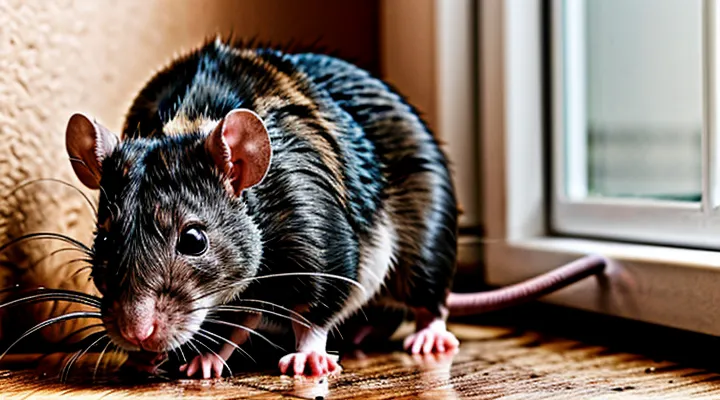
Understanding Rat Itching
The Normal Itching Behavior
Rats exhibit regular scratching movements that serve as a physiological response to minor skin irritants, seasonal shedding, and routine grooming. The behavior typically appears as brief, rhythmic strokes of the forepaws against the fur, often accompanied by a slight tilt of the head toward the affected area. These episodes usually last a few seconds and occur several times a day without causing visible lesions or loss of fur.
Common stimuli that trigger normal scratching include:
- Flea or mite bites that are too small to cause inflammation.
- Accumulation of dust, debris, or dry skin flakes on the coat.
- Hormonal changes during molting, which increase skin sensitivity.
- Minor abrasions from cage structures or bedding material.
When the scratching remains brief, self‑limiting, and does not result in hair loss or skin damage, it is considered a standard part of a rat’s self‑maintenance routine. Persistent or excessive scratching may indicate underlying pathology and warrants further investigation.
When Itching Becomes a Problem: Signs to Look For
Rats may scratch for benign reasons, but persistent or severe itching signals underlying problems that require immediate attention.
Key indicators that itching has escalated beyond normal behavior include:
- Continuous scratching that damages fur or skin
- Red, inflamed patches or visible sores
- Hair loss localized to a specific area
- Excessive licking leading to crusty or scabbed skin
- Behavioral changes such as agitation, reduced activity, or loss of appetite
When any of these signs appear, veterinary evaluation is necessary to identify parasites, allergies, infections, or dermatological disorders and to initiate appropriate treatment. Prompt action prevents secondary infections and supports the animal’s overall health.
Common Causes of Itching in Rats
Parasitic Infestations
Mites
Mites are a primary ectoparasitic source of pruritus in laboratory and pet rats. Infestations develop rapidly in crowded cages, poor hygiene, or when rats are introduced from unknown colonies.
Common rat‑associated mites include:
- Fur mites (Myobia musculi) – reside on hair shafts, cause localized irritation and hair loss.
- Ear mites (Psoroptes spp., Ornithonyssus bacoti) – inhabit the external auditory canal, produce intense scratching and ceruminous debris.
- Sarcoptic mites (Sarcoptes scabiei) – burrow within the epidermis, generate widespread dermatitis.
The mite life cycle progresses from egg to larva, nymph, and adult within 5–10 days under optimal temperature and humidity. Eggs are deposited on the host or in the surrounding bedding; larvae and nymphs migrate across the skin to locate feeding sites. Direct contact between rats and contaminated surfaces facilitates transmission.
Clinical manifestations:
- Persistent scratching or grooming.
- Focal hair loss, especially around the head, neck, and tail base.
- Reddened or thickened skin, crusts, and papules.
- Ear canal occlusion, dark debris, and audible shaking.
Diagnosis relies on visual examination, skin scrapings examined under a microscope, and ear swabs for mite identification. Confirmation enables targeted therapy.
Treatment protocols:
- Environmental decontamination – wash all bedding, replace cage liners, disinfect surfaces with a 0.5 % chlorhexidine solution.
- Topical acaricides – apply a 0.1 % ivermectin or selamectin solution to affected areas once, repeat after 7 days.
- Systemic medication – administer oral ivermectin at 0.2 mg/kg body weight for three consecutive days; monitor for neurotoxicity.
- Ear-specific therapy – insert a few drops of a 0.5 % permethrin otic solution daily for five days, then clean the canal.
- Preventive measures – quarantine new arrivals for at least 30 days, maintain low humidity, and perform monthly ectoparasite checks.
Effective control requires simultaneous treatment of the animal and its environment, followed by regular monitoring to prevent reinfestation.
Lice
Lice are external parasites that attach to a rat’s fur and skin, feeding on blood and irritating the host. Their mouthparts pierce the epidermis, releasing saliva that contains anticoagulants and allergens, which trigger a localized inflammatory response. The resulting pruritus leads the animal to scratch, potentially causing secondary infections from skin lesions.
Common species affecting laboratory and pet rats include Polyplax spinulosa and Hoplopleura spp. Infestations spread through direct contact between animals, contaminated bedding, or grooming tools. High-density housing, poor sanitation, and stress increase susceptibility.
Effective management requires a three‑step approach:
- Diagnosis: Examine the coat under magnification for mobile, oval, translucent insects; inspect the base of the tail and ventral areas where lice congregate.
- Chemical control: Apply a licensed ectoparasiticide, such as a pyrethrin‑based spray or a topical ivermectin formulation, following the manufacturer’s dosage and safety guidelines. Repeat treatment after 7–10 days to eliminate newly hatched lice.
- Environmental sanitation: Replace bedding, clean cages with a disinfectant solution, and quarantine affected individuals for at least two weeks to prevent reinfestation.
Monitoring after treatment should continue for 3–4 weeks, recording any recurrence of itching or visible lice. If symptoms persist, consider secondary bacterial infection and initiate appropriate antimicrobial therapy.
Fleas
Fleas are hematophagous ectoparasites that frequently colonize laboratory and pet rats. Their mouthparts penetrate the skin, inject saliva containing anticoagulants, and provoke a localized inflammatory response that manifests as persistent scratching.
The infestation cycle depends on temperature, humidity, and host density. Adult fleas lay eggs on the rat’s fur; eggs fall to the bedding, hatch into larvae, and develop into pupae within the surrounding debris. Warm, moist environments accelerate development, while overcrowding increases host‑to‑host transmission.
Observable effects include erythema, papules, and alopecia at bite sites, followed by secondary bacterial infection if the rat continuously removes fur. Chronic irritation may lead to weight loss, reduced activity, and compromised immune function.
Effective management combines environmental sanitation and targeted therapeutics:
- Remove and replace bedding weekly; wash cages with hot water and a mild disinfectant.
- Vacuum all surfaces to eliminate dormant pupae.
- Apply a licensed topical insecticide (e.g., fipronil or selamectin) according to label dosage, repeating after the flea life cycle completes.
- Administer an oral ectoparasiticide (e.g., aflibercept‑based formulation) for systemic control, monitoring for adverse reactions.
- Treat secondary skin infections with appropriate antibiotics based on culture results.
Regular monitoring of cage conditions and routine prophylactic treatment prevent recurrence and maintain rat welfare.
Allergic Reactions
Environmental Allergens
Environmental allergens are a primary trigger for pruritus in laboratory and pet rats. Inhaled dust, mold spores, pollen, and chemical irritants penetrate the respiratory and dermal barriers, provoking immune activation that manifests as skin irritation and scratching behavior.
Common allergens affecting rats include:
- House dust mite debris
- Aspergillus and Penicillium mold spores
- Grass and tree pollen
- Rodent bedding fibers treated with scented chemicals
- Cleaning agents containing phenols or ammonia
Allergen exposure induces IgE-mediated mast cell degranulation, releasing histamine, prostaglandins, and leukotrienes. These mediators increase vascular permeability, stimulate nerve endings, and generate the sensation of itch. Chronic exposure may lead to hyperkeratosis, alopecia, and secondary infections.
Effective management combines environmental control and pharmacotherapy. Recommendations:
- Replace bedding with unscented, low-dust material; wash cages weekly with mild, fragrance‑free detergent; maintain humidity below 60 % to inhibit mold growth.
- Install high‑efficiency particulate air filters; limit outdoor pollen entry by sealing windows.
- Administer antihistamines (e.g., diphenhydramine 5 mg/kg orally every 12 hours) or mast cell stabilizers (e.g., cromolyn sodium 10 mg/kg twice daily) under veterinary supervision.
- Apply topical corticosteroids or calcineurin inhibitors to localized lesions when inflammation persists.
- Monitor for bacterial or fungal secondary infections; treat with appropriate antibiotics or antifungals as indicated.
Routine observation of grooming patterns, skin condition, and cage cleanliness enables early detection of allergen‑induced pruritus and prevents progression to more severe dermatologic disease.
Food Allergies
Food allergies are a common trigger of pruritus in laboratory and pet rats. Allergens enter the gastrointestinal tract, provoke an immune response, and release histamine and other mediators that stimulate cutaneous nerves, resulting in scratching behavior.
Typical allergenic ingredients include soy protein, wheat gluten, dairy products, and certain grain additives. Sensitization may develop after repeated exposure, and cross‑reactivity can occur with insect or rodent‑derived proteins present in commercial feed.
Diagnostic approach
- Observe a sudden increase in scratching or skin lesions after a diet change.
- Conduct a dietary elimination trial: replace the current feed with a hypoallergenic, grain‑free formula for two weeks while monitoring behavior.
- Perform serum IgE testing or skin prick testing if available; elevated specific IgE confirms an allergic component.
- Rule out parasites, dermatophytes, and environmental irritants before attributing symptoms to food.
Treatment protocol
- Identify and remove the offending ingredient based on elimination results and test data.
- Transition the rat to a balanced, novel‑protein diet (e.g., pea‑based or insect‑protein) that lacks known allergens.
- Administer an antihistamine (e.g., diphenhydramine) at a dose of 1–2 mg/kg orally for acute flare‑ups, not exceeding a 5‑day course without veterinary supervision.
- Apply a soothing topical emollient containing aloe or colloidal oatmeal to lesions to reduce secondary irritation.
- Re‑evaluate weekly; if pruritus persists, consider a short course of corticosteroids under veterinary direction.
Long‑term management relies on consistent feeding of a validated hypoallergenic diet and regular monitoring for re‑exposure. Maintaining a detailed feed log simplifies detection of future sensitivities and supports overall skin health in rats.
Contact Dermatitis
Contact dermatitis is a frequent trigger of pruritus in laboratory and pet rats. The condition results from direct skin exposure to irritants or allergens, leading to an inflammatory response that manifests as redness, swelling, and intense scratching.
Typical irritants include cleaning agents, bedding materials treated with chemicals, and certain feed additives. Allergic contact dermatitis arises when the immune system reacts to substances such as latex gloves, plastic cages, or specific plant extracts. Diagnosis relies on visual assessment of lesions, a detailed history of environmental exposures, and, when necessary, patch testing to identify the offending agent.
Effective management combines immediate removal of the causative substance and targeted therapeutic measures:
- Gentle cleansing of the affected area with a mild, fragrance‑free cleanser.
- Application of a low‑potency topical corticosteroid to reduce inflammation, limited to a short course to avoid skin thinning.
- Use of a soothing barrier ointment (e.g., zinc oxide or lanolin) to protect compromised skin and prevent secondary infection.
- Administration of oral antihistamines if systemic itching persists.
Preventive strategies focus on environmental control: choose untreated, dust‑free bedding; employ unscented, non‑chemical cleaning products; wear nitrile gloves when handling rats; and monitor feed for potential allergens. Regular observation of skin condition allows early detection and intervention, reducing the risk of chronic dermatitis and associated discomfort.
Skin Infections
Bacterial Infections
Bacterial infections are a frequent source of pruritus in laboratory and pet rats. Pathogens such as Staphylococcus aureus, Streptococcus spp., and Pseudomonas spp. colonize the skin, penetrate hair follicles, and provoke inflammatory responses that manifest as persistent scratching.
Infection typically follows skin abrasion, bite wounds, or unsanitary housing conditions. Bacterial proliferation produces exotoxins and enzymes that damage epidermal layers, increase histamine release, and activate sensory nerves. Clinical signs include localized erythema, crusting, hair loss, and occasional malodorous discharge. Systemic involvement may present as fever, lethargy, and weight loss.
Effective management requires prompt diagnosis and targeted therapy:
- Culture and sensitivity testing to identify the causative organism and its antimicrobial susceptibility.
- Systemic antibiotics selected based on susceptibility results; common choices include enrofloxacin, trimethoprim‑sulfamethoxazole, or amoxicillin‑clavulanate.
- Topical antiseptics such as chlorhexidine or povidone‑iodine applied to affected areas after gentle cleaning.
- Environmental sanitation involving frequent cage cleaning, replacement of bedding, and removal of contaminated substrates.
- Supportive care with adequate nutrition, hydration, and stress reduction to enhance immune function.
Monitoring after treatment initiation should focus on reduction of scratching behavior, healing of skin lesions, and absence of new lesions. Persistent or recurrent pruritus warrants re‑evaluation for secondary fungal infection or underlying immunodeficiency.
Fungal Infections
Fungal infections are a frequent source of pruritus in laboratory and pet rats. Dermatophytes such as Trichophyton spp. and Microsporum spp. colonize the keratinized layers of the skin, producing irritation, redness, and hair loss. Yeasts, particularly Malassezia spp., thrive in moist environments and generate inflammatory responses that manifest as scratching and skin lesions.
Clinical signs include localized scaling, crusting, and papules, often concentrated on the ears, face, and ventral abdomen. Lesions may spread if the animal continues to groom or if the environment remains humid. Secondary bacterial infection can develop, exacerbating discomfort and complicating treatment.
Diagnosis relies on direct microscopic examination of skin scrapings, culture on selective media, and, when necessary, histopathology. Accurate identification of the fungal species guides therapeutic choices and prevents recurrence.
Effective management combines topical and systemic interventions:
- Topical antifungal creams or ointments containing miconazole, clotrimazole, or terbinafine applied twice daily for 2–4 weeks.
- Oral antifungal agents such as itraconazole or fluconazole administered according to weight‑based dosing schedules for 3–6 weeks.
- Environmental decontamination: replace bedding, clean cages with a 1 % povidone‑iodine solution, and maintain low humidity.
- Nutritional support: provide a balanced diet enriched with omega‑3 fatty acids to promote skin integrity.
- Monitoring: re‑examine skin scrapings after the treatment course to confirm eradication.
Prompt identification and comprehensive treatment reduce itching, prevent tissue damage, and improve overall welfare of affected rats.
Environmental Factors
Low Humidity
Low humidity dries the skin of laboratory and pet rats, reducing the moisture barrier that protects against irritation. When ambient moisture falls below 30 % relative humidity, transepidermal water loss accelerates, leading to flaky epidermis and heightened sensitivity to minor abrasions. The compromised barrier allows dust, allergens, and microbial fragments to contact nerve endings, provoking scratching behavior.
Symptoms associated with dry air include:
- Rough, scaly patches on the back, neck, and tail.
- Visible hair loss in affected zones.
- Increased frequency of grooming and paw‑to‑skin contact.
- Redness or mild inflammation around the lesions.
Treatment focuses on restoring adequate skin hydration and preventing further dehydration:
- Raise room humidity to 45–55 % using a humidifier or water‑filled containers.
- Provide a shallow water dish with a sponge or damp bedding to increase local moisture.
- Apply a veterinary‑approved moisturizer or lanolin‑based ointment to affected areas twice daily.
- Supplement diet with omega‑3 fatty acids to support skin integrity.
- Monitor temperature; avoid excessive heating that exacerbates dryness.
Regularly check humidity levels with a calibrated hygrometer and adjust environmental controls promptly to maintain a stable, skin‑friendly atmosphere.
Irritating Bedding Materials
Rats often develop skin irritation when the substrate they rest on contains components that provoke allergic or mechanical reactions. The bedding’s composition determines the level of irritation; low‑quality or inappropriate materials can trigger itching, redness, and hair loss.
Common bedding materials that cause irritation include:
- Aspen shavings: fine particles generate dust that settles on skin and respiratory passages.
- Pine or cedar shavings: natural oils contain phenols that act as skin irritants.
- Corncob bedding: rough texture abrades delicate fur and skin.
- Paper pulp pellets: high dust content and low absorbency lead to moisture buildup and bacterial growth.
- Recycled wood chips: variable particle size and possible chemical residues increase the risk of dermatitis.
These substrates irritate rats through three primary mechanisms. First, airborne dust settles on the coat, creating a physical barrier that traps moisture and promotes bacterial colonization. Second, chemical compounds in aromatic woods penetrate the epidermis, causing allergic inflammation. Third, abrasive fibers mechanically damage the fur cuticle, exposing underlying skin to infection.
Effective mitigation involves replacing the offending bedding with low‑dust, hypoallergenic alternatives such as:
- Plain, untreated paper towels or shredded tissue.
- Compressed hemp or coconut fiber mats, provided they are free of additives.
- Commercially formulated rodent bedding labeled “dust‑free” and “phenol‑free.”
Additional steps to treat existing irritation:
- Remove the current bedding and clean the enclosure with a mild, non‑fragranced disinfectant.
- Bathe the rat using a veterinary‑approved antiseptic shampoo to eliminate debris and reduce inflammation.
- Apply a topical ointment containing hydrocortisone or a veterinary‑approved anti‑pruritic agent, following a veterinarian’s dosage instructions.
- Monitor for signs of secondary infection; consult a veterinarian if swelling, pus, or persistent scratching occurs.
Consistent use of appropriate substrate, regular cleaning, and prompt treatment of skin lesions prevent recurring itch and support overall rodent health.
Systemic Diseases
Kidney Disease
Kidney disease is a frequent underlying factor in pruritus observed in laboratory rats. Impaired renal function leads to accumulation of metabolic waste, notably urea and creatinine, which irritate cutaneous nerve endings and provoke scratching behavior. Uremic toxins also disrupt skin barrier integrity, increasing susceptibility to secondary infections that exacerbate itching.
Clinical signs of renal-associated pruritus include persistent grooming, localized alopecia, and erythema around the neck, ears, and tail base. Laboratory assessment should confirm elevated blood urea nitrogen (BUN) and serum creatinine, reduced glomerular filtration rate, and electrolyte imbalances such as hyperphosphatemia. Urinalysis may reveal proteinuria and hematuria, supporting the diagnosis.
Effective management combines supportive care and targeted therapy:
- Fluid therapy: isotonic saline or lactated Ringer’s solution to improve hydration and dilute uremic solutes.
- Dietary modification: low‑protein, phosphorus‑restricted feed to lessen renal workload.
- Pharmacologic agents: antihistamines (e.g., diphenhydramine) for symptomatic relief, and renal‑protective drugs such as angiotensin‑converting enzyme inhibitors to slow disease progression.
- Topical treatment: emollient creams containing ceramides to restore skin barrier and reduce irritation.
- Environmental control: low‑dust bedding, stable temperature, and humidity to minimize additional skin stress.
Monitoring includes weekly BUN and creatinine measurements, weight tracking, and observation of grooming frequency. Adjustments to fluid volume, diet, or medication are made based on trends in renal parameters and pruritus severity. Early intervention can mitigate discomfort, prevent severe skin damage, and improve overall welfare of affected rats.
Liver Disease
Liver disease is a frequent source of pruritus in laboratory rats, with hepatic dysfunction directly influencing cutaneous sensations. Impaired bile flow leads to accumulation of bile acids and bilirubin in the bloodstream; these metabolites act on peripheral nerve endings, triggering persistent scratching behavior.
The pathophysiological cascade includes:
- Cholestasis causing elevated serum bile acids.
- Hepatocellular injury releasing inflammatory cytokines.
- Accumulation of uremic toxins that sensitize cutaneous nociceptors.
Observable signs associated with hepatic‑induced itching are:
- Continuous scratching of the ventral and dorsal coat.
- Localized erythema and alopecia at sites of excessive grooming.
- Secondary skin lesions from self‑inflicted trauma.
Diagnostic protocol typically involves:
- Serum chemistry panel (ALT, AST, ALP, GGT, bilirubin).
- Urinalysis for bilirubinuria.
- Ultrasonography or MRI to assess liver architecture.
- Histopathological examination of liver tissue when indicated.
Therapeutic measures focus on correcting the underlying hepatic disorder and alleviating pruritus:
- Administration of ursodeoxycholic acid to improve bile flow.
- Use of cholestyramine to bind bile acids in the intestine.
- Antihistamines or gabapentin to reduce neural excitation.
- Environmental enrichment to minimize stress‑related scratching.
Effective management requires simultaneous monitoring of liver function tests and behavioral observations to ensure resolution of both hepatic pathology and associated pruritic responses.
Tumors
Tumors are a recognized source of pruritus in rats, producing localized or generalized itching that may lead to self‑trauma and secondary infection.
Common neoplasms associated with itching include:
- Cutaneous mast cell tumors, which release histamine and other pruritogenic mediators.
- Squamous cell carcinoma of the skin, often ulcerating and irritating surrounding tissue.
- Fibrosarcoma and other soft‑tissue sarcomas that infiltrate dermal nerves.
- Internal neoplasms (e.g., pancreatic or hepatic carcinoma) that generate systemic cytokine release, inducing widespread itch.
The pruritic response originates from tumor‑derived substances that activate peripheral sensory fibers. Histamine, prostaglandins, and interleukins sensitize itch receptors, while tumor invasion of cutaneous nerves produces persistent nociceptive input that is interpreted as itch.
Accurate diagnosis requires a systematic approach: visual inspection, palpation, high‑resolution imaging (ultrasound or CT), and definitive histopathological analysis of biopsy specimens. Staging evaluates metastatic spread and informs therapeutic planning.
Therapeutic options focus on tumor control and symptom relief.
- Surgical excision, when feasible, removes the primary source of pruritogenic mediators.
- Radiation therapy targets residual or inoperable lesions.
- Chemotherapy protocols (e.g., vincristine, cyclophosphamide) address disseminated disease.
- Antihistamines, corticosteroids, or gabapentin mitigate itch while definitive treatment proceeds.
- Topical wound care prevents secondary infection from self‑induced lesions.
Prognosis depends on tumor type, size, and metastatic status. Regular re‑examination and imaging detect recurrence early, allowing prompt intervention to maintain comfort and reduce pruritic episodes.
Diagnosing the Cause
Veterinary Examination
A veterinary examination is the first step in identifying why a rat experiences itching and determining appropriate therapy. The clinician gathers a detailed history, noting the onset, duration, environment, diet, and any recent changes that could influence skin health.
The physical assessment includes:
- Visual inspection of the coat and skin for lesions, alopecia, or scabs.
- Palpation of the body to detect nodules, swelling, or tenderness.
- Examination of ears, paws, and perianal region, common sites of irritation.
- Collection of samples for laboratory analysis, such as skin scrapings, hair plucks, or swabs for bacterial and fungal cultures.
Laboratory results often reveal the underlying cause:
- Microscopic parasites (e.g., mites or lice) appear in skin scrapings.
- Elevated eosinophils or IgE indicate allergic reactions to food, bedding, or environmental allergens.
- Positive bacterial or fungal cultures confirm secondary infections that exacerbate pruritus.
Based on these findings, the veterinarian formulates a treatment plan that may involve antiparasitic medication, antihistamines, topical or systemic antibiotics, and environmental modifications to reduce allergen exposure. Regular follow‑up examinations monitor progress and adjust therapy as needed.
Diagnostic Tests
Skin Scrapes
Skin scrapes refer to superficial abrasions or lesions that develop on a rat’s epidermis when the animal rubs against rough surfaces, cage bars, or bedding. The damaged tissue releases histamine and other inflammatory mediators, which stimulate nerve endings and produce the sensation of itch. Repeated scratching can enlarge the wound, increase the risk of secondary infection, and perpetuate the itching cycle.
Typical indicators of skin scrapes include localized redness, a thin crust or scab, mild swelling, and visible hair loss at the affected site. Rats may exhibit increased grooming behavior focused on the lesion, and the area may feel warm to the touch. Examination should also assess for signs of infection such as pus, foul odor, or rapid expansion of the wound margin.
Effective management comprises three core actions:
- Clean the wound with sterile saline or a mild antiseptic solution to remove debris and reduce bacterial load.
- Apply a topical antibiotic ointment containing bacitracin, neomycin, or a comparable agent to prevent infection and promote healing.
- Adjust the environment to eliminate sources of abrasion: smooth cage bars, soft bedding, and regular trimming of nails reduce further trauma.
If the lesion does not improve within 48–72 hours, or if systemic signs such as lethargy, loss of appetite, or fever appear, veterinary evaluation is required. Systemic antibiotics may be prescribed, and underlying dermatological conditions, such as mite infestation or allergic dermatitis, should be investigated to prevent recurrence.
Biopsies
Biopsy provides direct tissue evidence when a rodent’s skin irritation cannot be explained by visual assessment alone. By extracting a representative fragment of the affected area, researchers obtain cellular and structural information essential for accurate diagnosis.
Typical reasons to perform a biopsy on an itchy rat include:
- Persistent pruritus despite empirical therapy
- Lesions with unusual morphology or distribution
- Suspected neoplastic growths
- Possible parasitic or fungal invasion not confirmed by surface sampling
- Indications of autoimmune or hypersensitivity reactions
Common biopsy techniques applied to laboratory rats are:
- Punch biopsy – circular core obtained with a sterile punch, suitable for small lesions
- Excisional biopsy – complete removal of the lesion, used when the entire abnormal tissue is needed for analysis
- Incisional biopsy – partial removal of a larger lesion, preserving surrounding tissue for further study
- Fine‑needle aspiration – thin‑gauge needle extracts cells for cytology, useful for suspected tumors
The procedure follows a standard protocol: animals are anesthetized with an inhalant or injectable agent, the site is shaved and disinfected, a sterile instrument obtains the sample, and hemostasis is achieved with pressure or cautery. The specimen is placed immediately in formalin or a suitable fixative, labeled, and sent to pathology.
Histopathological evaluation focuses on:
- Epidermal thickness and keratinization patterns
- Inflammatory cell types and distribution
- Presence of parasites, fungal hyphae, or bacterial colonies
- Cellular atypia, mitotic figures, and stromal invasion indicative of malignancy
Results direct therapeutic choices. Identified bacterial infection leads to targeted antibiotics; parasitic findings prompt specific antiparasitic agents; inflammatory patterns may require corticosteroids or immunomodulators; confirmed neoplasia can be managed by surgical excision, radiation, or chemotherapy, depending on tumor type and stage.
Effective biopsy practice requires adequate sample size (minimum 2 mm diameter for punch, larger for excisional), proper fixation to preserve cellular detail, and timely submission to the laboratory to reduce degradation. Cost considerations include anesthesia, consumables, and pathology fees, which should be weighed against the value of definitive diagnosis in guiding treatment and improving animal welfare.
Allergy Testing
Allergy testing provides a systematic approach to identifying immunologic triggers behind rat pruritus. By exposing a rat’s serum or skin to standardized allergen extracts, clinicians can detect specific IgE antibodies or delayed‑type hypersensitivity reactions that correlate with scratching behavior.
Common testing modalities include:
- Serum-specific IgE assays – quantitative measurement of antibodies against common rodent allergens such as dust mites, grain proteins, and mold spores. Results guide dietary adjustments and environmental control.
- Intradermal skin testing – injection of diluted allergen solutions into the dorsal skin; a wheal-and-flare response within 15–20 minutes indicates immediate hypersensitivity.
- Patch testing – application of allergens to a shaved area for 48 hours to evaluate delayed reactions, useful for contact irritants like bedding materials or cleaning agents.
Interpretation follows established thresholds: a specific IgE level exceeding the laboratory’s cut‑off, a wheal size at least 3 mm larger than the negative control, or a positive patch reaction graded according to erythema and edema. Positive results justify targeted interventions, such as:
- Substituting low‑allergen feed and bedding.
- Implementing HEPA filtration and regular cage cleaning to reduce airborne allergens.
- Administering antihistamines or corticosteroids when systemic involvement is evident.
- Considering allergen‑specific immunotherapy for persistent, severe cases.
Negative allergy tests do not exclude non‑immune causes; they redirect investigation toward parasites, dermatologic infections, or metabolic disorders. Integrating allergy testing results with clinical examination and laboratory data ensures a comprehensive treatment plan for rat itching.
Treatment Options for Itchy Rats
Antiparasitic Medications
Topical Treatments
Rats frequently develop cutaneous irritation due to parasites, allergic reactions, or environmental factors. Directly applied medications provide rapid relief and limit systemic exposure.
- Hydrocortisone 1 % cream: reduces inflammation and pruritus; suitable for short‑term use on localized lesions.
- Antiparasitic ointments (e.g., selamectin or moxidectin): eliminate mites, lice, or fleas; apply once daily until the infestation clears.
- Antiseptic solutions (chlorhexidine 0.05 % or povidone‑iodine diluted to 1 %): disinfect open sores, prevent secondary bacterial infection.
- Moisturizing gels containing aloe vera or vitamin E: restore barrier function, soothe dry skin.
- Antihistamine‑infused creams (diphenhydramine 2 %): counteract histamine‑mediated itching when allergic dermatitis is suspected.
Application guidelines: clean the affected area with a mild saline rinse, dry gently, then spread a thin layer of the chosen product. Limit each dose to the size of a pea; repeat every 8–12 hours unless the label specifies otherwise. Observe the rat for signs of irritation, excessive grooming, or systemic effects such as lethargy.
Contraindications include open wounds larger than 1 cm², known hypersensitivity to any ingredient, and use on neonates without veterinary supervision. If topical measures fail to control symptoms within 72 hours, or if the rat exhibits weight loss, fever, or widespread lesions, transition to systemic therapy under professional guidance.
Oral Medications
Oral medications are a primary option when addressing pruritus in laboratory or pet rats. Systemic agents reach the skin through circulation, allowing treatment of internal or widespread irritations that topical applications cannot resolve.
Antihistamines such as diphenhydramine and cetirizine reduce mast‑cell degranulation, diminishing histamine‑mediated itching. Typical dosages range from 5 mg/kg to 10 mg/kg body weight, administered once or twice daily depending on the drug’s half‑life. Monitoring for sedation or reduced appetite is essential, especially in younger animals.
Corticosteroids, including prednisolone and dexamethasone, suppress inflammatory pathways. A standard regimen uses 1–2 mg/kg prednisolone orally for short periods (3–5 days), followed by a taper to prevent adrenal suppression. Side effects—hyperglycemia, immunosuppression, and gastrointestinal ulceration—require regular blood‑glucose checks and prophylactic gastroprotective agents.
Antiparasitic agents such as ivermectin or milbemycin oxime target ectoparasites that can provoke scratching. Dose calculations follow manufacturer guidelines, typically 0.2 mg/kg for ivermectin, administered as a single oral dose. Resistance monitoring involves periodic fecal examinations and skin scrapings.
Analgesics like meloxicam provide pain relief when itching results from underlying lesions. Recommended dosage is 0.2 mg/kg once daily, with caution for renal function in aged rats.
When selecting an oral drug, consider:
- Species‑specific metabolism (rats process certain compounds faster than mice).
- Duration of therapy (short courses minimize adverse effects).
- Interaction with concurrent treatments (e.g., antihistamines may potentiate sedatives).
Regular veterinary assessment, including weight measurement and clinical scoring of pruritus, guides dosage adjustments and determines treatment efficacy.
Injections
Injections provide a direct method to deliver pharmacologic agents that counteract the most common triggers of pruritus in rats, such as allergic reactions, parasitic infestations, and inflammatory skin disorders.
- Corticosteroid injections suppress localized inflammation, rapidly reducing itching and swelling.
- Antihistamine injections block histamine receptors, preventing mast‑cell‑mediated itch.
- Antiparasitic injections (e.g., ivermectin) eradicate mites or lice that irritate the skin.
- Antibiotic injections treat secondary bacterial infections that can exacerbate discomfort.
Proper administration requires accurate dosing based on the animal’s weight, selection of the appropriate route (intramuscular, subcutaneous, or intradermal), and adherence to sterile technique. Veterinarians should calculate the dose using established guidelines and observe the rat for immediate adverse reactions.
- Injection site irritation or swelling may indicate improper technique.
- Systemic side effects such as immunosuppression (corticosteroids) or neurotoxicity (high‑dose ivermectin) demand close monitoring.
- Repeated dosing schedules should be spaced to avoid cumulative toxicity while maintaining therapeutic efficacy.
When integrated into a comprehensive care plan, injections address the underlying causes of itching, complementing topical treatments and environmental management to achieve rapid symptom relief and prevent chronic skin damage.
Managing Allergies
Allergen Avoidance
Allergic reactions are a frequent source of pruritus in laboratory and pet rats. The skin’s response to proteins, dust, mold spores, or chemical irritants triggers mast‑cell degranulation, leading to inflammation and scratching. Eliminating exposure to these agents reduces symptom severity and supports recovery.
Effective allergen avoidance requires systematic control of the rat’s environment and diet. Key measures include:
- Selecting low‑dust bedding such as paper or aspen strips; discard pine or cedar products that release volatile oils.
- Maintaining a clean cage: wipe surfaces daily with mild, fragrance‑free detergent, rinse thoroughly, and replace bedding weekly.
- Filtering room air with a HEPA unit to capture airborne particles and mold spores.
- Storing feed in airtight containers; choose formulations free of added flavorings or preservatives that may act as allergens.
- Avoiding scented cleaning agents, sprays, or hand sanitizers in the vicinity of the cage.
- Wearing gloves when handling the animal to prevent transfer of human skin oils or detergents onto the fur.
Regular health monitoring complements environmental controls. Observe the rat for localized erythema, hair loss, or excessive grooming; document changes promptly. If symptoms persist despite strict avoidance, consult a veterinarian for diagnostic testing and possible pharmacologic intervention.
Antihistamines
Antihistamines are pharmacological agents that block histamine receptors, preventing histamine‑mediated skin inflammation and pruritus in rodents. By competitively inhibiting H1 receptors on mast cells and peripheral nerves, they reduce vasodilation, edema, and the sensation of itch that commonly follows allergic or parasitic challenges in rats.
In veterinary practice, antihistamines are employed when external irritants, such as mites, fleas, or environmental allergens, trigger excessive scratching. They complement other treatments, such as acaricides or environmental control, by addressing the neurochemical component of the itch response.
Typical antihistamine options for rats include:
- Diphenhydramine (first‑generation): rapid onset, sedation common.
- Chlorpheniramine (first‑generation): moderate sedation, longer duration.
- Cetirizine (second‑generation): minimal sedation, effective for chronic allergic dermatitis.
- Loratadine (second‑generation): low sedation, suitable for long‑term use.
Dosage guidelines (per kilogram of body weight) are approximate and must be adjusted by a veterinarian:
- Diphenhydramine: 1–2 mg orally every 12 hours.
- Chlorpheniramine: 0.5–1 mg orally every 12 hours.
- Cetirizine: 0.5 mg orally every 24 hours.
- Loratadine: 0.2–0.5 mg orally every 24 hours.
Administration routes are limited to oral gavage or incorporation into softened feed; injection is rarely used due to stress and limited absorption.
Potential adverse effects include sedation, reduced appetite, and mild gastrointestinal upset. Second‑generation agents present fewer central nervous system effects, making them preferable for prolonged therapy. Monitoring of weight, behavior, and skin condition is essential to detect over‑sedation or ineffective dosing.
When antihistamines are combined with antiparasitic drugs, they may enhance overall comfort but should not replace primary eradication of the irritant organism. Proper environmental hygiene, regular health checks, and targeted parasite control remain the foundation of effective itch management in rats.
Steroids
Steroids, whether endogenous glucocorticoids or exogenous preparations, can provoke pruritus in rats by disrupting skin barrier integrity and altering immune signaling. Excess glucocorticoid activity reduces epidermal lipid synthesis, leading to dryness and micro‑abrasions that stimulate sensory nerves. Simultaneously, steroids suppress regulatory T‑cell functions, allowing unchecked release of pruritogenic cytokines such as IL‑31 and histamine from mast cells.
When evaluating an itching rat, clinicians should assess recent exposure to injectable or oral steroid formulations, monitor serum cortisol levels, and examine skin for signs of atrophy, erythema, or secondary infection. Histopathology may reveal epidermal thinning and infiltrates consistent with steroid‑induced inflammation.
Therapeutic measures focus on eliminating the offending steroid source and restoring cutaneous homeostasis. Recommended interventions include:
- Gradual tapering of administered steroids to avoid adrenal insufficiency.
- Topical emollients containing ceramides to repair barrier function.
- Antihistamines (e.g., diphenhydramine) to block histamine‑mediated itch.
- Non‑steroidal anti‑inflammatory agents (e.g., meloxicam) for inflammatory control.
- Antimicrobial therapy if secondary bacterial infection is confirmed.
Long‑term management requires monitoring for relapse, adjusting dosage regimens, and providing environmental enrichment to reduce stress‑related scratching. Proper documentation of steroid exposure and response to treatment enhances outcomes for affected rodents.
Treating Skin Infections
Antibiotics
Antibiotics become relevant when bacterial skin infections or secondary infections contribute to a rat’s pruritus. Common pathogens such as Staphylococcus aureus, Pseudomonas spp., and Streptococcus can invade compromised epidermis, provoking inflammation and intense scratching. Prompt antimicrobial therapy addresses the underlying infection, reduces inflammatory mediators, and limits tissue damage.
Selection of an appropriate drug depends on culture results, spectrum of activity, and the animal’s health status. Empirical choices often include:
- Enrofloxacin: broad‑spectrum fluoroquinolone, effective against Gram‑negative and many Gram‑positive organisms; dosage 5–10 mg/kg orally or subcutaneously once daily.
- Trimethoprim‑sulfamethoxazole: targets a wide range of bacteria, especially Staphylococcus; dosage 30 mg/kg orally twice daily.
- Amoxicillin‑clavulanic acid: useful for mixed infections; dosage 20 mg/kg orally twice daily.
Treatment duration typically spans 7–14 days, adjusted according to clinical response and repeat cultures. Overuse may foster resistance; therefore, culture‑guided therapy is preferred whenever feasible.
Potential adverse effects include gastrointestinal upset, dysbiosis, and, rarely, nephrotoxicity or neurotoxicity with fluoroquinolones. Monitoring includes daily assessment of appetite, stool consistency, and signs of systemic toxicity. If adverse reactions appear, switch to an alternative class and reassess dosing.
Integrating antimicrobial therapy with adjunct measures—such as topical antiseptics, environmental sanitation, and antiparasitic control—produces the most reliable reduction of itch‑inducing lesions in rats.
Antifungals
Fungal infections are a frequent source of pruritus in laboratory and pet rats, prompting the use of antifungal agents to alleviate discomfort and prevent secondary complications.
Antifungal drugs fall into several pharmacologic classes, each with distinct mechanisms of action:
- Azoles (e.g., itraconazole, fluconazole): inhibit ergosterol synthesis, broad spectrum against dermatophytes and yeasts.
- Polyenes (e.g., amphotericin B, nystatin): bind to membrane sterols, effective for severe systemic infections but limited by toxicity.
- Echinocandins (e.g., caspofungin): disrupt cell wall synthesis, primarily active against Candida species.
- Allylamines (e.g., terbinafine): block squalene epoxidase, useful for dermatophyte skin infections.
Selection for rats depends on pathogen susceptibility, drug safety profile, and route of administration. Oral formulations are preferred for systemic involvement, while topical preparations address localized skin lesions.
Dosage regimens require veterinary calculation based on body weight, typically ranging from 5 mg/kg to 10 mg/kg daily for oral azoles, with treatment courses extending 2–4 weeks to ensure eradication. Topical agents are applied twice daily to affected areas, avoiding excessive moisture that could promote fungal growth. Regular monitoring of weight, behavior, and skin condition is essential to detect therapeutic response and adverse reactions.
Common adverse effects include gastrointestinal upset, hepatotoxicity, and, for polyenes, nephrotoxicity. Baseline and periodic liver/kidney function tests mitigate risk. Drug interactions, particularly with corticosteroids or other immunosuppressants, warrant careful review.
Preventive measures reduce reliance on medication: maintain cage hygiene, provide dry bedding, limit humidity, and conduct routine skin examinations. Early identification of lesions allows prompt antifungal intervention, limiting progression to severe pruritus.
Effective management of rat fungal dermatitis hinges on accurate diagnosis, appropriate antifungal selection, and disciplined treatment monitoring under veterinary guidance.
Environmental Modifications
Humidity Control
Humidity directly influences the severity of dermatological irritation in rats. Elevated moisture levels increase skin maceration, promote bacterial proliferation, and facilitate the growth of parasites such as mites and fleas, all of which intensify pruritus. Conversely, excessively dry air desiccates the epidermis, leading to cracking that also provokes scratching. Maintaining relative humidity within an optimal range prevents both extremes and reduces the likelihood of itch-inducing conditions.
Effective humidity management combines environmental monitoring with practical adjustments. Key actions include:
- Installing calibrated hygrometers to track ambient moisture continuously.
- Using humidifiers in low‑humidity settings to raise relative humidity to 45‑55 %.
- Deploying dehumidifiers or ventilation fans in high‑humidity areas to lower levels to the same target range.
- Sealing cages and storage containers to prevent external moisture infiltration.
- Regularly cleaning bedding and replacing soiled material to eliminate residual dampness.
When humidity is stabilized, skin integrity improves, parasite loads diminish, and the frequency of scratching episodes declines. Veterinary protocols incorporate humidity control as a standard component of comprehensive treatment plans for rats presenting with persistent itch.
Bedding Changes
Changes in bedding material can directly affect a rat’s skin condition and the frequency of scratching. Rough fibers, excessive dust, or chemically treated substrates irritate the epidermis, disrupt the natural moisture balance, and may introduce allergens that trigger inflammation. When a rat’s environment is altered without considering these factors, itching often escalates within days.
Typical bedding options and their impact:
- Aspen shavings: Low dust, smooth texture; generally well‑tolerated, but occasional splinters may appear if shavings are coarse.
- Paper‑based products (e.g., shredded paper, cellulose): Minimal dust, soft; suitable for sensitive skin, though some rats may develop a preference for more absorbent material.
- Coconut fiber (coir): High absorbency, but can retain moisture, creating a damp micro‑environment that promotes fungal growth and skin irritation.
- Corncob bedding: High dust content, abrasive; frequently linked to respiratory and dermal irritation, increasing scratching behavior.
- Scented or chemically treated bedding: Fragrances and preservatives may act as irritants; avoid in any situation where skin reactions are observed.
If itching emerges after a bedding change, the following steps are recommended:
- Remove the suspect substrate immediately.
- Replace it with a low‑dust, soft material such as paper‑based bedding.
- Clean the cage thoroughly with a mild, non‑irritating disinfectant and rinse well.
- Observe the rat for 48–72 hours; a reduction in scratching indicates the bedding was the primary trigger.
- If symptoms persist, evaluate other environmental factors (humidity, temperature) and consider veterinary assessment for secondary skin conditions.
Regular monitoring of bedding condition—checking for clumping, moisture buildup, and wear—helps maintain a stable environment that minimizes skin irritation. Consistent use of a suitable, low‑allergen substrate reduces the likelihood that bedding alone will provoke pruritic episodes.
Supportive Care
Pain Relief
Effective pain relief for an itchy rat requires addressing both the source of discomfort and the sensation itself. Systemic analgesics such as buprenorphine or meloxicam provide rapid reduction of nociceptive signals, but dosage must be calibrated to the animal’s weight and health status. Oral administration ensures consistent plasma levels, while subcutaneous injection offers prompt onset for acute episodes.
Topical interventions target localized irritation. Antihistamine creams (e.g., diphenhydramine) diminish histamine‑mediated pruritus, whereas low‑dose lidocaine gels numb peripheral nerve endings. Application should be limited to intact skin; excessive use can impair barrier function.
Environmental adjustments complement pharmacological measures. Reducing ambient humidity below 50 % prevents moisture‑driven dermatitis, and regular cleaning of cage bedding eliminates potential allergens. Providing nesting material with low‑texture fibers reduces mechanical abrasion that can exacerbate itching.
A structured pain‑management plan may include:
- Baseline assessment of itch intensity and associated behaviors.
- Initiation of systemic analgesic, monitoring for adverse effects.
- Introduction of topical agent if localized lesions are present.
- Implementation of environmental controls to minimize irritants.
- Re‑evaluation after 24–48 hours, adjusting therapy based on response.
Documentation of each step ensures reproducibility and facilitates adjustments for individual variability. Combining pharmacologic and non‑pharmacologic strategies yields the most reliable alleviation of discomfort in rats suffering from pruritic conditions.
Nutritional Support
Rats suffering from pruritus often display skin irritation linked to dietary imbalances. Providing a balanced diet that meets all essential nutrient requirements can reduce the incidence and severity of itching.
Key nutrients that influence skin health in rats include:
- Omega‑3 fatty acids – support anti‑inflammatory pathways and improve coat condition. Sources: fish oil, flaxseed oil, algae supplements.
- Vitamin E – acts as an antioxidant, protecting skin cells from oxidative stress. Sources: wheat germ oil, sunflower seeds, fortified rodent pellets.
- Zinc – essential for keratin formation and wound healing. Sources: meat, whole‑grain feeds, zinc‑supplemented blocks.
- Biotin (Vitamin H) – promotes healthy fur and epidermal integrity. Sources: egg yolk, liver, commercial biotin additives.
- Protein – supplies amino acids needed for tissue repair. High‑quality sources: soy, casein, insect protein.
Implementation steps:
- Verify the current diet meets the recommended levels for the listed nutrients; adjust formula if deficiencies are identified.
- Introduce supplemental oils or fortified treats gradually to avoid gastrointestinal upset.
- Monitor coat quality, scratching behavior, and skin lesions weekly; record changes to assess effectiveness.
- Re‑evaluate nutrient levels after four weeks; increase or decrease supplementation based on observed response.
Adequate hydration complements nutritional support; ensure constant access to clean water and consider adding electrolytes if the rat shows signs of dehydration. Regular veterinary checks confirm that dietary measures are sufficient and help detect secondary issues such as infections or parasites that may exacerbate itching.
Preventing Future Itching
Regular Health Checks
Regular health examinations provide the most reliable means of identifying the underlying reasons for a rat’s itching and of guiding effective intervention. A systematic assessment uncovers dermatological lesions, parasitic infestations, allergic reactions, nutritional deficiencies, and environmental stressors that may trigger pruritus.
- Visual inspection of skin and fur for erythema, hair loss, or lesions
- Microscopic analysis of skin scrapings to detect mites, lice, or fungal spores
- Blood work to evaluate immune response, organ function, and possible allergic markers
- Review of diet to ensure adequate essential fatty acids, vitamins, and minerals
- Evaluation of cage conditions, including bedding type, humidity, and cleaning frequency
For pet rats, examinations every three months maintain early detection; breeding colonies benefit from monthly checks due to higher disease transmission risk. Veterinary visits should follow any sudden change in grooming behavior, excessive scratching, or the appearance of skin abnormalities.
Early diagnosis shortens treatment duration. When a parasite is confirmed, targeted acaricides or anti‑helmintics can be applied promptly. Identified allergies lead to dietary adjustments or environmental modifications, while nutritional gaps are corrected with fortified feeds or supplements. Continuous monitoring after therapy ensures resolution and prevents recurrence.
Proper Hygiene
Proper hygiene is a fundamental component in preventing and alleviating itching in rats. Clean cages, regular bedding changes, and thorough disinfection reduce the presence of parasites, fungal spores, and irritant residues that can trigger skin irritation.
Effective hygiene practices include:
- Daily removal of waste and uneaten food to limit bacterial growth.
- Weekly full cage cleaning with a mild, rodent‑safe disinfectant, followed by a thorough rinse to eliminate chemical residues.
- Replacement of bedding material every 2–3 days, using absorbent, dust‑free substrates that do not retain moisture.
- Routine inspection of the rat’s fur and skin for signs of mites, ticks, or fungal colonies; immediate isolation and treatment of any affected individuals.
- Hand washing with soap before and after handling each rat to prevent cross‑contamination.
Consistent grooming complements environmental hygiene. Gentle brushing removes debris, distributes natural skin oils, and allows early detection of lesions. Avoid harsh shampoos; opt for products formulated for small mammals, applied only when necessary.
Maintaining optimal humidity (40‑60 %) and temperature (18‑24 °C) curtails mold development and skin dryness, both of which exacerbate itching. Use ventilation to circulate fresh air while preventing drafts that can stress the animal’s skin.
When hygiene lapses occur, prompt remedial action is essential. Clean the affected area, replace contaminated bedding, and administer appropriate antiparasitic or antifungal medication as directed by a veterinarian. Continuous adherence to these protocols minimizes the recurrence of itch‑inducing conditions and supports overall rat health.
Environmental Control
Environmental conditions directly influence dermatological problems in laboratory and pet rats. Poor ventilation, high humidity, and accumulation of dust create a habitat favorable for ectoparasites, fungal spores, and irritant particles. These factors compromise the skin barrier, provoke pruritus, and increase the risk of secondary infections.
Effective environmental management includes:
- Maintaining relative humidity between 40 % and 60 % to deter mite proliferation.
- Ensuring air exchange rates of at least 10 air changes per hour to reduce aerosolized allergens.
- Conducting weekly deep cleaning of cages, bedding, and enclosure surfaces with mild, non‑residual disinfectants.
- Using low‑dust, absorbent bedding such as paper pulp or aspen shavings; avoiding pine or cedar, which release volatile oils that irritate skin.
- Implementing temperature control to keep ambient temperature within 18‑24 °C, preventing heat‑induced sweating and moisture buildup.
Monitoring protocols reinforce preventive measures. Record humidity, temperature, and ventilation metrics daily; inspect rats for signs of redness, hair loss, or scratching at least twice weekly. Early detection of abnormal skin conditions allows prompt adjustment of environmental parameters and reduces reliance on pharmacological interventions.
When environmental optimization fails to alleviate itching, integrate topical antiseptics or prescribed antipruritic agents, but prioritize corrective habitat modifications to address the root cause. Continuous assessment of enclosure hygiene and climate stability remains the cornerstone of sustainable rat skin health.
Diet and Nutrition
Rats develop pruritus when their diet supplies insufficient or excessive nutrients that affect skin integrity and immune function.
- Protein deficiency reduces keratin formation, leading to dry, flaky skin that triggers scratching.
- Excessive omega‑6 fatty acids increase inflammatory mediators, promoting irritation.
- Inadequate vitamin E or zinc impairs barrier repair, allowing irritants to penetrate.
- High carbohydrate loads can cause dysbiosis in the gut, indirectly stimulating allergic skin responses.
Correcting dietary imbalances can alleviate itching and prevent recurrence.
- Introduce a balanced protein source (15‑20 % of caloric intake) to support epidermal health.
- Replace a portion of omega‑6‑rich oils with omega‑3‑rich fish oil or flaxseed to reduce inflammation.
- Supplement with vitamin E (50 IU/kg) and zinc (30 mg/kg) to reinforce barrier function.
- Limit simple sugars to under 10 % of the diet, favoring complex carbohydrates and fiber to stabilize gut flora.
Implementing these nutritional adjustments, combined with regular monitoring of skin condition, provides an effective strategy for managing rat pruritus.