
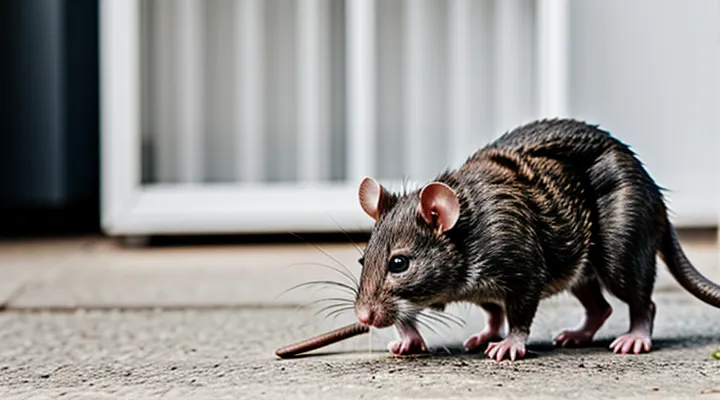
Understanding Rat Behavior
Natural Instincts and Predispositions
Fear Responses
Rats perceive sudden movements, loud noises, or unfamiliar handling as threats. When an owner inadvertently triggers such stimuli, the animal activates a defensive cascade that can culminate in a bite.
Key fear‑driven reactions include:
- Freezing: Immediate cessation of movement to avoid detection; may be misread as passive aggression.
- Flight initiation: Rapid escape attempts toward the nearest shelter; if blocked, the rat may resort to biting as a last resort.
- Fight response: Aggressive bite delivered to neutralize the perceived predator, often targeting hands or fingers that entered the cage.
Physiological markers accompany these behaviors: elevated heart rate, adrenal hormone surge, and heightened sensory awareness. The bite serves as a short‑term strategy to create distance and discourage further intrusion.
Mitigation strategies focus on reducing perceived threats: approach the rat calmly, avoid abrupt gestures, and provide consistent, low‑stress handling routines. Gradual desensitization to human contact diminishes the likelihood that fear will translate into aggression.
Territoriality
Rats establish a defined personal space that includes their cage, nest, and immediate surroundings. When an owner enters this area without recognizing the animal’s boundaries, the rat may interpret the approach as an intrusion and respond with a bite to protect its territory.
Territorial behavior manifests through several observable actions:
- Scent marking of cage corners and nesting material.
- Aggressive posturing when unfamiliar objects are introduced.
- Rapid escalation from vocal warnings to a bite when the perceived threat persists.
These responses arise from the rat’s instinct to defend resources essential for survival, such as food caches and shelter. The animal’s nervous system interprets sudden, close contact as a challenge to its dominance, triggering a defensive bite reflex.
Owners can reduce bite incidents by respecting the rat’s spatial limits:
- Allow the rat to explore and retreat before handling.
- Introduce new objects gradually, giving the animal time to investigate.
- Use consistent handling techniques that avoid sudden movements near the nest.
- Provide additional hiding places to expand the perceived safe zone.
By acknowledging the rat’s innate «territoriality», caregivers create a predictable environment that lowers defensive aggression and promotes cooperative interaction.
Pain and Discomfort
Pain and discomfort constitute primary motivators for a rat to bite its caretaker. When a rat experiences acute injury—such as a bite, scratch, or blunt force—it may associate the source of the injury with the handler and respond with a defensive bite. Dental problems, including overgrown incisors or oral inflammation, generate chronic soreness that can be triggered by handling, leading the animal to protect the painful area through biting.
Environmental factors that create physical discomfort also provoke aggressive bites. Over‑heating, excessive humidity, or a cramped cage impose stress on the musculoskeletal system, prompting the rat to react defensively when disturbed. Rough handling that compresses the spine or limbs produces immediate pain, and the rat may bite to signal that the interaction is harmful.
Common situations linked to pain‑driven biting include:
- Sudden pressure on the mouth or teeth during restraint
- Contact with sharp objects or cage accessories that injure paws or tail
- Exposure to cold drafts or hot surfaces that cause skin irritation
- Unintended tugging on the tail or whiskers, which are highly sensitive
Recognizing these pain sources enables caretakers to modify handling techniques, improve cage conditions, and provide regular veterinary checks for dental health, thereby reducing the likelihood of bite incidents rooted in discomfort.
Common Behavioral Causes for Biting
Fear and Anxiety
Startle Response
Rats possess a rapid startle response that activates when an unexpected stimulus contacts their sensory system. The reaction combines a brief freeze phase with an immediate defensive bite, designed to protect the animal from perceived threats. When an owner unintentionally creates a sudden noise, shadow, or movement—such as dropping an object, tapping the cage, or reaching in too quickly—the rat interprets the event as a predator‑like intrusion.
Key elements of the startle response include:
- Auditory shock: High‑frequency sounds or abrupt clatter trigger the auditory pathway, prompting a reflexive bite.
- Visual surprise: Sudden changes in lighting or a swift hand motion within the rat’s field of view elicit a defensive posture.
- Tactile disturbance: Quick, forceful contact with the whiskers or body activates mechanoreceptors, leading to an immediate bite to deter further pressure.
The intensity of the bite correlates with the magnitude of the startle: stronger stimuli produce more forceful bites. Repeated exposure to gentle, predictable handling can diminish the response through habituation, while inconsistent interactions reinforce the reflex.
To reduce bite incidents, owners should:
- Approach the cage calmly, allowing the rat to observe the hand before contact.
- Introduce handling tools (e.g., a soft cup) gradually, minimizing sudden movements.
- Maintain a consistent routine, limiting unexpected noises or shadows near the enclosure.
Understanding the startle response clarifies why a rat may bite its caretaker without prior aggression, emphasizing the importance of predictable, low‑stress interactions.
New Environments or Stimuli
Rats confronted with unfamiliar surroundings often display heightened alertness. Sudden changes in cage layout, introduction of new objects, or exposure to novel scents can trigger defensive reactions. When a rat perceives an unknown stimulus as a threat, it may resort to biting to protect itself and re‑establish a sense of control.
Key factors linked to new environments or stimuli include:
- Relocation to a different room or enclosure, which disrupts established spatial cues.
- Addition of unfamiliar enrichment items, such as tunnels, wheels, or chew toys, that alter the perceived safety zone.
- Introduction of foreign odors, including cleaning agents, food aromas, or the scent of other animals.
- Exposure to sudden noises or vibrations, which can be interpreted as predatory signals.
These elements elevate stress hormones, reduce the threshold for aggressive responses, and may cause a rat to view its owner as the source of disturbance. Minimising abrupt changes, allowing gradual acclimation, and monitoring the animal’s behavior during transitions can lower the likelihood of bite incidents.
Negative Past Experiences
Negative past experiences create a strong association between the owner’s presence and threat, prompting defensive aggression. Rats that have endured rough handling, unexpected loud noises, or painful procedures often interpret routine contact as a repeat of prior harm.
Typical adverse events include:
- Sudden grasping or squeezing that caused pain;
- Exposure to loud, high‑frequency sounds during handling;
- Injections or medical examinations performed without gradual habituation;
- Confinement in a cage that was previously associated with predator cues.
These experiences trigger associative learning: the rat links specific sensory cues (hand shape, voice tone, cage odor) with discomfort. The resulting heightened stress response lowers the threshold for bite initiation. Sensitization of the nervous system amplifies reactions to even mild stimuli, turning a harmless touch into a perceived attack.
Mitigation requires eliminating the original triggers and rebuilding trust through controlled exposure. Gradual desensitization, consistent gentle handling, and avoidance of abrupt movements reduce the learned fear. Over time, the rat’s response shifts from defensive biting to calm acceptance of the caretaker’s presence.
Pain or Discomfort
Injury or Illness
A rat that suddenly bites its caretaker often signals an underlying physical problem. Painful injuries or emerging illnesses disrupt normal behavior, prompting the animal to defend itself when approached.
Common injuries that provoke biting include:
- Fractures or sprains that limit movement, causing sensitivity to touch.
- Dental issues such as overgrown incisors, which create constant discomfort.
- Skin lesions or abscesses that make handling painful.
Illnesses affecting a rat’s nervous or immune systems also increase aggression. Conditions such as respiratory infections, gastrointestinal distress, or neurological disorders produce malaise that lowers the tolerance for external stimuli. Infected rats may experience fever‑induced irritability, while neurological ailments can impair impulse control, resulting in sudden attacks.
«Pain can trigger defensive aggression», a principle observed in rodent behavior studies. Recognizing bite incidents as possible health alerts encourages prompt veterinary assessment, preventing escalation and supporting the animal’s recovery.
Dental Issues
Dental problems are a frequent trigger for aggressive behavior in pet rats. Overgrown incisors create constant discomfort; the animal may bite to alleviate pressure or to explore painful areas with its mouth. Periodontal disease produces swelling and sensitivity, prompting defensive bites when the rat is handled. Malocclusion, where the teeth fail to meet correctly, leads to uneven wear and chronic ache, increasing the likelihood of sudden nipping. Dental abscesses generate throbbing pain; a rat in distress often reacts with a quick bite to protect the affected region. Oral injuries, such as cuts or fractures, can cause immediate sharp pain, resulting in a bite response during routine contact.
Typical dental issues include:
- Incisor overgrowth
- Malocclusion
- Periodontal inflammation
- Abscess formation
- Trauma‑induced fractures
Addressing these conditions through regular veterinary examinations, proper diet with adequate chewing material, and timely treatment reduces the risk of biting incidents. Prompt intervention when pain signs appear prevents escalation of defensive aggression.
Old Age and Arthritis
Rats entering senior years often develop osteo‑articular degeneration that reduces mobility and increases discomfort. Painful joints limit the animal’s ability to navigate its environment, causing heightened irritability when handling or restraint. The resulting defensive response may include a sudden bite directed at the caretaker.
Key factors linking aging and aggression:
- Diminished range of motion creates frustration during routine activities such as grooming or cage cleaning.
- Chronic inflammation sensitises nerve pathways, lowering the threshold for a bite reflex.
- Cognitive decline associated with advanced age can impair recognition of familiar humans, leading to misinterpretation of touch as a threat.
Management strategies focus on alleviating joint pain and preventing bite incidents. Regular veterinary assessment enables early detection of arthritis, allowing timely administration of anti‑inflammatory medication or joint supplements. Environmental modifications—soft bedding, low‑height food dishes, and gentle handling techniques—reduce stress on compromised joints. Consistent, calm interaction reinforces the rat’s perception of the caretaker as non‑threatening, decreasing the likelihood of defensive biting.
Stress and Overstimulation
Loud Noises or Sudden Movements
Rats possess highly sensitive auditory and visual systems; unexpected stimuli often provoke a defensive bite response.
«Loud noises» generate a startle reflex that raises adrenaline levels, sharpens focus on the source, and reduces the animal’s tolerance for proximity. The sudden surge of stress hormones can cause the rat to interpret the owner as a threat, leading to a quick, defensive bite.
«Sudden movements» produce a rapid change in the visual field. The rat’s instinctual predator‑avoidance circuitry interprets swift motion as an imminent attack, triggering a bite as a pre‑emptive defense. The combination of heightened heart rate and narrowed attention limits the likelihood of a calm response.
To reduce bite incidents, owners should keep ambient sound levels low, avoid abrupt claps or alarms, and approach the animal with slow, predictable motions. Gradual desensitization to mild sounds and controlled handling sessions can further diminish the defensive reflex.
Overhandling or Rough Play
Overhandling or rough play creates a perception of threat in a rat. When handling is excessive, the animal’s stress hormones rise, pain receptors become sensitised, and the nervous system interprets the interaction as aggressive rather than nurturing. The result is a defensive bite aimed at protecting the body.
Typical indicators that handling has become problematic include:
- Rapid, high‑frequency grooming after contact
- Vocalisations such as sharp squeaks or teeth‑chattering
- Immediate retreat to a hidden area
- Biting that occurs on the first attempt to pick up the rat
Mitigation strategies focus on reducing intensity and frequency of physical interaction:
- Limit handling sessions to a few minutes, gradually extending duration as the rat shows calm behaviour
- Employ gentle, slow movements; avoid sudden lifts, twists, or squeezes
- Provide alternative enrichment (tunnels, chew toys) that satisfies the rat’s need for tactile stimulation without direct hand contact
- Observe body language closely; cease handling at the first sign of tension
Consistent, low‑stress handling reinforces trust and lowers the likelihood of defensive biting.
Inadequate Cage Size or Enrichment
Rats confined to cages that are too small or lack appropriate enrichment experience chronic stress. Limited space prevents natural behaviors such as climbing, burrowing, and foraging, leading to frustration and heightened arousal. When a rat cannot express these instincts, it may redirect energy toward its owner, resulting in bites.
Key factors linking cage inadequacy to aggression include:
- Insufficient floor area relative to the rat’s size and activity level
- Absence of vertical structures (e.g., ladders, platforms) that encourage climbing
- Lack of manipulable objects (e.g., tunnels, chew toys) that satisfy exploratory urges
- Infrequent rearrangement of the environment, which reduces novelty and mental stimulation
These conditions elevate cortisol levels, impair social bonding, and increase the likelihood of defensive or opportunistic biting during handling. Expanding the enclosure to meet recommended dimensions and providing a varied enrichment program mitigate stress, promote healthy behavior, and reduce the risk of owner-directed aggression.
Resource Guarding
Food Aggression
Food aggression in rats describes a defensive response when a valuable resource, usually food, is perceived as threatened. This behavior originates from the animal’s natural instinct to protect limited supplies, especially in environments where competition for nourishment is frequent.
Triggers include sudden removal of food, introduction of unfamiliar individuals during feeding, and inconsistent feeding schedules. When an owner approaches the cage while the rat is eating, the animal may interpret the proximity as a challenge to its possession, prompting a bite to maintain control over the resource.
Typical warning signals precede an attack: stiffened body, rapid whisker movement, focused stare, and rapid chewing motions. These cues indicate heightened arousal and a readiness to defend the food source.
Effective mitigation strategies:
- Establish a regular feeding timetable, allowing the rat to anticipate food availability and reduce uncertainty.
- Offer multiple feeding stations within the cage to diminish competition among cage mates.
- Conduct hand‑feeding sessions using small, low‑value treats to create positive associations with human presence during meals.
- Gradually desensitize the rat by approaching the cage while it eats, pausing before any contact, and rewarding calm behavior with additional food.
- Remove the rat’s access to high‑value foods when visitors are present, limiting opportunities for defensive reactions.
Consistent application of these measures lowers the likelihood of food‑related biting and promotes a more cooperative interaction between rat and owner.
Nest or Territory Protection
Rats defend the area surrounding their nest with aggression when perceived as threatened. Biting often occurs when an owner approaches the cage, handles the animal, or reaches into the enclosure while the rat is engaged in nest‑building activities. The animal interprets the intrusion as a challenge to its territory, prompting a defensive bite to maintain control of the space.
Typical triggers include:
- Sudden movements near the nesting material.
- Direct contact with the rear of the nest while the rat is inside.
- Removal or disturbance of food, bedding, or shelter objects.
- Introduction of unfamiliar scents or objects into the enclosure.
Preventive measures focus on reducing territorial stress. Provide a stable, well‑filled nest that the rat can retreat to, and minimize abrupt interactions near the nest zone. Use gradual habituation techniques, allowing the rat to become accustomed to the owner’s presence without direct contact. When handling is necessary, approach from the side opposite the nest, support the animal securely, and avoid reaching into the nest chamber. Consistent, low‑stress routines help the rat recognize the owner as a non‑threatening part of its environment, decreasing the likelihood of defensive biting.
Toy or Treat Possession
Rats may bite their caretaker when competition arises over objects such as toys or food rewards. The presence of a coveted item creates a scenario in which the animal perceives a threat to its access, prompting defensive aggression.
-
Guarding of toys:
• The rat treats a favorite toy as a limited resource.
• Approaching the toy without permission triggers a territorial response.
• Rapid movements near the object increase arousal, raising the likelihood of a bite. -
Food‑related aggression:
• Treats serve as high‑value incentives that stimulate anticipatory excitement.
• Delayed or uneven distribution generates frustration.
• The rat may bite to secure immediate consumption or to discourage interference.
Managing these triggers reduces biting incidents. Provide multiple identical toys to dilute competition, and distribute treats in small, frequent portions to minimize frustration. Encourage voluntary relinquishment of objects by rewarding calm behavior, thereby weakening the association between possession and aggression.
Hormonal Factors
Puberty and Adolescence
Rats experience a distinct hormonal surge during puberty, typically between four and six weeks of age. This surge elevates testosterone and estradiol levels, intensifying territorial instincts and competitive behaviors. As adolescents, rats become more sensitive to perceived threats, including unfamiliar handling or sudden movements by their caretaker.
During this developmental window, social hierarchies solidify. An adolescent rat may interpret a caregiver’s approach as an intrusion into its emerging dominance zone, prompting defensive biting. The behavior serves to establish boundaries and communicate the animal’s readiness to assert control within its environment.
Key physiological and behavioral factors contributing to owner-directed bites include:
- Elevated androgen concentrations that increase aggression thresholds.
- Heightened stress reactivity, reflected in accelerated heart‑rate responses to tactile stimuli.
- Development of scent‑marking rituals, where biting reinforces personal odor distribution.
- Rapid neuroplastic changes in the amygdala and prefrontal cortex, sharpening threat assessment.
Management strategies focus on minimizing perceived threats and supporting a stable social structure. Gradual habituation to handling, consistent routine, and providing enrichment objects reduce anxiety and allow the adolescent rat to transition smoothly to adult social norms, decreasing the likelihood of owner‑directed aggression.
Pregnancy and Lactation
Pregnancy and lactation trigger profound hormonal shifts in female rats. Elevated progesterone and estrogen prepare the body for gestation, while rising prolactin and oxytocin support milk production. These hormones modulate neural circuits that govern aggression, often heightening sensitivity to perceived threats.
Nutritional requirements surge dramatically during gestation and after parturition. Insufficient food or water can produce irritability, prompting the animal to defend its access to resources. Handling that interrupts feeding or disrupts nesting material may be interpreted as danger, resulting in a bite.
Protective instincts intensify as offspring develop. The mother’s drive to shield newborns from harm extends to perceived intruders, including the caretaker. Increased vigilance combined with reduced tolerance for unfamiliar stimuli creates a behavioral environment where biting becomes a defensive response.
Practical measures for owners:
- Provide ample, high‑quality food and constant fresh water.
- Supply nesting material that allows the construction of a secure burrow.
- Minimize direct handling during late gestation and the first weeks of lactation.
- Observe for signs of stress, such as excessive grooming or vocalizations, and adjust the environment accordingly.
- Consult a veterinarian if aggressive incidents persist, as underlying health issues may exacerbate the behavior.
Intact Male Aggression
Intact male rats frequently display heightened aggression toward humans, a behavior that often manifests as biting. Elevated testosterone levels drive assertive actions, increase territorial claims, and amplify responses to perceived threats. When a rat perceives its owner as an intruder in a defended space, the hormonal surge can trigger a rapid, forceful bite.
Territorial instincts intensify after sexual maturity. An unneutered male guards nesting material, food sources, and preferred routes. Approaches that involve sudden movements, loud noises, or unfamiliar handling are interpreted as challenges, prompting defensive aggression.
Stress compounds the problem. Overcrowding, irregular feeding schedules, and lack of enrichment raise cortisol, which interacts with testosterone to lower the threshold for violent reactions. Inconsistent human interaction—brief, unpredictable contact—prevents the rat from forming a stable, trusting relationship, increasing the likelihood of bite incidents.
Effective mitigation relies on hormonal and environmental control:
- Neuter the male to reduce testosterone‑driven aggression.
- Provide a spacious cage with multiple shelters to distribute territorial zones.
- Establish a consistent routine for feeding, cleaning, and handling.
- Offer chew toys, tunnels, and climbing structures to channel energy away from defensive behaviors.
- Conduct gradual, gentle acclimation sessions, allowing the rat to approach the hand voluntarily.
Implementing these measures addresses the root causes of aggression, decreasing the probability that an intact male rat will bite its caretaker.
Miscommunication or Learned Behavior
Lack of Socialization
Lack of socialization is a primary factor influencing a rat’s tendency to bite its caretaker. Rats raised with minimal human interaction fail to develop the trust necessary for gentle handling, resulting in defensive aggression when approached.
Key behavioral consequences of insufficient socialization include:
- Heightened fear response to sudden movements or unfamiliar voices.
- Inability to differentiate between playful contact and threatening pressure.
- Increased reliance on biting as a primary means of communication.
- Persistent wariness that escalates to aggression during routine care activities.
Addressing this issue requires gradual exposure to gentle handling, consistent positive reinforcement, and regular interaction in a low‑stress environment. Over time, the rat learns to associate human presence with safety, reducing the likelihood of bites.
Accidental Bites During Play
Rats often bite during interactive sessions that appear playful. The bite typically results from misreading the owner’s gestures as a cue for aggression rather than a harmless game. When a rat receives rapid hand movements, sudden noises, or unexpected pressure, its natural response may include a quick nip to protect itself.
Key factors that lead to accidental bites while playing:
- Overstimulation caused by prolonged handling or vigorous petting.
- Misinterpretation of the owner’s fingers as prey items.
- Inadequate bite inhibition training during the rat’s early socialization.
- Sudden withdrawal of a hand after a brief grip, which the rat perceives as a threat.
Signs that a play session is approaching a bite threshold include:
- Rapid, chattering vocalizations.
- Stiffening of the body and raised fur.
- Quick, jerky movements toward the hand.
- Increased focus on the owner’s fingers rather than the surrounding environment.
Preventive measures consist of limiting playtime to short intervals, using gentle, predictable motions, and rewarding the rat for calm interaction. If a nip occurs, immediate cessation of contact followed by a calm environment helps the animal associate handling with safety rather than stress.
Reinforcement of Biting Behavior
Rats learn to bite when the action produces a desirable outcome for them. When a bite results in the cessation of an unwanted stimulus, access to food, or attention from the owner, the behavior becomes more likely to reappear.
Two reinforcement mechanisms operate in this context:
- Positive reinforcement – the bite is followed by a reward such as a treat or a brief period of handling that the rat finds pleasurable.
- Negative reinforcement – the bite removes an aversive condition, for example, the termination of a loud noise or a restraint that the rat dislikes.
Owners often provide reinforcement unintentionally. Typical actions that strengthen biting include:
- Offering food immediately after a bite.
- Petting or stroking the rat in response to a bite, which the animal interprets as social interaction.
- Ignoring the bite, allowing the rat to continue the action without interruption.
Effective management requires eliminating the link between bite and reward. Strategies involve:
- Withholding treats and attention for a predetermined period following a bite.
- Applying a consistent, brief aversive cue (such as a gentle tap on the cage) that does not provide a reward.
- Training alternative behaviors, such as offering a chew toy, to satisfy the rat’s need for oral stimulation without involving the owner’s hand.
By breaking the reinforcement cycle, the likelihood of future bites diminishes, promoting a safer interaction between rat and caretaker.
Preventing and Addressing Biting Behavior
Environmental Enrichment and Cage Setup
Appropriate Cage Size
A rat kept in an undersized cage experiences heightened stress, which can manifest as aggression toward its caretaker. Confinement limits natural exploratory behavior, leading to frustration and defensive biting when the animal feels threatened or confined.
Adequate cage dimensions support normal activity patterns and reduce the likelihood of defensive actions. Recommendations include:
- Minimum floor area of 2 sq ft (≈0.19 m²) per adult rat; larger space encourages exercise and social interaction.
- Height of at least 12 in (30 cm) to allow climbing and vertical exploration.
- Multi‑level platforms or tubes that increase usable surface without expanding the footprint.
Providing enrichment such as chew toys, nesting material, and climbing structures further mitigates stress. When the environment meets these spatial criteria, rats exhibit calmer behavior, decreasing the probability of biting incidents. «A spacious cage promotes well‑being and reduces defensive responses».
Hiding Spots and Tunnels
Rats instinctively construct concealed spaces that shape their interaction with humans. Hidden compartments and tunnel networks serve as refuges where the animal feels secure, yet they also create zones of limited visibility for the caretaker. When a rat retreats into a concealed area, sudden approach or handling can be perceived as a threat, prompting a defensive bite.
Key behavioral effects of hiding spots and tunnels:
- Reduced awareness of the owner’s movements, increasing surprise when contact occurs.
- Concentrated stress in confined zones, elevating arousal levels that favor aggressive responses.
- Limited escape routes, causing the rat to choose a bite over fleeing when cornered.
Mitigation strategies focus on environmental design and handling technique. Provide open, well‑lit enclosures that minimize excessive burrowing; incorporate low‑profile shelters that allow easy observation. During interaction, approach slowly, offering a hand from the side to give the rat a clear line of sight. Gradual exposure to modest tunnel structures can satisfy nesting instincts while preserving visibility, decreasing the likelihood of defensive biting.
Chewing Opportunities
Chewing behavior satisfies a rat’s physiological need to wear down continuously growing incisors. When an owner provides limited or inappropriate chewing materials, the animal may redirect its gnawing instinct toward the owner’s skin, resulting in bites.
Effective chewing opportunities include:
- Untreated wooden blocks of safe, untreated hardwood.
- Chew sticks made from natural fibers such as sisal or hemp.
- Dense cardboard tubes, regularly refreshed to retain texture.
- Food‑grade mineral chews designed for rodents, offering both hardness and flavor.
- Soft, pliable toys composed of untreated natural rubber, replaced before deterioration.
Providing a rotation of these items reduces monotony, encourages natural gnawing patterns, and minimizes the likelihood that the rat will treat the owner’s fingers as a substitute substrate. Regular inspection ensures that all chewing objects remain free of splinters or mold, preserving both animal welfare and owner safety.
Proper Handling Techniques
Gentle and Confident Handling
Gentle and confident handling reduces stress responses that trigger biting in pet rodents. Calm movements, steady grip, and predictable interactions signal safety, allowing the animal to focus on exploration rather than defense.
Effective techniques include:
- Approach the cage slowly, allowing the rat to observe the hand before contact.
- Use a relaxed palm to support the body, avoiding pressure on the spine or limbs.
- Maintain eye contact at a low angle to prevent the animal from perceiving a threat.
- Offer a treat while guiding the rat onto the hand, reinforcing positive association.
- Limit handling sessions to short periods initially, extending duration as the rat becomes accustomed to the routine.
Consistent application of these practices builds trust, decreasing the likelihood of defensive bites. The combination of softness and assurance creates an environment where the rat perceives handling as a benign activity rather than a source of danger.
Avoiding Startling Your Rat
Rats bite primarily when they perceive a threat; sudden movements trigger a defensive response. Reducing the likelihood of a bite begins with eliminating surprise.
- Approach the cage from the side, not directly overhead.
- Extend a hand slowly, allowing the rat to sniff before contact.
- Speak in a low, steady tone to signal calm intent.
- Keep lighting consistent; abrupt changes in brightness can startle.
- Avoid rapid hand gestures; smooth motions prevent alarm.
Consistent handling reinforces predictability. Schedule interaction times, use the same entry point, and maintain a calm demeanor. When the rat anticipates the handler’s presence, the stress associated with unexpected approaches diminishes, decreasing the chance of a defensive bite.
Recognizing Stress Signals
Recognizing stress signals in pet rats is essential for preventing aggressive bites. Early identification allows owners to modify handling, environment, or health care before tension escalates.
Typical stress indicators include:
- Rapid, shallow breathing
- Excessive grooming or hair loss
- Aggressive vocalizations such as high‑pitched squeaks
- Rigid posture with tail elevated
- Frequent attempts to escape or hide
- Reduced appetite or weight loss
When one or more signs appear, immediate actions should involve:
- Reducing handling duration and intensity
- Providing a quiet, secure enclosure free from sudden noises
- Checking for medical issues such as dental problems or infections
- Offering enrichment items that allow natural foraging behavior
- Monitoring temperature and humidity to maintain stable conditions
Consistent observation of these cues enables timely intervention, decreasing the likelihood that a stressed rat will resort to biting its caretaker.
Socialization and Training
Gradual Introduction to Handling
Rats bite when they perceive threat, discomfort, or lack of familiarity with human contact. Introducing handling slowly reduces fear, builds trust, and minimizes aggressive responses.
A systematic approach to habituation includes the following stages:
- Observe the rat’s normal activity; note signs of relaxation such as grooming or exploration.
- Place a hand within reach without attempting to touch; allow the animal to investigate voluntarily.
- Offer a small, high‑value treat from the fingertips; associate the hand with positive reinforcement.
- Gently stroke the back or neck for a few seconds; stop if any tension or rapid breathing appears.
- Extend the duration of contact by a few seconds each session; maintain a calm environment.
- Introduce light restraint by cupping the rat’s body while supporting its hindquarters; keep pressure minimal.
- Continuously assess body language—flattened ears, dilated pupils, or sudden lunges indicate the need to pause and revert to a previous, comfortable step.
Consistent, incremental exposure conditions the rat to accept handling as a routine, thereby decreasing the likelihood of bite incidents.
Positive Reinforcement
Positive reinforcement involves delivering a rewarding stimulus immediately after a desired behavior, thereby increasing the likelihood of its recurrence. In the context of rodent caretaking, delivering treats, gentle petting, or verbal praise when the animal exhibits calm interaction creates an associative link between non‑aggressive conduct and pleasant outcomes.
When a rat resorts to biting, the behavior often signals fear, frustration, or a lack of clear expectations. Applying reinforcement consistently for alternative actions—such as approaching the hand without snapping—replaces the bite with a preferred response. Over time, the animal learns that gentle contact yields rewards, while biting does not produce positive consequences.
Practical reinforcement techniques:
- Offer a small food reward the moment the rat sniffs or nudges a hand without attempting to bite.
- Use a soft voice and brief petting after the animal remains still for a few seconds during handling.
- Gradually extend the duration of calm interaction before presenting the reward, shaping longer tolerance.
- Cease all attention and remove treats if a bite occurs, ensuring that only non‑aggressive behavior triggers reinforcement.
Avoiding Punishment
Rats often resort to biting when they perceive a threat of punishment. The behavior serves as an immediate deterrent, signaling that further negative actions will be met with resistance. This defensive tactic emerges from the animal’s instinct to protect itself from aversive stimuli, especially when previous interactions have linked specific cues—such as sudden hand movements or harsh tones—with discomfort.
Key factors that reinforce the bite response include:
- Unpredictable handling that creates uncertainty about the outcome.
- Direct physical pressure applied to the body, interpreted as coercive.
- Vocalizations or gestures associated with scolding in prior sessions.
Mitigating the risk of bites requires eliminating the expectation of punishment. Practical measures consist of:
- Establishing consistent, gentle handling routines that avoid abrupt motions.
- Using positive reinforcement, such as offering treats immediately after calm behavior, to replace fear‑based associations.
- Providing ample environmental enrichment to reduce stress levels that predispose the rat to defensive aggression.
By removing cues that signal potential retribution, the animal learns that interaction does not entail harm. Consequently, the impulse to bite diminishes, fostering a more cooperative relationship between rat and caretaker. The overarching principle aligns with the concept of «Avoiding Punishment», emphasizing prevention over reaction.
Veterinary Care
Regular Check-ups
Regular veterinary examinations provide essential insight into a rat’s health status, which directly influences its behavior toward humans. Pain, illness, or discomfort often manifest as aggression, including biting. Early detection of dental problems, skin infections, or internal disorders enables timely treatment, reducing the likelihood that the animal will resort to defensive bites.
Key benefits of scheduled check-ups include:
- Identification of subtle health changes before they provoke stress‑related aggression.
- Adjustment of diet, enrichment, and handling techniques based on the rat’s physiological condition.
- Verification that vaccination and parasite control protocols are up to date, preventing systemic discomfort.
Consistent monitoring also offers owners the opportunity to observe behavioral patterns during examinations. Noting signs such as heightened alertness, avoidance of handling, or sudden changes in activity can inform targeted interventions, such as environmental modifications or behavioral training, which diminish the trigger for biting incidents.
Veterinary professionals recommend appointments every three to six months for adult rats, with more frequent visits for juveniles or individuals showing recurrent aggressive episodes. Maintaining this routine establishes a health baseline, allowing deviations to be addressed promptly, ultimately fostering a safer and more trusting relationship between rat and owner.
Prompt Treatment of Injuries or Illnesses
When a pet rat exhibits aggression toward its caretaker, immediate attention to any resulting wounds or signs of illness becomes a critical component of behavioral management. Prompt medical intervention reduces the risk of infection, limits the development of chronic pain, and prevents the animal from associating pain with the owner, which can reinforce hostile behavior.
Rapid assessment should include:
- Visual inspection for puncture marks, swelling, or discoloration.
- Evaluation of the rat’s activity level, grooming habits, and appetite.
- Application of appropriate antiseptic solutions and bandaging if bleeding is present.
- Consultation with a veterinarian within 24 hours for deeper wounds or systemic symptoms such as fever or lethargy.
Early treatment also provides valuable diagnostic information. Observable changes in wound healing or illness progression can reveal underlying stressors—overcrowding, inadequate enrichment, or improper handling—that contribute to biting incidents. Addressing these factors alongside medical care creates a feedback loop that discourages future aggression.
Consistent monitoring after initial care ensures that recovery proceeds without complication. Documentation of wound status, temperature, and behavioral responses guides adjustments in husbandry practices, ultimately fostering a safer environment for both rat and owner.
Dental Health Management
Dental discomfort frequently underlies aggressive bites directed at owners. Overgrown incisors create pressure on oral tissues, prompting the animal to seek relief through unexpected gnawing.
Rat incisors grow continuously; natural wear occurs only when the animal chews appropriate objects. Insufficient abrasion leads to malocclusion, pain, and heightened irritability.
Observable indicators of dental distress include excessive salivation, reduced food intake, visible drooping of the jaw, and a tendency to bite soft materials such as skin. Early detection prevents escalation to harmful bites.
Effective dental health management comprises:
- Providing a varied diet rich in fibrous items (e.g., celery, carrots) that promote natural wear.
- Supplying safe chew toys made of untreated wood, mineral blocks, or silicone to ensure consistent tooth grinding.
- Conducting routine oral examinations at least monthly, looking for uneven enamel, broken tips, or swelling.
- Consulting a veterinarian promptly when signs of pain or abnormal behavior appear, allowing for professional trimming or treatment.
Consistent preventive care reduces discomfort‑driven aggression, thereby decreasing the likelihood of owner bites. Maintaining optimal dental condition supports overall welfare and promotes a calmer interaction between rat and caretaker.
Understanding Rat Communication
Body Language Cues
Rats communicate discomfort and potential aggression through distinct body language signals that precede a bite. Recognizing these cues enables owners to intervene before escalation.
- Tail raised and stiff, often flicking rapidly.
- Ears flattened against the head, indicating heightened alertness.
- Back arches, exposing the spine and preparing for a defensive posture.
- Teeth bared or gnashing, a clear warning of imminent bite.
- Rapid, erratic movements, including darting or sudden lunges toward the handler.
- Vocalizations such as sharp squeaks or chattering, conveying agitation.
When multiple signals appear simultaneously, the risk of a bite increases substantially. A calm, relaxed posture—tail low, ears forward, and smooth movements—generally predicts a non‑aggressive interaction. Immediate response to early warnings, such as reducing handling pressure or providing an escape route, reduces the likelihood of a bite and promotes a safer relationship between rat and owner.
Vocalizations
Vocalizations provide the most immediate insight into a rat’s emotional state, allowing owners to anticipate potentially aggressive actions.
Common sounds and their typical interpretations include:
- High‑frequency squeaks – acute distress or fear; often precede defensive biting.
- Short chirps – curiosity or mild excitement; usually unrelated to aggression.
- Teeth chattering – heightened agitation; frequently observed moments before a bite.
- Low rumbling vocalizations – territorial assertion; can accompany defensive behavior when the animal feels threatened.
When a rat emits distress calls while being handled, the auditory cue signals a heightened stress level that may trigger a bite as a protective response. Conversely, neutral or exploratory sounds indicate a lower risk of aggression.
Observing patterns of vocal output enables owners to modify handling techniques, reduce stressors, and consequently diminish the likelihood of biting incidents.
Scent Marking
Rats communicate territorial boundaries and social hierarchy through scent marking, depositing urine, glandular secretions, and feces on objects within their environment. This chemical signaling establishes a personal odor profile that other rats, as well as humans, can detect.
When a rat perceives an unfamiliar scent on its owner—such as a new perfume, soap, or the odor of another animal—it may interpret the change as an intrusion into its established territory. The perceived threat triggers defensive aggression, which can manifest as a bite directed toward the source of the unfamiliar odor.
Key aspects of scent‑related aggression include:
- Rapid assessment of odor novelty; unfamiliar scents elicit heightened vigilance.
- Overlap of the owner’s scent with the rat’s own marking zones; conflict arises when the owner’s odor masks or alters the rat’s chemical map.
- Elevated stress hormones during scent disruption; physiological response lowers bite threshold.
Mitigation strategies focus on stabilizing the olfactory environment:
- Maintain consistent personal hygiene products; avoid sudden changes in fragrance or detergent.
- Limit exposure to other animals’ scents before handling the rat.
- Provide the rat with designated marking areas, such as a corner of the cage equipped with bedding and chew toys, to reinforce its own scent boundaries.
Consistent olfactory conditions reduce the likelihood that scent confusion escalates into biting behavior.