
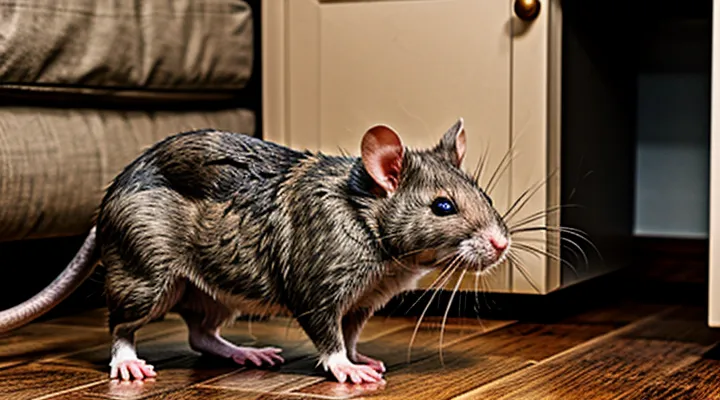
Understanding Rat Behavior
Natural Instincts and Social Dynamics
Territoriality
Territorial behavior is a primary driver of bite incidents in pet rats. When a rat perceives an area as its exclusive domain, any intrusion—whether from another rat, a human hand, or a foreign object—can provoke a defensive response. This response often manifests as a quick, forceful bite aimed at expelling the perceived intruder.
The rat’s sense of space is shaped by several factors:
- Established nesting sites, especially those containing food or bedding, become focal points of defense.
- Recent changes to cage layout, such as new tunnels or shelters, disrupt familiar boundaries and heighten vigilance.
- Introduction of unfamiliar scents, including those from other animals or cleaning agents, signals a potential threat to the rat’s territory.
Physiological cues reinforce territorial aggression. Elevated cortisol levels accompany stress from boundary violations, while increased adrenaline prepares the animal for rapid action. Observers can identify territorial tension by noting heightened alertness, frequent re‑marking of surfaces with urine, and aggressive posturing before a bite occurs.
Mitigation strategies focus on preserving stable territories. Maintaining a consistent cage configuration, limiting sudden introductions of new objects, and providing multiple, clearly separated nesting zones reduce the likelihood that a rat will interpret normal interactions as encroachments. When handling, approach from the side rather than directly over the nest area to minimize perceived intrusion.
Hierarchy and Dominance
Domestic rats organize themselves into a clear social hierarchy. The dominant individual asserts control through posture, scent marking, and occasional aggression. Subordinate rats accept lower status to avoid conflict, but the hierarchy remains fluid; challenges can arise when resources, space, or breeding opportunities shift.
- A rat that perceives a threat to its rank may bite to reinforce dominance.
- Sudden introduction of a new rat can trigger status disputes, resulting in bites from the established leader.
- Overcrowding reduces the ability to establish clear boundaries, increasing the likelihood of aggressive encounters.
- Inadequate enrichment limits natural behaviors, causing frustration that manifests as biting during dominance displays.
Understanding these dynamics enables owners to minimize aggression by providing sufficient space, gradual introductions, and environmental complexity that supports natural rank establishment without excessive conflict.
Fear and Defense Mechanisms
Domestic rats bite primarily when fear triggers innate defense strategies. A sudden threat—loud noise, rapid movement, or unfamiliar handling—stimulates the sympathetic nervous system, producing a surge of adrenaline. This physiological response prepares the animal for fight or flight; if escape is impossible, the fight component manifests as a bite.
Key defensive behaviors include:
- Freezing: The rat remains motionless to avoid detection. Prolonged immobility may lead to a sudden bite if the perceived danger persists.
- Lateral threat display: Flattened ears, raised fur, and a sideways posture signal readiness to defend. Biting follows if the stimulus does not recede.
- Escalated aggression: When escape routes are blocked, the rat escalates from warning vocalizations to a rapid, forceful bite aimed at the perceived aggressor’s vulnerable areas.
Environmental factors amplify fear responses. Inadequate socialization, irregular handling schedules, and cramped cages increase baseline anxiety, lowering the threshold for defensive biting. Proper habituation—gradual exposure to human presence, consistent feeding routines, and enrichment that encourages exploration—reduces stress and diminishes the likelihood of bite incidents.
Effective prevention focuses on recognizing early warning signs—tensed muscles, tail flicking, or teeth chattering—and intervening before the bite response escalates. Gentle, predictable interactions coupled with a secure, enriched habitat sustain confidence and suppress fear‑driven aggression.
Common Causes of Biting in Domestic Rats
Fear and Anxiety
Unfamiliar Environments
Domestic rats may bite when placed in settings that differ from their established surroundings. The sudden alteration of visual, olfactory, and tactile cues generates stress, which often manifests as defensive aggression.
Stress in an unfamiliar environment arises from several sources:
- Introduction of a new cage or enclosure
- Relocation of familiar objects such as tunnels, wheels, or bedding
- Exposure to unfamiliar sounds or vibrations
- Presence of unknown humans or other pets
- Changes in lighting or temperature
Each factor disrupts the rat’s sense of security, prompting heightened vigilance and a propensity to bite when approached.
Mitigation requires systematic desensitization. Begin by allowing the rat to explore the new space without direct contact, using familiar bedding and scent markers. Gradually increase human interaction, maintaining a calm demeanor and limiting sudden movements. Preserve a consistent routine for feeding and cleaning to reinforce predictability. When multiple rats share the area, introduce them gradually, monitoring for signs of territorial aggression.
By controlling environmental variables and providing a predictable framework, the likelihood of bite‑inducing aggression diminishes markedly.
Startling or Rough Handling
Sudden movements or harsh contact often provoke a defensive bite from a pet rat. When the animal perceives an unexpected stimulus, its nervous system activates a rapid fight‑or‑flight response; the bite serves as an immediate protective action.
The physiological reaction includes elevated heart rate, release of adrenaline, and heightened sensory awareness. These changes narrow the animal’s focus to the perceived threat, making a quick bite the most reliable means of neutralizing danger.
Typical situations that trigger this response are:
- lifting the rat without first securing its hindquarters;
- shaking or jostling the cage during handling;
- tapping the enclosure or dropping objects nearby;
- petting the rat’s back with excessive force;
- exposing the rat to loud, sudden noises while it is being held.
Before a bite occurs, rats usually display warning signals such as a rigid body, raised fur, teeth baring, and a sharp squeak. Recognizing these cues allows the handler to pause or adjust grip before escalation.
Preventive measures include:
- approaching the rat slowly and allowing it to sniff the hand;
- supporting the animal’s torso and hind legs with both hands;
- using a calm, steady voice to reduce auditory stress;
- limiting handling sessions to short intervals until the rat shows confidence;
- avoiding sudden gestures, rapid motions, or rough grabs.
Consistent, gentle handling trains the rat to associate human contact with safety rather than threat, thereby decreasing the likelihood of aggressive biting.
Traumatic Experiences
Traumatic events shape a rat’s behavioral response to perceived threats. Exposure to sudden loud noises, abrupt handling, or painful medical procedures can create lasting fear memories. These memories trigger heightened vigilance, causing the animal to interpret harmless stimuli as dangerous.
When a rat associates a specific cue—such as a hand, cage cleaning, or a particular scent—with previous pain, the brain’s amygdala amplifies stress signals. The resulting physiological cascade (elevated cortisol, increased heart rate) prepares the animal for defensive action. Biting becomes a rapid, low‑effort method to neutralize the perceived source of harm.
Key pathways linking trauma to aggression include:
- Conditioned fear: Repeated pairing of a neutral stimulus with an aversive event leads to anticipatory aggression toward that stimulus.
- Sensitization: Repeated stress lowers the threshold for aggressive responses, so minor provocations elicit bites.
- Social disruption: Isolation or forced relocation after a traumatic incident destabilizes hierarchy, increasing defensive biting.
Mitigation strategies focus on reducing re‑exposure to stressors and rebuilding trust:
- Gradual desensitization to previously threatening cues.
- Consistent, gentle handling that avoids sudden movements.
- Environmental enrichment that provides safe retreat spaces.
Addressing trauma directly reduces the likelihood that a domestic rat will resort to biting as a defensive mechanism.
Pain or Discomfort
Illness or Injury
Domestic rats may bite when they are unwell or hurt. Pain signals alter their normal tolerance for handling, prompting defensive strikes. Infections, respiratory problems, dental issues, or musculoskeletal injuries reduce a rat’s willingness to tolerate stress, and the bite becomes a protective response.
Typical indicators that illness or injury underlie aggressive bites include:
- Lethargy or reduced activity
- Scruffy or unkempt fur, especially around the head or tail
- Swelling, limping, or reluctance to move
- Nasal discharge, sneezing, or labored breathing
- Visible wounds, abscesses, or broken teeth
When any of these signs appear, immediate veterinary assessment is required. Treatment of the underlying condition usually eliminates the biting behavior, as the rat’s comfort level returns to normal. Adjust handling techniques—use gentle support, avoid sudden movements, and provide a calm environment—until the rat recovers fully.
Dental Problems
Dental discomfort frequently triggers biting in pet rats. When incisors grow excessively or become misaligned, the animal experiences chronic pain that translates into defensive aggression.
Common oral issues include:
- Overgrown front teeth that interfere with chewing
- Malocclusion causing uneven wear
- Periodontal infection or abscesses producing localized soreness
Pain signals prompt rats to protect the affected area. Bite attempts often occur during handling, cage cleaning, or when the animal is approached near the mouth. The behavior reflects an instinctive response to prevent further injury rather than a learned habit.
Observable indicators of dental distress:
- Reluctance to gnaw or reduced food intake
- Drooling or blood-tinged saliva
- Facial swelling or visible tooth discoloration
- Frequent grooming of the muzzle region
Effective management requires regular dental inspection, provision of appropriate chewing materials, and prompt veterinary assessment when abnormalities appear. Early intervention restores comfort and reduces the likelihood of bite incidents.
Old Age and Related Ailments
Aging rats experience physiological and neurological changes that can increase the likelihood of biting when they feel threatened or uncomfortable. Declining muscle tone, reduced flexibility, and joint degeneration often cause pain during movement, prompting defensive reactions to avoid handling. Sensory decline, including diminished vision and hearing, makes sudden stimuli harder to interpret, leading to reflexive aggression.
Common age‑related health issues that contribute to biting behavior include:
- Dental overgrowth or malocclusion, causing oral discomfort and hypersensitivity.
- Arthritis or osteoarthritis, producing chronic joint pain and reduced mobility.
- Neurological disorders such as peripheral neuropathy, resulting in altered sensation and startled responses.
- Vision loss or cataracts, limiting the ability to assess approaching objects.
- Chronic infections or tumors, generating persistent discomfort and irritability.
Painful conditions may lower the rat’s tolerance for close contact, causing it to bite as a protective measure. Additionally, cognitive decline associated with senescence can impair learning and memory, reducing the animal’s capacity to recognize familiar caretakers and increasing defensive responses.
Mitigating aggressive bites in elderly rats requires regular veterinary assessments, prompt treatment of dental and orthopedic problems, and gentle handling techniques that accommodate reduced sensory perception. Providing a stable, low‑stress environment supports the rat’s welfare and decreases the incidence of defensive biting.
Hormonal Influences
Unneutered Males («Bucks»)
Unneutered male rats exhibit heightened territoriality, which often manifests as biting when other animals or humans encroach on perceived space. The presence of elevated testosterone drives aggressive displays, including lunging, charging, and rapid snapping. Because these rats lack hormonal regulation, their response threshold to stimuli remains low, leading to frequent bite incidents during routine handling.
Key physiological and behavioral factors include:
- Testosterone‑induced dominance behavior that triggers defensive biting.
- Absence of neutering surgery, which leaves the hypothalamic‑pituitary‑gonadal axis unchecked.
- Increased scent marking and urine spraying, signaling ownership and provoking confrontations.
- Reduced tolerance for unfamiliar environments or novel objects, resulting in immediate aggression.
Management strategies focus on hormonal control and environmental modification. Surgical castration lowers testosterone levels, directly decreasing aggression and bite frequency. In addition, gradual exposure to new stimuli, consistent handling routines, and providing ample hiding spots reduce perceived threats. Monitoring body condition and ensuring a balanced diet further supports stable behavior, as nutritional stress can exacerbate hostility.
Overall, the primary driver of bite incidents in intact male rats is the unchecked influence of male sex hormones on territorial and dominance instincts. Addressing this through neutering and controlled socialization offers the most reliable reduction in aggressive biting.
Pregnant or Nursing Females («Does»)
Pregnant and nursing female rats often display increased biting behavior. Hormonal fluctuations during gestation elevate cortisol and estrogen levels, which can heighten irritability and reduce tolerance for handling. The developing litter triggers a strong maternal drive; any perceived threat to the offspring is met with defensive aggression. Nutritional demands intensify, and insufficient diet creates discomfort that may be expressed through snapping. Environmental stressors—crowding, sudden noises, or frequent cage disturbances—compound the animal’s protective instincts and provoke bite responses.
Key factors influencing aggression in these females:
- Hormonal surge: Elevated progesterone and estrogen alter pain perception and mood stability.
- Maternal protectiveness: Sensitivity to any stimulus near the nest prompts swift defensive bites.
- Nutritional stress: Inadequate protein or caloric intake increases restlessness and irritability.
- Environmental instability: Frequent cage cleaning, relocation, or introduction of unfamiliar objects raises anxiety levels.
- Handling frequency: Excessive or rough handling during late gestation or lactation reduces the rat’s willingness to tolerate contact.
Mitigating biting requires stable housing, balanced nutrition, minimal disturbance near the nest, and gentle, limited handling as parturition approaches.
Miscommunication or Poor Socialization
Lack of Handling
Lack of regular handling creates fear and uncertainty in pet rats, which often manifests as defensive biting. Rats that are seldom touched associate human contact with unpredictable threats, leading them to react aggressively when approached.
- Infrequent handling prevents habituation to human scent and movement, increasing stress during brief encounters.
- Absence of gentle, repeated contact reduces the animal’s ability to read human cues, causing misinterpretation of benign gestures as hostile.
- Unhandled rats develop heightened startle responses; sudden proximity triggers a bite as a protective reflex.
- Limited exposure to handling impairs social bonding, weakening trust and encouraging territorial aggression toward caregivers.
Consistent, gentle handling from an early age lowers anxiety levels, teaches rats that human interaction is safe, and substantially reduces the likelihood of bite-related aggression.
Improper Introduction to New Rats
Improper introduction of a new rat to an established resident often triggers aggression that manifests as biting. Rats are highly territorial; sudden exposure to an unfamiliar scent or presence without a gradual acclimation process is perceived as a threat. This threat response activates the animal’s defensive circuitry, leading to heightened stress hormones and a propensity to deliver a bite as a warning or protective action.
Key factors that convert a naive meeting into an aggressive encounter include:
- Lack of scent exchange – direct contact prevents the resident from recognizing the newcomer’s odor as neutral, maintaining a perception of intruder.
- Immediate visual confrontation – face‑to‑face sighting without a barrier amplifies fear and territorial defense.
- Absence of neutral space – introducing the rats in an area already claimed by the resident eliminates opportunities for shared exploration.
- Insufficient time for habituation – rapid progression from introduction to unrestricted interaction denies the animals the chance to establish a hierarchy calmly.
To mitigate bite risk, follow a structured protocol:
- Scent swapping – exchange bedding or use a cloth to transfer each rat’s scent before any visual contact.
- Barrier introduction – place the rats in adjacent cages separated by a solid divider for several days, allowing observation without direct contact.
- Gradual visual exposure – open the divider partially to permit limited sight while maintaining a physical barrier.
- Supervised neutral‑area meeting – once both rats display relaxed behavior, introduce them to a clean, neutral enclosure for short, monitored sessions.
- Observe body language – look for signs of tension such as stiff posture, raised fur, or rapid tail flicks; cease interaction immediately if these appear.
Neglecting any of these steps sustains the perception of intrusion, elevating cortisol levels and prompting defensive biting. Proper, phased introductions lower stress, enable scent familiarity, and allow the rats to negotiate social hierarchy without resorting to aggression.
Play Biting Versus Aggression
Domestic rats often nip for reasons that differ markedly from hostile attacks. Play biting appears during interactive sessions, is brief, and lacks a threatening posture. The rat may pause, release the bite quickly, and resume normal activity. Teeth are seldom clenched, and the bite pressure is light enough to cause only superficial marks. Vocalizations are absent or limited to soft chattering, and the animal’s body remains relaxed, with ears forward and tail loosely hanging.
Aggressive biting follows a distinct pattern. The rat adopts a stiff stance, arches its back, and may display a raised tail. Teeth are fully engaged, producing deeper punctures that bleed. Growls, high‑frequency squeaks, or a rapid breathing rhythm accompany the bite. After the incident, the rat may retreat to a safe spot, exhibit defensive posturing, or continue to attack if the perceived threat persists.
Key differences can be summarized:
- Duration: Play bites last seconds; aggressive bites persist until the threat is neutralized.
- Force: Light pressure in play; strong, crushing force in aggression.
- Body language: Relaxed posture versus rigid, defensive stance.
- Vocal cues: Minimal noise in play; pronounced growls or squeaks in aggression.
- After‑effects: Immediate return to normal activity after play; possible withdrawal or continued hostility after aggression.
Recognizing these cues enables owners to intervene appropriately, reinforcing gentle interaction while preventing escalation of genuine hostility.
Resource Guarding
Food Aggression
Domestic rats may bite when competition over food creates a hostile environment. The scarcity or uneven distribution of nourishment activates territorial instincts, leading to aggressive encounters. When a rat perceives that its access to a resource is threatened, it may respond with snapping, lunging, or rapid biting to secure the item.
Typical indicators of food‑related aggression include:
- Sudden fixation on a particular morsel while ignoring other rats
- Rapid, repetitive attempts to seize food from a cage mate
- Raised fur and stiff posture during feeding time
- Audible growls or chittering directed at conspecifics
Several factors amplify this behavior:
- Limited supply – small portions force rats to defend each bite.
- Unequal quality – high‑value treats trigger competition more than standard chow.
- Irregular feeding schedule – unpredictability heightens anxiety and territoriality.
- Overcrowding – too many individuals for a given amount of food intensifies disputes.
Managing food aggression requires systematic changes:
- Provide ample, evenly spaced portions to eliminate scarcity.
- Offer multiple feeding stations to reduce direct competition.
- Use identical, low‑value treats rather than exclusive, high‑value items.
- Maintain a consistent feeding timetable to lower stress.
- Observe interactions; separate individuals that repeatedly display hostile behavior during meals.
By addressing resource distribution and environmental stability, owners can significantly reduce bite incidents linked to food aggression in domestic rats.
Cage Aggression
Cage aggression refers to hostile behavior that emerges when a rat perceives its enclosure as a source of threat or competition. The confined environment intensifies territorial instincts, prompting bites directed at cage mates or handlers.
Typical triggers include:
- Overcrowding that prevents each animal from establishing a personal space.
- Insufficient nesting material or objects for chewing and exploration.
- Unbalanced social hierarchy where dominant individuals dominate limited resources.
- Accumulation of waste and odors that elevate stress hormones.
The underlying mechanism combines heightened cortisol levels with instinctual guarding of food, water, and shelter. When resources are scarce or ambiguous, rats resort to quick, forceful bites to assert dominance and protect perceived assets.
Effective countermeasures consist of:
- Providing a cage that offers at least 0.5 sq ft per rat, with multiple levels and hideouts.
- Supplying chewable toys, tunnels, and fresh bedding to satisfy natural foraging behavior.
- Grouping rats by compatible age and temperament, monitoring interactions during introduction.
- Conducting weekly cleaning to eliminate ammonia buildup and maintain air quality.
- Observing bite incidents, noting time of day and context, then adjusting environmental variables accordingly.
Implementing these practices reduces the likelihood that the enclosure itself becomes a catalyst for aggressive biting.
Protection of Offspring
Domestic rats often bite when they perceive a threat to their young. The instinct to safeguard offspring triggers aggressive responses that protect the nest from intruders, unfamiliar handling, or sudden movements.
Typical stimuli that elicit protective biting include:
- Direct contact with the pups while the mother is nursing or grooming.
- Approaching the nest area without prior habituation.
- Loud noises or vibrations that could endanger the litter.
- Handling of the mother that restricts her ability to move or defend the nest.
Physiological mechanisms reinforce this behavior. Elevated cortisol and adrenaline levels sharpen sensory awareness, while hormonal changes associated with lactation increase territoriality. These factors combine to lower the threshold for a bite response when the mother judges the situation as dangerous to her offspring.
Preventing unwanted bites requires minimizing disturbances near the nest, allowing the mother to acclimate to human presence gradually, and using gentle, non‑restrictive handling techniques. By respecting the rat’s protective drive, caretakers can reduce aggression while maintaining the health and safety of the litter.
Preventing and Addressing Biting Behavior
Proper Handling and Socialization
Gentle Introduction to Humans
A calm, gradual exposure to humans reduces the likelihood that a pet rat will respond with defensive biting. When a rat first encounters a new person, it assesses threat levels through scent, movement, and vocal cues. Sudden approaches, loud tones, or unpredictable handling trigger a fight‑or‑flight response, often resulting in a bite.
Effective acclimation follows a three‑stage protocol:
- Stage 1 – Sensory familiarization: Place the rat’s cage near the person’s regular activity area. Allow the animal to observe the individual from a safe distance for several minutes each day, without direct contact.
- Stage 2 – Passive proximity: Gradually shorten the distance by moving the cage closer while the person remains still and quiet. Offer treats through the cage bars to associate the human presence with positive reinforcement.
- Stage 3 – Controlled interaction: Once the rat approaches voluntarily, the person can hand‑feed a small piece of food, then gently scoop the animal using a cupped hand. Limit initial sessions to one‑minute intervals, extending duration as the rat shows relaxed body language.
Key behavioral indicators of readiness include a relaxed posture, whisker forward orientation, and soft vocalizations. Conversely, raised fur, rapid breathing, and aggressive lunges signal the need to revert to an earlier stage.
Implementing this structured introduction minimizes stress, builds trust, and substantially lowers the incidence of aggression‑related bites in domestic rats.
Positive Reinforcement Training
Positive reinforcement training offers a practical solution for owners confronting aggressive biting in pet rats. By rewarding desired behaviors, the method reshapes the animal’s response to stimuli that previously triggered aggression.
The core principle relies on immediate, consistent delivery of a preferred reward—such as a small piece of fruit or a brief session of gentle handling—whenever the rat exhibits calm interaction. This pairing creates an association between non‑aggressive conduct and a positive outcome, reducing the likelihood of bite‑inducing tension.
Key elements of an effective program include:
- Identify triggers: observe situations that precede biting, such as sudden movements, handling from unfamiliar hands, or competition over food.
- Choose a high‑value reward: select a treat the rat readily accepts and that can be administered quickly.
- Timing: present the reward within seconds of the calm behavior to ensure clear connection.
- Frequency: reinforce the behavior repeatedly during each interaction until the rat reliably chooses the non‑aggressive response.
- Gradual exposure: increase the difficulty of the scenario—longer handling periods, introduction of new people—while maintaining reinforcement.
Consistent application of these steps diminishes the rat’s perceived threat and promotes cooperative behavior. Over time, the animal learns that gentle contact yields benefits, while biting offers no advantage, leading to a measurable decline in aggressive incidents.
Creating a Safe Environment
Pet rats bite primarily when they perceive threat, experience stress, or lack stimulation. Reducing these triggers begins with a secure, predictable habitat.
A safe enclosure must include:
- Solid, escape‑proof walls and a secure lid to prevent sudden openings.
- Adequate space—minimum 2 sq ft per rat—to avoid crowding and territorial disputes.
- Stable temperature (18‑24 °C) and low humidity to prevent discomfort.
- Soft, absorbent bedding that is changed regularly, eliminating odors that can provoke anxiety.
Consistent handling practices reinforce safety. Approach the cage calmly, let the rat sniff the hand before contact, and support its body fully during lifting. Avoid sudden movements, loud noises, and direct eye contact that may be interpreted as aggression.
Environmental enrichment lowers the likelihood of biting by providing mental and physical outlets. Rotate chew toys, tunnels, and climbing structures weekly. Include foraging opportunities—small food puzzles or hidden treats—to keep the rat occupied and reduce frustration.
Routine health checks detect pain or illness, common precursors to defensive bites. Observe for changes in grooming, appetite, or activity level; address any issues promptly with veterinary care.
By integrating secure housing, gentle handling, regular enrichment, and health monitoring, owners create an environment that minimizes stressors and discourages biting behavior.
Environmental Enrichment
Adequate Cage Size
Adequate cage size directly influences a rat’s propensity to exhibit aggressive behavior. Confinement in a space that restricts natural movement stimulates frustration, elevates cortisol levels, and reduces opportunities for exploratory play, all of which can trigger defensive biting.
- Minimum floor area: 2 sq ft per adult rat (approximately 0.19 m²).
- Height: at least 12 in (30 cm) to allow vertical climbing.
- Multi‑level platforms: increase usable space without expanding footprint.
- Enrichment density: one hideout, one chew toy, and one climbing element per rat.
Insufficient space manifests as repeated pacing, territorial marking, and heightened reactivity to handling. Providing the recommended dimensions alleviates stress, encourages social interaction, and diminishes the likelihood that a rat will resort to biting as a coping mechanism.
Toys and Activities
Pet rats that bite frequently exhibit heightened aggression, often triggered by insufficient stimulation, overcrowding, or lack of appropriate outlets for natural behaviors. Providing a structured program of enrichment reduces stress and redirects energy toward constructive activities, thereby decreasing the likelihood of biting incidents.
- Chew blocks made of untreated wood or safe polymers
- Hanging tunnels and PVC pipes for climbing and exploration
- Rope ladders and sisal ropes for gripping and gnawing
- Puzzle feeders that require manipulation to release food
- Plastic balls with textured surfaces for rolling and batting
In addition to toys, regular activities reinforce calm behavior:
- Daily foraging sessions using scattered seed mixes or hidden treats
- Supervised playtime outside the cage on a secure, non‑slippery surface
- Short, consistent handling periods to build trust and habituate to human contact
- Structured climbing circuits that alternate height and direction each week
- Social interaction with compatible cage mates, monitored for dominance disputes
Effective implementation follows three principles: rotate items every 3–5 days to maintain novelty, observe each rat for signs of overstimulation or resource guarding, and adjust the duration of activities based on individual tolerance. Consistent enrichment, paired with attentive monitoring, creates an environment where aggression diminishes and biting becomes rare.
Hiding Spots
Domestic rats often resort to biting when they feel threatened, and the availability and placement of hiding spots can intensify this response. When a rat cannot locate a secure refuge, perceived danger rises, prompting defensive aggression that may manifest as a bite. Conversely, well‑situated shelters reduce stress, but excessive or poorly designed hideaways can create territorial disputes, especially if multiple rats compete for the same space.
Common hiding locations in a typical cage include:
- Small wooden houses with a single entrance
- PVC tubes or plastic tunnels positioned at floor level
- Fabric hammocks or fleece nests tucked into corners
- Elevated platforms with concealed gaps underneath
Each of these structures influences rat behavior differently. A single‑entrance house concentrates traffic, increasing encounters that may trigger defensive bites. Tubes that intersect multiple zones allow quick escape routes, lowering the likelihood of aggression. Fabric nests placed in quiet corners provide personal space, yet if placed too close to food or water stations, they become contested resources. Elevated platforms offer a sense of safety from ground‑level disturbances; however, if the space beneath is insufficient for a retreat, the rat may feel trapped and react aggressively.
Managing hiding spots effectively involves:
- Providing at least one refuge per rat to avoid competition.
- Ensuring entrances are wide enough for easy entry and exit.
- Distributing shelters throughout the cage to prevent crowding in a single area.
- Rotating or rearranging hideaways periodically to reduce territorial monotony.
By calibrating the number, size, and placement of shelters, owners can diminish the environmental pressures that provoke biting, fostering a calmer, more cooperative pet rat.
Health Management
Regular Veterinary Check-ups
Regular veterinary examinations provide essential health data that directly influence a pet rat’s temperament. Undiagnosed pain, dental overgrowth, or systemic illness often manifest as defensive biting; a timely health assessment can identify and treat these conditions before they affect behavior.
During each visit, a veterinarian evaluates:
- Body condition and weight fluctuations that may indicate metabolic disorders.
- Oral health, including tooth length and gum integrity, to prevent discomfort during chewing.
- Skin integrity and parasite load, which can cause irritation and aggression.
- Neurological signs that could suggest underlying disorders influencing reactivity.
Early detection of medical issues reduces the likelihood that a rat resorts to aggression as a coping mechanism. Treatment plans derived from routine check-ups restore comfort, allowing the animal to interact calmly with handlers and conspecifics.
Consistent veterinary care also establishes a baseline for normal physiological parameters. When deviations appear, owners receive objective evidence that supports behavioral interventions, preventing misinterpretation of biting as purely a personality flaw.
Pain Management
Pain often triggers defensive aggression in pet rats. When an animal experiences discomfort, it may respond with a bite to protect the source of irritation. Effective pain control therefore reduces the likelihood of aggressive encounters.
Assessment begins with observation of subtle signs: reduced activity, altered grooming, or reluctance to be handled. Veterinarians confirm pain through physical examination and, when appropriate, diagnostic imaging. Once identified, a multimodal approach addresses the underlying cause and alleviates discomfort.
Key components of pain management include:
- Analgesic medication – non‑steroidal anti‑inflammatory drugs (NSAIDs) or opioid‑sparing agents administered at weight‑adjusted doses.
- Environmental enrichment – soft bedding, chew toys, and spacious cages minimize musculoskeletal strain.
- Gentle handling techniques – support the rat’s body, avoid sudden movements, and limit restraint duration.
- Regular health monitoring – weekly weight checks and observation logs detect early signs of relapse.
Adjusting dosage or rotating analgesics prevents tolerance and ensures consistent relief. When pain is controlled, rats exhibit calmer behavior, less frequent biting, and improved interaction with owners.
Dietary Considerations
Improper nutrition can increase irritability and provoke bite‑related aggression in pet rats. Nutrient imbalances affect hormone levels, gut health, and energy stability, all of which influence temperament.
- Protein: 15‑20 % of diet, sourced from high‑quality animal or plant proteins; excess protein may cause hyperactivity, deficiency can lead to lethargy and stress.
- Fiber: 5‑7 % of intake, provided by whole‑grain cereals and vegetables; low fiber impairs digestion and elevates discomfort‑driven aggression.
- Sugar: limit to less than 5 % of total calories; rapid glucose spikes trigger agitation and unpredictable biting.
- Calcium‑phosphorus ratio: maintain near 1:1; imbalance weakens teeth and skeletal health, causing pain‑induced defensive bites.
- Vitamins B‑complex and E: ensure adequate levels through fortified pellets or supplements; deficiencies correlate with nervous‑system irritability.
- Fat: keep at 5‑8 % of calories; high‑fat treats encourage weight gain and lethargy, which can manifest as aggression when rats feel threatened.
- Water: provide constant access to clean water; dehydration elevates cortisol, increasing defensive behavior.
- Feeding schedule: deliver meals at consistent times; erratic feeding creates anxiety, raising the likelihood of biting.
- Diet transitions: introduce new foods gradually over 7‑10 days; abrupt changes disturb gut flora and trigger stress responses.
Adhering to these dietary guidelines reduces physiological stressors that contribute to aggressive biting, supporting calmer, healthier domestic rats.
Behavioral Modification Strategies
Desensitization Techniques
Domestic rats may bite when they perceive a threat, experience overstimulation, or lack confidence in handling. Reducing these triggers requires systematic desensitization, a process that lowers the animal’s reactive response through controlled exposure.
Desensitization works by presenting the stimulus that provokes aggression at a level below the rat’s threshold, then incrementally increasing intensity while pairing the experience with positive reinforcement. Repeated sessions rewire the animal’s perception, converting a defensive reaction into a neutral or favorable one.
- Identify specific triggers (e.g., sudden hand movements, loud noises, unfamiliar objects).
- Begin with a stimulus intensity that elicits no bite response; observe calm behavior for several minutes.
- Pair exposure with a reward such as a favorite treat or gentle petting.
- Extend exposure time by 10‑20 % each session, maintaining the reward schedule.
- Introduce variability: change angles, speeds, and contexts while preserving the low‑stress level.
- Record each session’s outcome to track progress and adjust the increase rate.
Consistent observation ensures the rat does not revert to aggression under stress. If a bite occurs, revert to the previous non‑reactive intensity before resuming progression. Over weeks of disciplined practice, the rat’s bite frequency diminishes, fostering safer interaction without compromising the animal’s natural alertness.
Counter-Conditioning
Domestic rats may bite when they associate humans with threat, fear, or frustration. Counter‑conditioning replaces the negative association with a positive one by repeatedly pairing the presence of a person with a rewarding stimulus. Over time the rat learns that the individual predicts safety and pleasure rather than danger, reducing the likelihood of aggressive bites.
Effective counter‑conditioning follows a structured sequence:
- Identify the trigger that precedes the bite (e.g., sudden movement, loud voice).
- Choose a high‑value treat that the rat readily accepts.
- Present the trigger at a low intensity while simultaneously offering the treat.
- Gradually increase the intensity of the trigger as the rat continues to accept the treat without reacting aggressively.
- Maintain consistency, delivering the treat each time the trigger occurs, until the rat shows no defensive response.
Progress is measured by the rat’s willingness to approach or remain near the trigger without attempting to bite. Consistent application of this method reshapes the animal’s emotional response, converting fear or irritation into anticipation of reward.
Seeking Professional Help
Professional intervention is often required when a pet rat displays repeated biting. Uncontrolled aggression can lead to injury, stress for both animal and owner, and may indicate underlying health or behavioral issues that are not evident to a layperson.
Indicators that professional assistance is warranted include:
- Biting incidents that occur without obvious provocation.
- Escalation in frequency or intensity of bites.
- Concurrent signs such as changes in appetite, weight loss, or abnormal grooming.
- Failure of basic handling techniques to reduce aggression after several weeks.
Veterinary specialists, certified animal behaviorists, and experienced rodent trainers provide distinct services:
- Veterinarians assess medical conditions that can provoke pain‑related aggression, such as dental problems, infections, or neurological disorders.
- Certified behaviorists conduct functional assessments, identify triggers, and develop systematic desensitization plans.
- Trained rodent trainers teach owners proper handling, enrichment, and environmental modifications to reduce stress.
To obtain appropriate help, follow these steps:
- Document each biting episode, noting time, context, and any preceding events.
- Schedule a veterinary examination to rule out physiological causes.
- Request a referral to a qualified rodent behavior specialist if medical reasons are excluded.
- Implement the professional’s recommendations consistently, monitoring progress and adjusting as needed.
Engaging qualified experts ensures that aggressive behavior is addressed safely, efficiently, and with respect for the rat’s welfare.