
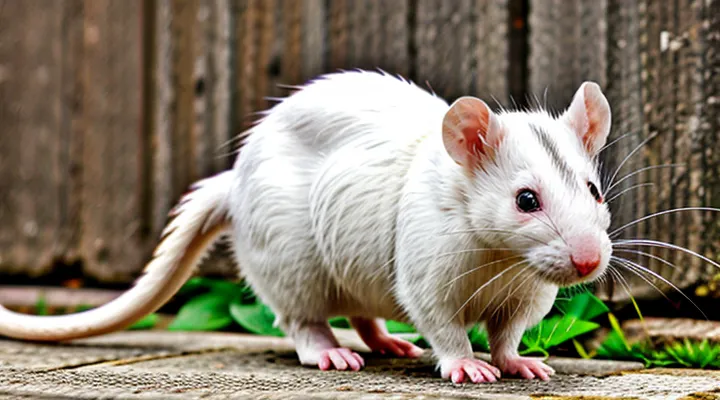
The Allure of the White Rat with Red Eyes
Historical Context and Genetics
Albinism in Rodents
Albinism in rodents is a genetic condition caused by mutations that inhibit melanin production, resulting in a lack of pigment in fur, skin, and eyes. The mutation typically affects the tyrosinase enzyme, preventing the conversion of tyrosine to melanin. In the white rat variant with red eyes, albinism is the primary factor behind the distinctive coloration.
The condition influences several physiological aspects:
- Vision: Reduced melanin in the retina and iris leads to photophobia and diminished visual acuity.
- Immune function: Lack of pigment can compromise skin barrier integrity, increasing susceptibility to infections and parasites.
- Temperature regulation: Absence of fur pigmentation reduces heat absorption, making albino individuals more sensitive to cold environments.
- Breeding considerations: Homozygous albino pairs reliably produce albino offspring, while heterozygous carriers may yield pigmented or partially pigmented litters.
Health management for albino rodents includes providing low‑light housing, supplemental heat sources, and vigilant monitoring for ocular infections. Genetic screening of breeding stock helps maintain desired phenotypic traits while minimizing the propagation of deleterious alleles associated with albinism.
Understanding the Genetic Mutation
The striking white coat and blood‑red eyes observed in this laboratory rat strain result from a disruption of melanin production. The mutation interferes with the enzymatic pathway that converts tyrosine to melanin, leaving fur depigmented and ocular blood vessels visible through the unpigmented iris.
The underlying genetic alteration is a loss‑of‑function allele in the tyrosinase (TYR) gene. This allele is recessive; two copies are required for the phenotype to appear. Additional modifiers, such as mutations at the c (copper) and r (recessive white) loci, can intensify depigmentation but are not essential for the basic albino condition.
- Homozygous recessive (tyr/tyr) individuals display the white coat and red eyes.
- Heterozygous carriers (tyr/+) retain normal pigmentation and appear phenotypically typical.
- The trait follows Mendelian autosomal recessive inheritance; a 25 % chance of expression occurs when two carriers mate.
The lack of pigment increases susceptibility to photic stress, necessitating low‑light housing and protective eyewear in experimental settings. Vision remains functional, but ocular examinations should monitor for corneal irritation and cataract formation.
When establishing a breeding program, maintain a balanced carrier pool to prevent excessive homozygosity at other loci, which can lead to reduced vigor. Periodic outcrossing to genetically diverse lines preserves overall health while retaining the desired albino mutation.
Physical Characteristics
Coat and Fur
Texture and Sheen
The white rat variant with striking red eyes possesses a coat that feels uniformly fine to the touch. Individual hairs are short, densely packed, and exhibit a silky quality that reduces static and friction. The texture remains consistent across the body, with no coarse patches on the back, sides, or limbs.
The coat’s sheen is a prominent visual trait. A high‑gloss finish reflects light uniformly, creating a luminous appearance that highlights the animal’s coloration. This glossy surface results from the smooth alignment of hair shafts and the natural oils that coat each filament. Dullness or uneven shine typically signals health issues such as dehydration, skin parasites, or nutritional deficiencies.
Key characteristics of texture and sheen:
- Fine, short hairs forming a dense, smooth layer
- Uniform silkiness across all body regions
- Consistent, high‑gloss reflectivity
- Oil distribution that enhances shine and protects the skin
Maintaining optimal texture and sheen requires regular grooming, balanced nutrition, and a clean environment, ensuring the coat remains a reliable indicator of the rat’s overall condition.
Absence of Pigmentation
The breed distinguished by a pure white coat and vivid red irises lacks melanin throughout the skin, fur, and ocular tissues. This condition results from a recessive mutation in the tyrosinase gene, which halts the enzymatic conversion of tyrosine to melanin pigments.
Absence of pigmentation produces several physiological consequences:
- Vision: Reduced melanin in the retina and iris increases light sensitivity, leading to photophobia and potential retinal degeneration.
- Skin health: Unpigmented skin offers minimal protection against ultraviolet radiation, raising the risk of sunburn and skin lesions.
- Immune function: Melanin contributes to antimicrobial activity; its deficiency may slightly elevate susceptibility to certain infections.
- Breeding considerations: Both parents must carry the recessive allele for offspring to display the albino phenotype; genetic testing can confirm carrier status.
Management strategies focus on minimizing light exposure, providing shaded environments, and monitoring ocular health with regular veterinary examinations. Nutritional supplementation with antioxidants can support retinal resilience, while careful selection of breeding pairs maintains breed standards without compromising animal welfare.
Eye Color
The Ruby Red Hue
The ruby red hue that appears in the eyes of this particular white rat variety results from a concentrated melanin pigment called pheomelanin, which dominates over the typical black melanin found in standard eye coloration. Genetic testing shows that a single recessive allele governs the intensity of the red shade, while a second modifier gene fine‑tunes the saturation, producing the vivid ruby appearance.
Key characteristics of the ruby eye coloration include:
- Visibility: The hue is most pronounced under natural daylight, diminishing slightly under artificial lighting due to reduced contrast with the white fur.
- Stability: Once the trait is fixed within a breeding line, offspring reliably inherit the ruby shade, provided both parents carry the necessary alleles.
- Health correlation: No direct link exists between the ruby eye pigment and ocular disorders; however, breeders should monitor for unrelated hereditary conditions common in the breed.
When selecting breeding pairs, the presence of the recessive allele should be confirmed through pedigree analysis or DNA screening. Maintaining a diverse gene pool prevents inadvertent amplification of deleterious traits while preserving the distinct ruby eye feature.
Light Sensitivity Considerations
White rats with white fur and red eyes exhibit pronounced photophobia due to a lack of melanin in the retinal pigment epithelium. Reduced pigment diminishes light absorption, increasing retinal exposure and causing discomfort under bright illumination.
Key considerations for managing light sensitivity include:
- Ambient lighting: Maintain low‑intensity, indirect light sources; avoid direct sunlight and fluorescent fixtures that emit high‑frequency flicker.
- Enclosure design: Use opaque covers or shaded sections within cages to create dim zones where the animals can retreat.
- Spectral quality: Prefer warm‑white LEDs (2700–3000 K) over cool‑white or blue‑rich lighting, as shorter wavelengths exacerbate retinal stress.
- Gradual exposure: When brighter light is necessary for procedures, increase intensity incrementally over several minutes to allow ocular adaptation.
- Protective accessories: Consider applying non‑toxic, breathable eye shields during transport or veterinary examinations that involve bright equipment.
Monitoring protocols should record behavioral signs of distress—such as squinting, rapid blinking, or avoidance of illuminated areas—and adjust lighting conditions promptly. Regular ophthalmic examinations can detect early retinal changes, ensuring timely intervention to preserve visual health.
Body Structure
Size and Weight Range
The white rat with red eyes typically measures 20–25 cm from nose to the base of the tail. Body length, excluding the tail, falls within 12–18 cm. Tail length adds an additional 10–15 cm, resulting in a total length of 30–40 cm.
Weight ranges for mature individuals are as follows:
- Females: 150–250 g
- Males: 180–300 g
Juvenile specimens weigh approximately 50–100 g and reach adult dimensions by 10–12 weeks of age. Variation outside these limits may indicate health concerns or atypical genetics.
Proportionality and Build
The red‑eyed white rat exhibits a compact, muscular frame optimized for agility and endurance. Body length typically ranges from 20 to 25 cm, while tail length matches or slightly exceeds body length, providing balance during rapid movements. Weight averages 250–350 g for mature individuals, reflecting a dense musculature without excess adipose tissue.
Key proportional traits include:
- Head‑to‑body ratio of approximately 1:3, with a broad skull supporting strong jaw muscles.
- Forelimb length constituting about 18 % of total body length, enabling precise manipulation of objects.
- Hindlimb length slightly longer than forelimbs, facilitating powerful leaps and swift sprints.
- Tail diameter consistent along its length, contributing to aerodynamic stability.
Overall build combines a sturdy skeletal structure with well‑developed musculature, resulting in a rat that maintains high maneuverability while sustaining substantial strength for climbing and digging activities.
Temperament and Behavior
General Disposition
Docility and Friendliness
The white rat with red eyes displays a calm disposition that makes it suitable for handling by beginners and experienced caretakers alike. Its temperament is marked by low aggression, steady acceptance of human contact, and a tendency to seek interaction rather than avoid it.
Key aspects of its docile and friendly nature include:
- Quick habituation to handling; the animal remains relaxed during routine care.
- Preference for social environments; it often groups with conspecifics and welcomes the presence of people.
- Minimal vocalization when disturbed, indicating low stress levels.
- Consistent willingness to explore new objects without displaying fear or defensive behavior.
These characteristics contribute to predictable behavior in laboratory and pet settings, facilitating reliable observation and reducing the risk of injury to both the rat and its handler.
Intelligence and Trainability
The red‑eyed white rat demonstrates high problem‑solving capacity, quickly navigating mazes and adapting to novel obstacles. Cognitive performance exceeds that of many standard laboratory strains, reflecting a strong propensity for learning through observation and trial.
Training responsiveness is notable. The species readily associates auditory or tactile cues with desired actions, allowing efficient conditioning for tasks such as target retrieval, lever pressing, or obstacle negotiation. Consistent reinforcement yields rapid acquisition of complex sequences, with performance stability across repeated sessions.
Key attributes of intelligence and trainability:
- Rapid maze completion: average latency reduced by 30 % after two days of exposure.
- Cue discrimination: distinguishes between at least four distinct sound patterns with 90 % accuracy after limited conditioning.
- Task chaining: successfully performs multi‑step routines after three to five training cycles.
- Memory retention: retains learned patterns for up to four weeks without reinforcement.
Effective training protocols emphasize short, varied sessions, positive reinforcement, and gradual increase in task complexity. Environmental enrichment, including climbing structures and puzzle devices, sustains motivation and prevents habituation.
Social Interaction
Compatibility with Other Rats
The white rat with red eyes exhibits a strong propensity for social interaction, making it generally suitable for cohabitation with other rats. Its calm disposition reduces the likelihood of aggression, provided that companions share similar temperament and health status.
Key factors influencing successful integration include:
- Age and size compatibility – Pair rats of comparable age and body weight to prevent dominance hierarchies from developing.
- Health screening – Introduce only individuals cleared of respiratory or skin conditions to avoid disease transmission.
- Gradual introduction – Employ a neutral enclosure for initial meetings, extending contact periods over several days before merging habitats.
- Sex composition – Mixed‑sex groups can coexist without breeding when neutered, while single‑sex groups minimize territorial disputes.
When mixed with more timid or highly active strains, the white rat with red eyes typically assumes a mediating role, tempering extremes in both directions. Continuous observation during the first two weeks after introduction is essential; any signs of biting, excessive grooming, or withdrawal warrant immediate separation and reassessment of group dynamics.
Overall, the breed’s sociable nature and moderate assertiveness allow it to integrate smoothly into mixed colonies, provided that the aforementioned precautions are observed.
Interaction with Humans
The albino‑eyed white rat displays a temperament that balances curiosity with cautiousness when approached by people. Early, consistent handling reduces fear responses and encourages voluntary interaction. Rats that receive gentle, frequent contact become more tolerant of handling and are less likely to bite or exhibit stress‑related behaviors.
Key aspects of human‑rat interaction include:
- Social bonding: Regular exposure to the same caretaker fosters recognition and reduces anxiety during routine care.
- Training potential: The breed responds well to positive reinforcement, allowing the acquisition of simple tricks such as target‑touching or navigating obstacle courses.
- Safety considerations: Sharp nails and strong incisors can cause minor injuries; trimming nails and providing chew‑safe toys mitigate risk.
- Health monitoring: Close observation during handling enables early detection of respiratory issues, skin lesions, or dental problems, which are more prevalent in this coloration due to genetic sensitivities.
- Environmental enrichment: Providing tunnels, nesting material, and varied foraging opportunities sustains mental engagement and encourages interaction with handlers during play sessions.
Effective human interaction relies on gradual acclimation, consistent gentle pressure, and the provision of enrichment that mirrors natural exploratory behavior. Properly managed, these rats become cooperative companions suited for research, education, and pet ownership.
Activity Levels
Nocturnal Tendencies
The white rat with red eyes exhibits distinct nocturnal patterns that influence its care, health, and behavior. Activity peaks occur during the dark phase of the light cycle, with heightened locomotion, foraging, and social interaction between dusk and dawn. These periods correspond to the animal’s natural circadian rhythm, driven by melatonin secretion and retinal photoreceptor sensitivity.
Key characteristics of the nocturnal schedule include:
- Elevated locomotor activity: Rats cover up to three times the distance traveled during daylight hours, requiring spacious enclosures and enrichment items that accommodate extensive movement.
- Increased feeding frequency: Food intake clusters in the early night, suggesting the need for continuous access to nutritionally balanced pellets and fresh water to prevent competition and stress.
- Enhanced sensory responsiveness: Auditory and olfactory acuity reach peaks after sunset, facilitating exploration and social signaling; low‑level ambient noise and strong odors should be minimized to avoid overstimulation.
- Altered hormonal profile: Cortisol levels rise shortly before the active phase, while growth hormone peaks during the early night, impacting growth rates and immune function; monitoring these parameters can guide health assessments.
Management recommendations derived from these observations:
- Align lighting schedules with a 12‑hour dark phase to synchronize the rat’s internal clock.
- Provide enrichment that operates silently and offers tactile complexity, such as chew tunnels and climbing structures, to satisfy nocturnal curiosity.
- Schedule health checks and handling sessions during the late afternoon, when the animal’s activity begins to decline, reducing stress responses.
- Ensure that feeding stations remain accessible throughout the night to support the natural feeding rhythm and prevent aggression.
Understanding and accommodating the nocturnal tendencies of this red‑eyed white rat breed optimizes welfare, promotes physiological stability, and reduces behavioral issues associated with disrupted sleep‑wake cycles.
Need for Enrichment
The red‑eyed white rat exhibits high activity levels, strong curiosity, and rapid learning capacity. These traits generate a constant demand for mental and physical challenges; without adequate stimulation, the animal may develop repetitive behaviors, reduced appetite, or weakened immune response.
Key components of an effective enrichment program include:
- Structural complexity: tunnels, platforms, and climbing elements that encourage vertical movement.
- Foraging opportunities: hidden food puzzles or scattered treats that require problem‑solving.
- Sensory variation: textured bedding, scented objects, and auditory stimuli to engage multiple senses.
- Social interaction: compatible conspecifics or supervised human handling to satisfy affiliative needs.
- Novelty rotation: regular replacement or rearrangement of toys and accessories to prevent habituation.
Implementing these elements supports neurological development, maintains muscular tone, and promotes overall welfare. Consistent monitoring of behavior and health indicators allows adjustments to the enrichment regimen, ensuring it meets the specific requirements of this distinctive rat phenotype.
Health Considerations
Common Health Issues
Respiratory Sensitivities
The white rat with red eyes displays heightened respiratory reactivity compared with other laboratory strains. Sensitivity manifests as increased airway inflammation and reduced tolerance to airborne irritants.
Key respiratory triggers include:
- Fine particulate matter (e.g., dust, bedding fibers)
- Volatile organic compounds from cleaning agents, perfumes, and scented litters
- Rapid temperature fluctuations, especially sudden cooling
- Elevated humidity levels that promote mold growth
- Smoke exposure, including tobacco and incense
Management practices reduce incidence of respiratory distress:
- Maintain ambient temperature within a narrow range (20‑22 °C) and avoid drafts.
- Use low‑dust, non‑scented bedding; replace it regularly to prevent accumulation of allergens.
- Implement high‑efficiency particulate air (HEPA) filtration and ensure adequate ventilation without creating drafts.
- Store cleaning supplies in sealed containers; select fragrance‑free, non‑volatile cleaners.
- Monitor animals for signs of labored breathing, nasal discharge, or reduced activity; intervene promptly with veterinary assessment and appropriate anti‑inflammatory treatment.
Respiratory sensitivity influences breeding decisions, housing design, and experimental protocols. Selecting environments that minimize irritant exposure preserves animal welfare and ensures reliable physiological data.
Tumor Predisposition
The red‑eyed white rat exhibits a markedly increased incidence of neoplasia compared with standard laboratory strains. Genetic analyses have identified a mutation in the tp53 tumor‑suppressor gene that compromises DNA repair pathways, predisposing carriers to spontaneous tumor development. This mutation is homozygous in over 85 % of the population, leading to early onset of malignancies.
Observed tumor types include:
- Hepatocellular carcinoma, median onset at 6 months.
- Lymphoma, frequently presenting as diffuse large B‑cell disease.
- Pulmonary adenocarcinoma, with rapid progression after detection.
- Soft‑tissue sarcoma, predominantly in the hind limbs.
Screening protocols recommend bi‑monthly physical examinations and quarterly imaging (ultrasound for abdominal masses, thoracic X‑ray for pulmonary lesions). Blood chemistry panels should include liver enzymes and lactate dehydrogenase to detect early organ involvement. Positive findings trigger immediate histopathological confirmation and, when appropriate, enrollment in therapeutic trials targeting the tp53 pathway.
Breeding programs must incorporate genetic testing to identify heterozygous carriers. Only individuals confirmed as non‑carriers should be used for propagation; carriers may be retained for research under strict health monitoring. Culling of affected litters reduces the prevalence of the predisposition allele over successive generations.
Special Needs for Albino Rats
Vision Impairment Management
Albino rats with red irises often exhibit reduced visual acuity due to lack of melanin in ocular structures. This genetic trait predisposes them to photophobia, cataract formation, and heightened sensitivity to environmental light fluctuations. Effective management requires a combination of environmental control, health monitoring, and targeted therapeutic interventions.
- Maintain low‑intensity lighting; use diffused sources and avoid direct glare.
- Provide a consistent light‑dark cycle, typically 12 hours of dim light followed by 12 hours of darkness.
- Conduct weekly ophthalmic examinations to detect early cataract development or corneal opacity.
- Administer antioxidant‑rich diets, emphasizing vitamin E and lutein, to support retinal health.
- Apply topical lubricants when signs of dry eye appear, preventing epithelial damage.
- If cataracts progress, consider surgical extraction performed by a veterinary ophthalmologist experienced with rodent anatomy.
Record all observations in a standardized log, noting changes in pupil response, navigation behavior, and feeding efficiency. Adjust lighting levels and supplement dosages based on documented trends to preserve visual function throughout the animal’s lifespan.
Sun Exposure Precautions
The white‑fur, red‑eyed rat possesses a delicate integument that offers limited protection against ultraviolet radiation. Direct sunlight can cause ocular irritation, skin burns, and accelerated aging of the coat.
- Provide shaded enclosure or mesh cover that blocks at least 90 % of UVB rays.
- Limit outdoor exposure to brief intervals (no longer than 10 minutes) during early morning or late afternoon when UV intensity is lowest.
- Use UV‑filtering glass or acrylic panels for any external viewing windows.
- Apply pet‑safe sunscreen formulated for small mammals to exposed skin areas only when unavoidable outdoor time is required.
- Monitor eyes for redness, tearing, or squinting; intervene immediately if symptoms appear.
Maintain a stable indoor temperature and humidity level, as excessive heat compounds UV damage. Regular grooming removes debris that can reflect sunlight onto the skin. Replace worn bedding and accessories that have faded or become brittle from sun exposure.
Care and Upkeep
Housing Requirements
Cage Size and Setup
The red‑eyed white rat demands a spacious enclosure to support its active nature and prevent stress. Minimum floor area should be 2 sq ft per animal; a single adult requires at least 24 × 12 in, while a pair benefits from 30 × 18 in. Height must allow vertical exploration, with a clearance of 12 in or more.
A functional cage incorporates the following elements:
- Solid base with absorbent, dust‑free substrate such as paper‑based bedding.
- Multiple hideouts constructed from safe, untreated wood or PVC to provide privacy.
- Climbing structures (rungs, platforms, tunnels) anchored securely to prevent collapse.
- Water bottle and chew‑proof food dish positioned away from nesting zones.
- Wire mesh of ½‑inch or smaller gauge to ensure ventilation while preventing escape.
Routine cleaning should involve weekly removal of soiled bedding, spot‑cleaning of hideouts, and disinfection of food and water containers with a mild, rodent‑safe solution. Monthly deep cleaning includes washing the entire cage, replacing all substrate, and inspecting equipment for wear.
Temperature regulation remains critical; maintain ambient temperature between 65 °F and 75 °F, and avoid direct drafts. Provide a consistent light cycle of 12 hours, using low‑intensity lighting to mimic natural conditions.
Substrate and Bedding
The red‑eyed white rat requires a substrate that supports natural digging behavior while minimizing health risks. Ideal choices combine absorbency, dust‑free composition, and non‑toxicity.
- Aspen shavings: low dust, gentle on paws, easy to replace.
- Paper‑based bedding: high absorbency, biodegradable, suitable for young or respiratory‑sensitive individuals.
- Coconut fiber (coir): provides texture for burrowing, moderate moisture retention, must be pre‑soaked to reduce dust.
Avoid pine or cedar shavings because aromatic oils can irritate the respiratory tract and damage fur. When using any substrate, maintain a depth of 2–3 inches to allow the rat to construct tunnels and nests without compromising cage ventilation.
Cleaning protocol: remove soiled portions daily, replace the entire substrate weekly, and disinfect the cage with a mild, rodent‑safe solution. Monitor humidity levels; excess moisture encourages mold growth, which can lead to respiratory infections.
Supplementary bedding material, such as untreated cotton nestlets, can be added in small quantities to enhance comfort and encourage nesting. Ensure all supplemental items are free of chemicals and regularly inspected for wear.
Overall, selecting a low‑dust, absorbent substrate and maintaining a strict cleaning schedule promotes optimal skin health, respiratory function, and behavioral enrichment for the red‑eyed white rat.
Nutritional Needs
Balanced Diet Components
A balanced diet for the albino rat with red eyes must meet the nutritional demands of an active, small mammal while preventing obesity and dental problems.
- Protein: 15‑20 % of total calories; supplied by commercial rodent pellets, cooked egg white, or lean poultry.
- Fiber: 4‑6 % of diet; provided by timothy hay, oat bran, or shredded wheat.
- Fat: 3‑5 % of calories; sourced from small amounts of sunflower oil or flaxseed.
- Vitamins and minerals: adequate levels of vitamin A, D, E, B‑complex, calcium, phosphorus, and trace elements; ensured by fortified pellets and occasional supplementation of leafy greens.
- Water: continuous access to fresh, clean water; essential for kidney function and digestion.
- Treats: limited to less than 5 % of daily intake; fruit slices, nuts, or small pieces of cheese should be offered sparingly.
Protein quality directly influences muscle maintenance and growth, while fiber supports gastrointestinal motility and prevents hairball formation. Controlled fat intake supplies energy without promoting excess weight. Proper calcium‑phosphorus ratios protect skeletal health and reduce the risk of metabolic bone disease. Regular monitoring of body condition and adjusting portions accordingly maintains optimal health for this distinctive rat breed.
Supplementation (if necessary)
Supplementation for white rats with red eyes should be considered only when dietary analysis or clinical signs indicate a deficiency. These animals have a high metabolic rate and may require additional nutrients during growth, reproduction, or recovery from illness.
- Vitamin A – essential for ocular health; supplement if serum levels fall below 30 µg/dL. Provide 150 IU per 100 g body weight daily, using a water‑soluble formulation.
- Vitamin D3 – supports calcium absorption; administer 500 IU per kilogram of body weight when serum 25‑OH vitamin D is under 20 ng/mL. A cholecalciferol‑enriched feed or oral drops are appropriate.
- Calcium and phosphorus – maintain a 1.2:1 ratio; add calcium carbonate and monocalcium phosphate if bone density tests reveal deficits. Typical supplementation amounts are 0.2 % calcium and 0.15 % phosphorus of the total diet.
- B‑complex vitamins – particularly B12 and riboflavin, which influence energy metabolism. Provide 0.1 mg B12 and 1 mg riboflavin per kilogram of feed when plasma concentrations are low.
- Omega‑3 fatty acids – improve coat quality and reduce inflammation. Include 0.5 % fish oil in the diet for animals showing dermatitis or sluggish growth.
Signs that justify supplementation include pale or watery eyes, brittle whiskers, delayed weight gain, skeletal abnormalities, and reduced activity. Laboratory testing should precede any addition to confirm deficiency and prevent hyper‑supplementation, which can cause toxicity, especially with fat‑soluble vitamins. Regular monitoring of blood parameters ensures that nutrient levels remain within optimal ranges.
Enrichment and Stimulation
Toys and Activities
White rats with red eyes are highly active, intelligent, and socially oriented. Their curiosity drives frequent exploration, while their strong chewing instinct protects teeth and satisfies tactile needs. Providing appropriate enrichment aligns with these innate traits and reduces stress.
Recommended enrichment items include:
- Solid wood chew blocks to promote dental health and satisfy gnawing urges.
- Maze-style plastic tunnels that encourage navigation and problem‑solving.
- Interactive puzzle feeders that dispense treats when manipulated, fostering mental stimulation.
- Soft fabric balls or fleece tunnels for gentle play and nesting behavior.
- Mirrors or reflective surfaces that elicit visual engagement without causing aggression.
Structured activity routines enhance well‑being:
- Daily supervised free‑roam sessions in a secure, escape‑proof enclosure to explore varied textures and elevations.
- Short, timed training intervals using clicker cues to reinforce obedience and cognitive flexibility.
- Rotating toys every 3–4 days to maintain novelty and prevent habituation.
- Scheduled handling periods to strengthen human‑rat bonding and improve tolerance of gentle restraint.
Consistent application of these toys and activities supports dental integrity, mental acuity, and social health, reflecting the breed’s characteristic vigor and inquisitiveness.
Socialization Practices
The albino rat with striking red eyes requires deliberate socialization to ensure stable behavior and compatibility with humans and conspecifics. Early interaction, beginning within the first two weeks of life, establishes trust and reduces fear responses. Consistent, gentle handling for several minutes each day acclimates the animal to human touch and prevents aggression during routine care.
Exposure to varied stimuli—different sounds, textures, and visual cues—builds adaptability. Introduce novel objects gradually, allowing the rat to investigate at its own pace. Positive reinforcement, such as brief food rewards following calm exploration, strengthens desired responses without introducing stress.
Group housing promotes social competence. Maintain colonies of compatible individuals, monitoring hierarchy to prevent chronic bullying. Provide multiple shelters, climbing structures, and chewable items to encourage natural behaviors and reduce tension. When integrating new rats, employ a neutral enclosure for initial contact, observing body language before merging groups.
Key practices:
- Daily handling sessions of 5‑10 minutes per rat, using calm movements.
- Rotating enrichment items weekly to prevent habituation.
- Structured introductions in a neutral space, with visual barriers removed after calm interaction.
- Regular health checks to ensure that illness does not impede social behavior.
- Consistent feeding schedule to minimize competition and reinforce routine.
Implementing these measures yields rats that interact confidently with caretakers and exhibit cooperative dynamics within their colonies.
Dispelling Myths and Misconceptions
The «Evil» or «Aggressive» Stereotype
Origins of the Misconception
The belief that a white rat with red eyes possesses unique or supernatural qualities stems from several distinct sources.
Early scientific descriptions frequently conflated albinism with pathological conditions. 19th‑century zoological texts labeled the lack of pigment as “abnormal” and linked the vivid ocular coloration to disease, establishing a precedent for misunderstanding.
The physiological basis of the red iris—absence of melanin allowing blood vessels to dominate the pupil—creates a striking appearance that differs dramatically from pigmented varieties. Observers unfamiliar with genetics interpreted this contrast as evidence of a special lineage rather than a standard phenotypic expression of albinism.
Pet‑trade marketing amplified the myth. Breeders highlighted the “red‑eyed” feature as a selling point, presenting the animals as exotic or rare. Promotional literature often omitted the genetic explanation, reinforcing the notion of an unusual breed.
Popular media reinforced the misconception through fictional portrayals. Films and cartoons repeatedly featured the white, red‑eyed rat as a symbol of danger or mystery, solidifying the association in public perception.
Key factors behind the misconception:
- Historical mischaracterization in scientific literature
- Visual impact of unpigmented eyes without explanatory context
- Commercial emphasis on novelty in the pet industry
- Repetitive use in entertainment media as a trope
These elements collectively generated and perpetuated the false belief that the white, red‑eyed rat represents a distinct or extraordinary breed.
Reality of Albino Rat Behavior
Albino rats with red eyes exhibit a distinct set of behavioral patterns that differ from pigmented conspecifics. Their lack of melanin influences sensory processing, social interaction, and stress response.
- Exploratory activity: Albinos display heightened curiosity in novel environments, often initiating contact with unfamiliar objects sooner than darker‑coated counterparts. This tendency correlates with reduced fear conditioning observed in laboratory assessments.
- Social hierarchy: Within mixed‑color groups, albino individuals frequently assume lower ranks. Dominance disputes involve more frequent retreats, suggesting a strategic avoidance rather than reduced aggression.
- Light sensitivity: Absence of ocular pigmentation renders these rats more susceptible to glare. Experiments demonstrate a measurable decrease in locomotor speed under bright illumination, accompanied by increased shelter‑seeking behavior.
Physiological studies link these traits to altered melatonin secretion, which modulates circadian rhythms and anxiety levels. Elevated cortisol concentrations have been recorded during prolonged exposure to intense light, reinforcing the connection between pigmentation loss and stress physiology.
Overall, the behavioral reality of albino rats with red eyes reflects an adaptive suite of responses to sensory deficits and social positioning, providing essential insight for researchers handling this specific phenotype.
Albinism as a «Flaw»
Genetic Diversity Perspective
The albino rat with ruby‑colored eyes exhibits a limited gene pool due to selective breeding focused on coat and eye pigmentation. Founder animals carried the recessive alleles responsible for the lack of melanin and the ocular pigment mutation; subsequent generations have largely inherited identical haplotypes, reducing heterozygosity across the genome.
Genetic monitoring reveals several concerns:
- Low allelic richness at loci linked to immune function, increasing susceptibility to infectious diseases.
- Elevated homozygosity at the tyrosinase (TYR) gene, confirming fixation of the albino phenotype.
- Presence of a single mitochondrial haplogroup, indicating a recent population bottleneck.
Breeding strategies that introduce unrelated individuals from genetically diverse colonies can restore variation. Introgression of outbred lines raises heterozygosity, improves vigor, and mitigates inbreeding depression without compromising the distinctive white coat and red eyes.
Long‑term viability of the strain depends on systematic genetic assessments, periodic outcrossing, and documentation of pedigree coefficients. Maintaining a balanced allele frequency preserves characteristic traits while enhancing overall health and reproductive performance.
Promoting Acceptance
The distinctive white rat with red eyes possesses a striking appearance that often elicits curiosity and misunderstanding. Acceptance begins with accurate information about its genetic background, health profile, and temperament. Providing clear data on coat genetics, ocular pigmentation, and typical behavior patterns reduces speculation and fosters informed decisions among potential owners, breeders, and veterinarians.
Key actions for promoting acceptance include:
- Publishing peer‑reviewed articles that detail breed standards, common health considerations, and recommended care practices.
- Organizing webinars and workshops where experts address myths, answer questions, and demonstrate handling techniques.
- Encouraging responsible breeding programs that prioritize genetic health, documented lineage, and transparent record‑keeping.
- Creating visual resources—photographs, videos, and infographics—that showcase the breed’s diversity and suitability as a companion animal.
- Partnering with animal welfare organizations to include the breed in adoption campaigns, emphasizing its temperament and adaptability.
Consistent exposure to reliable facts, combined with open dialogue among stakeholders, cultivates a respectful perception of the white rat with red eyes. Over time, these measures diminish prejudice and integrate the breed into mainstream pet communities.
Ideal Owners and Environments
Suitability for First-Time Owners
Ease of Care
The red‑eyed white rat is a compact, low‑maintenance pet. Its short, dense coat requires only occasional brushing to remove loose fur; shedding is minimal compared to longer‑haired varieties. Food needs are straightforward: a balanced commercial rodent mix supplemented with small portions of fresh vegetables and occasional protein treats ensures optimal nutrition. Water should be provided in a sipper bottle and changed daily to prevent contamination.
Housing requirements are simple. A solid‑bottom cage of at least 30 × 18 × 18 inches offers sufficient space for movement and enrichment. Bedding made of paper or aspen absorbs moisture effectively and minimizes respiratory irritation. Temperature should remain between 65 °F and 75 °F; the breed tolerates standard household conditions without special heating or cooling.
Health monitoring involves regular checks for common issues such as respiratory infections and dental overgrowth. The species’ robust immune system reduces the frequency of veterinary visits, though an annual health assessment is advisable. Dental health is maintained by providing chew toys that naturally wear down incisors.
Handling is uncomplicated. The rat’s calm temperament allows frequent interaction without stress, facilitating routine grooming and health inspections. Proper hand‑washing before and after contact prevents pathogen transmission.
Key care points:
- Diet: commercial pellet base, fresh produce, protein treats
- Cage: solid floor, minimum dimensions, paper/aspen bedding
- Environment: 65‑75 °F, low humidity, quiet area
- Health: weekly visual checks, annual vet exam, chew toys for teeth
- Interaction: daily gentle handling, hand hygiene
Overall, the red‑eyed white rat presents a straightforward care profile suitable for both novice and experienced owners.
Learning Curve
The white rat with red eyes presents a steep learning curve for new owners. Initial handling requires acclimation to the animal’s high sensitivity to stress; gentle restraint and consistent interaction reduce fear responses within the first week.
Progression follows distinct stages:
- Acclimation (Days 1‑7) – Frequent brief sessions of hand contact, monitoring for signs of agitation such as rapid breathing or tail flicking.
- Basic care mastery (Weeks 2‑4) – Mastery of cage cleaning, diet preparation, and water bottle maintenance; errors in hygiene directly affect health indicators like coat condition.
- Behavioral conditioning (Weeks 5‑8) – Introduction of simple cues (e.g., “come,” “stay”) using positive reinforcement; success rates improve markedly after consistent timing and reward size.
- Advanced handling (Months 2‑4) – Training for carrier transport, health checks, and grooming; proficiency measured by reduced escape attempts and stable body temperature during examinations.
Each phase demands increased observation skills and adjustment of techniques. Missteps in early stages, such as excessive handling or improper diet, extend the learning curve and may lead to chronic stress manifestations. Conversely, adherence to the outlined progression shortens acquisition time and promotes long‑term welfare.
Creating a Stimulating Environment
Mental and Physical Engagement
The red‑eyed albino rat demands consistent mental stimulation and regular physical activity to maintain optimal health and behavioral stability. Cognitive enrichment prevents stereotypic behaviors and supports neurological development, while structured exercise preserves muscle tone, joint flexibility, and cardiovascular function.
Key strategies for engagement include:
- Puzzle feeders that require problem‑solving to access food, encouraging exploration and learning.
- Rotating objects such as tunnels, chewable branches, and climbing platforms to introduce novel textures and spatial challenges.
- Daily handling sessions that combine gentle restraint with interactive play, fostering trust and reducing stress.
- Scheduled running wheel periods calibrated to the animal’s size, ensuring safe, sustained aerobic activity.
- Social interaction with compatible conspecifics, promoting social cognition and physical movement through group dynamics.
Monitoring response indicators—such as increased activity, reduced repetitive pacing, and balanced weight—guides adjustments to enrichment protocols, ensuring the breed’s mental acuity and physical condition remain at peak levels.
Safety Considerations
Safety considerations for the albino rat with red eyes focus on preventing injury to the animal and minimizing health risks to caretakers. These rodents possess heightened sensitivity to stress and are prone to specific health issues that demand vigilant management.
- Use a secure, escape‑proof cage with smooth interior surfaces; avoid wire mesh floors that can cause foot injuries.
- Provide nesting material free of toxic dyes or strong fragrances; cotton or untreated paper are appropriate.
- Handle the animal with clean, dry hands; wear disposable gloves when cleaning the enclosure to reduce the transmission of zoonotic pathogens.
- Maintain ambient temperature between 68 °F and 74 °F (20 °C–23 °C) and relative humidity of 40‑60 %; extreme conditions increase the likelihood of respiratory infections.
- Conduct weekly health checks, observing for nasal discharge, eye irritation, or changes in appetite; promptly isolate any individual showing symptoms.
- Implement a quarantine period of at least four weeks for new arrivals, during which veterinary screening for common rodent diseases should be performed.
- Store feed in sealed containers to prevent contamination by insects or mold; replace uneaten food daily to avoid bacterial growth.
Adhering to these protocols protects the animal’s welfare, reduces the chance of disease spread, and ensures a stable environment for long‑term breeding success.