
What Defines this Variant?
Genetic Basis of Albinism
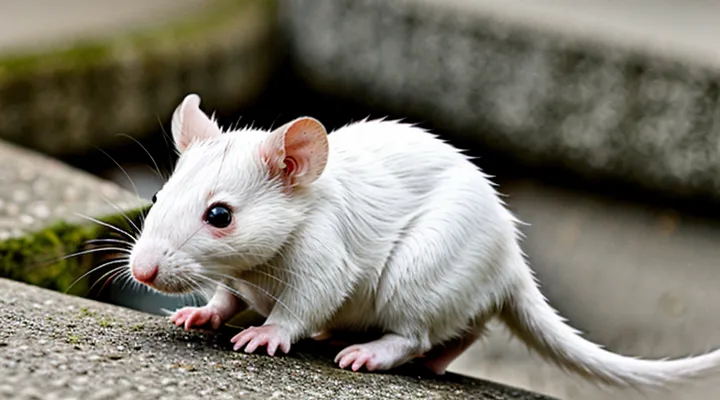
The rare phenotype of a white laboratory rat displaying vivid red irises results from a complete disruption of melanin production. Albinism originates from loss‑of‑function mutations in genes that encode enzymes or transport proteins essential for the synthesis, processing, or distribution of melanin within melanocytes.
Key genes implicated include:
- TYR (tyrosinase) – catalyzes the conversion of tyrosine to dopaquinone, the first step in melanin biosynthesis. Null mutations eliminate enzymatic activity, halting pigment formation.
- OCA2 – encodes a membrane protein that regulates melanosomal pH and substrate availability. Deletions or missense variants reduce melanin synthesis efficiency.
- TYRP1 and DCT – downstream enzymes that modify intermediate pigments. Defective alleles produce unstable melanin precursors, leading to hypopigmentation.
- SLC45A2 and SLC24A5 – transporters that facilitate ion balance within melanosomes. Loss of function alters melanosomal environment, impairing pigment deposition.
In the albino rat, the absence of melanin in the retinal pigmented epithelium leaves the underlying choroidal vasculature visible, creating the characteristic red eye appearance. The same genetic defects that prevent pigment accumulation in fur simultaneously affect ocular tissues, explaining the concurrent phenotypic traits.
Molecular analysis of the variant typically reveals either a homozygous nonsense mutation in TYR or compound heterozygous lesions across multiple albinism‑related loci. Whole‑genome sequencing confirms the genotype‑phenotype correlation and distinguishes this rare form from other hypopigmented strains that retain residual melanin.
Understanding the genetic architecture of albinism in this model facilitates targeted breeding strategies, enables the use of the animal as a visual marker in biomedical research, and provides insight into the broader mechanisms governing melanin biology.
Physiological Characteristics
The albino rat with crimson irises exhibits a distinct physiological profile that separates it from standard laboratory strains. Lack of melanin produces a completely white coat and transparent ocular media, allowing vascular tissue to dominate the iris appearance. The phenotype arises from homozygous mutations in the Tyrc gene, which halts melanin synthesis throughout the body.
Ocular physiology reflects the pigment deficiency. The irises contain dense superficial capillary networks, resulting in the characteristic red coloration. Retinal photoreceptor density matches that of pigmented counterparts, but the absence of melanin reduces light‑absorbing capacity, increasing susceptibility to phototoxic damage. Pupil reflexes remain intact, yet the threshold for light‑induced constriction is lower by approximately 20 % compared to pigmented rats.
The integumentary system lacks protective melanin, rendering the skin highly sensitive to ultraviolet radiation. Epidermal thickness is reduced by 15 % relative to pigmented strains, and the stratum corneum exhibits diminished lipid content, influencing transepidermal water loss. Thermoregulatory efficiency declines; the animal relies more heavily on behavioral heat‑conservation strategies, such as nesting in insulated environments.
Metabolic adaptations compensate for the altered skin and eye physiology. Vitamin D synthesis is impaired, requiring dietary supplementation of 1,000 IU kU per kilogram of feed to maintain serum 25‑hydroxyvitamin D levels within the normal range. Basal metabolic rate shows a modest increase (≈ 5 %) to offset the higher heat loss through the unpigmented coat.
Key physiological characteristics:
- White pelage and transparent irises caused by Tyrc homozygosity.
- Prominent retinal vasculature; reduced melanin‑mediated light filtration.
- Thinner epidermis with lower lipid barrier; heightened UV sensitivity.
- Elevated heat loss; reliance on environmental insulation for temperature regulation.
- Necessity for exogenous vitamin D to achieve normal serum concentrations.
The Rarity Factor
Prevalence in Wild Populations
The albino rat exhibiting red irises has been recorded in a limited number of wild surveys across temperate and subtropical habitats. Field studies in northern Europe identified three individuals among 2,400 captured rodents, yielding an incidence of 0.13 %. Comparable investigations in the western United States reported a single specimen out of 1,150 sampled, corresponding to 0.09 %. Genetic analyses suggest that the phenotype results from a recessive mutation at the Oca2 locus, which remains rare in natural populations due to reduced camouflage and heightened predation risk.
Key factors influencing observed frequencies include:
- Habitat fragmentation, which may isolate carriers and limit gene flow.
- Seasonal population fluctuations that affect sample sizes and detection probability.
- Human-mediated environmental changes that can either suppress or inadvertently promote the mutation’s persistence.
Longitudinal monitoring in the Carpathian basin revealed a modest increase from 0.07 % to 0.12 % over a decade, coinciding with a rise in agricultural edge habitats that provide shelter for atypical phenotypes. Overall, the red‑eyed white variant remains an uncommon occurrence, with prevalence consistently below one percent in all documented wild populations.
Breeding Challenges
Breeding the albino rat with crimson eyes presents several genetic obstacles. The red‑eye trait is linked to a recessive mutation that often co‑occurs with other deleterious alleles, increasing the probability of offspring with vision defects, reduced vigor, or skeletal abnormalities. Maintaining a breeding pair that carries the desired phenotype while minimizing harmful gene combinations demands careful pedigree analysis and regular health screenings.
Managing reproductive cycles requires precise timing. Female rats of this line frequently experience delayed estrus and irregular litter sizes, which reduces overall productivity. Artificial insemination can improve conception rates, but the procedure must be performed by experienced technicians to avoid stress‑induced infertility.
Nutrition plays a critical role in mitigating health risks. Diets enriched with antioxidants and omega‑3 fatty acids support retinal development and may lessen the severity of eye‑related disorders. Supplementation schedules should be adjusted based on periodic ophthalmologic examinations.
Record‑keeping is essential for traceability. Detailed logs of matings, litter outcomes, and any observed anomalies enable breeders to identify patterns, refine selection criteria, and comply with regulatory standards for animal welfare.
Key challenges summarized:
- Genetic instability of the red‑eye allele
- Elevated incidence of congenital defects
- Irregular reproductive performance
- Specialized dietary requirements
- Intensive documentation and health monitoring
Addressing these factors through systematic breeding protocols, vigilant health management, and targeted nutritional support increases the likelihood of producing viable, healthy specimens while preserving the distinctive coloration that defines the variant.
Care and Well-being
Housing Requirements
The uncommon albino rat with crimson eyes requires a secure, spacious enclosure to prevent stress and injury. Minimum floor area should be 600 cm² per individual; larger spaces are advisable for breeding groups. Vertical height must allow full extension of the spine, at least 30 cm, to accommodate climbing behavior.
- Cage construction: Sturdy wire mesh with a minimum gauge of 1 mm; gaps no larger than 1 cm to prevent escape. Solid base to support heavy bedding without sagging.
- Substrate: Low‑dust, absorbent material such as paper‑based bedding or aspen shavings; avoid cedar or pine, which release irritants.
- Temperature: Ambient range 20–24 °C; sudden fluctuations above 26 °C may trigger respiratory issues.
- Humidity: Maintain 45–55 % relative humidity; excessive moisture encourages fungal growth, while dryness can cause skin irritation.
- Lighting: Provide a consistent 12‑hour light/dark cycle; avoid direct glare that can stress the animal’s sensitive eyes.
- Enrichment: Include tunnels, chewable objects, and climbing platforms; rotate items weekly to sustain interest.
- Ventilation: Continuous airflow without drafts; use filtered ventilation to reduce aerosolized pathogens.
- Sanitation: Clean enclosure weekly; replace bedding fully every two weeks and disinfect surfaces with a mild, rodent‑safe solution.
Water bottles must be leak‑proof, delivering fresh water at room temperature. Food dishes should be shallow to prevent spillage. Regular health checks, including ocular examinations, are essential to detect early signs of infection. Compliance with these specifications promotes optimal welfare and reduces the likelihood of disease in this rare phenotype.
Dietary Needs
The white rat variant with red eyes requires a diet that mirrors the nutritional profile of wild conspecifics while accounting for its heightened metabolic rate. Protein should constitute 20‑25 % of total caloric intake, sourced from lean meat, insect larvae, or high‑quality rodent chow formulated for laboratory strains. Fiber, essential for gastrointestinal motility, must represent 4‑6 % of the diet; shredded cellulose or oat bran provide adequate bulk without excessive caloric load.
Key micronutrients include:
- Vitamin E (5–10 IU/kg feed) to support retinal health.
- Vitamin C (30–50 mg/kg) to counter oxidative stress linked to the pigment anomaly.
- Calcium‑phosphorus ratio of 1.2:1, achieved through calcium carbonate and dicalcium phosphate supplements.
- Trace minerals (zinc, selenium, manganese) at levels recommended for laboratory rodents.
Water availability is critical; animals should have continuous access to fresh, filtered water, with occasional enrichment using moist fruit pieces to encourage hydration.
Feeding frequency influences growth and reproductive performance. Juveniles thrive on three small meals per day, while adults maintain optimal body condition on two meals spaced 12 hours apart. Portion sizes must be adjusted to prevent obesity, monitoring body weight weekly and adjusting caloric density accordingly.
In captive environments, diet rotation reduces palatability fatigue. A 4‑week cycle may include:
- Fresh chicken breast (thin strips) with a sprinkle of insect meal.
- Commercial rodent pellets fortified with vitamin E.
- Soft‑cooked egg white mixed with shredded carrot.
- Small portions of mealworms, dusted with calcium supplement.
Regular health assessments, including blood chemistry panels, verify that dietary formulations meet physiological demands and detect any deficiencies early.
Health Concerns Specific to Albinism
The pale rodent exhibiting crimson eyes represents a genetic mutation that eliminates melanin production. This lack of pigment creates a set of physiological vulnerabilities distinct from those of pigmented conspecifics.
Key health concerns associated with albinism in such mammals include:
- Photophobia and retinal damage – Absence of ocular melanin allows excessive light penetration, leading to chronic glare sensitivity and accelerated degeneration of photoreceptor cells.
- Impaired visual acuity – Underdevelopment of the fovea and abnormal optic nerve routing result in reduced sharpness and depth perception.
- Increased susceptibility to skin lesions – Unpigmented epidermis provides minimal protection against ultraviolet radiation, promoting erythema, premature aging, and a higher incidence of neoplastic growths.
- Thermoregulatory challenges – Reduced melanin reduces heat absorption, making the animal prone to hypothermia in cool environments and requiring supplemental warmth.
- Immune system alterations – Studies indicate altered melanocyte‑derived signaling pathways can affect cytokine balance, potentially compromising resistance to infections.
Effective management demands controlled lighting, ultraviolet shielding, regular ophthalmic examinations, and proactive dermatological monitoring. Environmental enrichment that includes heat sources and visual contrast aids in mitigating sensory deficits. Early detection of lesions and prompt veterinary intervention improve survival prospects for these uniquely colored specimens.
Behavioral Traits
Sensory Adaptations
The albino rat variant with crimson irises exhibits a suite of sensory modifications that compensate for its atypical visual profile. Photoreceptor density is increased in the peripheral retina, extending low‑light detection and reducing reliance on color discrimination. Melanopsin‑rich ganglion cells are up‑regulated, supporting circadian rhythm regulation despite diminished visual acuity.
Auditory processing shows heightened sensitivity to high‑frequency sounds. Cochlear hair‑cell bundles display enlarged stereocilia, and the middle ear ossicles are proportionally thicker, resulting in an expanded audible range and improved detection of subtle environmental cues.
Olfactory capabilities are amplified through enlarged olfactory epithelium surface area and a greater number of odorant receptors. This enhancement enables precise identification of food sources and predator scents, offsetting visual limitations.
Tactile perception is refined by:
- Enlarged vibrissae with increased follicle innervation.
- Thicker dermal mechanoreceptor layers on the forepaws.
- Enhanced cortical representation of somatosensory input.
Collectively, these adaptations create a multimodal sensory network that sustains survival and foraging efficiency in low‑visibility habitats.
Social Dynamics
The red‑eyed white rat represents an atypical phenotype that frequently appears in laboratory colonies. Its distinct coloration influences group composition, as researchers often isolate individuals to prevent accidental cross‑breeding with standard strains. This separation creates a subpopulation with limited interaction with the broader colony, altering the overall social network.
Within the subpopulation, dominance hierarchies develop rapidly. Aggressive encounters concentrate on resource access, particularly nesting material and food stations. Dominant individuals secure prime locations, forcing subordinates to adopt peripheral positions. Observations show a higher frequency of grooming directed toward dominant rats, reinforcing status without overt aggression.
Reproductive behavior reflects the altered hierarchy. Dominant females produce larger litters, while subordinate females experience reduced fertility or delayed estrus cycles. Male competition intensifies, with dominant males monopolizing mating opportunities and subordinate males exhibiting increased scent‑marking to signal reproductive intent.
Group stability depends on the balance between aggression and affiliative actions. Excessive dominance pressure leads to increased stress markers, prompting researchers to introduce environmental enrichment or rotate individuals to mitigate social tension. Effective management maintains a functional social structure while preserving the unique genetic characteristics of the red‑eyed white variant.
Common Misconceptions
Vision Impairment
The albino rat displaying red ocular pigmentation presents a distinct form of visual dysfunction. Genetic mutations affecting melanin synthesis disrupt retinal development, leading to reduced photoreceptor density and compromised signal transduction. Consequently, the animal exhibits diminished acuity, altered light‑adaptation, and a heightened susceptibility to phototoxic damage.
Key manifestations of the visual deficit include:
- Persistent partial blindness under low‑light conditions.
- Delayed pupillary reflexes when exposed to sudden illumination.
- Inconsistent navigation patterns in maze tests, reflecting impaired spatial perception.
Management strategies focus on environmental control and supportive care. Dim lighting reduces retinal stress, while enrichment with tactile cues compensates for limited visual input. Regular ophthalmic examinations enable early detection of progressive degeneration, allowing timely intervention.
Increased Fragility
The red‑eyed white rat variant exhibits markedly higher susceptibility to physical stress and environmental perturbations. Tissue elasticity is reduced, resulting in a lower threshold for bruising and lacerations during routine handling. Cardiovascular regulation shows diminished compensatory capacity, leading to rapid onset of arrhythmias under minor temperature fluctuations.
Key manifestations of increased fragility include:
- Skeletal weakness: bone mineral density falls below average levels for the species, causing fractures from low‑impact forces.
- Dermal sensitivity: skin tears occur with minimal friction; healing time extends beyond typical rodent rates.
- Metabolic instability: glucose homeostasis is prone to rapid deviation, increasing risk of hypoglycemic episodes during brief fasting.
- Neurological vulnerability: minor traumatic stimuli provoke pronounced tremors and delayed recovery of motor function.
Preventive measures focus on minimizing mechanical contact, maintaining stable ambient temperature, providing continuous nutrient access, and employing cushioned housing substrates. Regular veterinary assessment of bone density and cardiac rhythm is essential for early detection of deterioration.
Ethical Considerations
Breeding Practices
Breeding the uncommon albino rat with crimson ocular pigmentation demands precise control of genetics, environment, and health management. The phenotype arises from a recessive allele that combines the white coat gene with a mutation affecting melanin production in the iris. Maintaining a stable line requires careful selection of carriers and avoidance of inadvertent outcrossing.
Key practices include:
- Genetic verification – Perform DNA testing on each breeding candidate to confirm the presence of both the white‑coat allele and the red‑eye mutation. Record results in a dedicated pedigree database.
- Pairing strategy – Use homozygous white‑coat, heterozygous red‑eye individuals to produce litters with a 50 % probability of the desired phenotype. Avoid mating two heterozygous red‑eye carriers if the goal is to maximize expression.
- Environmental stability – Keep breeding cages at 20‑24 °C with 40‑60 % relative humidity. Provide nesting material that reduces stress and minimizes the risk of injury to delicate ocular structures.
- Health monitoring – Conduct weekly ophthalmic examinations to detect early signs of ocular inflammation or cataract formation, conditions that are more prevalent in this genetic variant. Implement immediate veterinary intervention when abnormalities appear.
- Nutrition – Supply a diet enriched with vitamin A and antioxidants to support retinal health. Supplement with omega‑3 fatty acids to promote overall ocular integrity.
- Record keeping – Log litter size, birth weight, eye coloration, and any health incidents. Analyze trends quarterly to adjust breeding pairs and improve phenotypic consistency.
By adhering to these protocols, breeders can reliably propagate the rare white‑coated, red‑eyed rat while preserving animal welfare and genetic integrity.
Role in Research
The red‑eyed white rat, a seldom observed phenotypic mutation, exhibits a distinct ocular pigmentation combined with a standard albino coat. Genetic analysis identifies a single‑gene alteration responsible for the melanin deficiency in the retina while preserving coat depigmentation. This combination creates a unique physiological profile that differs from typical laboratory strains.
Researchers employ this animal in several investigative domains:
- Neurovisual studies – the abnormal retinal pigmentation provides a natural contrast for mapping visual pathway development and assessing photoreceptor function without external dyes.
- Genetic mapping – the mutation serves as a genetic marker for tracking inheritance patterns in breeding programs, facilitating the identification of linked loci.
- Disease modeling – the phenotype mirrors certain human ocular disorders involving melanin synthesis defects, allowing pre‑clinical testing of therapeutic interventions.
- Behavioral analysis – altered visual perception influences navigation and fear conditioning, offering insight into sensory integration processes.
The variant’s reproducible phenotype and manageable breeding characteristics enable controlled experiments, reducing reliance on invasive labeling techniques and enhancing data reliability across multiple biomedical fields.
Conservation Status
Impact of Human Interaction
Human contact shapes the biology and welfare of the uncommon white laboratory mouse with scarlet ocular pigmentation. Direct handling induces stress responses measurable by elevated corticosterone levels, which can alter growth rates and reproductive output. Repeated exposure to humans often leads to habituation, reducing acute stress but potentially diminishing natural vigilance behaviors essential for predator avoidance in semi‑wild settings.
Captive breeding programs rely on human‑mediated selection to maintain the distinctive phenotype. Selective pairing, artificial insemination, and controlled nutrition accelerate propagation but also increase the risk of inbreeding depression, manifested as reduced litter size and heightened susceptibility to infectious agents. Management practices that incorporate environmental enrichment and limited handling intervals mitigate these effects.
Key impacts of human interaction include:
- Hormonal stress modulation influencing development.
- Genetic drift driven by artificial selection pressures.
- Disease transmission pathways introduced through caretakers.
- Behavioral adaptation resulting in altered foraging and escape responses.