
Understanding Dream Symbolism
The Nature of Dream Interpretation
Subjectivity in Dream Meanings
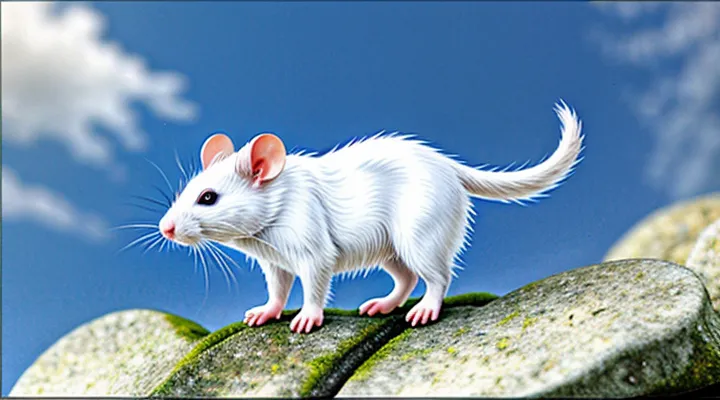
Dream symbols acquire meaning through the lens of the dreamer’s personal history, cultural background, and emotional state. A white rat appearing in sleep imagery illustrates this principle: its interpretation varies widely depending on the individual’s associations with the animal, the color white, and the circumstances of the dream.
Personal experience shapes the signifier. Someone who raised laboratory rats may view the creature as a reminder of responsibility or scientific curiosity, whereas a person who fears rodents may interpret it as a warning of hidden threats. The same white coloration can evoke purity, sterility, or emptiness, each producing a distinct emotional response.
Cultural narratives contribute additional layers. In societies where rats symbolize survival or cunning, the white variant might be linked to moral clarity or a rare occurrence, prompting a sense of uniqueness. Conversely, traditions that associate white animals with death or the supernatural may lead the dreamer to perceive the image as an omen.
Psychological frameworks provide systematic approaches to these subjective readings. Jungian analysis treats the white rat as an archetypal image that could represent the shadow self, the anima, or a suppressed instinct, while cognitive‑behavioral perspectives focus on the rat’s role in recent waking concerns, such as health anxieties or feelings of contamination.
Key factors influencing the personal meaning of the white rat in a dream include:
- Recent interactions with rodents or related environments
- Emotional reactions to the color white (e.g., comfort, dread)
- Cultural myths or folklore featuring rats or white animals
- Current life stressors that may project onto the symbol
- Individual psychological theories the dreamer finds credible
Understanding these variables clarifies why identical dream content can generate divergent interpretations. The subjective nature of dream analysis demands attention to each factor rather than reliance on a single, universal definition.
Cultural Influences on Symbols
Dreams featuring a white rat generate diverse interpretations rooted in cultural tradition. In East Asian folklore, the animal’s pale coat links it to purity and the arrival of good fortune; the creature is often seen as a messenger of auspicious change. European medieval bestiaries associate the rat with cunning and disease, but the color white tempers the negative connotation, suggesting a transformation from corruption to innocence. Indigenous narratives from North America sometimes portray the white rat as a trickster figure that guides the dreamer toward hidden knowledge, emphasizing the animal’s role as a cultural bridge between the physical and spiritual realms.
Key cultural factors shaping the symbol include:
- Color symbolism – societies assign moral weight to white, turning a typically negative animal into a positive omen.
- Mythic archetypes – local legends embed the rat within stories of survival, adaptation, and rebirth.
- Social values – communities that prize hygiene and order interpret the dream as a warning to maintain purity, while others view it as encouragement to embrace change.
Historical texts reveal that the same visual element can carry opposite meanings when transplanted across cultural borders. For instance, Chinese imperial poetry celebrates the white rat as an emblem of renewal after a plague, whereas Renaissance alchemy treats it as an alchemical symbol for the purification of base matter. These divergent readings demonstrate that the dream image does not possess a universal definition; its significance emerges from the cultural lens through which it is observed.
Consequently, any analysis of a white rat appearing in sleep must reference the dreamer’s cultural background, linguistic associations, and prevailing societal attitudes. Only by situating the symbol within its specific cultural matrix can one derive an interpretation that reflects the depth of its traditional resonance.
General Interpretations of Rats in Dreams
Common Associations with Rats
Negative Connotations
Dreams featuring a white rat often carry unsettling messages. The animal’s pale coloration emphasizes sterility and exposure, highlighting vulnerabilities that the subconscious mind seeks to flag.
Interpretations draw from health anxieties, social distrust, and personal accountability. Cultural lore associates rats with contamination, while the color white suggests a lack of concealment, intensifying the warning tone.
- Fear of illness or infection, especially those that are hard to detect.
- Anticipation of betrayal by someone perceived as harmless.
- Emerging guilt over actions hidden from conscious awareness.
- Perceived loss of control in a situation that appears orderly on the surface.
- Alert to deceptive appearances that mask harmful intentions.
Positive Aspects and Resilience
Dreaming of a white rat often signals personal growth and inner fortitude. The animal’s pale hue suggests clarity, while its presence in the subconscious reflects an ability to adapt to challenging circumstances. This imagery encourages the dreamer to recognize latent strengths that emerge during periods of change.
Positive connotations associated with the white rodent include:
- Emergence of confidence after overcoming obstacles.
- Development of resourcefulness, indicated by the creature’s reputation for survival in diverse environments.
- Recognition of purity in intentions, as the light coloration implies honesty and moral clarity.
Resilience manifests through the dream’s encouragement to confront fears directly. The white rat’s agility symbolizes the capacity to navigate complex emotional terrain without losing composure. By internalizing this symbol, individuals can reinforce their determination to persist despite setbacks.
Practically, the dream invites actionable steps: assess recent challenges, identify adaptive strategies employed, and reinforce them through deliberate practice. Embracing the white rat’s symbolism cultivates a mindset that transforms adversity into opportunities for advancement.
The Significance of the White Rat
Purity and Innocence
Unblemished Aspects
A white rat appearing in a dream often signifies purity, innocence, and untarnished potential. The animal’s immaculate coloration reinforces notions of moral clarity and unspoiled ambition, suggesting that the dreamer’s intentions remain unsullied despite surrounding complexities.
The unblemished qualities associated with this vision can be broken down as follows:
- Moral integrity – the dream reflects a steadfast adherence to ethical principles, free from deceit or corruption.
- Creative freshness – the image indicates a newly emerging idea or project that has not yet been compromised by external influences.
- Emotional clarity – the presence of a spotless rodent points to a state of mental calm, where feelings are expressed without hidden agendas.
- Spiritual renewal – the dream may herald a phase of cleansing, where the subconscious seeks to restore a sense of sacredness and untainted purpose.
Interpretation hinges on context. When the white rat interacts peacefully with the dreamer, it underscores the continuation of these pristine attributes. Conversely, if the creature appears threatened or distressed, it may warn that the purity of the situation is at risk, urging protective measures to preserve its uncorrupted essence.
New Beginnings
Seeing a white rat in a dream frequently signals the start of a fresh phase. The creature’s pale hue suggests purity and a clean slate, while its rodent nature implies adaptability and resourcefulness. Together, these attributes convey readiness to embrace change without the burden of past complications.
Key implications for new beginnings include:
- Clean break: The whiteness represents a departure from previous mistakes, encouraging a reset of habits and attitudes.
- Practical initiative: The rat’s survival instincts highlight the importance of pragmatic steps rather than lofty ideals.
- Hidden opportunities: Rodents thrive in concealed environments, suggesting that valuable prospects may emerge from overlooked areas.
Overall, the dream image urges proactive engagement with upcoming ventures, urging the dreamer to act with clarity, efficiency, and an openness to subtle possibilities.
Transformation and Change
Personal Evolution
Dreams featuring a white rat often signal a stage of inner development. The animal’s color suggests purity, while its nocturnal nature reflects hidden aspects of the psyche. When such an image surfaces, it typically marks a shift from stagnation toward self‑directed change.
The presence of this creature can indicate:
- Recognition of previously suppressed instincts.
- Acceptance of vulnerability as a catalyst for growth.
- Emerging confidence in navigating unfamiliar emotional terrain.
In practice, the dream invites the dreamer to examine habits that no longer serve their evolution. By confronting the symbolism, one can replace outdated patterns with behaviors aligned with emerging values. The white rat thus functions as a mirror, revealing the distance between current identity and the desired future self.
Hidden Potential
Dreams featuring a white rat often point to latent abilities that have not yet been expressed. The animal’s color suggests purity, while the rodent’s reputation for adaptability underscores a capacity to thrive in diverse circumstances. When the creature appears, the subconscious signals that the dreamer possesses untapped skills capable of advancing personal or professional goals.
Interpretation of this symbol draws on several psychological frameworks:
- Jungian analysis links the white rat to the “shadow” archetype, indicating hidden facets of the self that merit integration.
- Cognitive‑behavioral perspectives view the image as a reminder of problem‑solving potential, urging the individual to experiment with novel strategies.
- Cultural folklore associates white rodents with renewal, reinforcing the idea that dormant talents can be revived through conscious effort.
Practical steps derived from this symbolism include:
- Conduct a self‑audit to identify areas where competence feels underutilized.
- Set incremental challenges that require the application of overlooked skills.
- Seek feedback from trusted peers to confirm progress and refine capabilities.
By treating the white rat as a prompt rather than a mere curiosity, the dreamer can transform invisible strengths into measurable achievements.
Spiritual and Esoteric Meanings
Guidance and Intuition
A white rat appearing in a dream often signals an inner source of direction and heightened perception. The animal’s pale coloration suggests purity, while its nocturnal habits associate it with the unseen aspects of the mind. When the subconscious presents this image, it invites the dreamer to trust subtle cues and to follow an instinctual path rather than relying solely on rational analysis.
Interpretations commonly emphasize two complementary functions:
- Guidance: The dream acts as a reminder that solutions may arise from unexpected places. The rat’s ability to navigate tight spaces mirrors the need to explore hidden opportunities or overlooked details.
- Intuition: The creature’s acute senses symbolize an internal radar that detects emotional currents and forthcoming changes. Recognizing this signal encourages the individual to listen to gut feelings before making decisions.
Psychological frameworks link the white rat to the archetype of the “inner messenger.” In this role, it delivers concise, non‑verbal information that bypasses conscious skepticism. Engaging with the symbol can involve journaling the emotions felt during the dream, noting any immediate insights, and applying those insights to current challenges.
Practical steps for leveraging the symbol include:
- Pause when the image arises; record the scene without analysis.
- Identify any recent situations where intuition was ignored.
- Test a small decision guided by the instinctual impression, observing the outcome.
By treating the white rodent as a signpost, the dreamer cultivates a disciplined reliance on inner guidance and refines the capacity to act on intuitive knowledge.
Messages from the Subconscious
Dreams that feature a white rat often serve as a conduit for subconscious communication. The animal’s color, behavior, and context within the night vision each encode distinct psychological signals.
When the dreamer encounters a white rat, the subconscious may be highlighting issues of purity versus contamination, urging attention to hidden aspects of daily life that appear harmless but carry latent risk. The creature’s small size suggests that the matter is manageable, yet its presence signals a need for vigilance.
Typical messages conveyed by this motif include:
- Repressed anxieties about health or hygiene.
- Unacknowledged guilt linked to minor transgressions.
- A warning to scrutinize relationships that seem innocent but may be exploitative.
- An invitation to explore creative potential that remains dormant.
From a psychoanalytic perspective, the white rat functions as a symbol of the ego’s confrontation with the shadow self. Its appearance can indicate that the dreamer is processing unresolved conflicts, especially those tied to personal boundaries and self‑esteem. The animal’s whiteness reinforces the duality of innocence and threat, reflecting the mind’s effort to integrate contradictory impulses.
Practical steps for interpreting this vision involve:
- Recording the dream immediately upon waking.
- Identifying emotional tone during the encounter—fear, curiosity, calm.
- Relating the rat’s actions to current life circumstances.
- Consulting personal associations with rats and the color white.
By examining these elements, the dreamer can translate the nocturnal image into actionable insight, aligning conscious decisions with the deeper currents revealed by the mind’s nocturnal theater.
Contextual Factors Influencing the Dream
The Rat's Actions and Behavior
Playful or Threatening White Rat
A white rat appearing in a dream signals a dual symbolic charge that hinges on the animal’s demeanor. When the creature behaves playfully—scampering, chasing, or interacting with the dreamer—it conveys themes of curiosity, adaptability, and the emergence of hidden talents. The light coloration reinforces notions of purity, new beginnings, or the unveiling of previously concealed aspects of the self. In this context, the rat functions as a guide urging exploration of unconventional solutions and the acceptance of modest, yet valuable, resources.
Conversely, a threatening white rat—hissing, biting, or pursuing the dreamer—projects anxiety, deceit, or contamination of ideals. The stark hue then accentuates a paradox: an ostensibly clean image cloaking danger. This scenario warns of superficial appearances masking harmful intentions, and it may reflect internal conflicts where suppressed impulses surface with hostile intent.
Key interpretive points:
-
Playful behavior
• Indicates readiness to experiment
• Suggests integration of overlooked skills
• Aligns with renewal or cleansing motifs -
Threatening behavior
• Signals distrust of seemingly innocent influences
• Highlights fear of contamination or betrayal
• Calls attention to unresolved aggression within the psyche
The distinction between these two presentations determines whether the dream encourages constructive adaptation or alerts the dreamer to potential deception. Accurate assessment requires attention to the rat’s actions, emotional tone, and the dreamer’s immediate response.
Interacting with the White Rat
Dreams that feature a white rat often signal a convergence of purity and hidden insight. The animal’s color suggests clarity, while its nature points to adaptability and subtle intelligence. When the dreamer engages directly with the creature, the interaction refines the symbolic message.
- Approaching the rat calmly indicates readiness to confront concealed knowledge; the dream encourages analytical focus on unresolved problems.
- Feeding the rat represents an offer of resources or emotional support to a vulnerable aspect of the self; the act suggests that nurturing neglected traits will yield growth.
- Chasing the rat reflects avoidance of uncomfortable truths; the pursuit may reveal underlying anxiety that requires acknowledgment.
- Observing the rat without interference denotes detached awareness; the dream advises maintaining objective perspective while monitoring subtle changes in personal circumstances.
To apply these insights, record the specific behavior toward the rat immediately upon waking. Identify which action aligns with current life challenges and consider concrete steps—such as allocating time for reflection, offering self‑care, or confronting suppressed concerns—that mirror the dream’s guidance. This systematic approach transforms the white rat motif into a practical tool for personal development.
Your Feelings During the Dream
Fear or Anxiety
Dreams featuring a white rat frequently signal underlying fear or anxiety. The animal’s pale coloration emphasizes vulnerability, while its presence in a nocturnal setting highlights subconscious concerns that are not fully acknowledged during waking hours.
The symbolism operates on several levels:
- Immediate emotional response – Encountering the rat often triggers a sudden surge of dread, reflecting a specific stressor that the dreamer is attempting to avoid.
- Association with hidden threats – Rats are known for inhabiting concealed spaces; a white variant suggests that the perceived danger is subtle, perhaps linked to personal doubts or social pressures.
- Contrast between purity and disgust – The color white implies innocence or cleanliness, yet the creature itself evokes revulsion, mirroring the conflict between the desire for order and the intrusion of unsettling thoughts.
In psychological interpretation, the white rat serves as a metaphor for repressed apprehensions. When the dreamer acknowledges the animal’s presence, the anxiety often diminishes, indicating that conscious recognition can mitigate the emotional charge. Conversely, recurring appearances of the rat may signal persistent or escalating stress, warranting further introspection or professional guidance.
Calmness or Curiosity
The appearance of a white rat during sleep often signals an inner state that oscillates between composure and inquisitiveness. When the dreamer feels calm, the animal’s pristine hue reflects a sense of purity and emotional equilibrium, suggesting that the subconscious endorses a period of stability. In contrast, curiosity emerges when the dreamer’s attention is drawn to the rat’s behavior—its scurrying, sniffing, or interaction with the environment—indicating a drive to explore hidden aspects of the psyche.
Key interpretations:
- Serenity – The white coloration aligns with tranquility, implying that the dreamer is processing experiences without agitation.
- Inquiry – The rat’s natural inquisitiveness mirrors a mental urge to investigate suppressed memories or unresolved questions.
- Duality – Simultaneous feelings of calm and curiosity suggest a balanced approach to confronting unfamiliar material, where peace facilitates deeper examination.
Understanding this dual symbolism helps the individual recognize whether the dream encourages maintenance of inner peace or prompts active exploration of concealed thoughts. The distinction guides subsequent reflection, allowing the sleeper to either reinforce a state of composure or pursue targeted self‑inquiry.
Location of the White Rat
In Your Home
Dreaming of a white rat that appears inside your residence points to personal boundaries, hidden anxieties, and potential renewal. The animal’s color suggests purity or innocence, while its presence in a familiar setting highlights issues that may be concealed within the domestic sphere.
Interpretations commonly associated with this vision include:
- Unresolved tension: A white rat in the household signals suppressed conflicts that surface when personal space feels threatened.
- Transformation: The creature’s whiteness can represent a cleansing process, indicating that a difficult situation is about to change for the better.
- Hidden resources: The dream may reveal unnoticed talents or opportunities residing in the home environment, urging you to explore them.
- Health warning: In some traditions, rats are linked to hygiene; the image could be a reminder to address cleanliness or health concerns at home.
Practical responses derived from the symbolism involve inspecting the living area for signs of neglect, confronting interpersonal issues that arise within family or roommates, and embracing any emerging chances for personal growth that the domestic setting offers. By acting on these insights, the dream’s message can be turned into tangible improvement in everyday life.
In a Natural Setting
A white rat appearing in a dream set among trees, streams, or open fields creates a vivid contrast between the animal’s laboratory reputation and the organic backdrop. The juxtaposition invites interpretation that links the creature’s characteristics with natural elements.
- Purity and renewal: the animal’s white coat suggests cleansing, while the surrounding flora emphasizes growth.
- Adaptability: rats thrive in diverse habitats; the natural setting highlights the dreamer’s capacity to adjust to changing circumstances.
- Hidden insight: rats explore hidden spaces; a forest or meadow context signals undiscovered aspects of the subconscious.
- Survival instincts: the presence of a small, agile creature in a wild environment underscores an innate drive to persevere.
Traditional symbolism associates rats with resourcefulness and cunning. When the environment is untamed, these traits merge with themes of ecological harmony, indicating that the dreamer may be reconciling intellectual pursuits with instinctual wisdom.
For practical analysis, consider the following steps: identify the specific natural elements present; note the rat’s behavior—still, fleeing, or interacting; relate those observations to personal circumstances involving renewal, flexibility, or concealed knowledge. The combination of a white rat and an outdoor scene signals a message that blends purity, adaptability, and the revelation of hidden strengths.
Connecting the Dream to Waking Life
Self-Reflection and Introspection
Current Life Situations
Dreams featuring a white rat often signal unresolved concerns about cleanliness, control, or hidden threats. In everyday experience, this image can surface when a person feels their environment is becoming disorderly, when personal boundaries are being tested, or when a seemingly harmless situation hides potential risk.
Typical circumstances that trigger the white‑rat motif include:
- A workplace where minor errors accumulate, suggesting a need for stricter oversight.
- A living space cluttered with items that no longer serve a purpose, indicating a subconscious urge to declutter.
- Relationships where one party appears trustworthy but displays occasional deceptive behavior, reflecting doubt about genuine intentions.
- Health routines that have become lax, prompting the mind to warn against neglect.
The symbol also mirrors feelings of vulnerability. When individuals notice a white rat in their sleep, they frequently report heightened awareness of small, persistent problems that could evolve into larger obstacles if ignored. Recognizing the dream as a reminder to address these issues promptly can prevent escalation.
Practical response involves systematic evaluation of the areas mentioned above. Identify specific elements that feel out of control, create a concise action plan, and implement corrective steps. Regular monitoring of progress reinforces the sense of mastery that the dream image implicitly demands.
Emotional State
Dreaming of a white rat elicits distinct emotional patterns that mirror underlying psychological currents. The animal’s pale coloration and nocturnal setting often intensify the affective impact, prompting immediate reactions that can be traced to personal experiences and inner conflicts.
Typical feelings include:
- Heightened anxiety about hidden threats or contamination.
- Curiosity about undiscovered aspects of the self.
- Revulsion linked to perceived impurity or disease.
- Hopefulness when the rat appears harmless or helpful.
- Ambivalence when the creature oscillates between friendly and hostile behavior.
Anxiety suggests subconscious vigilance toward betrayal or loss of control. Curiosity signals a drive to explore suppressed knowledge or skills. Revulsion may represent resistance to change or fear of moral decay. Hope emerges when the rat functions as a guide, indicating readiness to accept unconventional solutions. Ambivalence reflects unresolved tension between attraction to novelty and discomfort with the unfamiliar.
Identifying these emotional cues enables precise self‑assessment. By cataloguing the specific feeling experienced during the vision, an individual can align the dream’s symbolic content with current life circumstances, thus transforming a fleeting impression into actionable insight.
Addressing Underlying Issues
Opportunities for Growth
Dream images of a white rat often signal untapped potential and the prospect of personal advancement. The creature’s pale coloration suggests purity, while its association with hidden spaces points to concealed talents awaiting discovery. Interpreting this symbol encourages a focus on areas where growth can be cultivated.
The appearance of the animal in sleep narratives typically aligns with the following developmental pathways:
- Skill acquisition – the mind highlights abilities that have not yet been practiced; engaging in new learning activities converts latent capacity into measurable competence.
- Emotional resilience – the rat’s adaptability underscores the need to strengthen coping mechanisms; deliberate exposure to manageable stressors builds tolerance.
- Social integration – the creature’s tendency to form colonies reflects the value of collaborative environments; seeking mentorship or group projects expands relational networks.
- Creative expression – the animal’s quick movements imply a surge of imaginative energy; dedicating time to artistic or innovative pursuits channels this momentum.
Recognizing the white rat as a catalyst for expansion prompts actionable steps: identify dormant skills, design incremental challenges, and align daily routines with the outlined growth vectors. The resulting trajectory moves the individual from passive observation to active development.
Unresolved Conflicts
A white rat appearing in a dream often signals tension that has not been settled. The animal’s color suggests purity or innocence, while its presence in the subconscious highlights an issue that remains hidden or denied. When the dreamer fails to address the underlying dispute, the rat becomes a recurring image, prompting awareness of the stagnant emotional charge.
Unresolved conflicts manifest through the white rat in several distinct ways:
- The rat is observed in a familiar setting, indicating that the dispute is tied to everyday life.
- The creature is silent or mute, reflecting the dreamer’s reluctance to voice concerns.
- The rat scurries away when approached, symbolizing avoidance of direct confrontation.
Psychological interpretation links this symbol to the need for resolution. The rat’s behavior mirrors the subconscious avoidance pattern: the mind preserves the conflict by disguising it as a harmless, even pure, creature. Recognizing the image as a warning encourages the dreamer to identify the specific disagreement, examine its origins, and initiate dialogue or personal reflection.
Addressing the conflict directly reduces the frequency of the white rat motif. Practical steps include:
- Naming the dispute clearly in journal entries.
- Discussing the issue with involved parties or a therapist.
- Implementing concrete actions that alter the dynamic that generated the tension.
When these measures are applied, the dream’s symbolic content often shifts, revealing new imagery that reflects progress rather than stagnation. The transformation confirms that the original white rat served as a marker of unresolved emotional work.