
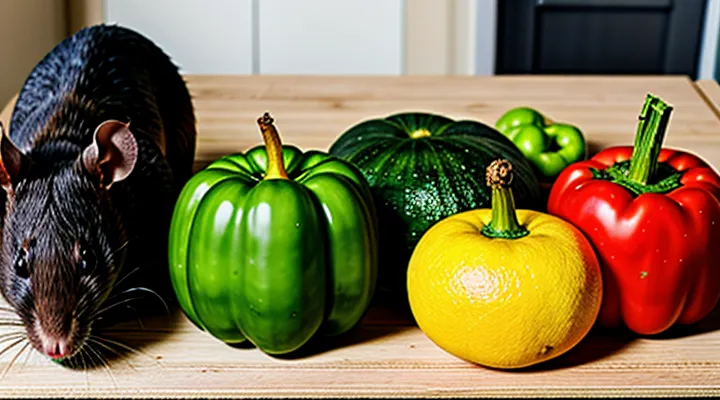
Understanding Rat Dietary Needs
Essential Nutritional Components
Rats require a balanced diet that includes specific nutrients found in fresh produce. The most critical components are:
- Vitamin C – essential for collagen synthesis and immune function; carrots, bell peppers, and strawberries supply adequate amounts.
- Vitamin A (beta‑carotene) – supports vision and skin health; sweet potatoes, pumpkin, and kale are rich sources.
- Vitamin K – involved in blood clotting; leafy greens such as spinach and collard greens provide it.
- B‑complex vitamins – necessary for energy metabolism; broccoli, peas, and blueberries contribute B‑vitamins.
- Minerals – calcium for bone development, phosphorus for cellular processes, magnesium for nerve function, and potassium for fluid balance; calcium‑rich vegetables include bok choy and collard greens, while bananas and cantaloupe deliver potassium.
- Dietary fiber – promotes gastrointestinal motility and microbial health; apples (with skin), raspberries, and celery offer soluble and insoluble fiber.
- Water content – prevents dehydration; cucumbers, watermelon, and lettuce have high moisture levels.
- Carbohydrates – provide energy; corn, sweet potatoes, and grapes supply readily metabolizable sugars.
- Protein – supports tissue repair; peas, green beans, and edamame contribute modest protein amounts.
Incorporating a variety of these fruits and vegetables ensures that rats receive the full spectrum of essential nutrients while maintaining a palatable and safe diet.
General Feeding Guidelines
Rats thrive on a balanced diet that includes a variety of fresh produce. When adding vegetables and fruits to a rat’s menu, follow these core principles to maintain health and prevent digestive issues.
- Offer only clean, pesticide‑free items. Rinse thoroughly under running water; peel when the skin is thick or treated with chemicals.
- Introduce new foods gradually. Start with a small piece and observe for at least 24 hours before increasing the portion.
- Limit fruit servings to no more than 10 % of daily intake because of natural sugars. Typical serving size is a bite‑sized cube or slice.
- Provide vegetables in larger quantities, up to 20 % of the diet. Raw, crunchy varieties such as carrots, bell peppers, and broccoli florets are suitable; leafy greens should be wilted or lightly steamed to improve digestibility.
- Remove uneaten portions after two hours to avoid spoilage and mold growth.
- Store fresh produce in the refrigerator, sealed in a breathable container, and discard any that shows signs of decay.
- Keep a record of each rat’s preferences and any adverse reactions, adjusting the menu accordingly.
Consistent application of these guidelines ensures that the inclusion of appropriate fruits and vegetables supports optimal nutrition without compromising the animal’s well‑being.
Safe Vegetables for Rats
Leafy Greens
Acceptable Choices
Rats thrive on a diet that includes fresh produce, provided the items are safe, non‑toxic, and offered in moderation.
- Carrots, peeled or finely chopped, supply beta‑carotene and fiber.
- Bell peppers (any color) deliver vitamin C and antioxidants.
- Broccoli florets, steamed briefly, add calcium and vitamin K.
- Zucchini, raw or lightly cooked, contributes moisture and potassium.
- Spinach leaves, limited to small portions, offer iron and folate.
- Cucumber slices, washed thoroughly, provide hydration.
- Sweet potatoes, baked and unseasoned, supply complex carbohydrates.
- Apples, core removed, sliced thinly for vitamin A and fiber.
- Blueberries, rinsed, deliver antioxidants and vitamin C.
- Pears, skin removed, cut into bite‑size pieces for fiber and vitamin K.
- Strawberries, hulled, give vitamin C and folate.
- Mango, seedless and peeled, offers vitamin A and dietary fiber.
All listed items should be introduced gradually, monitored for adverse reactions, and served without added salt, sugar, or seasonings. Remove any seeds, pits, or stems that could pose choking hazards or contain toxins. Rotate varieties to ensure a balanced nutrient intake while maintaining overall health.
Cautionary Notes
Rats can enjoy a variety of fresh produce, but several risks require careful attention.
Raw vegetables and fruits must be washed thoroughly to remove pesticides, soil, and mold spores that can cause gastrointestinal upset or liver damage. Feeding unwashed items increases the likelihood of toxic exposure and introduces harmful bacteria into the cage environment.
Certain plant parts contain natural toxins that are dangerous even in small quantities. Seeds and pits from apples, cherries, peaches, and apricots often harbor cyanogenic compounds; ingestion can lead to respiratory failure. Nightshade family members such as raw potatoes, tomatoes, and eggplant contain solanine, a neurotoxin that may cause tremors and lethargy. Rhubarb leaves, avocado flesh, and citrus peels contain compounds that irritate the digestive tract and can produce cardiac issues.
Portion control is essential. Overfeeding fibrous produce disrupts normal gut flora, leading to diarrhea or impaction. A general guideline limits fresh vegetables and fruits to no more than 10 % of the total diet by weight, supplemented with a balanced pellet base. Introduce new items gradually, monitoring for changes in stool consistency, appetite, or behavior.
Oxalate‑rich foods—spinach, beet greens, and kale—can contribute to kidney stone formation when fed regularly. Limit these to occasional treats and balance with low‑oxalate options such as carrots, bell peppers, and blueberries.
Fermented or spoiled produce should never be offered. Fermentation produces alcohol and harmful bacteria; mold growth introduces mycotoxins that can suppress the immune system.
In summary, safe inclusion of fresh produce for rats depends on thorough cleaning, avoidance of toxic parts, strict portion limits, gradual introduction, and regular observation for adverse reactions.
Root Vegetables
Cooked Options
Rats can safely consume a variety of vegetables and fruits when they are cooked without added salt, sugar, fats, or seasonings. Cooking improves digestibility and reduces the risk of choking on fibrous material.
Safe cooked vegetables include:
- Carrots, boiled or steamed, cut into bite‑size pieces.
- Sweet potatoes, boiled or baked, skin removed, mashed or diced.
- Green beans, steamed until tender, chopped.
- Peas, boiled briefly, mashed or left whole.
- Pumpkin, steamed or baked, flesh pureed.
- Squash (butternut or acorn), baked or boiled, flesh cubed.
- Zucchini, lightly steamed, sliced.
Safe cooked fruits include:
- Apples, core removed, skin peeled if thick, boiled or microwaved.
- Bananas, warmed briefly, sliced.
- Pears, peeled, boiled until soft, diced.
- Berries (blueberries, strawberries), lightly warmed, halved.
- Peaches, skin removed, boiled or steamed, pitted.
Preparation guidelines:
- Use plain water; avoid broth, oil, butter, or seasoning.
- Cool food to room temperature before offering.
- Serve in small portions to monitor tolerance.
- Store leftovers in the refrigerator for no more than 24 hours.
Foods that must never be given to rats, even when cooked, include onions, garlic, chives, leeks, avocado flesh, citrus peels, and rhubarb leaves, as they contain compounds toxic to rodents.
Raw Options and Considerations
Raw produce can be a valuable supplement to a rodent’s diet when offered correctly. Fresh vegetables and fruits provide fiber, vitamins, and hydration, but they must be introduced gradually and monitored for adverse reactions.
Safe raw vegetables include:
- Carrot sticks, peeled and sliced
- Broccoli florets, trimmed of thick stems
- Bell pepper strips, any color
- Cucumber slices, seeded
- Zucchini rounds, unpeeled
- Kale or romaine lettuce leaves, washed thoroughly
- Spinach leaves, limited due to oxalates
- Celery stalks, cut into bite‑size pieces
Acceptable raw fruits comprise:
- Apple slices, core and seeds removed
- Blueberries, whole
- Raspberries, whole
- Pear wedges, core removed
- Banana slices, thin
- Strawberries, halved
- Kiwi flesh, peeled
- Melon cubes, without rind
Considerations when feeding raw items:
- Wash all produce under running water to eliminate pesticides and contaminants.
- Remove pits, seeds, stems, and skins that contain toxic compounds (e.g., apple seeds, cherry pits, tomato leaves).
- Offer only small portions; a few bites per day suffice for an adult rat.
- Observe for signs of diarrhea, weight loss, or changes in behavior; discontinue any item that triggers symptoms.
- Limit high‑sugar fruits to prevent obesity and dental issues; no more than 10 % of total intake.
- Avoid vegetables high in oxalic acid (e.g., raw spinach, beet greens) or calcium oxalate crystals (e.g., raw rhubarb) that can cause kidney stress.
- Store leftovers in the refrigerator for no more than 24 hours; discard spoiled food promptly.
Raw options enrich a rat’s nutrition when selected responsibly and presented with proper hygiene.
Other Safe Vegetables
Bell Peppers
Bell peppers are a suitable addition to a rat’s diet. They provide vitamin C, vitamin A, and antioxidants without excessive calories. The crunchy texture encourages chewing, which supports dental health.
When offering bell peppers, follow these guidelines:
- Serve only the flesh; remove stems and seeds.
- Wash thoroughly to eliminate pesticide residues.
- Cut into bite‑size pieces (approximately ½ cm cubes) to prevent choking.
- Introduce gradually, beginning with a single small piece per day.
- Limit to 2–3 times per week; excessive intake may cause digestive upset due to the fruit’s acidity.
Rats generally tolerate all colors—green, red, yellow, and orange—equally. Red peppers contain slightly higher beta‑carotene, enhancing vitamin A content. Monitor each animal for signs of intolerance, such as loose stools, and discontinue if symptoms appear.
Cucumbers and Zucchini
Cucumbers and zucchini are safe options for laboratory and pet rats when offered in moderation.
Both vegetables contain high water content, low calories, and provide vitamin C, potassium, and dietary fiber. Their soft texture makes them easy for rats to chew, reducing the risk of dental injury.
Nutritional profile (per 100 g)
- Cucumbers: 16 kcal, 3.6 g water, 0.7 g carbohydrate, 0.1 g protein, 0.1 g fiber, 2.8 mg vitamin C.
- Zucchini: 17 kcal, 94 g water, 3.1 g carbohydrate, 1.2 g protein, 1.0 g fiber, 17 mg vitamin C.
Preparation guidelines
- Wash thoroughly to remove pesticide residues.
- Remove seeds if they are large; otherwise, seeds are edible.
- Cut into bite‑size pieces (approximately 1 cm cubes) to prevent choking.
- Serve raw; cooking diminishes vitamin C and may alter texture.
Feeding frequency and quantity
- Offer no more than 10 % of the daily diet by weight.
- Typical serving: 1–2 g of each vegetable per 100 g of body weight, divided into two feedings.
- Monitor for changes in stool consistency; excessive moisture can cause loose feces.
Potential concerns
- High water content may dilute electrolytes if provided in large amounts.
- Over‑feeding can lead to mild gastrointestinal upset.
- Fresh produce should be discarded after 24 hours to prevent spoilage and mold growth.
Incorporating cucumbers and zucchini as occasional components of a balanced rat diet supports hydration, provides essential micronutrients, and adds variety without compromising health.
Safe Fruits for Rats
Berries
Strawberries
Strawberries are a safe fruit option for laboratory and pet rats when offered in moderation. The berries provide vitamin C, fiber, and antioxidants, contributing to a balanced diet without excessive calories. However, the natural sugar content requires careful portion control to prevent weight gain and dental issues.
- Offer no more than one to two small pieces (approximately ¼ inch) per rat per day.
- Wash thoroughly to remove pesticide residues; organic fruit is preferable.
- Remove stems and any bruised or mold‑affected sections before feeding.
- Introduce gradually, observing the animal for signs of digestive upset such as soft stools or reduced appetite.
- Limit frequency to three times per week to maintain nutritional balance with staple feeds.
Fresh strawberries should be stored in the refrigerator and consumed within 24 hours to preserve nutrient integrity. If spoilage is detected, discard the fruit entirely; rats are sensitive to mold and bacterial growth. Frozen strawberries may be thawed and used, but texture changes can affect palatability and should be introduced cautiously.
Overall, strawberries can enrich a rat’s diet when presented as an occasional treat, adhering to the outlined portion sizes and hygiene standards.
Blueberries and Raspberries
Blueberries and raspberries are safe fruit options for pet rats when offered in moderation. Both berries provide antioxidants, vitamins C and K, and dietary fiber, which support immune function and digestive health. Their natural sweetness makes them appealing, but the high sugar content requires careful portion control.
- Offer no more than one to two berries per rat per day.
- Wash thoroughly to remove pesticide residues.
- Serve fresh, soft fruit; avoid frozen pieces that have thawed and become mushy.
- Cut larger berries into bite‑size pieces to prevent choking.
- Remove any stems or leaves before feeding.
Excessive consumption can lead to gastrointestinal upset or weight gain. Rats with diabetes, obesity, or a history of urinary tract issues should receive berries only under veterinary guidance. Store fresh berries in the refrigerator, covered, and discard any that show signs of mold or spoilage.
Incorporating a small amount of blueberries or raspberries into a balanced diet that includes commercial rodent pellets, fresh vegetables, and occasional protein sources provides variety without compromising nutritional adequacy.
Apples and Pears
Preparation Guidelines
When offering fresh produce to pet rats, correct preparation protects health and maximizes nutritional benefit.
- Select ripe, pesticide‑free vegetables and fruits.
- Rinse each item under running water; use a vegetable brush for firm produce.
- Peel skins that are thick, waxed, or known to contain irritants (e.g., citrus rind, potato skin).
- Remove seeds, pits, cores, and fibrous stems that may cause blockage or contain harmful compounds.
- Cut into bite‑size pieces, approximately 1–2 cm, to facilitate chewing and digestion.
- Present a modest portion at a time; excess should be discarded after 24 hours.
- Store unused portions in a sealed container in the refrigerator, using them within 48 hours.
Limit daily fruit servings to 10 % of the rat’s total diet; the remainder should consist of balanced pellets and occasional vegetables. Rotate varieties to provide a broad spectrum of vitamins while observing the animal for signs of intolerance, such as diarrhea or reduced appetite.
Seed Removal
When offering rats fresh produce, any item that contains seeds must be examined for potential hazards. Seeds often harbor toxins, indigestible hulls, or may pose choking risks. Removing them eliminates these dangers and ensures the nutrition of the fruit or vegetable is safely accessible.
Most common fruits with edible flesh but problematic seeds include apples, pears, plums, cherries, apricots, peaches, and grapes. In each case, the core or pit should be discarded before serving. Citrus fruits such as oranges and lemons contain segments that are seed‑free, but occasional seeds should still be checked and removed.
Vegetables rarely contain large seeds, yet some varieties warrant attention. For example, cucumbers and zucchinis may have small, soft seeds that are generally safe, but if the plant is mature, the seeds can become tougher and harder to digest. Bell peppers, carrots, and leafy greens are free of seeds and require no extra preparation.
Guidelines for seed removal:
- Cut fruit in half and extract the core or pit with a knife; discard the entire seed.
- Slice apples or pears thinly and use a corer or small spoon to remove the central stone.
- For stone fruits, split the fruit and pry out the pit; rinse the flesh to eliminate residual seed fragments.
- Inspect cucumber or zucchini slices for any visible seeds; discard if they appear large or hard.
- Rinse all prepared pieces under running water to remove residual seed particles.
Present the cleaned produce in bite‑size portions, preferably no larger than a rat’s head. This practice minimizes the risk of gastrointestinal blockage and maximizes the nutritional benefit of the fruit or vegetable.
Melons
Cantaloupe
Cantaloupe offers rats a source of moisture and carbohydrates, with moderate amounts of vitamins A and C, potassium, and dietary fiber. The fruit’s soft flesh is easily chewed, making it suitable for small rodents that lack strong incisors for tougher produce.
When feeding cantaloupe, follow these guidelines:
- Offer only a small portion, such as a ½‑inch cube, once or twice a week.
- Remove seeds and rind; both can cause digestive irritation.
- Serve fresh, chilled pieces; avoid frozen or canned varieties that contain added sugars or preservatives.
- Monitor the animal for signs of diarrhea or excess weight, adjusting the amount accordingly.
Cantaloupe should complement a balanced diet of high‑quality rodent pellets, leafy greens, and occasional other fruits. Excessive fruit can lead to sugar overload and nutrient imbalance, so strict portion control is essential.
Watermelon
Watermelon offers a high water content and modest amounts of natural sugars, making it a refreshing treat for pet rats. The fruit supplies vitamin C, vitamin A (beta‑carotene), and potassium, which can complement a balanced rodent diet. Fiber in the flesh aids digestive transit, while the rind contains additional fiber but is tougher to chew and may cause gastrointestinal irritation if offered in large pieces.
When feeding watermelon, observe the following guidelines:
- Offer only the red flesh; remove all seeds to prevent choking or intestinal blockage.
- Cut the fruit into bite‑sized cubes, roughly ½ cm³ per adult rat.
- Limit intake to 1–2 g of flesh per 100 g of body weight per week; excessive sugar may lead to obesity or dental issues.
- Introduce the fruit gradually, monitoring for signs of diarrhea or altered behavior.
- Store fresh slices in a sealed container in the refrigerator for up to 48 hours; discard any portion that becomes mushy or develops mold.
Watermelon should never replace the staple supply of commercial rat pellets, fresh leafy greens, or protein sources. Used sparingly, it provides hydration and a pleasant flavor variation without compromising nutritional balance.
Vegetables to Avoid
Rhubarb
Rhubarb (Rheum rhabarbarum) is occasionally offered to pet rats as a source of fiber and vitamin C. The plant’s stalks contain low levels of oxalic acid, while leaves, stems, and roots accumulate high concentrations of the same compound, making them hazardous.
- Only the thick, red or green stalks are suitable for consumption.
- Leaves, petioles, and any part of the root system must be excluded.
- Fresh stalks should be washed, trimmed of any wilted sections, and cut into pieces no larger than 1 cm for a small rodent.
- Introduce the vegetable gradually, observing the animal for signs of digestive upset.
Nutritional contributions of rhubarb stalks include modest amounts of calcium, potassium, and dietary fiber. Oxalic acid, even in stalks, can interfere with calcium absorption if provided in excess; therefore, limit the portion to a maximum of 5 g per 100 g of body weight per week. Rats with a history of urinary tract issues should not receive rhubarb at all.
Onions and Garlic
Onions and garlic belong to the Allium family, which contains organosulfur compounds that interfere with red blood cell function in rats. Ingested thiosulphates cause oxidative damage to hemoglobin, leading to hemolytic anemia. Clinical signs include lethargy, pale mucous membranes, jaundice, and dark urine. Even small quantities can trigger these effects because rats have limited capacity to detoxify the compounds.
Because of the high toxicity risk, onions and garlic should not be included in a rat’s diet. The following points summarize the hazards:
- Thiosulphates induce rapid breakdown of red blood cells.
- Hemolysis can result in fatal anemia within 24–48 hours.
- Gastrointestinal irritation may accompany the systemic toxicity.
- No safe serving size has been established for rodents.
If accidental exposure occurs, immediate veterinary assessment is required. Treatment typically involves supportive care, fluid therapy, and antioxidants such as vitamin E to mitigate oxidative damage. For a diet focused on safe vegetables and fruits, substitute low‑risk options like carrots, bell peppers, apples, and berries, which lack the harmful compounds found in Allium species.
Green Potatoes
Rats can eat a variety of vegetables and fruits, but green potatoes must be excluded. The green coloration indicates the presence of solanine, a glycoalkaloid toxin that can cause vomiting, diarrhea, tremors, and, in severe cases, death. Even small amounts may produce noticeable discomfort; larger portions increase the risk of neurological impairment.
If a rat ingests green potato flesh, observe for loss of appetite, lethargy, or abnormal behavior and consult a veterinarian promptly. Prevent accidental exposure by storing potatoes in a dark‑free environment and discarding any tubers that develop green patches.
Safe produce for rats includes:
- Carrots (raw, finely chopped)
- Bell peppers (any color, seedless)
- Apples (core removed, no seeds)
- Blueberries
- Zucchini
- Spinach (in moderation)
These items provide essential vitamins and fiber without the toxic risk associated with green potatoes.
Avocado
Avocado is a fruit that requires careful consideration before offering to pet rats. The flesh contains persin, a compound that can cause gastrointestinal upset and, in larger quantities, respiratory distress in rodents. The pit and skin contain higher concentrations of persin and are indigestible, posing choking hazards.
Guidelines for feeding avocado to rats:
- Offer only a very small portion of ripe, peeled flesh (no more than a ¼‑inch cube per week).
- Remove all skin and seed before serving.
- Observe the rat for signs of vomiting, diarrhea, or labored breathing after the first exposure.
- Discontinue use immediately if any adverse reaction occurs.
Nutritional content of avocado includes healthy monounsaturated fats, vitamin E, and potassium, but these benefits are outweighed by the toxicity risk for rats when consumed in excess. For most owners, it is safer to exclude avocado from the rat’s diet and select other fruits and vegetables with proven safety profiles.
Fruits to Avoid
Citrus Fruits
Potential Issues
Rats can develop health problems when offered inappropriate vegetables or fruits. Toxic compounds, excessive sugars, and physical hazards are the primary concerns.
- Solanine in raw potatoes, green tomatoes, and eggplant can cause neurological symptoms and gastrointestinal distress.
- Oxalates in spinach, beet greens, and rhubarb may lead to kidney stone formation or urinary tract irritation.
- High‑sugar fruits such as grapes, bananas, and cherries increase the risk of obesity, insulin resistance, and dental disease.
- Pesticide residues on non‑organic produce can produce liver toxicity or acute poisoning.
- Fibrous or hard pieces from carrots, celery, or apple cores pose choking hazards and may cause intestinal blockage.
- Vitamin C excess from citrus fruits can result in urinary crystal formation.
Mitigation requires washing produce thoroughly, selecting low‑toxicity varieties, offering small, bite‑size portions, and limiting fruit to occasional treats. Regular veterinary monitoring ensures early detection of adverse reactions.
Mango Pit and Skin
Mango pit and skin are occasionally offered to pet rats, but they present specific risks that require careful assessment.
The pit contains cyanogenic compounds that can release hydrogen cyanide when chewed. Even small amounts may cause respiratory distress, seizures, or death. Because rats have powerful incisors, they can break the hard stone, increasing exposure. Consequently, the pit should be considered toxic and excluded from a rat’s diet.
The skin is less hazardous but still problematic. It is coated with a thin layer of sap that may irritate the gastrointestinal tract. Additionally, mango skin is high in fiber and can cause digestive upset if consumed in large quantities. If a rat tolerates mango flesh, a tiny piece of thoroughly washed, peeled skin (no residue) may be offered occasionally, but it should not become a regular component of the diet.
Feeding guidelines:
- Never give mango pit – treat it as a poisonous item.
- If offering skin, wash the fruit, remove all sap, and provide only a pea‑sized fragment.
- Monitor the rat for signs of diarrhea, vomiting, or respiratory difficulty after any mango exposure.
- Limit mango flesh to a maximum of 5 % of the total fruit intake, ensuring the majority of the diet consists of balanced rodent pellets and safe vegetables.
In summary, mango pit is unsafe for rats, while mango skin may be used sparingly and only after meticulous cleaning.
Unripe Fruits
Unripe fruits represent a distinct group within the range of edible plant foods for pet rats. Their texture is firmer and sugar content lower than that of mature fruit, which can affect digestibility and nutritional balance. Rats may tolerate small quantities, but selection must consider potential toxicity and gastrointestinal irritation.
Safe unripe fruits (limited portions, occasional)
- Green apples (remove seeds)
- Unripe pears (core and seeds removed)
- Unripe bananas (soft interior, peel discarded)
- Green grapes (seedless varieties only)
Unripe fruits to avoid
- Unripe tomatoes (contain higher levels of solanine)
- Unripe plums, apricots, cherries (contain cyanogenic glycosides in pits and skin)
- Unripe peaches (high levels of benzaldehyde)
- Unripe berries from the nightshade family (e.g., eggplant fruit)
Introduce any new unripe fruit gradually, monitor for signs of digestive upset, and limit servings to no more than 5 % of the total daily food intake. Regularly provide fresh water and a balanced base diet of commercial rat pellets, supplemented with safe vegetables and mature fruits.
Best Practices for Feeding Vegetables and Fruits
Portion Control
When offering fresh produce to pet rats, the amount served must align with the animal’s metabolic rate and overall diet composition. Overfeeding vegetables or fruits can displace essential protein and grain sources, leading to nutrient imbalances and digestive upset.
A typical adult rat requires 10–15 % of its daily caloric intake from fresh produce. This translates to roughly ¼–½ cup of chopped vegetables or fruit per day, divided into two servings. Smaller juveniles need half that volume; larger breeding pairs may tolerate the upper limit.
Guidelines for portion control:
- Leafy greens (e.g., kale, romaine, bok choy): 1‑2 tablespoons per day, finely shredded.
- Root vegetables (e.g., carrots, sweet potato): 1‑2 teaspoons, cooked or raw, without added seasoning.
- Fruits (e.g., apple, blueberry, pear): 1‑2 teaspoons, seed‑free, limited to three times weekly.
- Cruciferous vegetables (e.g., broccoli, cauliflower): 1‑2 teaspoons, introduced gradually to monitor gas production.
- High‑water content items (e.g., cucumber, celery): up to ½ cup, can be given daily but should not replace other groups.
Measure each portion with a standard kitchen spoon or a calibrated pet feeding scoop to maintain consistency. Record weekly intake to detect trends; a sudden increase may signal stress or illness, while a decline could indicate loss of appetite.
Adjust portions based on activity level, health status, and seasonal temperature changes. During colder months, rats expend more energy and may tolerate a modest increase, whereas in warm conditions they often reduce consumption.
Consistent portion control preserves the nutritional balance of a rat’s diet, supports healthy weight, and minimizes the risk of gastrointestinal disturbances caused by excess fiber or sugars.
Preparation Methods
Washing
Properly cleaning produce is essential before offering it to pet rodents. Rinse each item under running water to remove soil, pesticide residues, and potential pathogens. Use a clean brush for firm surfaces such as carrots, cucumbers, and apples; scrub gently to avoid damaging the tissue.
- Hold the vegetable or fruit in a bowl of cold water.
- Agitate briefly to loosen debris.
- Apply a soft brush to the skin or peel.
- Rinse thoroughly until water runs clear.
- Pat dry with a lint‑free cloth or paper towel.
After washing, inspect for bruises, mold, or soft spots; discard any compromised portions. Cut the produce into bite‑size pieces appropriate for a rat’s mouth, then serve immediately or store in a sealed container in the refrigerator for no more than 24 hours.
Safe options for rats include: carrots, bell peppers, broccoli florets, zucchini, strawberries, blueberries, grapes (seedless), and apple slices (core removed). Avoid citrus fruits, onions, and garlic, as their compounds can be harmful regardless of cleanliness.
Cutting
Proper preparation of fresh produce is essential for safe rat consumption. Cutting vegetables and fruits into appropriate pieces prevents choking, reduces waste, and facilitates digestion.
Ideal dimensions range from ½ inch to 1 inch for most items. Soft produce may be diced, while firmer varieties should be sliced into thin strips or small cubes. Remove seeds, pits, and cores before cutting, as these can be toxic or pose obstruction risks. Rinse all pieces under cold water to eliminate pesticide residues and surface contaminants.
Guidelines for common rat‑friendly produce:
- Carrot: peel, then cut into ¼‑inch dice.
- Apple: core and slice into ½‑inch wedges; discard skin if waxed.
- Bell pepper: remove stem and seeds, cut into ¼‑inch strips.
- Zucchini: slice lengthwise, then cut into ½‑inch cubes.
- Blueberries: halve each berry to reduce size.
- Spinach: tear leaves into bite‑size fragments, approximately 1‑inch pieces.
- Pear: core, peel if skin is tough, and dice into ¼‑inch cubes.
- Cucumber: slice thinly, then cut into ¼‑inch squares; remove seeds if large.
Consistently applying these cutting methods ensures that rats receive the nutritional benefits of fresh vegetables and fruits without undue health risks.
Introducing New Foods
When expanding a rat’s diet, start with a small portion of a single new vegetable or fruit. Offer the piece at room temperature, observe for 24 hours, and note any signs of digestive upset such as soft stool or reduced appetite. If tolerated, the amount can be increased gradually and combined with other safe items.
Safe options include:
- Leafy greens: romaine lettuce, kale, spinach (in moderation)
- Root vegetables: carrots, sweet potato (cooked, unseasoned)
- Crunchy vegetables: bell pepper, cucumber, zucchini
- Fruits: apple (seedless), berries, banana, pear (seedless)
Items to avoid because they cause toxicity or gastrointestinal distress:
- Citrus fruits (lemon, orange, lime)
- Nightshades (tomato leaves, eggplant)
- Raw beans, potatoes, or avocado
- High‑sugar or processed foods, including dried fruit with added sugar
Introduce each acceptable food separately, keep records of the rat’s reaction, and maintain a balanced core diet of high‑quality rodent pellets. Consistency in monitoring ensures that new additions enhance nutrition without compromising health.
Monitoring for Adverse Reactions
When introducing new produce into a rat’s diet, systematic observation is essential to identify any negative health effects promptly. Begin by offering a single type of vegetable or fruit in a controlled amount and record the animal’s response over a 48‑hour period. Document changes in appetite, stool consistency, activity level, and respiratory signs. Any deviation from the baseline warrants immediate cessation of the test food and consultation with a veterinarian.
Key indicators of an adverse reaction include:
- Reduced food intake or refusal of the test item
- Diarrhea, loose stools, or blood in feces
- Vomiting or regurgitation
- Swelling of the mouth, eyes, or limbs
- Labored breathing or nasal discharge
- Lethargy, tremors, or uncoordinated movements
- Sudden weight loss
If any of these symptoms appear, isolate the affected rat, revert to a known safe diet, and monitor until normal behavior resumes. Repeat the introduction process for each additional fruit or vegetable, maintaining the same observation protocol. Consistent record‑keeping enables identification of specific produce that may be tolerated or rejected by individual rats, ensuring a balanced and safe dietary regimen.