
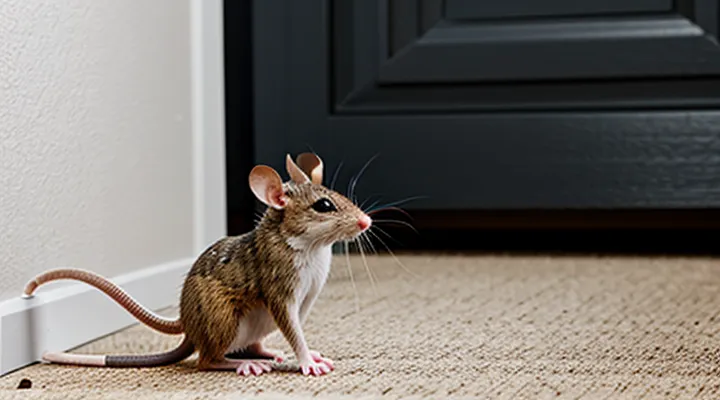
The Auditory Landscape of Rodent Repellents
Understanding Mouse Hearing
Frequency Range and Sensitivity
Mice detect sounds from roughly 1 kHz up to 100 kHz, with peak sensitivity between 10 kHz and 20 kHz. Auditory thresholds are lowest in this mid‑high range, meaning weaker signals can elicit a response. Frequencies above 20 kHz enter the ultrasonic domain; rodents perceive them, but many electronic emitters lose power at these extremes.
Research shows that tones around 12 kHz–16 kHz, delivered at 70–80 dB SPL, provoke avoidance behavior. Ultrasonic bursts above 30 kHz also cause distress, yet effectiveness declines sharply below 30 kHz unless intensity exceeds 85 dB SPL. Continuous low‑frequency noises (<5 kHz) rarely affect mice, as their cochlear mechanics filter out such tones.
For practical home deterrence, choose devices that:
- Emit pulses in the 12 kHz–16 kHz band at ≥70 dB SPL.
- Supplement with ultrasonic bursts between 30 kHz and 45 kHz, maintaining ≥80 dB SPL.
- Alternate frequencies every few minutes to prevent habituation.
- Cover the target area uniformly, avoiding dead zones where sound pressure drops below 60 dB SPL.
Selecting products that match these specifications maximizes the likelihood of repelling rodents while minimizing energy consumption and audible disturbance to humans.
Response to Sudden and High-Frequency Sounds
Mice possess an acute auditory system tuned to frequencies above 20 kHz; sudden, sharp tones within this range trigger a startle reflex that interrupts feeding and nesting activities. Laboratory observations show that brief bursts of ultrasonic pulses (30–45 kHz) produce immediate freezing or rapid retreat, while lower‑frequency, high‑amplitude clicks (5–10 kHz) induce avoidance when presented unpredictably.
Effective implementation in residential settings relies on three core actions:
- Install ultrasonic emitters that generate randomized pulse patterns at 30–45 kHz, positioning devices near entry points, pantry shelves, and concealed wall cavities.
- Supplement with mechanical click generators that produce 5–10 kHz bursts lasting 0.2–0.5 seconds, programmed to fire at irregular intervals to prevent habituation.
- Combine auditory devices with physical barriers (seal cracks, use mesh screens) to restrict movement while the sound deterrents remain active.
Operational considerations include maintaining clear line‑of‑sight between emitters and target zones, avoiding continuous exposure that can lead to desensitization, and verifying that household pets are not adversely affected by the selected frequency range. Regular inspection of device output ensures consistent performance and allows timely replacement of malfunctioning units.
Sounds That Deter Mice
Ultrasonic Devices
How Ultrasonic Repellents Work
Ultrasonic repellents emit sound waves above 20 kHz, a range that mice can hear but humans cannot. The devices generate rapid pressure fluctuations that stimulate the auditory nerves of rodents, producing discomfort and prompting avoidance of the treated area.
The core mechanisms are:
- Frequency selection – emitted tones are tuned to the peak sensitivity of mouse hearing, typically between 30 kHz and 50 kHz.
- Amplitude modulation – varying intensity prevents habituation by creating an unpredictable acoustic environment.
- Directional projection – focused transducers concentrate energy toward specific zones, reducing dead spots caused by furniture or walls.
- Continuous or timed cycles – programmed intervals maintain deterrent effect while conserving power.
Effective coverage depends on placement. Position units at ceiling level or on walls, aiming the speaker toward open pathways such as gaps under doors, vents, and baseboard cracks. Overlap the radii of adjacent devices to eliminate blind spots. Ensure unobstructed line of sight; solid objects absorb ultrasonic energy and diminish range.
Performance declines when rodents become accustomed to a static pattern. Introducing periodic frequency shifts or rotating device orientation re‑establishes the deterrent response. Regular cleaning of speaker surfaces preserves output strength, as dust can dampen vibrations.
When selecting a system, prioritize models that specify a minimum output of 85 dB SPL at the target frequency, provide adjustable timers, and include a warranty covering electronic failure. Integration with a plug‑in power source guarantees uninterrupted operation, whereas battery‑powered units may suffer reduced intensity over time.
In summary, ultrasonic repellents function by delivering high‑frequency, modulated sound directly to mouse auditory pathways, creating an aversive stimulus that drives rodents away from treated spaces. Proper installation, periodic variation, and maintenance maximize their effectiveness as a non‑chemical, low‑risk component of home rodent protection.
Effectiveness and Limitations of Ultrasonic Devices
Ultrasonic emitters generate frequencies above 20 kHz, a range inaudible to humans but perceived as hostile by many rodent species. Laboratory trials demonstrate that exposure to continuous ultrasonic pulses reduces activity in confined test arenas, indicating a physiological aversion response.
- Effectiveness peaks in single‑room environments where sound can travel unimpeded.
- Devices positioned at ceiling height achieve broader coverage than floor‑level units.
- Continuous operation for ≥ 48 hours yields measurable decline in nesting attempts.
- Success rates rise when emitters are paired with physical barriers that limit escape routes.
Limitations emerge under typical household conditions. Solid walls, furniture, and curtains absorb high‑frequency waves, creating shadow zones where rodents remain unaffected. Ambient noise below 20 kHz does not interfere, but background ultrasound from other electronics can desensitize pests through habituation. Battery‑powered models lose output intensity after several weeks, reducing deterrent range. Species variability also matters: some mouse strains exhibit limited ultrasonic sensitivity, rendering devices ineffective without supplemental measures.
In practice, ultrasonic units function best as part of an integrated pest‑management plan, complementing sealing of entry points, sanitation, and, when necessary, mechanical traps. Relying solely on sound emission provides inconsistent protection across diverse residential layouts.
Natural Sounds
Predatory Animal Noises
Predatory animal noises trigger innate avoidance responses in rodents, making them effective components of a mouse‑deterrence strategy. Auditory cues associated with natural predators—such as owls, hawks, cats, foxes and snakes—activate the mouse’s survival circuitry, prompting escape or hiding behavior. Recorded calls reproduce these cues without the need for live animals, allowing homeowners to create a hostile acoustic environment.
- Owl hoot: low‑frequency, intermittent calls produce a consistent threat signal.
- Hawk screech: sharp, high‑frequency bursts interrupt foraging activity.
- Domestic cat meow and hiss: familiar predator sounds, effective at short range.
- Fox bark: sudden, resonant bursts discourage entry into concealed spaces.
- Snake rattle: rapid, vibrating noise induces freeze responses.
For optimal results, position speakers near entry points, behind wall voids, and in pantry corners. Set playback cycles to 5‑minute intervals, with volume calibrated to 70‑80 dB at the source—loud enough to be audible but below levels that cause human discomfort. Rotate between at least three different predator sounds weekly to prevent habituation. Combine auditory deterrents with sealing cracks and proper food storage to maximize protection against mouse intrusion.
Human Voices and Household Sounds
Human speech can act as a deterrent for rodents when it contains irregular, high‑frequency components that mice find uncomfortable. Adult voices typically fall within 85–255 Hz, but consonant bursts and sibilant sounds reach upward of 4 kHz, a range that interferes with the auditory sensitivity of mice. Sustained vocalizations, such as chanting or rhythmic chanting, create a constant acoustic environment that discourages nesting.
Household noises generated by appliances provide additional acoustic pressure. The following sounds have proven effective in reducing mouse activity:
- Refrigerator compressors operating at 2–3 kHz, producing intermittent low‑frequency hums.
- Vacuum cleaners emitting broadband noise from 0.5 to 10 kHz, especially when used regularly.
- Kitchen blenders and food processors delivering sharp, high‑frequency bursts above 5 kHz.
- Electric fans creating continuous white‑noise spectra covering 1–8 kHz.
Consistency enhances efficacy. Scheduling vocal activity (e.g., reading aloud, singing) for 15–20 minutes each hour, combined with periodic activation of the listed appliances, maintains a disruptive soundscape. Monitoring mouse sightings before and after implementation allows verification of impact and adjustment of frequency patterns as needed.
Artificial Disturbances
Loud, Irregular Noises
Loud, irregular noises are among the most reliable auditory deterrents for rodents. Sudden, high‑intensity sounds trigger a mouse’s innate flight response, causing it to avoid areas where such stimuli occur repeatedly.
- Rapid clanging of metal objects (e.g., pots, pans, or decorative bells)
- Intermittent bursts from a high‑frequency alarm or ultrasonic device set to random intervals
- Sporadic tapping on hard surfaces using a wooden mallet or rubber hammer
- Unpredictable squeaking from a motion‑activated toy or electronic mouse‑repellent
Effectiveness depends on randomness and amplitude. Continuous monotone sounds allow mice to habituate; varying the source, volume, and timing prevents acclimation. Position sound‑emitting devices near entry points, nesting sites, and food storage areas. Ensure devices are mounted securely to avoid damage from the vibrations they produce. Replace batteries or check power supplies regularly to maintain consistent output.
Combining loud, irregular noises with physical barriers (sealed cracks, screened vents) enhances overall protection, reducing the likelihood of mouse intrusion throughout the residence.
High-Frequency Alarms
High‑frequency alarms emit sound waves above the audible range for humans, typically between 18 kHz and 30 kHz. Laboratory studies demonstrate that these frequencies provoke a stress response in rodents, causing avoidance behavior and reducing activity within treated zones.
- Frequency selection: Choose devices that cover 18–22 kHz for maximum impact on common house mice; some models extend to 30 kHz for broader coverage.
- Coverage area: One unit effectively treats a space of 30–45 sq ft. Overlap multiple units when rooms exceed 100 sq ft to prevent dead zones.
- Installation height: Position emitters 6–12 inches above floor level, where mouse traffic concentrates, and align them toward walls to reflect sound into crevices.
- Power source: Plug‑in models provide continuous operation; battery‑powered units require replacement every 6–8 months under regular use.
- Safety considerations: Devices produce no ultrasonic exposure to humans or pets with normal hearing. Verify that cats, dogs, or small wildlife are not housed in the same area, as some species may detect higher frequencies.
Effectiveness declines after several weeks as mice habituate. Rotate frequencies weekly or replace units annually to sustain deterrent impact. Regular cleaning of the emitter surface prevents dust accumulation, which can attenuate output. Integration with sealing gaps and eliminating food sources enhances overall protection.
Implementing Sound-Based Repellent Strategies
Strategic Placement of Devices
Optimal Locations for Ultrasonic Repellents
Ultrasonic devices must be positioned where sound waves can reach the areas mice frequent without obstruction. Direct line‑of‑sight between the emitter and the target space maximizes effectiveness; walls, furniture, and appliances reflect or absorb frequencies, reducing coverage.
- Place units at ceiling height in rooms with visible entry points such as gaps under doors, vent openings, or utility line penetrations. The upward orientation allows waves to disperse downward into hidden crevices.
- Install emitters near known nesting sites—behind baseboards, inside wall cavities, or adjacent to stored food containers. Proximity shortens the distance sound must travel before contacting the rodents.
- Deploy devices in corridors and passageways that connect multiple rooms. Continuous acoustic barriers deter movement between zones.
- Position units away from large metal objects or dense fabric stacks, which can dampen ultrasonic output. Clear space of at least 12 inches around each device preserves signal integrity.
- Use one unit per 500 sq ft of living area; larger spaces require overlapping fields to avoid dead zones. Overlap should be minimal to prevent interference patterns that could diminish potency.
Consistent power supply is essential; plug devices into dedicated outlets rather than power strips that may filter high‑frequency signals. Regularly verify that emitters remain unobstructed and replace units according to manufacturer lifespan, typically every 12–18 months, to sustain deterrent performance.
Creating a Disruptive Auditory Environment
Mice rely on auditory cues to assess threats; disrupting those cues can reduce their presence in residential spaces. Creating a disruptive auditory environment involves selecting sounds that mice perceive as dangerous or confusing, delivering them at appropriate frequencies, and ensuring continuous exposure without habituation.
Key sound categories:
- Ultrasonic tones (20–60 kHz) – frequencies beyond human hearing that interfere with rodent communication.
- Predator vocalizations – recordings of owls, hawks, or cats that trigger instinctive avoidance.
- Irregular white noise – broadband sounds with variable amplitude that mask ambient noises mice use for navigation.
- Intermittent high‑frequency bursts – short, sudden spikes that startle and discourage exploration.
Implementation guidelines:
- Frequency selection – target 2–5 kHz for general aversion; supplement with ultrasonic bursts for added disruption.
- Amplitude control – maintain levels between 70–85 dB at the source to ensure perceptibility without causing human discomfort.
- Spatial distribution – place emitters near entry points, wall voids, and known nesting areas; overlap coverage zones to avoid silent gaps.
- Temporal patterning – program devices to vary intervals and durations; randomization prevents mouse acclimation.
- Power management – use continuous operation for high‑traffic zones; schedule intermittent cycles for peripheral spaces to conserve energy.
- Safety checks – verify that emitted sounds do not interfere with pets, infants, or hearing‑sensitive individuals; adjust placement accordingly.
Monitoring and adjustment:
- Conduct periodic inspections for signs of mouse activity; modify frequency or pattern if persistence is observed.
- Replace batteries or service electronic units every six months to sustain output strength.
- Combine auditory tactics with physical barriers (sealed cracks, traps) for comprehensive protection.
Combining Sound with Other Methods
Integrating Trapping and Baiting
Effective mouse control at home combines auditory deterrents with physical capture methods. Sound devices that emit ultrasonic or high‑frequency noises disrupt rodent communication, reducing activity in targeted areas. When these devices are paired with strategically placed traps, the likelihood of catching mice increases because the pests are confined to zones where they cannot escape the acoustic field.
Key considerations for integration:
- Position sound emitters near entry points, walls, and ceiling junctions; avoid obstacles that block wave propagation.
- Select traps (snap, electric, or live‑catch) that match the size of the expected rodent population.
- Use bait that complements the auditory environment; scented attractants (peanut butter, cheese, or commercial rodent gel) should be placed on the trap’s trigger mechanism.
- Rotate bait types weekly to prevent habituation, while maintaining consistent sound coverage.
- Monitor trap success daily; replace ineffective traps and adjust sound device angles as needed.
Synchronizing bait placement with peak activity periods—typically dusk and early morning—maximizes capture rates. The sound deterrent keeps mice away from peripheral zones, funneling them toward the baited traps. Regular inspection ensures that both components function correctly; malfunctioning emitters or stale bait reduce overall efficacy.
By merging acoustic repellent technology with well‑baited trapping systems, homeowners achieve a comprehensive, low‑maintenance solution that limits mouse ingress and minimizes the need for chemical pesticides.
Enhancing with Scent-Based Repellents
Scent-based repellents provide a chemical countermeasure that can augment acoustic deterrents for mouse control. Their volatile compounds create an environment that mice find hostile, reducing the likelihood of entry and nesting.
Effective scent agents include:
- Peppermint oil (Mentha piperita) – strong menthol aroma disrupts rodent olfactory cues.
- Clove oil (Eugenia caryophyllata) – eugenol content produces irritation in nasal passages.
- Citronella (Cymbopogon nardus) – sharp citrus notes deter foraging behavior.
- Ammonia solutions – high‑pH vapors cause immediate aversion.
- Predator urine extracts – mimic natural threat signals.
Application methods:
- Soak cotton balls in concentrated oil and place them in concealed corners, behind appliances, and near entry points.
- Use spray bottles to mist door frames, baseboards, and interior walls; reapply after cleaning or ventilation.
- Install passive dispensers that release a steady vapor stream; ensure placement follows manufacturer spacing guidelines.
- Combine a few drops of oil with water in a diffuser to maintain ambient concentration without excessive saturation.
Efficacy depends on concentration, placement, and environmental factors. Studies show that peppermint oil reduces mouse activity by up to 50 % when refreshed every 48 hours. Safety considerations require ventilation to avoid irritation of human occupants and pets; avoid direct skin contact with undiluted oils. When paired with ultrasonic emitters, scent repellents address both auditory and olfactory sensitivities, creating a multi‑modal barrier.
Best practices:
- Rotate scent types weekly to prevent habituation.
- Monitor activity with motion sensors or tracking pads; adjust dispenser locations based on hotspots.
- Clean surfaces before application to ensure adhesion of volatile compounds.
- Store oils in dark, airtight containers to preserve potency.
Integrating scent-based repellents with sound deterrents yields a comprehensive, non‑chemical strategy for protecting residential spaces from mouse intrusion.
Maintaining Effectiveness
Regular Device Checks
Regular device checks maintain the effectiveness of sound‑based mouse deterrents. Over time, ultrasonic emitters, electronic chirp units, and vibration devices can lose output power, shift position, or accumulate dust that blocks sound transmission. Without systematic verification, the devices may fail to produce frequencies that rodents find aversive, allowing infestations to persist.
Key maintenance actions include:
- Verify power source: replace batteries or confirm continuous electricity supply; low voltage reduces output amplitude.
- Measure output: use a calibrated sound meter to confirm that emitted frequencies remain within the 20–50 kHz range known to disturb mice.
- Clean transducers: wipe speaker surfaces and vent openings with a dry cloth; avoid liquids that could damage components.
- Reassess placement: ensure devices are positioned at least 12 inches from walls and furniture, facing open areas where rodents travel.
- Update firmware: apply manufacturer‑provided software patches that may refine frequency patterns or timing cycles.
- Log results: record date, measured output level, and any adjustments made; review logs quarterly to detect performance trends.
Conducting these checks quarterly prevents degradation, sustains deterrent coverage, and reduces the likelihood of mouse re‑entry into the residence.
Adapting to Mouse Behavior
Mice rely heavily on acute hearing to detect predators and locate food, making auditory cues a primary factor in their decision‑making. Their hearing range extends from roughly 1 kHz to 100 kHz, with peak sensitivity between 10 kHz and 20 kHz; sounds outside this band are less likely to provoke a response. Understanding these limits enables the selection of deterrent noises that align with natural threat signals.
Effective sound deterrents share three characteristics: frequency within the mouse’s sensitive range, irregular timing, and sufficient amplitude to be perceived without causing structural damage. Commonly used options include:
- Ultrasonic emitters calibrated to 15–20 kHz, delivering bursts of 70–80 dB.
- Pulsed broadband noise that alternates between 5 kHz and 30 kHz, preventing habituation.
- Recorded predator vocalizations (e.g., barn owl calls) played at intervals of 30–60 seconds.
Implementation requires strategic placement near entry points, nesting sites, and food storage areas. Devices should operate continuously for at least 48 hours to disrupt initial foraging, then shift to a timed schedule (e.g., 15 minutes on, 45 minutes off) to maintain sensitivity. Regular monitoring of activity signs—droppings, gnaw marks, or motion sensor alerts—guides adjustments in frequency or pattern, ensuring the deterrent remains effective as mice adapt to the acoustic environment. Combining sound deterrents with sealing gaps and eliminating food sources creates a comprehensive barrier that leverages mouse behavioral traits for lasting protection.
Considerations and Best Practices
Safety for Humans and Pets
Decibel Levels and Hearing Protection
Mice react to sounds that exceed their natural hearing threshold, typically above 40 dB SPL. Studies show that sudden noises in the 70‑90 dB range cause immediate avoidance behavior, while continuous tones above 55 dB can disrupt nesting and foraging activities. The most effective deterrent frequencies lie between 3 kHz and 8 kHz; within this band, the following decibel levels produce measurable stress responses:
- 70 dB – rapid retreat, short‑term agitation
- 80 dB – sustained avoidance, reduced feeding
- 90 dB – intense distress, potential hearing damage in rodents
Human occupants must protect their auditory health when deploying high‑volume devices. Recommended hearing protection includes:
- Earplugs with a Noise Reduction Rating (NRR) of 25 dB or higher
- Over‑the‑ear earmuffs rated at least 30 dB NRR
- Dual protection (earplugs plus earmuffs) for exposures above 85 dB sustained for more than 15 minutes
Select devices that allow volume adjustment to stay within the 70‑90 dB window, ensuring efficacy against mice while maintaining safe exposure limits for people. Regularly monitor sound levels with a calibrated decibel meter to verify compliance with occupational safety standards.
Impact on Domestic Animals
When employing acoustic deterrents to keep rodents out of a residence, the effect on pets and other household animals must be considered. Many devices emit high‑frequency tones or ultrasonic bursts that fall outside the audible range for humans but are detectable by mammals, including dogs, cats, and small mammals such as hamsters. These sounds can cause stress, agitation, or temporary hearing discomfort in domestic companions.
Key points regarding animal welfare:
- Auditory sensitivity – Dogs hear frequencies up to 45 kHz, cats up to 64 kHz; ultrasonic devices often operate within these ranges, potentially leading to heightened alertness or anxiety.
- Behavioral response – Persistent exposure may trigger avoidance behavior, excessive barking, or restlessness, which can disrupt normal routines.
- Health considerations – Prolonged high‑frequency exposure can contribute to tinnitus or hearing fatigue in susceptible pets, especially senior animals with pre‑existing auditory issues.
- Species‑specific impact – Small mammals kept as pets (e.g., guinea pigs, rabbits) are particularly vulnerable because their hearing thresholds overlap with many rodent‑deterrent frequencies.
Mitigation strategies:
- Select devices that specify a frequency band below the typical hearing range of common pets, or that allow adjustable settings.
- Position emitters away from areas where pets sleep, eat, or spend most of their time.
- Conduct a short trial period, observing pet behavior for signs of distress before permanent installation.
- Combine acoustic methods with non‑auditory measures such as sealed entry points, traps, or natural repellents to reduce reliance on sound alone.
By evaluating the acoustic profile of deterrent products and monitoring animal reactions, homeowners can protect both their property and the well‑being of their domestic companions.
Long-Term Solutions and Prevention
Sealing Entry Points
Sealing all potential entry routes eliminates the pathways mice use to reach the interior, allowing sound‑based deterrents to work without interruption. When gaps are closed, acoustic devices can focus on the occupied space rather than being bypassed through hidden openings.
- Inspect the building envelope; look for cracks in foundations, gaps around utility lines, and openings under doors.
- Apply steel wool combined with caulk to small holes; steel wool resists gnawing, while caulk provides a weather‑tight seal.
- Use metal flashing or hardware cloth to cover larger openings such as vent pipes and crawl‑space entries.
- Install door sweeps on exterior doors; adjust them to make contact with the floor without restricting movement.
- Seal gaps around windows with silicone sealant or expandable foam, ensuring the material remains flexible for temperature changes.
After installation, conduct a visual check each season to verify that seals remain intact. Replace damaged sections promptly to maintain an uninterrupted barrier, thereby enhancing the effectiveness of any auditory deterrent system employed in the home.
Maintaining Cleanliness and Food Storage
Clean environments reduce mouse attraction. Food residues, spilled grains, and standing water provide scent cues that rodents follow. Regularly sweeping floors, wiping countertops, and promptly disposing of trash eliminate these signals.
Secure food storage limits access to nutritional sources. Implement the following practices:
- Transfer dry goods into airtight containers made of glass, metal, or heavy‑wall plastic.
- Store pet food in sealed bins and keep bowls empty when not in use.
- Refrigerate perishables and discard expired items promptly.
- Position garbage cans with tight‑fitting lids away from walls and empty them daily.
By maintaining spotless surfaces and restricting food availability, homeowners create conditions that discourage mouse presence without relying on auditory deterrents.