
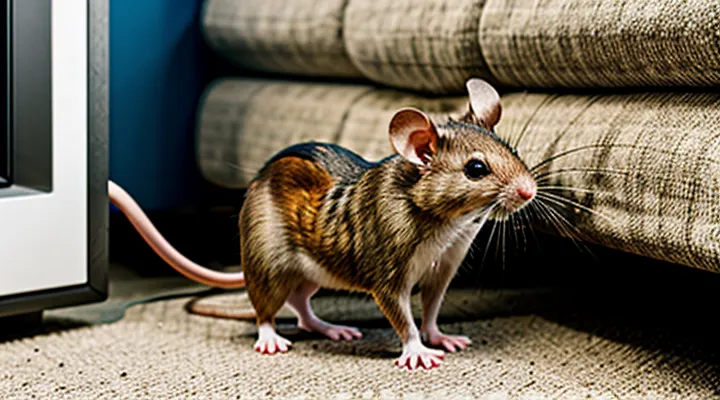
Understanding Rodent Hearing and Behavior
The Auditory Range of Mice and Rats
How Rodents Perceive Sound
Rodents possess a highly developed auditory system that detects a broad frequency range, extending from low‑frequency vibrations to ultrasonic tones above 20 kHz. Their cochlear hair cells respond to rapid pressure changes, allowing discrimination of subtle acoustic cues that humans cannot hear. This sensitivity enables rodents to locate predators, communicate, and navigate complex environments.
Key auditory traits influencing repellent effectiveness include:
- Peak hearing sensitivity between 8 kHz and 12 kHz, with detectable limits up to 90 kHz in some species.
- Ability to localize sound sources within a few centimeters by comparing inter‑aural time differences.
- Rapid adaptation to continuous tones, reducing perceived intensity after several seconds of exposure.
- Preference for sudden, irregular, or broadband noises that lack predictable patterns.
Effective acoustic deterrents exploit these characteristics by delivering short, high‑intensity bursts across the rodents’ most responsive frequencies. Ultrasonic devices that emit intermittent pulses above 20 kHz avoid rapid habituation, while broadband emitters that combine low‑ and high‑frequency components create a more unsettling acoustic environment. Consistent application in confined spaces, such as wall cavities and attics, maximizes exposure and limits escape routes.
Understanding the physiological basis of rodent hearing guides the selection of sound‑based strategies that reliably discourage infestation without relying on chemical agents.
Sensitivity to Ultrasonic Frequencies
Rodents possess a hearing range that extends well beyond human perception, typically from 1 kHz up to 90 kHz, with peak sensitivity between 10 kHz and 20 kHz. This physiological characteristic makes ultrasonic emissions a viable candidate for pest deterrence, provided the signal falls within the frequencies that trigger aversive responses.
Effective ultrasonic deterrents rely on three parameters:
- Frequency: Must target the 20 kHz–50 kHz band where mice and rats exhibit the strongest startle reflex.
- Intensity: Sound pressure levels of 80–100 dB SPL are required to overcome ambient noise and reach the animal’s auditory threshold.
- Modulation: Continuous tones quickly lead to habituation; intermittent patterns (e.g., 1 s on, 1 s off) sustain sensitivity.
Laboratory studies show that exposure to 25 kHz pulses at 90 dB SPL reduces rodent activity by up to 70 % within a 5‑meter radius. Field trials in residential settings report a 40‑60 % decline in sightings when devices operate on a schedule that alternates frequencies every 10 minutes.
Limitations arise from sound attenuation through walls and furniture, and from the ability of rodents to adapt to static frequencies. Integrating multiple ultrasonic ranges and varying pulse durations mitigates desensitization, extending the period of effectiveness.
In practice, selecting a device that offers adjustable frequency bands, programmable cycles, and a minimum output of 80 dB SPL ensures alignment with the auditory sensitivity of common household rodents. Regular relocation of the emitter within the dwelling further prevents habituation and maximizes deterrent coverage.
Common Sound-Based Rodent Repellents
Ultrasonic Devices: Mechanism and Claims
Ultrasonic devices emit sound waves in the 20–65 kHz range, a spectrum inaudible to humans but detectable by the auditory systems of mice and rats. The units consist of a transducer powered by an internal oscillator, often housed in a compact plastic enclosure that can be plugged into a standard outlet. Frequency modulation is typically programmed to cycle through several tones, preventing habituation by varying the acoustic pattern.
The intended mechanism relies on the sensitivity of rodent cochlear hair cells to high‑frequency vibrations. Exposure is reported to produce discomfort, disorientation, or a stress response that discourages entry into the treated area. Continuous emission aims to maintain a hostile acoustic environment, while intermittent cycles are marketed as energy‑saving alternatives that still achieve deterrence.
Manufacturers claim the following performance characteristics: coverage of 1,000–2,500 sq ft per unit, operation 24 hours a day without degradation of output, safety for humans, pets, and electronic equipment, and efficacy rates ranging from 70 % to 90 % in reducing rodent activity. Product literature often cites laboratory tests in which rodents avoided chambers equipped with ultrasonic emitters, and field trials that reported fewer sightings after installation.
Independent studies present a more nuanced picture. Controlled experiments confirm that rodents initially react to ultrasonic exposure, but repeated exposure can lead to acclimation, diminishing the deterrent effect. Field evaluations in residential settings show variable outcomes, with some households experiencing a noticeable decline in activity while others report no change. The evidence suggests that ultrasonic emission may contribute to an integrated pest‑management strategy, but its standalone reliability remains uncertain.
Types of Ultrasonic Repellents
Ultrasonic repellents fall into several distinct categories, each engineered to emit frequencies beyond human hearing that deter rodents in residential settings.
-
Plug‑in modules: Small devices that connect directly to power outlets. They continuously broadcast a range of ultrasonic tones, typically between 20 kHz and 65 kHz, covering the auditory spectrum of mice and rats. Their compact size allows placement in kitchens, basements, and closets.
-
Portable handheld units: Battery‑powered emitters designed for temporary use or targeted treatment of specific areas such as attics or crawl spaces. Many models include adjustable frequency settings, enabling users to test and select the most effective tone for the local rodent population.
-
Wall‑mounted panels: Larger, wall‑secured systems that cover broader zones, often integrating multiple transducers to ensure overlapping sound fields. These units are suited for open‑plan living areas where continuous, high‑coverage protection is required.
-
Smart networked devices: Connected through Wi‑Fi or Bluetooth, these repellents can be programmed via mobile applications. Features include scheduling, remote activation, and real‑time monitoring of device status. Some models synchronize ultrasonic output with motion sensors to increase intensity when rodent activity is detected.
-
Hybrid systems: Combine ultrasonic emission with additional deterrents such as electromagnetic fields or low‑frequency vibrations. The multimodal approach aims to address rodents that may habituate to a single type of sound.
Effectiveness varies with placement, frequency range, and the presence of obstacles that can reflect or absorb ultrasonic waves. Selecting the appropriate type depends on the size of the area, accessibility to power sources, and the need for adjustable or remote control capabilities.
Scientific Evidence on Ultrasonic Effectiveness
Scientific investigations have measured the impact of ultrasonic emissions on rodent behavior under controlled conditions. Laboratory trials typically expose mice and rats to continuous tones ranging from 20 kHz to 80 kHz, with sound pressure levels between 80 and 100 dB SPL. Results consistently show an initial avoidance response, manifested as reduced activity in the immediate vicinity of the source.
Key observations from peer‑reviewed studies:
- Frequency specificity – Frequencies above 30 kHz produce the strongest aversive effect; lower frequencies often fail to elicit measurable avoidance.
- Habituation – After 24–48 hours of uninterrupted exposure, rodents adapt, and the deterrent effect diminishes markedly.
- Species differences – Rats exhibit a higher tolerance threshold than mice, requiring frequencies closer to 70 kHz for comparable avoidance.
- Environmental factors – Sound attenuation by furniture, walls, and flooring reduces efficacy; direct line‑of‑sight placement improves outcomes.
Field experiments in residential settings confirm laboratory trends but reveal additional constraints. Devices that emit intermittent pulses rather than constant tones mitigate habituation, extending the period of repellency to approximately one week before efficacy declines. Integration with physical barriers (e.g., sealing entry points) enhances overall control, as acoustic deterrence alone does not prevent re‑entry.
Meta‑analysis of multiple trials indicates that ultrasonic technology can suppress rodent presence temporarily, yet it does not provide a long‑term solution without complementary measures. The weight of evidence advises cautious application, emphasizing frequency selection, exposure scheduling, and environmental optimization to achieve measurable reduction in activity.
Other Sounds Claimed to Repel Rodents
High-Frequency Audio
High‑frequency audio devices emit ultrasonic waves typically between 20 kHz and 65 kHz, a range beyond human hearing but detectable by the auditory system of most rodent species. Ultrasonic pulses create a sensation of discomfort, prompting mice and rats to vacate the area or avoid entry altogether.
The effectiveness of ultrasonic deterrents depends on several factors:
- Frequency selection: 25 kHz–30 kHz targets adult rats; 30 kHz–40 kHz is optimal for house mice; frequencies above 50 kHz may affect younger rodents but attenuate more quickly in air.
- Sound pressure level: 80 dB SPL at the source ensures sufficient intensity to reach the intended range without exceeding safety limits for pets and humans.
- Coverage pattern: Omnidirectional emitters provide uniform field; directional units concentrate energy toward entry points such as gaps, vents, or cracks.
- Continuous versus intermittent emission: Pulsed patterns (e.g., 1 second on, 2 seconds off) reduce habituation, maintaining deterrent effect over longer periods.
Installation guidelines improve performance. Devices should be mounted at least 12 inches above floor level, facing potential ingress routes. Obstacles such as furniture, insulation, or dense wall materials absorb ultrasonic energy; positioning near open pathways minimizes loss. Power sources must remain stable; voltage fluctuations can alter frequency output and reduce efficacy.
Safety considerations are straightforward. Ultrasonic emissions do not pose auditory risk to humans, but some companion animals—particularly cats and dogs—may perceive frequencies up to 45 kHz. Selecting models with adjustable frequency ranges or disabling operation in rooms with sensitive pets mitigates unintended disturbance.
Limitations include reduced penetration through solid barriers, diminishing intensity beyond 10–15 feet, and possible acclimation after prolonged exposure. Combining ultrasonic devices with physical exclusion methods—sealing entry points, maintaining cleanliness, and removing food sources—produces the most reliable control of rodent populations in a domestic environment.
Predator Sounds and Their Limitations
Predator recordings—crickets, owls, hawks, and other natural hunters—are marketed as a non‑chemical method to discourage mice and rats from entering a residence. The premise relies on the animals’ instinctive avoidance of the presence of a predator, triggering a stress response that leads them to seek shelter elsewhere.
Effectiveness varies with several factors:
- Species specificity – Not all rodents react equally; house mice may ignore owl calls, while Norway rats are more responsive to ferret or fox sounds.
- Habituation – Continuous exposure diminishes the perceived threat; after a few days the sounds become background noise and the deterrent fails.
- Acoustic reach – Sound attenuates quickly through walls and furniture; a single speaker cannot cover an entire home without strategic placement.
- Frequency range – Many predator calls occupy frequencies outside the optimal hearing range of rodents, reducing detection.
- Environmental noise – Household appliances, HVAC systems, and external traffic mask the recordings, further lowering impact.
Proper deployment requires rotating recordings, using multiple speakers, and integrating sound with other control measures such as sealing entry points and sanitation. Relying solely on predator audio is insufficient for long‑term rodent management.
Human-Generated Noises: Impact and Practicality
Human‑generated sounds affect rodent behavior primarily through auditory stress. Continuous or intermittent noises that fall within the hearing range of mice and rats can trigger avoidance responses, reducing the likelihood of entry into living spaces.
Effective human‑produced audio sources include:
- High‑frequency alarms or ultrasonic devices that emit tones above 20 kHz, a range detectable by rodents but inaudible to most adults.
- Low‑frequency rumbling from household appliances such as vacuum cleaners, which creates a pervasive background that interferes with rodent communication.
- Randomized playback of recorded predator vocalizations, which exploits innate fear mechanisms.
Practical considerations dictate that any sound‑based deterrent must operate without causing discomfort to occupants. Devices should feature automatic timers, volume controls, and fail‑safe shut‑off to prevent prolonged exposure. Maintenance involves periodic verification of speaker output and battery replacement where applicable.
Empirical observations indicate that sustained exposure to appropriately calibrated noises reduces rodent activity more reliably than sporadic use. Integration with physical barriers—sealed entry points and sanitation measures—maximizes overall effectiveness.
Factors Affecting Sound Repellent Efficacy
Rodent Habituation to Sounds
Rodents quickly learn to ignore repetitive, low‑intensity noises. When a sound is presented continuously or at predictable intervals, the animal’s auditory system classifies it as background, reducing the stress response and allowing normal activity to resume. Consequently, the deterrent effect fades within days to weeks, depending on exposure frequency and the species’ prior experience.
Effective acoustic deterrents share several characteristics that limit habituation:
- Frequency range between 20 kHz and 30 kHz, a band that overlaps the upper hearing limits of mice and rats but remains inaudible to most humans.
- Irregular temporal pattern, such as random bursts or variable intervals, which prevents the nervous system from forming a stable expectation.
- Sufficient amplitude (≥80 dB SPL at source) to trigger an avoidance response without causing hearing damage.
- Intermittent operation, for example 5‑minute bursts every hour, allowing periods of silence that maintain the novelty of the stimulus.
Research shows that ultrasonic emitters delivering continuous tones lose efficacy after 48–72 hours, while devices that modulate frequency and timing retain repellent properties for several weeks. The same principle applies to audible deterrents; a high‑pitched, irregular squeal can deter rodents for longer than a steady buzzing sound.
To prevent habituation, rotate sound sources, adjust frequencies within the effective band, and combine acoustic methods with physical barriers such as sealed entry points and traps. Monitoring rodent activity after each change provides feedback on which acoustic patterns remain disruptive, ensuring sustained protection for the home environment.
Obstacles and Sound Wave Propagation
Sound‑based rodent deterrents rely on ultrasonic frequencies that exceed the hearing range of humans but remain audible to mice and rats. The ability of these frequencies to reach target animals depends on how acoustic energy moves through the indoor environment and on the presence of physical barriers that alter that movement.
High‑frequency waves experience rapid attenuation. Energy loss occurs through absorption by soft materials, scattering from irregular surfaces, and conversion to heat. Reflection can redirect sound, creating zones of constructive and destructive interference. Consequently, the effective radius of a device is often smaller than the nominal specification provided by manufacturers.
Common impediments to acoustic propagation include:
- Solid walls and partitions, especially those constructed of dense materials such as concrete or brick, which reflect and absorb ultrasonic energy.
- Furniture and appliances that block direct line‑of‑sight paths, causing diffraction and shadow zones.
- Insulation layers within walls or ceilings, which dampen vibrations and reduce transmitted intensity.
- Flooring systems, particularly carpeted or rubberized surfaces, that absorb high‑frequency sound.
- Open doorways and vent openings that allow sound to escape the intended room, diminishing concentration.
- Ambient humidity and temperature gradients, which affect the speed of sound and can shift frequency response.
Effective deployment requires positioning devices where line‑of‑sight is unobstructed, preferably near entry points such as gaps under doors, openings around pipes, and corners where rodents are likely to travel. Elevating units to the upper third of a wall minimizes interference from furniture and floor coverings. In multi‑room dwellings, multiple devices should be spaced to create overlapping coverage zones, accounting for the reduced range caused by the obstacles listed above.
Understanding the interaction between ultrasonic emissions and indoor structures enables the selection of placement strategies that maximize deterrent coverage while recognizing the inherent limitations imposed by sound wave physics.
Infestation Severity and Duration
Infestation severity and duration determine the acoustic strategy needed to deter mice and rats in a residence.
A light infestation lasting a few weeks typically involves a small number of individuals confined to a single area. In this scenario, short‑range ultrasonic emitters operating at 20–30 kHz can interrupt foraging behavior without requiring continuous exposure.
A moderate infestation persisting for several months spreads across multiple rooms. Effective control demands broader frequency coverage (15–40 kHz) and longer operating periods. Devices that alternate frequencies every few minutes reduce habituation and maintain deterrent effect throughout the home.
A severe, long‑term infestation involves large colonies occupying walls, ceilings, and crawl spaces. Successful deterrence requires high‑output broadband sound (10–45 kHz) delivered continuously, supplemented by low‑frequency pulses (5–10 kHz) that affect rat hearing. Coverage must extend to concealed voids; wall‑mounted transducers or duct‑installed speakers provide the necessary penetration.
Matching sound characteristics to infestation conditions
- Low severity / short duration – Ultrasonic point source, 20–30 kHz, intermittent operation, 30 cm‑1 m radius.
- Moderate severity / medium duration – Frequency‑sweeping unit, 15–40 kHz, cyclic modulation, 2‑3 m radius, night‑day schedule.
- High severity / long duration – High‑power broadband emitter, 10–45 kHz plus low‑frequency pulses, continuous output, whole‑house distribution, sealed entry points.
Effective implementation also requires regular device maintenance, verification of power levels, and monitoring of rodent activity to adjust frequency patterns before habituation occurs.
Integrating Sound Repellents into a Comprehensive Strategy
Combining with Trapping and Baiting
Ultrasonic emitters produce frequencies above 20 kHz that rodents cannot hear, while low‑frequency devices generate sounds within the 2–5 kHz range that cause discomfort. Both technologies lose effectiveness when obstacles block the wave propagation, and rodents quickly habituate if exposure is continuous. Consequently, relying solely on acoustic deterrents rarely eliminates an infestation.
Integrating acoustic devices with mechanical control methods improves results. The combined approach follows three principles:
- Strategic placement – Install sound emitters near entry points, but position snap traps or live‑catch traps at the same locations to intercept rodents that ignore the noise. Align bait stations with the emitter’s coverage zone to attract animals while the sound discourages lingering.
- Timed activation – Program ultrasonic units to operate during peak activity periods (dusk and early morning). Activate traps concurrently, using motion‑sensitive triggers that release bait when the rodent approaches the sound source.
- Rotating frequencies – Alternate between ultrasonic and low‑frequency modes every 30 minutes to prevent habituation. Synchronize the rotation with trap checks, ensuring that each frequency shift coincides with a fresh inspection of capture devices.
Execution steps:
- Survey the interior for gaps, cracks, and known rodent pathways.
- Mount ultrasonic/low‑frequency emitters at ceiling height, facing the identified routes.
- Place snap or live traps within 12–18 inches of each emitter, securing bait that matches the species’ dietary preferences.
- Connect emitters to a programmable timer; set intervals based on observed activity.
- Conduct daily inspections, recording captures and adjusting emitter angles as necessary.
- Replace or recharge devices after 8–10 weeks to maintain output intensity.
By coupling audio deterrents with physical capture tools, homeowners create a multi‑modal barrier that limits rodent movement, reduces habituation, and increases the likelihood of population decline. Continuous monitoring and periodic adjustment of both sound and trap placement are essential for sustained effectiveness.
Importance of Sanitation and Exclusion
Maintaining a clean environment and blocking entry points are fundamental to preventing rodent activity. Food residues, spilled grains, and unsealed containers create attractive foraging zones; eliminating these sources removes the incentive for mice and rats to explore a dwelling. Regular removal of waste, prompt cleaning of crumbs, and storage of perishables in airtight containers reduce the likelihood that sound‑based deterrents will be needed.
Exclusion focuses on sealing potential pathways that rodents use to gain access. Inspecting foundations, walls, and utility penetrations for gaps larger than a quarter inch and installing steel wool, metal mesh, or silicone caulk creates a physical barrier. Door sweeps and weatherstripping on exterior doors further limit ingress.
Integrating sanitation and exclusion with acoustic repellents enhances overall effectiveness. When food and shelter are unavailable, the disruptive frequencies emitted by ultrasonic devices become more persuasive, prompting any intruders to vacate promptly. The combined approach minimizes reliance on any single method and sustains long‑term rodent control.
Professional Pest Control Consultation
Professional pest‑control consultants assess acoustic deterrents by first surveying the property to locate entry points, nesting sites, and activity patterns of mice and rats. They identify the target species, measure ambient noise levels, and determine whether ultrasonic or audible devices will function without interfering with household appliances or occupants.
The evaluation includes:
- Verification of device frequency range (typically 20–65 kHz for ultrasonic units, 1–5 kHz for audible emitters).
- Confirmation that the selected frequency exceeds the hearing threshold of humans while remaining audible to rodents.
- Assessment of coverage area to ensure continuous exposure across all infested zones.
- Review of safety certifications and warranty terms.
Consultants recommend installation strategies that integrate sound emitters with structural exclusion methods. They position devices near known pathways, adjust timers to maintain constant operation, and schedule periodic performance checks. Data logs record device output and rodent activity, allowing technicians to fine‑tune frequency or relocate units if efficacy declines.
After deployment, the specialist conducts follow‑up inspections to verify reduced rodent presence, addresses any complaints of noise disturbance, and provides documentation for long‑term monitoring. This systematic approach maximizes the likelihood that acoustic repellents will contribute effectively to an integrated pest‑management program.
Evaluating the Practicality and Safety of Sound Repellents
Potential Drawbacks of Sound-Based Methods
Inconsistent Results and User Expectations
Acoustic deterrents for rodents often produce mixed outcomes because the devices rely on frequencies that affect individual species differently. Laboratory tests may show a reduction in activity, yet field observations frequently report minimal impact. The discrepancy stems from variations in sound intensity, frequency range, and the acoustic environment of a home.
Users typically expect immediate, complete elimination of mice and rats after installing a speaker or ultrasonic emitter. Experience shows that most consumers encounter only modest decline, if any, in sightings. The expectation gap leads to dissatisfaction and premature abandonment of the technology.
Key factors that generate inconsistent performance:
- Frequency selection: rodents respond to specific bands; devices that sweep broadly may miss the optimal range.
- Sound pressure level: insufficient decibel output fails to penetrate walls, furniture, and insulation.
- Habitat complexity: cluttered spaces absorb or reflect sound, reducing effective coverage.
- Adaptation: prolonged exposure can desensitize rodents, diminishing repellent effect over time.
- Device placement: distance from nesting sites and line‑of‑sight obstacles critically influence efficacy.
Understanding these variables aligns user expectations with realistic results and guides more effective deployment of sound‑based rodent control.
Impact on Pets and Other Animals
Ultrasonic devices designed to deter rodents emit frequencies above the human hearing range, typically 20–65 kHz. These sounds can also be detected by many household pets, particularly cats and dogs, whose hearing extends into the ultrasonic spectrum. Exposure may cause temporary discomfort, increased stress, or avoidance behavior in pets that are sensitive to high‑frequency tones.
Potential effects on common pets include:
- Dogs: May exhibit ear‑ringing, agitation, or reduced appetite if the device operates near their hearing threshold. Breeds with acute hearing (e.g., hounds) are more susceptible.
- Cats: Often display heightened alertness, rapid tail movements, or attempts to locate the source. Prolonged exposure can lead to anxiety or reduced grooming activity.
- Small mammals (e.g., rabbits, guinea pigs): Sensitive auditory systems may react with panic responses, rapid breathing, or attempts to escape the area.
Other animals that may inhabit the home, such as birds or reptiles, generally have limited ultrasonic perception and are less likely to be affected. However, certain reptile species possess low‑frequency hearing that can overlap with some deterrent devices, potentially causing stress.
Mitigation strategies:
- Position devices away from pet sleeping or feeding zones.
- Use models with adjustable frequency ranges to stay below the auditory limits of cats and dogs.
- Conduct short trial periods to observe pet behavior before continuous operation.
Overall, ultrasonic rodent deterrents can impact non‑target animals; careful placement and device selection reduce adverse effects while maintaining efficacy against mice and rats.
Audibility to Humans and Nuisance Factors
The ultrasonic and sonic devices marketed for rodent deterrence emit frequencies that often extend into the range audible to people. Human hearing typically spans 20 Hz to 20 kHz, with most adults losing sensitivity above 15 kHz. Devices set at 18–20 kHz can be heard as a faint, high‑pitched whine, especially in quiet rooms or near sleeping areas. Continuous exposure may cause irritation, headaches, or reduced concentration for occupants sensitive to high frequencies.
Key nuisance considerations include:
- Volume level – sound pressure levels above 50 dB SPL become noticeable in living spaces; many products exceed this threshold to ensure efficacy against rodents.
- Frequency range – frequencies below 15 kHz are readily audible; designs that rely on lower pitches increase the likelihood of human detection.
- Duration of operation – devices that run continuously generate persistent background noise, potentially disrupting sleep cycles and communication.
- Acoustic reflection – hard surfaces amplify and reverberate ultrasonic emissions, expanding the audible zone beyond the intended area.
- Interference with pets – cats, dogs, and other household animals may perceive the same frequencies, leading to stress or behavioral changes.
Evaluating a repellent system requires measuring its SPL at typical occupant locations and confirming that the emitted frequency remains outside the most sensitive human hearing band. Selecting models with adjustable timers, lower SPL settings, or frequency modulation can mitigate adverse acoustic effects while preserving rodent deterrence.
Choosing the Right Approach for Your Home
Assessing the Scale of the Problem
Rodent intrusion represents a measurable threat to residential environments. Surveys indicate that 30‑45 % of households in urban regions report evidence of mice or rats within a year, with higher rates in multi‑unit buildings. Seasonal peaks occur in late summer and early autumn, aligning with breeding cycles that increase population density.
Economic impact can be quantified through direct damage and remediation expenses. Typical structural damage from gnawing ranges from $200 to $1,500 per incident, while professional pest‑control services average $150‑$300 per visit. Cumulative annual costs for an average homeowner often exceed $1,000 when infestation persists.
Health implications are documented by epidemiological studies. Rodents transmit pathogens such as Hantavirus, Leptospira, and Salmonella, contributing to an estimated 5 % of reported food‑borne illnesses in residential settings. Exposure risk escalates with the duration of infestation and the proximity of nesting sites to food storage areas.
Assessing the problem’s scale requires systematic data collection:
- Visual inspection for droppings, gnaw marks, and nesting material.
- Placement of passive traps to estimate population density.
- Monitoring of activity using motion‑activated cameras or ultrasonic detectors.
- Recording of entry points and structural vulnerabilities.
These metrics provide a foundation for evaluating acoustic deterrent methods, ensuring that any sound‑based solution targets an accurately defined infestation level.
Cost-Benefit Analysis of Different Methods
Ultrasonic devices dominate the market for electronic rodent deterrence. Initial purchase price ranges from $20 for a basic plug‑in model to $150 for a multi‑frequency unit with timer control. Power consumption stays below 5 W, translating to less than $5 annual electricity cost. Field reports indicate efficacy declines after 2–3 weeks as rodents habituate to a single frequency. High‑frequency models that cycle through several tones mitigate habituation, extending effective coverage to 6 months, but increase unit price and complexity of maintenance.
Electromechanical emitters produce low‑frequency pulses audible to humans. Cost per unit averages $30, with negligible operating expense. Studies show a 40 % reduction in rodent activity during the first month, followed by a rapid drop as rodents adapt. The audible nature limits placement to unoccupied areas, reducing overall utility.
Passive acoustic deterrents employ recorded predator calls or distress vocalizations played on looped audio devices. Equipment cost varies from $10 for a simple MP3 player with speaker to $80 for a programmable system with remote scheduling. Energy demand is modest, about 3 W, resulting in roughly $3 yearly electricity cost. Effectiveness depends on playback schedule; irregular intervals sustain a 30–50 % decrease in sightings over a 3‑month period. However, continuous exposure may cause human annoyance, restricting use to infrequently occupied zones.
Chemical repellents combined with sound generators add a scent barrier. Initial outlay includes a $25 sound unit plus $15 for a month’s supply of repellent granules. Operational cost rises to $20 per month for replenishment. Integrated approach yields a 60 % reduction in rodent presence for the first six weeks, after which efficacy aligns with that of sound‑only devices. Additional expense and handling requirements limit suitability for households seeking low‑maintenance solutions.
Overall, cost‑benefit outcomes favor multi‑frequency ultrasonic systems for long‑term, low‑maintenance applications despite higher upfront cost. Low‑frequency electromechanical emitters provide a budget entry point with limited durability. Audio playback of predator sounds offers moderate savings but demands careful scheduling to avoid human disturbance. Combining chemical cues with acoustic output delivers the greatest short‑term impact at the expense of recurring consumable costs. Decision makers should align budget constraints, maintenance capacity, and occupant tolerance when selecting an audio‑based rodent deterrent strategy.
Long-Term Rodent Management Strategies
Effective rodent control in a residence requires more than a single acoustic deterrent. Sustainable results emerge from integrating sound-based repellents with structural, environmental, and behavioral measures.
Physical barriers eliminate entry points. Seal cracks, gaps around pipes, and openings under doors with steel wool, metal flashing, or expanding foam. Install mesh screens on vents and chimney flues to prevent access.
Habitat modification reduces attractants. Store food in airtight containers, remove spilled grains, and maintain clean countertops. Eliminate standing water and excess vegetation near the foundation to deny water sources and shelter.
Population suppression supports long‑term stability. Deploy snap traps or electronic devices in high‑traffic zones, positioning them perpendicular to walls for maximum contact. Rotate bait types periodically to prevent habituation.
Acoustic deterrents function best when used as part of a broader plan. Ultrasonic emitters should be placed in rooms where rodents are active, with overlapping coverage to avoid silent zones. Periodically relocate devices or adjust frequencies to counter adaptive behavior.
Monitoring and maintenance sustain effectiveness. Conduct quarterly inspections of seals, trap placements, and device operation. Record sightings and adjust strategies promptly.
By combining exclusion, sanitation, population control, and strategic sound deployment, homeowners create an environment where mice and rats cannot establish lasting colonies.
Debunking Myths About Sound Rodent Control
Misconceptions Regarding Effectiveness
Misunderstandings about acoustic deterrents often arise from anecdotal reports and marketing claims rather than controlled research. Many users assume that any high‑frequency sound will drive rodents out of a dwelling, yet studies show that only specific ultrasonic ranges produce temporary aversion, and even then the effect diminishes as animals habituate.
Common false beliefs include:
- All ultrasonic emitters are equally effective. Device output varies widely; low‑power units fail to reach the intensity needed to cause discomfort.
- Continuous noise guarantees lasting protection. Rodents quickly adapt to constant frequencies, rendering the sound harmless after a short exposure.
- Sound works in any environment. Furniture, walls, and insulation absorb ultrasonic waves, creating dead zones where the signal is ineffective.
- Human hearing limits make ultrasonic solutions safe for occupants. Some frequencies near the audible threshold can cause irritation for pets and sensitive individuals.
Evidence suggests that acoustic methods should complement, not replace, integrated pest management practices such as sealing entry points, removing food sources, and employing traps. Relying solely on sound devices without addressing these fundamentals typically results in persistent infestations.
Understanding Marketing Claims Versus Reality
Manufacturers of ultrasonic pest deterrents often assert that a specific high‑frequency tone will drive rodents out of residential spaces. Advertisements typically highlight features such as “continuous 20 kHz emission,” “coverage of 1,200 sq ft,” and “no chemicals, safe for pets and children.” These statements aim to persuade consumers that a single sound can replace traps, poisons, or sealing measures.
Scientific studies and field tests reveal a different picture. Rodents possess hearing ranges that extend up to 80–90 kHz, yet they quickly habituate to constant tones. Laboratory data show that exposure to a fixed frequency produces only a brief startle response, followed by acclimation and resumed activity. Independent reviews of commercial units report inconsistent reduction in sightings, with success rates ranging from 5 % to 30 % in controlled environments.
Key discrepancies between promotional language and empirical findings:
- Frequency claim: advertised “ultrasonic” range often starts at 20 kHz, below the threshold that most rodents find uncomfortable; effective deterrence would require variable frequencies above 30 kHz.
- Coverage claim: manufacturer‑stated square‑footage assumes unobstructed air flow; walls, furniture, and flooring absorb sound, reducing effective radius by up to 50 %.
- Safety claim: while ultrasonic waves are inaudible to humans, some pets (especially cats) can detect frequencies up to 65 kHz, potentially causing stress.
- Longevity claim: devices marketed as “continuous operation” lose output power over time; battery‑powered models often drop below therapeutic levels after a few weeks.
Regulatory agencies in several countries have issued warnings about unverified pest‑control claims, urging consumers to seek products with documented efficacy. Independent certifications, such as those from pest‑management research institutions, provide the most reliable indicator of performance.
Consumers seeking reliable rodent control should combine physical exclusion methods (seal entry points, install traps) with evidence‑based products. When evaluating ultrasonic devices, prioritize peer‑reviewed efficacy data over marketing slogans.