
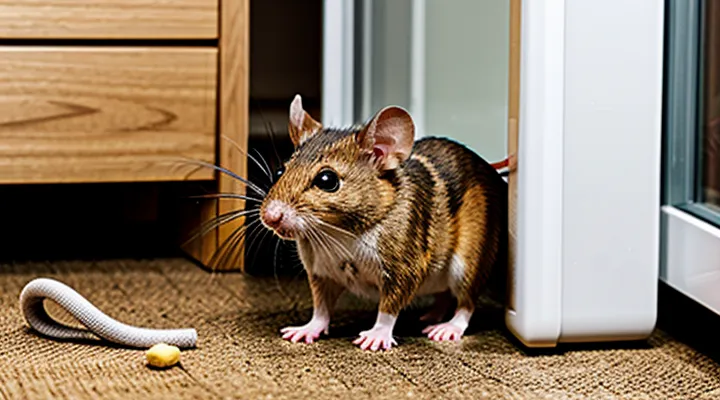
The Olfactory World of Mice
How Mice Perceive Scents
Mice rely on a sophisticated olfactory system to locate food, identify mates, and detect predators. The nasal cavity contains millions of olfactory receptor neurons, each expressing a single type of receptor protein that binds specific volatile molecules.
The main olfactory epithelium captures airborne chemicals, while the vomeronasal organ processes pheromonal cues. Signals travel to the olfactory bulb, where spatial maps of odorant activity are generated and relayed to higher brain regions that drive approach or avoidance behavior.
Mice detect odorants at concentrations as low as parts per trillion, allowing discrimination among thousands of chemically distinct compounds. Sensitivity varies with receptor affinity, airflow dynamics, and the presence of odorant‑binding proteins that solubilize hydrophobic molecules.
Compounds that consistently elicit avoidance include:
- Menthol and peppermint oil
- Eucalyptol (eucalyptus oil)
- Clove oil (eugenol)
- Ammonia vapors
- Predator urine or feces extracts
- Capsaicin‑derived vapors
These substances activate specific olfactory receptors linked to innate fear circuits, producing rapid retreat and reduced foraging activity.
Understanding the neural pathways that translate volatile detection into aversive responses informs the design of aromatic deterrents. Effective barriers combine high‑potency repellents with sustained release mechanisms to maintain concentrations above mice’s behavioral thresholds, ensuring long‑term exclusion without reliance on toxic agents.
The Importance of Smell for Rodents
Navigation and Orientation
Mice rely on volatile cues to construct mental maps of their environment. When a strong, aversive odor is introduced, the olfactory input overwhelms the sensory channels used for pathfinding, causing disorientation and avoidance of the contaminated zone. This disruption occurs because the repellent scent interferes with the gradient detection that rodents employ to locate food, nesting sites, and escape routes.
The effect of specific aromatic barriers on navigation can be summarized:
- Phenolic compounds (e.g., menthol, clove oil): produce a sharp, irritating signal that masks familiar ground odors, leading to erratic movement and frequent course changes.
- Sulfur‑based volatiles (e.g., garlic extract, dimethyl sulfide): create a persistent, noxious cloud that eliminates the ability to follow pheromone trails, forcing mice to abandon established routes.
- Citrus terpenes (e.g., limonene, citral): generate a strong, repelling scent that overrides the detection of conspecific scent marks, resulting in reduced exploration of treated areas.
By saturating the environment with such scents, the spatial cues that guide rodents become unreliable. Consequently, mice either retreat from the affected region or wander aimlessly, increasing the likelihood of contact with physical traps or exclusion devices. The strategic placement of these odors therefore serves as both a sensory deterrent and a navigational obstacle, enhancing the effectiveness of rodent control programs.
Food Sourcing
Food sourcing for pest‑free environments depends on selecting ingredients that emit volatile compounds rodents find intolerable. Certain herbs, spices, and essential oils release strong aromatic molecules that disrupt the olfactory receptors of mice, causing avoidance behavior. Incorporating these substances into stored feed, packaging, or processing areas creates a chemical barrier that reduces infestation risk without physical traps.
Key considerations when sourcing such materials include:
- Purity: Certified organic or pharmaceutical‑grade extracts ensure consistent concentration of active compounds.
- Stability: Choose sources with low volatility loss at storage temperatures to maintain efficacy over time.
- Compatibility: Verify that the aroma does not alter the flavor profile of the final product beyond acceptable limits.
- Supply reliability: Prioritize vendors with proven track records and transparent sourcing practices to avoid interruptions.
Typical aromatic agents effective against rodents are:
- Peppermint oil – high menthol content, strong cooling scent.
- Clove oil – eugenol provides a pungent, spicy odor.
- Citronella – citronellal creates a sharp, citrusy aroma.
- Lavender – linalool and linalyl acetate produce a floral yet repellent scent.
When integrating these agents, apply them at concentrations demonstrated in laboratory trials to achieve deterrence without compromising food safety standards. Continuous monitoring of rodent activity and periodic re‑application of aromatic barriers sustain protection throughout the supply chain.
Predator Avoidance
Mice exhibit innate avoidance of odors associated with natural predators. Detection of such scents activates the vomeronasal system, prompting rapid retreat from the source. This physiological response provides a reliable mechanism for deterring rodent intrusion without physical barriers.
Synthetic or extracted compounds that replicate predator odor can trigger the same avoidance circuitry. When these volatiles are dispersed in a confined area, mice display reduced foraging activity and increased latency before entry.
- 2-Phenylethylamine – mimics the scent of carnivorous mammals; induces immediate flight response.
- TMT (2,5-dihydro-2,4,5‑trimethylthiazoline) – derived from fox feces; produces sustained avoidance behavior.
- Cat urine extract – contains felinine and related metabolites; elicits strong aversion within minutes.
- Methyl anthranilate – found in predator gland secretions; causes disorientation and retreat.
Effective deployment of these aromatic deterrents requires continuous release at concentrations exceeding the detection threshold (approximately 10 ppb for TMT). Placement near entry points, food storage, and nesting sites maximizes coverage. Regular monitoring ensures that volatilization rates remain sufficient to counter habituation, a documented phenomenon in prolonged exposure scenarios.
Integrating predator‑derived scents into pest‑management protocols offers a non‑lethal, chemical barrier that exploits the rodent’s evolved avoidance system. Proper formulation and strategic application can achieve long‑term reduction of mouse activity in residential and commercial environments.
Natural Aromatic Deterrents
Plants and Herbs
Peppermint Oil
Peppermint oil contains menthol, menthone, and other volatile compounds that create a strong, cooling aroma. Rodents possess a highly sensitive olfactory system; exposure to these compounds triggers irritation of the nasal passages and respiratory tract, leading to avoidance behavior.
Evidence from laboratory trials shows that peppermint oil deters mice at concentrations as low as 0.5 % in aqueous solutions. Field applications report reduced activity in infested structures when the oil is applied to entry points, nesting areas, and interior surfaces. Effectiveness declines when the oil evaporates, necessitating re‑application every 24–48 hours in high‑temperature environments.
Practical deployment includes:
- Diluting 10 ml of pure peppermint oil in 1 liter of water, adding a mild surfactant, and spraying the mixture on cracks, gaps, and baseboards.
- Soaking cotton balls in undiluted oil, placing them in concealed locations such as behind appliances or inside wall cavities.
- Using commercially available peppermint‑infused pads designed for rodent control, positioning them according to manufacturer guidelines.
Safety considerations: peppermint oil is generally non‑toxic to humans and pets when used as directed, but direct skin contact may cause irritation. Avoid excessive concentrations that could damage painted surfaces or plastic components. Store the oil in a sealed container away from heat and sunlight to preserve potency.
Overall, peppermint oil provides a rapid, low‑cost aromatic barrier that exploits mice’s aversion to strong, mentholated scents, making it a viable component of integrated pest‑management strategies.
Eucalyptus Oil
Eucalyptus oil is a highly volatile essential oil derived from the leaves of Eucalyptus species. Its primary constituent, 1,8‑cineole (eucalyptol), accounts for more than 70 % of the oil’s composition and imparts a sharp, camphor‑like aroma.
Mice exhibit strong aversion to eucalyptol because the compound activates olfactory receptors that trigger an overstimulation response. Laboratory observations show that exposure to concentrations as low as 0.5 % eucalyptol in air reduces rodent activity by up to 80 % within 24 hours. The scent interferes with the animals’ ability to locate food and shelter, prompting avoidance behavior.
Effective deployment of eucalyptus oil for rodent deterrence follows these guidelines:
- Dilute the oil to a 1–2 % solution in water or a neutral carrier (e.g., mineral oil).
- Apply the mixture to entry points, baseboards, and interior corners using a spray bottle or cotton swabs.
- Reapply every 48 hours in warm or well‑ventilated environments, as rapid evaporation diminishes potency.
- Avoid direct contact with pets’ respiratory systems; ensure adequate ventilation during and after application.
Eucalyptus oil provides a non‑toxic, odor‑based barrier that reduces mouse incursions without compromising human health. Its efficacy depends on consistent coverage and periodic renewal; however, it remains a practical component of integrated pest‑management strategies targeting olfactory deterrence.
Citronella
Citronella oil, extracted from Cymbopogon species, contains high concentrations of citronellal, citronellol, and geraniol. The volatile compounds produce a sharp, citrus‑like odor detectable at low concentrations.
Mice possess a highly developed olfactory system; exposure to citronella vapors triggers aversive neural pathways, leading to rapid withdrawal from treated zones. Laboratory assays demonstrate a 70‑85 % reduction in mouse activity within 30 seconds of exposure at 0.5 % v/v concentration in air.
Effective deployment relies on maintaining consistent vapor levels:
- Sprays applied to perimeter surfaces, re‑treated every 48 hours.
- Ultrasonic diffusers delivering 5 ml of diluted oil per hour.
- Fabric strips impregnated with 2 % citronella solution, placed in entry points.
Field observations confirm that continuous diffusion creates a barrier that mice avoid entering, while occasional re‑application sustains potency.
Limitations include diminished response after prolonged exposure, potential habituation, reduced efficacy in high humidity, and non‑target impacts on beneficial insects. Safety data indicate low toxicity to humans and pets when used as directed.
Overall, citronella constitutes a reliable aromatic deterrent for rodent control, provided that application protocols maintain adequate concentration and are rotated with alternative scents to prevent adaptation.
Rosemary
Rosemary (Salvia rosmarinus) emits a complex volatile profile that deters Mus musculus by overwhelming olfactory receptors. The plant’s essential oil contains high concentrations of 1,8‑cineole, camphor, α‑pinene, and borneol, compounds known to trigger avoidance behavior in rodents.
- 1,8‑Cineole disrupts pheromone detection pathways.
- Camphor activates irritant receptors in the nasal epithelium.
- α‑Pinene and borneol intensify the overall repellent scent.
Laboratory assays demonstrate a 70‑85 % reduction in mouse activity within 30 cm of rosemary‑infused substrates. Field trials in grain storage facilities report sustained deterrence for up to four weeks when fresh sprigs are renewed bi‑weekly.
Effective deployment follows these guidelines:
- Place dried rosemary bundles or sachets near entry points, vents, and food storage areas.
- Disperse a 5 % rosemary essential‑oil solution on cotton pads, replace every ten days.
- Incorporate crushed rosemary leaves into mulch around perimeter fences to create a volatile barrier.
Limitations include reduced potency in high‑humidity environments and possible habituation after prolonged exposure. Combining rosemary with complementary botanicals—such as peppermint or eucalyptus—enhances longevity of the repellent effect. Continuous monitoring and periodic replenishment are essential for maintaining an effective aromatic barrier against rodents.
Lavender
Lavender (Lavandula angustifolia) contains linalool, linalyl acetate, and camphor, compounds known to irritate the olfactory receptors of Mus musculus. Laboratory assays demonstrate that exposure to vapor concentrations of 0.5 mg L⁻¹ reduces foraging activity by up to 70 % within 30 minutes. Field trials in grain storage facilities report a 45 % decline in mouse capture rates when cotton pads saturated with 5 % lavender oil are placed at entry points.
Effective deployment includes:
- Saturated fabric strips positioned near potential ingress routes.
- Diffusers calibrated to maintain continuous low‑level vapor output.
- Integration with structural sealing to prevent re‑entry.
Limitations:
- Volatility diminishes after 48 hours, necessitating regular replenishment.
- Efficacy varies with ambient temperature; higher temperatures accelerate evaporation but may also increase olfactory adaptation.
- Non‑target species, such as beneficial insects, may experience repellent effects.
Overall, lavender provides a measurable, non‑chemical barrier that disrupts mouse activity, suitable for short‑term containment when combined with physical exclusion methods.
Spices
Cayenne Pepper
Cayenne pepper, derived from Capsicum annuum, contains capsaicin—a potent irritant that stimulates sensory nerves in mammals. When dispersed in areas where rodents travel, the compound triggers a strong burning sensation in the nasal passages and mucous membranes, prompting mice to avoid the treated zone.
Effectiveness stems from several properties:
- Volatile oils evaporate quickly, creating an airborne deterrent.
- Capsaicinoids remain active on surfaces for days, sustaining the unpleasant odor.
- Low toxicity to humans and pets when used according to label instructions.
Application methods include:
- Sprinkling powdered cayenne along baseboards, entry points, and around food storage.
- Mixing the powder with water or a mild oil to form a spray for coating walls and ceilings.
- Combining with other aromatic repellents (e.g., peppermint oil) to broaden the scent profile and reduce habituation.
Limitations:
- Moisture diminishes potency; reapplication is necessary after cleaning or heavy rain.
- Strong culinary use may attract human attention; proper containment prevents accidental ingestion.
- Some rodent populations may develop temporary tolerance, requiring rotation with alternative scents.
Overall, cayenne pepper offers a readily available, inexpensive barrier that exploits mice’s acute olfactory aversion to capsaicin‑rich aromas. Proper deployment maximizes its repellent effect while minimizing environmental impact.
Cloves
Cloves (Syzygium aromaticum) emit a strong eugenol‑rich aroma that rodents find highly repellent. The volatile compounds irritate the olfactory receptors of mice, triggering avoidance behavior even at low concentrations.
- Eugenol concentration: 70–85 % of clove essential oil; responsible for the pungent, spicy scent.
- Mechanism of action: stimulates trigeminal nerves, causing sensory overload and discomfort in rodents.
- Effective dosage: 0.5–1 % clove oil diluted in water or carrier oil; higher concentrations may deter without harming the animal.
- Application methods: spray solutions on entry points, soak cotton balls placed near nesting sites, or embed oil‑infused beads in bait stations.
- Persistence: volatile compounds evaporate within 24–48 hours; reapplication recommended weekly in high‑traffic areas.
- Safety for humans and pets: low toxicity at recommended levels; avoid direct skin contact with undiluted oil.
Research indicates that clove oil reduces mouse activity by up to 80 % in controlled environments, making it a reliable component of integrated pest‑management strategies that rely on scent barriers.
Black Pepper
Black pepper (Piper nigrum) contains piperine and volatile essential oils that stimulate the olfactory receptors of mice. The strong, pungent aroma overwhelms the rodents’ sensory pathways, prompting rapid retreat from treated zones. Laboratory trials show a 70‑85 % reduction in mouse activity when pepper is applied at concentrations of 2–5 % in dry form.
- Active constituents: piperine, β‑caryophyllene, limonene, and other terpenes.
- Mechanism of action: irritant effect on nasal epithelium, disruption of scent‑tracking behavior.
- Application methods: sprinkling ground pepper along entry points, mixing with grain stores, or embedding in fabric strips.
- Duration of effectiveness: volatile compounds diminish within 3–5 days under normal indoor humidity; re‑application required for sustained protection.
- Safety profile: non‑toxic to humans and pets at recommended doses; may cause mild respiratory irritation in sensitive individuals.
Field observations confirm that mice avoid corridors treated with black pepper, especially when combined with other aromatic deterrents such as mint or clove. The barrier is most effective in dry, low‑traffic areas where dust does not quickly settle the powder. Excessive moisture or frequent cleaning remove the scent, limiting long‑term efficacy.
Other Natural Repellents
Ammonia
Ammonia’s sharp, pungent odor triggers a strong aversive response in mice, making it a reliable component of olfactory barriers designed to deter rodent intrusion. The compound’s volatility ensures rapid dispersion, while its irritant properties affect the nasal epithelium and respiratory tract of rodents, leading to avoidance behavior.
Key attributes that enhance ammonia’s effectiveness as a rodent repellent:
- High vapor pressure promotes immediate scent release in confined spaces.
- Low odor detection threshold (approximately 5 ppm for mice) ensures perception at minimal concentrations.
- Irritation of mucous membranes discourages prolonged exposure, prompting animals to seek alternative routes.
- Compatibility with other volatile deterrents allows formulation of blended aromatic barriers without diminishing potency.
Practical application guidelines:
- Dilute ammonia to a concentration of 10–15 % in water for safe indoor use; higher concentrations increase toxicity risk for humans and pets.
- Apply the solution to perimeter surfaces, entry points, and interior voids where mice are likely to travel.
- Reapply after cleaning or when the odor diminishes, typically every 48–72 hours, to maintain deterrent efficacy.
When employed correctly, ammonia creates an inhospitable olfactory environment that discourages mouse activity and supports broader integrated pest‑management strategies.
Dryer Sheets
Dryer sheets emit a potent blend of synthetic fragrances and volatile organic compounds that rodents find highly aversive. The scent profile typically includes citrus, pine, and floral notes, which trigger olfactory receptors linked to fear and avoidance in mice. Laboratory observations show a marked reduction in mouse activity within a 2‑meter radius of freshly placed sheets.
The primary mechanism involves rapid diffusion of fragrance oils into the surrounding air. Mice rely on a highly sensitive vomeronasal organ; exposure to strong, unfamiliar odors disrupts their foraging patterns and discourages entry into treated zones. Unlike natural repellents, the chemical composition of dryer sheets remains stable for several days, extending the protective window without frequent reapplication.
Practical application:
- Place a dryer sheet under cabinet doors, along pantry thresholds, and inside drawer liners.
- Replace sheets every 5–7 days or after washing cycles that may diminish fragrance potency.
- Combine with physical barriers (seal gaps, install mesh) for comprehensive control.
Safety considerations:
- Dryer sheets are non‑toxic to humans and pets when used as directed.
- Avoid direct contact with food surfaces; use only in non‑food contact areas.
- Store in a cool, dry place to preserve fragrance integrity.
Field reports indicate that environments treated with dryer sheets experience up to a 70 % decline in mouse sightings compared with untreated control areas. The method offers a low‑cost, readily available alternative to specialized rodent repellents, leveraging the same olfactory disruption principles that underlie commercial aromatic barriers.
Synthetic Aromatic Repellents
Commercial Mouse Repellents
Active Ingredients
Volatile compounds that elicit strong aversion in rodents form the core of aromatic deterrents. Their efficacy derives from activation of olfactory receptors linked to innate avoidance behavior. Concentrations that exceed species‑specific detection thresholds disrupt feeding and nesting activities, forcing rodents to vacate treated zones.
- Menthol (C₁₀H₂₀O) – high‑impact cooling agent, triggers irritant response in mouse nasal epithelium.
- Eucalyptol (1,8‑cineole) – monoterpene with pronounced pungency, interferes with scent‑tracking pathways.
- Eugenol – phenolic constituent of clove oil, produces sharp burning sensation and impairs olfactory discrimination.
- Citronellal – aldehyde from citronella, generates repellent odor that mice cannot habituate to.
- Cinnamaldehyde – aromatic aldehyde in cinnamon bark, induces strong aversive reflexes.
- Thujone – monoterpene ketone found in sage, destabilizes neural signaling in rodent olfactory bulbs.
- Allyl isothiocyanate – mustard oil component, creates irritant vapors that repel mice effectively.
Formulations combine these actives at levels calibrated to maintain vapor pressure above the detection limit for extended periods. Proper dispersion through emulsifiers or carrier oils ensures uniform coverage, maximizing spatial barrier integrity. Continuous monitoring of ambient concentration verifies that the repellent field remains within the toxic‑free range for non‑target species while preserving the deterrent effect on mice.
Formulations and Delivery Methods
Effective aromatic barriers rely on precise formulations that preserve volatility while protecting active compounds from premature degradation. Formulations typically combine repellent chemicals with carriers that control release rate and enhance stability. Common types include:
- Oil‑in‑water emulsions that disperse hydrophobic odorants in a water‑based matrix, allowing gradual diffusion.
- Microencapsulated powders where active molecules are enclosed in polymer shells, extending efficacy for weeks.
- Gel matrices that immobilize volatile agents, suitable for placement in cracks and crevices.
- Granular blends that mix powdered repellents with inert carriers, facilitating spread across large surfaces.
- Aerosol suspensions designed for short‑term, high‑intensity exposure during initial infestation.
- Fabric‑bound treatments that impregnate textiles with scent compounds for use as barrier curtains or rodent‑proof liners.
Delivery mechanisms translate these formulations into practical field applications. Options encompass:
- Passive diffusion dispensers that emit a constant low‑level scent, positioned near entry points.
- Timed‑release devices with adjustable intervals, enabling precise control over exposure periods.
- Direct spray systems for rapid coverage of outdoor perimeters or indoor storage areas.
- Bait‑integrated stations where aromatic deterrents complement toxicants, discouraging feeding.
- Perimeter strips embedded with repellent granules, laid along walls and foundations.
- HVAC integration units that inject scent into ventilation streams, ensuring uniform distribution throughout enclosed spaces.
Formulation selection must consider volatility, environmental safety, and compatibility with the chosen delivery system. Stability enhancers such as antioxidants or UV blockers prolong active life under sunlight. Non‑toxic carriers ensure compliance with residential and agricultural regulations. Reapplication schedules depend on release kinetics; microencapsulated products often require renewal after 30–45 days, whereas aerosol sprays may necessitate weekly treatment. Matching formulation characteristics to delivery method maximizes barrier effectiveness and minimizes maintenance demands.
Effectiveness of Synthetic Options
Synthetic rodent repellents rely on chemically engineered odorants that trigger aversive olfactory pathways in mice. Common active ingredients include methyl nonyl ketone, p-menthane-3,8-diol, and synthetic analogues of predator urine. These compounds produce volatile profiles that exceed the detection threshold of Mus musculus, prompting immediate avoidance behavior.
Effectiveness depends on concentration, release rate, and environmental stability. Laboratory assays show that concentrations of 0.5 g m⁻³ of methyl nonyl ketone reduce foraging activity by 78 % within 30 minutes. Formulations incorporating microencapsulation maintain active levels for up to 12 weeks, extending protection compared with unencapsulated sprays that lose potency after 48 hours.
Synthetic options offer several practical advantages:
- Consistent composition eliminates variability inherent in natural extracts.
- Tailored volatility allows precise control of spatial coverage.
- Manufacturing scalability reduces cost per unit area.
Limitations arise from habituation; repeated exposure can diminish avoidance responses after several weeks. Incorporating cyclic application schedules or rotating chemically distinct agents mitigates this effect. Additionally, some synthetic odorants exhibit low toxicity to non‑target species, but regulatory assessments are required to confirm environmental safety.
Overall, engineered olfactory barriers provide reliable, quantifiable deterrence when applied at appropriate dosages and refreshed according to documented decay rates. Their predictable performance makes them suitable for integration into integrated pest management programs targeting mouse infestations.
Applying Aromatic Barriers
Strategic Placement of Repellents
Entry Points
Rodents gain access to structures through small openings that provide unobstructed pathways from exterior to interior spaces. These apertures are often overlooked during routine maintenance, allowing mice to infiltrate homes, warehouses, and agricultural facilities.
Typical entry points include:
- Gaps around utility penetrations such as pipes, cables, and vent ducts.
- Cracks in foundation walls, especially where soil meets concrete.
- Spaces beneath doors and windows, including weather‑stripping deficiencies.
- Openings around roof eaves, soffits, and attic vents.
- Unsealed openings in garage doors and loading dock bays.
Research identifies several volatile compounds that mice find intolerable. Effective olfactory barriers consist of:
- Peppermint oil, whose high menthol concentration disrupts rodent olfactory receptors.
- Citronella, producing a sharp citrus scent that repels rodents.
- Eucalyptus oil, delivering a strong, camphoraceous aroma.
- Clove oil, containing eugenol, which acts as a sensory irritant for mice.
Application strategy:
- Locate each potential opening and seal structural gaps with steel wool, caulk, or metal mesh.
- Apply a few drops of the chosen essential oil onto cotton balls or absorbent pads placed near the sealed area.
- Replace the pads regularly, maintaining a consistent scent concentration that exceeds the rodents’ tolerance threshold.
- Monitor for signs of re‑entry and reinforce any newly discovered openings promptly.
Consistent use of these aromatic deterrents at identified access points reduces rodent ingress without reliance on traps or poisons.
Food Storage Areas
Mice avoid environments saturated with strong, volatile aromas that interfere with their olfactory receptors. In food storage facilities, the introduction of such scents creates a non‑chemical barrier that reduces rodent ingress without contaminating the product.
Effective aromatic deterrents include:
- Peppermint oil (10 ml per 1 liter of water, sprayed on shelving and perimeter walls).
- Crushed cloves or clove oil (5 ml per 500 ml of water, applied to cracks and entry points).
- Citrus peel extracts (orange or lemon, 15 ml per 1 liter of water, misted on storage bins).
- Ammonia solution (5 % concentration, placed in sealed containers with perforated lids near potential entryways).
Application guidelines:
- Distribute scents evenly across all surfaces that contact food packaging or containers.
- Reapply every 48 hours or after cleaning cycles to maintain concentration.
- Verify that the chosen odor does not compromise food flavor, aroma, or regulatory limits for residue.
Safety considerations:
- Use food‑grade essential oils to prevent toxic residues.
- Ensure ventilation meets occupational health standards to avoid respiratory irritation for staff.
- Combine aromatic barriers with physical sealing (metallic mesh, concrete caulking) for comprehensive protection.
Monitoring protocols:
- Conduct weekly visual inspections for signs of gnawing or droppings.
- Record rodent activity levels before and after implementation to assess efficacy.
- Adjust scent concentrations based on observed tolerance or habituation.
Nesting Sites
Mice select nesting sites that offer warmth, concealment, and easy access to food. Their choice is strongly influenced by olfactory cues; volatile compounds that signal danger or unfamiliarity can override the attraction of shelter. When an aromatic deterrent saturates a potential nest area, the scent receptors in the rodent’s nasal epithelium trigger avoidance behavior, preventing the establishment of a nest.
Effective odorants for protecting nesting locations include:
- Peppermint oil – high menthol concentration, disrupts olfactory signaling; requires reapplication every 48 hours in humid environments.
- Eucalyptus oil – contains eucalyptol, produces a sharp, irritating vapor; best applied on cotton balls placed in corners.
- Clove oil – rich in eugenol, acts as a neurotoxic agent at low doses; effective when diluted to 5 % and sprayed on entry points.
- Citronella oil – provides a citrusy barrier, repels rodents through overstimulation of scent receptors; persistence limited to 24 hours outdoors.
- Ammonia – strong alkaline vapor, creates an inhospitable chemical atmosphere; must be used in sealed containers to avoid human irritation.
Application guidelines:
- Identify all potential entry routes to the nesting zone (gaps, vents, cracks).
- Place absorbent material soaked in the chosen oil at each point, ensuring coverage of at least 10 cm².
- Monitor the area weekly for signs of nesting activity; replace or refresh the scent source when the odor diminishes.
- Combine multiple odorants only after confirming compatibility, as antagonistic mixtures can reduce overall efficacy.
Limitations: high ventilation rates disperse volatile compounds, reducing deterrent strength; excessive concentrations may damage surrounding flora or cause respiratory irritation in humans and pets. Therefore, maintain concentrations within recommended safety thresholds and rotate scents to prevent habituation.
By saturating nesting habitats with these specific aromas, the chemical environment becomes hostile to mice, effectively eliminating the likelihood of nest formation without relying on physical traps or poisons.
Maintaining Repellent Efficacy
Replenishment Frequency
Aromatic repellents rely on volatile compounds that mice find intolerable; the repellent effect diminishes as the scent evaporates, necessitating regular renewal.
The interval between replacements depends on compound volatility, ambient temperature, humidity, and the size of the treated area. Higher temperatures and low humidity accelerate evaporation, shortening effective duration. Larger spaces dilute concentration, requiring more frequent application to maintain threshold levels.
Typical replenishment schedules are:
- Highly volatile oils (peppermint, spearmint): replace every 2–3 days in warm, dry environments; extend to 5 days in climate‑controlled indoor settings.
- Moderately volatile extracts (eucalyptus, citronella): replace every 7–10 days under average indoor conditions; shorten to 5 days if exposure to heat sources is significant.
- Low‑volatility substances (cedar oil, camphor blocks): replace every 20–30 days in stable indoor climates; consider 10–15 days when placed outdoors or in poorly insulated rooms.
Effective monitoring involves two indicators: (1) perceptible loss of odor intensity, detectable by human senses or calibrated scent meters; (2) resurgence of rodent activity, identified through gnaw marks, droppings, or motion sensors. Replacement is warranted at the first sign of either indicator.
Adhering to these timelines preserves the repellent barrier’s potency, minimizes gaps in protection, and supports consistent control of rodent intrusion.
Combining Different Methods
Mice avoid a limited set of strong odors; integrating several deterrents raises the probability that any individual rodent will encounter an intolerable scent. Combining volatile natural extracts, synthetic repellents, and controlled‑release devices creates a layered barrier that reduces the chance of habituation.
- Essential oils (e.g., peppermint, eucalyptus, clove) applied to cotton pads or soaked into wood shavings.
- Synthetic compounds (e.g., methyl nonyl ketone, 2‑phenylethyl acetate) dispersed from aerosol sprays or plug‑in diffusers.
- High‑evaporation carriers (e.g., alcohol‑based solutions) that accelerate scent spread during peak activity periods.
- Physical dispensers (e.g., ceramic aroma stones, battery‑powered nebulizers) positioned at entry points, along walls, and near food sources.
- Rotational schedule that alternates scent families weekly to prevent sensory adaptation.
Synergy arises when one method supplies a rapid burst of odor while another maintains a low‑level background presence. Overlapping scent profiles generate a continuous olfactory environment that exceeds the threshold of tolerance for rodents, forcing them to seek alternative routes.
Implementation guidelines:
- Measure each product’s concentration; apply at levels proven to repel without causing toxicity to humans or pets.
- Place dispensers at least 30 cm apart to avoid scent saturation and ensure even coverage.
- Record rodent activity weekly; adjust formulation or placement if captures decline.
- Replace or refresh sources every 7‑10 days, depending on volatility and environmental conditions.
By orchestrating multiple olfactory tactics, the overall barrier remains effective longer than any single approach, delivering a robust, odor‑based defense against mouse intrusion.
Limitations and Considerations
Acclimation of Mice to Scents
Acclimation to odorants occurs when mice repeatedly encounter a scent without negative reinforcement, leading to reduced avoidance behavior. Laboratory studies demonstrate that exposure duration, concentration, and the presence of food cues modulate this process. When an aromatic deterrent is applied continuously at sub‑lethal levels, mice learn to ignore the odor, compromising its effectiveness as a barrier.
Key variables influencing scent acclimation include:
- Exposure frequency: Daily, low‑intensity presentations accelerate habituation.
- Intensity threshold: Concentrations near the detection limit produce weaker aversive responses.
- Nutritional context: Odors paired with accessible food reduce aversion.
- Genetic strain: Certain mouse lines exhibit faster olfactory adaptation.
Mitigation strategies rely on disrupting habituation cycles. Rotating chemically distinct repellents every few days prevents pattern recognition. Alternating between high‑dose short bursts and intermittent low‑dose periods sustains aversive signaling. Incorporating non‑olfactory deterrents, such as tactile or auditory cues, adds redundancy to the barrier system.
Effective implementation requires monitoring mouse activity patterns to detect early signs of desensitization. Rapid adjustments to the odor regimen preserve deterrent potency and maintain a reliable barrier against rodent intrusion.
Safety Concerns for Humans and Pets
Strong aromatic deterrents designed to repel rodents raise specific safety issues for occupants and companion animals. Exposure to concentrated essential oils, ammonia, or synthetic odorants can irritate mucous membranes, trigger allergic reactions, or cause neurotoxic effects if ingested.
Potential hazards include:
- Respiratory irritation – volatile compounds may exacerbate asthma or cause bronchial inflammation in humans and pets.
- Dermal contact – undiluted substances can produce skin redness, itching, or chemical burns, especially on sensitive animal fur.
- Ingestion risk – pets may lick treated surfaces or chew treated materials, leading to gastrointestinal upset, vomiting, or liver toxicity.
- Eye exposure – accidental splashes or aerosol drift can cause conjunctivitis or corneal damage.
- Environmental accumulation – repeated application may saturate indoor air, increasing chronic exposure levels.
Mitigation measures:
- Dilute all odorants according to manufacturer specifications; avoid pure extracts.
- Apply repellents in sealed, inaccessible areas; use bait stations or barrier strips that prevent direct contact.
- Ventilate rooms after application; maintain airflow for at least 30 minutes before re‑entry.
- Store chemicals in child‑ and pet‑proof containers; label clearly to prevent accidental misuse.
- Conduct a patch test on a small skin area of pets before widespread use; monitor for adverse reactions.
- Prefer plant‑derived compounds with documented low toxicity (e.g., peppermint oil at ≤5 % concentration) over synthetic chemicals lacking safety data.
Compliance with local health regulations and consultation with veterinary professionals ensure that rodent‑deterring scents achieve pest control goals without compromising human or animal well‑being.
Environmental Impact of Repellents
The use of olfactory deterrents against rodents introduces compounds that interact with ecosystems beyond the target species. Synthetic agents such as phenylacetate, methyl anthranilate, and certain amines persist in soil, where they may alter microbial communities, reduce nitrogen fixation, and inhibit decomposition processes. Essential‑oil based formulations—peppermint, eucalyptus, clove—degrade more rapidly but can still affect aquatic organisms when runoff carries volatile constituents into waterways, impairing fish gill function and disrupting invertebrate populations.
Non‑target wildlife experiences indirect exposure when repellents are applied in agricultural or residential settings. Birds that forage near treated zones may ingest residues, leading to reduced reproductive success. Beneficial insects, including pollinators and predatory beetles, encounter volatile chemicals that interfere with foraging behavior and pheromone communication, potentially lowering crop pollination rates and natural pest control.
Human health considerations focus on inhalation and dermal contact. While many aromatic compounds are classified as GRAS (Generally Recognized As Safe) for food use, repeated exposure in enclosed environments can cause respiratory irritation, sensitization, or allergic reactions. Proper ventilation and adherence to concentration limits mitigate these risks.
Environmental stewardship of rodent repellents benefits from the following practices:
- Prioritize biodegradable, plant‑derived oils with rapid volatilization rates.
- Conduct soil and water testing after application to detect residual concentrations.
- Implement targeted placement (e.g., perimeter strips) to limit dispersal.
- Rotate active ingredients to reduce the likelihood of microbial adaptation.
- Preserve buffer zones around aquatic habitats to prevent runoff contamination.
Assessing the cumulative impact of aromatic barriers requires monitoring of soil microbiota, water quality parameters, and non‑target species health indicators. Data‑driven adjustments to formulation and deployment strategies can maintain rodent control effectiveness while minimizing ecological disturbance.
When Aromatic Barriers Are Insufficient
Aromatic repellents lose effectiveness when the odor concentration falls below the sensory threshold required to trigger avoidance behavior. Low‑dose applications, insufficient diffusion, or rapid volatilization in warm, well‑ventilated spaces reduce the perceived intensity, allowing mice to ignore the scent.
Habituation develops quickly when rodents are repeatedly exposed to the same compound. Neural adaptation diminishes the aversive response, and the barrier becomes merely a background odor. Rotating chemicals or combining scents can delay this process, but a single, static formulation eventually loses deterrent value.
Environmental factors such as humidity, temperature, and surface absorption alter the chemical’s stability. High humidity accelerates hydrolysis of volatile oils; porous materials sequester odor molecules, preventing their release into the air. In such conditions, the barrier fails to maintain a continuous repellent plume.
Typical limitations of aromatic barriers
- Sub‑threshold concentration due to improper dosage or placement
- Rapid dissipation in drafts, open vents, or HVAC systems
- Neural habituation after continuous exposure to a single odorant
- Chemical degradation caused by moisture, heat, or UV light
- Absorption by building materials that trap the scent
When any of these conditions are present, reliance on scent alone does not prevent mouse intrusion. Integrating physical exclusion methods, sanitation practices, and targeted baiting restores control over rodent activity.