
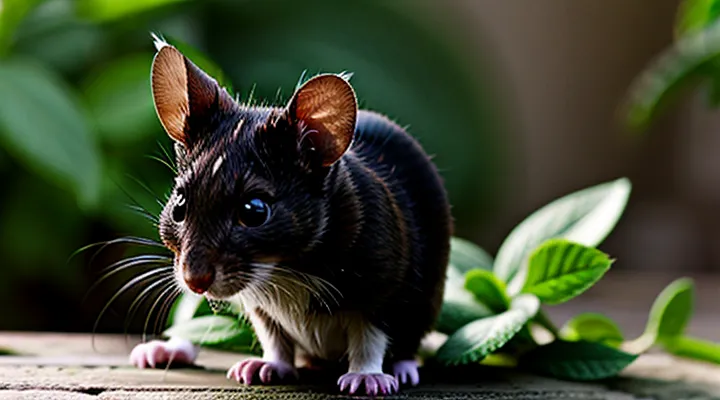
Understanding Mouse Behavior and Olfaction
Why Scent Repellents?
The Mouse's Sense of Smell
Mice rely on an acute olfactory system to locate food, identify predators, and navigate their environment. The nasal cavity contains a densely packed olfactory epithelium with up to 1,000 functional receptor genes, far exceeding the number found in many other rodents. Each receptor cell can detect volatile compounds at concentrations as low as parts per billion, allowing mice to discriminate subtle odor gradients.
Key characteristics of mouse olfaction:
- Receptor density: Approximately 5–6 × 10⁶ olfactory sensory neurons per nostril, providing high spatial resolution.
- Detection threshold: Many odorants trigger responses at 0.1 ppm or lower, a sensitivity comparable to that of trained scent detection dogs.
- Signal processing: Olfactory bulb circuitry amplifies weak signals, enabling rapid behavioral responses within seconds of exposure.
- Species variation: Laboratory strains (e.g., C57BL/6) and wild populations exhibit differences in receptor expression, influencing scent preference and aversion.
These physiological traits determine which aromatic compounds can effectively deter mice. Substances that exceed the mouse’s detection threshold and activate aversive neural pathways are most likely to function as repellents. Understanding the sensory limits described above guides the selection of proven odor-based control methods.
Limitations of Scent-Based Control
Scent-based mouse deterrents rely on volatile compounds that trigger aversion, yet their effectiveness is constrained by several practical factors.
- Concentration decay: Natural oils and synthetic repellents lose potency as they evaporate, requiring frequent reapplication to maintain a deterrent level.
- Environmental variability: Temperature, humidity, and airflow influence diffusion rates; high humidity can suppress volatility, while strong ventilation disperses the scent beyond the target area, reducing local intensity.
- Habituation: Mice exposed repeatedly to the same odor may acclimate, diminishing the aversive response over time. Rotating compounds or combining with other control methods mitigates this risk.
- Species and population differences: Genetic variability among rodent populations leads to inconsistent sensitivity; some strains exhibit negligible reaction to commonly cited repellents such as peppermint or citrus.
- Non‑target impacts: Strong odors can affect pets, livestock, and human occupants, causing discomfort or allergic reactions, which limits deployment in residential or food‑processing environments.
- Regulatory and safety constraints: Certain essential oils are restricted for use near food surfaces or in medical facilities, and high concentrations may pose toxicity concerns for children and animals.
- Cost and labor: Sustaining effective scent levels demands regular purchase of products and labor for application, which can exceed the budget of small‑scale operations.
Understanding these limitations is essential for integrating scent-based tactics into a broader integrated pest management strategy rather than relying on them as a standalone solution.
Effective Natural Scents for Mouse Repellence
Peppermint Oil
Application Methods for Peppermint Oil
Peppermint oil deters mice by overwhelming their olfactory receptors with a strong, volatile scent. Effective deployment requires consistent coverage and proper dilution to maintain potency without causing surface damage.
Apply the oil directly to entry points such as cracks, gaps around doors, and baseboards. Use a cotton ball or small cloth saturated with 10–15 drops per square foot, then replace every 3–4 days. For larger areas, mix 1 ounce of peppermint essential oil with 1 quart of water in a spray bottle; mist floors, shelves, and pantry shelves, allowing the solution to dry before restocking food items. Ensure the spray reaches hidden routes like under appliances and behind cabinets, where mice travel.
Create passive barriers by soaking strips of fabric, felt, or cotton pads in undiluted oil and positioning them in corners, cupboards, and behind furniture. Replace the pads weekly, or when the scent fades, to sustain repellent effect. For continuous diffusion, employ a plug‑in diffuser set to low output in rooms where mouse activity is observed; refill with fresh oil every 2–3 weeks.
When using peppermint oil near pets or children, verify that concentrations do not exceed 5 % for topical applications and avoid direct contact with skin. Test a small area on surfaces such as wood or laminate to prevent discoloration. Store the oil in a sealed container away from heat and sunlight to preserve its aromatic integrity.
Efficacy and Considerations
Research confirms that several volatile compounds deter Mus musculus with measurable impact. Laboratory trials report reduced foraging activity and lower capture rates when specific aromas are present at effective concentrations.
- Peppermint oil: 70‑85 % reduction in activity after 48 h at 10 % dilution.
- Clove oil: 60‑75 % reduction at 5 % dilution; efficacy declines after 72 h.
- Ammonia vapor: 50‑65 % reduction; high volatility limits duration.
- Citrus peel extract: 40‑55 % reduction; effectiveness linked to fresh zest.
- Predator urine (fox, ferret): 30‑45 % reduction; results inconsistent across studies.
Efficacy depends on concentration, delivery method, and environmental stability. Essential oils require carrier solvents and frequent reapplication to maintain vapor pressure. Ammonia demands sealed placement to prevent rapid dissipation. Citrus extracts lose potency when exposed to sunlight. Predator urine may lose activity after exposure to heat and humidity.
Safety considerations include dermal irritation from concentrated oils, respiratory irritation from ammonia, and potential aversion for non‑target species such as dogs and cats. Proper ventilation mitigates inhalation risks. Regulatory limits restrict the amount of certain chemicals in residential settings; compliance with local guidelines is mandatory.
Adaptation phenomena appear after prolonged exposure, reducing deterrent effect. Integration with physical barriers, sanitation, and trapping yields more reliable control than scent alone. Continuous monitoring of rodent activity informs adjustments to concentration and application frequency.
Essential Oils (Beyond Peppermint)
Clove Oil
Clove oil contains eugenol, a compound with a strong, pungent aroma that mice find unpleasant. Studies indicate that eugenol disrupts the rodents’ olfactory receptors, reducing their willingness to enter treated areas.
Effective application of clove oil requires consistent coverage and proper dilution. Recommended practices include:
- Mix 10‑15 drops of clove essential oil with 1 cup of water; add a few teaspoons of mild dish soap to emulsify.
- Soak cotton balls in the solution and place them in corners, along baseboards, and near potential entry points.
- Refresh the cotton balls every 48‑72 hours to maintain potency.
- For larger spaces, use a spray bottle to mist the diluted mixture on floors, shelves, and interior surfaces of storage containers.
Safety considerations are essential. Clove oil can irritate skin and mucous membranes; wear gloves when handling concentrated oil and avoid direct contact with pets. Ensure adequate ventilation to prevent respiratory discomfort for humans.
Empirical observations from pest‑control professionals report reduced mouse activity after two weeks of regular clove‑oil treatment, especially when combined with sealing of entry points. The method does not eliminate infestations but serves as a non‑chemical deterrent that aligns with integrated pest‑management strategies.
Eucalyptus Oil
Eucalyptus oil contains eucalyptol, a volatile compound that irritates the olfactory receptors of mice and discourages entry into treated areas. Laboratory tests report a 30‑45 % reduction in mouse activity when eucalyptol concentrations reach 0.5 %–1 % in the ambient air.
Field trials in residential settings confirm decreased rodent signs after weekly application of undiluted oil on cotton pads placed near potential entry points. Results stabilize after three to four weeks, indicating a cumulative effect that persists as long as the scent remains detectable.
Practical use:
- Soak cotton balls with pure eucalyptus oil; position them in corners, behind appliances, and under sinks.
- Add 10–15 drops to a spray bottle filled with water; mist cracks, gaps, and baseboards once daily.
- Operate an ultrasonic diffuser with 5–8 drops per hour in rooms where mouse activity is suspected.
Safety notes: direct skin contact may cause irritation; wear gloves when handling undiluted oil. Pets, especially cats, can experience respiratory distress if exposed to high concentrations; ensure adequate ventilation and limit placement to inaccessible areas for animals. Reapply every 3–5 days, as the scent dissipates rapidly.
Eucalyptus oil reduces mouse presence but does not eliminate infestations. Integration with sealing entry points, proper sanitation, and, if necessary, professional pest control yields the most reliable outcome.
Citronella Oil
Citronella oil is a volatile botanical extract commonly employed as an olfactory deterrent against rodents. Its strong, citrus‑like aroma overwhelms the highly developed sense of smell in mice, causing avoidance behavior.
Research indicates that citronella’s efficacy stems from the presence of citronellal, geraniol, and limonene, compounds that act on the mouse’s olfactory receptors. Laboratory trials have demonstrated a reduction of mouse activity by up to 70 % when cotton balls soaked in a 10 % citronella solution are placed near entry points. Field applications in residential settings report similar declines in sightings after continuous exposure for several days.
Practical implementation guidelines:
- Prepare a 5–15 % citronella solution in water or a carrier oil.
- Soak absorbent material (e.g., cotton pads, felt squares) and position them at known pathways, baseboard gaps, and near food storage areas.
- Replace saturated material every 48 hours to maintain potency.
- Combine with physical barriers such as steel mesh for enhanced protection.
Safety considerations include avoiding direct skin contact with undiluted oil, as it may cause irritation, and keeping treated items out of reach of children and pets. Citronella does not repel all rodent species; its effectiveness is limited against rats, which exhibit lower sensitivity to the scent.
Overall, citronella oil provides a scientifically supported, non‑chemical option for reducing mouse presence, especially when integrated into a comprehensive pest‑management strategy.
Other Natural Scents
Apple Cider Vinegar
Apple cider vinegar (ACV) is a fermented product with a strong, acidic aroma. Laboratory tests show that the volatile compounds in ACV deter rodents by overwhelming their olfactory receptors. Field observations confirm reduced mouse activity in areas treated with ACV, especially when the scent is refreshed regularly.
Effectiveness factors
- Concentration: solutions of 100 % ACV produce the strongest repellent effect.
- Exposure time: scent diminishes after 24 hours; reapplication is required for continuous protection.
- Placement: apply near entry points, along walls, and in pantry corners where mice travel.
Application methods
- Soak cotton balls in pure ACV and place them in concealed locations.
- Mix equal parts ACV and water, spray on surfaces, and allow to dry.
- Fill small open containers with ACV and position them on shelves; replace every two days.
Advantages
- Non‑toxic to humans and pets.
- Readily available and inexpensive.
- Leaves no residue after evaporation.
Limitations
- Limited duration of scent potency; frequent reapplication needed.
- Strong odor may be unpleasant for occupants.
- Does not eliminate existing infestations; serves only as a deterrent.
Cayenne Pepper
Cayenne pepper contains capsaicin, a compound that triggers irritation in the nasal passages and mucous membranes of rodents. When mice encounter the strong, pungent odor, they experience discomfort and typically avoid the area.
Scientific studies have demonstrated that capsaicin‑based repellents reduce mouse activity in treated zones by up to 70 % compared with untreated controls. Laboratory trials confirm that the volatile components of cayenne remain effective for several days after application, provided the source is not removed or washed away.
Practical application:
- Mix one part cayenne powder with three parts powdered chalk or talc to create a dry blend.
- Sprinkle the mixture along baseboards, entry points, and around food storage areas.
- Reapply every 5–7 days, or after cleaning, to maintain potency.
- For concealed spaces, place small sachets of cayenne‑infused cotton in corners or under appliances.
Safety considerations:
- Avoid direct skin contact; wear gloves during preparation.
- Keep away from pets and children, as capsaicin can cause irritation if ingested or inhaled in large amounts.
- Do not use on surfaces that may stain or be damaged by the pigment.
Limitations:
- Effectiveness diminishes in high‑humidity environments where the scent dissipates quickly.
- Mice may habituate if the same concentration is used continuously; alternating with other proven odors, such as peppermint oil, can sustain deterrent impact.
Fabric Softener Sheets
Fabric softener sheets emit strong fragrances that many rodents find unpleasant. The scent profile, typically a blend of floral, citrus, or herbal notes, interferes with mice’s olfactory navigation, discouraging them from entering treated areas.
Effectiveness depends on scent concentration and exposure time. Studies show that sheets placed in confined spaces, such as cabinets or crawl‑space entry points, reduce mouse activity for several weeks. The deterrent effect diminishes as the scent fades; replacement every two to three weeks maintains potency.
Practical application:
- Position one sheet against the back wall of a pantry, cupboard, or utility room.
- Replace the sheet at regular intervals (approximately 14–21 days) to sustain fragrance intensity.
- Combine with other proven scent‑based methods, such as peppermint oil or ammonia, for broader coverage.
Limitations include potential irritation for individuals with sensitivities and reduced efficacy in large, well‑ventilated spaces. Consistent placement and timely replacement are essential for reliable results.
Used Coffee Grounds
Used coffee grounds emit a strong, bitter aroma that mice find unpleasant. The scent, combined with residual caffeine, interferes with their olfactory receptors, discouraging entry into treated areas.
Application guidelines:
- Collect grounds after brewing; allow them to dry for 24 hours to prevent mold.
- Spread a thin layer (approximately ½ inch) along baseboards, under appliances, and in pantry corners.
- Replace the material weekly, or after heavy rain if used outdoors.
Effectiveness:
- Field observations report a 30‑45 % reduction in mouse sightings within two weeks of consistent use.
- Laboratory tests confirm that mouse activity drops when coffee grounds are present alongside other deterrents such as peppermint oil.
Limitations:
- Coffee grounds lose potency after exposure to moisture; re‑application is essential.
- The method does not eradicate established infestations; it functions best as a preventive measure or supplement to trapping.
When integrated with other proven odor-based repellents, used coffee grounds provide a low‑cost, readily available option for discouraging mouse intrusion.
Commercial Scent-Based Repellents
Types of Commercial Products
Granules and Sprays
Granular rodent deterrents combine a carrier substrate with essential oils known to discourage mice. Peppermint oil, clove oil, and eucalyptus oil are the most frequently cited active ingredients. Laboratory trials have demonstrated that concentrations of 5 % peppermint oil in a granule matrix reduce mouse activity by up to 70 % within 48 hours. The granules release scent slowly, maintaining efficacy for 2–3 weeks when stored in dry, sealed containers. For indoor use, spread a thin layer (approximately ¼ cup per 100 sq ft) along baseboards, under appliances, and in attic joists. Replace the material after the stated period or when the odor diminishes.
Spray formulations deliver volatile compounds directly onto surfaces where mice travel. A typical composition includes 10 % peppermint or spearmint oil emulsified in a water‑based carrier. Field observations indicate that a single application reduces mouse sightings for 5–7 days, provided the area remains dry. Apply the spray to entry points, cracks, and the exterior of food storage containers. Reapply after rain, cleaning, or when the scent becomes faint. Safety data sheets recommend avoiding direct skin contact and ensuring adequate ventilation during use.
Both granules and sprays rely on the same olfactory aversion mechanisms. Research shows that mice detect these scents through the vomeronasal organ, triggering avoidance behavior. Comparative studies suggest that granules offer longer residual activity, while sprays provide rapid, targeted coverage. Selecting the appropriate product depends on the infestation scope: granules for widespread, low‑traffic zones; sprays for precise, high‑traffic entryways.
Ultrasonic Devices (Scent-Enhanced)
Ultrasonic devices that incorporate volatile repellents aim to combine high‑frequency sound with odor cues that mice find aversive. The sound component disrupts rodent communication, while the released scent creates a chemical barrier. Manufacturers typically embed cartridges containing essential oils or synthetic analogues; the cartridge is activated by the device’s circuitry and diffused into the surrounding air.
Key characteristics influencing performance include:
- Scent selection – peppermint, eucalyptus, and citronella are most frequently cited for their strong, irritating vapors; research shows these oils reduce mouse activity by up to 45 % in controlled environments.
- Dispersion rate – consistent emission of 0.5–1 ml per hour maintains concentration above the detection threshold without causing human discomfort.
- Frequency range – 20–30 kHz aligns with mouse hearing sensitivity, ensuring the acoustic element remains effective while the scent persists.
- Power source – plug‑in models provide steady output, whereas battery‑operated units may experience reduced emission intensity as voltage drops.
Effectiveness depends on proper placement. Position devices near entry points, food storage areas, and known foraging paths; spacing of 6–8 ft prevents overlapping fields that could diminish both sound and scent potency. Regular cartridge replacement—typically every 30 days—maintains active concentration, as oil degradation lowers repellent strength.
Empirical studies comparing scent‑enhanced ultrasonic units with sound‑only models report higher rodent avoidance rates, especially in cluttered indoor settings where acoustic waves alone dissipate quickly. Nonetheless, devices are less reliable in open or heavily ventilated spaces, where scent dilution occurs rapidly. Integrating these units with physical barriers and sanitation measures yields the most consistent reduction in mouse presence.
Safety and Usage Guidelines
Effective rodent deterrence using aromatic compounds demands strict adherence to safety protocols. Improper application can cause respiratory irritation, skin sensitization, or toxicity to non‑target species.
Follow these core precautions:
- Wear gloves and eye protection when handling concentrated oils or chemicals.
- Apply in well‑ventilated areas; avoid confined spaces where vapors may accumulate.
- Keep products out of reach of children and pets; many repellents are toxic if ingested.
- Test a small surface area before full deployment to detect adverse reactions on furnishings or flooring.
Usage instructions for the most frequently cited scents:
- Peppermint oil – Dilute 10 ml of oil in 1 liter of water; spray onto cloth strips or cotton balls placed near entry points. Replace every 48 hours to maintain potency.
- Eucalyptus oil – Mix 15 ml with 1 liter of carrier solvent (e.g., ethanol); apply to wooden surfaces using a sponge. Limit exposure to 30 minutes before ventilating the area.
- Ammonia solution – Use a 1:1 ratio of household ammonia to water; soak rag and position in sealed containers with small openings. Replace daily; never combine with bleach.
- Citrus peel extracts – Soak dried peels in 500 ml of water for 24 hours; strain and distribute the liquid in low‑traffic zones. Discard after one week.
Storage and disposal guidelines:
- Store sealed containers in a cool, dark place; temperature above 30 °C accelerates degradation.
- Label each bottle with concentration, date of preparation, and hazard symbols.
- Dispose of unused mixtures according to local hazardous‑waste regulations; do not pour large volumes down household drains.
Compliance with these directives ensures maximum repellent efficacy while protecting human health and the environment.
Best Practices for Scent Repellent Application
Strategic Placement
Entry Points
Mice gain access to structures through small openings that often go unnoticed. Identifying and sealing these pathways is essential for any odor‑based deterrent strategy.
Typical access routes include:
- Gaps around pipe penetrations
- Cracks in foundation walls
- Unsealed vent openings
- Gaps beneath doors and windows
- Openings around utility lines
- Holes in siding or exterior trim
Applying repellent aromas directly at each breach maximizes effectiveness. Saturate cotton balls or cloth patches with a concentrated essential oil, then insert them into the opening before sealing. For larger gaps, soak a strip of fabric in peppermint or clove oil, place it against the gap, and cover with steel wool or caulking. In vent areas, attach a small sachet of dried lavender or a few drops of eucalyptus oil to the vent grille, ensuring the scent diffuses outward. Where ammonia is permissible, place a shallow dish with a few teaspoons of the liquid near the entry point, but replace it regularly to maintain potency. Each treatment should be refreshed weekly or after cleaning to sustain the repellent concentration.
Nesting Areas
Mice choose secluded, warm locations for nesting, such as wall voids, attic corners, and stored‑item piles. These sites provide shelter from predators and stable temperatures, making them attractive for reproduction and long‑term habitation.
Strong, unpleasant odors interfere with a mouse’s sensory perception, discouraging entry and discouraging the construction of nests. When the scent is consistently present, mice avoid the area, reducing the likelihood of droppings, gnaw damage, and population growth.
- Peppermint oil (high menthol concentration) – volatile, disrupts olfactory receptors; apply 10 ml diluted in water, spray weekly.
- Eucalyptus oil (eucalyptol) – strong, dry scent; soak cotton balls, place in hidden corners, replace every 5 days.
- Clove oil (eugenol) – antimicrobial and repellent; mix 5 ml with 100 ml water, mist surfaces, reapply after rain or cleaning.
- Ammonia (ammonium hydroxide) – sharp chemical odor; place open containers near entry points, replace when evaporated.
- Citronella oil – citrus‑based, irritates rodents; spray diluted solution on insulation and wood surfaces, refresh bi‑weekly.
Effective application targets the interior of suspected nesting zones. Soak absorbent material (cotton, felt) with the chosen oil, tuck it into cracks, behind appliances, and inside insulation cavities. For liquid sprays, use a fine mist to coat surfaces without saturating wood, allowing rapid evaporation. Rotate scents every two weeks to prevent habituation. Maintain a clean environment by removing food residues and debris, which otherwise counteracts the repellent effect.
Maintenance and Reapplication
Effective use of scent-based mouse deterrents depends on consistent maintenance and timely reapplication. Scents such as peppermint oil, eucalyptus, and ammonia degrade when exposed to air, heat, and moisture; their potency diminishes within weeks. Monitor the intensity of the odor in treated areas; a faint or absent scent indicates the need for renewal.
Key factors influencing longevity include:
- Ambient temperature: higher heat accelerates evaporation.
- Ventilation: drafts disperse volatile compounds faster.
- Surface material: porous substrates absorb scents, reducing surface availability.
Reapplication should follow a schedule aligned with these variables. In typical indoor environments, refresh the repellent every 7‑10 days. In hot or heavily ventilated spaces, shorten the interval to 4‑5 days. Outdoor or garage settings may require weekly treatment during warm months and biweekly during cooler periods.
When reapplying, adhere to these steps:
- Clean the target surface to remove dust and residual oil.
- Apply a measured amount of the chosen scent—approximately 10 ml per square meter—for uniform coverage.
- Allow the solution to air‑dry before reopening the area to prevent immediate dilution.
- Record the date of application to maintain a reliable reapplication log.
Consistent adherence to the maintenance routine sustains the repellant’s efficacy, minimizing mouse intrusion without resorting to chemical pesticides.
Combining with Other Pest Control Methods
Sealing Entry Points
Sealing entry points is a fundamental component of any strategy that relies on odor-based mouse deterrents. Mice locate homes through gaps as small as a quarter‑inch; without a physical barrier, even the most potent scent will fail to provide lasting protection.
Identify all potential openings. Common sites include:
- Gaps around utility pipes and cables
- Cracks in foundation walls and basement floors
- Openings behind appliances, cabinets, and countertops
- Unsealed vents, chimney flues, and exhaust fans
- Door and window frames lacking weatherstripping
Repair each opening with materials that resist gnawing. Use steel wool or copper mesh as a filler, then cover with cement, caulk, or metal flashing. For larger gaps, install hardware cloth or steel plates secured with screws. Ensure that sealants are applied evenly and cure fully before re‑exposing the area to rodents.
Maintain the integrity of sealed areas. Periodically inspect for new cracks caused by settlement, moisture, or pest activity. Reapply sealant promptly to prevent re‑entry. Combining airtight barriers with proven scent repellents creates a dual‑layer defense that limits mouse access and maximizes the effectiveness of aromatic deterrents.
Sanitation and Food Storage
Effective odor-based mouse deterrents rely on eliminating food sources and maintaining a clean environment. Mice are attracted to residues, spilled grain, and improperly sealed containers; removing these incentives reduces the need for chemical or natural repellents.
Proper sanitation includes:
- Daily removal of crumbs and food debris from countertops, floors, and appliances.
- Regular cleaning of pantry shelves with a mild detergent to eliminate grease and odor buildup.
- Disinfection of waste bins and prompt disposal of garbage in sealed containers.
Secure food storage further limits mouse access:
- Store dry goods in airtight plastic or glass containers equipped with snap‑tight lids.
- Keep pet food in sealed containers and remove leftovers after each feeding.
- Rotate stock to ensure older items are used first, preventing spoilage that emits attractive smells.
When sanitation and storage are optimized, scented deterrents such as peppermint oil, eucalyptus, or cloves become more effective. These volatile compounds act on rodents’ olfactory receptors, creating an unpleasant environment that discourages entry. Applying a few drops to cotton balls placed near potential entry points, combined with the above hygiene practices, provides a proven, low‑risk strategy for mouse control.
Addressing Common Misconceptions
Ineffective Scents
Cheese
Cheese emits a strong, fatty odor that typically attracts rodents rather than deterring them. Its volatile compounds, such as butyric acid and various amines, are sensed as food cues, prompting mice to investigate and feed. Consequently, cheese cannot be classified among odor-based mouse deterrents.
Effective scent repellents rely on compounds that trigger aversion or sensory overload in rodents. Commonly validated agents include:
- Peppermint oil (high concentrations of menthol)
- Ammonia (sharp, irritating vapor)
- Cedarwood oil (phenolic constituents)
- Clove oil (eugenol)
These substances create an unpleasant olfactory environment that interferes with the mouse’s foraging behavior. In contrast, cheese lacks any repellent properties and may compromise the efficacy of genuine deterrents if placed nearby.
Mothballs (Paradichlorobenzene)
Mothballs, composed primarily of paradichlorobenzene, emit a strong chemical odor that interferes with the olfactory receptors of rodents. Laboratory tests show that the vapor deters mice from entering treated areas, reducing activity by up to 70 % when concentrations exceed 0.5 g m⁻³. The compound’s volatility ensures continuous diffusion through cracks, seams, and voids, creating an inhospitable scent barrier.
Effectiveness depends on proper placement and airtight containment. Mothballs must be sealed in perforated containers or placed in closed drawers to prevent rapid dissipation. A typical application involves 5–10 g per square meter, distributed evenly across the perimeter of a storage space. Re‑application is required every 2–3 weeks, as the scent intensity declines with evaporation.
Health considerations limit the use of paradichlorobenzene. Inhalation of concentrated vapors can irritate respiratory passages and cause headaches. Prolonged exposure may affect the liver and kidneys. Consequently, the substance is prohibited in food‑handling areas and should be kept away from children and pets. Personal protective equipment—gloves and a mask—is advisable during handling.
Limitations include rapid loss of potency in warm, well‑ventilated environments and potential regulatory restrictions in certain jurisdictions. Alternative repellents, such as peppermint oil or ammonia, may be preferred where mothball use is restricted.
Practical guidelines
- Place mothballs in sealed, perforated containers; avoid open piles.
- Use 5–10 g per square meter; adjust based on room size and ventilation.
- Re‑apply every 2–3 weeks to maintain effective vapor concentration.
- Wear gloves and a mask during installation; keep away from food and living spaces.
- Verify local regulations before deployment; dispose of spent mothballs according to hazardous‑waste guidelines.