
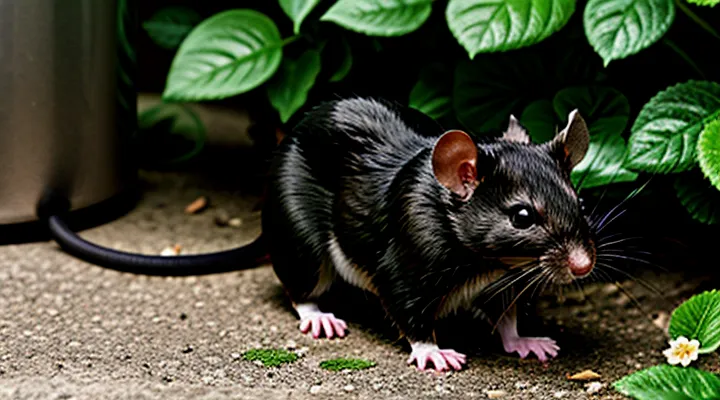
Understanding Rodent Senses
The Olfactory System of Mice and Rats
The olfactory apparatus of rodents is highly specialized for detecting volatile compounds at concentrations far below human thresholds. In mice and rats, the main olfactory epithelium (MOE) lines the dorsal nasal cavity and contains millions of olfactory sensory neurons (OSNs). Each OSN expresses a single type of odorant receptor (OR) from a repertoire of roughly 1,000 genes, allowing discrimination among thousands of odorants. Signals from OSNs converge onto glomeruli in the olfactory bulb, where spatial patterns encode odor identity and intensity. A parallel system, the vomeronasal organ (VNO), detects pheromonal and kairomonal molecules, influencing social and defensive behaviors.
Key physiological features that determine sensitivity to repellent odors include:
- High receptor density: OSNs are densely packed, providing a large surface area for ligand binding.
- Low activation thresholds: Many rodent ORs respond to nanomolar concentrations of specific volatiles.
- Rapid signal transduction: Binding triggers a cascade involving cyclic GMP and calcium influx, producing millisecond-scale neuronal firing.
- Central integration: The olfactory bulb projects to the amygdala and hypothalamus, linking odor detection to avoidance responses.
Research identifies several chemical classes that activate ORs associated with aversive behavior:
- Alkyl phenols (e.g., 2‑tert‑butylphenol) – strong activation of ORs linked to predator detection.
- Sulfur‑containing compounds (e.g., dimethyl disulfide) – trigger avoidance circuits via the VNO.
- Terpenoid acids (e.g., citronellal, geraniol) – produce high‑affinity binding to specific mouse ORs, eliciting repellency.
- Ammonia derivatives (e.g., trimethylamine) – stimulate ORs that signal toxic environments.
The efficacy of a repellent depends on its volatility, persistence, and the ability to reach the MOE or VNO in sufficient concentration. Formulations that combine multiple aversive compounds can engage a broader set of ORs, enhancing deterrent effect. Understanding the rodent olfactory system therefore provides a mechanistic basis for selecting and optimizing scents that discourage mouse and rat intrusion.
How Scents Affect Rodent Behavior
Rodents rely on a highly developed olfactory system to locate food, identify mates, and detect threats. Chemical cues trigger innate avoidance responses, allowing certain odors to function as natural repellents.
When a scent signals predator presence—such as fox, hawk, or snake secretions—rodents exhibit increased vigilance, reduced foraging, and rapid withdrawal from the area. Synthetic analogues of these predator odors exploit the same neural pathways, producing consistent avoidance without requiring an actual predator.
Essential oils and plant extracts also influence rodent behavior through irritant or aversive properties. The most consistently documented compounds include:
- Peppermint oil (Mentha piperita): high menthol concentration irritates nasal mucosa, prompting immediate retreat.
- Eucalyptus oil (Eucalyptus globulus): cineole content creates a strong sensory overload that discourages entry.
- Citronella oil (Cymbopogon nardus): volatile citronellal acts as a repellent by masking food odors.
- Clove oil (Syzygium aromaticum): eugenol produces a burning sensation in rodent nasal passages.
- Ammonia (NH₃): high pH vapors irritate mucous membranes, leading to avoidance.
These substances share common mechanisms: activation of trigeminal nerve receptors, disruption of pheromone detection, and interference with the olfactory epithelium’s ability to process environmental cues. Continuous exposure maintains a hostile scent profile, reducing rodent activity over time.
Behavioral studies demonstrate that rodents exposed to these odors show a measurable decline in trap captures, nesting, and feeding within treated zones. Effectiveness depends on concentration, delivery method, and environmental factors such as ventilation and humidity. Proper application—regular re‑application of volatile oils or sustained release of synthetic predator scents—ensures the odor remains above the threshold needed to trigger avoidance responses.
Natural Scents That Repel Rodents
Peppermint Oil
How Peppermint Works
Peppermint oil contains menthol, menthone, and other volatile terpenes that create a strong, sharp aroma. When released into the environment, these compounds interact with the olfactory receptors of mice and rats, producing an overwhelming scent that masks food odors and triggers a sensory aversion. The irritation of nasal mucosa and the cooling sensation caused by menthol also discourage rodents from entering treated areas.
The repellent action of peppermint relies on several mechanisms:
- Olfactory overload: high‑intensity aroma overwhelms the animal’s sense of smell, reducing its ability to locate shelter or food.
- Sensory irritation: menthol activates TRPM8 receptors, creating a cooling, uncomfortable sensation in the nasal passages.
- Masking effect: strong scent conceals the odors of potential food sources, making the area unattractive.
- Volatility: rapid evaporation ensures continuous diffusion of active compounds, maintaining a persistent barrier.
Effective application requires regular re‑application to counteract degradation of the volatile components. Diluting peppermint oil in water or carrier oil and spraying on entry points, baseboards, and near nesting sites sustains the repellent concentration. Concentrations above 10 % typically produce a detectable deterrent effect without posing toxicity risks to humans or pets.
Application Methods
Effective rodent-repelling aromas can be deployed through several practical techniques. Direct placement of scented materials in targeted zones ensures continuous exposure. Saturated cotton balls, cloth strips, or disposable pads infused with essential oils should be positioned near entry points, food storage areas, and nesting sites. Replace or refresh these items weekly to maintain potency.
Spray applications allow rapid coverage of larger surfaces. Mix a measured concentration of oil (typically 10 ml per liter of water) with a surfactant, fill a pump sprayer, and treat floor edges, baseboards, and interior walls. Allow the spray to dry before closing the area; reapply every 2–3 days during high‑activity periods.
Diffusion devices provide sustained release in enclosed spaces. Install plug‑in or battery‑powered diffusers calibrated to emit a low‑level scent continuously for 8–10 hours. Position units away from direct airflow to prevent premature dispersion. Replace cartridges according to manufacturer guidelines, usually every 30 days.
Granular or pelletized repellents can be scattered in crawl spaces, attics, and under appliances. Distribute a thin layer, avoiding accumulation that could obstruct ventilation. Monitor and replenish as needed, typically bi‑weekly.
Each method benefits from strategic placement, regular maintenance, and adherence to recommended concentrations to achieve optimal deterrent effect.
Clove Oil
Repellent Properties
Rodent control increasingly relies on odorants that trigger aversion or physiological disturbance. Effective odorants interfere with the highly sensitive olfactory system of mice and rats, causing avoidance behavior or mild irritation that discourages entry and habitation.
The repellent effect stems from volatile compounds that activate specific olfactory receptors or irritate mucous membranes. Many of these compounds are terpenes, phenols, or sulfur‑based molecules that rodents detect at concentrations far lower than those required to affect humans or pets.
- Peppermint oil (menthol, menthone): Strong menthol scent, induces avoidance; 5 % solution applied to cotton balls or spray points lasts 2–3 weeks before volatilization reduces efficacy.
- Eucalyptus oil (eucalyptol): Irritant terpene, similar longevity to peppermint; effective when mixed with carrier oil and placed near entry points.
- Rosemary oil (cineole, camphor): Combines repellent and mild antimicrobial properties; 3–4 % concentration recommended for continuous release devices.
- Citronella oil (citral, geraniol): Fresh citrus odor, repels rodents and insects; requires frequent re‑application (weekly) in high‑traffic areas.
- Clove oil (eugenol): Phenolic compound causing nasal irritation; 2 % solution sufficient for small enclosures, larger spaces need diffusion systems.
- Garlic extract (allicin): Sulfur‑rich odor, disrupts rodent scent trails; best applied on bedding or as a spray on surfaces, effectiveness declines after 10 days.
- Ammonia (ammonium hydroxide): Strong alkaline vapor, creates hostile environment; use in sealed containers to avoid human exposure, replaces every few days.
Application must consider concentration thresholds that maintain rodent aversion while ensuring safety for occupants. Direct contact with undiluted oils can cause skin irritation; protective gloves are advisable. Volatile compounds degrade under sunlight and high humidity, so placement in shaded, low‑moisture zones extends active periods. Regular monitoring of rodent activity informs re‑application intervals, preventing habituation that can diminish repellent performance.
Best Usage
Effective rodent‑deterring aromas work only when applied correctly. The most reliable scents include peppermint oil, eucalyptus, cloves, and citronella. Their volatility allows the odor to permeate small spaces where mice and rats travel, creating an environment they avoid.
To maximize results, follow these usage principles:
- Dilute essential oils to a 5 % solution (approximately 5 ml of oil per 95 ml of water) before application. Undiluted oil can damage surfaces and may irritate humans or pets.
- Apply the mixture to entry points such as cracks, gaps, and vent openings using a spray bottle or cotton swab. Reapply every 48 hours, or sooner if the scent fades.
- Place soaked cotton balls in concealed locations like behind appliances, under sinks, and in attic corners. Replace the cotton balls weekly to maintain potency.
- Combine scent barriers with physical exclusions (steel wool, door sweeps) to prevent rodents from bypassing the aromatic shield.
- Avoid direct contact with food preparation surfaces; use only in non‑food areas to prevent contamination.
When using commercially prepared rodent repellents, select products that list the active scent ingredient and provide a clear expiration date. Store unopened containers in a cool, dark place to preserve oil integrity. Rotate between different aromas every two weeks to prevent rodents from habituating to a single scent.
Consistent application, proper dilution, and integration with structural deterrents constitute the best practice for scent‑based rodent control.
Eucalyptus Oil
Effectiveness Against Rodents
Research on olfactory deterrents shows variable results across species and environments. Effectiveness depends on concentration, application method, and rodent habituation. Laboratory trials and field reports provide the following consensus:
- Peppermint oil – High repellency at 5 % concentration; rapid decline after two weeks without reapplication.
- Eucalyptus oil – Moderate deterrent; requires weekly renewal to maintain activity.
- Clove oil – Strong initial response; effectiveness diminishes after exposure of 10 days.
- Cedarwood oil – Low to moderate effect; works best when combined with other scents.
- Ammonia – Immediate aversion; hazardous to humans and pets; limited practical use.
- Mothballs (naphthalene) – Moderate repellency; toxic residues restrict indoor application.
- Citronella – Weak deterrent; inconsistent outcomes across studies.
Effectiveness assessments consider two metrics: (1) reduction in rodent activity measured by trap captures, and (2) duration of observable avoidance behavior. High‑efficacy scents achieve at least a 70 % drop in captures within the first week and sustain a 50 % reduction for a minimum of 14 days when reapplied according to manufacturer guidelines. Lower‑efficacy odors produce less than a 30 % reduction and often fail to prevent re‑infestation after a short interval.
Consistent application, proper dosage, and integration with sanitation measures are essential for reliable performance.
Safety Considerations
When employing aromatic deterrents against rodents, safety must precede effectiveness. Improper handling can cause health hazards for humans, pets, and non‑target wildlife.
- Dilute essential oils according to manufacturer guidelines; undiluted concentrates can irritate skin, eyes, and respiratory passages.
- Apply repellents in well‑ventilated areas; closed spaces increase inhalation risk and may trigger headaches or dizziness.
- Store products in sealed containers away from heat sources; many oils are flammable and can ignite if exposed to open flame or high temperatures.
- Keep all scented formulations out of reach of children and animals; ingestion may result in vomiting, seizures, or organ damage.
- Verify that the chosen scent is non‑toxic to common household pets; some compounds, such as peppermint oil, can be harmful to cats and dogs at high concentrations.
- Avoid direct contact with food preparation surfaces; residues may contaminate meals and cause gastrointestinal upset.
- Label each container with concentration, active ingredients, and first‑aid instructions; clear labeling reduces accidental misuse.
- Follow local regulations regarding indoor air quality and pesticide classification; certain scents may be regulated as hazardous substances.
- Conduct a patch test on a small skin area before broader application to detect potential allergic reactions.
- Consult a veterinarian before using rodent repellents in environments with vulnerable animals; professional guidance ensures compatible choices.
Adhering to these precautions minimizes risk while maintaining the intended repellent function.
Citronella Oil
Why Citronella Repels
Citronella oil deters mice and rats primarily through its strong, volatile compounds that interfere with the rodents’ olfactory receptors. The oil’s main constituents—citronellal, geraniol, and citronellol—activate sensory neurons that signal an unpleasant environment, prompting avoidance behavior. Additionally, these chemicals mask food odors, reducing the attractiveness of potential feeding sites. The rapid evaporation of citronella creates a persistent scent barrier, limiting the time rodents spend near treated areas. Consequently, environments treated with citronella exhibit lower rodent activity compared with untreated spaces.
Practical Applications
Effective rodent‑repellent odors are employed in integrated pest‑management programs to reduce mouse and rat activity without chemicals. Their use complements traps, structural sealing, and sanitation, offering a non‑toxic option for sensitive environments.
In residential settings, scented deterrents are placed near entry points, pantry shelves, and waste containers. In agricultural facilities, dispensers are positioned along feed bins, grain silos, and crawl spaces. Commercial kitchens and food‑processing plants apply concentrated sprays or impregnated pads to ventilation ducts and storage rooms to prevent infestations that could compromise product safety.
Implementation follows three core practices. First, select a proven scent—peppermint oil, clove oil, eucalyptus, cinnamon, citrus peel, or ammonia vapor. Second, apply the scent at a concentration that remains perceptible to rodents for at least 48 hours; refill or re‑mist as evaporation occurs. Third, rotate between two or more odors every two weeks to avoid habituation.
- Peppermint oil (10 ml per 1 L water)
- Clove oil (5 ml per 1 L water)
- Eucalyptus oil (8 ml per 1 L water)
- Ground cinnamon (2 tbsp per 1 L water)
- Citrus peel extract (15 ml per 1 L water)
- Ammonia solution (1 part ammonia to 4 parts water)
Safety considerations include storing essential oils away from children and pets, using ventilated areas to prevent respiratory irritation, and complying with local regulations governing volatile organic compounds. Materials should be labeled clearly, and personal protective equipment applied during preparation.
Effectiveness is measured by regular monitoring of rodent signs—droppings, gnaw marks, and activity tracks—before and after scent deployment. A decline of 30 % or more within two weeks indicates successful deterrence; otherwise, adjust concentration, placement, or rotate to a different odor. Continuous documentation supports long‑term management and informs future pest‑control strategies.
Other Essential Oils
Cedarwood Oil
Cedarwood oil is a volatile compound derived from the wood of coniferous trees, primarily Cedrus species. Its strong, woody aroma interferes with the olfactory receptors of rodents, causing discomfort and prompting avoidance of treated areas.
Effectiveness:
- Laboratory studies demonstrate a reduction in mouse and rat activity after exposure to 5‑10 % cedarwood oil vapors.
- Field observations report fewer signs of rodent presence in storage facilities where the oil is applied regularly.
Application methods:
- Dilute cedarwood oil with a carrier (e.g., water or mineral oil) at a ratio of 1 part oil to 20 parts carrier.
- Distribute the solution on cotton balls, cloth strips, or silicone pads.
- Place the saturated media in corners, entry points, and along walls where rodents travel.
- Reapply every 7‑10 days or after cleaning to maintain potency.
Safety considerations:
- The oil is low in toxicity for humans and pets when used as directed, but direct skin contact may cause irritation; gloves are recommended during preparation.
- Avoid use near food preparation surfaces; label treated items to prevent accidental ingestion.
Limitations:
- Cedarwood oil does not eradicate infestations; it functions as a repellent that reduces activity.
- Effectiveness diminishes in well‑ventilated spaces, requiring more frequent reapplication.
Integrating cedarwood oil with mechanical barriers, sanitation, and trapping yields the most reliable rodent control strategy.
Tea Tree Oil
Tea tree oil (Melaleuca alternifolia) is frequently cited as a natural rodent deterrent due to its strong, pungent aroma. The volatile compounds, primarily terpinen-4-ol and α‑terpineol, create an environment that rodents find unpleasant, reducing their willingness to enter treated areas.
Effectiveness
- Laboratory trials show a measurable decrease in mouse activity when cotton balls soaked in a 10‑20 % tea‑tree solution are placed near entry points.
- Field reports indicate limited success against rats; larger populations often ignore the scent after brief exposure.
Application methods
- Soak absorbent material in undiluted oil or a 1 part oil to 4 parts water mixture; place in concealed locations such as crawl spaces, basements, and pantry corners.
- Reapply every 3–4 days, as the scent dissipates quickly under ventilation.
Safety considerations
- Direct skin contact may cause irritation; use gloves when handling pure oil.
- Pets, especially cats, can be sensitive to essential oils; keep treated items out of reach.
- Do not apply near food preparation surfaces without thorough rinsing, as the oil’s antimicrobial properties can alter flavor.
Limitations
- Effectiveness diminishes in open or well‑ventilated spaces where scent concentration cannot be maintained.
- Persistent infestations often require integrated pest management, combining sanitation, sealing of entry points, and, when necessary, professional rodent control.
In summary, tea tree oil offers a short‑term, odor‑based deterrent for mice and, to a lesser extent, rats, but reliable control typically demands supplemental measures.
Other Scent-Based Deterrents
Ammonia
Dangers and Precautions
When natural or synthetic odorants are applied to deter rodents, they can pose health risks to humans, pets, and non‑target wildlife. Many repellents contain concentrated essential oils, ammonia, or chemical compounds that may irritate skin, eyes, or respiratory passages. Inhalation of strong vapors can trigger headaches, nausea, or asthma attacks, especially in enclosed spaces. Direct contact with undiluted substances may cause burns or allergic reactions. Additionally, some commercially available sprays include solvents that are flammable or toxic if ingested.
To minimize hazards, observe the following precautions:
- Dilute essential oils according to manufacturer guidelines; never use pure oil on surfaces where children or animals roam.
- Apply repellents in well‑ventilated areas; keep windows and doors open during and after treatment.
- Wear protective gloves and eye protection when handling concentrated formulations.
- Store all products out of reach of pets and children, in labeled containers.
- Avoid applying near food preparation zones, open flames, or electrical equipment.
- Test a small, hidden area before full application to detect material damage or adverse reactions.
If exposure occurs, rinse the affected skin with plenty of water, remove contaminated clothing, and seek medical advice if irritation persists. For pets, contact a veterinarian promptly. Dispose of empty containers according to local hazardous‑waste regulations to prevent environmental contamination.
Limited Efficacy
Odor-based rodent deterrents often produce only modest reductions in activity, rarely achieving complete exclusion. Laboratory trials demonstrate measurable avoidance at high concentrations, yet field applications show inconsistent results.
Factors that diminish performance include:
- Rapid volatilization, which lowers active scent levels within hours.
- Habitat complexity, allowing rodents to bypass treated zones.
- Species-specific olfactory tolerance, with some populations exhibiting habituation after repeated exposure.
- Environmental conditions such as temperature, humidity, and airflow that accelerate scent degradation.
Consequences for pest management are clear: reliance on fragrance alone cannot replace integrated control strategies. Effective programs combine chemical or physical barriers, sanitation, and population monitoring with scent applications used as supplemental, short‑term deterrents. Continuous reapplication and concentration monitoring are required to maintain any observable effect.
Mothballs (Naphthalene)
Health Risks
Using aromatic agents to deter rodents introduces several health considerations. Many repellents contain essential oils, phenols, or synthetic compounds that can irritate mucous membranes, cause skin sensitization, or trigger allergic reactions in humans and domestic animals. Direct inhalation of concentrated vapors may lead to respiratory discomfort, coughing, or exacerbation of asthma.
Potential toxicity varies with concentration, exposure duration, and individual susceptibility. Commonly cited risks include:
- Dermal irritation or contact dermatitis from oils such as peppermint, eucalyptus, or clove.
- Eye irritation when vapors contact ocular surfaces.
- Gastrointestinal upset if ingested accidentally, especially by children or pets.
- Neurological symptoms—headache, dizziness, nausea—following prolonged exposure to high‑strength sprays.
Implementing odor deterrents in occupied spaces requires ventilation, adherence to manufacturer dosage limits, and avoidance of application near food preparation areas. When uncertainty exists about a product’s safety profile, consult material safety data sheets and consider alternative mechanical control methods.
Environmental Concerns
Rodent deterrent odors affect ecosystems through chemical runoff, wildlife exposure, and resource consumption. Synthetic repellents often contain petroleum‑derived compounds that persist in soil and water, increasing the risk of contaminating non‑target organisms. Natural essential oils degrade more quickly, yet large‑scale application can still alter microbial communities and attract insects that feed on the volatiles.
Key environmental considerations include:
- Persistence – Long‑lasting chemicals may accumulate in sediments, leading to chronic exposure for aquatic life.
- Non‑target toxicity – Birds, amphibians, and beneficial insects can suffer adverse effects when exposed to high concentrations of repellent vapors.
- Production footprint – Manufacturing synthetic scent agents requires energy‑intensive processes and generates greenhouse‑gas emissions.
- Disposal – Improper disposal of concentrated repellents can introduce hazardous substances into landfill leachate.
- Regulatory compliance – Many jurisdictions mandate testing for ecological safety before approving rodent‑deterrent products.
Balancing efficacy with ecological responsibility demands selecting volatile compounds that degrade rapidly, applying them in minimal effective doses, and monitoring local biodiversity for unintended impacts. Integrated pest‑management strategies that combine scent deterrents with habitat modification reduce reliance on chemical solutions, thereby limiting environmental burdens.
How to Effectively Use Repellent Scents
Strategic Placement
Effective rodent‑repelling aromas lose potency when applied haphazardly. Placement that targets the animal’s movement patterns maximizes deterrence.
Identify primary ingress routes—gaps around doors, utility openings, and foundation cracks. Apply concentrated scent sources directly on or within these openings. Use cotton balls soaked in peppermint or clove oil, enclosed in perforated containers to prevent rapid evaporation while allowing odor diffusion.
Locate known nesting sites such as wall voids, attic corners, and concealed storage areas. Position sachets or gel dispensers at the deepest point of each cavity. Secure them with tape or zip ties to maintain contact with the surface, ensuring the scent permeates the enclosed space.
Position deterrents along established travel corridors. Rodents habitually follow walls, using the edge as a guide. Install scented strips or mesh pads at intervals of 12–18 inches along baseboards and lower wall sections. Overlap the coverage zones to create an uninterrupted aromatic barrier.
Place additional sources near food supplies—pantry shelves, garbage containers, and pet feeders. Small, replaceable pads positioned on the interior surfaces of containers emit a localized repellent field that discourages foraging.
Refresh all scent devices according to manufacturer recommendations, typically every 7–10 days, to sustain effective concentration. Rotate placement periodically to prevent habituation; relocate a subset of devices to new entry points or alternative wall sections after two weeks of continuous use.
Scent Concentration and Duration
Effective use of odorants against rodents requires precise control of concentration and awareness of how long the active scent persists. Laboratory trials show that a minimum of 2 % to 5 % essential‑oil solution, measured by volume of oil to water, produces measurable avoidance behavior in both mice and rats. Concentrations below this threshold often fail to create a detectable olfactory barrier, while solutions above 10 % may cause rapid volatilization, reducing the period of efficacy.
Typical active periods for common repellents are:
- Peppermint oil (2 %–5 % solution): 10–14 days before scent strength declines below deterrent levels.
- Eucalyptus oil (3 %–6 % solution): 7–10 days of effective coverage.
- Citronella oil (4 %–7 % solution): 5–8 days of measurable repellent effect.
- Clove oil (2 %–4 % solution): 12–16 days of sustained activity.
Reapplication schedules should align with the documented decline in volatile compounds. Environmental factors such as temperature, humidity, and airflow accelerate evaporation; in warm, dry conditions, the effective window may shorten by 30 % or more. Monitoring scent intensity with a simple olfactory test or a calibrated detector can guide timely replenishment, ensuring continuous protection without excess chemical use.
Combining Different Scents
Combining multiple odors creates a synergistic effect that enhances rodent deterrence beyond the impact of any single scent. Individual repellents such as peppermint oil, eucalyptus, or citronella target specific sensory receptors; when paired, they overload the olfactory system, reducing the likelihood that mice or rats will acclimate to a single odor.
Effective combinations follow these principles:
- Pair a strong minty component (peppermint or spearmint) with a citrus element (lemon, orange, or grapefruit) at a 2:1 ratio to maximize volatile release.
- Blend eucalyptus oil with clove or cinnamon at equal parts to introduce both cooling and spicy notes that disrupt nesting behavior.
- Mix ammonia‑based solutions with a few drops of lavender or rosemary to combine harsh chemical irritation with natural plant volatiles, improving persistence on porous surfaces.
- Add a small quantity of naphthalene or mothball fragments to any of the above blends for a long‑lasting background odor that deters nocturnal activity.
Implementation requires regular reapplication, especially after cleaning or exposure to moisture. Apply mixtures to entry points, interior walls, and near food storage using cotton balls, spray bottles, or soaked cloths. Rotate combinations weekly to prevent habituation; record observed activity to identify the most effective blend for a given environment.
Limitations of Scent Repellents
Temporary Solutions
Using aromatic deterrents provides a short‑term means to discourage mice and rats from entering a space. The effect typically lasts only while the scent remains potent; once it dissipates, rodents may return. Consequently, these measures are best employed as an interim barrier while more permanent control strategies are arranged.
- Peppermint oil applied to cotton balls, placed near entry points, gaps, and nesting areas; replace every 2–3 days.
- Clove or eugenol oil dripped onto fabric strips or wooden blocks; refresh weekly.
- Citronella spray misted around the perimeter of a pantry or basement; reapply after each cleaning cycle.
- Ammonia-soaked rags positioned in concealed corners; change when the odor weakens.
- Vinegar or diluted lemon juice sprayed on surfaces that rodents travel; reapply after rain or humidity spikes.
Effectiveness declines as the volatile compounds evaporate or become masked by other odors. Monitoring is essential: if activity resurfaces, replenish the scent sources promptly or transition to trapping, sealing openings, and professional extermination for lasting results.
Adaptability of Rodents
Rodents display remarkable physiological and behavioral flexibility, allowing them to survive in diverse habitats and to overcome many deterrent strategies. Their olfactory system can detect a wide range of volatile compounds, yet they quickly adjust to repeated exposure, diminishing the effectiveness of single‑compound repellents over time. This adaptability means that successful odor‑based control must consider both the potency of the scent and the likelihood of habituation.
Research identifies several natural and synthetic odors that initially discourage rodent activity:
- peppermint oil (high menthol concentration) – strong irritant effect, reduced after repeated use
- clove oil (eugenol) – acute aversion, tolerance develops with prolonged exposure
- ammonia solution – immediate discomfort, limited by rapid desensitization
- citrus extracts (limonene) – short‑term repulsion, effectiveness wanes in enclosed spaces
- predator urine (ferret, fox) – triggers innate fear response, loses impact after repeated placement
Because rodents can modify foraging routes, alter nesting sites, and develop olfactory desensitization, a static scent regimen rarely yields lasting results. Integrating rotating scents, combining chemical deterrents with physical barriers, and regularly refreshing applications exploit the rodents’ limited capacity for simultaneous multi‑odor adaptation.
Effective management therefore hinges on understanding that rodent adaptability reduces the longevity of any single odor repellent. Strategies that vary scent profiles, maintain high concentration gradients, and supplement with habitat modification align with the rodents’ flexible behavior, increasing the probability of sustained deterrence.
When to Seek Professional Help
Scent-based repellents can reduce rodent activity, but their effectiveness depends on infestation level, species behavior, and environmental factors. When the problem exceeds the capacity of DIY measures, professional intervention becomes necessary.
Indicators that expert assistance is required include:
- Persistent sightings or damage despite regular application of deterrent odors.
- Evidence of nesting sites, extensive droppings, or gnawed structures in concealed areas.
- Infestation spreading to multiple rooms or building levels.
- Presence of disease‑carrying rodents in food‑handling or healthcare zones.
- Inability to identify safe entry points for sealing and exclusion.
Professional pest managers provide comprehensive assessment, targeted placement of high‑potency repellents, structural sealing, and ongoing monitoring. Their expertise minimizes health risks, ensures compliance with local regulations, and delivers lasting control beyond the limitations of over‑the‑counter products.