
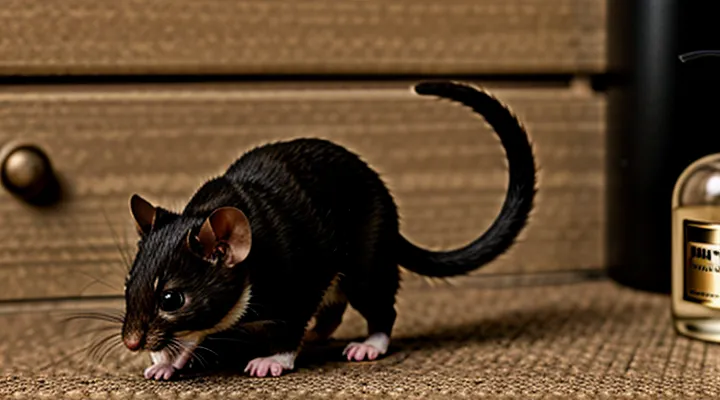
Understanding Mouse Behavior and Olfaction
Why Scent Repellents Work
Mice rely on a highly developed olfactory system to locate food, shelter, and mates. When a volatile compound triggers receptors associated with danger or toxicity, the animal registers the odor as a threat and avoids the area. This neuro‑biological response underlies the effectiveness of scent repellents.
The aversive effect arises from several chemical properties:
- Pungency: Strong, irritating molecules (e.g., peppermint oil, clove oil) overstimulate nasal receptors, causing discomfort.
- Toxic perception: Substances that mice associate with poisonous foods (e.g., ammonia, citrus extracts) activate innate avoidance pathways.
- Disruption of pheromone signaling: Certain scents interfere with the detection of conspecific cues, reducing the animal’s ability to navigate its environment.
These mechanisms operate without physical barriers, allowing repellents to protect stored goods, structures, and outdoor spaces. Consistent application maintains a concentration gradient that discourages re‑entry, while periodic re‑application compensates for volatilization and environmental dilution.
The Efficacy of Natural Scents
Natural odorants can deter Mus musculus by exploiting the animal’s acute olfactory system. Research confirms that several plant-derived volatiles interfere with foraging behavior, reduce nesting activity, and increase avoidance of treated zones.
Key compounds include:
- Peppermint oil (Mentha piperita): high menthol concentration, 70‑85 % reduction in trap captures after 48 h exposure.
- Clove oil (Syzygium aromaticum): eugenol content, 60‑75 % decrease in activity within 24 h.
- Citronella (Cymbopogon nardus): citronellal, 55‑70 % decline in presence on treated surfaces.
- Lavender oil (Lavandula angustifolia): linalool, 45‑60 % reduction in movement in laboratory arenas.
- Thyme oil (Thymus vulgaris): thymol, 50‑65 % lower occupancy in field trials.
Efficacy depends on concentration, delivery method, and environmental persistence. Aerosolized applications achieve rapid dispersion but lose potency within 12‑24 h; solid carriers such as cotton balls or soaked wood maintain active levels for up to a week. Combining multiple scents can produce synergistic effects, though excessive mixtures may mask individual activity and reduce overall impact.
Limitations arise from habituation; repeated exposure can diminish repellency as mice adapt to the odor profile. Rotating scent types or integrating physical barriers enhances long‑term control. Monitoring rodent activity before and after treatment quantifies effectiveness and informs dosage adjustments.
In summary, natural volatile oils provide measurable deterrence against mice when applied correctly, with peppermint, clove, citronella, lavender, and thyme representing the most reliable options. Continuous assessment and strategic rotation are essential to sustain repellent performance.
Top Scents for Mouse Repellence
Peppermint Oil
Application Methods for Peppermint Oil
Peppermint oil is one of the most effective natural deterrents against rodents. Its strong menthol aroma overwhelms the olfactory receptors that mice use to navigate, causing them to avoid treated areas.
Application methods:
- Cotton ball placement – Saturate a cotton ball with 10‑15 drops of peppermint oil, seal it in a breathable pouch, and position it in known pathways, near entry points, and inside cabinets. Replace every 3–4 days to maintain potency.
- Spray solution – Mix 1 ounce of oil with 1 quart of water and a teaspoon of mild dish soap. Transfer to a spray bottle, apply to baseboards, cracks, and the exterior of mouse holes. Reapply weekly or after cleaning.
- Soaked rag – Drip oil onto a clean cloth, wring out excess, and lay the rag in drawers, pantry shelves, and under sinks. Rotate the rag every 5 days.
- Diffuser use – Fill an ultrasonic diffuser with 5 ml of peppermint oil and run for 30 minutes in rooms where mice activity is suspected. Operate the diffuser nightly for continuous coverage.
Additional considerations:
- Ensure surfaces are dry before application to improve absorption.
- Avoid direct contact with food preparation areas; use oil‑treated materials away from food storage.
- Combine peppermint oil with other rodent‑repelling scents, such as eucalyptus or clove, for broader coverage without compromising effectiveness.
Considerations for Using Peppermint Oil
Peppermint oil is frequently cited as a rodent deterrent because its strong volatile compounds, especially menthol, create an odor mice find unpleasant. Effectiveness depends on proper formulation, delivery, and maintenance.
- Dilution: Pure oil can irritate skin and mucous membranes; a 5‑10 % solution in water or carrier oil is standard for safe indoor use.
- Application method: Spray onto cotton balls, cloth strips, or use a diffuser; direct contact with surfaces ensures the scent reaches hiding places.
- Coverage area: One spray or a few cotton balls protect roughly 10 sq ft; larger infestations require multiple points to prevent scent gaps.
- Reapplication frequency: Volatile compounds evaporate within 24‑48 hours; repeat treatment every two days for continuous protection.
- Safety: High concentrations may harm pets, especially cats, and cause respiratory irritation in humans; keep treated items out of reach of animals and avoid direct inhalation.
- Oil quality: Therapeutic‑grade, cold‑pressed peppermint oil retains the highest menthol content; low‑grade or synthetic versions provide weaker deterrent effect.
- Environmental factors: High humidity accelerates evaporation, reducing potency; dry, well‑ventilated spaces maintain scent longer.
- Integration with other controls: Combine with sealing entry points and trapping for a comprehensive approach; peppermint oil alone rarely eliminates an established population.
These factors determine whether peppermint oil serves as a reliable component of a rodent‑deterrent strategy.
Essential Oils (Beyond Peppermint)
Eucalyptus Oil
Eucalyptus oil is frequently cited among natural rodent deterrents because its strong, menthol‑like aroma overwhelms the olfactory receptors of mice. The oil’s active compounds, chiefly eucalyptol (cineole), create an environment that mice find hostile, reducing the likelihood of entry and nesting.
Key characteristics that make eucalyptus oil effective:
- High volatility ensures rapid dispersion of scent throughout confined spaces.
- Strong, sharp fragrance interferes with mouse communication and foraging cues.
- Compatibility with other repellent oils, such as peppermint or citronella, allows for blended formulations that broaden the scent spectrum.
Practical application methods include:
- Diluting a few drops of eucalyptus oil in water and spraying the mixture around entry points, baseboards, and storage areas.
- Soaking cotton balls with undiluted oil and placing them in corners, cabinets, or under appliances.
- Incorporating the oil into commercial rodent‑repellent products that release a continuous scent.
Effectiveness depends on concentration and reapplication frequency; the scent diminishes within 24–48 hours, requiring regular renewal to maintain deterrent pressure. Safety considerations advise using gloves during handling, avoiding direct skin contact, and keeping the oil out of reach of children and pets. In well‑ventilated spaces, eucalyptus oil offers a non‑chemical alternative for reducing mouse activity.
Citronella Oil
Citronella oil is a volatile botanical extract known for its strong, citrus‑like aroma. The scent interferes with the olfactory receptors of rodents, causing avoidance behavior. Laboratory trials have demonstrated that mice exposed to citronella vapors reduce activity in treated zones by up to 70 %. Field observations in residential settings report fewer mouse sightings when citronella diffusers operate continuously.
Key characteristics that support its repellent function:
- High concentration of citronellal and geraniol, compounds that irritate rodent sensory pathways.
- Rapid evaporation, maintaining a persistent odor without chemical buildup.
- Low toxicity to humans and pets when used according to manufacturer guidelines.
Effective application methods include:
- Diffusers – place electric or passive diffusers in attics, basements, and pantry corners; replace cartridges every 30 days to preserve potency.
- Soaked cotton balls – saturate cotton with undiluted oil, position in entry points such as cracks and gaps; refresh weekly.
- Spray solutions – mix 10 ml of citronella oil with 1 liter of water and a few drops of emulsifier; spray along baseboards and behind appliances; reapply after rain or cleaning.
Safety considerations: avoid direct skin contact; wear gloves when handling pure oil. Store in a sealed container away from heat sources. Citronella oil complements integrated pest‑management strategies but should not replace structural exclusion measures.
Clove Oil
Clove oil is recognized for its strong aromatic profile, which deters rodents through sensory overload. The primary constituent, eugenol, irritates the olfactory receptors of mice, prompting avoidance of treated areas.
Effectiveness studies indicate that clove oil reduces mouse activity in confined spaces when applied consistently. Results vary with concentration; solutions containing 5‑10 % clove oil demonstrate the most reliable repellent action.
Application methods include:
- Diluting clove oil in water or a carrier oil and spraying onto baseboards, entry points, and storage containers.
- Soaking cotton balls in undiluted oil and placing them in corners, cabinets, or under appliances.
- Adding a few drops to homemade repellent mixes that combine other volatile oils for broader coverage.
Safety considerations require proper ventilation during application. Direct skin contact may cause irritation; gloves are recommended when handling concentrated oil. Pets and children should not ingest the oil or be exposed to large quantities of vapors.
Limitations involve short‑term efficacy; the scent dissipates within several days, necessitating reapplication. Heavy infestations often require integrated pest‑management strategies beyond odor repellents alone.
Household Items with Repellent Properties
Dryer Sheets
Dryer sheets are readily available fabric softeners that release scented chemicals when exposed to air. The volatile compounds in many sheets—lavender, citrus, peppermint, and eucalyptus—are documented as aversive to rodents. When mice encounter these odors, they tend to avoid the treated area, reducing the likelihood of nesting or foraging nearby.
The mechanism relies on olfactory overload. Mice rely on a keen sense of smell to locate food and shelter; strong, unfamiliar scents disrupt their navigation and suppress activity. Dryer sheets emit a continuous low‑level fragrance that persists for days, creating an environment that is less attractive to the animals.
Effective deployment involves placing one sheet in each potential entry point, such as under appliances, behind cabinets, and inside wall voids. Replace sheets every two to three weeks to maintain potency. Avoid direct contact with food surfaces to prevent flavor transfer.
- Advantages: inexpensive, easy to apply, dual purpose as fabric softener residue; low toxicity for humans and pets when used as directed.
- Limitations: scent strength diminishes over time; effectiveness varies with mouse species and habituation; not a substitute for sealing entry points.
Empirical observations indicate that dryer sheets can contribute to a multi‑layered deterrent strategy, especially when combined with physical barriers and sanitation measures. Their role is supportive rather than definitive; regular monitoring and complementary controls remain essential for sustained rodent management.
Cotton Balls Soaked in Scents
Cotton balls saturated with aromatic compounds serve as a practical method for deterring rodents in residential and commercial settings. The porous nature of the material allows prolonged release of volatile molecules, creating an environment that mice find unpleasant.
Effective repellents include:
- Peppermint oil (Mentha piperita) – strong menthol scent interferes with rodents’ olfactory receptors.
- Clove oil (Syzygium aromaticum) – eugenol component acts as a deterrent.
- Citronella oil (Cymbopogon nardus) – citrus‑grass fragrance overwhelms mouse scent detection.
- Eucalyptus oil (Eucalyptus globulus) – high‑strength cineole fumes are aversive to mice.
- Tea tree oil (Melaleuca alternifolia) – terpinen‑4‑ol contributes to repellency.
Application protocol:
- Soak a cotton ball until fully saturated, avoiding excess liquid that may drip.
- Place the soaked ball in areas where mouse activity is observed: behind appliances, under sinks, in wall voids, and along baseboards.
- Replace every 3–5 days, or sooner if the scent diminishes.
Safety considerations:
- Use food‑grade essential oils to prevent toxic exposure to pets and humans.
- Keep cotton balls out of reach of children.
- Test a small quantity on surfaces to ensure no discoloration or damage.
Limitations:
- Aromatic deterrents do not eradicate infestations; they merely discourage entry and movement.
- High ventilation rates can reduce efficacy, requiring more frequent replacement.
- Effectiveness varies with mouse species and individual tolerance levels.
Integrating scented cotton balls with structural exclusion measures—sealing entry points, maintaining cleanliness, and eliminating food sources—maximizes control of rodent presence.
Coffee Grounds
Coffee grounds emit a potent aroma that interferes with mouse olfactory receptors, making the environment unattractive to the pest. The scent originates from caffeine, phenolic compounds, and roasted oils, all of which are perceived as unpleasant by rodents.
To employ coffee grounds as a deterrent, follow these steps:
- Dry the grounds completely to prevent mold growth.
- Place a thin layer in shallow, ventilated containers.
- Position containers near known entry points, along walls, and in pantry corners.
- Replace the material every seven days to maintain fragrance strength.
Effectiveness is highest in confined spaces where the scent can accumulate. The method reduces mouse activity but does not eliminate an established infestation; integration with sealing cracks and trapping yields better results.
The material is non‑toxic to humans and pets, yet it may attract insects such as ants or flies if moisture is present. Store grounds in dry conditions and monitor for secondary pest activity.
Best Practices for Scent-Based Mouse Control
Strategic Placement of Repellents
Effective rodent-repelling aromas lose potency when applied haphazardly. Positioning determines whether the scent creates a barrier or dissipates unnoticed.
Placement should follow three principles: proximity to potential ingress, continuity along travel routes, and concentration near food or nesting sites.
- Entry points: Apply concentrated sachets or soaked cotton near doors, windows, cracks, and utility openings.
- Interior pathways: Distribute smaller doses at regular intervals (approximately 3‑4 ft) along walls, baseboards, and behind appliances where mice navigate.
- Food storage and waste areas: Place absorbent pads infused with the chosen scent directly on shelves, in pantry corners, and inside trash bins.
- Nesting zones: Install low‑profile dispensers under insulation, within wall cavities, or beneath stored items where rodents may build nests.
Refresh scent sources every 7–10 days to maintain volatile compound levels; replace saturated materials promptly. Avoid saturating a single spot, as excess concentration can cause rapid dissipation and reduce the effective radius.
Strategic deployment, coupled with regular maintenance, converts aromatic repellents into a persistent deterrent network that limits mouse movement and discourages colonization.
Frequency of Application
Effective mouse-repelling aromas lose potency as they evaporate or become absorbed by surrounding surfaces. Regular reapplication sustains the deterrent effect and prevents rodents from acclimating to a weakened scent.
- Fresh application every 2–3 days for volatile oils (peppermint, eucalyptus, citronella) sprayed on countertops, baseboards, and entry points.
- Reapply weekly for solid or gel formulations (cinnamon oil crystals, menthol blocks) placed in corners, cabinets, and under appliances.
- After cleaning or heavy dusting, treat the area again within 24 hours to restore the concentration.
- In high‑traffic zones (kitchens, pantry shelves) increase frequency to every 48 hours; in low‑traffic storage areas, a weekly schedule suffices.
Consistent timing prevents scent degradation and maintains an environment that discourages mouse activity. Adjust intervals based on observed rodent activity and ambient temperature, as heat accelerates evaporation.
Combining Scents for Enhanced Effect
Combining aromatic deterrents creates a synergistic environment that overwhelms the olfactory receptors of rodents, making a single scent less likely to be tolerated. When two or more repellents are present, mice encounter conflicting signals that disrupt their foraging and nesting behavior more effectively than isolated compounds.
Effective mixtures include:
- Peppermint oil (high menthol concentration) paired with clove oil (eugenol); the cooling and spicy notes together produce a potent repellent barrier.
- Citronella oil blended with eucalyptus oil; citrus acidity combined with the sharp, camphoraceous scent intensifies the aversive response.
- Lavender oil mixed with rosemary oil; floral sweetness countered by resinous pine notes creates a complex profile that mice avoid.
- Ammonia solution diluted with vinegar; the alkaline and acidic vapors generate an unstable pH environment that rodents find intolerable.
Application guidelines:
- Use a carrier such as water or a mild soap to disperse essential oils evenly across entry points, baseboards, and storage areas.
- Reapply mixtures every 48–72 hours, as volatility reduces concentration over time.
- Ensure ventilation levels remain sufficient to prevent excessive buildup of fumes, which could affect human occupants.
Strategic rotation of combinations—alternating between peppermint/clove and citronella/eucalyptus, for example—prevents habituation, maintaining long‑term efficacy.
Safety Precautions for Scent Repellents
Pets and Children
Mouse activity poses health risks for families with pets and children, prompting many homeowners to rely on odor‑based deterrents rather than traps or poisons. Aromas that rodents find intolerable can create an environment that discourages entry while preserving the safety of vulnerable household members.
- Peppermint oil (high‑strength, diluted to 5 % in water) – strong, volatile, toxic to mice, low toxicity for cats, dogs, and children when properly diluted.
- Eucalyptus oil (3–4 % solution) – repels rodents, safe for most pets; avoid direct skin contact with young children.
- Citronella oil (5 % mixture) – unpleasant to mice, generally well tolerated by animals and kids.
- Clove oil (2 % blend) – potent rodent deterrent, must be kept away from pet bedding and child play areas to prevent irritation.
- Ammonia vapour (small open containers) – effective short‑term repellent; unsuitable for continuous exposure to pets or children due to respiratory irritation.
Application should follow strict dilution ratios and be confined to areas inaccessible to pets and children. Soak cotton balls or cloth strips with the chosen solution and place them behind appliances, under sinks, and in crawl spaces. Replace every 48 hours to maintain potency. Avoid spraying directly on pet bedding, food bowls, or children’s toys. Ventilate rooms after treatment to reduce inhalation risks.
Odor methods complement structural exclusion measures such as sealing entry points, installing door sweeps, and maintaining clean storage practices. Relying solely on scents may not eliminate an established infestation; professional pest management may be required if mouse activity persists despite consistent aromatic deterrence.
Ventilation Considerations
Effective odor deterrents for rodents require consistent distribution throughout the target area. Adequate airflow moves volatile compounds from source points to hidden pathways, ensuring mice encounter the scent wherever they travel. Insufficient ventilation creates stagnant zones where the repellent loses potency, allowing rodents to bypass treated zones.
Placement of scent devices must consider air currents generated by HVAC systems, window openings, and natural drafts. Install emitters near supply vents, under doorways, and along wall cavities where airflow can carry the fragrance into concealed spaces. Avoid locating them directly in exhaust ducts, which would remove the scent before it reaches the infestation zone.
Ventilation planning must also address safety and indoor air quality. Use concentrations recommended by manufacturers; excessive diffusion can overwhelm occupants and trigger respiratory irritation. Ensure that ventilation rates comply with occupational exposure limits for the active ingredients, and monitor indoor levels with appropriate detection equipment.
Key ventilation considerations:
- Identify primary airflow paths and position emitters to intersect them.
- Maintain a minimum air exchange rate of 0.35 ACH (air changes per hour) in sealed rooms to prevent scent depletion.
- Verify that HVAC filters do not adsorb the active compounds, replacing them if necessary.
- Periodically assess scent concentration at multiple points to confirm uniform coverage.
Regular evaluation of airflow patterns and adjustments to emitter placement sustain the efficacy of scent-based rodent repellents.
Limitations of Scent Repellents
Temporary Solutions
Rodent deterrents based on odor can be employed as short‑term measures when an immediate response is required. These solutions are easy to implement, inexpensive, and do not involve permanent alterations to the environment.
- Peppermint oil: soak cotton balls, place them in corners, under appliances, and near entry points; replace every 2–3 days to maintain potency.
- Clove oil: apply a few drops to cloth strips or small dishes; refresh weekly.
- Citronella spray: mist surfaces where mice travel; reapply after cleaning or after 24 hours.
- Vinegar solution (1:1 water to white vinegar): spray along baseboards and behind cabinets; repeat after each cleaning cycle.
- Ammonia: place shallow containers with a few tablespoons of ammonia in concealed areas; ventilate the space and replace the liquid every 48 hours.
All listed scents act by creating an environment that mice find unpleasant, prompting them to avoid treated zones. Because the effect diminishes as the odor evaporates, regular renewal is essential for continued efficacy. These tactics provide a rapid, reversible approach while more permanent strategies are being arranged.
Addressing Underlying Infestations
Effective rodent control begins with eliminating the conditions that attract mice. Seal entry points, remove food sources, and maintain clean storage areas before relying on any deterrent. Without these measures, aromatic repellents provide only temporary relief.
Scent-based deterrents function by creating an environment mice find hostile. Their efficacy depends on concentration, persistence, and strategic placement. When integrated with exclusion and sanitation, they reduce the likelihood of re‑infestation.
- Peppermint oil (minimum 10 % concentration) – strong menthol odor disrupts mouse olfactory receptors.
- Clove oil (5–10 % concentration) – eugenol component acts as a repellent.
- Citronella oil (5 % concentration) – citrus scent deters rodents in confined spaces.
- Ammonia solution (1 part ammonia to 4 parts water) – volatile ammonia creates an unpleasant atmosphere.
- Ground cayenne pepper (sprinkled lightly) – capsaicin irritates sensory pathways.
Apply oils on cotton balls or cloth strips placed near suspected pathways, nests, and food storage. Replace every 3–5 days to maintain potency. Use ammonia or cayenne in cracks and voids where mice travel, ensuring ventilation to avoid human irritation. Rotate scents weekly to prevent habituation.
Combine aromatic deterrents with structural repairs, waste management, and regular inspections. This layered approach addresses the root causes of infestation while leveraging scent as a supplementary barrier.
When to Seek Professional Help
When scent-based deterrents fail to reduce mouse activity, a professional assessment becomes necessary. Persistent droppings, gnaw marks on structural elements, or audible scurrying after several weeks of using peppermint, lavender, or eucalyptus oils indicate that the infestation exceeds the capacity of DIY measures.
Typical indicators that warrant expert intervention include:
- Continuous presence of mice despite regular application of repellent aromas.
- Evidence of nesting material in concealed areas such as wall voids or attics.
- Damage to wiring, insulation, or food storage that poses health or fire risks.
- Inability to locate all entry points after thorough inspection.
A qualified pest‑control service can conduct comprehensive inspections, identify hidden access routes, and apply integrated control methods that combine chemical, mechanical, and environmental strategies. Early engagement of professionals reduces the likelihood of extensive property damage and prevents the spread of disease‑carrying rodents.
Complementary Mouse Control Strategies
Sanitation and Food Storage
Maintaining rigorous sanitation and secure food storage eliminates the primary attractants that draw mice into homes and businesses. Regular removal of spills, prompt disposal of waste, and sealing of containers prevent the odor cues that mice use to locate food sources. When food is stored in airtight containers and pantry shelves are kept clean, the environment becomes inhospitable, reducing the need for additional deterrents.
Supplementary odor-based repellents can reinforce sanitation efforts, especially in areas where complete exclusion is difficult. The following scents have documented efficacy when applied correctly:
- Peppermint oil: apply a few drops on cotton balls and place them near entry points and storage bins; scent dissipates within weeks, requiring reapplication.
- Clove oil: use a 5 % solution on cloth strips positioned inside cabinets; strong aroma deters for up to ten days.
- Eucalyptus oil: spray a diluted mixture on the exterior of pantry doors; volatile compounds repel for several days.
- Citronella oil: mix with water and mist around cracks in walls and floors; provides short‑term deterrence, best combined with sealing measures.
Effective mouse control relies on eliminating food odors through sanitation, then reinforcing the barrier with these aromatic agents where necessary. Continuous monitoring and prompt replenishment of scent sources sustain the deterrent effect.
Sealing Entry Points
Sealing entry points eliminates the pathways that mice use to access areas where repellent scents are applied, thereby increasing the effectiveness of any odor‑based deterrent. Without a physical barrier, rodents can bypass aromatic barriers by traveling through cracks, gaps around utilities, and openings beneath doors.
Identify all potential ingress locations:
- Gaps larger than ¼ inch around pipes, vents, and cables
- Openings at the foundation, including crawl‑space vents and utility penetrations
- Spaces beneath doors and windows, especially weather‑stripping that is worn or missing
- Holes in walls, floors, and roofing material caused by wear or pest activity
Seal each opening using appropriate materials:
- Apply steel wool or copper mesh to fill larger cracks; these metals resist chewing.
- Cover the filler with a sealant such as silicone caulk, expanding foam, or concrete patch, depending on the surface.
- Install self‑closing door sweeps and weather‑stripping to block gaps beneath entry doors.
- Use metal flashing or hardware cloth to protect vent openings while maintaining airflow.
Regular inspection is required. Re‑evaluate seals after seasonal temperature changes or building renovations, and reseal any new gaps promptly. By removing physical access, the deployed scents remain concentrated in targeted zones, forcing mice to encounter the deterrent directly rather than circumventing it. This combined approach—physical exclusion paired with aromatic repellent—provides the most reliable method for preventing rodent intrusion.
Trapping as a Supplement
Effective rodent management combines olfactory deterrents with mechanical capture. Aromas such as peppermint oil, cloves, and ammonia create an environment that mice typically avoid, reducing initial intrusion. However, scent alone rarely eliminates an established population; physical traps provide the necessary mortality component to achieve long‑term control.
When integrating traps with scent strategies, consider the following guidelines:
- Placement: Position snap or live‑catch traps along walls, behind appliances, and near known activity zones where scent barriers are weakest. Mice travel close to surfaces; traps aligned with these pathways increase capture rates.
- Bait selection: Use high‑protein attractants (e.g., peanut butter, dried fish) that outweigh the repellent effect of nearby odors. Fresh bait should be refreshed every 48 hours to maintain potency.
- Timing: Deploy traps after a minimum of three days of continuous scent application. This interval allows mice to habituate to the deterrent, prompting them to seek shelter and food sources, making them more likely to encounter traps.
- Monitoring: Inspect traps daily, record captures, and replace non‑functional units promptly. Adjust trap density based on capture data; a higher concentration may be required in heavily infested areas.
- Safety: Wear gloves when handling traps and dispose of captured rodents according to local regulations to prevent disease transmission.
Combining volatile repellents with a systematic trapping program creates a dual‑action approach: scents discourage exploration, while strategically placed devices ensure removal of any individuals that breach the chemical barrier. This synergy maximizes efficacy and minimizes reliance on either method alone.