
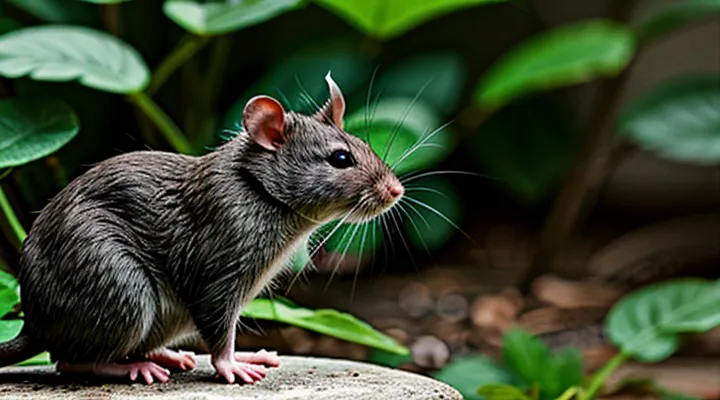
Understanding Rat Nutritional Needs
Essential Dietary Components for Rats
Macronutrients
Rats need a balanced supply of protein, carbohydrate, and fat to maintain growth, immune function, and energy. Porridge products that meet these macronutrient requirements without excess additives are the most appropriate choices.
Protein levels in safe porridge formulations should range from 10 % to 15 % of total weight. Sources such as oat, barley, and wheat flours provide plant‑based proteins that are digestible for rodents. Adding a modest amount of cooked egg white or low‑fat cottage cheese can raise protein content without introducing harmful fats.
Carbohydrates dominate most grain‑based porridges, supplying the primary energy source. A carbohydrate concentration of 60 % to 70 % is optimal; it supports activity and thermoregulation while preventing rapid spikes in blood glucose. Complex carbs from whole‑grain oats, quinoa, and brown rice are preferable to refined sugars, which can cause obesity and metabolic disturbances.
Fat should constitute no more than 5 % of the mixture. Healthy fats from flaxseed oil or a small quantity of unsalted nut butter contribute essential fatty acids without overloading the rat’s caloric intake. Saturated fats, especially from animal sources, must be limited to avoid hepatic stress.
A concise macronutrient profile for a rat‑safe porridge might be presented as follows:
- Protein: 10–15 % (oat flour, barley, optional boiled egg white)
- Carbohydrate: 60–70 % (whole‑grain oats, quinoa, brown rice)
- Fat: ≤5 % (flaxseed oil, minimal nut butter)
- Fiber: 5–10 % (ground psyllium husk, pumpkin seeds) – supports digestive health
When preparing porridge, use plain water or low‑sodium broth, avoid sweeteners, artificial flavors, and dairy products high in lactose. Cool the mixture to room temperature before offering it to the animal to prevent burns. Regularly monitor the rat’s weight and coat condition; adjust macronutrient ratios if signs of malnutrition or excess weight appear.
Micronutrients
Micronutrient composition determines whether a grain‑based porridge can be offered to rats without compromising health. Adequate levels of vitamins and minerals support growth, immune function, and metabolic stability, while deficiencies or excesses produce clinical signs such as weight loss, skeletal abnormalities, or organ toxicity.
- Vitamin A – 1 000–2 000 IU kg⁻¹; essential for vision and epithelial integrity.
- Vitamin D₃ – 300–500 IU kg⁻¹; regulates calcium absorption.
- Vitamin E – 50–100 IU kg⁻¹; antioxidant protection.
- Vitamin K – 1–2 mg kg⁻¹; blood clotting factor.
- B‑complex (B₁, B₂, B₃, B₅, B₆, B₁₂, folic acid) – 5–20 mg kg⁻¹ total; co‑enzymes for energy metabolism.
- Vitamin C – 100–200 mg kg⁻¹; prevents scurvy, supports adrenal function.
Key minerals:
- Calcium – 0.5–1 % of dry matter; needed for bone formation.
- Phosphorus – 0.4–0.8 % of dry matter; maintains calcium‑phosphorus ratio near 1:1.
- Magnesium – 0.1–0.3 % of dry matter; enzyme co‑factor.
- Potassium – 0.5–1 % of dry matter; electrolyte balance.
- Sodium – ≤0.2 % of dry matter; avoid hypertension.
- Iron – 30–50 mg kg⁻¹; hemoglobin synthesis.
- Zinc – 25–40 mg kg⁻¹; skin and immune health.
- Copper – 6–10 mg kg⁻¹; avoid hepatic accumulation.
- Manganese – 10–20 mg kg⁻¹; bone development.
- Selenium – 0.1–0.3 mg kg⁻¹; antioxidant enzyme function.
Excessive copper, iron, or zinc can cause organ damage; heavy metals such as lead, cadmium, and arsenic must be absent. Commercial rodent feeds meet these specifications; homemade porridges require precise supplementation. Measure nutrient content analytically or use certified premixes to achieve the listed concentrations before serving.
Safe Porridge Options for Rats
Plain Oatmeal
Preparation Guidelines
When preparing porridge for laboratory or pet rats, follow a strict protocol to avoid nutritional imbalances and health risks.
- Choose a single grain base such as oatmeal, rice, or millet; avoid blends that contain soy, corn, or wheat gluten.
- Verify that the grain is plain, unflavored, and free of added sugars, salts, or preservatives.
- Rinse the grain thoroughly under running water to eliminate dust and potential contaminants.
- Cook the grain in water only, using a ratio of 1 part grain to 4 parts water. Bring to a boil, then simmer until the texture is soft but not mushy, typically 5–10 minutes depending on the grain.
- Do not add butter, oil, milk, or any dairy products; these can cause digestive upset in rodents.
- Cool the porridge to room temperature (approximately 20–22 °C) before serving; hot food can burn oral tissues.
- Portion the cooled porridge into small, measured servings (no more than 2 g per 100 g body weight) to prevent overfeeding.
- Store any leftover porridge in a sealed container in the refrigerator for no longer than 24 hours; discard any signs of mold or odor.
- Clean all utensils and cooking surfaces with a mild detergent and rinse thoroughly to remove residue.
Implementing these steps ensures that the porridge remains nutritionally appropriate, hygienic, and safe for rat consumption.
Benefits and Considerations
Porridge can serve as a supplemental component of a rat’s diet, offering additional nutrients and texture variation.
Benefits include:
- Soluble and insoluble fiber that supports digestive health.
- Complex carbohydrates that provide steady energy release.
- Vitamins and minerals present in whole‑grain varieties, such as B‑complex and iron.
- Moisture contribution, helpful for rats that consume limited water.
Considerations when selecting and preparing porridge:
- Avoid added sugars, honey, or sweeteners; excess simple carbohydrates can lead to obesity and metabolic disorders.
- Exclude salt, butter, and oil; high sodium and fat levels strain the cardiovascular system and liver.
- Choose plain, unflavored oats, barley, or rice; flavored instant mixes often contain artificial additives.
- Ensure the porridge is cooked thoroughly, then cooled to room temperature before serving to prevent burns.
- Offer only a small portion (approximately one teaspoon per adult rat) and observe for any signs of digestive upset.
Practical guidance:
- Prepare porridge with water only; omit milk or dairy products, which many rats cannot digest.
- Mix a modest amount with regular pellet or seed feed to encourage acceptance.
- Rotate grain types weekly to provide nutrient diversity while monitoring weight and stool consistency.
- Store any unused portion in a sealed container in the refrigerator for no more than 24 hours to prevent mold growth.
Baby Cereal (Rice or Oatmeal Based)
Choosing the Right Type
When selecting a porridge for pet rats, prioritize ingredients that match their natural diet and avoid substances that cause digestive distress. Whole grain bases such as rolled oats, cooked brown rice, and quinoa provide fiber and energy without excess fat. Add a modest portion of finely grated carrots, pumpkin, or sweet potato for vitamins and moisture. Avoid wheat germ, cornmeal, and any sweetened or flavored commercial oatmeal, as these can contain sugars or additives that are harmful.
Key criteria for evaluating a porridge type:
- Digestibility – Choose grains that rats can break down easily; over‑processed or heavily refined flours increase the risk of constipation.
- Nutrient balance – Ensure the mix supplies carbohydrates, a small amount of protein, and essential vitamins; supplement with a commercial rat pellet to meet protein requirements.
- Absence of toxic additives – Exclude artificial sweeteners, flavorings, and high‑salt seasonings.
- Temperature – Serve porridge at room temperature; hot food can burn the oral cavity, while cold food may discourage consumption.
Preparation steps:
- Rinse the chosen grain thoroughly to remove dust.
- Cook with water only, using a 2:1 liquid‑to‑grain ratio, until soft but not mushy.
- Cool to ambient temperature.
- Stir in a measured amount of cooked vegetable puree (approximately 10 % of the total volume).
- Store leftovers in a sealed container for no more than 24 hours; discard any signs of spoilage.
By adhering to these guidelines, owners can provide a safe, nutritionally appropriate porridge that supports rat health without introducing unnecessary risks.
Feeding Instructions
When offering porridge to pet rats, choose grains that are low in sugar, free of additives, and prepared without salt or butter. Suitable options include plain rolled oats, cooked quinoa, and unsweetened millet. Avoid instant oatmeal packets, flavored cereals, and any porridge containing raisins, chocolate, or artificial sweeteners, as these ingredients can be toxic.
Prepare the porridge by cooking it in water only, using a ratio of one part grain to three parts water. Simmer until the mixture is soft but not mushy, then let it cool to room temperature before serving. Serve a portion no larger than a teaspoon for a small rat, adjusting the amount proportionally for larger individuals. Remove any uneaten porridge after two hours to prevent spoilage.
Feeding instructions
- Measure a teaspoon‑sized serving for each rat.
- Ensure the porridge is completely cooled before placement in the cage.
- Offer fresh porridge once daily; do not leave it overnight.
- Store leftover cooked porridge in the refrigerator for up to 24 hours, reheating only to room temperature before reuse.
- Observe the rats for any signs of digestive upset; discontinue the ingredient if adverse reactions occur.
Other Grain-Based Porridges
Millet Porridge
Millet porridge is a suitable choice for laboratory‑ and pet‑rats when prepared correctly. The grain is low in fat, high in carbohydrates, and contains moderate protein, fiber, and essential minerals such as magnesium and phosphorus. These nutrients support normal growth, energy metabolism, and dental health.
Preparation requires rinsing millet, cooking it in water at a 1:3 ratio until the grains are soft, and allowing the mixture to cool to room temperature. No added salt, sugar, or dairy products should be included, as they can cause digestive upset or kidney strain in rats.
Feeding guidelines
- Offer 1–2 teaspoons per adult rat per day, divided into two feedings.
- Observe the animal for signs of excess weight gain or stool changes; adjust portion size accordingly.
- Introduce millet porridge gradually, mixing with the regular diet over several days to avoid sudden dietary shifts.
- Discard any leftover porridge after 24 hours to prevent bacterial growth.
Potential concerns include mold development if the porridge is stored improperly and the presence of anti‑nutritional factors such as phytic acid, which can reduce mineral absorption. Storing the cooked porridge in a sealed container in the refrigerator for up to one day mitigates these risks.
Overall, millet porridge, when made plain and served in modest quantities, meets the nutritional requirements of rats and poses no inherent health hazards.
Barley Porridge
Barley porridge provides a reliable source of carbohydrates and dietary fiber for pet rodents. The grain’s low fat content and moderate protein level make it compatible with the nutritional balance required for healthy rats.
Nutrient profile includes complex starches that supply steady energy, soluble fiber that supports digestive regularity, and modest amounts of B‑vitamins, iron, and magnesium. The absence of excessive sugars or saturated fats reduces the risk of obesity and metabolic disturbances.
Prepare the porridge by rinsing barley, then simmering one part grain to three parts water until a thick, smooth consistency forms. Allow the mixture to cool to room temperature; do not add butter, milk, sweeteners, or salt, as these additives can irritate the gastrointestinal tract.
Feeding guidelines:
- Offer a spoon‑full (approximately 5 g) per adult rat, two to three times weekly.
- Observe the animal for any signs of intolerance, such as loose stools or reduced appetite.
- Remove any uneaten portion after 30 minutes to prevent spoilage.
Safety considerations focus on freshness and hygiene. Discard porridge that shows signs of mold, discoloration, or an off‑odor. Store leftovers in a sealed container in the refrigerator for no more than 24 hours. Avoid mixing with high‑fat foods or processed grains that contain preservatives.
Integrate barley porridge as a supplemental component alongside a base diet of quality pellets, fresh vegetables, and occasional fruit. This approach maintains dietary diversity while ensuring that the primary nutritional needs of rats are met.
Porridges to Avoid and Why
Sugary or Flavored Porridges
Health Risks
Porridge can be a convenient source of carbohydrates for pet rats, but several ingredients and preparation methods pose health hazards.
High‑sugar varieties—such as instant oat packets sweetened with honey, maple syrup, or artificial sweeteners—can cause rapid blood‑glucose spikes, leading to obesity, insulin resistance, and dental decay.
Excess sodium, common in flavored or fortified mixes, stresses the renal system and may precipitate hypertension.
Dairy additives (milk powder, butter, cheese) introduce lactose, which most rats cannot digest, resulting in diarrhea, bloating, and dysbiosis of gut flora.
Added fats, especially saturated or hydrogenated oils, increase caloric density without providing essential nutrients, encouraging weight gain and hepatic lipidosis.
Contaminants present a serious risk:
- Mold growth on stored grains produces mycotoxins that impair liver function and suppress immunity.
- Pesticide residues from conventionally grown cereals can produce neurotoxicity and reproductive disorders.
- Heavy metals (lead, cadmium) absorbed from contaminated soil or processing equipment accumulate in tissues, causing renal failure and bone demineralization.
Improper cooking techniques introduce further dangers. Undercooked porridge may contain viable pathogens (Salmonella, E. coli), while overcooking destroys heat‑sensitive vitamins (B‑complex, vitamin C) and creates advanced glycation end products that accelerate cellular aging.
To minimize risk, select plain, unflavored whole‑grain oats or barley, verify that the product is free of additives, store in airtight containers at low temperature, and cook thoroughly before cooling to room temperature. Regular veterinary monitoring of weight, renal indicators, and gastrointestinal health is essential when incorporating any grain‑based food into a rat’s diet.
Hidden Ingredients
Commercial porridge products often include additives that are not apparent from the primary ingredient list. These hidden components can pose health risks to pet rodents, making careful selection essential for safe feeding.
- Artificial sweeteners (e.g., xylitol, sucralose) – toxic to rodent metabolism.
- Preservatives such as sodium benzoate, potassium sorbate, or BHA/BHT – can irritate the digestive tract.
- Flavor enhancers like monosodium glutamate (MSG) or disodium inosinate – may cause neurological stress.
- Fortified vitamins and minerals in excessive concentrations (e.g., iron, copper) – can lead to organ overload.
- Hidden sources of dairy (casein, whey) – often cause lactose intolerance in rats.
When evaluating a porridge, read the complete ingredient list, including the “may contain” and “processed with” sections. Verify that the product is free from the items above, and prefer plain, whole‑grain formulations without added sugars, salts, or synthetic compounds. If a label is ambiguous, contact the manufacturer for clarification before offering the product to a rat.
Dairy-Based Porridges
Lactose Intolerance in Rats
Rats lack the enzyme lactase in sufficient quantities, making them unable to digest lactose efficiently. When lactose‑containing foods are ingested, undigested sugar remains in the gastrointestinal tract, leading to osmotic diarrhea, gas, and discomfort. Chronic exposure can cause weight loss and predispose animals to secondary infections.
To avoid lactose‑induced problems, select porridges that contain no dairy-derived ingredients. Suitable grain‑based options include:
- Cooked oat porridge prepared with water or a rat‑safe plant oil.
- Barley mash mixed with water and a small amount of vegetable broth (no milk).
- Rice cereal softened in water, optionally fortified with a vitamin‑mineral supplement.
- Quinoa porridge cooked in water, cooled before serving.
When preparing these porridges, ensure the following:
- Cool to body temperature before offering to prevent thermal stress.
- Maintain a smooth, easily swallowable consistency to reduce choking risk.
- Introduce new grains gradually, monitoring fecal output for signs of intolerance.
If a rat exhibits loose stools, increased urination, or reduced appetite after consuming a new porridge, discontinue the feed immediately and revert to a known tolerable diet. Regular veterinary checks can confirm that the animal’s digestive health remains uncompromised.
Alternatives for Creaminess
When preparing porridge for rodents, achieving a creamy texture without compromising safety requires careful selection of ingredients. Traditional dairy products often cause digestive upset in rats; therefore, alternative thickeners and flavor enhancers should be considered.
Safe creamy agents include:
- Pureed pumpkin – high in fiber, low in sugar, creates a smooth consistency when mixed with cooked grains.
- Mashed sweet potato – offers natural sweetness and a velvety mouthfeel; ensure it is fully cooked and cooled.
- Unsweetened applesauce – provides moisture and a mild flavor; avoid varieties with added sugar or preservatives.
- Cooked oatmeal blended with water – oatmeal’s soluble fiber yields a thick, creamy base; use plain, unflavored oats.
- Silken tofu, crumbled – delivers protein and a silky texture; select tofu without added seasonings.
Each alternative must be introduced gradually, monitoring the animal’s response for signs of intolerance. The final porridge should consist of a cooked grain base (e.g., rolled oats, rice, or barley) combined with one of the creamy agents in a ratio of roughly 3 parts grain to 1 part thickener. Adjust water content to achieve a consistency that a rat can easily lap.
Avoid adding salt, spices, or artificial sweeteners, as these compounds pose health risks. Store prepared porridge in the refrigerator for no more than 24 hours; discard any leftovers that develop odor or mold. By following these guidelines, caregivers can provide a palatable, creamy porridge that supports rodent nutrition while maintaining safety.
Instant Porridges with Additives
Preservatives and Artificial Colors
Preservatives and artificial colors are common additives in commercial grain‑based meals, yet they can pose health risks for pet rats. Veterinary nutritionists advise that any additive with a known toxicity profile should be excluded from a rat’s diet. Synthetic preservatives such as BHA, BHT, and sodium benzoate have been linked to liver strain and gastrointestinal irritation in rodents. Artificial colors derived from azo compounds or petroleum‑based dyes may trigger allergic reactions and disrupt normal behavior.
Safe porridge formulations rely on natural preservation methods and minimal processing. Ingredients that retain freshness without chemical additives include:
- Freshly cooked whole‑grain oats, barley, or rice, cooled promptly and stored in airtight containers.
- Natural antioxidants like vitamin E (mixed‑tocopherols) or rosemary extract, approved for small‑animal use at low concentrations.
- Low‑salt, low‑sugar formulations without added flavor enhancers.
When selecting pre‑packaged porridge, verify the ingredient list for the absence of synthetic preservatives and artificial colorants. Preference should be given to products labeled “preservative‑free” or “naturally colored.” If uncertainty remains, preparing porridge at home eliminates the risk of hidden chemicals and ensures compliance with the dietary standards recommended for rats.
High Sodium Content
High‑sodium porridges pose a health risk to pet rodents. Excess sodium can lead to hypertension, kidney strain, and fluid imbalance, which shorten lifespan and reduce quality of life.
Rats tolerate only modest salt levels. The recommended maximum dietary sodium for a laboratory rat is about 0.3 % of total feed weight; commercial pet feeds often target similar limits. Porridge formulations that exceed this threshold should be excluded from a rat’s diet.
Typical porridges with elevated sodium include:
- Instant oatmeal flavored with salt or seasoned packets
- Savory rice porridge prepared with broth or soy sauce
- Cornmeal mush seasoned with cheese powder or salted butter
- Wheat or barley gruels containing added electrolytes for human consumption
When evaluating a porridge for rodent feeding, examine the nutrition label for sodium content per 100 g. Choose options below 0.3 % or prepare homemade versions using unsalted ingredients. Replace high‑sodium varieties with plain, low‑salt grains such as unflavored rolled oats, plain cooked rice, or millet, ensuring the final mixture remains nutritionally balanced and free from added salts.
How to Prepare and Serve Porridge to Rats
Proper Cooking Methods
Water vs. Unsweetened Milk Alternatives
Rats require a liquid component to make porridge palatable and digestible. The liquid must be free of sugars, additives, and pathogens.
Water is the simplest choice. Fresh, filtered, or boiled and cooled water provides hydration without calories or allergens. It maintains the correct texture of the porridge and eliminates the risk of dairy intolerance. Temperature should be room‑temperature to avoid thermal stress.
Unsweetened milk alternatives can be used when additional protein or calcium is desired. Acceptable options include:
- Unsweetened almond milk (low in lactose, minimal protein)
- Unsweetened soy milk (higher protein, contains phytoestrogens)
- Unsweetened oat milk (moderate carbohydrate content, no lactose)
Each alternative must be free of added sugars, flavorings, or preservatives. Rats may react to nut residues or soy isoflavones; monitor for digestive changes. Diluting the milk alternative with water (1:1) reduces viscosity and calorie density, preserving porridge consistency.
When selecting a liquid, prioritize:
- Absence of sugars and additives.
- Compatibility with the rat’s digestive tolerance.
- Ability to achieve a smooth porridge texture.
Water meets all criteria without additional nutritional variables. Unsweetened milk alternatives meet the criteria when extra protein or calcium is needed, provided they are introduced gradually and observed for adverse reactions.
Consistency Guidelines
When evaluating porridge for laboratory or pet rats, consistency is a critical safety factor. Consistent texture ensures reliable nutrient intake, prevents choking, and reduces the risk of digestive upset. The following guidelines define the optimal consistency parameters for rat-appropriate porridges.
- Viscosity: Aim for a medium‑thick consistency that holds shape when spooned but flows slowly. Excessively runny mixtures may lead to spillage and contamination; overly thick blends can hinder chewing and increase the chance of obstruction.
- Particle Size: Grind grains to a fine, uniform particle size no larger than 1 mm. Uniformity prevents large fragments that rats cannot masticate effectively and eliminates pockets of concentrated nutrients that could cause imbalances.
- Moisture Content: Maintain moisture levels between 55 % and 70 % by weight. This range preserves palatability while limiting microbial growth. Regularly test moisture using a calibrated hygrometer or oven‑dry method.
- Temperature: Serve porridge at room temperature (20‑22 °C). Cold mixtures slow digestion; hot portions risk burns and alter texture.
- Stability Over Time: Verify that the consistency remains unchanged for at least 24 hours when stored under refrigerated conditions (4 °C). Consistency loss indicates potential separation or spoilage, which compromises safety.
Implementing these criteria during formulation and quality control ensures that porridge meets the physiological needs of rats while minimizing hazards associated with inappropriate texture. Regular documentation of each parameter supports reproducibility and compliance with animal welfare standards.
Serving Size and Frequency
As a Treat vs. Staple Food
Porridge can be offered to pet rats, but its role must be defined clearly to avoid nutritional imbalance. When used as an occasional treat, porridge provides variety and enrichment without replacing the balanced diet of commercial pellets, fresh vegetables, and occasional protein sources. As a staple, porridge must meet the rat’s caloric and fiber requirements while limiting sugars and fats.
Safe porridge options
- Plain rolled oats, cooked with water only.
- Whole‑grain rice porridge, unsalted and unflavored.
- Barley or millet porridge, boiled until soft.
- Quinoa porridge, rinsed and cooked without added salt.
All listed grains should be cooled to room temperature before serving and presented in small portions.
Guidelines for treat‑type feeding
- Limit to 1–2 teaspoons per rat per day.
- Offer no more than twice weekly.
- Ensure the base diet remains nutritionally complete.
Guidelines for staple‑type feeding
- Replace no more than 20 % of the total daily intake with porridge.
- Supplement with a source of protein (e.g., boiled egg white or mealworm) to meet amino‑acid needs.
- Monitor body condition and adjust portion size to prevent obesity.
Consistent observation of weight, coat quality, and activity level will indicate whether porridge is functioning appropriately as a treat or as a regular component of the diet.
Introducing New Foods
When adding new grain‑based meals to a rat’s diet, prioritize ingredients that are low in sugar, free of artificial additives, and easily digestible. Begin with a small portion and observe for any signs of gastrointestinal upset, such as loose stools or reduced activity. If the rat tolerates the feed for 48‑72 hours without adverse reactions, the amount can be slowly increased to a regular serving.
Safe porridge options include:
- Plain rolled oats, cooked with water only
- Cooked quinoa, rinsed thoroughly before serving
- Brown rice porridge, prepared without salt or butter
- Millet flakes, softened in warm water
- Barley cereal, boiled until soft and cooled
Ingredients to avoid:
- Instant flavored oatmeal containing sugar, honey, or artificial sweeteners
- Cornmeal mixes with added corn syrup or preservatives
- Wheat germ products with added vitamins that may exceed safe levels
- Any porridge containing raisins, chocolate, or nuts
Introduce each new grain individually, allowing a minimum of three days between trials. Record the rat’s weight, coat condition, and behavior throughout the testing period. Consistent monitoring ensures that only suitable porridges become a regular part of the diet, supporting optimal health and nutrition.
Recognizing Allergic Reactions and Digestive Issues
Common Symptoms of Food Intolerance
Diarrhea and Vomiting
Rats that develop diarrhea or vomiting after eating porridge are likely reacting to unsuitable ingredients, bacterial contamination, or improper preparation. These symptoms indicate that the feed is either nutritionally imbalanced or contains substances that irritate the gastrointestinal tract.
Common triggers of gastrointestinal upset in rats include:
- High‑sugar grains (e.g., instant oatmeal, flavored instant porridge mixes)
- Dairy additives such as milk, butter, or cheese
- Fruit purees with added sugar or citric acid
- Artificial sweeteners and flavorings
- Moldy or stale grains, which may harbor mycotoxins
When these components are present, rats may experience watery stools, loose feces, or expulsion of stomach contents. Persistent episodes can lead to dehydration and electrolyte imbalance, requiring immediate veterinary attention.
To prevent diarrhea and vomiting, follow these guidelines:
- Use plain, unflavored whole‑grain oats, barley, or millet as the base.
- Cook the grain with plain water only; avoid salt, sugar, or fat.
- Cool the porridge to room temperature before serving.
- Store cooked porridge in airtight containers in the refrigerator for no more than 24 hours.
- Introduce new porridge varieties gradually, monitoring stool consistency and behavior.
If a rat shows signs of gastrointestinal distress after a porridge change, discontinue the feed, provide fresh water, and consult a veterinarian to assess the need for rehydration therapy or dietary adjustment.
Lethargy and Skin Irritation
Lethargy and skin irritation often signal that a rat’s diet contains problematic ingredients. High‑sugar cereals, dairy‑based porridges, and those with added salt or artificial flavorings can provoke these symptoms. Excessive fat or protein may overload the digestive system, leading to reduced activity and itchy, inflamed skin. Grain contaminants such as mold or mycotoxins also trigger irritation and sluggishness.
Safe porridge choices limit sugar, avoid dairy, and use easily digestible grains. They provide steady energy without provoking adverse reactions. Recommended options include:
- Plain cooked oatmeal, cooled to room temperature
- Rice porridge prepared with water only
- Barley or millet porridge, thoroughly rinsed and cooked
- Quinoa porridge, plain and well‑cooked
- Lentil porridge, fully softened and rinsed
When introducing any new porridge, observe the rat for changes in activity level and skin condition. Immediate signs of lethargy or irritation require discontinuation of the food and a return to a proven, bland diet. Regular monitoring ensures that the chosen porridge supports health without triggering discomfort.
When to Consult a Veterinarian
Persistent Symptoms
Rats that consume unsuitable porridge may develop symptoms that do not resolve quickly. Persistent issues include:
- Chronic diarrhea lasting more than 48 hours, indicating irritation of the gastrointestinal tract.
- Gradual weight loss despite unchanged feeding schedules, suggesting malabsorption or nutrient deficiency.
- Continuous lethargy or reduced activity levels, reflecting systemic weakness.
- Ongoing respiratory distress, such as wheezing or labored breathing, which can result from mold‑related toxins.
- Recurrent skin lesions or fur loss, often linked to allergic reactions or nutrient imbalances.
These signs require immediate removal of the offending porridge and substitution with verified safe alternatives. Safe choices are low‑glycemic, grain‑based mixes free of artificial sweeteners, excessive salt, and known allergens. Regular monitoring after diet changes confirms symptom resolution; any lingering problems warrant veterinary evaluation.
Severe Reactions
Rats can experience life‑threatening reactions when fed inappropriate porridge ingredients. Severe outcomes include acute gastrointestinal blockage, toxic shock, respiratory distress, and neurologic collapse. Immediate signs are profuse vomiting, bloody diarrhea, tremors, loss of coordination, and sudden death.
Risk factors are often present in common porridge varieties:
- Mold‑contaminated grain – produces mycotoxins that trigger hepatic failure and seizures.
- High‑sugar instant oatmeal – induces rapid hyperglycemia, leading to ketoacidosis and convulsions.
- Cornmeal with added preservatives – can cause anaphylactic responses, manifested by swelling of the face and airway obstruction.
- Flavored rice porridge with artificial sweeteners – xylitol and similar compounds interfere with insulin regulation, resulting in hypoglycemic collapse.
- Wheat bran mixed with nuts – introduces hard particles that may lodge in the intestine, producing obstruction and perforation.
When a severe reaction is suspected, intervene without delay: isolate the animal, provide warm water, and contact a veterinarian experienced with small mammals. Preventative measures include sourcing fresh, unprocessed grains, avoiding any porridge containing additives, and conducting a gradual trial with a minimal portion before regular feeding.