
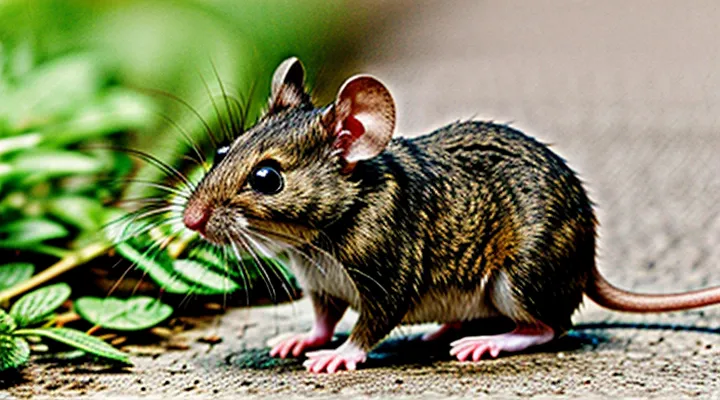
What is Mouse Fever?
Symptoms of Hantavirus Infection
Hantavirus infection is acquired from contact with infected wild rodents, including several mouse species that serve as natural reservoirs. Human exposure typically results from inhaling aerosolized urine, droppings, or saliva of these rodents.
The illness progresses through distinct phases. Early symptoms are nonspecific, while later stages affect the respiratory and renal systems. Common clinical manifestations include:
- Sudden fever and chills
- Severe headache and eye pain
- Muscle aches, especially in the back and abdomen
- Nausea, vomiting, and loss of appetite
- Cough and shortness of breath, often progressing to rapid breathing
- Low blood pressure and dizziness
- Reduced urine output, hematuria, or proteinuria indicating kidney involvement
- Bleeding from mucous membranes or skin bruising
- Chest pain and difficulty swallowing
Incubation generally lasts one to five weeks, after which symptoms appear abruptly and may deteriorate rapidly without prompt medical intervention.
How Hantaviruses are Transmitted
Hantaviruses persist in wild rodent populations without causing disease in their hosts. Infected animals release the virus in urine, feces, and saliva; the pathogen remains viable in dried secretions for several days, creating a continual source of infection in the environment.
Rodent species that have been identified as carriers of hantaviruses include:
- Deer mouse (Peromyscus maniculatus) – primary reservoir for Sin Nombre virus in North America.
- White‑footed mouse (Peromyscus leucopus) – associated with several hantavirus strains in eastern United States.
- Cotton rat (Sigmodon hispidus) – linked to the Bayou virus in the southern United States.
- Striped field mouse (Apodemus agrarius) – carrier of the Hantaan virus in East Asia.
- Yellow‑necked mouse (Apodemus flavicollis) – associated with the Puumala virus in Europe.
Transmission to humans occurs through three main pathways:
- Inhalation – breathing aerosolized particles from dried urine, droppings, or nesting material.
- Direct contact – handling contaminated materials without protective gloves, followed by mucous‑membrane exposure.
- Bite – rare, but possible when an infected rodent bites a person.
Preventive measures focus on eliminating rodent infestations, sealing entry points, and using protective equipment when cleaning areas with known rodent activity.
Key Mouse Species Involved in Hantavirus Transmission
Deer Mouse «Peromyscus maniculatus»
The deer mouse (Peromyscus maniculatus) is a primary reservoir of hantavirus, the pathogen responsible for hantavirus pulmonary syndrome, commonly referred to as mouse fever. The species inhabits North America’s forests, grasslands, and suburban areas, where it frequently contacts human dwellings.
- Virus maintenance occurs through chronic infection; infected mice shed the virus in saliva, urine, and feces.
- Human exposure results from inhalation of aerosolized particles contaminated with rodent excreta.
- Outbreaks correlate with increased rodent populations during mast years and climatic conditions that favor nesting near homes.
- Preventive measures include sealing entry points, eliminating food sources, and avoiding disturbance of rodent nests.
Epidemiological data show that most confirmed cases of hantavirus pulmonary syndrome in the United States and Canada trace back to contact with Peromyscus maniculatus. Effective control relies on reducing human‑rodent interaction and monitoring rodent population dynamics.
Hantavirus Strain «Sin Nombre Virus»
The Sin Nombre virus is the principal hantavirus associated with hantavirus pulmonary syndrome in North America. Its natural reservoir is the deer mouse (Peromyscus maniculatus), which maintains the virus without apparent illness. Contact with contaminated urine, feces, or saliva from this species transmits the pathogen to humans, typically through inhalation of aerosolized particles.
Other Peromyscus species have been identified as secondary hosts. The white‑footed mouse (P. leucopus) and the western deer mouse (P. sonoriensis) can harbor the virus in localized regions, though infection rates are lower than in P. maniculatus. These rodents contribute to sporadic transmission events when their habitats overlap with human dwellings.
Geographic distribution of the primary host aligns with the virus’s endemic zones, extending from the southwestern United States into parts of Mexico. Seasonal population surges of P. maniculatus increase environmental contamination, elevating the risk of human exposure during late summer and early autumn.
Preventive measures focus on reducing contact with rodent excreta. Sealing entry points, maintaining clean food storage, and employing protective equipment during cleaning activities mitigate transmission from the identified mouse species.
White-footed Mouse «Peromyscus leucopus»
The white‑footed mouse (Peromyscus leucopus) is a small rodent native to eastern North America, inhabiting forests, fields, and suburban areas. It is recognized as a natural reservoir for hantaviruses that cause hemorrhagic fever with renal syndrome, commonly referred to as mouse fever. Infected individuals shed the virus in saliva, urine, and feces, contaminating the environment and creating a route of transmission to humans through inhalation of aerosolized particles.
Key characteristics relevant to disease transmission:
- Geographic range: Extends from southern Canada through the United States to northern Mexico, overlapping densely populated regions.
- Habitat preference: Occupies leaf litter, brush piles, and human‑adjacent structures, increasing contact probability.
- Virus carriage: Maintains chronic infection without overt illness, allowing long‑term viral shedding.
- Seasonal dynamics: Population peaks in late summer and early autumn, coinciding with higher human exposure rates.
Human risk is amplified by activities that disturb rodent habitats, such as cleaning out sheds, barns, or cabins. Preventive measures include sealing entry points, using protective equipment when cleaning contaminated areas, and minimizing food sources that attract the species. Surveillance programs often trap and test P. leucopus populations to monitor viral prevalence and predict outbreak potential.
Hantavirus Strain «New York Virus»
The hantavirus identified as the New York virus is primarily associated with the white‑footed mouse (Peromyscus leucopus). This species serves as the natural reservoir, maintaining the virus in wild populations without apparent disease. Transmission to humans occurs through inhalation of aerosolized particles contaminated with rodent urine, feces, or saliva.
Other North American rodent species have been documented to harbor the same strain, albeit at lower prevalence:
- Deer mouse (Peromyscus maniculatus) – occasional infection, especially in overlapping habitats.
- Meadow vole (Microtus pennsylvanicus) – sporadic detection in limited surveys.
- Eastern chipmunk (Tamias striatus) – rare seropositivity, suggesting occasional spill‑over.
These mammals contribute to the environmental load of the virus, but the white‑footed mouse remains the principal vector for human exposure. Effective control measures focus on reducing contact with rodent habitats and minimizing aerosol generation in areas where the reservoir species are abundant.
Cotton Rat «Sigmodon hispidus»
Cotton rat (Sigmodon hispidus) is a rodent frequently examined in studies of hantavirus transmission. Field surveys in the southeastern United States have isolated Sin Nombre‑like viruses from captured individuals, confirming the species’ capacity to harbor pathogens that cause mouse‑associated hemorrhagic fever. Experimental infection demonstrates viral replication in lung and kidney tissues, with subsequent shedding in urine and saliva, providing routes for inter‑animal spread and potential human exposure.
Key observations regarding S. hispidus as a vector:
- Natural infection rates reported between 2 % and 8 % in endemic regions.
- Viral loads comparable to those found in primary reservoir species such as the deer mouse (Peromyscus maniculatus).
- Demonstrated competence for transmitting virus to naïve conspecifics via direct contact or contaminated bedding.
These findings position the cotton rat among the rodent species capable of maintaining and disseminating the agents responsible for mouse‑related febrile illnesses. Surveillance programs targeting S. hispidus populations contribute to early detection of outbreak hotspots and inform public‑health interventions.
Hantavirus Strain «Black Creek Canal Virus»
The hantavirus identified as Black Creek Canal Virus (BCCV) belongs to the genus Orthohantavirus, family Hantaviridae. Its genome consists of three single‑stranded RNA segments (S, M, L) that encode nucleocapsid, glycoproteins, and RNA‑dependent RNA polymerase, respectively. The virus is pathogenic to humans and can cause a severe febrile illness with pulmonary involvement.
Primary rodent reservoirs for BCCV have been confirmed through field studies and viral isolation. The species most consistently associated with natural infection are:
- Sigmodon hispidus (hispid cotton rat) – the chief host in the southeastern United States.
- Peromyscus leucopus (white‑footed mouse) – occasional carrier in overlapping habitats.
- Neotoma floridana (eastern woodrat) – reported in limited surveys.
These rodents maintain the virus in enzootic cycles, shedding it in urine, feces, and saliva. Human exposure typically occurs when aerosolized particles from contaminated rodent secretions are inhaled, especially in rural or peridomestic settings where the hosts inhabit grain stores, barns, or brushy areas.
Geographically, BCCV has been detected in Florida, Georgia, and adjacent Gulf Coast regions. Surveillance indicates that infection rates in host populations rise during warm, humid months, correlating with increased rodent activity and breeding. Preventive measures focus on rodent control, sealing of entry points, and minimizing disturbance of rodent nests to reduce aerosol generation.
Rice Rat «Oryzomys palustris»
The marsh rice rat, Oryzomys palustris, inhabits coastal marshes, swamps, and wetland margins throughout the southeastern United States. This rodent is a natural reservoir for hantaviruses, specifically the Bayou virus, which belongs to the hantavirus group that causes hemorrhagic fever with renal syndrome (commonly referred to as mouse fever). Laboratory and field investigations have isolated viral RNA from lung tissues of captured rice rats, confirming active infection cycles within host populations.
Evidence linking O. palustris to human disease includes:
- Serological surveys detecting antibodies against Bayou virus in rodents from Florida, Georgia, and South Carolina.
- Molecular sequencing that matches viral strains recovered from patients with hantavirus pulmonary syndrome to those identified in rice rats.
- Epidemiological studies showing higher incidence of hantavirus cases in regions where marsh rice rat densities are greatest.
Transmission to humans occurs primarily through inhalation of aerosolized particles contaminated with rodent excreta, urine, or saliva. The virus remains viable in dried secretions for several days, enabling infection without direct contact. Occupations and activities that increase exposure to wetland environments—such as field research, wildlife management, and agricultural work—represent the greatest risk factors.
Preventive measures focus on reducing rodent–human interaction:
- Seal entry points in cabins, sheds, and other structures near marshes.
- Store food and waste in rodent‑proof containers.
- Conduct thorough cleaning of areas with rodent droppings using disinfectants capable of inactivating hantaviruses (e.g., bleach solutions).
Diagnostic protocols for suspected cases involve polymerase chain reaction testing of blood or tissue samples to detect hantaviral RNA, complemented by serology for IgM and IgG antibodies. Early identification allows prompt supportive care, which improves clinical outcomes.
In summary, the marsh rice rat functions as a competent carrier of hantavirus strains responsible for mouse‑associated fever, with documented spillover events to humans in the southeastern United States. Monitoring rodent populations and implementing habitat‑specific control strategies are essential components of disease mitigation.
Hantavirus Strain «Bayou Virus»
The Bayou virus is a hantavirus species linked to hantavirus pulmonary syndrome in humans. Its primary rodent reservoir is the marsh rice rat (Oryzomys palustris), which inhabits coastal marshes and swampy areas of the southeastern United States. The virus persists in the renal tissue of these rodents, leading to continuous shedding of infectious particles in urine, feces, and saliva.
Transmission to humans occurs through inhalation of aerosolized rodent excreta or direct contact with contaminated materials. Occupational exposure, recreational activities in marsh environments, and intrusion of rodent habitats into residential areas increase the risk of infection. Cases of Bayou‑virus infection have been documented primarily in Louisiana, Texas, and Florida, correlating with the distribution of the marsh rice rat.
Other rodent species occasionally found to carry Bayou virus include:
These secondary hosts are less efficient at maintaining viral circulation but can contribute to sporadic human exposure in overlapping habitats.
Preventive measures focus on rodent control, sealing entry points in buildings, and avoiding activities that stir up dust in areas contaminated with rodent droppings. Personal protective equipment is recommended for individuals handling rodents or cleaning infested spaces.
Bank Vole «Myodes glareolus»
The Bank Vole (Myodes glareolus) is a small forest-dwelling rodent native to Europe and parts of western Asia. It inhabits deciduous and mixed woodlands, shrub layers, and occasionally gardens adjacent to natural habitats. Population density peaks in autumn, when breeding cycles increase the number of juveniles.
Evidence from field studies and laboratory testing confirms that Bank Voles can harbor Puumala virus, the hantavirus species most frequently associated with mouse fever in humans. Infected voles shed the virus in saliva, urine, and feces, contaminating the environment. Human exposure occurs through inhalation of aerosolized particles from contaminated bedding or dust, or through direct contact with rodent excreta.
Key aspects of Bank Vole involvement in mouse fever transmission:
- Geographic overlap: Distribution coincides with regions reporting the highest incidence of hantavirus infections.
- Reservoir competence: Laboratory infection experiments demonstrate efficient viral replication and prolonged shedding without overt disease in the host.
- Human risk factors: Occupations involving forest work, farming, and outdoor recreation increase contact probability.
- Control measures: Reducing rodent nesting sites near dwellings, sealing entry points, and using protective equipment during cleaning of contaminated areas lower infection risk.
Monitoring of Bank Vole populations, combined with surveillance of Puumala virus prevalence, provides essential data for public‑health strategies aimed at preventing mouse fever outbreaks.
Hantavirus Strain «Puumala Virus»
Puumala virus is a hantavirus that causes a mild form of hemorrhagic fever with renal syndrome, commonly referred to as mouse fever. The virus circulates primarily in wild rodents that serve as natural reservoirs.
The principal rodent host for Puumala virus is the bank vole (Myodes glareolus). This species maintains the virus in its population through persistent infection and shedding in saliva, urine, and feces. Human exposure occurs when contaminated aerosols are inhaled, typically in forested or rural environments where bank voles are abundant.
Other rodent species have not been demonstrated to sustain Puumala virus transmission. Studies consistently identify the bank vole as the exclusive, epidemiologically significant carrier in Europe.
Key points regarding transmission:
- Reservoir: bank vole (Myodes glareolus)
- Geographic range: Northern, Central, and Eastern Europe
- Transmission route: inhalation of aerosolized excreta from infected voles
- Human risk factors: occupational or recreational activities in vole habitats, especially during peak vole population cycles
Control measures focus on minimizing contact with vole habitats, employing protective equipment when handling rodent material, and monitoring vole population dynamics to predict outbreak risk.
Striped Field Mouse «Apodemus agrarius»
The striped field mouse (Apodemus agrarius) is a widespread rodent species inhabiting grasslands, agricultural fields, and forest edges across Europe and Asia. Its adaptability to human‑altered environments increases contact with people, especially in rural communities.
- Apodemus agrarius serves as a natural reservoir for hantaviruses that cause hemorrhagic fever with renal syndrome (HFRS), commonly referred to as mouse fever.
- Viral replication occurs primarily in the lungs, kidneys, and salivary glands of infected individuals.
- Shedding of virus‑laden saliva, urine, and feces contaminates the surrounding environment.
- Human infection arises through inhalation of aerosolized particles from contaminated material or direct contact with the rodent’s excreta.
Epidemiological investigations have repeatedly linked outbreaks of HFRS to areas with high densities of A. agrarius. Molecular analyses of field‑collected specimens consistently detect hantavirus RNA matching strains responsible for human disease. Serological surveys in endemic regions reveal elevated antibody prevalence among captured mice, confirming active circulation of the pathogen within local populations.
Control measures focus on reducing human exposure to rodent habitats. Recommendations include sealing food storage, maintaining clean grain stores, and using protective equipment when cleaning areas contaminated with rodent droppings. Monitoring of A. agrarius populations provides early warning of increased hantavirus activity, allowing health authorities to issue timely advisories.
Hantavirus Strain «Seoul Virus»
Seoul virus is a hantavirus species that causes hemorrhagic fever with renal syndrome, commonly referred to as mouse‑borne fever. The virus circulates primarily among rodent populations and reaches humans through exposure to contaminated secretions.
The principal rodent reservoir for Seoul virus is the brown rat (Rattus norvegicus). This species maintains high viral loads in its lungs, kidneys, and urinary tract, facilitating efficient shedding in urine, feces, and saliva. Secondary reservoirs include the black rat (Rattus rattus) and, in limited reports, other murid rodents such as the Asian house rat (Rattus tanezumi). Occasional detection in striped field mice (Apodemus agrarius) and wood mice (Apodemus sylvaticus) suggests a broader host range, though transmission efficiency from these species remains low.
Geographic distribution mirrors the global presence of the host rats. Urban and peri‑urban environments across Asia, Europe, and the Americas report seroprevalence rates in brown rats ranging from 1 % to 15 %. Rural areas with abundant commensal rat populations exhibit comparable infection levels, indicating that human risk is not confined to a single habitat type.
Human infection occurs primarily through inhalation of aerosolized rodent excreta or direct contact with contaminated surfaces. Bites represent a minor transmission route. Preventive measures focus on rodent control, sanitation, and avoidance of dust generated by dried rodent waste.
Rodent species known to transmit Seoul virus
- Rattus norvegicus (brown rat) – primary reservoir
- Rattus rattus (black rat) – secondary reservoir
- Rattus tanezumi (Asian house rat) – occasional reservoir
- Apodemus agrarius (striped field mouse) – sporadic detection
- Apodemus sylvaticus (wood mouse) – sporadic detection
Geographic Distribution of Hantaviruses and Their Carriers
North America
In North America, hantavirus infections are linked to several rodent reservoirs. The virus that causes severe respiratory disease circulates primarily in wild mice and related species that maintain the pathogen without showing illness.
- Deer mouse (Peromyscus maniculatus) – principal carrier of the Sin Nombre virus; widespread across Canada and the United States, especially in grasslands, forests, and shrub-steppe habitats.
- White‑footed mouse (Peromyscus leucopus) – associated with the New York virus; common in eastern deciduous forests and suburban areas.
- Cotton mouse (Sigmodon hispidus) – host of the Black Creek Canal virus; found in the southeastern United States, favoring wet grasslands and agricultural fields.
- Meadow vole (Microtus pennsylvanicus) – linked to the Prospect Hill virus; inhabits northern prairies and meadows.
- Western harvest mouse (Reithrodontomys megalotis) – occasional carrier of hantavirus strains in the southwestern United States.
These species occupy distinct ecological zones, influencing regional exposure risk. Human infection typically occurs after inhalation of aerosolized particles contaminated with rodent urine, droppings, or saliva. Preventive measures focus on reducing contact with rodent-infested structures, sealing entry points, and safely cleaning contaminated areas.
Europe
Mouse fever, a hantavirus infection, is endemic in many European regions. The disease is primarily transmitted to humans through aerosolised excreta of infected rodents. Identifying the responsible rodent species is essential for risk assessment and public‑health measures.
- Bank vole (Myodes glareolus) – carrier of Puumala virus; widespread across forested and suburban areas of Central, Northern, and Eastern Europe.
- Striped field mouse (Apodemus agrarius) – reservoir of Dobrava‑Belgrade virus; common in agricultural fields and floodplains of Eastern and Central Europe.
- Yellow‑necked mouse (Apodemus flavicollis) – also associated with Dobrava‑Belgrade virus; inhabits deciduous forests of Southern and Central Europe.
- Wood mouse (Apodemus sylvaticus) – occasional host of Puumala and Dobrava viruses; found throughout Western and Southern Europe.
- Common vole (Microtus arvalis) – implicated in rare cases of hantavirus transmission; occupies grasslands and cultivated fields across the continent.
The distribution of these rodents correlates with reported human cases. Areas with dense bank‑vole populations, such as the boreal forests of Scandinavia and the Baltic states, experience higher incidences of Puumala‑related illness. Regions with extensive agricultural land, particularly in Poland, the Czech Republic, and the Balkans, report Dobrava‑Belgrade infections linked to striped field and yellow‑necked mice.
Surveillance programs target rodent density monitoring, serological testing of captured specimens, and public‑education campaigns on minimizing exposure. Preventive actions include sealing homes against rodent entry, maintaining clean storage areas for grain, and avoiding disturbance of rodent nests during cleaning or renovation work.
Asia
Rodent-borne hantaviruses that cause hemorrhagic fever with renal syndrome are prevalent throughout Asia. Several murine species act as natural reservoirs, maintaining the virus in wild populations and facilitating human exposure through aerosolized excreta.
- Apodemus agrarius (striped field mouse) – widespread in East Asia, primary carrier of Hantaan virus.
- Rattus norvegicus (Norway rat) – common in urban and peri‑urban areas across China, Japan, and South Korea; associated with Seoul virus.
- Rattus rattus (black rat) – found throughout Southeast Asia; linked to Seoul virus and other hantavirus strains.
- Apodemus peninsulae (Korean field mouse) – inhabits the Korean peninsula and parts of northeastern China; hosts Hantaan‑related viruses.
- Eothenomys miletus (Milet’s vole) – distributed in mountainous regions of China and Myanmar; identified as a reservoir for Hantaan virus.
- Micromys minutus (harvest mouse) – present in temperate zones of Japan and the Korean peninsula; occasional hantavirus detections.
These species constitute the primary sources of hantavirus transmission to humans in Asian environments, highlighting the need for surveillance and rodent control measures in affected regions.
Prevention and Control Measures
Reducing Rodent Exposure
Rodent-borne hantavirus infections, commonly referred to as mouse fever, are linked to specific murine carriers. Reducing human contact with these animals lowers transmission risk.
Effective reduction strategies include:
- Sealing building openings, such as cracks, gaps around utility lines, and vents, to prevent ingress.
- Maintaining clean, clutter‑free storage areas; eliminate food residues, spilled grain, and standing water that attract rodents.
- Implementing regular pest‑control inspections and, where necessary, professional extermination using traps or rodenticides approved for indoor use.
- Storing waste in sealed containers and removing garbage frequently to deny rodents a food source.
- Installing metal or concrete barriers beneath foundations and around crawl spaces to block subterranean entry routes.
- Conducting routine cleaning of attics, basements, and other concealed spaces, followed by disinfection of droppings and urine with a 1% bleach solution.
These measures directly diminish exposure to the mouse species known to harbor hantavirus, thereby reducing the likelihood of human infection.
Public Health Recommendations
Public health agencies advise immediate actions to reduce the risk of hantavirus infection transmitted by rodent carriers. Effective measures focus on environmental control, personal protection, surveillance, and community education.
- Conduct systematic trapping and testing of peridomestic rodent populations to identify species known to harbor hantavirus.
- Implement integrated pest management in residential and occupational settings, including sealing entry points, removing food sources, and applying rodenticides according to regulatory guidelines.
- Require use of protective equipment—gloves, masks, and disposable clothing—when cleaning areas contaminated with rodent droppings or nests.
- Establish protocols for safe disposal of contaminated materials, employing wetting techniques to minimize aerosolization of viral particles.
- Provide training for healthcare providers on early recognition of hantavirus pulmonary syndrome, reporting procedures, and appropriate clinical management.
- Disseminate targeted public information campaigns emphasizing avoidance of rodent contact, proper sanitation, and prompt medical evaluation of febrile respiratory illness after exposure.
- Coordinate interagency data sharing to monitor geographic spread, track outbreak clusters, and allocate resources for rapid response.
Adherence to these recommendations reduces human exposure to infected mice and curtails the incidence of severe respiratory disease associated with hantavirus.