
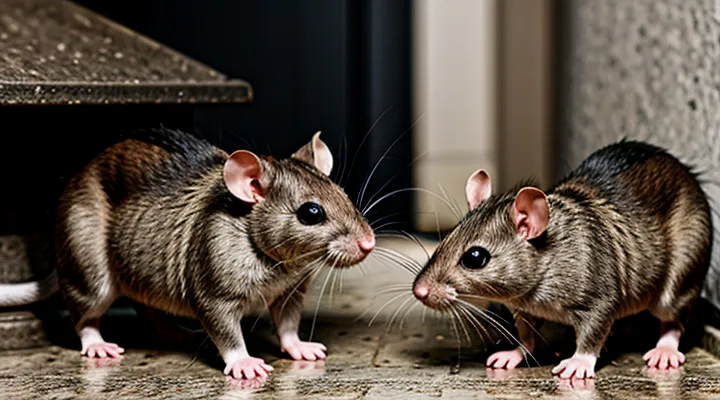
Why a Good Name Matters
Building a Bond
Establishing a strong connection with a male rat influences the choice of an appropriate name. When a rat trusts its owner, its personality traits become clearer, allowing the name to reflect observed behavior rather than arbitrary preference.
Consider these criteria while naming:
- Temperament: Calm rats respond well to gentle names such as “Milo” or “Silas.” Energetic individuals suit lively names like “Bolt” or “Rocket.”
- Physical features: Dark‑fur rats may suit “Onyx,” while a white‑blotched rat fits “Snow.”
- Interaction style: Rats that enjoy frequent handling benefit from names that reinforce positive contact, for example “Buddy” or “Pal.”
- Owner’s perception: A name that matches the owner’s emotional attachment strengthens the bond, reinforcing mutual recognition during daily routines.
Selecting a name that mirrors the rat’s character and the established relationship creates consistency in communication, encourages continued trust, and enhances the overall companionship experience.
Reflecting Personality
Choosing a name for a male rat should convey the animal’s distinct temperament. A name that mirrors behavior helps owners remember traits and strengthens the bond.
- Curious and adventurous – names such as Scout, Explorer, or Maverick highlight a rat’s investigative nature.
- Calm and steady – options like Atlas, Harbor, or Sage suggest reliability and composure.
- Playful and energetic – choices such as Zippy, Jolt, or Rocket capture high‑spirited activity.
- Intelligent and cunning – names like Cipher, Merlin, or Professor reflect problem‑solving abilities.
- Affectionate and social – titles such as Buddy, Teddy, or Charmer emphasize friendliness.
When selecting a name, consider observable habits: frequent foraging indicates a “Scout” mindset; quiet nesting points to “Harbor”; rapid movements suit “Rocket.” Matching the name to these patterns creates a clear, personality‑driven identity for the rat.
Popular Naming Categories
Human-Inspired Names
When naming a male rat, owners often look to familiar human names that convey personality, ease of recall, and a sense of companionship. Human‑inspired choices align with the pet’s social nature and allow seamless integration into daily conversation.
- Oliver – classic, easy to pronounce, evokes a friendly demeanor.
- Milo – short, energetic, suits active rodents.
- Charlie – widely recognized, adaptable to various temperaments.
- Finn – modern, concise, fits sleek, agile rats.
- Jasper – slightly formal, appropriate for dignified individuals.
- Leo – strong, memorable, matches bold behavior.
- Theo – gentle, approachable, works well for calm pets.
- Max – brief, assertive, ideal for confident rats.
- Henry – traditional, respectable, fits mature personalities.
- Eddie – playful, light‑hearted, suits mischievous characters.
Selecting a human name provides a bridge between owner and animal, reinforcing the rat’s role as a social companion. The names listed combine familiarity, clarity, and versatility, making them suitable for a wide range of male rats.
Classic and Timeless
Classic, enduring male names enhance a rat’s personality without distracting from its natural charm. Names that have persisted across generations convey reliability and simplicity, making them ideal for small, intelligent companions.
- Arthur – evokes historic strength; easy to pronounce.
- Edward – timeless elegance; short form “Ed” suits quick vocalizations.
- George – universally recognized; conveys steadiness.
- Henry – classic royalty; diminutive “Harry” offers friendly tone.
- James – versatile; “Jim” provides a casual alternative.
- John – universally familiar; brief and clear.
- Louis – refined heritage; “Lou” works well for rapid calls.
- Samuel – dignified; “Sam” offers brevity.
- Thomas – solid and traditional; “Tom” fits quick recognition.
- William – regal and enduring; “Will” or “Bill” give flexibility.
These selections maintain historical relevance while remaining simple enough for daily interaction, ensuring the rat responds promptly and the owner enjoys a name that never feels outdated.
Modern and Trendy
Selecting appropriate male names for pet rats involves balancing contemporary appeal with ease of use. Modern owners favor names that are short, memorable, and reflect current cultural trends. A name should be easily pronounced, distinct from commands, and convey a sense of personality suited to a lively rodent.
Key considerations for contemporary naming include:
- Two‑syllable structure for quick recall (e.g., “Milo,” “Jasper”).
- Inspiration from popular media, technology, or fashion (e.g., “Pixel,” “Neo”).
- Avoidance of overly formal or antiquated terms that may sound out of place for a small, energetic animal.
Examples of modern, trendy male names that meet these criteria:
- Finn
- Atlas
- Zephyr
- Orion
- Dash
- Blaze
- Jax
- Koda
- Rio
- Zeke
Each option combines brevity with current stylistic preferences, ensuring the name resonates with both the owner and the pet’s active demeanor.
Pop Culture References
Pop culture supplies a rich source of male names that complement the quick‑witted, mischievous nature of rats. Names drawn from cinema, music, literature, and gaming evoke recognizable personalities while fitting the small, agile pet.
- Remy – the culinary rat from Ratatouille; conveys skill and charm.
- Stuart – protagonist of Stuart Little; suggests a brave, adventurous spirit.
- Mickey – Disney’s iconic mouse; offers a playful, classic feel.
- Jax – lead character in Mortal Kombat; projects strength and agility.
- Gizmo – the mischievous creature in Gremlins; highlights cleverness.
- Baxter – recurring name in sitcoms and cartoons; carries an affable, friendly tone.
- Dobby – beloved house‑elf from Harry Potter; reflects loyalty and curiosity.
- Neo – hero of The Matrix; suggests intelligence and adaptability.
- Finn – central figure in Adventure Time; embodies youthful energy.
- Ziggy – name of a recurring character in The Walking Dead comics; conveys resilience.
These references align with the rat’s reputation for resourcefulness and charisma, providing owners with culturally resonant, memorable choices.
Movie and TV Characters
When selecting a male name for a pet rat, drawing inspiration from well‑known movie and television figures can provide memorable, character‑rich options. Such names often carry strong, recognizable traits that align with a rat’s quick wit, agility, and curiosity.
Examples of suitable male names derived from screen characters:
- Gizmo – the lovable mogwai‑turned‑rat in Gremlins; conveys mischievous intelligence.
- Jafar – the scheming antagonist from Aladdin; suits a cunning, observant rodent.
- Bender – the irreverent robot from Futurama; fits a bold, outspoken pet.
- Sherlock – the detective from Sherlock; appropriate for a rat that explores every nook.
- Maverick – the daring pilot in Top Gun; reflects a fearless, adventurous spirit.
- Neo – the protagonist of The Matrix; ideal for a rat that seems to defy expectations.
- Hannibal – the sophisticated chef in Hannibal; works for a rat with refined tastes.
- Gandalf – the wise wizard of The Lord of the Rings; matches a calm, observant animal.
- Klaus – the clever inventor from The Adventures of Klaus; suits a resourceful rat.
- Eddie – the charismatic lead in Eddie the Eagle; appropriate for an ambitious, determined pet.
These selections combine cultural familiarity with traits that mirror typical rat behavior, offering owners names that are both distinctive and resonant.
Book and Comic Heroes
Choosing a male name for a pet rat can benefit from the rich repertoire of protagonists found in literature and comics. Heroic figures often embody traits—cunning, resilience, quick wit—that align with the typical behavior of rats, making their names apt choices.
- Sherlock – the detective’s analytical mind mirrors a rat’s problem‑solving instincts.
- Gandalf – the wizard’s wisdom and protective nature suit a rat that serves as a loyal companion.
- Logan – the mutant’s endurance and adaptability reflect a rat’s ability to thrive in varied environments.
- Arthur – the legendary king’s leadership qualities echo a rat’s natural hierarchy within its group.
- Finn – the adventurous spirit of the comic hero matches a rat’s curiosity and exploratory drive.
- Mickey – the iconic mouse’s charisma transfers well to a rat that enjoys human interaction.
- Daredevil – the blind vigilante’s heightened other senses parallel a rat’s acute hearing and smell.
- Hobbes – the philosophical tiger from the comic strip embodies a blend of playfulness and depth, fitting a rat with a strong personality.
Each name draws on a well‑known hero, providing a recognizable, meaningful identifier for a male rat while reinforcing the animal’s characteristic qualities.
Video Game Icons
Video game protagonists often possess names that convey strength, agility, or cleverness—qualities that translate well to naming male rodents. Selecting a name from this pool gives a pet rat an instantly recognizable identity while reinforcing its spirited nature.
- Mario – iconic plumber whose relentless energy mirrors a rat’s curiosity.
- Link – heroic explorer, suitable for a rat that navigates tight spaces with purpose.
- Samus – legendary bounty hunter, fitting for a rat displaying independence and resilience.
- Kratos – embodiment of power, appropriate for a larger or particularly assertive male.
- Sonic – speedy hedgehog, ideal for a rat known for rapid movements.
- Nathan (from Uncharted) – adventurous treasure seeker, matching a rat’s tendency to investigate hidden corners.
- Gordon (Freeman) – scientist‑survivor, apt for a rat displaying problem‑solving behavior.
- Ryu – disciplined martial artist, suitable for a rat with a calm, focused demeanor.
- Arthur (Morgan) – strategic leader, fitting for a rat that often dominates its enclosure hierarchy.
- Cole (Cole MacGrath) – electricity‑wielding protagonist, appropriate for a rat with a bright, energetic presence.
Each name derives from a well‑known video game figure, providing a clear cultural reference while aligning with the typical traits observed in male rats. The selections balance recognizability with suitability, ensuring the chosen moniker enhances the pet’s personality without ambiguity.
Food and Drink Inspired Names
Food‑and‑drink themes offer memorable, character‑rich options for male rats. Such names evoke sensory associations, making them easy to recall and fitting the lively nature of the species.
- Biscuit – evokes a warm, crumbly treat, matching a friendly, sociable rat.
- Mocha – combines coffee and chocolate tones, suitable for a dark‑coated, energetic pet.
- Cinnamon – suggests spice and warmth, ideal for a rat with reddish fur.
- Whiskey – conveys depth and richness, fitting a bold, confident individual.
- Sage – reflects herbal freshness, appropriate for a calm, observant companion.
- Oreo – references a classic black‑and‑white cookie, perfect for a tuxedo‑patterned rat.
- Taco – playful and flavorful, works for a curious, adventurous personality.
- Malt – hints at a smooth, golden hue, suitable for a light‑colored rat.
- Brew – suggests a crafted, robust character, fitting a resilient pet.
- Chai – blends spice and tea, appropriate for a warm‑toned, gentle rat.
Choosing a name from this culinary palette adds personality while remaining concise and recognizable.
Sweet Treats
When choosing a name for a male rat, drawing inspiration from sweet confections offers memorable, distinctive options. Confection‑based names convey personality traits—energy, charm, or a playful demeanor—while remaining easy to pronounce and recall.
- Caramel – evokes smooth, amber tones, suitable for a rat with a glossy coat.
- Mochi – references the soft, chewy Japanese dessert, fitting for a gentle, cuddly animal.
- Toffee – suggests a rich, buttery flavor, ideal for a rat with a warm, golden hue.
- Ginger Snap – combines spice and crispness, appropriate for a lively, quick‑moving pet.
- Biscotti – denotes a firm, twice‑baked treat, matching a sturdy, resilient rat.
- Fudge – reflects deep, velvety richness, suitable for a dark‑fur male.
- Snickerdoodle – merges cinnamon and sugar, perfect for a rat with a sweet disposition.
- Marzipan – alludes to almond‑based confectionery, apt for a rat with a light, nutty character.
Selecting a confection‑inspired name aligns the animal’s identity with a familiar, pleasant concept, facilitating bonding and communication between owner and pet.
Savory Delights
Choosing a male rat name that evokes a savory delight adds character and memorability. Many culinary terms convey richness, warmth, and distinct flavor, making them suitable for small, inquisitive pets.
- Basil – evokes aromatic herb, suggests freshness and a hint of spice.
- Ginger – references a pungent root, implies a lively, slightly sharp personality.
- Sage – denotes earthy wisdom, aligns with a calm, observant demeanor.
- Cinnamon – conveys warm, sweet undertones, suitable for a friendly, affectionate rat.
- Pepper – reflects piquant heat, appropriate for a quick‑moving, energetic rodent.
- Chive – suggests subtle, grassy notes, fitting a timid yet curious individual.
- Thyme – implies timeless elegance, matching a sleek, graceful male.
- Miso – represents deep umami flavor, ideal for a rat with a strong, steady presence.
These names balance recognizability with culinary connotation, reinforcing the bond between pet and owner through shared sensory reference. Selecting a name from this list provides a clear, flavorful identity without relying on generic descriptors.
Nature and Mythology
Selecting masculine names for pet rats benefits from referencing natural characteristics and mythological archetypes. Names drawn from flora, fauna, and ecological niches highlight a rat’s agility, nocturnal habits, and adaptability. Mythic figures associated with cleverness, the underworld, or small creatures provide cultural depth and memorable resonance.
Nature‑based options emphasize observable traits. Examples include:
- Ash – evokes the forest floor where rodents forage.
- River – reflects a rat’s affinity for water sources and tunnels.
- Thorn – suggests sharp reflexes and protective instincts.
- Cedar – denotes sturdy woodlands that shelter wild rats.
- Moss – captures the soft, concealed environment of burrows.
Mythological sources offer symbolic richness. Figures linked to cunning, transformation, or the subterranean realm align with rat behavior. Suitable choices are:
- Hermes – Greek messenger known for swiftness and trickery.
- Anubis – Egyptian deity overseeing the passage to the afterlife, often depicted with a jackal but connected to the underworld.
- Mimir – Norse keeper of wisdom, reflecting a rat’s inquisitive nature.
- Eris – Greek goddess of discord, echoing a rat’s reputation for stirring trouble.
- Kitsune – Japanese fox spirit capable of shape‑shifting, paralleling a rat’s adaptability.
Combining ecological descriptors with mythic references yields names that are both descriptive and culturally resonant, enhancing the bond between owner and companion.
Gods and Goddesses
Choosing male rat names from mythological deities combines cultural resonance with distinctive sound. Deities known for traits that parallel a rat’s agility, cleverness, or nocturnal habits provide especially fitting options.
- Hermes – Greek messenger god, emblem of speed and cunning.
- Anubis – Egyptian guardian of the dead, associated with night and secrecy.
- Loki – Norse trickster, embodies mischief and adaptability.
- Mithras – Persian deity linked to sunrise, suggests a creature that thrives in twilight.
- Eros – Greek god of desire, conveys a lively, affectionate personality.
- Set – Egyptian god of chaos, reflects a bold, independent spirit.
- Pan – Greek god of wilderness, evokes a rustic, exploratory nature.
- Hades – Greek ruler of the underworld, suitable for a dark‑fur rat.
- Ra – Egyptian sun god, contrasts a nocturnal pet with bright energy.
- Ares – Greek god of war, fits a rat with a fierce, assertive demeanor.
These selections align mythic symbolism with common rat characteristics, offering memorable, authoritative names for male rodents.
Elements and Phenomena
Choosing appropriate male names for pet rodents involves several linguistic, cultural, and behavioral factors. Each factor operates as an element that shapes the final selection, while observable trends and owner‑rat interactions constitute the underlying phenomena.
The linguistic element emphasizes ease of pronunciation and memorability. Names with one or two syllables, clear vowel sounds, and minimal consonant clusters reduce vocal strain for owners and improve the rat’s recognition of its own name. Examples include “Max,” “Bax,” and “Jax.” Phonetic consistency also aids in training, as short, sharp sounds elicit quicker responses.
Cultural references provide a thematic element. Mythological heroes (e.g., “Hercules,” “Apollo”), literary protagonists (e.g., “Gatsby,” “Sherlock”), and scientific pioneers (e.g., “Einstein,” “Darwin”) convey personality traits that owners may project onto their rats. Selecting a name from a familiar narrative reinforces the bond between caretaker and animal.
Behavioral phenomena influence name suitability. Rats displaying bold exploration often receive assertive names such as “Rex” or “Blaze,” whereas more timid individuals respond better to gentle names like “Milo” or “Ollie.” Social hierarchy within multi‑rat cages can also dictate naming patterns; dominant males frequently acquire names that denote leadership, while subordinate males receive softer monikers.
Practical recommendations, organized by element type:
- Phonetic simplicity: Max, Leo, Sam, Finn, Dex
- Mythological/ literary: Thor, Loki, Huck, Darcy, Poe
- Scientific/ intellectual: Tesla, Newton, Curie, Galileo, Kepler
- Behavior‑driven: Rocket, Shadow, Whisper, Ember, Brisk
These names reflect the combined effect of linguistic clarity, cultural resonance, and observable rat behavior, offering a systematic approach to naming male rodents.
Humorous and Whimsical Names
Selecting a name for a male rat benefits from humor and whimsy, reinforcing the pet’s lively personality while making daily interaction more enjoyable. A well‑chosen moniker also aids identification in multi‑rat households, reducing confusion during feeding and health checks.
- Cheddar‑Chase
- Sir Squeaksalot
- Whisker‑Wizard
- Nut‑Ninja
- Pippin‑Paws
- Gnasher‑Gatsby
- Furry‑Frodo
- Scam‑Scamper
- Zippy‑Zorro
- Munch‑Maverick
These options combine wordplay, pop‑culture references, and alliteration, delivering memorable, light‑hearted identifiers. The names remain short enough for clear vocal cues, supporting consistent training and bonding.
Punny Picks
Choosing a name for a male rodent often benefits from a playful twist that reflects the animal’s quickness, curiosity, and whiskered charm. Wordplay not only highlights personality but also creates a memorable bond between owner and pet.
Below are succinct options that combine humor with relevance to a rat’s traits:
- Cheese‑Whiz – references the classic snack while suggesting a clever, speedy mind.
- Squeak‑y Malone – a nod to the famous detective, emphasizing sharp instincts.
- Nibbler – captures the habit of constant gnawing in a lighthearted way.
- Ratatouille – evokes culinary flair and the species name itself.
- Whisker‑ton – blends the prominent facial feature with a dignified surname.
- Scurry McFast – underscores rapid movement with a mock‑formal tone.
- Gizmo – suits a curious, gadget‑loving explorer.
These selections balance wit with descriptive accuracy, making them fitting choices for a male rat seeking a name that conveys both character and comedy.
Silly Sounds
When selecting a male name for a pet rat, the auditory character of the name can reinforce the animal’s playful personality. Silly sounds—such as exaggerated vowel elongations, consonant clusters, or onomatopoeic bursts—create a memorable phonetic imprint that matches a rat’s lively behavior.
Typical silly sound patterns include:
- Repeated “z” and “s” consonants (e.g., Zizz, Sizzle)
- Vowel-heavy constructions ending in “oo” (e.g., Boo, Koo)
- Abrupt plosive endings (e.g., Bam, Zap)
- Rhythmic, staccato syllables (e.g., Tick‑Tack, Pop‑Pop)
Pairing these sounds with male rat names yields options that are both distinctive and easy to call. Names such as Zizz, Bam, Koo, and Zap illustrate the effective use of silly phonetics. The result is a name that stands out in daily interaction, strengthens the owner‑pet bond, and reflects the rodent’s spirited nature.
Tips for Choosing the Perfect Name
Observe Your Rat’s Behavior
Observing a rat’s personality provides reliable guidance when selecting a suitable male name. Consistent patterns in activity, social interaction, and temperament reveal traits that a name can reflect.
Typical behaviors to monitor include:
- Exploration frequency: Rats that constantly investigate new objects display curiosity and boldness.
- Social dominance: Individuals that lead group movements or assert control over resources show confidence.
- Calmness versus agitation: A rat that remains composed under handling indicates steadiness, while rapid movements suggest high energy.
- Vocalizations: Frequent squeaks or chirps often accompany excitement; minimal sounds may denote a more reserved nature.
Match these observations to name characteristics. A daring explorer benefits from names such as “Scout,” “Maverick,” or “Rocket.” A dominant leader aligns with “King,” “Titan,” or “Chief.” A calm, steady rat fits names like “Basil,” “Silas,” or “Harbor.” Highly energetic rats suit “Bolt,” “Zippy,” or “Flash.” Use the documented behavior as the primary criterion to ensure the chosen name accurately embodies the rat’s distinct demeanor.
Keep It Short and Sweet
Choosing a name for a male rat should be quick and memorable. Aim for one‑ or two‑syllable words that are easy to call out and distinct from other household pet names.
- Milo
- Nico
- Jasper
- Theo
- Finn
- Hugo
- Atlas
- Zeke
Short names improve response during handling and reduce the chance of confusion. Consistency in using the chosen name reinforces recognition and strengthens the bond with the animal.
Test It Out
When choosing a name for a male rat, the most reliable method is to test it in everyday interaction. Direct observation reveals how the animal responds to the sound, how easily the name is recognized, and whether the name fits the rat’s personality.
Key criteria for evaluation include:
- Audibility – the name should be clear at the typical distance of a cage or play area.
- Recognition – the rat should turn toward the caller after a few repetitions.
- Compatibility – the name’s tone should match the rat’s demeanor (e.g., calm, energetic).
- Ease of use – the name must be short enough for quick utterance during handling.
Practical testing procedure:
- Select three to five candidate names that meet the criteria.
- Use each name consistently for a period of three days, calling the rat during feeding, cleaning, and play.
- Record the rat’s reaction: latency to approach, frequency of turning, and any signs of stress.
- Compare results, discarding names with low recognition or adverse reactions.
- Repeat the process if necessary until a single name demonstrates clear, positive response.
Iterative testing ensures the chosen name is both functional and fitting, eliminating guesswork and providing a reliable identifier for the pet rat.
Consider Future Growth
Selecting male names for pet rats requires anticipation of how the animal will develop physically and behaviorally. A name should remain appropriate when the rat grows from a small juvenile to a larger adult, avoiding diminutives that may become incongruous with increased size or maturity.
- Atlas – evokes strength; suitable as the rat gains bulk.
- Maverick – fits a confident, independent temperament that often emerges with age.
- Gizmo – works for a curious, energetic animal, retaining relevance as activity levels shift.
- Thor – conveys power; remains fitting if the rat becomes more robust.
- Jasper – a classic name that stays neutral across size changes.
Consider the rat’s projected adult weight, typical behavior patterns, and the owner’s willingness to use the name in everyday contexts. Names that balance charm with durability reduce the need for later renaming, supporting a consistent identity throughout the rat’s lifespan.
Names for Specific Rat Personalities
For the Bold and Adventurous
When selecting a name for a male rat that conveys daring spirit and a love of exploration, prioritize brevity, distinct sound, and a hint of vigor. Names that evoke motion, risk, or legendary figures reinforce the animal’s innate curiosity and readiness to venture beyond familiar tunnels.
- Rex – short, commanding, suggests a ruler of his domain.
- Maverick – implies independence and a willingness to chart new paths.
- Blaze – evokes speed and a flash of daring energy.
- Jasper – sturdy, classic, with an adventurous edge when paired with a bold personality.
- Scout – directly references exploration and keen observation.
- Rogue – captures a mischievous, rule‑defying attitude.
- Atlas – conjures the image of a carrier of worlds, fitting for a rat that tackles obstacles.
- Tyro – denotes a newcomer eager to test limits, ideal for a young, fearless pet.
Choosing a name from this collection aligns the rat’s identity with traits of boldness and adventure, reinforcing the bond between owner and pet while highlighting the creature’s natural propensity for daring exploits.
For the Calm and Cuddly
Selecting appropriate male names for pet rats that emphasize a calm, cuddly temperament requires attention to sound, meaning, and ease of pronunciation. Names that are short, soft‑voiced, and carry gentle connotations reinforce the desired personality and simplify training cues.
- Milo – smooth vowel sounds, evokes friendliness.
- Basil – botanical reference, subtle and soothing.
- Finn – brief, crisp, conveys tranquility.
- Theo – classic, melodic, suggests affection.
- Jules – soft ending, intimate feel.
- Ollie – playful yet mellow, easy for a rat to recognize.
- Silas – gentle cadence, understated strength.
- Nico – warm tone, easy to call repeatedly.
These choices align with the goal of highlighting a rat’s serene and affectionate nature while remaining practical for daily interaction.
For the Mischievous and Playful
When selecting a male name for a rat that thrives on mischief and play, prioritize brevity, distinct sound, and a hint of cheekiness. Short, punchy names are easier for the animal to recognize and reinforce the lively personality.
- Rascal – conveys a roguish spirit without excess.
- Mischief – directly reflects the animal’s tendency to explore boundaries.
- Zigzag – suggests quick, unpredictable movement.
- Jinx – implies a playful troublemaker.
- Puck – references a mischievous mythic figure.
- Blinky – evokes rapid eye motion typical of curious rodents.
- Sparky – denotes energetic bursts of activity.
- Nimble – highlights agility and swift antics.
- Whisk – combines the rat’s prominent whiskers with a sense of motion.
- Riff – implies a lively, improvisational character.
Each name balances clarity with a playful edge, reinforcing the rat’s spirited nature while remaining simple enough for daily use.
For the Smart and Curious
When selecting a name for a male rat, prioritize clarity, memorability, and a hint of character that resonates with an inquisitive owner. Short, distinct syllables facilitate training and reinforce the bond between pet and caretaker.
- Archie – evokes intelligence; easy to call across a cage.
- Basil – classic, slightly scholarly tone.
- Cobalt – references the animal’s natural hue; appealing to observers of color.
- Dex – concise, suggests quick thinking.
- Edison – honors a famed inventor, aligning with a rat’s problem‑solving reputation.
- Finch – bird‑inspired, suitable for a creature that darts and explores.
- Gizmo – fits a rat that manipulates objects and puzzles.
- Hugo – timeless, straightforward pronunciation.
- Ivo – uncommon, sharp sound for a discerning mind.
- Jax – modern, brisk, suitable for energetic personalities.
Consider the rat’s behavior when finalizing the choice; a name reflecting observed traits reinforces recognition. Consistency in usage, coupled with positive reinforcement, ensures the name becomes an effective communication tool for both owner and animal.
Uncommon and Unique Male Rat Names
Exploring Global Options
Choosing a suitable male name for a pet rat involves considering linguistic variety, cultural resonance, and phonetic simplicity. Across continents, naming conventions reflect local language structures and popular trends.
In East Asia, short, vowel‑rich names such as “Tao,” “Kumo,” or “Bai” are common. Their brevity suits the quick vocalizations typical of small rodents. In Europe, traditional male names often appear with a playful twist: “Oscar,” “Milo,” “Finn,” or “Luca.” These names balance familiarity with a lighthearted tone. In South America, names frequently draw from nature or mythology, examples include “Coco,” “Rico,” “Atila,” and “Zorro.” Their rhythmic quality aligns with the lively character of rats. In Africa, names may incorporate local languages or animal symbolism, such as “Kofi,” “Juma,” “Baba,” or “Zuri.” These choices convey cultural identity while remaining easy to pronounce.
Key criteria for a global selection:
- Length of two to three syllables, ensuring clear enunciation.
- Presence of open vowel sounds, facilitating auditory recognition by the animal.
- Positive connotation in the originating language, avoiding unintended meanings.
When evaluating options, compare each name against these criteria, then select the one that best matches the owner’s cultural background and the rat’s personality. This systematic approach yields a name that is both globally resonant and individually appropriate.
Inventing New Names
Choosing appropriate male names for pet rats involves balancing brevity, distinctiveness, and resonance with the animal’s characteristics. Effective names are short enough for clear vocal cues, contain consonant clusters that aid recognition, and evoke traits such as agility, curiosity, or mischievousness.
When creating original names, consider the following guidelines:
- Limit syllables to one or two; rats respond best to brief sounds.
- Include a hard consonant at the start (e.g., “B”, “K”, “R”) to capture attention.
- Incorporate vowel sounds that roll easily, facilitating repeated calling.
- Avoid names that resemble common commands or household noises.
Applying these principles yields a set of novel male rat names:
- Brax – sharp onset, single syllable, suggests vigor.
- Kip – concise, playful, easy to articulate.
- Rook – strong initial consonant, evokes cleverness.
- Zed – uncommon, crisp ending, suitable for a quick‑moving pet.
- Milo – two syllables, smooth vowel transition, friendly tone.
- Jax – modern edge, clear consonant blend, memorable.
- Vex – brief, dynamic, reflects a spirited personality.
- Trek – conveys exploration, simple pronunciation.
Each name conforms to the established criteria, ensuring the rat can distinguish the call and the owner can use it consistently. Selecting from this curated list provides a practical solution for naming male rats with originality and functional clarity.
The Naming Ceremony: Making It Special
A naming ceremony for a male rat transforms a simple designation into a memorable event. Choose a location that reflects the animal’s personality—quiet corner of the home, a small terrarium, or a garden nook—where the rat feels secure. Prepare a brief script that announces the name, mentions the chosen name’s meaning, and acknowledges the owner’s commitment to care.
Gather essential items before the ceremony:
- A small, clean bowl of fresh water.
- A favorite treat or toy to reward the rat immediately after the name is spoken.
- A printed card or label displaying the name for future reference.
During the ceremony, speak clearly and maintain a steady tone. State the name, its origin or significance, and conclude with a brief affirmation of responsibility. Follow the announcement with a gentle interaction—hand‑feeding the treat or allowing the rat to explore a new enrichment item—to associate the name with positive experiences.
Document the event with a photo or short video. Store the record alongside the labeled card to preserve the moment and provide a reference for future caretakers. This systematic approach ensures the naming ceremony is both meaningful and repeatable, reinforcing the bond between owner and pet.