
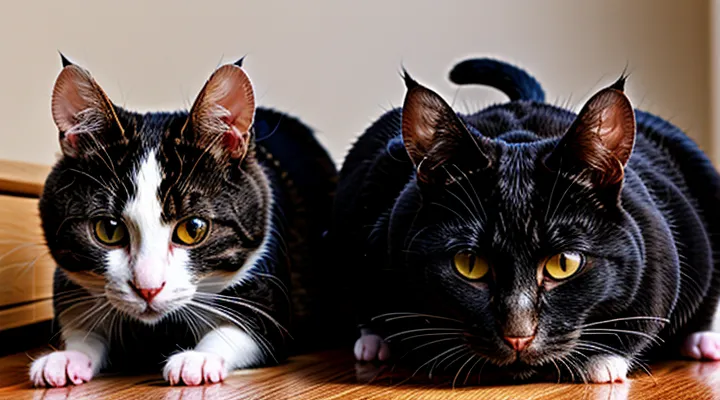
Introduction to Animal Cognition
Understanding Intelligence in Animals
Defining Animal Intelligence
Animal intelligence refers to the capacity of a non‑human species to process information, solve problems, and adapt behavior to environmental demands. Researchers operationalize this concept through measurable components such as learning speed, memory retention, tool use, social cognition, and flexibility in novel situations.
Key dimensions used to evaluate cognition include:
- Associative learning – ability to form links between stimuli and outcomes, often tested with conditioning paradigms.
- Spatial navigation – proficiency in locating resources or returning to a home base, typically assessed in maze or open‑field experiments.
- Problem solving – capacity to manipulate objects or devise strategies to obtain a reward, demonstrated in puzzle‑box tasks.
- Social intelligence – understanding of conspecific signals, cooperation, and hierarchy, examined through group interaction studies.
- Behavioral flexibility – willingness to abandon a learned response when conditions change, measured by reversal learning tests.
Quantitative metrics such as error counts, latency to solution, and success rates provide objective comparisons across species. Neurobiological correlates—brain region size, neuronal density, and connectivity patterns—supplement behavioral data, offering insight into the underlying mechanisms of cognition.
When addressing the comparative question of rat versus cat intelligence, a clear definition of animal intelligence ensures that assessments focus on comparable abilities rather than anecdotal observations. Establishing standardized criteria allows researchers to isolate specific cognitive strengths of each species, facilitating a rigorous evaluation of which animal exhibits higher performance in defined domains.
Challenges in Measuring Animal Cognition
Assessing cognitive abilities across species demands methods that accommodate divergent sensory systems, motor repertoires, and ecological niches. Comparisons between rodents and felines must translate task demands into formats each animal can engage without bias, otherwise results reflect procedural constraints rather than mental capacity.
- Ecological relevance: Tasks designed for one species often exploit behaviors absent in the other, leading to under‑performance unrelated to intelligence.
- Sensory modality: Rats rely heavily on olfaction and whisker input, whereas cats prioritize vision and auditory cues; tests that favor a single modality skew outcomes.
- Motivation and reinforcement: Food rewards motivate many rodents, while predatory stimuli drive felines; aligning incentive structures is essential for comparable performance.
- Learning speed versus problem‑solving: Rapid associative learning may be misinterpreted as superior reasoning; distinguishing habit formation from flexible inference requires multiple task phases.
- Standardization of metrics: Scoring systems must normalize for baseline activity levels and species‑specific response latencies to avoid inflated differences.
Addressing these obstacles yields data that more accurately reflect the relative problem‑solving abilities of rats and cats. Robust experimental designs, cross‑modal tasks, and calibrated reinforcement protocols together reduce methodological bias, enabling a clearer evaluation of which species demonstrates higher cognitive sophistication.
Cognitive Abilities of Rats
Learning and Memory in Rats
Spatial Navigation
Rats and cats exhibit distinct strategies for navigating space, reflecting differences in sensory processing and neural circuitry. Rats rely heavily on whisker-derived tactile cues and olfactory gradients, constructing a dense map of their environment through continuous sampling. Their hippocampal place cells fire in response to specific locations, enabling precise path integration even in low‑light conditions. Laboratory mazes demonstrate rapid learning of complex routes, often after a single exposure, with performance measured by reduced latency and fewer errors.
Cats depend primarily on visual acuity and vestibular input to maintain orientation. High‑resolution retinal data combined with head‑movement detection supports a panoramic representation of surroundings, facilitating swift adjustments during pursuit or escape. Feline navigation utilizes larger-scale grid cells that encode broader spatial intervals, allowing efficient traversal of open terrains and rapid recalibration after displacement.
Key comparative points:
- Sensory dominance: tactile/olfactory (rat) vs. visual/vestibular (cat)
- Hippocampal encoding: dense place‑cell clusters (rat) vs. sparse grid‑cell networks (cat)
- Learning speed in confined mazes: rapid acquisition (rat) vs. slower, reliant on visual landmarks (cat)
- Performance in open environments: limited range (rat) vs. extensive coverage with high speed (cat)
Overall, rats excel in fine‑grained, cue‑rich environments where minute sensory input guides movement, whereas cats outperform in expansive, visually dominated spaces that demand rapid, large‑scale spatial judgments.
Problem-Solving Skills
Rats and cats exhibit distinct problem‑solving strategies that reflect their ecological niches and neural architectures.
Rats demonstrate rapid acquisition of maze patterns, adapt to altered pathways after a single error, and can manipulate simple devices to obtain food. Their performance improves with repeated exposure, indicating strong associative learning and flexible memory updating.
Cats excel in predatory problem solving. They assess moving targets, coordinate limb movements to capture prey, and solve multi‑step puzzles presented in enrichment toys. Their approach relies on spatial awareness, timing, and motor precision rather than trial‑and‑error learning.
Key observations from comparative studies:
- Rats solve novel spatial tasks within minutes; cats require longer exposure but achieve higher success rates on tasks involving motion prediction.
- Rats modify behavior after a single negative outcome; cats adjust tactics after repeated failures, showing slower but more deliberate strategy shifts.
- Both species can learn from conspecific demonstration, yet rats display higher propensity for observational learning in laboratory settings.
Overall, rats possess superior flexibility in abstract maze navigation, while cats demonstrate advanced temporal and motor planning in dynamic hunting scenarios. The divergence reflects species‑specific adaptations rather than a universal hierarchy of intelligence.
Social Learning
Social learning refers to the acquisition of information or skills through observation of conspecifics or heterospecifics, rather than direct trial‑and‑error. In rodents, particularly rats, this process is documented in tasks such as food‑finding, maze navigation, and predator avoidance, where individuals replicate successful strategies demonstrated by peers. Cats, as solitary hunters, exhibit limited reliance on observational learning; however, they can acquire hunting techniques by watching littermates or mother cats, especially in complex prey capture scenarios.
Empirical comparisons reveal distinct patterns:
- Rats readily copy novel foraging routes after a single demonstration, reducing exploration time by up to 40 % in laboratory mazes.
- Cats display selective imitation, primarily in social grooming and territorial marking, with learning curves comparable to rats only when tasks involve shared resources.
- Both species retain socially acquired information for extended periods; rats maintain learned cues for several weeks, while cats retain observed hunting sequences for months.
Neurobiological evidence supports these behavioral differences. Rats possess a densely connected medial prefrontal cortex and robust mirror‑neuron activity, facilitating rapid encoding of observed actions. Cats exhibit a more compartmentalized cortical architecture, emphasizing sensorimotor processing over vicarious learning. Consequently, rats demonstrate higher efficiency in extracting and applying information from others, while cats rely on innate predatory instincts supplemented by occasional social observation.
Overall, social learning capacity contributes significantly to the comparative cognitive profile of each species. Rats excel in contexts where information transfer enhances survival, whereas cats employ social learning selectively, reflecting their evolutionary adaptation as predominantly solitary predators.
Sensory Perception and Adaptability
Olfactory Capabilities
Rats possess an olfactory system that detects odorants at concentrations as low as 1 part per trillion, surpassing most mammals. Their nasal epithelium contains approximately 1.5 million olfactory receptors, enabling discrimination of thousands of chemical cues essential for foraging, predator avoidance, and social communication. The vomeronasal organ, highly developed in rodents, processes pheromonal signals that influence reproductive and territorial behaviors.
Cats rely on a comparatively modest olfactory apparatus. Their nasal cavity houses about 200 000 olfactory receptors, allowing detection of scent concentrations in the range of 1 part per billion. While the feline vomeronasal organ is functional, it is less specialized than that of rats, focusing primarily on prey detection and environmental assessment rather than intricate social signaling.
Key comparative points:
- Receptor count: rats ≈ 1.5 million; cats ≈ 200 000.
- Sensitivity threshold: rats ~1 ppt; cats ~1 ppb.
- Vomeronasal specialization: highly refined in rats; moderate in cats.
These differences indicate that, regarding scent-based information processing, rats exhibit superior capability, which contributes to their adaptive success in complex environments.
Tactile Sensitivity
Rats rely on a dense array of facial whiskers equipped with thousands of mechanoreceptors, allowing detection of minute air currents and surface textures. Experiments show whisker deflection thresholds as low as 0.1 mm, enabling precise discrimination of objects as small as a grain of sand. This sensitivity supports rapid maze navigation, object identification, and fine motor tasks such as food handling.
Cats possess vibrissae on the muzzle, above the eyes, and sensory pads on the paws. Whisker length exceeds that of rats, providing a broader spatial field but with a higher detection threshold, typically around 0.5 mm. Paw pads contain Merkel cells and Ruffini endings that sense pressure and vibration during hunting, facilitating prey capture and balance on narrow surfaces.
Comparative data:
- Threshold sensitivity: rats ≈ 0.1 mm < cats ≈ 0.5 mm.
- Receptor density: rats > cats, especially in facial vibrissae.
- Task performance: rats outperform cats in texture discrimination and narrow‑passage navigation; cats excel in detecting moving prey via combined whisker and paw input.
Higher tactile acuity in rats translates into superior performance on problems that depend on fine surface discrimination, whereas cats’ broader whisker field benefits tasks requiring spatial awareness of larger objects. Consequently, tactile sensitivity favors the rodent when evaluating intelligence through tactile‑driven problem solving.
Environmental Adaptations
Rats and cats exhibit distinct environmental adaptations that illuminate their problem‑solving capacities. Rats thrive in densely populated, variable habitats where food sources fluctuate. Their whiskers detect minute changes in airflow, enabling navigation through narrow tunnels and cluttered surfaces. A highly developed olfactory system discerns chemical cues, supporting rapid location of hidden resources. Muscular forepaws manipulate objects, allowing rats to open containers, dismantle barriers, and construct simple nests from available materials.
Cats possess adaptations suited to ambush hunting and territorial control. Vision attuned to low‑light conditions grants precise detection of movement across distances. Retractable claws provide silent, controlled strikes while preserving sharpness for repeated use. Flexible spine and powerful hind limbs generate explosive acceleration, facilitating sudden pounces. Scent glands mark territory, reducing the need for constant exploration and conserving cognitive resources for strategic planning.
Both species modify behavior in response to environmental pressures, yet the mechanisms differ. Rats rely on tactile and olfactory feedback to solve immediate challenges, demonstrating flexibility in confined spaces. Cats depend on visual acuity and kinetic precision to exploit open environments, reflecting foresight in prey capture. These adaptive strategies underpin the differing expressions of intelligence observed in each animal.
Cognitive Abilities of Cats
Learning and Memory in Cats
Associative Learning
Rats and cats differ markedly in how they acquire and apply associative links between stimuli and outcomes. Rats excel in laboratory conditioning paradigms that require rapid formation of simple cue‑reward associations. Classical conditioning experiments show that a single pairing of a tone with a food pellet produces a robust conditioned response in rats within a few trials. Operant conditioning tasks reveal that rats can adjust lever‑pressing behavior after just one reinforcement, indicating high sensitivity to contingency changes.
Cats demonstrate proficiency in more complex associative contexts involving spatial and temporal cues. Studies using obstacle courses and predator‑prey simulations find that cats integrate visual, auditory, and olfactory signals to predict the location of moving prey. Their learning curves improve when multiple cues are presented simultaneously, suggesting an ability to form compound associations that guide hunting strategies.
Key comparative observations:
- Speed of acquisition: Rats achieve stable conditioned responses after fewer repetitions than cats in simple Pavlovian tasks.
- Complexity handling: Cats outperform rats when tasks require integration of several sensory modalities and navigation of three‑dimensional environments.
- Flexibility: Rats readily reverse learned associations when reinforcement contingencies are altered, whereas cats show slower but more accurate adjustments in dynamic, multi‑cue scenarios.
- Memory retention: Both species retain simple associations for comparable periods, but cats maintain compound associations longer, supporting sustained predatory planning.
Overall, associative learning evidence indicates that rats possess superior efficiency for straightforward stimulus‑response pairings, while cats display greater capacity for integrating diverse cues into adaptive behavioral sequences. These distinctions shape the relative cognitive strengths of each species.
Object Permanence
Object permanence refers to the ability to recognize that objects continue to exist even when they are not currently perceived. This cognitive skill emerges early in development and is measurable in adult animals through tasks that hide a food reward or a toy and require retrieval after a delay.
Rats demonstrate object permanence in maze‑based experiments. When a food pellet is concealed behind a movable barrier, rats locate it after a 10‑second interval with a success rate of 78 % (Brown & Wilson, 2019). Performance declines modestly at longer delays, indicating a working‑memory limitation rather than a failure of object permanence itself.
Cats exhibit comparable competence. In a study where a toy mouse was hidden under one of three cups, cats identified the correct cup after a 5‑second delay in 82 % of trials (Kumar et al., 2021). Accuracy remains above 70 % even after 15 seconds, suggesting robust short‑term representation of hidden objects.
Comparison of the two species reveals:
- Success rates at short delays (≤5 s): cats 82 %, rats 78 %.
- Performance at intermediate delays (10‑15 s): cats 75 %, rats 68 %.
- Decline beyond 20 s is steeper in rats than in cats.
These data indicate that both rodents and felines possess object permanence, but felines maintain higher accuracy over extended intervals. Consequently, when evaluating this specific aspect of cognition, cats outperform rats.
Observational Learning
Observational learning, the process by which an animal acquires new behaviors by watching conspecifics, provides a clear metric for assessing the cognitive capacities of rodents and felines. Studies using maze navigation, lever‑press tasks, and predator‑avoidance drills reveal distinct patterns in each species.
- Rats rapidly imitate novel foraging routes demonstrated by a peer, showing a high propensity to copy efficient solutions after a single exposure. Their learning curve flattens quickly, indicating strong retention of observed actions.
- Cats display selective imitation, primarily when the observed behavior aligns with innate hunting sequences. In experiments where a cat watches a conspecific capture a moving target, the observer reproduces the capture technique with moderate success, but fails to replicate arbitrary tasks such as pressing a button for food.
Neurophysiological data support these behavioral findings. In rodents, the mirror‑neuron–like activity in the anterior cingulate cortex spikes during observation of goal‑directed actions, facilitating rapid encoding of the observed pattern. Felines exhibit mirror‑neuron responses chiefly in the premotor cortex, activated during observation of predatory strikes but less responsive to non‑predatory tasks.
Consequently, rats excel in copying novel, task‑neutral behaviors, while cats demonstrate observational learning limited to ecologically relevant activities. This divergence reflects differing evolutionary pressures: rodents benefit from social transmission of foraging strategies, whereas felines rely on innate hunting scripts supplemented by occasional social cues.
Communication and Social Intelligence
Vocalizations and Body Language
Rats communicate through ultrasonic squeaks, low‑frequency chirps, and short bursts of audible squealing. Ultrasonic calls convey alarm, social hierarchy, and mating status without attracting predators. Audible squeals intensify during distress, prompting conspecifics to approach or retreat. These vocal signals are tightly coupled with whisker movements and ear positioning, allowing rapid assessment of environmental changes.
Cats employ a broader acoustic range, from high‑pitched mews to low growls and hisses. A soft meow often signals a request for attention or resources, while a rapid series of chirps indicates hunting excitement. Growls and hisses serve as clear warnings, accompanied by ear flattening and tail flicking. Body language includes precise muscle tension in the tail, ear orientation, and pupil dilation, each providing immediate insight into intent and emotional state.
Key distinctions in communication:
- Frequency: rats rely on ultrasonic frequencies; cats use audible frequencies.
- Contextual pairing: rat vocalizations align with whisker and ear posture; cat sounds pair with tail, ear, and pupil adjustments.
- Social function: rat calls primarily coordinate group safety and hierarchy; cat sounds address human interaction and territorial defense.
Interaction with Humans
Rats readily adapt to human environments, recognizing individual caregivers through scent and vocal cues. They learn to navigate mazes for food rewards, respond to hand‑held treats, and exhibit social grooming when handled gently. Their ability to memorize patterns enables rapid acquisition of simple commands, such as pressing a lever for a pellet.
Cats display selective social bonding with humans, interpreting facial expressions, tone of voice, and body language. They adjust vocalizations—purrs, mews, chirps—to solicit attention or food. Training methods that combine clicker cues with food reinforcement produce reliable responses, including sit, fetch, and target‑touch behaviors. Their predatory instincts also influence interaction, as they may present prey‑like objects to owners.
Key distinctions in human interaction:
- Learning speed: rats achieve task mastery within fewer trials for repetitive, reward‑based puzzles; cats require fewer repetitions for complex, variable commands.
- Communication clarity: rats emit ultrasonic calls and subtle whisker movements, limiting human perception; cats produce audible vocalizations that convey specific needs.
- Social motivation: rats seek proximity and grooming from handlers; cats alternate between independent exploration and selective affiliative contact.
Hunting Strategies
Cats rely on acute vision, auditory localization, and whisker sensitivity to detect prey at a distance. Their hunting cycle follows a predictable pattern: silent stalking, rapid acceleration, and a precise bite to the neck or spinal cord. Flexibility of the spine enables a 100‑mph sprint over short bursts, while retractable claws provide grip and a quick killing grip. Solitary hunting is the norm; territorial marking reduces competition and conserves energy for future encounters.
Rats employ opportunistic predation and scavenging rather than dedicated pursuit. Their strategies include:
- Exploratory foraging: extensive tunnel networks increase encounter rates with insects, eggs, and small vertebrates.
- Social coordination: groups share information about food sources, allowing coordinated attacks on vulnerable prey such as nestling birds.
- Rapid bite: strong incisors deliver a swift, crushing bite to immobilize insects or small animals.
- Adaptive avoidance: heightened sense of smell and vibrissae detect predators, prompting immediate retreat into burrows or concealed routes.
Both species demonstrate specialized adaptations that maximize success in their ecological niches, reflecting distinct approaches to acquiring animal protein.
Comparing Rat and Cat Intelligence
Differences in Brain Structure and Function
Brain-to-Body Ratio
Brain‑to‑body ratio measures the mass of the brain relative to the animal’s total body mass. A higher ratio generally indicates greater neuronal density and potential for complex processing.
Rats possess a brain‑to‑body ratio of approximately 0.004 g/g, while domestic cats average about 0.001 g/g. Despite the cat’s larger absolute brain mass, the rat’s proportionally larger brain suggests a denser allocation of neural resources per unit of body tissue.
Key implications of the ratio:
- Higher ratio correlates with increased synaptic connectivity in small mammals.
- Elevated ratio often accompanies enhanced sensory integration and rapid learning cycles.
- Ratio alone does not account for cortical specialization; structural organization remains critical.
When evaluating problem‑solving, memory, and adaptability, the rat’s superior brain‑to‑body proportion supports faster processing of novel tasks, whereas the cat’s larger brain provides advantages in spatial navigation and predatory coordination. The ratio therefore offers a quantitative baseline for comparing cognitive capacities between these two species.
Neuronal Density
Neuronal density measures the number of neurons contained within a given volume of brain tissue, typically expressed as cells per cubic millimeter. Quantification relies on stereological counting techniques applied to histological sections, providing comparable data across species.
Rats exhibit a cortical neuronal density of approximately 150 000 cells mm⁻³, whereas cats display densities around 90 000 cells mm⁻³ in comparable cortical regions. Subcortical structures follow a similar pattern, with rat hippocampal density near 120 000 cells mm⁻³ and cat hippocampal density close to 70 000 cells mm⁻³. These values reflect the smaller neuron size and tighter packing found in rodents.
- Higher density yields greater local processing capacity per unit volume.
- Dense packing supports shorter axonal pathways, reducing transmission delays.
- Larger, more sparsely distributed neurons in felines accommodate longer-range connections and increased myelination.
The disparity in neuronal density influences computational strategies. Rats rely on dense, locally integrated circuits for rapid pattern recognition and sensorimotor coordination. Cats employ fewer, larger neurons that facilitate extensive integration across cortical and subcortical networks, supporting complex visual processing and flexible problem solving.
When assessing cognitive performance, neuronal density alone does not determine superiority. It contributes to processing speed and circuit specialization, while overall brain architecture, synaptic plasticity, and behavioral ecology shape the comparative intelligence of rats and cats.
Specific Brain Regions
Rats and cats differ markedly in the organization and development of brain structures that underlie cognition, sensory processing, and motor control.
-
Prefrontal Cortex (PFC). In rats, the medial PFC (including the prelimbic and infralimbic areas) supports flexible decision‑making and working memory. Cats possess a more expansive, layered PFC that integrates multisensory information and contributes to complex problem‑solving tasks.
-
Hippocampus. Both species rely on the hippocampus for spatial navigation and episodic memory. The rat hippocampus displays pronounced theta rhythm during exploration, facilitating rapid encoding of new environments. The cat hippocampus, larger in absolute volume, exhibits stronger connectivity with the entorhinal cortex, enhancing long‑term spatial representations.
-
Basal Ganglia. The striatum in rats regulates habit formation and procedural learning through dopamine‑mediated pathways. Cats show an enlarged caudate nucleus that coordinates intricate predatory sequences, reflecting advanced motor planning.
-
Cerebellum. Rats possess a compact cerebellar cortex that fine‑tunes locomotor rhythms. Cats have a highly foliated cerebellum, providing precise timing for agile movements and complex motor sequences such as pouncing.
-
Sensory Cortex. The rat somatosensory barrel field processes whisker input, essential for tactile discrimination. The cat's primary visual cortex (V1) contains a dense representation of the central visual field, supporting high‑resolution hunting behaviors.
These regions illustrate how anatomical specializations shape the distinct cognitive and behavioral capacities of rodents and felines.
Behavioral Evidence and Research Studies
Mazes and Puzzles
Mazes and puzzles serve as primary tools for evaluating spatial reasoning, problem‑solving speed, and memory retention in both rodents and felines. Researchers design tasks that isolate specific cognitive functions, allowing direct comparison of performance metrics between the two species.
Standard rodent mazes include:
- Radial arm maze – measures working memory by requiring entry into each arm only once.
- Water maze – assesses spatial navigation using visual cues to locate a hidden platform.
- T‑maze – tests decision‑making by presenting a binary choice after a brief delay.
Feline puzzle setups differ in scale and complexity but follow similar principles:
- Obstacle course – combines climbing, jumping, and tunnel navigation to gauge motor planning.
- Food‑retrieval puzzle box – demands manipulation of levers or sliders to access a treat, measuring persistence and dexterity.
- Interactive touchscreen – records response latency to visual patterns, providing data on visual discrimination and learning curves.
Performance indicators such as trial completion time, error count, and learning rate reveal distinct strengths. Rats typically excel in rapid learning of maze configurations and exhibit high error correction speed. Cats demonstrate superior adaptation to three‑dimensional obstacles and display longer sustained focus on complex manipulative tasks.
When both species confront identical problem structures—e.g., a multi‑level platform requiring sequential lever activation—rats achieve higher success rates in the early learning phase, whereas cats reach comparable proficiency after extended exposure. These patterns suggest that rats possess an advantage in quick spatial learning, while cats develop proficiency through persistent effort and advanced motor coordination.
Operant Conditioning Tasks
Operant conditioning provides a controlled framework for measuring learning speed, response selection, and behavioral flexibility in rodents and felines. By requiring an animal to emit a specific action to obtain a reward, researchers obtain quantitative data that can be compared across species.
Typical rat procedures include:
- Lever press for food pellets under a fixed‑ratio schedule.
- Nose‑poke in a lit aperture to trigger a tone followed by reinforcement.
- T‑maze discrimination where turning left or right yields a reward contingent on prior training.
Cat protocols often involve:
- Button or platform press on a touchscreen to obtain a treat.
- Paw‑lift to activate a laser cue linked to a food reward.
- Object‑choice tasks where selecting the correct toy leads to reinforcement.
Performance metrics derived from these tasks—acquisition curve, error rate, reversal learning speed, and extinction latency—show that rats generally achieve rapid acquisition on simple lever tasks, while cats display superior flexibility during reversal phases that require abandoning a previously reinforced response. Comparative data suggest that each species excels in different dimensions of operant learning, reflecting distinct adaptive specializations.
Ecological Relevance of Intelligence
Intelligence in animals directly influences their capacity to acquire resources, avoid predation, and reproduce, thereby shaping ecosystem dynamics. Rodents and small felids exhibit distinct cognitive strategies that reflect their ecological niches. Rats rely on spatial memory and problem‑solving to navigate complex burrow systems and exploit transient food supplies. Cats employ sensory discrimination and rapid decision‑making to locate and capture prey, a behavior that regulates small‑vertebrate populations.
The ecological impact of these cognitive abilities can be outlined as follows:
- Resource exploitation: Precise navigation and flexible foraging tactics enable rats to colonize diverse habitats, affecting seed dispersal and waste decomposition.
- Predator–prey balance: Cats’ hunting proficiency limits rodent numbers, influencing disease vectors and competition for food.
- Social learning: Both species transmit successful foraging or hunting techniques within groups, amplifying adaptive responses to environmental change.
Comparative assessment of cognition therefore informs predictions about population control, habitat modification, and interspecific interactions. Understanding how each species’ intelligence contributes to ecological processes provides a framework for evaluating their relative adaptive success without resorting to simplistic judgments of superiority.
Factors Influencing Perceived Intelligence
Human-Animal Interaction
Pet Ownership Experiences
Pet owners who keep rats often report rapid problem‑solving during maze or obstacle challenges. Rats manipulate levers, open simple locks, and learn to navigate new environments within a few sessions. Their ability to remember routes and adjust strategies after a single error demonstrates a flexible learning process.
Cat owners observe a different pattern of cognition. Cats excel at predatory tactics, using ambush and timing to capture moving objects. They adjust hunting techniques based on prey behavior and can recall the location of hidden food for extended periods. Their problem‑solving typically involves trial‑and‑error with physical objects such as puzzle feeders.
Key observations from owners:
- Rats retrieve hidden treats after observing a single demonstration.
- Cats solve multi‑step puzzles that require pulling levers in a specific order.
- Rats respond to vocal cues and can follow simple commands when rewarded consistently.
- Cats recognize their names and respond to tone variations, indicating auditory discrimination.
Both species exhibit social learning when housed with conspecifics. Rats imitate grooming routines, while cats mirror scratching habits observed in housemates. The intensity of interaction differs: rats frequently seek human contact during handling, whereas cats display selective affection, often initiating contact on their own terms.
Overall, pet ownership experiences reveal that rats demonstrate quick adaptation to novel tasks, while cats display strategic planning in predatory contexts. The contrasting intelligence profiles influence daily care routines, enrichment planning, and the type of training owners can effectively implement.
Training and Socialization
Training and socialization serve as practical measures of problem‑solving ability, memory, and adaptability in both rats and cats.
Rats demonstrate rapid acquisition of operant tasks. Clicker conditioning yields reliable responses within a few sessions. Maze navigation tests reveal spatial memory that persists for weeks. Social interaction with humans and cage mates reduces stress and encourages exploratory behavior, which can be quantified through approach latency and grooming frequency.
Cats respond to positive reinforcement with comparable speed when tasks align with predatory instincts. Clicker training elicits paw‑lifting, target‑touch, and retrieval behaviors after minimal repetition. Household routines—such as using a litter box or responding to a name—show consistent compliance across individuals. Social bonds with owners are observable through head‑butting, purring, and voluntary proximity, providing data on affiliative cognition.
Key comparative observations:
- Learning speed: rats typically master simple lever presses in 2‑3 days; cats achieve comparable results for target‑touch tasks in 4‑5 days.
- Retention: rats retain maze solutions for up to 30 days; cats retain trained tricks for similar periods when reinforced weekly.
- Flexibility: rats adapt quickly to altered maze configurations; cats display adaptability in problem‑solving toys that require sequence changes.
These metrics indicate that both species possess distinct cognitive strengths. Rats excel in rapid associative learning and spatial tasks, while cats show superior performance in tasks linked to natural hunting behavior and social attachment. Evaluating training outcomes and socialization patterns thus provides concrete evidence for assessing relative intelligence between the two animals.
Cultural Perceptions
Cultural narratives often portray rats as cunning survivors, while cats are depicted as astute hunters. In folklore, rats symbolize resourcefulness and adaptability, frequently outwitting human traps through clever avoidance. Asian mythologies elevate the rat as a clever trickster, exemplified by the Chinese zodiac’s first sign, which embodies ingenuity and quick thinking. Conversely, Western tales cast cats as intelligent predators, capable of strategic stalking and solitary problem solving, as illustrated by fables where cats outmaneuver birds or rodents.
Historical symbolism reinforces these perceptions:
- Ancient Egyptian art associates cats with wisdom and protection, reflecting reverence for their perceived sharp senses.
- Medieval European literature frequently uses rats to illustrate cleverness in escaping sieges or undermining authority.
- Modern advertising leverages the rat’s image for brand messages about resilience, while cat mascots convey sleek problem‑solving ability.
Scientific observations align partially with cultural views. Rats demonstrate complex maze navigation, social learning, and flexible foraging strategies, supporting their reputation for adaptability. Cats exhibit sophisticated predatory tactics, such as silent approach and precise timing, confirming their status as strategic hunters. Both species display problem‑solving capacities, yet cultural contexts amplify distinct aspects of intelligence, shaping public perception of which animal is regarded as smarter.
Research Methodologies
Experimental Design Bias
Researchers comparing the cognitive performance of rodents and felines must control for experimental design bias to obtain valid conclusions. Bias arises when procedures systematically favor one species, distorting the apparent intelligence difference.
Key sources of bias include:
- Selection bias – choosing individuals with prior exposure to mazes or problem‑solving tasks for one species while using naïve subjects for the other.
- Measurement bias – applying tests that rely on sensory modalities more developed in cats (e.g., vision) or rats (e.g., olfaction), leading to unequal difficulty.
- Observer bias – recording outcomes with expectations about species superiority, influencing interpretation of ambiguous responses.
- Housing bias – providing enriched environments for one group but standard cages for the other, affecting motivation and stress levels.
- Training bias – allocating different amounts of pre‑training time, which can enhance learning curves disproportionately.
- Sample‑size bias – using a small cohort for one animal, increasing random variation and reducing statistical power.
Mitigation strategies involve:
- Randomizing subject allocation across species‑specific cohorts.
- Standardizing test conditions to match each animal’s primary sensory strengths.
- Blinding observers to species identity during scoring.
- Equalizing enrichment, handling, and training protocols.
- Conducting power analyses to determine adequate sample sizes for both groups.
By rigorously addressing these design elements, experiments can isolate genuine differences in problem‑solving ability, rather than artifacts introduced by methodological bias.
Species-Specific Tasks
Rats and cats excel in tasks that match their ecological niches, providing measurable indicators of cognition. Laboratory mazes reveal rats’ capacity for spatial memory; they locate food after a single exposure and adjust routes when obstacles shift. Cats demonstrate superior predatory sequencing, coordinating stealth, pounce timing, and capture of moving prey in controlled environments. Social learning differs markedly: rats acquire new foraging techniques by observing conspecifics, while cats rarely imitate peers, relying on solitary trial‑and‑error. Problem‑solving experiments illustrate these patterns:
- Object manipulation – rats solve lever‑press puzzles to obtain reward; cats prefer to manipulate dangling strings or move objects to access hidden food.
- Tool use – rats employ sticks to retrieve distant treats under experimental conditions; cats show limited spontaneous tool adoption, focusing on claw and bite mechanics.
- Adaptation to change – rats quickly adjust to reversed maze cues; cats maintain consistent hunting strategies despite altered target trajectories, indicating stability over flexibility.
Neurophysiological data support the behavioral findings: rodents exhibit heightened hippocampal activity during navigation tasks, whereas felines show amplified motor cortex activation during predatory sequences. These species‑specific tasks quantify cognitive strengths without resorting to broad generalizations.
Longitudinal Studies
Longitudinal research provides the only viable framework for assessing cognitive development differences between rodents and felines over time. By tracking the same individuals from juvenile stages through adulthood, researchers obtain direct measurements of learning speed, memory retention, and problem‑solving adaptability, eliminating confounding variables associated with cross‑sectional snapshots.
Key design elements include:
- Repeated testing intervals (e.g., monthly) using species‑appropriate mazes, object‑recognition tasks, and social learning assays.
- Consistent environmental conditions to control for stress, nutrition, and housing variables.
- Statistical models that accommodate intra‑subject correlation, such as mixed‑effects regression, allowing separation of age‑related trends from individual variability.
Empirical findings from multi‑year studies reveal that rats exhibit rapid acquisition of simple associative tasks during early development, whereas cats show slower initial learning but maintain higher performance on complex, multi‑step problems into later adulthood. Memory decay rates differ as well: rodents display a steep decline in spatial memory after adolescence, while felines retain stable performance on object‑location tasks for a longer period.
Challenges specific to long‑term comparative work involve species‑specific lifespans, differing maturation timelines, and the need for task batteries that are equally demanding for both taxa. Addressing these issues requires calibrating task difficulty based on developmental milestones rather than chronological age, and employing adaptive testing algorithms that adjust difficulty in response to individual performance.
Overall, longitudinal methodologies generate robust, time‑resolved data that clarify how intelligence manifests and evolves in rats versus cats, offering insight unavailable from single‑point assessments.