
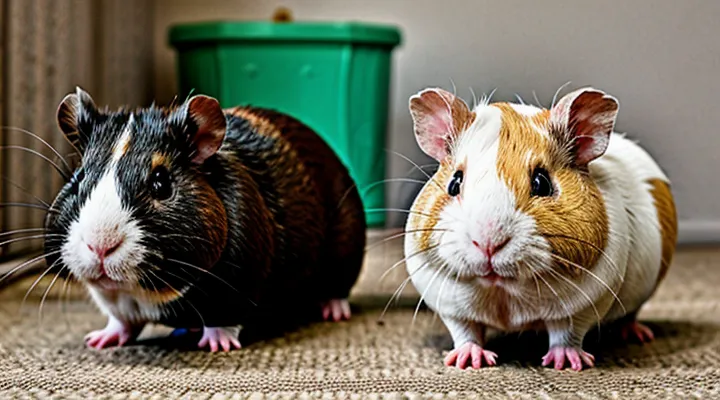
Understanding Each Pet
Guinea Pigs: An Overview
Guinea pigs (Cavia porcellus) are medium‑sized rodents native to the Andes. They have been domesticated for centuries and are widely kept as companion animals.
Adult guinea pigs weigh 1.5–2.5 kg and measure 20–30 cm in length. Their lifespan averages 4–7 years, with proper nutrition and veterinary care extending longevity. Coat varieties include smooth, long, and curly, each requiring specific grooming routines.
These animals are highly social; a single guinea pig may experience stress, while groups of two or more exhibit natural hierarchy and play. Enclosures should provide at least 0.5 m² floor space per individual, solid flooring, and multiple hiding places to reduce anxiety.
Nutrition centers on high‑fiber hay, supplemented with fresh vegetables and limited fruit. Vitamin C deficiency is a common health issue, necessitating daily intake through fortified feed or fresh produce. Routine checks for dental overgrowth and respiratory infections are essential.
Gentle handling develops trust. Guinea pigs respond to soft voice tones and slow movements; abrupt actions may trigger flight responses. Regular interaction improves habituation and makes grooming easier.
Key care requirements
- Minimum enclosure size: 0.5 m² per animal
- Daily hay supply; fresh water always available
- Vitamin C‑rich vegetables (e.g., bell pepper, kale) each day
- Weekly cage cleaning; spot cleaning as needed
- Quarterly veterinary examinations
Understanding these characteristics provides a solid foundation for evaluating guinea pigs as household companions.
Rats: An Overview
Rats (Rattus norvegicus and Rattus rattus) are medium‑sized rodents commonly kept as companion animals. Adult rats weigh 300–500 g, reach a length of 20–25 cm, and live 2–3 years with proper nutrition and veterinary care. Their intelligence allows them to learn complex tasks, navigate mazes, and respond to clicker training, making them suitable for interactive enrichment.
Physical health depends on a balanced diet of commercial rat pellets, occasional fresh vegetables, and limited fruit. Essential nutrients include protein, calcium, and vitamin C, which rats cannot synthesize. Regular cage cleaning, provision of chewable materials, and monitoring for respiratory infections, tumors, and dental overgrowth are critical preventive measures.
Social structure requires housing at least two same‑sex individuals to satisfy their strong affiliative behavior. Isolation can lead to stress, reduced appetite, and stereotypic movements. Enrichment items such as tunnels, climbing platforms, and puzzle feeders promote natural foraging and exploratory activities.
Key considerations for prospective owners:
- Space: Minimum 2 ft × 2 ft floor area per rat; multi‑level cages increase usable space.
- Hygiene: Daily spot cleaning; complete bedding change weekly.
- Veterinary access: Small‑animal practitioners experienced with rodents.
- Time commitment: Daily interaction of 15–30 minutes per rat to maintain social bonds.
Key Differences and Considerations
Social Needs and Interaction
Guinea pigs are herd animals; isolation often leads to stress, reduced appetite, and abnormal behaviors. They thrive when kept with at least one conspecific, and their social hierarchy stabilizes through gentle contact such as grooming and quiet vocalizations. Human interaction provides enrichment, yet it does not replace the need for same‑species companionship.
Rats exhibit strong social drives, forming complex groups that engage in play, grooming, and exploration together. They seek regular contact with both cage mates and owners, responding to vocal cues and body language. Rats readily learn tricks, solve puzzles, and show affection through nose‑nuzzling and licking, indicating a high capacity for interspecies bonding.
Owners must provide group housing for both species to meet baseline social requirements. Guinea pigs benefit from a partner of similar size and temperament; rats require a balanced group to prevent dominance aggression. Daily handling, brief sessions of supervised play, and environmental enrichment (tunnels, chew toys, climbing structures) support mental health and prevent loneliness.
Key considerations
- Companionship: guinea pigs need at least one other guinea pig; rats need a small, stable group.
- Human interaction: rats engage more actively, can be trained for tricks; guinea pigs accept handling but show limited interactive play.
- Stress indicators: vocalizations and reduced activity in guinea pigs; excessive grooming or aggression in rats signal unmet social needs.
- Housing: both species require spacious cages with multiple levels; rats benefit from additional tunnels and climbing opportunities.
Choosing the more suitable pet depends on the owner’s capacity to maintain appropriate group dynamics and to allocate time for daily social engagement.
Guinea Pig Sociability
Guinea pigs are highly social mammals that thrive on interaction with both their own species and human caretakers. In a group setting, they establish a hierarchy, engage in mutual grooming, and communicate through a range of vocalizations, such as wheeks and purrs, which signal contentment or distress. This constant exchange reduces stress levels and promotes healthy behavior, making group housing a standard recommendation for optimal welfare.
When handled regularly, guinea pigs develop recognizable bonds with owners. They respond to gentle touch, seek proximity, and may follow a familiar voice across the enclosure. Consistent, calm handling encourages trust, allowing the animal to remain calm during routine care such as cage cleaning or health checks. Their preference for steady, low‑intensity interaction contrasts with the more active, exploratory nature of many rodent alternatives.
Key considerations for prospective owners:
- Minimum of two guinea pigs per household to satisfy social needs.
- Daily short handling sessions (5‑10 minutes) to maintain familiarity.
- Quiet environment; sudden loud noises can cause panic and vocal distress.
- Enclosure size that permits movement and visual contact among group members.
Overall, guinea pigs exhibit a pronounced need for companionship, both conspecific and human, which directly influences their well‑being and suitability as a pet compared to more solitary or less socially dependent species.
Rat Sociability
Rats thrive on social interaction. In the wild they live in colonies where hierarchy, grooming, and play maintain group cohesion. Domestic rats inherit this need; isolation often leads to stress, reduced activity, and increased aggression.
When kept as companions, rats form strong bonds with humans. Regular handling, gentle voice, and predictable routines encourage trust. Signs of a well‑socialized rat include approach behavior, relaxed posture, and vocalizations such as chirps during interaction.
Key aspects of rat sociability:
- Companion requirement – a single rat may appear content, but a partner provides constant social stimulation and reduces loneliness.
- Enrichment – tunnels, chew toys, and climbing structures replicate natural exploratory behavior and prevent boredom.
- Group dynamics – introducing new rats should follow a gradual, scent‑exchange process to avoid territorial conflicts.
- Human interaction – daily short sessions (5–10 minutes) improve confidence and facilitate training for tricks or litter training.
Properly managed social environments make rats highly interactive pets, capable of forming affectionate relationships comparable to other small mammals.
Care Requirements
Guinea pigs and rats demand distinct care regimes, making direct comparison essential for prospective owners.
Guinea pig care focuses on nutrition, environment, and preventive health.
- Diet: continuous access to high‑quality hay, fresh vegetables, and a limited amount of fortified pellets; water must be refreshed daily.
- Housing: spacious cage (minimum 7.5 sq ft) with solid flooring, deep bedding for burrowing, and separate zones for feeding, sleeping, and exercise.
- Grooming: regular nail trimming and occasional brushing for long‑haired breeds; skin inspections to detect parasites or sores.
- Health monitoring: weekly weight checks, observation for respiratory distress, and prompt veterinary consultation for eye or dental issues.
Rat care emphasizes mental stimulation, dietary variety, and cage hygiene.
- Diet: balanced mix of commercial rat pellets, fresh fruit and vegetables, and occasional protein treats; water bottles require weekly cleaning.
- Housing: multi‑level cage (minimum 2 sq ft per rat) with wire mesh flooring, ample bedding, and secure hideouts; tunnels and chew toys are mandatory for enrichment.
- Enrichment: daily supervised out‑of‑cage play, puzzle feeders, and climbing structures to satisfy natural foraging and climbing instincts.
- Health monitoring: regular inspection of teeth, fur condition, and respiratory sounds; vaccination is unnecessary, but routine veterinary exams detect tumors or metabolic disorders.
Both species require consistent cleaning schedules, social interaction, and routine veterinary oversight, yet the specific parameters—dietary composition, cage dimensions, and enrichment needs—differ enough to influence the suitability of each animal for a given household.
Housing and Environment
Guinea pigs require a spacious enclosure with a solid floor; a minimum of 0.7 m² of floor space per animal is recommended. Wire-bottom cages are unsuitable because they cause foot injuries. A deep layer of absorbent bedding, such as paper-based or hardwood shavings, should be at least 5 cm deep to allow for natural digging behavior and to control odor.
Rats thrive in cages that provide vertical space as well as horizontal area. A minimum of 0.5 m² of floor space per rat, plus additional height for climbing structures, is advisable. Wire mesh panels are acceptable if the spacing prevents escape and does not pinch the animals’ feet. Aspen wood shavings or recycled paper bedding support burrowing and maintain cleanliness.
Both species need consistent temperature, humidity, and lighting. Ideal ambient temperature ranges from 18 °C to 24 °C; extremes cause stress. Relative humidity should stay between 40 % and 60 %. A regular light‑dark cycle of 12 hours each promotes normal circadian rhythms.
Key differences in housing and environment:
- Space requirement: Guinea pigs need more floor area per individual; rats can be accommodated with less floor space but benefit from added vertical enrichment.
- Cage design: Solid flooring is mandatory for guinea pigs; rats accept wire mesh if foot‑safe.
- Bedding: Both species prefer dust‑free, absorbent substrates; guinea pigs are more sensitive to ammonia buildup, requiring more frequent changes.
- Enrichment: Rats require tunnels, chew toys, and climbing platforms; guinea pigs need hideouts, tunnels, and chewable items but less vertical complexity.
- Cleaning frequency: Guinea pig cages should be spot‑cleaned daily and fully changed weekly; rat cages can be spot‑cleaned daily with a full change every two weeks, provided waste is managed promptly.
Guinea Pig Habitat
A suitable habitat is essential for a guinea pig’s health and comfort. An enclosure must provide enough space for movement, social interaction, and environmental enrichment.
- Minimum floor area: 7.5 sq ft (approximately 0.7 m²) per animal; larger spaces prevent stress and promote activity.
- Cage type: solid-bottom cages with ventilation bars; wire floors cause foot injuries.
- Substrate: dust‑free, absorbent bedding such as paper‑based pellets or fleece liners; avoid cedar or pine shavings that release harmful oils.
- Temperature: maintain ambient temperature between 65–75 °F (18–24 °C); protect from drafts, direct sunlight, and sudden fluctuations.
- Humidity: keep relative humidity around 40–60 % to prevent respiratory issues.
- Enrichment: provide tunnels, hideouts, chew toys, and platforms to satisfy natural foraging and gnawing behaviors.
- Food and water stations: use heavy, tip‑resistant bowls; place them away from bedding to keep food dry.
- Cleaning schedule: spot‑clean daily, replace bedding weekly, and perform a full cage sanitization monthly with mild, pet‑safe disinfectant.
Position the cage at eye level to facilitate observation and interaction, while ensuring it is out of reach of predators such as cats and dogs. Proper lighting mimics a natural day‑night cycle; a dimmer period of 10–12 hours each night supports circadian rhythms. Regular inspection of the enclosure for wear, cracks, or loose fittings prevents accidents and maintains structural integrity.
Rat Habitat
A well‑designed enclosure is essential for a rat’s physical health and mental stimulation.
- Minimum floor area: 2 sq ft per animal; larger space reduces stress and promotes exercise.
- Height: at least 12 in to accommodate climbing structures.
- Material: solid‑plastic or metal cages with smooth interior surfaces to prevent injuries.
Bedding should be absorbent, dust‑free, and non‑toxic. Paper‑based or aspen shavings provide comfort while allowing easy spot cleaning. Avoid cedar or pine, which emit volatile oils harmful to respiratory systems.
Enrichment items support natural behaviors. Provide:
- Multi‑level platforms for climbing.
- PVC tubes or cardboard tunnels for exploration.
- Chewable toys such as untreated wood blocks to wear down continuously growing incisors.
Placement of the habitat influences well‑being. Locate the cage in a quiet, low‑traffic area away from direct sunlight and drafts. Maintain a stable temperature between 65 °F and 75 °F; extreme fluctuations can cause illness.
Routine maintenance preserves hygiene. Spot‑clean waste daily, replace soiled bedding weekly, and perform a full cage cleaning with mild, unscented soap monthly. Disinfect accessories with a diluted bleach solution (1 % concentration) before rinsing thoroughly.
These parameters create an environment where rats thrive, offering a reliable basis for evaluating their suitability as companions compared with other small pets.
Diet and Nutrition
Guinea pigs require a diet high in fiber and vitamin C because they cannot synthesize the vitamin internally. Fresh hay, preferably timothy or orchard, should be available at all times to promote digestive motility and dental wear. A daily portion of leafy greens such as kale, romaine, or bell pepper provides additional vitamin C, while a small quantity of fortified pellets supplies calcium and other minerals. Treats must be limited to low‑sugar fruits or vegetables to avoid gastrointestinal upset.
Rats thrive on a protein‑rich diet supplemented with grains, nuts, and fresh produce. A high‑quality laboratory‑grade pellet forms the nutritional backbone, delivering balanced amino acids, vitamins, and minerals. Fresh foods—cooked lean meat, boiled egg, or small pieces of cheese—can be offered intermittently for protein enrichment. Fiber sources, such as small amounts of whole‑grain cereal or shredded wheat, aid intestinal health, while occasional fruit supplies natural sugars for energy. Water should be supplied in a bottle with a metal spout to remain clean.
Key nutritional differences:
- Vitamin C: essential for guinea pigs, not required for rats.
- Fiber: continuous hay for guinea pigs; moderate fiber from grains for rats.
- Protein: rats need higher protein levels; guinea pigs require moderate protein, avoiding excess.
- Calcium: guinea pigs benefit from calcium‑rich pellets; rats require balanced calcium to prevent urinary stones.
Matching diet to species prevents malnutrition, supports growth, and reduces health risks such as scurvy in guinea pigs or respiratory issues in rats. Proper feeding schedules and appropriate food varieties are critical for maintaining optimal well‑being in either pet.
Guinea Pig Diet
When evaluating a small‑rodent companion, the nutritional regimen of a guinea pig is a decisive factor. Guinea pigs require continuous access to high‑quality hay; timothy, orchard, or meadow hay supplies the fiber essential for gastrointestinal health and dental wear. Fresh, vitamin‑C‑rich vegetables should be offered daily; appropriate choices include bell peppers, kale, and broccoli. A measured portion of fortified guinea‑pig pellets provides additional protein, calcium, and the necessary vitamin C that these animals cannot synthesize.
Water must be available at all times in a clean bottle or bowl. Feeding times should be consistent, with hay present 24 hours and vegetables rotated to ensure variety and prevent nutrient gaps. Limit fruit to small amounts because of sugar content. Avoid foods toxic to guinea pigs, such as onions, garlic, potatoes, and high‑oxalate greens like spinach.
The dietary demands differ markedly from those of a rat, which tolerates a broader range of grains and can synthesize its own vitamin C. Consequently, the stricter dietary protocol of a guinea pig adds complexity to its care, influencing the decision between these two species as a pet.
Rat Diet
A pet rat requires a balanced diet that supplies protein, fiber, vitamins, and minerals. Commercially formulated rat blocks or pellets form the nutritional backbone; they deliver consistent levels of essential nutrients and help prevent selective overeating.
Supplementary foods enhance variety and promote natural foraging behavior. Acceptable items include:
- Fresh vegetables such as carrots, broccoli, and leafy greens (limited to 1‑2 teaspoons per day).
- Small portions of fruit, for example apple or berries, offered no more than a few bites weekly to avoid excess sugar.
- Cooked lean protein like chicken or boiled egg, provided once or twice a week in a quantity comparable to a pea.
- Occasional treats such as unsalted nuts or whole‑grain pasta, given sparingly due to high fat content.
Water must be available at all times in a clean bottle or bowl. Replace it daily to prevent bacterial growth. Avoid foods toxic to rats, including chocolate, caffeine, raw onions, and high‑salt snacks. Monitoring weight and stool consistency helps identify dietary adjustments promptly.
Health and Lifespan
Guinea pigs and rats differ markedly in health maintenance and expected longevity, factors essential for prospective owners.
Guinea pigs typically live 4–8 years. Respiratory infections, dental overgrowth, and scrotal or ovarian cysts represent the most frequent medical concerns. Regular dental trimming, vitamin C supplementation, and routine veterinary examinations reduce morbidity. Environmental humidity and clean bedding mitigate respiratory disease risk.
Rats generally reach 2–3 years. Common ailments include respiratory tumors, subcutaneous abscesses, and metabolic bone disease. Preventive care emphasizes a balanced diet, environmental enrichment, and annual health checks. Early detection of neoplastic growths improves outcomes.
Comparatively, guinea pigs offer a longer lifespan but require daily vitamin C and more frequent dental care. Rats present a shorter lifespan with a higher incidence of neoplastic conditions, yet they thrive with enriched habitats and consistent monitoring. Both species benefit from species‑specific veterinary expertise and diligent husbandry.
Common Guinea Pig Ailments
Prospective owners must recognize the health conditions that frequently affect guinea pigs to provide proper care and assess suitability as a companion animal.
- Respiratory infections – often caused by bacteria such as Bordetella or Streptococcus; symptoms include nasal discharge, wheezing, and labored breathing. Prompt veterinary antibiotics and a clean, dust‑free environment are essential.
- Dental overgrowth – guinea pig incisors grow continuously; malocclusion leads to difficulty eating, weight loss, and facial swelling. Regular dental checks and provision of appropriate chew toys prevent the problem.
- Dermatitis – skin irritation may result from parasites, allergies, or poor hygiene; lesions appear as redness, hair loss, or scabs. Treatment involves topical medication, parasite control, and environmental sanitation.
- Gastrointestinal stasis – slowed gut motility produces reduced food intake, abdominal distension, and lethargy. Immediate veterinary intervention with fluids, motility agents, and a high‑fiber diet is required.
- Vitamin C deficiency (scurvy) – guinea pigs cannot synthesize vitamin C; deficiency causes joint swelling, hemorrhages, and poor wound healing. Daily supplementation through fortified feed or fresh vegetables prevents the condition.
Effective management relies on routine health examinations, balanced nutrition rich in vitamin C, clean bedding, and avoidance of drafts and excessive humidity. Early detection of the listed ailments reduces suffering and veterinary costs, influencing the overall assessment of guinea pigs compared with other small mammals such as rats.
Common Rat Ailments
Rats kept as companions are prone to several health conditions that owners should recognize promptly. Awareness of these issues enables timely veterinary intervention and reduces the risk of complications.
Respiratory infections frequently affect pet rats. Typical signs include nasal discharge, sneezing, labored breathing, and reduced activity. Bacterial agents such as Mycoplasma pulmonis and viral pathogens are common culprits. Treatment generally involves antibiotics (e.g., enrofloxacin) and supportive care, while improving ventilation and maintaining low humidity help prevent recurrence.
Dermatological problems appear often in the form of skin lesions, fur loss, and itching. Common causes are mites, fungal infections (e.g., Trichophyton spp.), and bacterial dermatitis. Diagnosis requires skin scrapings or cultures; appropriate therapy includes acaricides, antifungal agents, or topical antibiotics. Regular grooming and a clean cage environment diminish infestation likelihood.
Gastrointestinal disturbances manifest as diarrhea, weight loss, and abdominal distension. Underlying factors include dietary imbalances, bacterial overgrowth, and parasites such as Syphacia spp. Diagnostic fecal examinations guide treatment with antiparasitic medications and dietary adjustments. Providing a high‑fiber, low‑sugar diet supports intestinal health.
Reproductive tumors, particularly mammary adenomas and uterine carcinomas, occur more often in female rats older than one year. Palpable masses, abdominal swelling, and altered behavior signal tumor development. Surgical removal and histopathological analysis constitute standard management; early detection through regular physical exams improves prognosis.
Dental disease presents as overgrown incisors, malocclusion, and difficulty eating. Continuous tooth growth requires regular wear from appropriate chew items. Veterinary trimming of incisors and provision of sturdy toys prevent severe malocclusion and associated weight loss.
Vaccination is not available for rats; therefore, preventive measures focus on hygiene, balanced nutrition, and routine health checks. Monitoring for the listed symptoms and seeking veterinary care at the first sign of abnormality constitute best practice for maintaining rat health as a companion animal.
Temperament and Personality
Guinea pigs display a calm demeanor and prefer stable environments. They react to sudden noises with brief alertness, then return to a relaxed state. Social interaction is primarily vocal; high‑pitched squeaks indicate excitement, while soft murmurs accompany contentment. Their curiosity leads them to explore familiar spaces, yet they rarely initiate aggressive behavior.
- Low aggression toward humans and cage mates
- Strong reliance on routine and consistent handling
- Vocal communication as primary social cue
- Preference for group housing to reduce stress
- Limited propensity for problem‑solving activities
Rats exhibit a highly inquisitive nature and adapt quickly to new stimuli. They engage in active exploration, often navigating complex mazes and manipulating objects. Their social hierarchy is expressed through grooming, play, and subtle body language. Rapid learning ability allows them to respond to training cues within a few repetitions.
- High activity level and frequent movement
- Advanced problem‑solving and learning capacity
- Complex social structures with clear dominance cues
- Frequent grooming and play as bonding behaviors
- Strong response to positive reinforcement training
Both species require regular interaction, but their temperament profiles differ: guinea pigs favor predictable, peaceful settings, while rats thrive on dynamic, challenge‑rich environments.
Guinea Pig Behavior
Guinea pigs display a distinct set of behaviors that influence their suitability as household companions. They are herd animals, thriving in the presence of at least one conspecific; isolation often leads to stress‑related signs such as excessive squeaking or reduced appetite. Their vocal repertoire includes short “wheeks” for excitement, longer “rumble” sounds during contentment, and sharp chirps when alarmed, providing owners with clear auditory cues about their emotional state.
These rodents are primarily crepuscular, showing heightened activity during dawn and dusk. In active periods they explore, chew, and engage in short bursts of running, which require safe enclosure space and chew‑safe materials to satisfy their constant gnawing instinct. Grooming is a regular activity; guinea pigs use their teeth and forepaws to clean fur, and they may also engage in mutual grooming when housed together, reinforcing social bonds.
Key behavioral characteristics relevant to pet selection:
- Social dependence: Prefer companionship of other guinea pigs; single individuals may exhibit loneliness.
- Vocal communication: Distinct sounds convey excitement, discomfort, or alarm, allowing early detection of issues.
- Activity pattern: Peak movement at low‑light times; provides predictable interaction windows.
- Chewing drive: Continuous need to wear down teeth; mandates provision of appropriate chew items.
- Grooming habits: Regular self‑ and peer‑grooming; indicates health and social harmony.
Understanding these patterns helps evaluate how guinea pig behavior aligns with an owner’s lifestyle and expectations when weighing them against rat companions.
Rat Behavior
Rats display a high degree of sociability, forming strong bonds with conspecifics and humans alike. They engage in mutual grooming, huddling for warmth, and cooperative problem‑solving, which demonstrates their capacity for complex social interaction.
Communication among rats relies on a combination of vocalizations, scent marking, and body language. Ultrasonic chirps convey excitement or alarm, while low‑frequency squeals signal distress. Urine and glandular secretions provide territorial cues, and tail posture indicates dominance or submission.
Activity cycles follow a nocturnal pattern; rats are most active during twilight and night hours. During these periods they explore, forage, and manipulate objects, often exhibiting repetitive behaviors such as wheel running or tunnel digging. Daytime typically involves resting in a secure nest.
Grooming behavior serves both hygiene and social functions. Rats meticulously clean their fur, removing parasites and debris, and they extend grooming to cage mates as a sign of affiliation. Regular grooming correlates with reduced stress levels and lower incidence of skin infections.
Interaction with owners includes curiosity, play, and learning. Rats readily respond to hand‑taming, retrieve food items, and solve simple puzzles for rewards. Their ability to associate cues with outcomes reflects advanced cognitive abilities, making them responsive companions in a domestic setting.
Maintenance and Costs
Guinea pigs and rats differ markedly in ongoing expenses. The primary cost categories are diet, enclosure, bedding, veterinary care, and replacement items such as toys or enrichment tools.
-
Guinea pig:
• Fresh hay (approximately 1 kg per week) – $15–$20 monthly.
• Pelleted feed – $10–$12 monthly.
• Large cage (minimum 7.5 sq ft) – initial $100–$150; occasional replacement panels add $20–$30.
• Bedding (paper‑based) – $15–$25 per month.
• Annual veterinary check‑up and vaccinations – $50–$80; emergency care can exceed $200.
• Toys and chew sticks – $5–$10 quarterly. -
Rat:
• Seed or pellet mix – $8–$12 monthly.
• Small cage (minimum 2 sq ft per rat) – initial $60–$90; upgrades or cleaning supplies add $10–$20.
• Soft bedding (corncob or paper) – $8–$12 monthly.
• Veterinary visit (routine) – $40–$70 annually; health issues often require less costly treatment than larger rodents.
• Enrichment items (tunnels, wheels) – $5–$15 semi‑annually.
Overall, guinea pig ownership typically incurs higher monthly feed and bedding costs due to larger body size and greater space requirements. Rat keeping demands a lower initial cage investment and reduced consumable expenses, resulting in a modest long‑term budget. Decision makers should align pet choice with the financial commitment each species entails.
Initial Setup Expenses
The upfront investment for a guinea pig exceeds that for a rat because of larger housing and bedding requirements.
- Enclosure: guinea pig cage 30‑40 inches long, price $70‑$120; rat cage 20‑30 inches, price $40‑$80.
- Bedding: guinea pig needs absorbent, dust‑free material, about 5 lb per month, cost $10‑$15; rat bedding 2‑3 lb per month, cost $5‑$8.
- Food: guinea pig pellets and vitamin C supplement, initial supply $15‑$20; rat pellets, initial supply $10‑$12.
- Accessories: hideouts, chew toys, water bottles – guinea pig set $20‑$30; rat set $12‑$18.
- Veterinary: guinea pig wellness exam $50‑$75; rat exam $40‑$60.
Total initial outlay ranges $165‑$277 for a guinea pig and $107‑$178 for a rat. The disparity stems mainly from cage size and the need for vitamin C supplementation.
Ongoing Care Costs
Ongoing expenses for a guinea pig differ from those for a rat in several measurable categories. Food costs are higher for guinea pigs because they require a continuous supply of hay, fresh vegetables, and fortified pellets; typical monthly outlay ranges from $15 to $25. Rats eat primarily grain‑based pellets, occasional fresh produce, and treats, averaging $8 to $12 per month.
Bedding represents another cost distinction. Guinea pigs need absorbent, dust‑free material such as paper‑based bedding or aspen shavings, usually costing $10 to $15 each month. Rats can use similar bedding but often require less volume, resulting in a monthly expense of $5 to $8.
Veterinary care for both species includes routine examinations, parasite prevention, and emergency treatment. Guinea pigs are prone to dental overgrowth and gastrointestinal issues, leading to an average annual veterinary bill of $150 to $250, or roughly $12 to $20 per month. Rats generally incur lower routine costs, averaging $80 to $130 per year, about $7 to $11 per month.
Enrichment items—caves, tunnels, chew toys, and exercise wheels—are replenished periodically. Guinea pig accessories typically cost $5 to $10 monthly, while rat accessories average $3 to $7.
Utility costs (electricity for heating pads or cages) are comparable, adding approximately $2 to $4 per month for either animal.
Summarized monthly totals: guinea pig care averages $44 to $71; rat care averages $25 to $40. The financial analysis indicates that maintaining a guinea pig generally requires a larger ongoing budget than caring for a rat.
Making the Right Decision for You
Lifestyle Match
When evaluating a small mammal as a companion, the match between the animal’s needs and the owner’s daily routine is decisive. A guinea pig requires a stable environment, moderate space, and regular, gentle handling. It thrives on a diet of hay, fresh vegetables, and limited pellets, demanding daily feeding and fresh water changes. Quiet vocalizations occur sporadically, rarely disrupting a household. Cleaning the cage involves a full substrate change weekly and spot cleaning daily. Socially, guinea pigs prefer the presence of at least one conspecific; a solitary individual may become stressed.
A rat, by contrast, adapts to a busier schedule. It enjoys active play periods, necessitating several hours of supervised out‑of‑cage time each day. Its diet consists of high‑quality pellets, occasional fresh produce, and protein sources such as boiled egg or mealworms, requiring careful portion control. Rats generate noticeable squeaks and occasional scurrying sounds, which can be louder than guinea pig noises. Cage maintenance includes weekly deep cleaning and daily spot cleaning, similar to guinea pigs, but the enclosure can be smaller if enrichment items are plentiful. Rats are highly social and form strong bonds with a single owner; multiple rats can coexist but may develop hierarchies.
Key lifestyle considerations:
- Time availability – guinea pigs need consistent, calm interaction; rats demand active engagement.
- Living space – both fit in standard cages; guinea pigs benefit from a larger floor area for movement.
- Noise tolerance – rats produce louder vocalizations; guinea pigs are comparatively silent.
- Cleaning commitment – weekly full clean for both; daily spot cleaning is essential.
- Social preferences – guinea pigs prefer a partner of the same species; rats bond closely with one caretaker and may also thrive in small groups.
Owners with limited daily free time, a preference for quiet environments, and the capacity to provide a companion for the pet may find guinea pigs more compatible. Individuals who can allocate several interactive sessions, enjoy a more active pet, and tolerate occasional noise may consider rats a better fit. The decision hinges on aligning the animal’s care demands with the owner’s routine, space, and tolerance for activity levels.
Family Suitability
Guinea pigs and rats each present distinct characteristics that affect their compatibility with family life.
When children are involved, guinea pigs generally tolerate gentle handling and respond well to quiet interaction. Their larger size makes them easier for small hands to grasp, and they emit soft vocalizations that signal discomfort without startling young owners. Rats are highly active and inquisitive, requiring supervised playtime to prevent accidental bites. Their intelligence enables training for tricks, but the same curiosity can lead to escape attempts if enclosures are not securely sealed.
Space requirements differ markedly. A guinea pig enclosure needs a floor area of at least 7.5 square feet per animal, with solid flooring and bedding for digging. Rats thrive in multi‑level cages that provide climbing opportunities, yet the total footprint can be smaller if vertical space is utilized effectively. Families with limited floor space may find a well‑designed rat cage more adaptable.
Noise levels influence household harmony. Guinea pigs produce intermittent squeaks, especially during feeding or when startled, but the sounds remain low‑volume. Rats generate occasional high‑pitched squeaks and occasional rustling, which can be louder during nighttime activity. Households sensitive to nocturnal noise may prefer guinea pigs.
Health considerations include allergen potential and disease transmission. Both species shed dander; however, guinea pig fur is coarser, potentially provoking stronger reactions in allergy‑prone individuals. Rats can carry zoonotic pathogens if not regularly screened, but proper hygiene mitigates risk. Veterinary care for both species is comparable, with routine examinations and vaccinations (where available) recommended.
Lifespan impacts long‑term commitment. Guinea pigs typically live 4–7 years, offering a moderate duration of companionship. Rats have a shorter lifespan of 2–3 years, requiring families to prepare for more frequent turnover.
Key factors for family suitability
- Child interaction: guinea pigs – gentle, low‑risk; rats – requires supervision.
- Space: guinea pigs – larger floor area; rats – vertical cage design.
- Noise: guinea pigs – soft squeaks; rats – louder nocturnal sounds.
- Allergies: guinea pigs – coarser fur; rats – similar dander levels.
- Lifespan: guinea pigs – longer; rats – shorter.
Assessing these variables against a family’s living conditions, activity level, and tolerance for maintenance will guide the choice between the two small mammals.
Commitment Level
Choosing a pet demands realistic appraisal of the daily and long‑term responsibilities each species imposes.
Guinea pigs require consistent interaction, a diet rich in hay and fresh vegetables, and a habitat that provides space for exercise and hiding. Their average lifespan of 4–6 years means owners must maintain a routine for several years. Socially, they thrive in pairs or small groups, which adds the need for multiple individuals and the associated cost of larger enclosures. Regular cleaning of bedding and water bottles is essential to prevent respiratory issues.
Rats live 2–3 years, offering a shorter commitment horizon. They need mental stimulation through toys, tunnels, and puzzle feeders; without enrichment, they develop stereotypic behaviors. Daily handling builds trust, but rats are more independent than guinea pigs and tolerate brief periods of solitude. Cage maintenance is similar in frequency, though rats produce less waste, slightly reducing cleaning workload.
Key differences in commitment level:
- Duration: guinea pigs ≈ 4–6 years; rats ≈ 2–3 years.
- Social structure: guinea pigs generally require companions; rats can be solitary but benefit from same‑sex pairs.
- Daily interaction: guinea pigs need gentle, frequent handling; rats require active play sessions to stay mentally healthy.
- Health monitoring: guinea pigs are prone to dental and respiratory problems; rats are susceptible to tumors and respiratory infections, but signs appear quickly due to their rapid metabolism.
Prospective owners should align the expected time investment with their lifestyle, recognizing that both animals demand consistent care, yet the nature and length of that care differ markedly.