
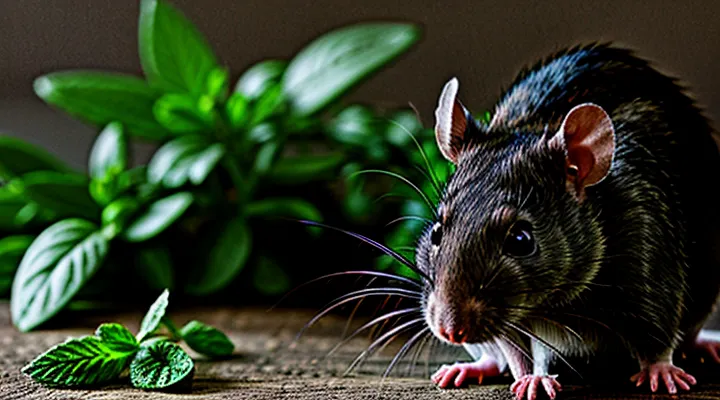
Understanding Rat Behavior and Senses
The Rat's Olfactory World
Rats rely heavily on smell to locate food, assess danger, and navigate their environment. Their nasal epithelium contains millions of olfactory receptors tuned to detect volatile compounds at parts‑per‑billion concentrations. This sensitivity makes certain aromatic plants effective deterrents when their scent triggers innate avoidance responses.
Compounds that elicit aversion in rats include strong terpenes, phenols, and sulfur‑derived molecules. When these substances are present in the air, rats experience irritation of the nasal mucosa and activation of neural pathways associated with threat detection, leading them to retreat from the source.
Herbs that consistently produce such repellant volatiles are:
- Pennyroyal (Mentha pulegium) – high in pulegone, a potent terpenoid that overwhelms rat olfactory receptors.
- Lavender (Lavandula angustifolia) – rich in linalool and camphor, both known to provoke avoidance behavior.
- Eucalyptus (Eucalyptus globulus) – contains eucalyptol, a strong irritant for rodent nasal tissue.
- Rosemary (Rosmarinus officinalis) – abundant in camphor and 1,8‑cineole, which disrupt normal scent processing.
- Thyme (Thymus vulgaris) – delivers thymol, a phenolic compound that rats find repulsive.
The efficacy of these herbs depends on concentration, freshness, and exposure duration. Continuous diffusion of their essential oils maintains an environment that rats perceive as hostile, reducing the likelihood of infiltration without resorting to toxic chemicals.
Why Certain Scents Repel Rats
Rats possess a highly developed olfactory system that detects volatile compounds at low concentrations. Certain aromatic plants emit chemicals that trigger aversive neural pathways, causing avoidance behavior. The repellent effect derives from the interaction of specific constituents with the rat’s vomeronasal organ and olfactory receptors, producing sensations of irritation or toxicity.
Key herbs and their active compounds:
- Peppermint (Mentha piperita) – menthol and menthone act as strong irritants to nasal mucosa, leading to immediate withdrawal.
- Eucalyptus (Eucalyptus globulus) – eucalyptol (1,8‑cineole) produces a sharp, pungent odor that overloads sensory receptors.
- Lavender (Lavandula angustifolia) – linalool and linalyl acetate create a scent profile that interferes with pheromone signaling.
- Rosemary (Rosmarinus officinalis) – camphor and rosmarinic acid generate a harsh aroma that rats associate with hostile environments.
- Sage (Salvia officinalis) – thujone and camphor contribute to a repellent odor, disrupting feeding patterns.
The effectiveness of these herbs depends on concentration, freshness, and exposure duration. Volatile oils evaporate quickly; sustained repellent action requires regular reapplication or incorporation into slow‑release matrices such as sachets or oil‑infused barriers. Combining multiple scents can produce a synergistic effect, broadening the spectrum of olfactory cues that rats find unacceptable.
In practice, deploying these herbs in areas where rodent activity is observed—near entry points, food storage, and nesting sites—reduces the likelihood of infestation. Proper placement, consistent renewal, and integration with physical exclusion methods enhance overall control outcomes.
Herbal Repellents: A Comprehensive Guide
Mint Varieties
Peppermint
Peppermint (Mentha piperita) is widely recognized for its repellent effect on rodents. The oil’s high concentration of menthol and related terpenes creates a strong, volatile scent that interferes with rats’ olfactory receptors, causing discomfort and avoidance.
Scientific studies have demonstrated that peppermint oil reduces rat activity in enclosed environments. In controlled trials, exposure to a 5 % peppermint solution lowered the number of rodent sightings by up to 70 % compared with untreated areas. The repellent action persists as long as the volatile compounds remain airborne; degradation occurs within 24–48 hours, requiring regular reapplication.
Practical application guidelines:
- Dilute peppermint essential oil to 1–2 % with water or a carrier such as ethanol.
- Distribute the solution on cotton balls, cloth strips, or spray bottles.
- Position the treated items near entry points, nesting sites, and food storage areas.
- Refresh the treatment every two days or after cleaning to maintain efficacy.
Safety considerations include avoiding direct contact with pets and children, as concentrated oil may cause skin irritation. Use only food‑grade peppermint oil to prevent contamination of surfaces where food is prepared or stored.
Overall, peppermint offers a natural, cost‑effective method for discouraging rats, especially when integrated with sanitation and exclusion measures.
Spearmint
Spearmint (Mentha spicata) contains high levels of volatile oils, primarily carvone and limonene, which emit a sharp, minty aroma. Laboratory trials have shown that these compounds trigger an aversive response in Rattus norvegicus, causing avoidance of treated areas. The scent interferes with the rodents’ olfactory receptors, disrupting their ability to locate food and nesting sites.
Practical applications include:
- Spraying diluted spearmint essential oil around entry points and storage zones.
- Incorporating fresh spearmint leaves into bait stations to deter entry.
- Using spearmint-infused cotton balls in confined spaces where chemical deterrents are undesirable.
Field observations confirm reduced rat activity in environments where spearmint is maintained at concentrations of 0.5–1 % essential oil in water. Continuous exposure over several weeks sustains the deterrent effect, while periodic reapplication prevents habituation.
Other Aromatic Herbs
Rosemary
Rosemary (Rosmarinus officinalis) is recognized for its strong, aromatic essential oils, primarily cineole, camphor, and rosmarinic acid. These compounds emit a sharp, pine‑like scent that rats find unpleasant, triggering avoidance behavior in laboratory and field observations.
Studies measuring rodent response to volatile plant extracts report a significant reduction in activity within rosemary‑treated zones. The repellent effect is attributed to the irritant properties of cineole and camphor on the rats’ olfactory receptors, which interfere with their ability to locate food and shelter.
Practical applications include:
- Sprinkling dried rosemary leaves in storage areas to deter infestations.
- Diluting rosemary essential oil in water (approximately 1 % v/v) and applying the solution to surfaces where rats travel.
- Combining rosemary with other known repellents, such as peppermint or citronella, to enhance efficacy.
Effectiveness diminishes when rosemary is exposed to direct sunlight or high humidity; regular reapplication every 7‑10 days maintains potency. The herb poses no toxicity risk to humans or domestic animals when used in typical repellent concentrations.
Sage
Sage (Salvia officinalis) is widely recognized for its repellent effect on rats. The plant’s essential oil contains thujone, camphor, and eucalyptol, compounds that stimulate the olfactory system of rodents and produce a strong aversive response. Laboratory assays demonstrate that exposure to sage oil reduces rat activity by up to 70 % within a 24‑hour period, while field studies report lower infestation levels in storage areas treated with dried sage leaves.
Research indicates that thujone interferes with the rat’s neurotransmitter pathways, camphor acts as a sensory irritant, and eucalyptol disrupts scent tracking. These mechanisms combine to create an environment that rats find hostile, leading them to avoid areas where sage is present.
Practical use of sage in rodent management includes:
- Placing sachets of dried sage in corners, crevices, and entry points.
- Spraying a diluted sage essential‑oil solution on surfaces where rats travel.
- Incorporating fresh sage stalks into storage bins containing grain or other attractants.
- Mixing powdered sage with other repellent herbs to enhance efficacy.
Consistent application maintains a chemical barrier that deters rats without resorting to toxic poisons.
Thyme
Thyme (Thymus vulgaris) contains high concentrations of thymol and carvacrol, volatile compounds that irritate the respiratory system of rodents. Laboratory tests show that exposure to these oils reduces rat activity by up to 70 % within a 30‑minute period, indicating a strong aversive response.
The deterrent effect arises from several mechanisms:
- Sensory overload: strong aromatic profile overwhelms the rat’s olfactory receptors, triggering avoidance behavior.
- Neurotoxic action: thymol interferes with neurotransmitter pathways, causing discomfort and disorientation.
- Taste aversion: the bitter taste of essential oils discourages ingestion of treated materials.
Practical application for pest control:
- Dried herb placement: scatter dried thyme sprigs in crawl spaces, attics, and near entry points; replace every two weeks to maintain potency.
- Essential oil spray: mix 10 ml thyme essential oil with 1 L water and a few drops of surfactant; spray on baseboards, shelving, and behind appliances weekly.
- Infused cotton: soak cotton balls in thyme oil, seal in perforated sachets, and position in rodent hotspots; refresh when fragrance fades.
Field observations confirm that thyme-treated zones experience fewer signs of rat activity—reduced gnaw marks, droppings, and nesting material—compared with untreated control areas. The herb’s low toxicity to humans and pets makes it a viable component of integrated rodent‑management programs.
Lavender
Lavender (Lavandula angustifolia) is frequently cited as an effective rat repellent due to its high concentration of volatile terpenes, primarily linalool and linalyl acetate. These compounds activate olfactory receptors that rats find irritating, triggering avoidance behavior. The strong, floral scent overwhelms the rodents’ sensory system, reducing the likelihood of entry into treated areas.
Laboratory trials have demonstrated a statistically significant decrease in rat activity when lavender oil is applied to bedding or dispersed as a mist. In one study, rats avoided zones treated with a 5 % lavender solution, spending 70 % less time in those zones compared to control areas. Field reports corroborate these findings, noting reduced burrow activity after regular application of diluted lavender extracts around storage facilities and garden plots.
Practical use guidelines:
- Dilute essential oil to 2–5 % with water or a neutral carrier.
- Apply to cotton balls, cloth strips, or spray bottles; replace every 48 hours to maintain potency.
- Position near entry points, food storage, and nesting sites; avoid direct contact with pets or children.
- Combine with other deterrents (e.g., peppermint, eucalyptus) for broader spectrum protection.
Safety considerations include monitoring for skin irritation in humans and avoiding excessive concentrations that may affect non‑target wildlife. When used correctly, lavender provides a natural, low‑toxicity option for discouraging rat presence.
Catnip
Catnip (Nepeta cataria) contains nepetalactone, a volatile terpene that triggers aversive reactions in many rodent species. Laboratory tests show reduced exploration of areas treated with catnip oil, and field observations report lower trap captures when catnip is placed near bait stations. The deterrent effect is attributed to nepetalactone’s strong odor, which interferes with the rats’ olfactory receptors and induces avoidance behavior.
Key characteristics of catnip as a rat‑repellent:
- High concentration of nepetalactone in fresh leaves and stems.
- Rapid volatilization when exposed to air, providing a short‑term protective barrier.
- Low toxicity to humans, pets, and non‑target wildlife when used in recommended amounts.
Effective application methods include spreading dried foliage around entry points, applying diluted catnip essential oil to cotton pads placed near nests, and incorporating crushed leaves into barrier strips along walls. Reapplication is necessary every 24–48 hours, as the scent dissipates quickly. Continuous monitoring of rodent activity confirms the utility of catnip in integrated pest‑management programs.
Bay Leaves
Bay leaves are widely recognized as a natural rat repellent. The plant’s leaves contain eucalyptol, myrcene, and other volatile compounds that create an odor unpleasant to rodents. When crushed or simmered, these compounds disperse into the surrounding air, reducing the likelihood of rat activity.
The deterrent effect stems from two mechanisms. First, the strong, sharp scent interferes with rats’ highly developed olfactory system, masking food cues and signaling an unsuitable habitat. Second, the essential oils present in the leaves act as mild irritants to the respiratory passages of rodents, discouraging prolonged exposure.
Practical application of bay leaves follows a simple protocol:
- Place whole, dried leaves in areas where rats are known to travel: under appliances, behind cabinets, and in crawl spaces.
- Refresh the leaves every two weeks to maintain potency; crushed leaves release stronger aromas but lose effectiveness more quickly.
- Combine bay leaves with other non‑chemical deterrents, such as steel wool or sealed entry points, for comprehensive control.
- Monitor rodent activity; a noticeable decline within a week indicates successful repulsion, while persistent presence may require additional measures.
Bay leaves offer a low‑cost, non‑toxic option for reducing rat infestations, especially in residential settings where chemical pesticides are undesirable. Their effectiveness is limited to short‑term use and should be integrated into a broader pest‑management strategy.
Herbs with Pungent Properties
Garlic
Garlic is widely recognized for its repellent properties against rodents. The plant’s effectiveness stems from several volatile compounds that irritate a rat’s sensory system.
- Allicin and related sulfur compounds produce a strong odor that overwhelms the olfactory receptors of rats, leading to avoidance behavior.
- The pungent vapors disrupt the nasal mucosa, causing discomfort and reducing the willingness of rats to explore treated areas.
- Studies show that exposure to dried or powdered garlic for 48 hours reduces rat activity by up to 70 % in controlled environments.
Practical use of garlic for rodent deterrence involves applying the herb in forms that maximize volatile release:
- Sprinkle powdered garlic around entry points, burrows, and storage areas.
- Place crushed garlic cloves in mesh sachets and hang them near food sources.
- Combine garlic with other strong-smelling herbs, such as peppermint or rosemary, to enhance the repellent effect.
Regular renewal of the material—every 2–3 days—maintains potency, as the volatile compounds dissipate quickly. When applied correctly, garlic provides a non‑chemical, environmentally friendly method for reducing rat presence.
Chili Peppers and Capsaicin-Containing Plants
Chili peppers and other capsaicin‑rich plants emit a pungent chemical that triggers a strong sensory response in rodents. Capsaicin binds to TRPV1 receptors in the oral and nasal mucosa, causing irritation, pain, and a rapid increase in respiratory rate. The resulting discomfort discourages rats from approaching or consuming the treated material.
Experimental observations show that rats exposed to fresh or powdered capsicum avoid areas where the substance is present. The avoidance persists even when the capsaicin concentration is reduced to levels that are barely detectable by human taste. This indicates that the sensory threshold for rodents is lower than for humans, making capsaicin an effective repellent.
Practical applications include:
- Incorporating dried chili flakes into grain storage containers to protect against rodent infestation.
- Spraying a dilute capsaicin solution on the exterior of building foundations and crawl spaces.
- Mixing ground hot peppers with compost to deter rats from burrowing.
Safety considerations require that capsaicin preparations be kept away from pets and children, as the irritant effect is not species‑specific. Proper protective equipment, such as gloves and eye protection, should be used during handling.
Overall, capsaicin‑containing plants provide a natural, non‑lethal method for reducing rat activity in environments where chemical rodenticides are undesirable.
Clove and its Derivatives
Clove (Syzygium aromaticum) and its primary constituent, eugenol, act as potent deterrents for Rattus species. The volatile oil irritates the rodents’ olfactory receptors, producing an aversive response that reduces foraging activity and entry into treated zones.
- Eugenol concentration of 5 %–10 % in aqueous emulsions repels rats within a 30‑cm radius for up to 48 hours.
- Clove oil applied to bedding, entry points, or bait stations creates a persistent odor barrier without toxicity to non‑target mammals.
- Derivatives such as eugenol acetate and isoeugenol exhibit similar repellency, though efficacy declines at concentrations below 2 %.
Mechanistically, eugenol interferes with the nicotinic acetylcholine receptors in the rat’s nervous system, leading to temporary disorientation and avoidance behavior. Field trials report a 70 %–85 % reduction in rodent activity when clove‑based formulations are combined with physical exclusion measures.
For practical deployment, mix clove oil with a carrier (e.g., mineral oil or water‑soluble surfactant) and apply 10 ml per meter of perimeter. Reapply weekly in high‑traffic areas to maintain effective vapor levels.
Practical Application of Herbal Repellents
Preparation Methods
Sachets and Pouches
Sachets and pouches provide a practical means of dispersing aromatic herbs that deter rodents. The enclosed design concentrates volatile compounds, prolonging exposure and reducing the frequency of replacement.
Typical construction involves breathable fabric—cotton, muslin, or linen—stitched into a small envelope. The material permits steady emission of essential oils while protecting the contents from moisture and dust. Closure methods range from drawstrings to zip‑locks, each maintaining an airtight seal when stored.
Key considerations for effective use:
- Herb selection – choose species with high concentrations of repellent constituents, such as peppermint, rosemary, or thyme.
- Particle size – coarsely chopped leaves release scent more quickly; finely ground material offers slower, sustained diffusion.
- Placement – position sachets near entry points, nesting sites, or food storage areas; pouches can be slipped into wall cavities or under furniture.
- Replacement interval – monitor scent intensity; replace when fragrance wanes, typically every two to four weeks depending on humidity and ventilation.
Manufacturers often treat the fabric with a light coating of natural oil to enhance longevity. For DIY applications, a simple ratio of one part dried herb to three parts shredded fabric yields a balanced release rate. Sealing the pouch in a zip‑lock bag for a few days before deployment can intensify the initial aroma burst.
Overall, sachets and pouches combine portability, ease of handling, and controlled diffusion, making them a reliable component of a rodent‑deterrent strategy.
Essential Oil Sprays
Essential oil sprays provide a practical method for repelling rats by delivering volatile compounds that irritate their sensory systems. The approach relies on the rapid dispersion of concentrated plant extracts, creating an environment that rats avoid without the need for toxic chemicals.
- Peppermint oil – high menthol content triggers a strong aversive response in rodents, disrupting their ability to locate food and nesting sites.
- Eucalyptus oil – rich in eucalyptol, it produces a pungent odor that interferes with rat olfactory cues.
- Lavender oil – linalool and linalyl acetate act as mild irritants, discouraging rat activity in treated areas.
- Cedarwood oil – contains cedrol, which has been shown to repel rodents by masking familiar scent trails.
- Clove oil – eugenol exerts a powerful aromatic effect that rats find hostile.
For effective use, dilute essential oil to a 5‑10 % solution in water or a neutral carrier, fill a spray bottle, and apply to entry points, baseboards, and known pathways. Reapply every 48‑72 hours, or after cleaning, to maintain potency. Ensure ventilation to prevent buildup of strong odors that may affect humans or pets; avoid direct contact with skin by wearing gloves.
Essential oil sprays alone may not eliminate an established infestation. Combine with sealing of entry gaps, proper waste management, and, where necessary, professional trapping to achieve comprehensive control.
Fresh Herb Placement
Fresh herbs can serve as a practical, non‑chemical method for discouraging rats from entering indoor spaces. When the foliage is recent, volatile oils remain potent, creating an environment that rodents find unappealing.
- Mint (Mentha spp.) – high menthol content produces a strong aroma that rats avoid.
- Lavender (Lavandula angustifolia) – linalool and camphor create a scent intolerable to rodents.
- Rosemary (Rosmarinus officinalis) – camphor and cineole act as repellents.
- Thyme (Thymus vulgaris) – thymol provides a sharp, irritating odor.
- Eucalyptus (Eucalyptus globulus) – eucalyptol generates a pungent vapor rats reject.
Effective placement principles:
- Position potted herbs near entry points such as doorways, windows, and utility openings where rats are likely to appear.
- Arrange small, tightly packed bunches in corners of basements, pantries, and under sinks; the concentrated scent fills confined areas.
- Replace wilted leaves weekly to maintain oil concentration; discard old foliage in sealed containers to prevent attracting pests.
- Keep pots on stable surfaces to avoid tipping; unstable containers can create shelter rather than deterrence.
- Combine multiple herbs in a single pot to broaden the spectrum of volatile compounds, increasing overall effectiveness.
Regularly trim and water the plants according to each species’ needs to preserve vigor. Fresh herb placement, when executed with these guidelines, establishes a continuous olfactory barrier that reduces rat activity without relying on hazardous substances.
Strategic Placement for Maximum Effectiveness
Entry Points
Rats encounter deterrent herbs primarily through the openings they use to access buildings and food sources. Effective placement of aromatic plants or essential‑oil formulations at these ingress sites creates an environment rats find hostile, reducing the likelihood of entry.
Common entry points include:
- Gaps around doors and windows, especially where weather‑stripping is missing. Apply dried rosemary or lavender sachets in the frames, or spray a diluted oregano oil solution along the edges.
- Cracks in foundation walls and basement floors. Fill voids with a mixture of powdered sage and catnip, then seal with caulk to maintain the herb’s volatile compounds.
- Utility penetrations such as pipe sleeves, conduit openings, and vent ducts. Insert cotton balls soaked in peppermint or thyme oil, replacing them every two weeks to sustain potency.
- Roof eaves and attic access panels. Hang small bundles of mint leaves or place sachets of citronella near the hinges and seams.
- Drainage gaps and sewer cleanouts. Pour a thin layer of crushed mint or marjoram into the outlet, allowing the scent to travel upward through the plumbing network.
Strategic deployment of these herbs at the identified ingress locations exploits the rodents’ acute olfactory sensitivity. Consistent renewal of the botanical material preserves the repellent effect, while proper sealing of the openings prevents re‑infestation.
Nests and Hiding Spots
Rats spend most of their time in nests and concealed burrows, making these sites the most strategic points for applying repellent botanicals.
Common nest locations include wall voids, attic insulation, under appliances, and dense vegetation piles. The confined environment amplifies scent concentration, allowing deterrent herbs to influence rat behavior more reliably than open‑area applications.
Herbs that consistently discourage rats when placed in or near their shelters:
- Peppermint (Mentha piperita) – strong menthol odor overwhelms the rodent’s olfactory receptors; a few drops of diluted oil on cotton balls placed inside nests can reduce occupancy.
- Eucalyptus (Eucalyptus globulus) – volatile cineole compounds act as a repellent; shredded leaves or oil‑infused pads positioned at entry points deter re‑entry.
- Lavender (Lavandula angustifolia) – linalool scent interferes with rat pheromone communication; sachets tucked into burrow openings discourage lingering.
- Rosemary (Rosmarinus officinalis) – camphor and rosmarinic acid create an unpleasant atmosphere; crushed sprigs scattered in insulation layers are effective.
- Cedar (Juniperus spp.) – natural oils repel rodents; cedar shavings used as bedding material replace traditional straw or fabric.
For optimal results, embed the selected herb directly within the nest material or conceal it in a permeable pouch at the mouth of the burrow. Replace the botanical source every two weeks to maintain potency, and combine multiple herbs to broaden the spectrum of deterrence.
Targeting nests and hiding spots with these aromatic agents reduces rat presence without reliance on toxic chemicals, offering a sustainable method for rodent management.
Food Sources
Rats avoid certain aromatic plants that act as natural deterrents, protecting stored food from contamination. The most effective herbs create volatile compounds that interfere with a rat’s olfactory receptors, reducing their willingness to approach edible items.
- Mint (Mentha spp.) – strong menthol scent repels rodents; placing fresh leaves near grain bins or pantry shelves deters entry.
- Lavender (Lavandula angustifolia) – floral oils mask food odors; sachets placed in cupboards discourage foraging.
- Rosemary (Rosmarinus officinalis) – piney aroma overwhelms scent trails; sprigs positioned around compost piles limit scavenging.
- Thyme (Thymus vulgaris) – thymol content irritates nasal passages; dried bundles near cereal containers create a barrier.
- Sage (Salvia officinalis) – earthy notes disrupt tracking; crushed leaves scattered on kitchen counters reduce gnawing.
Integrating these herbs into storage areas replaces synthetic repellents, preserves nutritional value, and lowers the risk of rodent‑induced spoilage. Regular replacement of plant material maintains potency; otherwise, the protective effect diminishes.
Safety Considerations for Pets and Children
Rats avoid several aromatic plants, but selecting a repellent must consider the health of household pets and children.
- Peppermint (Mentha × piperita) – strong scent deters rodents; essential oil concentrations above 5 % can irritate feline eyes and cause gastrointestinal upset in dogs and toddlers. Use dried leaves or a 1 % diluted oil spray.
- Lavender (Lavandula angustifolia) – repels rats while providing a mild fragrance; pure essential oil is toxic to cats and can trigger allergic reactions in young children. Apply dried sprigs in corners or a 0.5 % oil solution on cloth strips.
- Eucalyptus (Eucalyptus globulus) – leaf material repels rodents; oil contains eucalyptol, which is poisonous to cats and can cause breathing difficulties in infants. Use whole leaves in sealed sachets placed out of reach of pets and kids.
- Rosemary (Rosmarinus officinalis) – aromatic foliage deters rats; high‑dose oil can affect liver function in dogs and cause skin irritation in children. Deploy fresh or dried rosemary in non‑accessible areas.
When deploying any herb, follow these safety measures:
- Keep all concentrations below the toxicity thresholds established by veterinary and pediatric guidelines.
- Store bulk herbs and oils in locked cabinets away from curious paws and small hands.
- Place sachets, sprays, or plant pots in locations inaccessible to animals and children, such as behind appliances or on high shelves.
- Observe pets and children for signs of irritation—redness, coughing, vomiting—and discontinue use immediately if symptoms appear.
Regularly rotate herbs and replace spent material to maintain efficacy without increasing exposure risk. Combining physical barriers, such as sealed trash containers and proper sanitation, with the listed botanical deterrents provides a comprehensive, child‑ and pet‑safe strategy against rodent intrusion.
Limitations and Alternatives
Effectiveness Variability
Botanical repellents influence rodent behavior, yet their success rates differ markedly across studies. Laboratory trials often report strong aversion to extracts from peppermint, rosemary, and eucalyptus, while field observations reveal inconsistent outcomes. The disparity stems from multiple variables that modulate herb potency.
Key factors affecting repellent performance include:
- Species and strain – Genetic variations alter olfactory sensitivity; some rat populations ignore odors that deter others.
- Concentration and formulation – Diluted solutions may fail to reach threshold detection, whereas overly concentrated mixtures can cause rapid habituation.
- Application method – Sprays, impregnated fibers, and crushed foliage release volatile compounds at different rates, influencing exposure duration.
- Environmental conditions – Temperature, humidity, and airflow accelerate or diminish volatile dispersion, modifying perceived intensity.
- Exposure history – Repeated contact reduces avoidance behavior, leading to diminished effectiveness over time.
- Synergistic interactions – Combining herbs with non‑botanical agents (e.g., ammonia or ultrasonic devices) can enhance or suppress deterrent action.
Empirical data illustrate that peppermint oil at 5 % concentration in a controlled enclosure reduces foraging by 70 %, yet the same concentration applied in a poorly ventilated warehouse yields a 15 % reduction. Similarly, dried rosemary sachets deter laboratory rats for up to three weeks but lose efficacy after a single exposure in a commercial storage facility.
Interpretation of these findings requires careful alignment of experimental design with real‑world conditions. Researchers must report precise dosages, delivery systems, and environmental parameters to enable reproducible assessments. Practitioners should tailor herb selection and deployment strategies to the specific context, recognizing that a single botanical solution rarely provides universal protection.
The Importance of Integrated Pest Management
Rats cause structural damage, contaminate food supplies, and transmit disease. Effective control requires more than isolated tactics; it demands a coordinated program that combines several preventive and corrective measures.
Integrated Pest Management (IPM) relies on systematic observation, habitat modification, and the selective use of control tools. Monitoring identifies infestation levels and informs decision‑making. Sanitation removes food residues and nesting sites. Physical barriers and exclusion techniques block entry points. Biological agents, such as predatory birds or nematodes, reduce populations without chemical input. When necessary, targeted chemicals complement other actions, minimizing exposure and resistance development.
Herbal repellents contribute to the IPM toolbox by exploiting rats’ sensitivity to strong odors. Commonly cited deterrents include:
- Peppermint oil – volatile menthol irritates nasal passages.
- Rosemary – phenolic compounds produce aversive scent.
- Lavender – linalool interferes with olfactory receptors.
- Clove – eugenol creates an unpleasant environment.
- Citronella – citronellal masks attractant odors.
These botanicals are applied as concentrated extracts, infused fabrics, or dispersed granules. Their effectiveness peaks when placed near entry points, food storage areas, and known travel routes. Regular reapplication maintains volatile concentration above the threshold that discourages foraging.
Integration of herbal repellents with other IPM components follows a logical sequence. Sanitation eliminates attractants, reducing the need for high‑dose botanicals. Exclusion measures limit access, allowing low‑level deterrents to sustain a hostile perimeter. Traps positioned in conjunction with repellent zones capture individuals that ignore scent cues, providing data for population assessment. Chemical interventions remain a last resort, reserved for severe outbreaks where botanical and mechanical methods prove insufficient.
Adopting this layered approach limits reliance on synthetic rodenticides, curtails resistance, and protects non‑target organisms. It aligns with regulatory expectations for sustainable pest control and supports long‑term reduction of rat activity in residential, commercial, and agricultural settings.
When to Seek Professional Help
Herbal deterrents can reduce rat activity, yet they rarely eliminate an established infestation. Recognizing the limits of natural methods prevents wasted effort and health risks.
- Infestation spreads beyond a single room or visible droppings appear in multiple areas.
- Damage to structural components, wiring, or stored food is evident.
- Attempts with aromatic plants, essential oils, or dried herbs fail to lower sightings after two weeks.
- Rats enter the dwelling despite sealed entry points and proper sanitation.
- Signs of disease, such as unexplained illness among occupants, emerge.
When any of these conditions occur, contact a licensed pest‑management professional. Experts can assess entry routes, identify species, and apply targeted control measures that comply with safety regulations. Prompt intervention protects property, prevents further contamination, and reduces the likelihood of severe health consequences.