
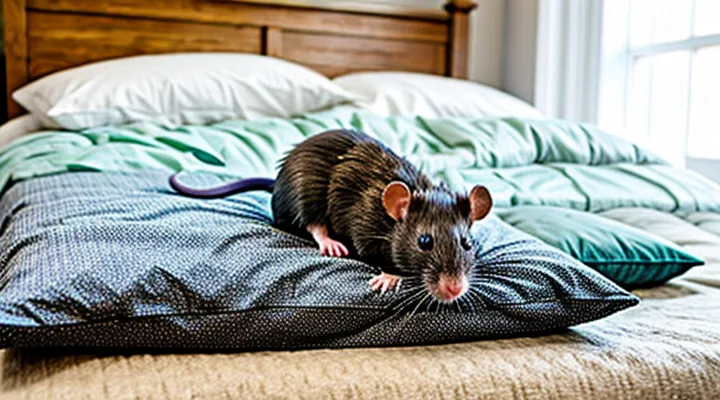
Understanding Rat Bedding Needs
Key Considerations for Rat Bedding
«Absorbency»
Absorbency determines how quickly a substrate removes moisture from urine and droppings, directly influencing hygiene and odor control in a rat enclosure. High‑absorbency materials retain liquid within their structure, preventing pooling on the cage floor and reducing the risk of bacterial growth. Low‑absorbency substrates allow moisture to remain on the surface, leading to damp bedding that can become a breeding ground for pathogens.
Key considerations for evaluating absorbency:
- Capacity measured in milliliters per gram of dry material; higher values indicate superior liquid retention.
- Compression resistance; materials that compress under weight release stored moisture, diminishing overall absorbency.
- Re‑wetting potential; some substrates release absorbed liquid when compressed or when rats move, affecting long‑term performance.
Common bedding options exhibit distinct absorbency profiles. Wood‑chip varieties such as aspen provide moderate capacity with good compression resistance, while paper‑based products deliver high capacity but may flatten quickly under heavy use. Coconut‑based fibers offer excellent moisture retention and maintain structure, making them suitable for densely populated cages. Selecting a substrate with optimal absorbency minimizes cleaning frequency, controls odor, and supports a healthier environment for pet rodents.
«Odor Control»
Effective odor management is a primary concern for any rat enclosure. The choice of substrate directly influences the concentration of ammonia and other waste‑derived smells.
- Paper‑based bedding, such as shredded tissue or recycled paper pellets, absorbs moisture rapidly and traps volatile compounds, resulting in low odor levels.
- Aspen shavings combine moderate absorbency with a neutral scent; they do not contain aromatic oils that could mask waste odors.
- Hemp fibers exhibit high absorbency and antimicrobial properties, which help limit odor buildup over longer intervals between changes.
- Corn‑cob bedding offers substantial bulk but retains moisture, potentially increasing odor if not changed frequently.
- Untreated pine or cedar shavings release strong aromatic oils; these oils may initially conceal waste smells but can irritate respiratory systems and do not reduce odor formation.
Regular substrate replacement, at least once weekly for high‑absorbency materials and more often for moisture‑retaining options, maintains optimal «Odor Control». Incorporating a ventilation system that provides continuous airflow further dilutes airborne compounds, enhancing overall air quality.
«Dust-Free Properties»
Dust‑free bedding reduces airborne particles that can irritate the respiratory system of rodents. High‑quality bedding should release minimal powder when moved or rearranged, thereby decreasing the risk of bronchitis, sneezing, and nasal discharge.
Materials known for low dust output include:
- Paper‑based products such as shredded newspaper or recycled paper pellets; fibers are soft and produce negligible dust.
- Aspen shavings; wood from aspen contains low resin content, resulting in a cleaner environment compared to pine or cedar.
- Hemp bedding; natural fibers are dense, limiting particle shedding while offering absorbency.
- Coconut coir; fibrous texture holds moisture without generating fine particles.
When evaluating bedding, consider the following criteria:
- Measured dust emission in milligrams per gram of material.
- Compatibility with enclosure ventilation systems.
- Ability to maintain dryness without frequent replacement.
Choosing a substrate with proven «dust‑free» characteristics supports optimal respiratory health and reduces the need for additional air filtration measures.
«Safety and Non-Toxicity»
Choosing bedding that poses no health hazards is essential for maintaining rat welfare. Materials must be free of chemicals that can irritate respiratory pathways, cause dermatitis, or release toxic dust when disturbed. Products containing aromatic oils, synthetic fragrances, or treated fibers should be avoided because volatile compounds can accumulate in enclosed habitats and impair breathing.
Safe options include:
- «paper‑based bedding», shredded or compressed, that is dust‑free and biodegradable.
- «aspen shavings», untreated and free of aromatic phenols present in pine or cedar.
- «cotton fleece blankets», washed without detergents containing harsh additives.
- «unbleached hemp fibers», naturally low in allergens and resistant to mold growth.
Each of these choices meets the criteria of non‑toxicity, low particulate emission, and absence of harmful preservatives. Regular monitoring for signs of irritation or respiratory distress remains advisable, even with certified safe bedding.
«Comfort and Nesting Appeal»
Rats require bedding that supports both physical comfort and the instinct to build nests. Soft, insulating layers reduce skin irritation and maintain body temperature, while pliable fibers enable the construction of secure, enclosed structures.
Key attributes for a suitable substrate include:
- Low dust production, preventing respiratory issues.
- High absorbency, keeping the enclosure dry and reducing the need for frequent cleaning.
- Gentle texture, allowing rats to rest without pressure points.
- Easy shreddability, encouraging natural nesting behavior.
- Neutral or familiar scent, minimizing stress.
Materials that consistently meet these criteria are:
- Paper‑based bedding, offering fine softness, excellent absorbency, and minimal dust.
- Untreated cotton fleece, providing warmth, flexibility for nest building, and a low‑profile odor.
- Hemp strips, delivering a balance of texture for comfort and fibers that rats readily manipulate.
Each option aligns with the dual goal of maintaining «Comfort and Nesting Appeal», ensuring a healthy environment that respects the species’ natural habits.
«Availability and Cost»
When evaluating bedding for rats, practical concerns focus on market presence and price per unit.
The most frequently stocked options include:
- Wood shavings (aspirin‑free pine, kiln‑dried hardwood): available in most pet‑store chains; cost ranges from $2 to $4 per pound.
- Paper‑based bedding (recycled paper pellets, shredded newspaper): sold in large‑box retailers and online specialty sites; price typically $3 to $5 per pound.
- Hemp fibers: limited to boutique suppliers and e‑commerce platforms; price averages $5 to $7 per pound.
- Coconut coir: found in garden centers and some pet stores; cost about $4 to $6 per pound.
Bulk acquisition lowers the per‑pound expense for all categories, while regional distribution affects accessibility. Seasonal demand spikes can raise prices by up to 20 percent, especially for specialty fibers such as hemp. Shipping fees become significant for bulk orders shipped from distant warehouses, influencing the total cost of ownership.
Decision‑makers should compare local shelf stock with online inventory, calculate the unit cost inclusive of delivery, and select the most economical bedding that meets the animal’s health requirements.
The analysis of «Availability and Cost» therefore guides budget‑conscious choices without compromising the welfare of the rodents.
Types of Rat Bedding
Safe and Recommended Bedding Options
«Paper-Based Bedding»
Paper‑based bedding, commonly composed of shredded newspaper, recycled paper pulp, or compressed paper sheets, offers several characteristics relevant to rodent housing. Its structure provides a soft, low‑profile surface that reduces the risk of foot injuries and facilitates natural burrowing behavior. The material’s high absorbency quickly captures urine, limiting moisture buildup and contributing to a drier environment.
Dust production is minimal compared to wood shavings, decreasing the likelihood of respiratory irritation. The absence of aromatic oils, such as those found in cedar or pine, eliminates potential toxic exposure. Economically, paper bedding is affordable and widely available, with bulk purchasing options that lower per‑unit cost.
Potential drawbacks include reduced structural stability when saturated, which may require more frequent changes to maintain hygiene. Some variants contain binders or additives; verification of a pure, untreated composition is advisable to avoid chemical contaminants.
Key considerations for selecting paper‑based bedding:
- Absorbency rate and moisture retention capacity
- Dust level and particle size
- Presence of additives or binders
- Cost per volume and availability
- Compatibility with cage filtration systems
When these factors align with the specific needs of a rat colony, paper‑based bedding can serve as an effective, safe, and economical substrate.
«Shredded Paper»
Shredded paper provides an absorbent, low‑dust substrate that mimics natural nesting material for pet rats. Its soft fibers encourage burrowing behavior while remaining easy to replace.
Advantages
- High absorbency reduces moisture buildup.
- Minimal dust protects respiratory health.
- Inexpensive and widely available.
- Biodegradable, supporting environmentally responsible care.
Disadvantages
- Limited insulation compared with wood‑based options.
- Potential for mold if left damp for extended periods.
- Requires frequent replacement to maintain hygiene.
Practical guidelines
- Use paper with a long, thin shred to prevent ingestion of large pieces.
- Layer 2–3 cm in the cage, monitoring for dampness daily.
- Replace the entire bedding weekly, or sooner if odor or wetness appears.
- Store unused shredded paper in a dry, sealed container to preserve absorbency.
«Paper Pellets»
«Paper Pellets» provide a compact, highly absorbent bedding option suited to the needs of laboratory and pet rats. The material consists of compressed cellulose fibers that expand when wet, creating a dry surface while trapping moisture deep within the pellet structure. Low dust generation reduces respiratory irritation, a common concern with wood‑based substrates.
Advantages
- Excellent absorbency; one kilogram can hold several liters of liquid.
- Minimal dust; particles remain below levels that provoke allergic responses.
- Compact storage; pellets occupy less volume than loose shavings.
- Natural cellulose; biodegradable and recyclable.
Disadvantages
- Limited nesting material; pellets do not crumble into soft layers.
- Higher cost per kilogram compared with bulk wood shavings.
- May require frequent replacement to maintain optimal dryness.
For effective use, spread a uniform layer of approximately three centimeters across the cage floor. Monitor moisture levels daily; replace the bedding when it becomes saturated or develops odor. Supplement with a small amount of soft material, such as shredded paper, to allow nesting behavior. Regular cleaning combined with the absorbent properties of «Paper Pellets» supports a hygienic environment and promotes the health of the rats.
«Recycled Paper Pulp»
«Recycled Paper Pulp» provides a dry, highly absorbent substrate suitable for small rodents. The material consists of compressed cellulose fibers derived from post‑consumer paper, processed to eliminate inks and contaminants. Its fine texture prevents paw injuries and allows easy nesting.
Key benefits include:
- Absorbency up to 10 times its weight, reducing moisture accumulation.
- Dust levels below 2 mg m⁻³, minimizing respiratory irritation.
- Non‑toxic composition; accidental ingestion poses no health risk.
- Compatibility with cage cleaning routines; can be vacuumed without disintegration.
Potential drawbacks:
- Higher purchase price compared with untreated wood shavings.
- Susceptibility to mold formation if bedding remains damp for extended periods.
- Limited reuse; optimal performance achieved with weekly replacement.
Relative to alternatives such as pine shavings, hemp, or aspen, «Recycled Paper Pulp» offers superior dust control and safer ingestion profile. Wood shavings may emit aromatic compounds that can irritate sensitive respiratory systems, while hemp retains moisture longer, increasing bacterial growth risk.
For effective implementation, maintain a bedding depth of 2–3 cm, monitor humidity daily, and replace the substrate at least once per week. Combine with a separate dry nesting area to encourage natural burrowing behavior while preserving overall cage hygiene.
«Aspen Shavings»
«Aspen Shavings» consist of finely milled wood particles from aspen trees. The material is virtually dust‑free, reducing respiratory irritation for small rodents. Its high absorbency manages moisture and urine, keeping the enclosure dry. The shavings are soft enough for nesting yet sturdy enough to withstand chewing, providing a comfortable substrate for rats. Natural fragrance is mild, limiting odor buildup without the need for chemical additives.
Advantages
- Minimal dust, protecting respiratory health
- Excellent moisture absorption, preventing soggy bedding
- Soft texture supports nest building and grooming
- Low inherent scent, aiding in odor control
Disadvantages
- Higher price compared with pine or paper alternatives
- Requires regular replacement to maintain dryness
- Potential for mold development if bedding becomes overly damp
Overall, «Aspen Shavings» meet the primary criteria for a safe, hygienic, and comfortable substrate, making them a strong candidate when evaluating optimal bedding options for pet rats.
«Hemp Bedding»
«Hemp Bedding» offers high absorbency, retaining moisture without becoming soggy. The natural fibers create a dry surface that limits bacterial growth, contributing to a healthier environment for rodents.
Dust production is minimal; the coarse structure of hemp particles reduces airborne particles that can irritate respiratory tracts. This characteristic makes the material suitable for animals prone to sneezing or wheezing.
Odor control is achieved through the lignin content of hemp, which naturally binds ammonia and other waste odors. The bedding remains fragrant for extended periods, decreasing the frequency of full‑cage changes.
Biodegradability ensures that discarded material can be composted without harmful residues. Unlike synthetic alternatives, hemp breaks down rapidly, supporting environmentally responsible husbandry practices.
Cost considerations show that initial purchase price may exceed that of pine shavings, yet the longer usable lifespan offsets the difference. Replacement intervals extend up to three weeks for a standard cage, compared with one to two weeks for less absorbent substrates.
Maintenance involves simple removal of soiled sections and occasional stirring to expose fresh layers. The sturdy texture resists clumping, allowing straightforward cleaning without extensive disassembly.
Safety profile includes non‑toxicity and resistance to mold growth. Hemp lacks the aromatic oils found in cedar, which can cause liver stress in small mammals. The material’s pH remains neutral, preventing irritation of sensitive skin.
Overall, «Hemp Bedding» aligns with criteria for optimal rodent substrate: high absorbency, low dust, effective odor mitigation, biodegradability, and a favorable safety record. These attributes position it as a strong candidate when evaluating bedding options for pet rats.
«Cardboard Shreds»
«Cardboard Shreds» provide a lightweight, highly absorbent substrate that mimics natural nesting material. The fibers break down quickly, creating a soft floor that encourages burrowing behavior. Rats readily shred and rearrange the material, promoting mental stimulation without introducing sharp edges.
Advantages:
- Excellent moisture absorption; reduces humidity in the enclosure.
- Low cost; readily available from recycled packaging.
- Biodegradable; easy to dispose of or compost after use.
- Minimal dust; lowers respiratory irritation risk.
Limitations:
- Prone to mold if left damp for extended periods.
- May attract insects if stored improperly.
- Requires frequent replacement to maintain hygiene.
Maintenance guidelines:
- Replace the bedding weekly or when it becomes soiled.
- Store unused shreds in a dry, sealed container to prevent moisture absorption.
- Clean the cage bottom with mild soap and water before adding fresh material.
Overall, «Cardboard Shreds» rank among the most practical choices for rat bedding, balancing comfort, safety, and affordability.
«Fleece Liners»
Fleece liners provide a soft, insulating layer that fits beneath a primary substrate such as wood shavings or paper bedding. The material retains heat, reducing the need for additional blankets during colder periods. Its low‑profile design prevents rats from burrowing into the liner, encouraging the use of the main bedding for digging behavior.
Key characteristics:
- High moisture‑wicking capacity; excess dampness moves away from the animal’s body, helping to maintain a dry environment.
- Easy cleaning; removable panels can be laundered in warm water without damage.
- Durable construction; fibers resist tearing even under frequent handling.
Potential limitations:
- Limited absorbency compared to highly porous substrates; supplemental absorbent bedding may be required for large colonies.
- Slightly higher cost per square foot; budget considerations should account for periodic replacement.
Integration with other bedding types enhances overall performance. A thin layer of wood shavings placed above the fleece liner supplies digging material while the liner manages temperature and moisture. Regular inspection ensures the liner remains free of odors and debris, preserving hygiene standards for the rodents.
Bedding Types to Avoid
«Cedar and Pine Shavings»
Cedar and pine shavings are frequently chosen for rodent enclosures because of their low cost and easy availability. Both materials release volatile aromatic compounds that can irritate the respiratory tract of rats, especially in poorly ventilated habitats. Prolonged exposure may lead to sneezing, nasal discharge, or more severe respiratory infections.
- High concentration of phenols and terpenes
- Potential to trigger allergic reactions
- Rapid accumulation of dust particles
- Reduced effectiveness in odor control compared to alternatives
The aromatic oils in these softwoods also possess natural insect-repellent properties, yet the same chemicals compromise the delicate nasal passages of small mammals. Studies indicate that rats housed on cedar or pine bedding exhibit higher incidence of respiratory distress than those kept on paper-based or aspen substrates, which lack harmful oils and provide comparable absorbency.
Given the health risks associated with aromatic softwood shavings, the prudent choice for rat bedding prioritizes low‑dust, odor‑absorbing, and non‑toxic materials. Paper pulp, compressed wood pellets, or aspen shavings meet these criteria without introducing respiratory irritants. Consequently, the use of «Cedar and Pine Shavings» is generally discouraged for optimal rat welfare.
«Clay-Based Litters»
Clay‑based litters consist of absorbent granules formed from bentonite or similar minerals. The material draws moisture away from waste, creating a dry surface that reduces odor and limits bacterial growth. Because the granules remain loose, they can be sifted to remove soiled particles, extending the usable life of the bedding.
Key characteristics of clay‑based litters for rats include:
- High absorbency; each gram can retain several times its weight in liquid.
- Minimal dust generation when low‑dust formulations are selected, decreasing respiratory irritation.
- Inert composition; does not react chemically with urine or feces, preserving a neutral pH environment.
- Ease of cleaning; clumps can be removed without dismantling the entire cage.
Potential drawbacks:
- Limited natural scent; rats may find the mineral smell less familiar than wood‑based options.
- Possibility of ingestion; excessive chewing can lead to ingestion of fine particles, which may cause gastrointestinal irritation.
- Weight; bulkier than paper or wood fibers, increasing the load on cage structures.
When evaluating bedding suitability, consider the balance between moisture control, dust levels, and the animal’s instinctual preferences. Clay‑based litters excel in moisture management and ease of maintenance, making them a viable component of a comprehensive bedding strategy for laboratory or pet rats.
«Corn Cob Bedding»
Corn cob bedding is a widely used substrate for pet rats because it provides a natural material that readily absorbs moisture. The fibers trap liquid, reducing the frequency of full‑cage changes. Low dust production minimizes respiratory irritation, a frequent concern with wood‑chip or paper‑based options. Odor control is moderate; the material does not retain urine scent as effectively as silica‑gel or specialized rodent mixes, but regular spot cleaning maintains acceptable freshness.
Safety considerations focus on the hardness of the dried cob. Rats may gnaw on the material, but the dense texture does not break into sharp fragments that could injure paws or mouths. The substrate remains stable under the weight of nesting structures, preventing collapse that could trap animals. However, prolonged exposure to dry cob can cause minor abrasions if the bedding becomes excessively coarse.
Cost efficiency favors corn cob bedding. Bulk packages are inexpensive compared to specialty pet‑store brands, and the material is readily available from agricultural suppliers. The lightweight nature reduces shipping expenses. Storage requirements are modest; the product resists mold when kept dry, extending shelf life.
Overall assessment:
- High absorbency, low dust
- Moderate odor control, requires routine spot cleaning
- Safe under normal chewing behavior, low risk of splinters
- Economical, easy to source and store
Corn cob bedding presents a balanced option for rat owners seeking a cost‑effective, low‑dust substrate with reliable moisture management. Regular monitoring of moisture levels and periodic replacement ensure optimal hygiene and comfort for the animals.
«Scented Bedding»
«Scented Bedding» consists of shredded paper, wood fibers, or cellulose treated with fragrance compounds. The scent is intended to mask odors and create a pleasant environment for both rodents and owners.
Advantages include rapid odor absorption and a perception of cleanliness that may reduce the need for frequent cage changes. However, the added fragrances can irritate the respiratory system of rats, whose nasal passages are highly sensitive. Studies show that prolonged exposure to scented particles may lead to sneezing, nasal discharge, or decreased activity levels.
Considerations for selecting scented bedding:
- Verify that the fragrance is derived from natural, non‑toxic sources.
- Ensure the bedding is dust‑free; low‑dust formulations lessen respiratory stress.
- Observe the rats for signs of irritation after introduction; discontinue use if symptoms appear.
- Compare cost and longevity with unscented alternatives; scented variants often require more frequent replacement due to fragrance degradation.
When evaluating overall suitability, prioritize health impact over aesthetic appeal. Unscented, absorbent materials remain the most reliable choice for maintaining a safe and hygienic habitat.
«Newspaper Ink»
Newspaper ink, when considered for rat bedding, presents a combination of chemical and physical characteristics that influence suitability.
The ink used in most newspapers consists of pigments, solvents, and binders. Modern publications frequently employ soy‑based inks, which emit lower levels of volatile organic compounds (VOCs) than petroleum‑based alternatives. However, colored inks may contain heavy metals such as lead or cadmium, increasing toxicity risk.
Potential health effects for rats include respiratory irritation from inhaled particles, dermal contact with residual solvents, and ingestion of ink fragments during grooming. Studies indicate that exposure to high VOC concentrations can provoke nasal inflammation and reduced lung function in small mammals.
Practical aspects of newspaper ink as bedding material:
- Absorbency: Paper fibers absorb urine effectively; ink does not significantly impair this property.
- Availability: Discarded newspapers are abundant and inexpensive.
- Odor control: Ink may emit faint odors, especially when damp, which can stress sensitive rodents.
- Cleaning: Ink stains can persist on cage surfaces, complicating sanitation.
Recommendations for safe use of «Newspaper Ink» in rat enclosures:
- Select uncolored, black‑and‑white newspapers printed with soy‑based inks.
- Verify the absence of heavy‑metal additives through supplier information.
- Pre‑wash shredded paper to remove surface ink residues before placement.
- Monitor rats for signs of respiratory distress, skin irritation, or abnormal grooming behavior.
- Replace bedding regularly to prevent ink buildup and maintain hygiene.
When these precautions are applied, newspaper ink can serve as a cost‑effective bedding component, though alternative substrates such as aspen shavings or paper‑based products specifically formulated for laboratory rodents provide superior safety profiles.
Choosing the Right Bedding for Your Rats
Factors Influencing Bedding Choice
«Rat’s Health and Allergies»
Effective bedding selection has a direct impact on rat health and the likelihood of allergic reactions. Dust particles, mold spores, and ammonia vapors released from unsuitable substrates can irritate the respiratory tract, trigger sneezing, and exacerbate skin sensitivities.
- Paper‑based bedding (recycled paper, tissue) – low dust, high absorbency, minimal allergen potential.
- Aspen shavings – low aromatic oil content, moderate dust, suitable for most rats.
- Coconut husk (coir) – excellent moisture control, but may retain mold if not kept dry.
- Hemp fibers – natural antimicrobial properties, low dust, appropriate for sensitive individuals.
- Aromatic wood shavings (pine, cedar) – high volatile compounds, increased risk of respiratory irritation and dermatitis; generally unsuitable.
Choosing a substrate that combines low particulate emission with strong moisture absorption reduces ammonia buildup and limits allergen exposure. Regular cleaning, weekly litter replacement, and adequate ventilation further protect respiratory health. Monitoring for signs such as persistent sneezing, nasal discharge, or skin redness enables timely adjustments to the bedding regimen.
«Cage Type and Ventilation»
Choosing appropriate bedding depends on the cage construction and airflow management. Solid-bottom enclosures, such as glass aquariums or plastic tubs, retain bedding material, reduce dust dispersion, and simplify cleaning. Wire-bottom cages permit bedding to fall through, increasing waste removal but also generating higher dust levels and potential foot injuries; therefore, low‑dust, absorbent substrates are essential in this configuration. Mesh cages combine visibility with moderate ventilation; bedding should be thin enough to prevent clogging while providing sufficient absorbency.
Effective ventilation mitigates humidity, odor buildup, and mold growth. Cages equipped with adjustable vents allow fine‑tuning of airflow; a minimum exchange rate of 15 times per hour prevents condensation on bedding surfaces. Supplemental fans or external vent tubes enhance circulation in densely stocked setups, but excessive draft may dry out bedding and cause respiratory irritation. Placement of vents away from the animal’s immediate environment reduces direct airflow on the rats while maintaining overall air turnover.
Key considerations for aligning cage type and ventilation with bedding choice:
- Solid-bottom: use thick, highly absorbent, low‑dust bedding (e.g., paper‑based or wood‑chip blends).
- Wire-bottom: select fine, low‑particle bedding (e.g., shredded paper) to minimize debris falling through the grid.
- Mesh: employ moderately absorbent material that does not obstruct mesh openings.
- Ventilation rate: maintain at least 15 air changes per hour; adjust for room temperature and humidity.
- Draft control: position vents to create indirect airflow, avoiding direct streams onto the rats.
Integrating cage architecture with proper ventilation ensures bedding remains dry, odor‑free, and safe, supporting overall health and comfort for pet rats.
«Your Budget and Maintenance Preferences»
Budget constraints dictate the feasible bedding options. Low‑cost materials such as recycled paper pellets, shredded newspaper, or basic wood shavings often fall below $5 per pound, allowing frequent replacement without financial strain. Mid‑range choices like hemp or coconut fiber typically cost $8‑12 per pound, offering superior absorbency while remaining affordable for most owners. Premium products, including specialized dust‑free cellulose blends, may exceed $15 per pound and suit households with ample discretionary spending.
Maintenance preferences influence the selection process. Bedding that clumps when wet simplifies spot cleaning, reducing the time required for full‑cage changes. Materials that remain loose demand regular stirring to prevent mold growth and odor buildup. Low‑maintenance options, such as pre‑compressed pellets that expand upon contact with moisture, require removal of only the soiled section. High‑maintenance alternatives, like fine wood shavings, often necessitate weekly full‑cage replacement to maintain hygiene.
Key considerations for aligning budget and upkeep:
- Cost per pound → determines replacement frequency.
- Absorbency → affects number of changes needed.
- Clumping ability → reduces labor for spot cleaning.
- Dust level → impacts respiratory health and cleaning effort.
- Longevity → influences overall expense over time.
«Mixing Bedding Types»
«Mixing Bedding Types» offers a practical approach to balancing absorbency, odor control, and comfort for pet rodents. Combining a highly absorbent base such as paper pulp with a softer layer of aspen shavings creates a substrate that manages moisture while providing a familiar texture for gnawing. The paper component limits ammonia buildup, whereas the wood shavings add structural variety that encourages natural burrowing behavior.
Key factors to evaluate when creating a mixed bedding include:
- Absorbency: select a primary material that quickly wicks moisture away from the cage floor.
- Dust level: ensure secondary components produce minimal airborne particles to protect respiratory health.
- Chewability: incorporate a safe, low‑oil wood that satisfies the animal’s instinct to gnaw.
- Cost and availability: choose materials that are affordable and readily sourced to maintain consistency.
Regular monitoring of the substrate’s condition allows timely replacement of the absorbent layer while retaining the softer component for extended periods. This strategy reduces overall consumption of bedding, maintains a cleaner environment, and aligns with the broader goal of providing an optimal habitat for small mammals.
Bedding Maintenance and Hygiene
«Frequency of Bedding Changes»
The health of pet rodents depends heavily on how often the substrate is refreshed. Accumulated urine, feces, and moisture create a breeding ground for pathogens, increase ammonia levels, and cause respiratory irritation. Regular replacement of bedding therefore prevents these risks and supports comfortable nesting behavior.
Guidelines for optimal replacement schedule:
- Daily spot‑cleaning: remove soiled sections, clumps, and wet spots each day.
- Full change: replace all bedding every 3–5 days for standard absorbent materials such as paper pulp or wood shavings.
- Extended interval: for highly absorbent, low‑dust options like aspen or specialized recycled paper, a full change can be stretched to 7 days, provided daily spot‑cleaning is performed.
Indicators that a change is overdue:
- Visible dampness or clumping beyond a thin layer.
- Strong, sour odor emanating from the enclosure.
- Increased sneezing or nasal discharge in the animals.
Consistent adherence to the above timetable maintains low ammonia concentration, reduces bacterial load, and promotes stable temperature regulation within the nest. Implementing a strict cleaning regimen is essential for any caretaker seeking the most suitable bedding environment for rats.
«Deep Cleaning Procedures»
Deep cleaning of rat habitats is a critical component of maintaining a hygienic environment, directly influencing the suitability of any chosen bedding material. The process eliminates residual waste, bacterial colonies, and odor‑causing compounds that can compromise the health of the animals and the performance of the bedding.
«Deep Cleaning Procedures» consist of several sequential actions. First, remove all bedding, toys, and accessories from the cage. Place the removed items in a designated container for separate treatment. Second, wash the cage interior with hot water (≥ 60 °C) and a mild, non‑toxic detergent; avoid harsh chemicals that may linger on surfaces. Third, rinse thoroughly to eliminate any detergent residue, then apply a dilute solution of white vinegar (1 part vinegar to 4 parts water) or a pet‑safe disinfectant, allowing a contact time of 10–15 minutes to reduce microbial load. Fourth, rinse again and dry all surfaces completely using a clean, lint‑free cloth or air‑drying under a fan to prevent moisture buildup. Finally, replace the bedding with a fresh, appropriate substrate, ensuring it is evenly spread to a depth of 2–3 cm.
Key considerations during deep cleaning:
- Use only bedding that is free from aromatic additives, as these can trap odors after cleaning.
- Verify that all cleaning agents are fully cleared from the cage before re‑introduction of the animals.
- Schedule comprehensive cleaning at least once every two weeks, with spot cleaning performed daily to extend intervals between full cycles.
Implementing these systematic steps preserves the integrity of the bedding, supports rodent health, and minimizes the risk of disease transmission within the enclosure.
«Spot Cleaning Strategies»
Effective spot‑cleaning maintains a healthy habitat while preserving the advantages of a chosen substrate. Quick removal of localized soiling prevents odor buildup and reduces the risk of bacterial growth.
Key practices include:
- Identify contaminated zones immediately after detection; visible urine stains, fecal clusters, or damp spots indicate the need for intervention.
- Use a small, dedicated scoop or soft brush to lift solid waste without dispersing particles.
- Apply a damp, lint‑free cloth moistened with a mild, rodent‑safe disinfectant. Wipe the affected area gently to avoid disturbing the surrounding bedding.
- Allow the spot to air‑dry completely before re‑adding any supplemental material, such as nesting fibers or hide‑box padding.
Bedding materials that facilitate spot‑cleaning share common characteristics: low dust generation, quick absorption, and easy separation of solids from the substrate. Paper‑based products, compressed wood shavings, and specially formulated cellulose fibers meet these criteria. Their structure enables precise removal of contaminants without requiring a full cage change.
Routine monitoring enhances spot‑cleaning efficiency. Conduct brief visual inspections twice daily; record recurring problem areas to adjust placement of food dishes, water bottles, or enrichment items that may contribute to localized messes. By integrating these targeted actions, the overall cleanliness of the enclosure remains high, supporting the well‑being of the rodents while minimizing the need for extensive bedding replacement.