
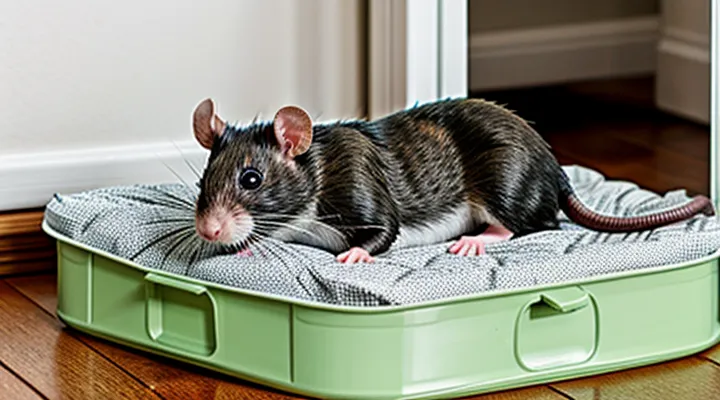
Understanding Rat Bedding Needs
Key Considerations for Rat Bedding
Absorbency
Absorbency determines how well bedding controls moisture, urine, and droppings inside a rodent enclosure. High‑absorbency materials retain fluid within their structure, reducing surface wetness and limiting the growth of bacteria and odor‑producing microbes.
Key characteristics of effective absorbent bedding include:
- Absorption capacity – measured in grams of liquid per gram of dry material; values above 2 g/g indicate strong performance.
- Retention time – the period before the bedding becomes saturated; longer retention lowers the frequency of complete changes.
- Rewetting resistance – ability to keep absorbed moisture locked away even when the cage is disturbed or heated.
- Particle size – fine particles increase surface area for fluid capture, while overly fine dust may affect respiratory health.
Common bedding options and their typical absorbency profiles:
- Paper‑based products – 2.5–3.0 g/g; quick wicking, low dust, moderate retention.
- Wood shavings (aspen, maple) – 1.8–2.2 g/g; good wicking, higher dust potential with some species.
- Corncob pellets – 2.0–2.6 g/g; compact, low dust, slower breakdown, suitable for long‑term use.
- Hemp fibers – 2.3–2.9 g/g; high capacity, natural antimicrobial properties, minimal dust.
When selecting bedding, prioritize materials whose absorption capacity exceeds the expected urine output of the cage’s occupants. A typical adult rat produces roughly 0.5 ml of urine per day; a bedding layer capable of holding at least 10 ml per square foot will maintain dry conditions for a week without full replacement. Monitoring for saturation signs—persistent damp spots, strong ammonia odor, or clumping—ensures timely maintenance and preserves animal health.
Odor Control
Effective odor control is a primary criterion when selecting bedding for a rat enclosure. The material’s ability to absorb urine and feces directly influences the level of ammonia and unpleasant smells. Rapid absorption reduces the time moisture remains on the surface, limiting bacterial growth and the release of volatile compounds.
Paper-based products, such as shredded paper or cellulose pads, offer high absorbency and low dust. Their porous structure traps waste, and the neutral pH curtails bacterial proliferation. Aspen shavings provide moderate absorbency with a natural scent that masks waste odors, but they generate more dust than paper, which can affect respiratory health.
Hemp bedding combines strong absorption with antimicrobial fibers. The hemp fibers retain moisture while inhibiting bacterial colonies, resulting in a noticeable reduction of odor over a typical change interval of five to seven days. Coconut coir, derived from husk fibers, absorbs moisture efficiently but may develop a mild earthy smell if not changed regularly.
A concise comparison:
- Shredded paper: excellent absorbency, minimal dust, neutral odor.
- Aspen shavings: moderate absorbency, natural scent, higher dust.
- Hemp fibers: strong absorbency, antimicrobial, low odor.
- Coconut coir: good absorbency, earthy odor if stale, low dust.
Regular maintenance amplifies any bedding’s odor‑control performance. Spot‑cleaning soiled sections daily and performing a full substrate change weekly prevent odor buildup. Incorporating a ventilation system that supplies fresh air and maintains a stable temperature further reduces ammonia concentration.
Choosing bedding with superior moisture‑binding capacity, low dust, and antimicrobial properties ensures consistent odor suppression, promoting a healthier environment for both rats and caretakers.
Dust Levels
Dust generated by bedding directly affects respiratory health of pet rats. High‑density particles remain suspended, are inhaled, and can irritate nasal passages and lungs. In a confined cage, dust accumulates quickly, especially when the substrate is disturbed during cleaning or bedding changes.
Low‑dust bedding options include:
- Paper‑based pellets or shredded paper; particle size is minimal, and the material absorbs moisture without releasing fibers.
- Aspen shavings; natural wood with low lignin content produces less airborne debris than pine or cedar.
- Hemp fibers; coarse strands settle rapidly, limiting airborne concentration.
- Coconut coir; fibrous yet heavy, it stays on the floor and does not become airborne under normal handling.
Bedding that generates noticeable dust, such as pine or cedar shavings, creates a persistent aerosol that can trigger sneezing, wheezing, or chronic respiratory conditions. Selecting a substrate with minimal dust reduces the need for frequent ventilation and lowers the risk of health complications.
Monitoring dust levels can be done by visual inspection of the cage after disturbance and by observing the rat’s breathing pattern. If the animal shows signs of respiratory distress, replace the current bedding with a low‑dust alternative immediately.
Safety and Non-Toxicity
When selecting bedding for a rat enclosure, safety and non‑toxicity are paramount. Materials must not release harmful chemicals, dust, or particles that can irritate the respiratory system or be ingested. Rats are prone to chewing, so any substrate that can be broken into small fragments poses a choking hazard or can cause gastrointestinal blockage.
Safe bedding options include:
- Paper‑based products (e.g., shredded paper, cellulose pads). They are low‑dust, absorbent, and chemically inert.
- Untreated wood shavings from hardwoods such as aspen or maple. These lack aromatic oils that can be toxic to rodents.
- Fleece liners made of plain, untreated cotton or polyester. They contain no loose particles and can be washed and reused.
- Coconut husk (coir) that is kiln‑dried and free of pesticides. It offers good absorbency with minimal dust.
Materials to avoid:
- Cedar or pine shavings, which emit phenols and aromatic oils that can damage the liver and respiratory tract.
- Scented or dyed substrates, as the additives may be toxic when inhaled or ingested.
- Dust‑heavy litters, such as clay clumping cat litter, which can cause pneumonitis and eye irritation.
Testing each batch for dust levels and confirming the absence of chemical treatments helps maintain a healthy environment. Regular cleaning and replacement of bedding further reduce the risk of bacterial growth and ammonia buildup, supporting the well‑being of the animals.
Comfort and Burrowing
Comfortable bedding must provide thermal insulation, moisture absorption, and a soft surface for rats to rest without irritating skin. Materials such as shredded paper, aspen wood shavings, and fleece liners meet these criteria. Shredded paper absorbs urine efficiently, maintains a dry environment, and offers a gentle texture that reduces the risk of foot sores. Aspen shavings are low‑dust, non‑aromatic, and retain warmth, while fleece blankets are washable, reusable, and supply a plush layer that mimics natural nesting material.
Burrowing behavior requires substrate that can be displaced and re‑shaped by the animals. Effective options include:
- Paper‑based bedding (e.g., recycled newspaper strips): easily torn, encourages tunnel construction, and decomposes without harmful residues.
- Coconut fiber (coir): fibrous strands allow rats to dig, create lofted nests, and retain moisture at a level that prevents drying out of the burrow.
- Untreated hardwood shavings (aspen): coarse enough for excavation yet soft enough to avoid abrasions.
Selecting a combination—such as a base layer of aspen shavings topped with a thin sheet of shredded paper—provides both a comfortable resting surface and a manipulable medium for burrowing. Regular replacement of the top layer preserves hygiene, while the underlying substrate can be refreshed less frequently, balancing comfort, burrowing opportunity, and cost efficiency.
Types of Bedding Materials
Paper-Based Bedding
Shredded Paper
Shredded paper is a widely available option for rat enclosure flooring. It is lightweight, inexpensive, and easy to replace. The material absorbs moisture, helping to control odor and keep the habitat dry. Rats can burrow and nest in the fibers, providing enrichment and a naturalistic environment.
Advantages
- High absorbency reduces humidity levels.
- Soft texture prevents foot injuries.
- Simple disposal; can be composted or recycled.
- Suitable for small to medium cages without requiring special equipment.
Disadvantages
- May clump when excessively wet, creating pockets that trap waste.
- Requires frequent replacement to maintain cleanliness.
- Potential for ingestion of small strips; monitor for excessive chewing.
Usage guidelines
- Provide a layer 1–2 inches deep to allow nesting while preventing compaction.
- Replace the bedding weekly, or sooner if dampness is observed.
- Store unused shredded paper in a dry, sealed container to avoid mold growth.
- Inspect daily for signs of contamination, such as urine saturation or fecal buildup.
Safety considerations include ensuring the paper is free of inks, dyes, or chemicals that could harm rodents. Plain, unprinted, recycled paper or commercially sold shredded paper intended for animal use meets this criterion. Regular cleaning and proper ventilation complement the bedding’s moisture‑absorbing properties, maintaining a healthy environment for the rats.
Paper Pellets
Paper pellets provide a practical bedding option for rat enclosures. Their high absorbency reduces moisture buildup, helping to keep the habitat dry and limiting the growth of mold. The material’s natural composition controls odor without the need for chemical additives, contributing to a healthier environment for both rats and owners.
Key characteristics of paper pellets include:
- Low dust generation, minimizing respiratory irritation for rodents and humans.
- Soft texture that prevents injury to delicate footpads while allowing rats to burrow and nest comfortably.
- Easy disposal; pellets break down into small pieces that can be removed without extensive cleaning.
- Affordable price point compared to specialty substrates, making regular replacement feasible.
When selecting paper pellets, consider the following guidelines:
- Choose products labeled as 100 % recycled or virgin paper to avoid contaminants.
- Verify that the pellets are free of added fragrances or binders that could affect scent detection.
- Replace the bedding regularly—typically every one to two weeks—to maintain optimal hygiene.
Overall, paper pellets meet the essential criteria for effective rat cage bedding: moisture control, odor management, low dust, and safety. Their straightforward maintenance and cost efficiency make them a strong candidate for anyone seeking a reliable substrate for small‑rodent habitats.
Recycled Paper Bedding
Recycled paper bedding offers a practical solution for rat enclosures. The material consists of compressed, processed paper fibers that form a soft, absorbent substrate suitable for small mammals.
- High absorbency reduces moisture buildup.
- Minimal dust content protects respiratory health.
- Non‑toxic composition prevents ingestion hazards.
- Biodegradable nature supports environmentally conscious care.
- Low cost and wide availability simplify procurement.
Potential drawbacks include the need for regular replacement because the fibers compact over time, diminishing absorbency. Odor control may be less effective than specialized aromatic litters, requiring supplemental ventilation. The material can become soggy if exposed to excessive humidity, limiting its suitability for damp environments.
Effective use involves spreading a 1‑2 inch layer across the cage floor, monitoring moisture levels daily, and replacing the bedding when it appears saturated or clumped. Pairing recycled paper with a paper‑based nesting material can enhance comfort while maintaining cleanliness. Regular spot cleaning of soiled sections prolongs the overall lifespan of the bedding and supports a healthier habitat for the rats.
Wood-Based Bedding
Aspen Shavings
Aspen shavings are a common choice for rodent enclosures because they combine absorbency with low dust production. The material consists of soft, lightweight wood fibers that break down quickly after exposure to moisture, helping to keep humidity levels stable inside the cage.
Key characteristics of aspen bedding include:
- High absorbency; a small layer can manage several days of urine without becoming soggy.
- Minimal aromatic oils; unlike pine or cedar, aspen does not contain compounds that can irritate a rat’s respiratory system.
- Low dust; the fine particles generated during handling are negligible, reducing the risk of inhalation problems.
- Natural biodegradability; the shavings decompose readily, allowing easy disposal or composting.
Potential drawbacks to consider:
- Rapid breakdown; frequent replacement may be necessary to maintain a tidy environment.
- Cost; aspen can be pricier than generic hardwood shavings.
- Limited insulation; the material does not retain heat as effectively as thicker substrates, which may be relevant in colder climates.
For optimal use, spread a 1‑2 inch layer on the cage floor, monitor moisture levels daily, and replace the bedding once it shows signs of clumping or odor. Pairing aspen with a solid base tray simplifies cleaning and prevents the substrate from contacting the cage bottom, extending the material’s functional lifespan.
Pine and Cedar (Avoid)
Choosing bedding for a rat enclosure requires consideration of health effects. Pine and cedar are unsuitable because they emit volatile compounds that compromise rodent well‑being.
- Aromatic oils (e.g., phenols in pine, thujone in cedar) irritate nasal passages and lungs.
- Persistent scent masks waste odors, preventing early detection of unsanitary conditions.
- Chemical exposure can cause respiratory distress, sneezing, and reduced immune response.
- Long‑term contact may lead to liver and kidney strain due to metabolized toxins.
These factors make pine and cedar detrimental for small‑animal habitats. Opt for inert, dust‑free materials such as paper‑based bedding, aspen shavings, or hemp to maintain a safe environment.
Fabric Bedding
Fleece Liners
Fleece liners provide a reusable, soft surface that mimics natural nesting material while remaining easy to clean. The fabric’s low pile prevents rats from ingesting loose fibers, reducing the risk of gastrointestinal blockage. Because fleece retains heat, it helps maintain a stable micro‑climate within the cage, which is beneficial for young or sick rodents.
Key advantages include:
- Durability: A single liner can last months with regular washing.
- Absorbency: The material soaks up urine and moisture, limiting odor buildup.
- Cost efficiency: One purchase replaces frequent disposable bedding expenses.
- Ease of sanitation: Machine‑washable at 60 °C eliminates pathogens without chemical cleaners.
Potential drawbacks:
- Initial investment: Higher upfront cost compared to paper or wood shavings.
- Limited odor control: Without additional substrate, scent may linger if not washed promptly.
- Temperature sensitivity: In very hot environments fleece can become overly warm, requiring more frequent changes.
Maintenance protocol:
- Remove the liner weekly; inspect for stains or damage.
- Place in a laundry bag; wash at 60 °C with mild detergent.
- Dry thoroughly before returning to the cage.
- Rotate multiple liners to ensure a clean surface is always available.
When selecting fleece, choose a high‑quality, non‑treated polyester blend without dyes or chemicals. The fabric should be thick enough to resist tearing yet flexible enough to conform to cage corners. Properly managed, fleece liners constitute a practical, hygienic, and comfortable bedding alternative for rat habitats.
Cotton Fabric (Avoid Loose Threads)
Cotton fabric provides a breathable, soft surface that absorbs moisture and reduces odor in a rodent enclosure. Its natural fibers are hypoallergenic and easy to wash, allowing regular sanitation without chemical residues.
Key advantages:
- High absorbency captures urine and spills, keeping the cage dry.
- Soft texture prevents skin irritation on the animal’s feet.
- Reusable after laundering, lowering long‑term cost compared to disposable litters.
- Biodegradable material reduces environmental impact.
Potential hazards stem from loose threads that can detach and be ingested, leading to gastrointestinal blockage. To mitigate this risk:
- Select tightly woven, pre‑cut sheets without visible fraying.
- Inspect fabric before each use; discard any piece with unraveling edges.
- Trim excess seams or stitching that could snag paws.
Implementation guidelines:
- Cut fabric to fit the cage floor, leaving a small margin to prevent pulling.
- Wash at 60 °C with mild detergent, rinse thoroughly, and dry completely.
- Replace the fabric weekly or sooner if soiled, and perform a visual check for thread integrity each time it is changed.
When managed correctly, cotton fabric offers a safe, comfortable, and sustainable bedding choice for rat habitats, provided that loose fibers are eliminated before use.
Other Options
Hay and Straw (Use with Caution)
Hay and straw are common options for rat bedding, but they require careful handling. Both materials provide texture and nesting opportunities, yet they also introduce health considerations that must be managed.
Advantages of hay and straw:
- Soft, natural substrate encourages chewing and nest building.
- Easily sourced and inexpensive.
- Biodegradable, reducing long‑term waste.
Risks associated with these choices:
- High dust levels can irritate respiratory passages, especially in young or compromised rats.
- Moisture retention promotes mold growth, which may lead to infections.
- Straw, in particular, can contain seeds or contaminants that cause gastrointestinal blockage if ingested.
Practical precautions:
- Select low‑dust, kiln‑dried straw or fresh hay harvested without pesticides.
- Replace the bedding regularly, at least twice weekly, to prevent dampness.
- Monitor rats for signs of sneezing, nasal discharge, or lethargy, adjusting the substrate if symptoms appear.
- Combine a small amount of hay with a primary bedding such as paper or aspen chips to limit exposure while still offering enrichment.
In summary, hay and straw can enhance a rat’s environment when used sparingly and maintained under strict hygiene standards. Their benefits are outweighed by potential respiratory and digestive hazards if the bedding is not managed properly.
Corn Cob Bedding (Avoid)
Corn cob bedding is frequently marketed for small‑animal cages, yet it presents several problems for rats. The material absorbs moisture poorly, allowing urine to pool on the surface and create a damp environment that promotes bacterial growth. Its coarse texture generates dust that irritates the respiratory tract, especially in species prone to asthma‑like conditions. Decomposition of the cob releases a strong, lingering odor that can stress the animals and signal poor hygiene to owners. Rats may gnaw and ingest fragments, risking gastrointestinal blockage or impaction. Finally, the porous structure retains waste, making thorough cleaning difficult and increasing the likelihood of mold formation.
Key reasons to avoid corn cob bedding for rat enclosures:
- Low absorbency → wet spots, bacterial proliferation
- High dust production → respiratory irritation
- Persistent odor → animal stress, owner inconvenience
- Ingestion hazard → potential gut blockage
- Difficult to sanitize → mold and parasite buildup
For a healthy rat habitat, select bedding that offers superior absorbency, low dust, easy removal of waste, and minimal health risks.
Evaluating Bedding Options
Pros and Cons of Common Bedding Types
Aspen
Aspen bedding is a hardwood-derived, shavings‑type substrate commonly offered for small‑animal enclosures. The material is processed to remove most lignin, resulting in low dust production and minimal irritants for rat respiratory systems. Its natural absorbency allows it to retain moisture from urine and droppings, helping maintain a dry environment that discourages bacterial growth.
Performance attributes include:
- Absorbency: retains up to 250 % of its weight in liquid, reducing the frequency of full‑cage changes.
- Dust level: less than 0.5 % airborne particles, suitable for sensitive rodents.
- pH stability: remains neutral over prolonged use, preventing skin irritation.
- Biodegradability: decomposes within 12‑18 months, suitable for composting.
Practical considerations involve cost, availability, and handling. Commercial packages range from $2 to $4 per pound, positioning Aspen above basic pine shavings but below premium paper‑based products. Bulk purchase options lower per‑unit expense for large colonies. Storage requires a dry, sealed container to prevent moisture uptake, which can diminish absorbency and promote mold. Regular spot cleaning—removing soiled sections daily and fully replacing the substrate weekly—optimizes hygiene while extending the material’s usable life.
Overall, Aspen offers a balance of low dust, high absorbency, and neutral pH, making it a competitive choice for rat housing where respiratory health and moisture control are priorities.
Paper-Based Bedding
Paper‑based bedding is a common choice for small‑rodent habitats because it offers high absorbency, low dust, and good odor control. The material is typically made from recycled newspaper, shredded paper, or compressed paper pulp, which provides a soft, nest‑friendly surface without the sharp edges that can injure a rat’s paws.
Key characteristics:
- Absorbency: retains up to three times its weight in liquid, reducing the frequency of complete cage changes.
- Dust level: minimal particulate release, lowering respiratory irritation risk.
- Odor management: natural cellulose fibers bind ammonia, keeping the environment fresher.
- Cost: generally inexpensive and widely available in pet stores and online retailers.
- Biodegradability: can be composted after use, supporting environmentally responsible disposal.
Considerations for use:
- Depth: a layer of 1–2 inches provides adequate cushioning while allowing rats to dig.
- Replacement schedule: replace the entire substrate when it becomes saturated or heavily soiled; spot cleaning can extend usability.
- Compatibility with accessories: works well with plastic hideouts and wooden chew toys, but may cling to porous surfaces, requiring occasional washing.
- Health impact: low‑dust composition minimizes the likelihood of respiratory infections, making it suitable for young or immunocompromised rodents.
Overall, paper‑based bedding meets the primary requirements for a rat enclosure: moisture control, cleanliness, and comfort, while remaining affordable and easy to manage.
Fleece
Fleece provides a soft, warm surface that retains heat without becoming damp, making it suitable for rat enclosures where temperature regulation is a concern. The material does not absorb moisture; instead, it wicks away moisture to the cage floor, reducing the risk of mold and bacterial growth. Its durability allows repeated washing without significant wear, and the fabric’s low lint production prevents respiratory irritation.
- High insulation retains body heat, supporting rats in cooler environments.
- Non‑absorbent nature maintains a dry surface, limiting odor buildup.
- Machine‑washable; can be sterilized at 60 °C without losing structural integrity.
- Low cost compared with specialty bedding products.
Potential drawbacks include the need for a solid substrate beneath the fleece to prevent slipping and the possibility of rats chewing the fabric, which may lead to ingestion of fibers. Regular cleaning involves removing the fleece, placing it in a laundry bag, washing with a mild detergent, and drying completely before reuse. Monitoring for wear and replacing the material when holes appear ensures continued safety and comfort.
Factors Influencing Choice
Budget
When cost is the primary factor, select bedding that balances price, absorbency, and health safety.
- Paper‑based pellets – inexpensive, low dust, easy to replace; typical cost ≈ $0.30‑$0.45 per pound.
- Recycled newspaper shavings – very low price, often free if sourced from office waste; absorbency moderate, dust minimal when shredded finely.
- Aspen chips – mid‑range price, $0.60‑$0.80 per pound; low aromatic compounds, moderate dust.
- Corncob bedding – cheap, $0.40‑$0.55 per pound; high absorbency, but can become moldy if not fully dried.
Consider the following cost‑efficiency metrics:
- Absorption capacity – higher capacity reduces replacement frequency, lowering long‑term expense.
- Dust production – low‑dust options prevent respiratory issues, avoiding veterinary costs.
- Availability – bulk purchase from warehouse clubs or online retailers often cuts unit price.
Calculate total monthly outlay by multiplying per‑pound cost by the average consumption rate (≈ 2‑3 lb per month for a standard cage). Choose the material with the lowest calculated expense that still meets health standards.
Availability
Availability of bedding for rat enclosures varies by retail channel, packaging size, and regional supply. Large pet‑store chains typically stock shredded paper, aspen shavings, and cellulose pellets in standard 5‑lb bags, ensuring immediate purchase for most consumers. Online marketplaces offer a broader selection, including hemp, coconut coir, and specialized dust‑free mixes, often sold in bulk quantities that reduce unit cost but require longer delivery times. Specialty rodent‑focused boutiques carry niche products such as pine‑free wood chips and mineral‑based substrates, usually in smaller packages aimed at hobbyists who prioritize specific performance characteristics. Wholesale distributors serve veterinarians and breeding facilities, providing pallet‑loaded shipments of high‑volume bedding at discounted rates, though minimum order requirements may limit access for individual owners.
- Pet‑store chains: shredded paper, aspen, cellulose; 5‑lb bags; stocked in most regions.
- Online retailers (e.g., Amazon, Chewy): hemp, coconut coir, dust‑free blends; 10‑lb to 50‑lb options; shipping 2‑7 days.
- Specialty rodent shops: pine‑free wood chips, mineral substrate; 1‑lb to 5‑lb packs; limited to urban centers.
- Wholesale distributors: bulk pallets of any bedding type; 100‑lb+; order minimums apply.
Regional factors influence stock levels; areas with strict fire‑safety codes may restrict pine products, increasing reliance on paper‑based options. Seasonal demand spikes during pet‑ownership holidays can temporarily reduce inventory, prompting early ordering or alternative sourcing.
Rat’s Individual Needs
Rats differ in size, age, health status, and behavioral habits; each factor dictates a specific bedding requirement. Larger adults need deeper, more absorbent material to manage greater waste volume, while juveniles benefit from softer, low‑dust substrates that protect delicate respiratory systems. Sick or respiratory‑sensitive rats require virtually dust‑free bedding to prevent irritation, whereas healthy, active individuals tolerate a broader range of textures.
Key considerations for selecting bedding that matches individual needs include:
- Absorbency: Determines how quickly moisture is removed, reducing ammonia buildup.
- Dust level: Low‑dust options protect nasal passages and eyes.
- Texture: Softness prevents skin abrasions; firmness supports digging behavior.
- Allergen potential: Some rats react to natural fibers such as wheat or corn; hypoallergenic alternatives minimize risk.
- Odor control: Materials with natural antimicrobial properties limit unpleasant smells.
Matching these criteria to the rat’s specific profile yields an optimal enclosure environment. For example, a senior rat with compromised lungs benefits most from a low‑dust, highly absorbent paper‑based substrate, while a breeding pair with strong burrowing instincts prefers a medium‑coarse wood‑chip blend that encourages nesting without excessive dust. Aligning bedding choice with each animal’s unique physiological and behavioral traits ensures comfort, health, and hygiene within the cage.
Best Practices for Bedding Management
Bedding Depth and Quantity
Bedding depth directly influences a rat’s comfort and the cage’s hygiene. A layer of 1–2 inches (2.5–5 cm) provides sufficient substrate for nesting, allows absorption of urine, and reduces odor without creating a damp environment that can foster mold. Thinner layers (<1 inch) fail to contain waste, while deeper layers (>3 inches) retain moisture and increase the risk of respiratory irritation.
Quantity should correspond to cage dimensions and the chosen depth. Approximate calculations are:
- Small cage (30 × 30 × 12 cm): 0.5 L of substrate for a 1‑inch depth; 1 L for a 2‑inch depth.
- Medium cage (45 × 45 × 18 cm): 1 L for a 1‑inch depth; 2 L for a 2‑inch depth.
- Large cage (60 × 60 × 24 cm): 2 L for a 1‑inch depth; 4 L for a 2‑inch depth.
Regular monitoring is essential. Replace bedding when it becomes visibly soiled or emits a strong ammonia smell, typically every 5–7 days for a 2‑inch layer. Maintaining the recommended depth and quantity ensures optimal nesting conditions, effective waste control, and a healthier environment for pet rats.
Regular Cleaning Schedule
A consistent cleaning routine directly influences the effectiveness of any substrate chosen for a rodent enclosure. Regular removal of waste prevents ammonia buildup, reduces the risk of respiratory infections, and maintains a stable micro‑environment that supports the animal’s wellbeing.
Implementing a schedule that aligns with the properties of the bedding material ensures optimal performance. The core elements of an effective regimen are:
- Daily spot‑cleaning: Remove soiled clumps, urine, and droppings from high‑traffic zones. This limits odor and bacterial growth.
- Weekly deep change: Replace the entire substrate layer, clean the cage bottom, and disinfect non‑porous surfaces. This refreshes the environment and restores the original absorbency of the bedding.
- Bi‑monthly inspection: Examine cage corners, accessories, and ventilation pathways for hidden debris or mold. Adjust cleaning frequency if moisture retention is observed.
Different substrates respond uniquely to this timetable. Paper‑based bedding absorbs moisture quickly and can be fully refreshed on a weekly basis without loss of structural integrity. Wood‑chip varieties retain odor longer; they may require a bi‑weekly full change to prevent scent accumulation. Corn‑cob bedding, being less absorbent, benefits from more frequent spot‑cleaning and a weekly replacement to avoid compaction.
Adhering to the outlined schedule maximizes the chosen substrate’s capacity to control humidity, limit contaminants, and provide a comfortable habitat. Selecting a bedding type that complements the cleaning frequency is essential for sustaining a healthy rat cage environment.
Spot Cleaning
Spot cleaning refers to the targeted removal of waste, damp spots, or soiled areas from a rat cage without disturbing the entire substrate. This practice preserves the integrity of the chosen bedding while maintaining a hygienic environment.
When the bedding material is designed to control odor and absorb moisture, spot cleaning extends its effectiveness. The process involves three essential actions:
- Identify visible contamination such as urine stains, feces clusters, or mold‑prone damp patches.
- Remove the affected portion using a scoop, disposable glove, or small brush, taking care not to scatter particles throughout the cage.
- Replace the cleared area with fresh bedding of the same type, matching depth and texture to the surrounding substrate.
Consistent spot cleaning reduces the buildup of ammonia and bacterial colonies, which can compromise respiratory health in rats. It also prevents the need for full‑cage substrate changes, saving time and resources. For bedding that clumps when wet (e.g., paper‑based products), spot cleaning is especially advantageous because the clumps can be isolated and removed without compromising the rest of the litter. In contrast, loose, non‑clumping materials such as aspen shavings may require more frequent full changes, but spot cleaning still removes the most visible contaminants.
Key considerations for effective spot cleaning include:
- Perform the task at least once daily to prevent odor accumulation.
- Use a dedicated cleaning tool for each cage to avoid cross‑contamination.
- Dispose of removed material in a sealed bag before discarding.
- Monitor the cleaned area for recurring dampness, which may indicate a larger leak or health issue with the rats.
By integrating spot cleaning into routine cage maintenance, caretakers ensure that the selected bedding continues to provide optimal comfort, odor control, and absorbency for the rodents.
Full Cage Cleans
A thorough cleaning of a rat enclosure removes waste, bacteria, and odor, directly influencing the suitability of any substrate. When the entire cage is emptied, the bedding can be evaluated for absorption capacity, dust production, and ease of removal. Selecting a material that tolerates frequent full cleans reduces labor and maintains a healthy environment.
Key considerations for full cage cleans:
- Absorption: High‑absorbency bedding minimizes residue after removal, allowing a cleaner base for subsequent layers.
- Dust level: Low‑dust substrates prevent respiratory irritation during the cleaning process.
- Separation: Materials that break apart easily from droppings and urine simplify disposal and reduce cleaning time.
- Longevity: Bedding that retains its structure through multiple washes extends the interval between complete replacements.
Procedure for a complete clean:
- Remove all rats and place them in a temporary, secure carrier.
- Discard the used bedding into a sealed bag; avoid scattering loose particles.
- Scrub all surfaces with a rodent‑safe detergent, rinse thoroughly, and allow to dry completely.
- Inspect the cage for scratches or wear; replace damaged components before adding fresh substrate.
- Add a fresh layer of the chosen bedding, measuring depth according to the species’ needs.
The cleaning frequency depends on the bedding’s performance in the areas above. Materials that absorb efficiently and generate minimal dust can sustain longer intervals between full cleans, while less effective substrates require more frequent turnover. Aligning substrate selection with the cleaning regimen ensures consistent hygiene and supports the rats’ health.
Potential Dangers and What to Avoid
Harmful Bedding Materials
Aromatic Woods (Pine, Cedar)
Aromatic woods such as pine and cedar are frequently used in small‑animal cages because they provide a pleasant scent and absorb moisture quickly. Their natural fibers create a soft surface that can reduce stress on a rat’s paws and joints.
Pine bedding consists of shredded or pelletized needles. It offers rapid absorption of urine, limiting damp spots that could foster bacterial growth. However, pine releases volatile organic compounds (VOCs) that may irritate a rat’s respiratory tract, especially in poorly ventilated enclosures. Young or compromised animals show heightened sensitivity to these emissions.
Cedar bedding shares the same aromatic qualities but contains higher concentrations of phenols and thujone, compounds known to cause nasal and lung inflammation. Studies indicate that continuous exposure can lead to chronic respiratory issues, including sneezing and labored breathing. Cedar’s natural oils also persist longer in the environment, increasing the duration of exposure.
Key considerations for using aromatic woods:
- Absorbency: both pine and cedar remove moisture faster than paper‑based substrates.
- Odor control: strong scent masks waste odors but may mask early signs of health problems.
- Respiratory impact: VOCs and phenols can trigger or exacerbate respiratory disease.
- Durability: wood shavings break down slowly, requiring less frequent complete changes but may accumulate dust.
- Cost: generally lower than specialized bedding, though quality varies with source.
For most rat owners, pine presents a lower respiratory risk than cedar, provided the cage receives adequate airflow and the bedding is changed regularly. Cedar should be avoided in long‑term setups or with rats that have a history of respiratory sensitivity. If odor control is paramount, consider non‑aromatic alternatives that eliminate the inhalation hazard entirely.
Dusty Materials
Dusty bedding, such as aspen shavings, pine shavings, and untreated wood chips, releases fine particles into the cage environment. The particles remain suspended in the air and settle on the rats’ fur, nose, and respiratory passages.
High dust levels provoke irritation of the nasal mucosa, increase the incidence of respiratory infections, and aggravate allergic reactions. Studies on rodent health consistently link airborne particulate matter to reduced lung function and increased mortality rates.
- Respiratory irritation: frequent sneezing, nasal discharge, labored breathing.
- Immunological stress: elevated cortisol, lowered resistance to pathogens.
- Environmental contamination: dust accumulates on cage surfaces, requiring more frequent cleaning.
For optimal hygiene and rat welfare, select bedding with minimal dust production. Low‑dust options include paper-based pellets, hemp fiber, and compressed corn cob material. These substrates absorb moisture, control odor, and maintain a dry surface without generating airborne particles.
- Paper pellets: 90 % dust‑free, biodegradable, easy to replace.
- Hemp fiber: low static, high absorbency, sustainable source.
- Corn cob: coarse texture, minimal shedding, inexpensive.
Using low‑dust bedding reduces respiratory risk, simplifies cage maintenance, and supports overall health in a rat enclosure.
Scented Bedding
Scented bedding introduces fragrance to a rat’s habitat, affecting both the animal and the caretaker. The scent originates from added essential oils or aromatic compounds mixed into the substrate. Rats possess a highly developed sense of smell; strong odors can mask natural scents, interfere with territorial marking, and potentially cause stress. Additionally, some scented products contain chemicals that may irritate the respiratory system or skin.
Potential drawbacks
- Respiratory irritation from volatile compounds.
- Disruption of normal scent‑based communication.
- Possible allergic reactions in sensitive individuals.
- Shorter lifespan of the material due to fragrance degradation.
Potential benefits
- Masks odor from waste for the owner.
- Provides a pleasant environment for humans handling the cage.
- May deter pests attracted to neutral bedding.
When evaluating scented bedding for a rat enclosure, prioritize the following criteria:
- Absence of synthetic fragrances; opt for natural, low‑intensity scents.
- Certification of non‑toxic, dust‑free composition.
- Compatibility with the rat’s health history; avoid if any respiratory issues are present.
- Ease of replacement; scented bedding often loses fragrance quickly and may require more frequent changes.
Veterinary consensus generally advises against using scented bedding as a primary substrate for rats. Unscented, highly absorbent materials such as paper‑based or aspen wood shavings remain the most reliable options for maintaining hygiene while preserving the animal’s natural olfactory environment. If fragrance is desired, limit use to a thin layer of unscented base bedding topped with a small amount of lightly scented material, and monitor the rats for any signs of discomfort.
Clay Litters
Clay litters are a common option for rat cage substrate because they combine high absorbency with low odor emission. The material consists of granules formed from natural clay that swell when wet, trapping moisture and urine. This property reduces the frequency of complete cage changes; spot cleaning removes soiled sections while the remaining litter remains dry.
Key characteristics:
- Absorbency: Each granule holds several times its weight in liquid, preventing pooling on the cage floor.
- Odor control: Moisture‑locked waste limits the release of ammonia, keeping the environment fresher for both animals and owners.
- Dust level: Low‑dust formulations minimize respiratory irritation, a critical factor for small rodents with sensitive airways.
- Safety: Non‑toxic, inert clay does not react with urine or feces, eliminating the risk of chemical exposure.
- Cost: Bulk purchases are economical, though price varies with brand and grain size.
Potential drawbacks:
- Weight: Clay litter is heavier than paper‑based alternatives, increasing the load when transporting cages.
- Hardness when dry: Granules can become compacted, requiring occasional stirring to maintain a loose texture that encourages natural digging behavior.
- Limited biodegradability: Disposal involves landfill placement rather than composting, which may be a concern for environmentally focused caretakers.
When selecting substrate for a rat enclosure, weigh these factors against the specific needs of the animals and the husbandry routine. Clay litters excel in moisture management and odor suppression, making them a practical choice for many rat owners, provided the added weight and disposal considerations align with the keeper’s capabilities.
Unprocessed Fabric
Unprocessed fabric provides a natural, absorbent surface that mimics the texture of wild nesting material. Its fibers retain moisture, reducing the frequency of spot cleaning, while allowing rats to rearrange the material to create burrows and tunnels. Because the fabric is free of chemicals, it poses no toxic risk to sensitive respiratory systems.
Key characteristics:
- High absorbency limits odor buildup.
- Soft texture prevents foot injuries.
- Reusable after thorough washing, lowering long‑term cost.
- Minimal dust generation compared to shredded paper or wood shavings.
Potential drawbacks:
- Requires regular laundering to prevent bacterial growth.
- May become compacted if not refreshed, reducing insulation.
- Limited availability of large, untreated pieces suitable for spacious cages.
Best practices for implementation:
- Cut fabric into strips or squares that fit the cage dimensions.
- Layer a thin base of the material, then add a second layer for depth.
- Replace or clean sections weekly; sterilize with hot water (≥ 70 °C) and air‑dry completely before reuse.
- Monitor humidity levels; ensure ventilation prevents mold formation.
When evaluating bedding options for a rat enclosure, unprocessed fabric ranks favorably for its safety, comfort, and environmental sustainability, provided owners commit to consistent cleaning routines.
Signs of Bedding-Related Issues
Respiratory Problems
Choosing a substrate that minimizes airborne particles directly influences the incidence of respiratory disease in pet rats. Dust‑laden materials irritate the nasal passages and lungs, creating conditions for infections such as Mycoplasma pulmonis and allergic reactions. The severity of symptoms often correlates with the bedding’s propensity to shed fine particles.
Materials commonly associated with respiratory distress include:
- Cedar shavings – release aromatic oils and fine dust that damage mucous membranes.
- Pine shavings – contain resinous compounds and produce substantial dust when disturbed.
- Untreated straw – breaks down into small fibers that become airborne during normal activity.
Safe alternatives share two characteristics: low dust generation and absence of volatile organic compounds. Recommended options are:
- Aspen wood chips – coarse, low‑dust, free of harmful oils.
- Hemp bedding – soft, absorbent, minimal particulate release.
- Paper‑based products (recycled paper pellets, shredded paper) – dense, non‑dusty, easy to replace.
- Commercial fleece liners – washable, dust‑free, provide a dry surface that discourages mold growth.
Implementing a low‑dust substrate, maintaining regular cleaning schedules, and monitoring humidity levels together reduce the risk of respiratory problems, supporting the overall health of rats housed in a cage.
Skin Irritation
Bedding can provoke dermatological problems in pet rats, manifesting as redness, hair loss, or scabbing. Irritation often results from contact with irritating particles, chemical residues, or excessive moisture retained in the substrate.
Common substrates and their irritation potential:
- Pine or cedar shavings – high volatile oil content, strong scent, fine dust; frequent cause of dermatitis.
- Aspen shavings – low aromatic compounds, moderate dust; lower risk but still possible irritation if damp.
- Paper-based bedding – minimal dust, chemically processed; generally safe, though low absorbency may allow wet spots that irritate skin.
- Cotton or hemp pellets – low dust, high absorbency; risk limited to moisture buildup if not changed regularly.
- Recycled wood chips – variable dust levels, potential contaminants; higher irritation likelihood.
Mechanisms behind skin reactions include:
- Inhaled and settled dust particles that abrade the epidermis.
- Aromatic oils (e.g., phenols in pine) that act as irritants upon skin contact.
- Moisture trapped in the substrate fostering bacterial growth, leading to secondary skin infections.
- Chemical additives from processing (bleach, dyes) that can provoke allergic responses.
Preventive actions:
- Select low-dust, oil-free materials such as aspen or processed paper.
- Maintain bedding dryness; replace wet sections promptly.
- Monitor rats for early signs of redness or hair loss; adjust substrate if symptoms appear.
- Limit bedding depth to a few centimeters to reduce contact surface while preserving absorbency.
- Clean the cage regularly, removing droppings and urine that increase moisture.
Choosing a substrate with minimal dust and absent aromatic compounds substantially lowers the probability of skin irritation, supporting healthier, more comfortable rats.
Allergic Reactions
Choosing bedding for a rat enclosure requires attention to potential allergic reactions. Dust particles, protein residues, mold spores, and scented oils are the primary allergens found in common substrates. High‑dust shavings release fine particles that irritate respiratory passages, while protein‑rich straw can trigger immune responses in sensitive animals. Mold thrives in damp bedding, producing spores that provoke inflammation. Aromatic additives, such as cedar or pine oils, cause chemical irritation for both rats and caretakers.
Rats display sneezing, nasal discharge, labored breathing, and reduced activity when exposed to allergens. Human handlers may experience itchy eyes, nasal congestion, wheezing, or skin rash after handling contaminated bedding.
Risk reduction follows three steps: select low‑dust, non‑protein, unscented materials; maintain dry, well‑ventilated conditions; and practice hygiene, including hand washing and periodic replacement of soiled substrate.
Recommended low‑allergen bedding options:
- Kiln‑dried paper pulp pellets, shredded into a soft layer.
- Aspen wood shavings, processed to minimize dust.
- Hemp fiber bedding, naturally low in protein and mold‑resistant.
- Recycled cotton waste, free of aromatic oils.
Implementing these choices limits allergic responses, supports respiratory health, and promotes a stable environment for rats and their owners.