
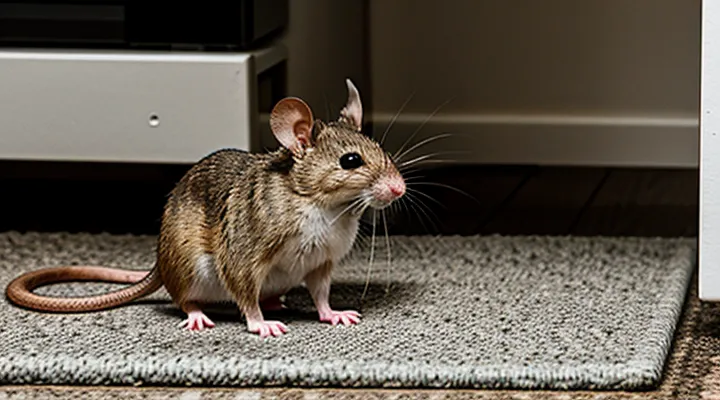
Understanding the Problem: Why Mice Are a Concern in Multi-Apartment Buildings
Health Risks and Damage Caused by Mice
Mice infestation in a multi‑unit residence creates immediate health and structural concerns. Their rapid reproduction and close proximity to human activity increase exposure to hazards that require prompt professional intervention.
- Transmission of pathogens such as Hantavirus, Salmonella, and Leptospira through urine, droppings, and saliva.
- Contamination of stored food and surfaces, leading to food‑borne illness.
- Allergic reactions triggered by rodent dander and urine proteins.
- Increased risk of asthma attacks due to airborne particles from nesting material.
Physical damage caused by rodents compromises building integrity and safety.
- Gnawing of electrical wiring, raising fire hazard.
- Destruction of insulation, reducing energy efficiency.
- Chewing of plumbing seals, causing leaks and mold growth.
- Undermining structural components, including wood framing and drywall.
Recognizing these risks underscores the necessity of contacting qualified pest‑control services, property management, or local health authorities without delay.
Common Entry Points and Attractants in Shared Spaces
Mice infiltrate multi‑unit residences primarily through shared areas that connect individual apartments. Structural gaps, utility penetrations, and improperly sealed openings serve as the main pathways for rodents.
- Openings around pipes, cables, and vent ducts, especially where insulation is missing or damaged.
- Gaps beneath doors and in stairwell thresholds, typically larger than ¼ inch.
- Cracks in exterior walls, foundation seams, and roof eaves that lack caulking or metal flashing.
- Unsealed service chases for elevators, laundry rooms, and HVAC systems.
- Overcrowded or poorly maintained garbage rooms where lids do not close tightly.
Attractants in these communal spaces increase the likelihood of infestation. Food residues, spilled liquids, and improperly stored bulk items provide a reliable food source. Water leaks, condensation, and standing moisture create favorable breeding conditions. Cluttered storage closets and abandoned boxes offer shelter and nesting material. Regular maintenance failures—such as delayed pest‑control inspections, neglected sanitation, and deferred repairs—compound these problems.
Identifying and sealing each entry point, eliminating food and water sources, and enforcing strict housekeeping standards in shared zones reduce rodent activity and simplify the process of obtaining professional assistance when infestations arise.
Initial Steps and Immediate Actions
Documenting the Infestation
Documenting a mouse problem provides the evidence needed to engage building management, property owners, or professional pest‑control services. Record the date and time each sighting occurs, noting the specific apartment number, hallway, basement, or utility area involved. Capture clear photographs of droppings, gnaw marks, nests, or live rodents; include a scale reference such as a ruler or a known object to demonstrate size. Preserve physical samples—droppings in sealed containers, sections of chewed wiring, or damaged food packaging—labeling each with the collection location and date. Maintain a log that lists:
- Observation dates and times
- Exact locations within the building
- Types of evidence collected (photos, samples, damage reports)
- Actions already taken (e.g., traps set, repellents used)
Share the compiled dossier with the landlord or property manager in a single, organized file. If the building’s management does not respond, forward the same documentation to local health‑department inspectors or a licensed exterminator, citing the recorded incidents as the basis for an official inspection or treatment request. The thorough record eliminates ambiguity, accelerates response times, and establishes a clear trail for any future disputes or legal actions.
Informing Neighbors and Building Management
When rodents are detected in a multi‑unit residence, the first responsibility lies with the occupants who discovered the problem. Promptly informing adjacent tenants prevents the infestation from spreading unnoticed. A brief, factual message—identifying the location, date of sighting, and any observable signs—should be circulated through the building’s established communication platform, such as an online portal, email list, or posted notice board. Including a request for fellow residents to report similar observations encourages collective vigilance.
Simultaneously, the building’s management must be alerted through the official maintenance request channel. The report should contain:
- Exact apartment number and common‑area location of the sighting.
- Description of evidence (droppings, gnaw marks, live or dead rodents).
- Date and time of observation.
- Any immediate actions taken (e.g., sealed food containers, set traps).
Providing this data enables the property manager to log the incident, schedule an inspection, and coordinate pest‑control services in accordance with local health regulations.
If the initial response from management is delayed or insufficient, residents should reference the lease agreement or building bylaws that outline pest‑control obligations. Escalation may involve:
- Requesting a written acknowledgment of the complaint.
- Contacting the homeowners’ association board or property‑owner representative.
- Submitting a formal complaint to the municipal health department if the infestation persists.
Documenting each communication—dates, recipients, and content—creates a clear record that supports further action and demonstrates compliance with legal and contractual duties.
Official Channels for Reporting and Resolution
Contacting the Building Management or Homeowners Association (HOA)
Procedures for Reporting Pest Issues
When rodents are observed in a multi‑unit residence, tenants must follow a defined reporting protocol to ensure timely intervention and compliance with building regulations.
First, confirm the presence of mice by visual inspection or evidence such as droppings, gnaw marks, or nesting material. Document the findings with photographs or written notes, noting the exact location (e.g., kitchen cabinet, hallway wall) and the date of observation.
Second, notify the property management or designated maintenance department. Use the official communication channel specified in the lease agreement—typically an online portal, email address, or dedicated phone line. Include the documentation prepared in the first step and request a written acknowledgment of receipt.
Third, if the initial report receives no response within 48 hours, escalate the issue. Contact the building’s on‑site manager or the landlord directly, referencing the original communication and the lack of acknowledgment. Maintain a record of all follow‑up messages.
Fourth, involve local health or housing authorities when the landlord or management fails to act within a reasonable timeframe (usually 7 days). Submit a formal complaint to the appropriate municipal department, attaching all prior correspondence and evidence. Retain copies of the complaint and any reference numbers provided.
Fifth, keep the unit clean to prevent further infestation. Store food in sealed containers, eliminate standing water, and seal entry points such as gaps around pipes or vents. While these measures do not replace professional extermination, they reduce the likelihood of recurrence.
The essential steps can be summarized:
- Verify and document the mouse activity.
- Report through the official lease‑specified channel; obtain acknowledgment.
- Follow up after 48 hours if no response; contact on‑site manager or landlord.
- File a complaint with local authorities after a 7‑day non‑response period.
- Implement basic sanitation and exclusion practices.
Adhering to this procedure ensures that pest concerns are addressed efficiently, protects tenant rights, and maintains the health standards required for shared housing environments.
Understanding Responsibilities of Management/HOA
When mice are observed in an apartment complex, the first point of contact should be the property‑management office or the homeowners’ association. Their duty includes maintaining the building’s structural integrity and overseeing pest‑control measures.
- Inspect and seal entry routes in common corridors, utility rooms, and exterior walls.
- Arrange regular pest‑control service contracts that cover all shared spaces.
- Respond promptly to resident complaints with documented inspections and remediation plans.
- Enforce lease or association rules that prohibit actions creating rodent habitats, such as improper trash storage.
- Provide clear communication channels for reporting and tracking infestation reports.
Residents should submit a written notice describing the sighting, location, and any supporting evidence. The management team must acknowledge receipt, schedule an inspection, and report the outcome. If the response is delayed or inadequate, the tenant may request a written timeline for corrective action and, if necessary, involve the association’s board.
Should internal mechanisms fail, the next recourse involves external agencies. Contact the local health department for code violations, the municipal building‑inspection office for structural deficiencies, or a licensed exterminator authorized to operate in multi‑unit dwellings. These bodies can compel the property owners to meet health and safety standards.
By understanding the specific obligations of the management entity, occupants can direct their efforts efficiently and ensure that rodent issues are addressed through the appropriate institutional channels.
Engaging Professional Pest Control Services
When to Consider Private Pest Control
When rodent activity persists despite building‑wide notifications, tenants may need to engage a private exterminator. This approach is appropriate when the following conditions are met:
- The landlord’s response time exceeds a reasonable period, typically more than 48 hours after a formal complaint.
- Evidence shows that the infestation originates from a specific unit rather than common areas, indicating that the landlord’s general pest‑management plan does not address the source.
- Lease agreements contain clauses permitting tenants to arrange independent pest control after documented attempts to resolve the issue through management.
- The severity of the problem poses immediate health or safety risks, such as contamination of food storage or damage to electrical wiring.
Before hiring a private service, verify that the selected company holds a valid pest‑control license and carries liability insurance. Obtain written confirmation of the treatment plan, including methods, chemicals used, and follow‑up visits. Retain documentation of all communications with the property manager and the contractor; this record supports any future disputes or reimbursement claims.
If the landlord subsequently acknowledges responsibility, request reimbursement for the incurred expenses, providing invoices and proof of the infestation’s impact. In cases where the landlord refuses reimbursement, tenants may pursue resolution through local housing authorities or small‑claims court, using the documented evidence as the basis for their claim.
How to Select a Reputable Exterminator
When mice invade a residential complex, selecting a trustworthy pest‑control professional prevents recurring problems and protects tenants’ health.
- Verify that the company holds a current pest‑control license issued by the appropriate state agency.
- Confirm certifications from recognized organizations such as the National Pest Management Association.
- Ensure the business carries liability insurance and workers’ compensation coverage.
- Look for a track record of servicing multi‑unit properties; at least three years of experience in similar environments is advisable.
Ask for references from other building managers or homeowners’ associations and examine online reviews for patterns of reliability and responsiveness. A solid rating with the Better Business Bureau or similar consumer‑protection groups adds credibility.
Request a written proposal that outlines the inspection process, treatment methods, and safety precautions for occupants and pets. The plan should specify the chemicals or devices used, their regulatory compliance, and any required preparatory steps from residents.
Before signing, read the contract carefully. Confirm that it includes a guarantee period, clear terms for follow‑up visits, and a clause allowing termination if the service does not meet agreed standards. Retain a copy of the agreement for future reference.
Legal and Regulatory Framework
Tenant Rights and Responsibilities Regarding Pests
Tenants have a legal claim to a dwelling free from rodent infestations. When mice are observed, the first responsibility is to notify the landlord or property manager in writing, specifying the location, date of sighting, and any evidence. Documentation creates a record that can be referenced if disputes arise.
Landlords are typically obliged under local housing codes to address pest problems promptly. Their duties include:
- Inspecting the affected unit and common areas.
- Engaging licensed exterminators or pest‑control contractors.
- Implementing preventive measures such as sealing entry points and maintaining sanitation standards.
- Providing written confirmation of corrective actions within a reasonable timeframe.
If the landlord fails to act, tenants may pursue the following options:
- Submit a formal complaint to the municipal health department or building‑code enforcement agency, which can issue citations and order remediation.
- Request mediation through a local tenant‑rights organization, which may negotiate repair timelines or compensation.
- Initiate a repair‑and‑deduct claim, deducting verified repair costs from rent after providing the landlord with notice and an opportunity to fix the issue.
- File a claim in small‑claims court for damages, including loss of use, property damage, or health‑related expenses.
Tenants must also uphold their responsibilities to prevent infestations. Acceptable actions include:
- Storing food in sealed containers and disposing of waste regularly.
- Reporting structural defects, such as cracks or gaps, that could serve as entry points.
- Cooperating with scheduled pest‑control treatments, allowing access to affected areas.
Failure to maintain reasonable cleanliness or to report problems in a timely manner can weaken a tenant’s right to demand remediation. Maintaining clear communication, documented evidence, and adherence to local housing regulations ensures that both parties fulfill their obligations and that rodent issues are resolved efficiently.
Landlord Obligations for Pest Control
Landlords must maintain habitability standards that include effective pest management. State and local housing codes typically require the property owner to prevent and eliminate infestations that threaten health or safety. Failure to address a mouse problem can constitute a breach of the lease and expose the landlord to legal liability.
The landlord’s duties generally cover the following actions:
- Conducting a thorough inspection of common areas and individual units at the start of tenancy and after any reported sightings.
- Promptly hiring a licensed exterminator to assess the extent of the infestation and implement an approved eradication plan.
- Providing tenants with written notice of scheduled treatments, safety precautions, and any required preparation.
- Covering all costs associated with professional pest control, including follow‑up visits until the issue is resolved.
- Repairing structural defects—such as gaps, broken screens, or faulty sealing—that enable rodent entry.
- Keeping records of inspections, treatments, and communications for at least the duration of the tenancy.
Tenants should report mouse activity to the landlord or property manager in writing. The landlord must acknowledge receipt within a reasonable timeframe, usually 24‑48 hours, and initiate remedial measures without undue delay. If the landlord does not act, tenants may contact the local health department, housing authority, or a tenant‑rights organization to enforce compliance.
In jurisdictions where a landlord neglects pest‑control responsibilities, affected residents can file complaints with municipal code‑enforcement agencies or pursue civil action for breach of the implied warranty of habitability. Documentation of the infestation, communication logs, and receipts for any independent pest‑control services strengthen the tenant’s case.
Health and Safety Regulations in Residential Buildings
When rodents are discovered in a multi‑unit residence, health and safety regulations dictate specific responsibilities for owners, managers, and occupants. Local health departments enforce standards that require prompt eradication of pests to prevent disease transmission, structural damage, and contamination of food supplies. Building codes mandate that common areas remain free of infestations, and that any remediation work complies with ventilation, waste‑disposal, and chemical‑use guidelines.
Landlords must comply with housing statutes that obligate them to maintain habitable conditions. Failure to address a mouse problem can constitute a breach of the implied warranty of habitability, exposing the property owner to penalties, fines, or legal action. Tenants have the right to request remediation in writing; landlords must respond within the timeframe prescribed by municipal ordinances, often 24–72 hours for urgent health hazards.
Professional pest‑control operators must hold a valid license and follow integrated pest‑management (IPM) protocols. IPM emphasizes non‑chemical measures, proper sealing of entry points, and monitoring before applying pesticides. Certified technicians must submit a treatment report to the health authority, documenting chemicals used, application dates, and safety precautions.
For immediate assistance, residents should contact:
- Local health department or environmental health office – reports trigger inspections and enforcement actions.
- Building management or property‑management office – initiates internal remediation and coordinates licensed contractors.
- Certified pest‑control service – provides inspection, sealing, and treatment in accordance with regulations.
- Tenant‑rights organization or housing advocacy group – offers guidance on filing complaints and pursuing legal remedies.
If an inspection confirms a violation, the health department may issue a notice of correction, impose fines, or, in severe cases, order temporary relocation of affected occupants until the infestation is resolved. Compliance documentation, such as inspection reports and contractor invoices, should be retained by both landlords and tenants as evidence of remedial action.
Preventing Future Infestations
Best Practices for Residents
Food Storage and Waste Management
Proper food storage and waste management are essential components of any strategy to control rodent activity in a multi‑unit dwelling. Secure containers with tight‑fitting lids prevent mice from accessing pantry items, while regular removal of food residues eliminates attractants. Residents should keep all consumables in sealed, non‑plastic bins that resist gnawing, and store bulk supplies on elevated shelves away from walls.
Effective waste handling requires coordinated effort between tenants, building administration, and municipal services. Trash should be placed in sturdy, rodent‑proof bags and deposited in sealed dumpsters that feature locked lids or foot‑operated doors. Collection schedules must be adhered to, and any overflow or damaged containers should be reported immediately to prevent food sources from accumulating.
For guidance and enforcement of these practices, occupants can contact:
- Property management office – responsible for inspecting storage areas, providing approved containers, and arranging pest‑control contracts.
- Local health department – offers regulations on food safety, conducts inspections, and can issue citations for non‑compliance.
- Licensed exterminator – can assess the building’s sanitation setup, recommend upgrades, and implement preventive treatments.
- Municipal waste authority – supplies information on proper disposal methods, dumpster maintenance, and emergency pickup services.
Prompt communication with these entities ensures that food and waste protocols remain effective, reducing the likelihood of mouse infestations throughout the complex.
Sealing Entry Points Within Apartments
Mice gain access to apartments through gaps, cracks, and unsealed openings. Identifying and sealing these entry points reduces infestation risk and limits the need for external pest‑control services.
Inspect walls, floors, and ceilings for openings larger than a quarter‑inch. Pay special attention to areas around pipes, electrical conduits, ventilation ducts, and window frames. Use a flashlight to reveal hidden cracks behind baseboards and in closets.
Apply appropriate sealants:
- Expandable polyurethane foam for gaps around plumbing and wiring.
- Silicone caulk for narrow cracks in tile, plaster, or drywall.
- Steel wool or copper mesh packed into larger holes before applying foam, preventing mice from chewing through.
- Weather‑stripping around doors and windows to eliminate gaps when closed.
After sealing, verify the work by checking for residual openings and re‑applying material as needed. Regularly maintain seals, especially after renovations or repairs, to keep the apartment barrier intact.
Building-Wide Prevention Strategies
Regular Inspections and Maintenance
Regular inspections form the first line of defense against rodent incursions in multi‑unit residences. Building managers should schedule visual checks of common areas, utility rooms, and exterior perimeters at least quarterly. Inspectors must verify that trash containers are sealed, entry points such as cracks and gaps are sealed, and vegetation is trimmed away from building foundations.
Maintenance crews must address identified deficiencies promptly. The following actions should be taken during each inspection cycle:
- Seal openings larger than ¼ inch with steel wool, caulk, or metal flashing.
- Repair damaged screens, vent covers, and door sweeps.
- Ensure that garbage chutes and dumpsters are cleaned and equipped with tight‑fitting lids.
- Trim shrubs, trees, and vines that contact the building envelope.
- Verify that water‑drainage systems function correctly to eliminate standing moisture.
When an inspection reveals evidence of mice—droppings, gnaw marks, or nesting material—immediate escalation is required. Contact the property’s designated pest‑control contractor, provide a detailed report of findings, and request an urgent treatment plan. If the building lacks a contract, the manager should engage a licensed exterminator with experience in multi‑family settings.
For persistent problems, the building’s owners’ association may consult the local health department or housing authority. These agencies can conduct compliance audits, issue remediation orders, and, if necessary, enforce penalties for inadequate pest‑management practices.
Consistent inspection schedules, rapid maintenance response, and clear lines of communication with professional pest‑control services together create a systematic approach that minimizes mouse activity and protects resident health.
Community Cleanliness Initiatives
When rodents are discovered in a multi‑unit residence, effective response begins with organized cleanliness efforts. Residents who participate in regular waste‑removal schedules, shared hallway inspections, and prompt reporting of spills reduce food sources that attract mice. Community‑wide sanitation programs also create a clear chain of responsibility, making it easier for management to identify problem areas and act quickly.
If infestation signs appear, the following contacts should be engaged without delay:
- Building superintendent or property manager – initiates on‑site inspection and coordinates pest‑control contracts.
- Residents’ association board – records complaints, communicates preventive measures, and allocates budget for cleaning supplies.
- Local health department – provides guidelines on acceptable sanitation standards and may conduct inspections if complaints persist.
- Licensed pest‑control firm – performs trapping, baiting, and structural sealing; many firms offer emergency service for multi‑family buildings.
Successful mitigation relies on two parallel actions: immediate professional intervention and sustained community cleanliness. Residents can reinforce professional work by adhering to agreed‑upon waste‑disposal rules, keeping personal storage areas sealed, and participating in quarterly hallway clean‑up drives organized by the association. Consistent application of these practices limits rodent resurgence and ensures a healthier living environment for all occupants.