
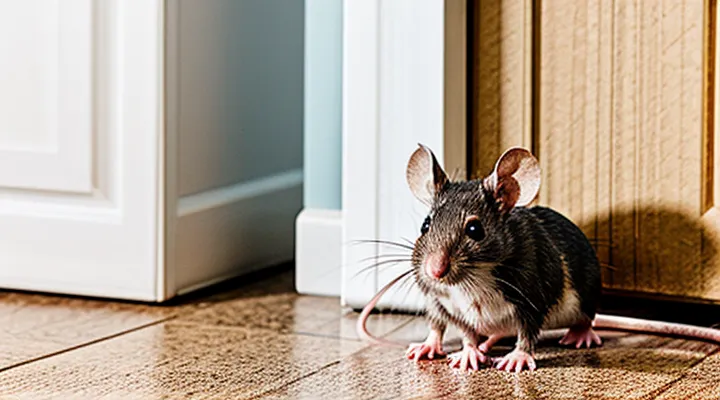
Recognizing a Mouse Infestation
Signs of Mice in Your Apartment
Droppings and Urine Stains
Droppings and urine stains are the most visible signs of a rodent problem in a residential unit. Fresh droppings appear as small, dark pellets about the size of a grain of rice, while older deposits turn black and crumble. Urine stains are often invisible to the naked eye but can be detected by a faint ammonia odor or by using a blacklight, which makes the stains fluoresce.
These residues pose health risks because they can carry pathogens such as hantavirus, salmonella, and leptospirosis. Direct contact or inhalation of dust contaminated with dried droppings may lead to respiratory issues. Prompt identification and removal are essential to prevent contamination of food surfaces, fabrics, and ventilation systems.
When droppings or urine are discovered, the following sources should be contacted for professional assistance:
- Property management or landlord: Notify immediately; they are typically responsible for arranging pest‑control services under lease agreements.
- Licensed exterminator: Choose a company certified for rodent control, requesting an inspection, trapping plan, and thorough sanitization.
- Local health department: Report severe infestations; they can conduct inspections and enforce remediation standards.
- Tenant‑rights organization: Obtain guidance on legal obligations of the landlord and steps to ensure timely remediation.
Each contact should be provided with clear evidence of droppings or urine stains, including photographs or sample locations, to expedite the response and ensure appropriate treatment.
Gnaw Marks
Gnaw marks indicate that rodents are actively chewing on materials such as wood, plastic, wiring, or food packaging. Their presence confirms a mouse problem that cannot be resolved by simple cleaning.
Typical locations include baseboards, cabinet doors, behind appliances, and along wall voids. Marks appear as shallow, crescent‑shaped bites or deep gouges with fresh, reddish edges. Repeated gnawing enlarges holes, allowing mice to enter new areas and increasing the risk of contamination.
Professional intervention is required because gnaw marks signal structural damage, potential electrical hazards, and the spread of pathogens. Ignoring these signs often leads to escalating infestations and costly repairs.
Resources for assistance:
- Apartment complex management or maintenance staff, who can arrange on‑site treatment under lease agreements.
- Licensed pest‑control firms; verify certification and request a written inspection report.
- Local health department; they offer guidance, inspection services, and may enforce remediation standards.
- Tenant‑rights organizations; they provide advice on landlord responsibilities and legal recourse.
- Online directories such as the National Pest Management Association’s “Find a Professional” tool; filter by city and service type.
Contact at least two of these options promptly to assess the extent of damage, implement exclusion measures, and schedule eradication treatments.
Scratching Noises
Scratching noises in walls, ceilings, or floorboards often indicate the presence of mice moving through concealed pathways. The sound typically occurs at night when rodents are most active, and it may be accompanied by gnaw marks, droppings, or a faint odor of urine. Identifying the exact location of the noise helps pest‑control professionals target entry points and nesting sites efficiently.
When the source of the scratching is confirmed as a rodent problem, the following channels provide reliable assistance for tenants in an apartment setting:
- Building management or landlord: submit a written request for inspection and remediation; many lease agreements obligate the owner to address pest issues promptly.
- Certified pest‑control service: choose a company licensed by the state’s Department of Agriculture or Environmental Protection; request a written estimate and guarantee of treatment.
- Local health department: file a complaint if the landlord fails to act; the agency can conduct inspections and enforce housing‑code compliance.
- Tenant‑rights organization: obtain guidance on legal recourse, including possible rent‑withholding procedures or lease termination options.
Documenting the scratching incidents—date, time, and location—strengthens the case when communicating with any of these resources. Prompt reporting reduces the risk of structural damage, disease transmission, and escalation of the infestation.
Unpleasant Odors
Unpleasant odors often signal a hidden mouse problem in a rental unit. The smell may arise from urine, feces, or dead rodents concealed behind walls, under appliances, or in storage areas. Detecting the source quickly prevents health risks and property damage.
To address odor-related concerns, residents should consider the following resources:
- Landlord or property manager: Notify immediately; they are responsible for pest control and remediation under most lease agreements.
- Local housing authority: Provides guidelines and may intervene if the landlord fails to act promptly.
- Licensed extermination services: Professional pest control companies specialize in thorough cleaning, disinfection, and odor elimination.
- Public health department: Offers inspection services and can enforce sanitary standards in multi‑unit buildings.
- Tenant‑rights organizations: Advise on legal options and can assist in filing complaints or pursuing repairs.
When contacting any service, describe the odor’s location, intensity, and any visible signs of infestation. Provide photographs if possible. Prompt documentation supports faster response and ensures that remediation includes both pest removal and thorough decontamination.
Initial Steps for Apartment Dwellers
Contacting Your Landlord or Property Management
Contacting the landlord or property‑management office is the first formal step when a mouse problem appears in a rental unit. Lease agreements typically assign pest control responsibility to the property owner, and local housing codes may require prompt remediation. Prompt notification protects both the tenant’s health and the landlord’s liability.
- Record evidence: take photos or videos of mouse activity, note locations and dates.
- Notify in writing: send an email or certified letter that includes the evidence, describes the severity, and requests a pest‑control response within a reasonable timeframe (e.g., 48–72 hours).
- Keep copies: retain the original message and any replies for future reference.
- Follow up: if the landlord does not act, send a reminder referencing the initial request and any applicable lease clauses or local regulations.
If the landlord arranges treatment, verify that a licensed exterminator performs the work and that follow‑up inspections are scheduled. Should the response be inadequate, tenants may file a complaint with the local housing authority or seek legal counsel to enforce the landlord’s obligations. Maintaining clear, documented communication ensures accountability and expedites resolution of the infestation.
Documenting the Infestation
Documenting a mouse problem provides concrete evidence that speeds the response of landlords, pest‑control firms, or municipal agencies.
- Record the date and time of each sighting.
- Capture clear photographs of droppings, gnaw marks, nests, and any live or dead rodents.
- Note the exact locations (e.g., kitchen cabinet, bathroom baseboard) and describe the conditions that may attract mice, such as food residue or water sources.
- Preserve physical samples, such as droppings or nesting material, in sealed containers for possible laboratory analysis.
Organize the data in a simple log: a table with columns for date, time, location, description, and attached image file names. Store digital files in a dedicated folder on a cloud service or external drive to prevent loss.
When contacting building management, professional exterminators, or the local health department, attach the log and visual evidence. The compiled record demonstrates the severity of the infestation, justifies urgent action, and serves as a reference for follow‑up inspections.
Maintaining thorough documentation also protects tenants by establishing a clear timeline, which can be useful in disputes over lease obligations or reimbursement for repairs.
Temporary Measures You Can Take
Removing Food Sources
In an apartment, mice survive by exploiting unsecured food. Eliminating those resources is a prerequisite for any professional intervention and reduces the likelihood of re‑infestation.
- Store dry goods in airtight containers; metal or heavy‑wall plastic is preferred.
- Transfer pet food to sealed bins and remove leftovers after each meal.
- Clean countertops, tables, and floors promptly; sweep crumbs and wipe spills.
- Dispose of garbage daily in bins with tight‑fitting lids; keep outdoor dumpsters away from building entrances.
- Seal pantry shelves, cabinets, and any openings larger than a quarter inch with steel wool or caulk.
When contacting building management, a resident‑run pest‑control service, or an independent exterminator, technicians will inspect the unit. A kitchen free of accessible nutrients allows them to focus on structural entry points and nesting sites, accelerating eradication. Tenants who demonstrate proactive food‑source removal often receive priority scheduling and reduced treatment costs.
Maintain the practice by establishing a weekly cleaning routine, rotating pantry inventory, and inspecting storage containers for damage. Consistent denial of food access sustains the effectiveness of professional measures and prevents future mouse activity.
Sealing Entry Points
Sealing entry points is the most effective first step when addressing a mouse problem in a rental unit. Identify all possible openings—gaps around pipes, vent covers, baseboards, door frames, and window seals. Use a flashlight and a mirror to inspect hard‑to‑see areas. Close each gap with materials that mice cannot gnaw through, such as steel wool combined with caulk, metal flashing, or rigid foam sealant. For larger openings, install hardware cloth or sheet metal backed by expanding foam.
- Apply steel wool to narrow cracks, then cover with silicone caulk.
- Fit metal flashing over gaps around utility lines; secure with screws.
- Use copper mesh (¼‑inch) to cover vent openings before re‑installing vent covers.
- Seal baseboard gaps with rigid foam sealant, smoothing the surface for painting.
- Reinforce door sweeps and weather stripping; replace damaged sections.
After sealing, verify the work by running a thin piece of string through each repaired area; if it catches, the seal is intact. Maintaining these barriers prevents re‑entry and reduces the need for repeated professional interventions. If gaps reappear or you encounter structural damage, contact the building manager or a licensed pest‑control service for further assessment and remediation.
Professional Extermination Services
What to Expect from a Pest Control Professional
A pest‑control professional will first conduct a thorough inspection of the apartment, locating entry points, nesting sites, and signs of activity. The inspection includes checking wall voids, cabinets, and utility spaces where mice commonly travel.
During the inspection the technician records:
- Types of evidence found (droppings, gnaw marks, tracks)
- Possible structural vulnerabilities (gaps, cracks, unsealed vents)
- Existing sanitation conditions that may attract rodents
Based on the findings, the professional presents a written treatment plan. The plan specifies the control methods to be used—such as bait stations, snap traps, or exclusion devices—and explains how each method complies with local health regulations. The document also includes a timeline for implementation and a schedule for follow‑up visits.
Safety measures are addressed explicitly. The technician details:
- Placement of baits out of reach of children and pets
- Use of low‑toxicity products approved for residential settings
- Recommendations for temporary relocation of food items
Cost information is provided before any work begins. The estimate lists labor, materials, and any required permits. Guarantees or warranties for the service are outlined, indicating the duration of coverage and conditions for additional visits if activity persists.
After treatment, the professional conducts a post‑service inspection to verify effectiveness. This includes checking trap catches, monitoring bait stations, and confirming that entry points have been sealed. A final report summarizes results and offers advice for long‑term prevention, such as regular waste management and routine sealing of potential access points.
Choosing the Right Exterminator
Licensing and Certification
Professional pest‑control operators who address rodent problems in rental housing must hold a valid state or local license. The license confirms that the provider has completed mandated training, passed examinations, and complies with regulations governing pesticide use, safety protocols, and waste disposal. Without it, the service may be illegal, and liability for property damage or health risks can fall on the tenant or landlord.
Certification supplements licensing by demonstrating specialized expertise. Certified technicians often belong to recognized organizations such as the National Pest Management Association (NPMA) or the International Pest Control Association (IPCA). These credentials indicate adherence to industry best practices, ongoing education, and commitment to ethical standards.
Key sources of licensing and certification information include:
- State department of agriculture or health agency websites, which list active pest‑control licenses and renewal requirements.
- Municipal licensing bureaus, which may impose additional city‑specific permits.
- Professional association directories, which allow searches for certified members by zip code.
- Consumer protection portals that provide alerts about unlicensed operators.
Before hiring, verify the provider’s license number through the issuing authority’s online database. Request a copy of any certification card and confirm its current status. Ensure the technician’s scope of work covers indoor rodent control, not just exterior services. Documentation of proper licensing and certification protects residents, property owners, and insurers from non‑compliant pest‑management practices.
Experience with Apartment Buildings
Apartment residents often encounter rodent issues that require coordinated action with building structures. Management offices typically hold contracts with licensed exterminators; contacting the superintendent or property manager initiates the formal response. The building’s maintenance staff can verify entry points, seal gaps, and schedule treatment, ensuring compliance with local housing regulations.
- Building management: request the official pest‑control provider, obtain documentation of scheduled visits, and confirm follow‑up inspections.
- Local health department: file a complaint to trigger mandatory inspections and possible fines for non‑compliant landlords.
- Independent pest‑control companies: verify credentials, request a written estimate, and ensure treatment methods meet building‑wide policies.
- Tenant associations: share experiences, recommend reliable contractors, and negotiate collective service agreements.
- Online rental forums: locate reviews of regional exterminators, assess response times, and compare service costs.
Effective resolution depends on understanding the lease terms that outline landlord responsibilities for pest management. Tenants should retain copies of all communications, photographs of damage, and receipts for any professional services engaged. Coordinated reporting through the building’s administrative channels accelerates remediation and minimizes recurrence.
Treatment Methods and Safety
Effective mouse control in a residential unit requires a combination of targeted treatment and strict safety protocols. Professional exterminators bring expertise in species identification, placement of bait stations, and compliance with local health regulations. Their services include:
- Inspection of all rooms, closets, and utility spaces to locate activity signs.
- Installation of tamper‑resistant bait containers that limit access by children and pets.
- Application of rodenticides according to label directions, with documentation of dosage and placement.
- Follow‑up visits to assess efficacy and adjust the strategy as needed.
For residents who opt for self‑managed interventions, the following methods are permissible when executed with caution:
- Snap traps positioned along walls, behind appliances, and near known pathways; set with a trigger force calibrated to the mouse’s size.
- Live‑capture traps equipped with ventilation holes; release captured animals at least 100 meters from the building to prevent re‑entry.
- Glue boards placed in concealed locations; handle with disposable gloves and dispose of adhered rodents in sealed bags.
- Rodenticide pellets or blocks placed in locked bait stations; never leave unsecured bait on countertops or floors.
Safety considerations apply to every approach:
- Wear disposable gloves and, if necessary, a mask when handling traps or poisons.
- Keep all toxic products out of reach of children and non‑target animals; store in original containers with clear labeling.
- Ventilate the area after applying any chemical agent; avoid direct inhalation of dust or fumes.
- Document the locations of all devices to prevent accidental contact during cleaning or maintenance.
- Conduct a thorough sealing of entry points—cracks, gaps around pipes, and vent openings—using steel wool, caulk, or hardware cloth to deny future access.
Combining professional assessment with responsible DIY practices yields the most reliable eradication while safeguarding occupants and the surrounding environment.
Prevention and Long-Term Solutions
Maintaining a Clean Environment
A tidy living space reduces food sources and shelter for rodents, making infestation control more effective.
- Store dry goods in sealed containers.
- Dispose of waste in covered bins and remove it regularly.
- Clean countertops, floors, and appliances after each meal.
- Repair cracks, gaps, and broken screens that allow entry.
- Keep pantry shelves organized to spot spills promptly.
Before contacting external assistance, ensure the apartment meets basic hygiene standards. Cleaned areas simplify inspection, allow technicians to identify entry points accurately, and improve treatment outcomes.
Professional resources include:
- Building management or landlord, who can arrange pest‑control services under lease agreements.
- Licensed exterminators, reachable through local business directories or online review platforms.
- Municipal health or housing agencies, which provide inspection services and guidance on compliance with regulations.
- Tenant‑rights organizations, offering advice on landlord responsibilities and dispute resolution.
Utilizing these channels together with a disciplined cleaning routine maximizes the likelihood of rapid eradication and long‑term prevention.
Sealing Potential Entry Points
Cracks in Walls and Floors
Cracks in walls and floors provide entry points and nesting sites for mice, making them a critical focus when addressing a rodent problem in an apartment. Identify visible gaps larger than a quarter‑inch, especially around baseboards, utility penetrations, and under door thresholds. Seal minor openings with steel wool and caulk; larger fissures require professional repair to prevent re‑infestation.
When cracks are discovered, contact the appropriate parties promptly:
- Building manager or landlord: request inspection and repair of structural defects; document the issue in writing.
- Certified pest‑control service: arrange a treatment plan that includes sealing of entry points and placement of traps or bait stations.
- Maintenance staff: schedule remediation of damaged drywall, flooring, or foundation elements.
- Local health department: report persistent infestations that jeopardize habitability; request an inspection if the landlord fails to act.
Maintain records of all communications, photographs of the cracks, and receipts for repairs. Providing this evidence accelerates response times and ensures accountability from property owners and service providers.
Gaps Around Pipes
Gaps around plumbing, HVAC ducts, and drainage pipes create direct pathways for rodents to enter an apartment. Even a few millimeters of space can accommodate a mouse, allowing it to travel from walls, basements, or external vents into living areas.
Inspecting these openings requires a flashlight and a flexible mirror. Look for:
- Openings at pipe penetrations through walls or floors
- Unsealed joints around water supply lines
- Cracks surrounding vent shafts and exhaust fans
- Gaps where cables or cables pass through pipe sleeves
Sealing these passages reduces the likelihood of reinfestation and supports ongoing pest‑control efforts. Effective materials include steel wool, copper mesh, silicone caulk, or expanding foam designed for rodent exclusion.
When gaps are identified, professional assistance is advisable. Contact:
- Certified pest‑management companies that offer inspection and exclusion services
- Building‑maintenance staff or property‑management offices, which can arrange repairs under lease agreements
- Licensed plumbers for pipe‑related sealing, especially where water lines are involved
- Local health‑department inspectors, who can verify compliance with housing codes
Promptly reporting the issue to the landlord or management office initiates the repair process. If the response is delayed, hiring an independent pest‑control provider ensures that the gaps are properly sealed and that any existing mouse activity is eliminated.
Regular Inspections
Regular inspections are a fundamental component of any strategy to control rodent activity in a rental dwelling. Professional pest‑control firms, property‑management offices, and local health‑department inspectors all offer scheduled visits that can identify early signs of mouse presence before an infestation escalates.
A typical inspection routine includes:
- Visual examination of kitchens, bathrooms, and storage areas for gnaw marks, droppings, and nesting material.
- Inspection of entry points such as gaps around pipes, vents, and doors; sealing these openings reduces future ingress.
- Evaluation of food storage practices; unsecured containers and spills create attractants that inspections can highlight.
- Documentation of findings in a written report, providing tenants and landlords with a clear record of observed conditions and recommended actions.
Tenants should request inspections at least quarterly, or more frequently if prior reports indicate recurring activity. Property managers can arrange these visits through licensed exterminators, while residents may also contact municipal rodent‑control programs that often provide free or low‑cost assessment services.
Consistent inspection schedules create a feedback loop: each visit confirms whether previous mitigation measures remain effective and informs any additional steps required. Maintaining this cycle helps ensure that mouse problems are detected early, addressed promptly, and prevented from re‑establishing in the apartment environment.
Collaborating with Neighbors
Coordinating with other residents can speed the resolution of a mouse problem in a rental building. Share sightings and evidence with neighbors to identify the extent of the infestation. When multiple units report activity, management is more likely to prioritize professional extermination.
Form a simple communication channel—such as a group chat or a shared spreadsheet—to log dates, locations, and types of damage. This record provides concrete data for landlords or property managers, making it easier to request a qualified pest‑control service.
Consider collective action when negotiating with the building owner. A group request for a licensed exterminator often results in faster scheduling and may reduce individual costs if the provider offers a bulk discount.
If the building has a homeowners’ association or tenant council, present the compiled information at the next meeting. Formal petitions, signed by several tenants, carry weight and can compel the management to act promptly.
Maintain a consistent cleaning routine across all involved units. Encourage neighbors to store food in sealed containers, dispose of waste regularly, and seal entry points. Uniform habits reduce available food sources and shelter, limiting mouse activity throughout the building.