
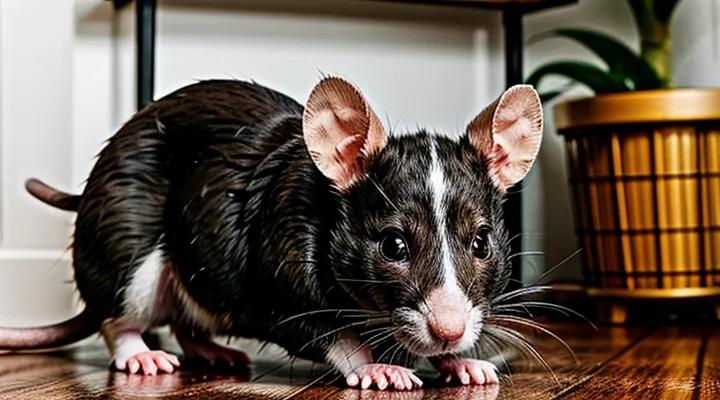
Understanding the Need to Rehome a Rat
Common Reasons for Rehoming
Behavioral Challenges
Domestic rats often present specific behavioral issues that can affect both shelter environments and prospective caretakers. Understanding these challenges enables shelters to match rats with suitable homes and prepares adopters for successful integration.
Common behavioral challenges include:
- Aggression toward cage mates, typically triggered by limited space or competition for resources.
- Excessive gnawing, which may damage enclosure components and pose safety risks.
- Fearful responses to handling, resulting in prolonged stress and potential health complications.
- Scent marking and territorial spraying, leading to unpleasant odors and hygiene concerns.
- Inconsistent activity cycles, with heightened nocturnal activity that can disturb owners unaccustomed to night‑time motion.
Shelters mitigate aggression by conducting multi‑rat compatibility tests and providing enrichment items that reduce competition. Gnawing is managed through the provision of appropriate chew toys and durable cage materials. To address fear of handling, staff employ gradual desensitization techniques, allowing rats to acclimate to human contact before adoption. Scent marking is minimized by maintaining clean bedding, regular cage cleaning, and offering multiple nesting sites. Finally, shelters educate adopters on the rat’s crepuscular nature, recommending quiet nighttime environments and scheduled play periods.
Prospective owners should assess their ability to accommodate these behaviors before committing. Key considerations include the availability of secure, spacious housing; willingness to engage in daily enrichment; and readiness to maintain strict hygiene protocols. By evaluating these factors, adopters increase the likelihood of a stable, low‑stress relationship with their new pet rat.
Owner Life Changes
When a pet rat must be rehomed, the owner’s personal circumstances often drive the decision. Employment relocation, housing restrictions, health concerns, or financial strain can create an immediate need for a reliable placement. Understanding how each change influences the search for an appropriate shelter helps ensure the animal’s welfare and reduces stress for the caretaker.
- Relocation to a non‑pet‑friendly residence – requires a quick transfer to a facility that accepts small rodents and provides quarantine.
- New medical condition or disability – limits the owner’s ability to provide daily care, making a shelter with experienced staff essential.
- Job loss or reduced income – eliminates the budget for premium pet supplies, prompting the choice of a low‑cost adoption program.
- Expanded family or additional pets – increases the risk of disease transmission, necessitating a shelter with strict health screening.
Potential shelter options include dedicated rodent rescues, university veterinary clinics that run adoption programs, and reputable animal shelters that list small‑animal intake on their websites. Each venue typically requires a completed intake form, proof of the rat’s health status, and a brief description of its temperament. Providing this documentation accelerates placement and matches the rat with a suitable new owner.
Prospective adopters benefit from clear communication about the rat’s background, dietary needs, and enrichment preferences. By presenting this information promptly, the current owner facilitates a smoother transition and minimizes the likelihood of return or neglect. The process, while driven by the owner’s life changes, ultimately safeguards the rat’s quality of life through careful coordination with knowledgeable caretakers.
Health Issues of Owner or Rat
Health considerations directly influence the decision to rehome a pet rat. Prospective shelters and adopters must evaluate both the animal’s condition and the caretaker’s medical status to prevent disease transmission and ensure proper care.
- Respiratory infections (Mycoplasma pulmonis, Streptococcus spp.) often require isolation and antibiotic therapy before placement.
- Gastrointestinal parasites (coccidia, pinworms) demand fecal examination and antiparasitic treatment.
- Skin disorders (mange, fungal dermatitis) necessitate topical or systemic medication and environmental decontamination.
- Chronic conditions such as renal insufficiency or cardiovascular disease limit a rat’s ability to thrive in high‑stress environments.
Owner health issues that affect rat ownership include:
- Immunocompromised states (HIV, chemotherapy, organ transplantation) increase susceptibility to zoonotic pathogens.
- Allergies to rodent dander or urine may cause respiratory irritation or dermatitis.
- Respiratory illnesses (asthma, chronic bronchitis) can be aggravated by exposure to rat aerosols.
- Psychological conditions that impair consistent handling or hygiene practices pose risks to the animal’s welfare.
Mitigation measures require veterinary clearance for the rat, documentation of any ongoing treatments, and a health questionnaire for prospective adopters. Shelters should enforce quarantine protocols, provide sanitization guidelines, and match rats with owners whose medical profiles support safe, sustainable care.
Navigating Rehoming Options
Animal Shelters and Rescues
Researching Rat-Friendly Facilities
When seeking a home for a pet rat, systematic research of rat‑friendly facilities prevents misplacement and ensures animal welfare. Begin by identifying organizations that explicitly accept rodents. Search online directories, such as local animal‑control listings, humane society databases, and specialty rodent rescue groups. Verify each entry by reviewing the organization’s website for a clear policy on rat intake, housing standards, and veterinary support.
Key criteria for evaluating a potential shelter include:
- Species policy – documented acceptance of rats, not merely “small mammals.”
- Enclosure standards – cages meeting minimum size, ventilation, and enrichment requirements.
- Health protocols – routine health checks, quarantine procedures, and access to a veterinarian experienced with rodents.
- Staff expertise – personnel with demonstrable knowledge of rat behavior, nutrition, and social needs.
- Adoption process – screening of prospective owners, education materials, and post‑adoption follow‑up.
Contact each facility directly. Request written confirmation of rat‑specific policies, ask for recent inspection reports, and inquire about the average length of stay for rats. Record responses in a comparison table to highlight strengths and gaps.
Finally, consult community resources. Participate in rodent‑focused forums, social‑media groups, and local pet‑owner clubs. Members often share recent experiences with shelters, recommend reputable rescues, and can alert you to temporary foster networks when formal shelters lack capacity. Cross‑reference these anecdotal insights with the documented criteria to form a reliable shortlist of destinations for a domestic rat’s transition.
What to Expect During the Surrender Process
When you decide to surrender a pet rat, the process follows a predictable sequence that shelters use to protect both the animal and future adopters.
First, contact the shelter. Provide the rat’s species, age, health status, and any special care requirements. Shelters typically request recent veterinary records and a brief history of the animal’s behavior.
During the intake visit, staff will:
- Verify identification details on a standardized form.
- Conduct a physical examination to assess current health.
- Place the rat in a quarantine area for a minimum of 48 hours to monitor for illness.
After the health check, the shelter completes paperwork that includes:
- An adoption release form signed by the surrendering party.
- Documentation of any vaccinations or treatments administered.
- A fee schedule, if applicable, covering processing and quarantine costs.
Once the rat clears quarantine, the shelter updates its internal database and posts the animal for adoption. The organization may contact the former owner for follow‑up questions or to confirm the surrender’s completion. Some facilities also offer resources such as behavioral counseling or referrals to other rescue groups if the surrender decision changes.
Questions to Ask a Shelter
When you consider rehoming a pet rat, the shelter’s policies and practices determine the animal’s chances of a successful transition. Direct inquiries reveal how the organization handles small‑animal intake, health screening, and placement.
- Does the shelter accept domestic rats, and are there any breed or age restrictions?
- What health assessments are performed on incoming rats, and are vaccinations or parasite treatments required?
- How long does the shelter retain a rat before deeming it adoptable, and what is the typical adoption timeline?
- What criteria does the shelter use to match rats with prospective owners?
- Are there post‑adoption follow‑up procedures, such as check‑ins or support resources?
- What fees, if any, are associated with the intake and adoption process?
- How does the shelter manage quarantine, and what conditions are provided during that period?
- Can you obtain documentation of the rat’s medical history and any prior treatments?
- Who is responsible for daily care (feeding, cleaning, enrichment) while the rat is in the shelter?
- Are there opportunities for the current owner to observe the rat’s environment before final transfer?
Answers to these questions clarify the shelter’s capacity to meet a rat’s specific needs and help you select an organization that aligns with responsible animal care standards.
Finding New Owners Directly
Online Platforms and Social Media
Finding a suitable destination for a pet rat often begins with digital resources. Dedicated rescue websites aggregate shelters that accept small rodents, provide intake guidelines, and list current availability. Examples include RatRescue.org, SmallPetAdoption.com, and regional animal‑welfare portals that feature searchable filters for species, location, and health requirements.
Social media expands outreach beyond formal listings. Facebook groups such as “Rat Adoption & Rescue” or “Small Mammal Lovers” enable direct contact with experienced owners and foster communities that share intake forms, transport advice, and post‑adoption support. Instagram hashtags (#ratadoption, #ratrescue) surface recent listings and allow prospective adopters to assess temperament through posted videos. Reddit communities (r/Rats, r/AnimalRescue) host threads where users post detailed profiles, negotiate transfers, and solicit feedback from members who have previously rehomed rats.
Effective online transactions follow a few safeguards:
- Verify the organization’s registration or affiliation with a recognized animal‑welfare authority.
- Request recent health records, vaccination status, and a video of the rat in its current environment.
- Arrange a video call to observe behavior and confirm the prospective caretaker’s knowledge of rat care.
- Use tracked shipping services or arrange in‑person handover with a signed transfer agreement.
By leveraging specialized adoption platforms and targeted social‑media networks, owners can locate reputable shelters or connect with qualified individuals, ensuring a humane and responsible transition for the animal.
Networking with Rat Communities
Networking with rat enthusiasts provides reliable pathways for rehoming a pet rat. Established online forums host dedicated threads where members exchange shelter contacts, adoption policies, and health guidelines. Local meet‑ups allow face‑to‑face introductions, enabling potential adopters to assess temperament and receive caretaker advice directly from experienced owners. Rescue groups maintain databases of verified recipients and can facilitate transfers, reducing administrative hurdles.
Key actions for effective networking include:
- Search for rat‑focused communities on platforms such as Reddit, Facebook, and specialized pet forums.
- Join discussion threads, introduce the rat, and request recommendations for reputable shelters or foster programs.
- Attend regional rodent meet‑ups or hobbyist conventions; exchange contact information with attendees who have successfully adopted rats.
- Contact rescue organizations via email or phone, providing details on the rat’s age, health status, and temperament.
- Post a concise adoption notice in community boards, highlighting the rat’s personality traits and care requirements.
These steps create direct links to individuals and institutions prepared to accept a domestic rat, ensuring a smooth transition to a new home. Veterinary professionals advise confirming that prospective adopters understand dietary needs, enrichment, and veterinary care, which community members typically reinforce through shared resources and mentorship.
Screening Potential Adopters
Screening potential adopters ensures that rescued rats enter safe, stable homes. The process begins with a written application that captures basic information: adopter’s name, address, contact details, and living situation. Follow the checklist below to verify suitability.
- Verify residence type (apartment, house) and confirm that the environment is rat‑friendly (no predators, secure cages, no toxic plants).
- Confirm that all household members, including children, understand rat care requirements and consent to the adoption.
- Require at least one reference from a veterinarian, animal‑care professional, or longtime pet owner who can attest to the applicant’s reliability.
- Conduct a brief interview to assess knowledge of rat nutrition, enrichment, and disease prevention. Ask for specific examples of daily routines and handling practices.
- Request proof of rent or home ownership to ensure the adopter can maintain a permanent space for the animal.
- Perform a home visit or request recent photographs of the intended living area, focusing on cage placement, ventilation, and cleanliness.
- Check for any existing pets that could pose a threat or compete for resources; document compatibility plans if other small mammals are present.
- Confirm that the adopter has a contingency plan for emergencies, including access to a local veterinarian and a backup caregiver.
After gathering documentation, evaluate each criterion against a predefined scoring system. Applicants meeting the minimum threshold receive approval; those falling short are either denied or asked to address specific deficiencies. Maintaining detailed records of each screening step creates accountability and facilitates follow‑up checks, reinforcing long‑term welfare for the adopted rat.
Preparing Your Rat for Rehoming
Health Check-ups and Documentation
Veterinary Records
Veterinary documentation is a critical component of any rat transfer, whether to a rescue facility or a private adopter. Accurate records enable shelters to assess health status, plan quarantine, and provide appropriate care, while giving new owners confidence in the animal’s medical background.
Essential elements of a rat’s health file include:
- Species‑specific health history
- Dates and results of any vaccinations or immunizations (if administered)
- Details of parasite control measures, including dates of treatment
- Records of illnesses, injuries, surgeries, or chronic conditions
- Behavioral observations relevant to handling or socialization
- Identification of the attending veterinarian and contact information
Shelters typically request a complete copy of these documents before accepting a rat. Upon receipt, they file the records in a centralized database, cross‑reference them with intake forms, and forward relevant sections to prospective adopters during the placement process. This practice ensures compliance with local animal welfare regulations and supports continuity of care.
Prospective owners should review the provided paperwork thoroughly. Confirm that all entries are dated and signed, ask the shelter or previous caregiver for clarification on any ambiguous notes, and retain the original documents for future veterinary visits. Maintaining an updated file reduces the risk of missed health interventions and facilitates prompt response to emerging medical issues.
Spaying/Neutering Considerations
Spaying or neutering a domestic rat before placement in a shelter or transfer to a new owner reduces the risk of reproductive cancers and prevents unwanted litters. Most reputable rat rescue organizations require the procedure as a condition of acceptance, ensuring that all incoming animals are sterilized before adoption.
Key considerations include:
- Timing: Ideal age for sterilization is between 8 and 12 weeks, when the rat is physically mature enough for anesthesia but before sexual maturity develops.
- Health assessment: A veterinary examination should confirm the rat is free of respiratory infections, parasites, or severe weight loss, which could increase surgical risk.
- Procedure: Sterilization is performed under general anesthesia with a small incision; recovery typically lasts 24–48 hours with minimal pain management.
- Cost: Fees vary by clinic; many shelters negotiate reduced rates or offer vouchers to offset expenses for owners or foster volunteers.
- Post‑operative care: Rats need a warm, quiet environment, soft bedding, and monitoring for signs of infection or loss of appetite. Food and water should be readily accessible, and handling should be limited for the first 24 hours.
- Legal and ethical obligations: Some municipalities mandate sterilization for all rodents kept as pets, and compliance avoids potential fines or restrictions on rehoming.
Shelters that incorporate spaying/neutering into their intake protocols report higher adoption stability, as sterilized rats exhibit fewer aggressive or territorial behaviors. Prospective owners should be informed of the procedure’s benefits and required follow‑up before finalizing the adoption.
Behavioral Assessments
Behavioral assessments provide shelters with objective data to determine a rat’s suitability for adoption, identify potential health risks, and match the animal with an appropriate caretaker. Evaluators observe responses to handling, social interaction, and environmental changes, recording frequency of aggression, fear, and exploratory behavior. Results guide placement decisions, ensuring that a rat’s temperament aligns with the expectations of prospective owners.
Key components of a comprehensive assessment include:
- Response to human contact – measures calmness during gentle restraint, willingness to accept food from a hand, and tolerance of brief confinement.
- Social dynamics – evaluates interaction with conspecifics, noting dominance hierarchies, compatibility, and signs of stress when housed together.
- Problem‑solving ability – tests curiosity and adaptability by presenting novel objects or maze sections, documenting navigation speed and hesitation.
- Stress indicators – records vocalizations, grooming frequency, and escape attempts under mild disturbances such as cage cleaning or loud noises.
Data from these observations are compiled into a standardized report that shelters share with interested adopters. The report outlines temperament categories (e.g., confident, shy, territorial) and provides specific care recommendations, such as preferred cage enrichment, handling frequency, and compatible cage mates. By relying on measurable behavior, shelters reduce the likelihood of returns and promote long‑term welfare for both the rat and the new household.
Assembling Essential Supplies
Cage and Accessories
When a pet rat is being rehomed, the cage it will occupy determines the animal’s health and comfort. Choose a cage that meets the following criteria: minimum floor area of 2 sq ft per rat, solid-bottom construction, and easy access for cleaning. Wire cages with a solid base prevent foot injuries and allow for efficient waste removal; acrylic or plastic enclosures provide visibility but must be ventilated to avoid humidity buildup. Ensure the cage dimensions allow for vertical enrichment—rattles, climbing branches, and hammocks—because rats spend considerable time off the ground.
Essential accessories complement the cage and support a smooth transition to a new environment:
- Water bottle with stainless‑steel nozzle, sealed to prevent leaks.
- Food dish made of ceramic or heavy‑plastic, stable on the cage floor.
- Hideout such as a wooden tunnel or PVC tube, placed in a quiet corner.
- Chewable items (natural wood blocks, untreated cardboard) to satisfy gnawing instinct and protect cage bars.
- Bedding of paper‑based or aspen shavings, changed at least twice weekly.
- Exercise wheel with a solid running surface, sized no smaller than 8 in. diameter to avoid spinal strain.
- Cleaning tools: scraper, mild disinfectant safe for rodents, and a dedicated brush for debris removal.
For shelters, select stackable cages that conform to standardized dimensions, allowing efficient storage and transport. Modular designs enable quick assembly and disassembly, reducing labor during intake and adoption processes. Provide a starter kit containing the items listed above; it reduces the burden on new owners and promotes consistent care standards across adoption sites.
When communicating with prospective adopters, supply a checklist of cage requirements and accessory inventory. Clear specifications eliminate ambiguity, accelerate placement, and ensure the rat’s environment remains stable from shelter to home.
Food and Treats
When a domestic rat is transferred to a shelter or a new caretaker, nutrition must align with the animal’s physiological needs and the facility’s feeding protocols. Shelters typically provide a balanced grain‑based pellet as the staple diet, supplemented with fresh vegetables and occasional protein sources. New owners should continue this regimen to prevent digestive disturbances and support growth.
Recommended items for daily feeding include:
- Commercial rat pellets formulated for laboratory or pet use
- Fresh leafy greens: kale, romaine lettuce, spinach (washed, chopped)
- Non‑citrus fruits: apple slices, blueberries, banana pieces (limited to prevent sugar overload)
- Small protein portions: boiled egg white, cooked chicken breast, mealworms (once or twice a week)
Treats for enrichment and reward should be low‑fat, low‑sugar, and offered in moderation. Acceptable treats consist of:
- Unsalted sunflower seeds (no more than a few per session)
- Dried peas or lentils (rehydrated)
- Small pieces of whole‑grain cereal without added sugar
Facilities may impose additional restrictions based on health‑status monitoring; compliance ensures the rat’s diet remains consistent throughout the transition.
Comfort Items
Comfort items ease the transition for a rescued rat, reducing stress and encouraging natural behaviors. Providing familiar textures and secure hiding places helps the animal adjust quickly to a new environment.
Typical comfort items include:
- Soft nesting material such as shredded paper or untreated tissue.
- Chewable objects made from untreated wood, natural sisal rope, or safe mineral blocks.
- Small enclosed shelters, like PVC tubes or wooden houses, that allow privacy.
- Fabric blankets or fleece squares that retain warmth and scent.
- Gentle enrichment toys, for example, cardboard tunnels or puzzle feeders, to stimulate exploration.
Shelters should maintain a stock of these items, rotate them regularly to keep the environment fresh, and ensure all materials are free of chemicals, glue, or synthetic fibers that could harm the rat’s health. Cleaning protocols must be applied after each use to prevent disease transmission.
When a rat moves to a new owner, the caretaker should supply a starter kit containing the essential items listed above. The kit should also include a brief guide on cleaning frequency, safe chew options, and how to monitor the rat’s interaction with each item for signs of stress or injury. This preparation streamlines the hand‑over process and supports the rat’s well‑being from shelter to permanent home.
Ethical Considerations and Best Practices
Ensuring a Smooth Transition
Providing Detailed Information to New Owners
New owners require precise guidance to ensure a smooth transition for a rescued domestic rat. The information below outlines shelter sources, essential preparation steps, and ongoing care considerations.
-
Shelter sources:
-
Preparation checklist:
- Verify the rat’s health status through a veterinary assessment; request vaccination and parasite‑treatment records.
- Establish a quarantine period of at least two weeks in a separate enclosure to monitor for illness.
- Install a secure cage with appropriate dimensions, solid flooring, and enrichment items such as tunnels, chew toys, and nesting material.
- Provide a balanced diet consisting of certified rat pellets, fresh vegetables, and occasional protein treats; ensure constant access to clean water.
- Introduce gentle handling sessions daily to build trust and reduce stress.
- Schedule a follow‑up veterinary visit within one month to confirm adaptation and address any health concerns.
-
Ongoing care resources:
- Contact local rodent‑savvy veterinarians for routine examinations.
- Join online forums or social‑media groups focused on rat husbandry for peer support and troubleshooting.
- Refer to reputable publications and guidelines from veterinary colleges for updates on nutrition, disease prevention, and enrichment strategies.
Adhering to these steps equips new owners with the knowledge necessary to provide a safe, healthy environment for their adopted rat, facilitating long‑term wellbeing and responsible ownership.
Gradual Introduction to a New Environment
When a domestic rat is transferred to a shelter or a new caretaker, a step‑by‑step acclimation process minimizes stress and supports health. The animal experiences unfamiliar scents, sounds, and handling; a controlled introduction allows physiological adaptation and reduces the risk of aggression or illness.
Begin with a short quarantine period in a clean cage separate from existing residents. Include bedding, toys, and a water bottle that the rat used previously; familiar objects provide sensory anchors. After 24–48 hours, place the cage within the main enclosure but keep the door closed. Observe the rat’s behavior for signs of anxiety—excessive grooming, vocalization, or refusal to eat.
If the rat shows calm exploration, proceed to a supervised, limited‑time interaction with the new owner or shelter staff. During these sessions:
- Keep handling gentle and brief (5–10 minutes).
- Offer favorite foods to encourage positive association.
- Record any changes in appetite, droppings, or activity level.
After several successful sessions, extend the duration of free roaming within the enclosure, always monitoring social dynamics with other rats. A gradual increase from isolated housing to full integration typically spans 3–7 days, adjusted for the individual’s temperament. Continuous health checks by veterinary staff ensure that the transition does not compromise immunity or trigger disease.
Post-Adoption Follow-Up
After a rat leaves a shelter or is handed to a new caretaker, the adoption process does not end. Timely follow‑up confirms that the animal adapts to its environment, identifies health issues early, and reinforces responsible ownership.
Shelters should schedule a check‑in within 7–10 days of placement. A brief phone call or email can verify feeding routines, cage setup, and social behavior. If problems arise, staff can provide targeted advice or arrange a veterinary appointment. A second contact at 30 days assesses long‑term adjustment and gathers feedback for future placements.
New owners benefit from a structured follow‑up plan. Recommended actions include:
- Record daily observations of appetite, activity, and waste; report deviations promptly.
- Maintain a clean cage, replace bedding regularly, and monitor temperature and humidity.
- Schedule an initial health exam with a small‑animal veterinarian within two weeks.
- Keep a log of interactions with other pets to detect stress or aggression.
Effective post‑adoption communication strengthens the bond between shelter, rat, and caretaker, reduces return rates, and promotes the welfare of future adoptees.
Avoiding Common Pitfalls
Preventing Abandonment
Pet rats are often abandoned because owners underestimate the responsibilities of long‑term care. Preventing this outcome begins with realistic expectations before acquisition. Research lifespan, dietary needs, social requirements, and veterinary options; verify that the household can meet these demands for at least three years.
Document a care plan that includes daily interaction, enrichment, and a backup arrangement for illness or travel. Identify a reliable caretaker—family member, friend, or professional pet‑sitting service—who can assume responsibility if the primary owner becomes unable to provide care.
When the decision to rehome a rat arises, follow a structured process to reduce the risk of abandonment:
- Assess health status; obtain a recent veterinary check‑up and vaccination record if applicable.
- Compile a concise profile covering age, temperament, diet, and any special needs.
- Contact local rodent rescue groups, animal shelters with small‑animal programs, or experienced rat enthusiasts; provide the profile and request a screening interview.
- Arrange a neutral meeting place for the rat and prospective adopter; observe handling skills and environment suitability.
- Require a written commitment that outlines feeding schedule, cage size, and routine veterinary care.
Educate potential adopters on the rat’s social nature; recommend a same‑sex companion to prevent loneliness and related health issues. Supply starter supplies—cage accessories, appropriate bedding, and a recommended food brand—to facilitate a smooth transition.
Maintain a post‑adoption follow‑up schedule: check in after one week, one month, and three months to confirm the rat’s adjustment and address emerging concerns. This ongoing support reinforces responsible ownership and lowers the likelihood of future abandonment.
Educating Potential Owners on Rat Care
Educating prospective rat owners is essential for successful re‑homing of rescued animals. Proper knowledge reduces stress for the rat, lowers the risk of illness, and increases the likelihood of a stable, long‑term partnership.
Rats require a balanced diet, suitable enclosure, regular health checks, social interaction, and mental stimulation. Each component supports physiological health and behavioral well‑being.
- Provide a mix of high‑quality pellets, fresh vegetables, and occasional protein treats; avoid sugary or processed foods.
- Use a cage of at least 2 ft × 1 ft × 1 ft with solid flooring, multiple levels, and secure ventilation; line the floor with paper bedding, not cedar or pine.
- Schedule weekly inspections for signs of respiratory issues, skin lesions, or abnormal behavior; consult a veterinarian experienced with small rodents at the first indication of illness.
- Keep rats in same‑sex pairs or small groups to fulfill their social nature; solitary housing should only occur under veterinary supervision.
- Offer chew toys, tunnels, and climbing structures to encourage natural foraging and exploration; rotate items regularly to maintain interest.
Owners should also learn proper handling techniques: approach calmly, support the rat’s hindquarters, and avoid sudden movements. Consistent, gentle interaction builds trust and reduces defensive biting.
Understanding these fundamentals equips new caretakers to provide a safe, enriching environment, ensuring that donated rats transition smoothly from shelter to home.
Recognizing Red Flags in Adopter Applications
Adopter screening protects the welfare of rescued rats and maintains shelter credibility. Evaluating applications reveals potential problems before a rat enters a new home.
- Inconsistent personal information, such as mismatched addresses or phone numbers, suggests false identity.
- Lack of prior experience with small‑animal care, without a clear plan for learning, indicates insufficient preparation.
- Unwillingness to sign a contract that outlines responsibilities, health monitoring, and return policies signals avoidance of accountability.
- Requests for multiple rats without a justification of space, enrichment, or financial capacity raise concerns about overcrowding.
- History of neglect or abandonment of pets, documented through references or shelter records, is a strong warning sign.
- Vague or evasive answers to questions about diet, enclosure cleaning, or veterinary care reveal limited commitment.
- Immediate demand for a discount or free supplies may reflect financial instability or unrealistic expectations.
When a red flag appears, the shelter should:
- Request clarification or additional documentation to verify the applicant’s statements.
- Conduct a follow‑up interview, preferably in person or via video, to assess sincerity and knowledge.
- Contact provided references, including previous veterinarians or landlords, for corroboration.
- Offer a trial period with a short‑term foster arrangement, allowing observation of the adopter’s handling skills.
- Document all findings in the adoption file and, if necessary, decline the application with a brief, factual explanation.
Maintaining rigorous vetting procedures reduces the risk of re‑homing failures, safeguards animal health, and upholds the shelter’s reputation as a responsible placement agency.