
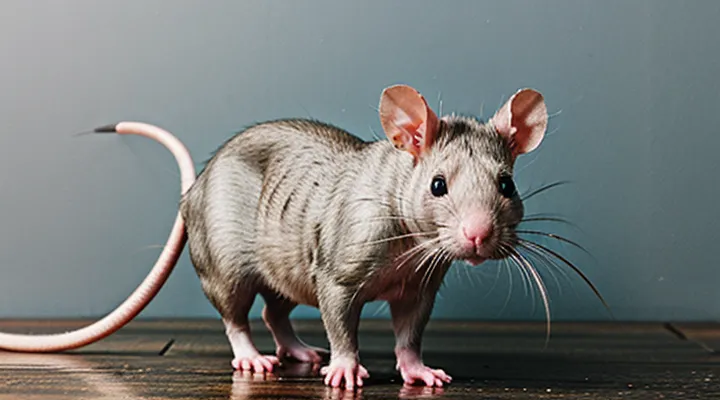
Understanding Hairless Rats
What Makes Them Unique
Hairless rats stand out due to their bare skin, which reveals vascular patterns and offers a tactile experience unlike fur‑covered varieties. Their skin lacks the protective barrier of hair, requiring controlled humidity and regular moisturisation to prevent dryness or injury. The absence of fur makes them ideal subjects for scientific observation of skin conditions, as any changes are immediately visible.
Physiologically, hairless rats exhibit a higher metabolic rate, often resulting in a slightly increased appetite and faster weight fluctuations. Their thermoregulation relies heavily on environmental temperature; ambient warmth must be maintained within a narrow range to avoid hypothermia. Consequently, prospective owners must provide heat sources and monitor ambient conditions continuously.
Behaviorally, these rats display heightened curiosity and a propensity to explore tactilely, compensating for the loss of visual camouflage provided by fur. Their social nature remains consistent with standard rat behavior—forming bonds, engaging in grooming, and exhibiting playfulness—yet they may be more sensitive to handling pressure, demanding gentle interaction.
Key considerations for prospective purchasers:
- Verify breeder’s commitment to skin‑care protocols (e.g., regular moisturising regimens).
- Ensure housing includes temperature regulation (heat pads or climate‑controlled enclosures).
- Confirm availability of veterinary support familiar with hairless rodent health issues.
- Assess the breeder’s record of genetic health, focusing on reduced incidence of skin lesions and respiratory problems.
Understanding these distinctive traits equips buyers to meet the specific care requirements and to appreciate the unique sensory and scientific value hairless rats provide.
Common Misconceptions
Potential owners often encounter inaccurate beliefs while searching for a hairless rat. These myths can lead to poor decisions, unnecessary expenses, or unhealthy pets.
-
Misconception: Hairless rats are inexpensive because they lack fur.
Reality: Breeding, specialized care, and limited supply keep prices comparable to coated varieties. -
Misconception: Any pet store will have hairless rats in stock.
Reality: Reputable breeders, exotic‑pet specialists, or certified online sellers are the primary sources; mainstream retailers rarely carry them. -
Misconception: Hairless rats require no grooming.
Reality: Their exposed skin needs regular cleaning, moisturizing, and protection from drafts to prevent dermatitis. -
Misconception: All hairless rats are genetically identical.
Reality: Multiple strains exist, each with distinct health profiles and temperament traits. -
Misconception: Purchasing from an unknown online seller guarantees a healthy animal.
Reality: Lack of health guarantees, inadequate quarantine, and unknown breeding conditions increase risk of illness.
Understanding these facts prevents costly errors and promotes the welfare of the animal. Prospective buyers should verify breeder credentials, request health documentation, and assess after‑sale support before finalizing a transaction.
Reputable Sources for Hairless Rats
Ethical Breeders
What to Look For in a Breeder
A reputable breeder of hairless rats demonstrates consistent health standards. Healthy animals exhibit clear eyes, clean furless skin, active behavior, and regular weight gain. Breeders should provide veterinary records, including vaccination and parasite treatments, for each litter.
Documentation of the breeding program is essential. Look for a written genetic plan that avoids inbreeding, records parentage, and outlines any known hereditary issues. Breeders who can trace lineage back several generations show commitment to genetic integrity.
Housing conditions reflect care quality. Inspect the breeding environment for proper ventilation, temperature control, and sanitation. Enclosures must be spacious enough for movement, equipped with enrichment, and cleaned regularly.
Communication practices indicate professionalism. A breeder should respond promptly to inquiries, supply detailed care instructions, and offer post‑sale support. Transparency about pricing, return policies, and quarantine procedures prevents misunderstandings.
Consider the breeder’s reputation. Verify reviews from previous customers, check membership in recognized small‑animal societies, and confirm that the breeder adheres to local animal welfare regulations.
- Health records and veterinary documentation
- Clear genetic and lineage information
- Clean, well‑maintained breeding facilities
- Responsive, transparent communication
- Positive customer feedback and regulatory compliance
Questions to Ask a Breeder
When looking to acquire a hairless rat, thorough vetting of the breeder prevents health problems and ensures ethical practices. Direct questioning reveals the breeder’s standards, the animals’ condition, and the support you can expect after purchase.
- What health screening protocols are used for the breeding colony?
- How often are veterinary examinations performed, and are records provided?
- What is the genetic background of the rats, and are any hereditary conditions disclosed?
- What quarantine measures are in place before new litters are released?
- Are the parents available for viewing, and can you observe their behavior?
- What diet and enrichment are offered to the rats from birth?
- How are the rats socialized, and what handling experience do they receive?
- What guarantees or return policies accompany the sale?
- Are you offered guidance on housing, nutrition, and veterinary care after purchase?
- Can you obtain references from previous customers?
Ask for documentation that confirms each answer, such as health certificates, breeding logs, and photos of the facility. A breeder who provides clear, detailed information demonstrates competence and responsibility, making the transaction reliable.
Animal Shelters and Rescues
Benefits of Adoption
Adopting a hairless rat instead of purchasing one from a commercial source offers measurable advantages. Rescue facilities often provide animals that have already received veterinary care, reducing the risk of inherited health problems. Adoption fees typically cover spaying or neutering, initial vaccinations, and a health guarantee, lowering overall expense compared to buying from a breeder.
- Immediate availability of a vetted animal
- Lower initial cost, with medical services included
- Ethical support for organizations that rescue rodents
- Reduced demand for breeding operations that may prioritize profit over welfare
- Opportunity to give a home to an animal that might otherwise face euthanasia
Adoption also contributes to population control within the pet trade. By selecting a rescued hairless rat, owners help decrease the number of animals bred solely for sale, aligning personal responsibility with broader animal‑rights objectives. The process often includes counseling on proper care, ensuring new owners are prepared for the specific needs of a hairless rat, such as temperature regulation and skin hygiene. These factors combine to make adoption a pragmatic, humane, and financially sound choice for prospective rat owners.
How to Find Local Rescues
Finding a reputable source for a hairless rat begins with locating local animal rescue organizations. Rescues often have rodents available for adoption, providing healthier, socialized animals and reducing demand from commercial breeders.
Start by searching online directories that list wildlife and exotic‑pet rescues in your region. Websites such as the National Exotic Animal Rescue Network, state‑specific humane societies, and local shelter databases allow filtering by species. Enter “hairless rat” or “nude rat” as keywords to narrow results.
Contact each identified rescue directly. Ask whether they currently house hairless rats, the intake process, and any required health screenings. Request documentation of veterinary checks, quarantine procedures, and temperament assessments. Reliable rescues will provide clear answers and may have a waiting list.
Visit the facilities in person when possible. Observe the animals’ living conditions, cleanliness, and enrichment. Verify that staff demonstrate knowledge of rodent care, including diet, grooming, and environmental needs. A transparent environment indicates responsible management.
Maintain records of communications, intake forms, and adoption contracts. Ensure the contract specifies the animal’s health status, any pending vaccinations, and a return policy if the rat proves unsuitable for your household.
By systematically researching directories, confirming species availability, evaluating rescue practices, and documenting the adoption process, you can secure a hairless rat from a trustworthy local source.
Less Recommended Options
Pet Stores
Concerns with Pet Store Animals
When seeking a hairless rat, the quality of the animal’s origin is a primary factor. Pet stores often source rodents from large-scale breeders or wholesale distributors, which can mask health problems and compromise genetic diversity. A thorough assessment of the supplier’s reputation reduces the risk of acquiring an ill‑sized or poorly socialized pet.
Key concerns include:
- Health screening – Verify that the animal has undergone veterinary examination, parasite treatment, and vaccination where applicable. Absence of documentation suggests inadequate care.
- Breeding conditions – Evaluate cage density, sanitation standards, and enrichment provisions. Overcrowded environments increase stress‑related illnesses and aggressive behavior.
- Quarantine practices – Confirm that new arrivals are isolated for a minimum of two weeks before exposure to other animals. Lack of quarantine allows disease transmission.
- Record keeping – Request lineage information and any previous health incidents. Transparent records indicate responsible breeding and facilitate future veterinary care.
Potential buyers should also consider the store’s return policy and after‑sales support. A clear guarantee for health issues within a defined period provides recourse if the rat develops conditions not apparent at purchase.
Overall, diligent inquiry into these aspects ensures a healthier, more adaptable hairless rat and minimizes the drawbacks commonly associated with generic pet‑store offerings.
Online Marketplaces
Risks of Buying Online
Purchasing a hairless rat through an internet marketplace introduces several specific hazards that can compromise animal welfare and buyer expectations.
- Health uncertainty: Sellers often provide limited veterinary documentation, making it difficult to verify the absence of hereditary disorders or parasites.
- Fraudulent listings: Unverified vendors may misrepresent the animal’s age, breed, or origin, leading to mismatched expectations or illegal transactions.
- Shipping stress: Extended transit times, temperature fluctuations, and inadequate containment increase the risk of injury, dehydration, and shock.
- Legal compliance: Some jurisdictions restrict the sale or transport of exotic rodents; online transactions may bypass required permits or inspections.
- Return and warranty limitations: Many platforms offer no guarantee of health or breed authenticity, leaving buyers without recourse if the rat arrives sick or misidentified.
- Incomplete care information: Online sellers frequently omit detailed husbandry guidelines, causing new owners to miss critical dietary, environmental, or enrichment requirements.
Evaluating these factors before finalizing an online purchase helps ensure that the animal arrives healthy, legally, and with adequate support for proper care.
Preparing for Your New Pet
Essential Supplies
Before acquiring a hairless rat, secure the basic equipment that ensures health, safety, and hygiene. The items listed below constitute the minimum requirement for a responsible owner.
- Sturdy, escape‑proof cage with a secure latch and smooth interior surfaces to prevent skin injury.
- Soft, absorbent bedding made from paper or aspen; avoid cedar or pine, which release harmful oils.
- Fresh water bottle with a stainless‑steel spout, inspected daily for leaks and cleaned with mild detergent.
- High‑quality rodent chow formulated for hairless varieties, supplemented with fresh vegetables such as carrots or leafy greens.
- Small enrichment toys (e.g., chew blocks, tunnels) to promote mental stimulation and prevent boredom.
- Gentle, hypoallergenic grooming wipes for periodic skin cleaning; do not use soaps or alcohol‑based products.
- Temperature‑stable environment maintained between 68–75 °F (20–24 °C) and humidity around 40–60 %; a thermostatically controlled heating pad may be necessary in colder climates.
- Veterinary contact information for a specialist experienced with exotic rodents; schedule a health check within two weeks of arrival.
Acquiring these supplies ahead of time eliminates delays and reduces stress for both animal and owner, establishing a foundation for responsible care.
Housing Considerations
When acquiring a hairless rat, the enclosure must meet specific spatial and environmental standards. Minimum floor area should be 1 ft² per animal; a group of three requires at least 3 ft², with a height of 12 inches to allow vertical movement. Solid-bottom cages prevent foot injuries and simplify cleaning; wire floors are unsuitable for hairless breeds.
Ventilation is critical. Mesh panels on three sides provide airflow while protecting against drafts. A removable top facilitates routine cleaning and inspection. Temperature must remain between 68 °F and 78 °F; supplemental heating is unnecessary if the room temperature stays within this range. Humidity should not exceed 55 % to avoid skin irritation.
Bedding material influences skin health. Use paper-based or aspen shavings; avoid pine, cedar, and scented products that contain volatile oils. Provide a nest box lined with plain cotton fibers for warmth and privacy. Replace bedding weekly and spot‑clean daily to control odor and parasites.
Enrichment items support mental stimulation. Include chew toys made of untreated wood, tunnels, and climbing platforms positioned at varying heights. Rotate accessories weekly to maintain interest. Ensure all objects are free of sharp edges and chemicals.
Regular maintenance preserves enclosure integrity. Inspect cage joints for wear, tighten screws quarterly, and replace damaged components promptly. A sealed, leak‑proof water bottle eliminates spillage and reduces humidity fluctuations.
By adhering to these parameters, the habitat will promote the health, comfort, and longevity of a hairless rat.
Diet and Nutrition
When you acquire a hairless rat, nutrition determines the animal’s health and longevity. The diet must contain adequate protein, fiber, fat, vitamins, and minerals, and fresh water should be available at all times.
- Protein: 18‑20 % of daily calories; sources include high‑quality rodent pellets, cooked chicken, boiled egg whites, and occasional mealworms.
- Fiber: 5‑7 % of calories; provided by plain oatmeal, wheat bran, and small amounts of fresh vegetables such as carrots or broccoli.
- Fat: 4‑6 % of calories; included in commercial pellets and occasional seeds or nuts in limited quantities.
- Vitamins and minerals: guaranteed by fortified pellets; supplement with a few drops of a reptile‑safe multivitamin if the rat shows signs of deficiency.
Feeding schedule should consist of two measured portions per day, divided evenly to prevent overconsumption. Food must be stored in airtight containers to preserve freshness and prevent contamination. Clean the feeding area daily to reduce the risk of bacterial growth.
Commercially available rodent mixes formulated for hairless breeds provide a reliable base. Recommended brands include Oxbow Essentials, Mazuri Rodent Chow, and Kaytee Forti‑Diet. Complement the base diet with fresh, pesticide‑free produce, offered in small, bite‑size pieces. Avoid citrus fruits and high‑sugar items, which can cause digestive upset.
Regular health checks—weight measurement, coat condition, and activity level—guide dietary adjustments. An increase in weight may require reduced portions or higher fiber content; a loss of weight signals the need for additional protein or caloric enrichment.
Veterinary Care
When acquiring a hairless rat, securing veterinary care before the transaction is essential. Request a recent health certificate from the breeder or seller; the document should list any observed illnesses, parasite treatments, and the date of the last veterinary examination. Verify that the animal has been examined by a professional familiar with exotic rodents, as general practitioners may overlook species‑specific issues.
A qualified veterinarian will assess the rat’s respiratory system, skin condition, and dental alignment. Hairless varieties lack protective fur, making them prone to skin infections and dehydration; a thorough physical exam can identify early signs of dermatitis, ulcers, or temperature regulation problems. The vet should also evaluate weight, activity level, and behavior to confirm normal development.
Routine care includes:
- Quarterly health checks to monitor organ function and detect hidden ailments.
- Scheduled parasite control, focusing on mites and lice common in dense housing.
- Guidance on a balanced diet rich in protein, fiber, and essential vitamins, reducing the risk of nutritional deficiencies.
- Recommendations for environmental enrichment that mitigates stress and supports immune health.
If the seller cannot provide veterinary documentation, consider postponing the purchase until a qualified professional can examine the rat. Establishing a relationship with an experienced exotic‑pet veterinarian before the animal arrives ensures prompt treatment of any condition and supports long‑term wellbeing.