
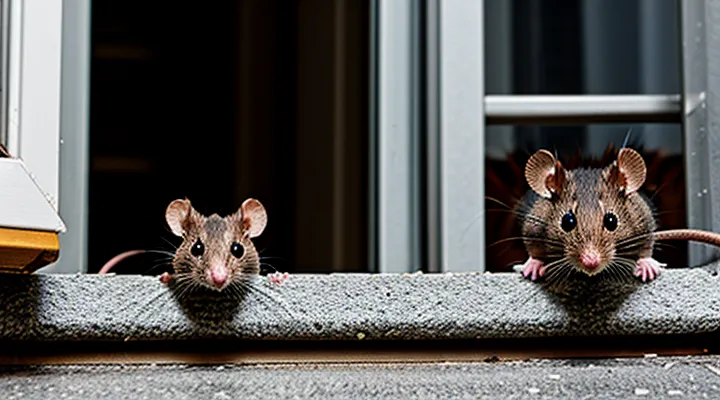
Why Mice Enter Buildings
Search for Food
Mice in multi‑unit residences rely on accessible food to sustain their populations. Their foraging behavior concentrates on areas where human activity leaves edible residues, moisture, or shelter.
Kitchens provide the most consistent supply. Crumbs on countertops, spills on the floor, and food left uncovered in cabinets attract rodents. Behind refrigerators, under stoves, and inside dishwashers create hidden pathways to stored provisions. Pantries and pantry shelves, especially those lacking airtight containers, serve as primary caches.
Building‑wide facilities contribute additional resources. Garbage chutes and communal trash rooms often contain partially sealed bags that emit odors detectable by rodents. Recycling bins, basement storage closets, and utility rooms may hold discarded packaging, pet food, or spilled liquids. Leaky pipes in these areas create damp environments that facilitate movement and increase food availability.
- Kitchen countertops and floor edges
- Cabinet interiors and pantry shelves
- Behind and beneath appliances (refrigerator, stove, dishwasher)
- Garbage chute openings and trash‑room containers
- Recycling bins and basement storage closets
- Utility rooms with leaked water sources
Effective control programs target these locations. Sealing entry points, using airtight containers, and maintaining cleanliness in communal waste areas reduce the food sources that sustain mouse activity throughout the building.
Search for Water
In multi‑unit residences, rodents persist where water is accessible. Identifying and eliminating these sources is essential for effective control.
Inspect plumbing fixtures for drips. Examine under sinks, behind toilets, and around shower enclosures. Look for corrosion or mineral deposits that indicate slow leaks. Verify that faucet aerators are not clogged, which can cause constant seepage.
Check appliances that use water. Ensure dishwashers, washing machines, and ice makers are sealed properly. Examine hoses for cracks or loose connections. Observe the floor beneath each unit for pooling or discoloration.
Survey common‑area installations. Roof penetrations, balcony railings, and exterior wall joints often develop cracks that admit rainwater. Inspect fire‑sprinkler heads and pipe runs for condensation or corrosion.
Assess storage and waste areas. Garbage disposals, recycling bins, and pet feeding stations may retain moisture. Keep containers dry and sealed.
Use a systematic approach:
- Visual scan of all visible piping and fixtures.
- Moisture meter readings on walls, ceilings, and floors.
- Infrared camera inspection to locate hidden damp spots.
- Verification of drainage slopes and venting systems.
Eliminate identified leaks promptly, replace damaged components, and maintain regular inspections. Consistent removal of water sources reduces the likelihood of rodent activity throughout the building.
Search for Shelter
Mice locate shelter in multi‑family residences by exploiting structural gaps and concealed spaces that provide protection, stable temperature, and proximity to resources. Typical sites include:
- Wall cavities and seams between drywall and insulation
- Spaces behind baseboards, crown molding, and trim
- Utility shafts such as electrical conduit, plumbing chases, and HVAC ducts
- Areas beneath flooring, especially carpet padding and laminate underlayment
- Storage rooms, closets, and pantry corners where food residues accumulate
- Basement and crawl‑space voids, including joist bays and foundation cracks
- Attic insulation, roof trusses, and eaves where heat rises
- Behind or beneath appliances—refrigerators, dishwashers, and washing machines—that offer warmth and moisture
Mice prefer locations offering limited disturbance and easy access to food or water. Cracks larger than ¼ inch, unsealed openings around pipes, and gaps around vent fans serve as entry points and pathways to these shelters. Evidence of occupancy—droppings, gnaw marks, shredded material, and urine odor—indicates active use.
Effective management begins with systematic inspection of the listed areas, sealing entry points with steel wool, caulk, or metal mesh, and eliminating attractants. Regular maintenance of structural integrity and prompt repair of water leaks reduce the appeal of these habitats, discouraging mice from establishing nests within the building.
Escaping Predators
Mice inhabiting multi‑unit residential structures rely on rapid, concealed movement to evade natural and human‑introduced predators. The complex layout of corridors, utility shafts, and wall cavities creates a network of escape routes that mice exploit instinctively. When a predator such as a cat, owl, or professional trapper enters a hallway, the rodent detects vibrations, scent, or sudden shadows and immediately seeks refuge in the nearest concealed space—often a gap behind a dishwasher, a vent opening, or the space between floor joists.
Key escape tactics include:
- Immediate retreat into vertical gaps (e.g., pipe chases) that predators cannot follow.
- Use of overlapping pathways that allow a change of direction without exposure.
- Exploitation of temporary obstacles (e.g., stacked boxes) to block line‑of‑sight.
- Rapid entry into insulated cavities where temperature differences mask movement.
These behaviors reduce predator success rates and increase mouse persistence in densely populated housing blocks. Understanding the specific architectural features that facilitate such escapes informs effective pest‑management strategies without relying on broad, non‑specific measures.
Common Entry Points for Mice
Cracks and Gaps in Foundations
Cracks and gaps in building foundations create direct pathways for mice to enter multi‑unit residential structures. These openings compromise the integrity of the building envelope, allowing rodents to move from the soil and crawl spaces into interior spaces.
Typical locations where foundation defects facilitate mouse access include:
- Horizontal cracks along the perimeter slab, especially near utility penetrations.
- Vertical fissures around foundation walls where moisture has caused shrinkage.
- Gaps surrounding pipe sleeves, vent stacks, and electrical conduit entries.
- Unsealed expansion joints between concrete sections.
- Openings at the interface of the foundation and basement walls, often overlooked during renovation.
Each defect serves as a conduit for rodents, providing shelter, food sources, and routes to multiple apartments. Sealing these openings with appropriate materials—such as hydraulic cement, steel wool, or metal flashing—prevents infiltration and reduces the likelihood of mouse activity throughout the building. Regular inspection of foundation continuity, especially after settlement or water intrusion events, is essential for maintaining a rodent‑free environment.
Gaps Around Pipes and Utility Lines
Gaps surrounding plumbing, gas, and electrical conduits provide direct routes from exterior walls to interior rooms. These openings often measure between a few millimeters and several centimeters, allowing mice to squeeze through without detection. The continuity of utility lines creates uninterrupted pathways that bypass sealed doors and windows, making them prime entry points in high‑rise residences.
Typical locations include:
- Space between pipe sleeves and surrounding drywall or plaster.
- Openings where cables emerge from service panels, especially when conduit sleeves are missing or undersized.
- Gaps around vent stacks and exhaust ducts that penetrate roof or floor slabs.
- Unsealed joints where water supply lines intersect foundation walls.
Sealing these gaps with steel wool, copper mesh, or expanding foam eliminates the structural advantage mice exploit, reducing their presence throughout the building. Regular inspection of utility penetrations during maintenance cycles ensures that new gaps do not develop as renovations or repairs occur.
Unsealed Vents and Chimneys
Unsealed vents and chimneys provide direct pathways from the exterior to interior spaces of multi‑unit residential structures. Small gaps around vent covers, flues, and roof penetrations allow mice to enter without confronting solid barriers. The warmth generated by heating systems and the relative humidity inside these shafts create conditions conducive to nesting and foraging.
Mice exploit these openings by moving vertically through building cores, reaching individual apartments, basements, and attic spaces. Their slender bodies enable passage through gaps as narrow as ¼ inch, making even minor deterioration a significant entry point. Once inside, they can travel along ductwork, using the enclosed environment for protection from predators and human activity.
The presence of rodents in vent and chimney systems results in contamination of airflow, damage to insulation, and increased risk of fire due to gnawed wiring. Accumulated droppings and urine introduce allergens and pathogens that affect indoor air quality across multiple units.
Mitigation measures:
- Inspect all vent covers, chimney caps, and roof flashings quarterly for cracks, rust, or missing components.
- Seal identified gaps with stainless‑steel mesh, metal flashing, or high‑temperature silicone sealant.
- Install vent guards or louvered covers that allow airflow while preventing rodent entry.
- Maintain regular cleaning of ductwork and chimney interiors to remove debris that may attract pests.
- Engage a licensed pest‑control professional to conduct comprehensive assessments and apply rodent‑exclusion treatments where needed.
Open Doors and Windows
Open doors and windows provide direct pathways for rodents to move between the exterior and interior spaces of multi‑unit dwellings. When an entry point remains unsecured, mice can travel from balconies, fire escapes, or adjacent units into common hallways, stairwells, and individual apartments. The exposure of interior air currents to the outdoors creates pressure differentials that draw small mammals toward gaps, especially during seasonal temperature changes.
Key effects of unsecured openings include:
- Immediate access to food sources in kitchens, pantries, and garbage chutes.
- Rapid colonisation of vacant units, which then serve as reservoirs for surrounding apartments.
- Increased likelihood of nesting material being transported from outdoor debris into indoor voids.
- Elevated risk of contaminating structural insulation and wiring, leading to fire hazards.
Mitigation measures focus on maintaining a continuous barrier:
- Install self‑closing hinges on all exterior doors.
- Fit screens with fine mesh on windows and ensure they latch securely.
- Seal gaps around door frames, window sills, and ventilation ducts with rodent‑proof caulk.
- Conduct regular inspections to verify that locks and latches function correctly.
By eliminating open portals, property managers reduce the probability that mice will infiltrate common areas and private residences, thereby limiting infestation spread throughout the building.
Gaps Under Doors
Gaps under doors provide a direct route for rodents to move between exterior spaces and interior apartments. In multi‑unit residences, these openings often connect hallways, stairwells, and individual units, allowing mice to travel unnoticed.
Typical causes include uneven floor surfaces, settling of building frames, and wear on door thresholds. Older constructions frequently exhibit larger clearances, while new buildings may have misaligned installations that leave measurable openings.
Detecting problematic gaps requires visual inspection and tactile assessment. Measure the clearance at the bottom of each door; any space exceeding ¼ inch (6 mm) presents a viable entry point. Use a piece of paper or a thin card to confirm whether it slides easily beneath the door.
Mitigation measures:
- Install door sweeps with a flexible rubber or silicone seal that contacts the floor when the door closes.
- Apply self‑adhesive weatherstripping to the threshold to reduce residual space.
- Replace worn thresholds with solid metal or composite strips that fit tightly against the door bottom.
- Fill persistent gaps with expanding foam or caulk after ensuring the area is clean and dry.
Regular maintenance—checking for wear after cleaning or moving furniture—prevents the re‑formation of gaps and limits rodent access throughout the building.
Preferred Habitats Within Buildings
Kitchens and Pantries
Kitchens and pantries in multi‑unit residences provide abundant food sources, easy access points, and shelter that attract rodents. Crumbs, spills, and improperly stored dry goods create a continuous supply of nutrients. Gaps around plumbing, cabinets, and vent hoods allow mice to enter from walls or adjacent units. Warm temperatures and cluttered storage spaces offer protection from predators and human activity.
Typical factors that increase rodent presence in these areas include:
- Food residues left on countertops, floors, or behind appliances.
- Open containers of cereal, flour, or pet food without sealed lids.
- Structural openings larger than ¼ inch around pipes, wiring, or baseboards.
- Accumulated trash or recycling placed near the kitchen without regular removal.
- Moisture leaks under sinks or behind refrigerators that soften building materials.
Effective mitigation requires eliminating food attractants, sealing entryways, and maintaining a dry, orderly environment. Regular inspection of cabinets, pantry shelves, and appliance seals helps identify early signs of infestation before populations expand.
Basements and Storage Areas
Basements and storage rooms constitute the most accessible zones for mice in multi‑unit residential buildings. These areas combine low lighting, stable temperatures, and a constant supply of debris, providing conditions that support rodent survival and reproduction.
Moisture accumulation on concrete floors, occasional food spillage from garbage rooms, and gaps around utility penetrations create entry points and sustenance sources. Structural features such as unfinished walls, open crawl spaces, and vent openings allow mice to move freely between apartments and service areas.
Typical indicators of mouse presence include:
- Small droppings near walls, pipes, and stored boxes
- Gnaw marks on cardboard, insulation, and wiring
- Grease trails along baseboards and shelving
- Nest material composed of shredded paper, fabric, or insulation
- Faint scratching sounds within ceiling voids or crawl spaces
Effective prevention relies on eliminating shelter and food. Key actions are:
- Seal cracks larger than ¼ inch with steel wool and caulk
- Install door sweeps on basement entry doors and storage room doors
- Store items in sealed, hard‑plastic containers rather than cardboard boxes
- Maintain low humidity by fixing leaks and using dehumidifiers where needed
- Position trash receptacles away from walls and ensure lids close tightly
When activity is confirmed, integrated control measures reduce population quickly. Snap traps placed along walls and near known pathways capture individuals without chemical exposure. Live traps may be used where humane removal is required, but prompt release must occur far from the building. Exclusion work—repairing holes, reinforcing vents, and installing metal flashing—prevents re‑entry. Persistent infestations warrant professional pest‑management services to apply baits, conduct thorough inspections, and develop a long‑term monitoring plan.
Walls and Ceilings
Mice exploit structural cavities in multi‑unit residential buildings, especially within walls and ceilings. Small gaps around electrical wiring, plumbing, and HVAC ducts provide direct access to interior spaces. Cracks in drywall, plaster, or plasterboard allow movement between apartments and the building’s voids.
Typical wall and ceiling features that support mouse activity include:
- Unsealed penetrations for cables, pipes, and vent shafts.
- Gaps around window frames and exterior siding that intersect interior studs.
- Insulation material that has become compressed or damaged, creating tunnels.
- Open attic spaces where ceiling joists are exposed and lack proper screening.
Evidence of infestation appears as gnaw marks on wooden framing, shredded insulation, and droppings accumulated in concealed corners. Regular inspection of wall cavities, especially behind baseboards and crown molding, reveals burrows and nesting material. Sealing entry points with steel wool, caulk, or metal mesh eliminates the most common pathways.
Preventive maintenance focuses on reinforcing the building envelope. Installing airtight barriers around utility penetrations, repairing cracked plaster, and maintaining intact insulation reduce the likelihood of mouse colonization in wall and ceiling assemblies.
Attics and Lofts
Attics and lofts are frequent rodent habitats in high‑rise residential complexes. Their isolation from daily traffic, combined with easy entry through gaps around ventilation shafts, roof penetrations, and utility conduits, creates pathways for mice to infiltrate. Seasonal temperature fluctuations are moderated in these upper spaces, offering a stable environment for nesting and food storage.
Key characteristics that attract mice to these areas include:
- Structural voids: Unsealed seams, cracked insulation, and exposed wiring provide shelter and concealment.
- Access routes: Open eaves, poorly fitted skylights, and damaged soffits serve as entry points from exterior walls or roof decks.
- Food sources: Accumulated debris, birdseed, and spilled building maintenance supplies supply sustenance.
- Moisture: Leaky roofing, condensation on cold surfaces, and pipe drips create the humidity mice require for breeding.
Effective management relies on systematic inspection and remediation:
- Conduct quarterly visual surveys of rooflines, attic insulation, and loft partitions to identify breach points.
- Seal all openings larger than ¼ inch with steel wool, metal flashing, or expanding polyurethane foam.
- Install metal mesh (¼‑inch or smaller) over ventilation openings while maintaining airflow.
- Remove potential food sources by storing maintenance materials in sealed containers and regularly cleaning debris.
- Maintain proper ventilation to reduce humidity and discourage nesting.
By addressing structural deficiencies and limiting resource availability, property managers can significantly reduce mouse activity in attics and lofts, thereby protecting the integrity of the building and the health of its occupants.
Utility Closets
Utility closets are enclosed spaces that house electrical panels, water heaters, HVAC equipment, and plumbing connections. Their limited access, darkness, and proximity to building infrastructure create an environment conducive to rodent activity. Mice exploit gaps around conduit, vent openings, and unsecured doors to enter and establish nests.
- Warmth generated by operating appliances.
- Protection from predators and human disturbance.
- Availability of insulation material for nesting.
- Direct access to concealed food sources, such as crumbs and grease residues.
- Structural cracks and gaps that serve as entry points.
Inspection of utility closets should include sealing all openings larger than ¼ inch, installing metal mesh over ventilation grilles, and maintaining a clean interior free of debris. Regular monitoring with snap traps or electronic detectors helps identify infestations early. Prompt repair of water leaks and removal of excess insulation reduce shelter options. Implementing these measures limits mouse presence in the building’s essential service areas.
Signs of Mouse Presence
Droppings
Droppings provide the most immediate evidence of mouse activity in multi‑unit residential structures. They appear as small, dark, pellet‑shaped deposits, typically 3–5 mm long, with a tapered end. The material is often dry and may crumble into fine powder when disturbed.
Common locations for these deposits include:
- Kitchen cabinets and pantry shelves, especially near food containers.
- Behind appliances such as refrigerators, stoves, and dishwashers.
- Inside wall cavities and insulation, where mice travel between floors.
- Utility rooms, laundry closets, and HVAC ducts.
- Bathroom cabinets, under sinks, and around plumbing fixtures.
- Ceiling joists and attic spaces, accessed through gaps in flooring or roofing.
Presence of droppings indicates potential contamination of surfaces and stored food. The feces can carry pathogens such as Hantavirus, Salmonella, and Leptospira. Regular inspection for droppings, combined with sealing entry points and maintaining cleanliness, reduces health risks and discourages further infestation.
Gnaw Marks
Gnaw marks are the most reliable visual indicator of rodent activity in multi‑unit residential structures. They appear where mice need to breach barriers to access food, water, or shelter. Common surfaces include wooden framing, plastic piping, insulation, and upholstered furniture. The depth and spacing of bite marks reveal the size of the animal; a single tooth imprint spaced 2–3 mm apart typically points to a mouse, while larger gaps suggest a rat.
Typical locations for gnaw marks in apartment complexes:
- Baseboards and wall corners near utility shafts.
- Entry points of vent ducts, electrical conduits, and plumbing stacks.
- Undersides of cabinets, pantry shelves, and appliance housings.
- Exterior building elements such as siding, window frames, and balcony railings that abut interior walls.
Distinctive characteristics help differentiate mouse gnawing from other damage. Mice create shallow, crescent‑shaped gouges with smooth edges, often accompanied by fine shavings of material. The marks frequently align with the direction of travel, forming a linear pattern that leads toward food sources or nesting sites.
Detection of gnaw marks should trigger immediate inspection of adjacent voids. Inspectors must follow the trail to locate droppings, urine stains, or nesting material, which confirm an active infestation. Early identification allows targeted sealing of entry points and focused bait placement, reducing the risk of widespread contamination and structural compromise.
Squeaking and Scratching Sounds
Squeaking and scratching noises are primary indicators of rodent presence in multi‑unit dwellings. The sounds originate from specific structural components where mice seek shelter, travel, or forage.
- interior wall cavities
- ceiling voids and floor joists
- HVAC ducts and vents
- kitchen cabinets and pantry shelves
- utility closets and laundry rooms
- garbage chutes and shared storage areas
- attic and roof spaces
The noises typically occur during nocturnal hours, intensifying after sunset and before sunrise, reflecting mice’s peak activity period. Consistent detection of high‑pitched squeaks suggests movement within confined spaces, while intermittent scratching signals gnawing on insulation, wiring, or stored materials.
Accurate identification relies on targeted inspection: portable acoustic detectors capture frequency patterns; infrared cameras reveal motion behind walls; visual signs such as droppings, gnaw marks, and grease smears corroborate auditory evidence.
Effective response begins with sealing identified entry points, installing snap traps or bait stations in proximate zones, and engaging licensed pest‑control professionals for comprehensive eradication and preventive measures.
Nests and Nesting Materials
Mice in multi‑unit residential structures construct nests in concealed, warm, and dry locations that provide easy access to food and water sources. Common sites include wall voids, ceiling joists, attic spaces, behind appliances, inside cabinets, and within insulation piles. Nests are also found in storage rooms, basements, and under floorboards where gaps or cracks allow entry.
Materials selected for nest building reflect availability and the need for insulation. Mice gather:
- shredded paper, tissue, and cardboard
- fabric fibers from clothing, towels, or upholstery
- dried plant matter such as grass, leaves, or shredded bark
- insulation fibers, including fiberglass or mineral wool
- soft organic debris like cotton, lint, or hair
The combination of these substances creates a compact, heat‑retaining mass that protects the colony from temperature fluctuations and predators. Regular inspection of the mentioned locations and removal of potential nesting debris reduce the likelihood of infestation.
Musty Odor
Musty odor frequently signals rodent activity in multi‑unit residential structures. The smell originates from urine, feces, and decomposing nesting material, often combined with mold growth in damp areas created by water‑leak damage associated with mouse movement.
Typical locations where the odor appears include:
- Wall cavities and insulation
- Attic or roof spaces
- Crawl spaces beneath the building
- Basement or lower‑level storage rooms
- Kitchen cabinets, pantry shelves, and behind appliances
- Utility closets and laundry rooms
- Ceiling voids and pipe chases
- Exterior wall penetrations and vent openings
The intensity of the odor usually increases near entry points such as gaps around pipes, electrical conduits, and foundation cracks. Detecting the scent early helps target inspection and remediation efforts, reducing the risk of infestation spread and associated health hazards.
Factors Contributing to Mouse Infestations
Poor Sanitation and Food Storage
Poor sanitation and inadequate food storage create environments that attract rodents in multi‑unit residential structures. Waste that is not regularly removed, containers left open, and food residues on surfaces provide a reliable food source, encouraging mice to enter apartments and common areas.
Common sanitation failures include:
- Accumulated garbage in bins without lids.
- Food spills on countertops, floors, or behind appliances.
- Pet feeding stations left unattended for long periods.
Improper food storage practices amplify the problem. Unsealed packages, pantry shelves without doors, and pantry items stored on the floor expose food to infestation. Storing bulk purchases in open containers or keeping surplus food in cabinets without regular inspection further increases risk.
These conditions concentrate mouse activity in specific locations:
- Kitchen countertops and cabinets where crumbs remain.
- Pantry shelves and floor‑level storage where food is accessible.
- Trash chutes and dumpster rooms that lack proper sealing.
- Laundry rooms with leftover food wrappers or pet food.
- Basement storage closets that receive infrequent cleaning.
Addressing sanitation and food storage eliminates primary attractants, reducing the likelihood that mice will be encountered throughout the building.
Structural Gaps and Deterioration
Mice infiltrate multi‑unit residential structures through a network of openings created by aging construction and inadequate maintenance. Cracks in foundation walls, gaps around utility penetrations, and deteriorated sealants around windows and doors provide direct pathways from exterior spaces to interior rooms. Unsealed openings around plumbing stacks, HVAC ducts, and electrical conduit allow rodents to travel vertically, reaching upper floors without encountering barriers.
Common structural deficiencies that facilitate rodent access include:
- Fractured concrete slab joints or missing expansion joint filler.
- Damaged or missing lintels and flashing around roof penetrations.
- Worn weatherstripping and cracked door frames.
- Gaps exceeding ¼ inch around pipe sleeves, cable trays, and vent pipes.
- Deteriorated plaster or drywall that separates from framing, exposing voids.
When these vulnerabilities remain unrepaired, mice exploit the resulting voids to establish nesting sites in wall cavities, attics, and crawl spaces. Continuous moisture intrusion accelerates material decay, enlarging existing cracks and creating new fissures. Regular inspection of structural components, prompt repair of compromised seals, and reinforcement of vulnerable junctions reduce the likelihood of rodent colonization throughout the building.
Lack of Pest Control Measures
Mice thrive in multi‑unit residential structures when pest‑control programs are absent or inconsistent. Without routine inspections, entry points such as gaps around pipes, utility penetrations, and poorly fitted doors remain open, providing unrestricted access for rodents.
Typical shortcomings include:
- Irregular or nonexistent monitoring schedules;
- Failure to seal cracks, vents, and service openings;
- Delayed response to initial sightings;
- Lack of coordinated communication between property managers and tenants.
Consequences extend beyond nuisance. Rodent droppings and urine introduce pathogens that compromise indoor air quality, while gnawing damages wiring, insulation, and food storage, increasing maintenance costs and liability risks.
Effective mitigation requires:
- Scheduled, building‑wide inspections conducted by certified professionals;
- Comprehensive sealing of structural vulnerabilities using durable materials;
- Prompt, documented treatment following any detection;
- Clear protocols for tenant reporting and education on preventative practices.
Building Age and Construction Materials
Older structures often provide more entry points for rodents. Weathered brickwork, cracked mortar, and deteriorated sealants create gaps that mice can exploit. In buildings constructed before the 1970s, original foundation and wall penetrations were rarely insulated, leaving voids around utility conduits that remain unfilled. Retrofits that fail to address these openings allow continued access.
Construction materials influence habitat suitability.
- Wood framing: exposed joists and unfinished crawl spaces offer nesting sites and easy movement between units.
- Concrete blocks: when properly sealed, limit ingress, but older concrete may develop hairline cracks that serve as passages.
- Steel studs with drywall: provide fewer natural cavities, yet gaps around pipe sleeves and HVAC ducts can still permit entry.
Renovation practices affect mouse prevalence. Replacing deteriorated siding, repairing foundation cracks, and installing metal flashing around openings reduce the number of viable routes. Sealing gaps larger than ¼ inch eliminates most mouse-sized apertures.
The combination of building age and material integrity directly determines the likelihood of rodent presence in multi‑unit dwellings. Maintaining structural soundness and updating outdated construction elements are essential for controlling infestations.