
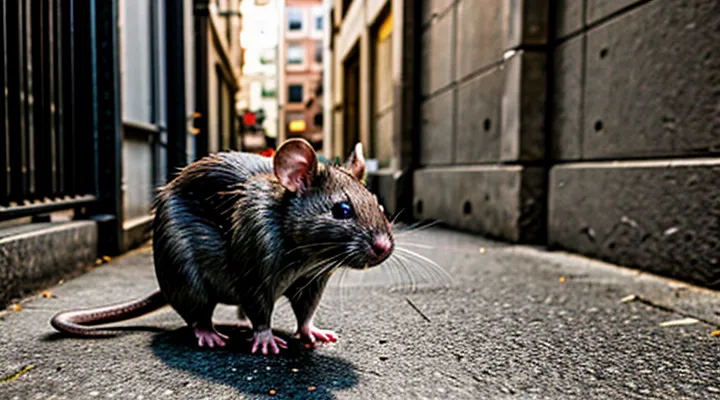
Understanding Urban Rat Habitats
Factors Influencing Rat Distribution
Food Sources
Rats in cities depend on a limited set of high‑calorie, readily accessible foods. Their survival hinges on exploiting human‑generated waste and natural urban resources.
- Household garbage left in open containers or collected irregularly.
- Commercial refuse from restaurants, cafeterias, and food‑service establishments.
- Organic matter in sewer systems, including discarded food scraps and grease.
- Pet food stored unsecured, often found in kitchens or outdoor feeding stations.
- Crop remnants and fruit from community gardens, parks, and vacant lots.
- Birdseed and other supplemental feeds placed for wildlife.
These sources share common traits: high nutrient density, minimal competition, and proximity to shelter. Their predictability allows rats to establish foraging routes that intersect with typical nesting sites such as wall voids, pipe cavities, and building foundations. Effective urban pest management must target each food category, securing waste containers, enforcing proper disposal practices, and eliminating unintended feeding opportunities.
Water Availability
Rats in cities rely on readily accessible water to sustain metabolism, support reproduction, and maintain nest hygiene. Natural precipitation rarely provides sufficient supply; instead, rodents exploit anthropogenic sources that persist despite sanitation efforts.
Typical urban water points include:
- Leaking pipes and faulty plumbing fixtures in residential and commercial buildings.
- Standing water in potholes, drainage grates, and abandoned construction sites.
- Residual moisture in trash containers, especially those holding food waste.
- Condensation on refrigeration units, air‑conditioning condensers, and rooftop equipment.
- Open containers such as pet water bowls, bird baths, and unattended buckets.
Proximity to these resources shapes rat distribution. Populations concentrate near neighborhoods with aging infrastructure, dense waste generation, and frequent maintenance delays. Access to water also influences movement patterns; individuals travel between habitats to locate fresh supplies, linking otherwise isolated colonies.
Control strategies target water reduction. Repairing leaks, installing drip‑proof fixtures, and regularly emptying standing water eliminate primary attractions. Proper waste management and sealed containers further limit moisture availability, decreasing habitat suitability and suppressing population growth.
Shelter and Hiding Places
Rats exploit structural gaps, moisture, and food availability to establish secure refuges within cities. Common locations include:
- Sewer and storm‑drain networks that provide constant humidity and limited disturbance.
- Wall cavities, floor joists, and attic spaces where insulation and wiring create concealed passages.
- Basement and crawl‑space areas with low light and access to stored waste.
- Abandoned or poorly maintained buildings, where broken windows and damaged doors offer entry points.
- Utility tunnels and underground service corridors that connect multiple structures and conceal movement.
These environments share characteristics such as restricted human traffic, stable microclimates, and proximity to potential food sources, enabling rats to thrive while remaining hidden from observation.
Human Activity and Waste Management
Human activity creates abundant food sources for rats, primarily through improperly stored, discarded, or spilled waste. Open dumpsters, littered streets, and overflowing trash containers supply a continuous supply of nutrients, allowing rodents to establish foraging territories close to human populations.
Waste‑management practices determine the spatial distribution of these resources. Frequent collection, sealed containers, and prompt removal of organic matter reduce accessible food, pushing rats toward areas with lax service. Conversely, irregular schedules, inadequate container design, and failure to enforce disposal regulations generate predictable hotspots where rodents concentrate.
Structural features tied to human behavior provide shelter. Cracks in building foundations, utility tunnels, and abandoned structures offer nesting sites. Renovation projects that leave temporary openings or debris piles create additional refuges until proper sealing occurs.
Improper disposal of food waste in private residences, restaurants, and markets contributes to localized infestations. Practices such as dumping grease, meat scraps, or bulk organic material in non‑sealed bins increase the likelihood of rat colonization in adjacent alleys and backyards.
Effective mitigation requires coordinated actions:
- Standardize sealed, rat‑proof containers for all waste streams.
- Implement collection intervals that prevent accumulation of organic matter beyond 24 hours.
- Enforce penalties for illegal dumping and littering.
- Conduct routine inspections of building exteriors and underground utilities to seal entry points.
- Educate businesses and households on proper waste segregation and storage.
By aligning human activity with rigorous waste‑management protocols, urban environments can limit the availability of food and shelter that sustain rat populations, thereby reducing the density and spread of rodents throughout the city.
Common Urban Rat Habitats
Residential Areas
Basements and Cellars
Rats exploit basements and cellars because these spaces provide constant darkness, stable temperatures, and easy access to water and food sources. Structural gaps—such as cracks in foundation walls, unsealed utility openings, and deteriorated pipe sleeves—serve as entry points. Once inside, rats benefit from the proximity to household waste, stored provisions, and the shelter offered by insulation and stored items.
Typical indicators of infestation include:
- Gnaw marks on wood, plastic, or metal near entry points.
- Accumulations of droppings, often found along walls, in corners, or near food storage.
- Evidence of nesting material, such as shredded paper, fabric, or insulation.
- Audible scurrying or scratching sounds, especially at night.
Effective control measures focus on eliminating access and resources:
- Seal all cracks and openings larger than ¼ inch with steel wool, caulk, or concrete repair.
- Install tight-fitting covers on vent pipes, drainage systems, and utility conduits.
- Maintain a dry environment by repairing leaks, using dehumidifiers, and ensuring proper ventilation.
- Store food in sealed containers and keep waste in closed bins.
- Conduct regular inspections of stored items and remove clutter that could serve as nesting material.
Understanding the specific conditions that attract rats to lower levels enables targeted interventions, reducing the likelihood of persistent infestations in urban dwellings.
Attics and Wall Voids
Rats exploit the upper sections of residential and commercial buildings because these areas provide shelter, stable temperatures, and proximity to food sources. Attics and wall voids constitute the most common vertical habitats in densely built environments.
Attics offer several advantages: insulation material creates a warm microclimate; stored items such as grain, pet food, or garbage supply nutrition; gaps around roof trusses, vents, and eaves serve as entry points; and the limited human activity reduces disturbance. Once inside, rats construct nests from shredded insulation, paper, or fabric, and they travel along joists to reach other parts of the structure.
Wall voids present a network of concealed passages that connect interior rooms with exterior walls. Rats enter through cracks around utility penetrations, foundation gaps, or damaged siding. Inside the cavity, they exploit the space between studs and insulation for nesting, and they use the voids to move silently between floors. The darkness and protection from predators make wall cavities ideal for breeding colonies.
Typical indicators of infestation in these locations include:
- Gnaw marks on wooden beams, insulation, or ductwork
- Accumulated droppings, often found near entry holes or along walkways
- Strong musky odor, especially in poorly ventilated spaces
- Chewed wiring or plastic conduits, posing fire hazards
- Visible tracks in dusty corners or on exposed insulation surfaces
Effective control requires sealing all exterior openings larger than ¼ inch, installing metal flashing around vents, and maintaining regular inspections of attic insulation and wall interiors. Prompt removal of debris and proper waste management further reduce the attractiveness of these vertical habitats to urban rats.
Gardens and Yards
Rats commonly occupy residential gardens and private yards because these areas provide shelter, food, and easy access to water. Dense vegetation creates concealment from predators and human activity, while compost piles, pet food, and discarded produce supply a reliable diet. Burrowing in soil, under mulch, or within garden structures such as sheds and decks offers stable nesting sites protected from temperature extremes.
Key factors that attract rats to garden and yard environments include:
- Abundant organic waste (fruit scraps, vegetable trimmings, pet feed) that requires minimal effort to locate.
- Structural cover (wooden decks, garden sheds, stacked firewood) that facilitates safe movement and concealment.
- Moisture sources (irrigation systems, rainwater collection barrels, damp mulch) essential for hydration and thermoregulation.
- Loose soil and compost heaps that allow easy excavation of burrows and construction of nests.
Effective management relies on eliminating food sources, securing waste containers, reducing ground cover near building foundations, and maintaining dry, well‑ventilated storage areas. Regular inspection for gnaw marks, droppings, and burrow entrances helps identify infestations early, enabling prompt control measures.
Sewers and Drains
Rats exploit municipal sewer networks because the underground environment offers permanent darkness, stable temperature (approximately 12–15 °C), and high humidity, conditions that favor rodent physiology. Concrete and brick tunnels provide shelter from predators and weather, while the complex layout of main lines, manholes, and service chambers creates numerous nesting sites. Access points such as cracked grates, illegal connections, and maintenance openings allow entry from street level.
Food availability in sewers derives from organic waste discharged by households and businesses, including food scraps, grease, and sewage sludge. Accumulated debris in pipe junctions and sediment layers supplies a continuous nutrient source. Water flow delivers additional sustenance, while occasional blockages generate stagnant pools that attract insects, further expanding the rats’ diet.
Population density in drainage systems correlates with infrastructure age and maintenance frequency. Older networks with deteriorating joints and infrequent cleaning support larger colonies, whereas modern, sealed systems limit colonization. Nevertheless, even well‑maintained drains can host rats if maintenance crews inadvertently transport individuals during inspections.
Control measures focus on structural integrity and habitat disruption. Effective strategies include:
- Sealing unauthorized openings and reinforcing grates with rodent‑proof materials.
- Implementing regular high‑pressure flushing to remove debris and reduce food buildup.
- Installing trap stations at strategic junctions, combined with bait rotation to prevent resistance.
- Conducting infrared or camera surveys to map activity hotspots for targeted interventions.
Understanding the interaction between sewer architecture, waste flow, and rodent behavior enables city planners and pest‑management teams to reduce rat populations without compromising essential drainage functions.
Commercial and Industrial Zones
Restaurants and Food Establishments
Rats commonly occupy restaurants and food establishments because these venues provide reliable sources of nourishment, moisture, and shelter. The concentration of organic waste, frequent deliveries of raw ingredients, and constant human activity create an environment conducive to rodent survival.
Key locations within eateries where rats establish nests and foraging routes include:
- Kitchen sinks and floor drains, where grease and food particles accumulate.
- Storage rooms and walk‑in coolers, especially where pallets or boxes are stacked against walls.
- Behind commercial ovens, fryers, and refrigeration units, offering concealed spaces and proximity to heat.
- Waste disposal areas, including dumpster rooms and grease traps, which retain residual food matter.
- Undercounter voids and ceiling voids, providing insulated nesting sites away from routine cleaning.
Effective control relies on a combination of structural, operational, and monitoring measures:
- Implement rigorous waste management: seal containers, schedule frequent dumpster removal, and maintain grease traps.
- Enforce strict sanitation protocols: clean spills immediately, sanitize surfaces, and inspect drains regularly.
- Seal entry points: repair cracks, install door sweeps, and use metal mesh on vents.
- Conduct routine inspections: employ trained pest‑management personnel to identify activity signs and verify trap placements.
- Maintain documentation: record inspection findings, corrective actions, and follow‑up outcomes to ensure accountability.
By targeting these high‑risk zones and adhering to disciplined maintenance practices, restaurants can significantly reduce rodent presence and protect public health.
Warehouses and Storage Facilities
Rats exploit warehouses and storage facilities because these structures provide shelter, food sources, and easy access to surrounding city infrastructure. The large, often cluttered interior spaces create numerous nesting sites, while loading docks and freight elevators serve as entry points for rodents arriving on trucks or pallets. Temperature‑controlled environments further support year‑round breeding, allowing populations to thrive regardless of seasonal climate variation.
Key characteristics that make these sites attractive to rats include:
- Abundant food waste: leftover packaging, spilled grain, and improperly sealed containers supply a constant diet.
- Structural complexity: stacked boxes, shelving units, and concealed corners offer safe hiding places.
- Access routes: gaps around doors, ventilation shafts, and utility conduits enable movement between the facility and adjacent streets or sewers.
- Reduced human disturbance: night‑shift operations and limited cleaning schedules limit direct encounters with occupants.
Effective management requires integrated measures: sealing entry points, implementing rigorous waste handling protocols, and conducting regular inspections to detect early signs of infestation. Prompt removal of nesting material and targeted baiting in identified hotspots reduce population growth and limit the spread of rats from warehouses into broader urban areas.
Construction Sites
Construction sites provide abundant shelter, food, and water, making them prime locations for rodent populations in cities. Temporary structures, exposed foundations, and piles of building material create concealed pathways and nesting sites that rats can exploit with minimal disturbance.
Materials such as wood, insulation, and cardboard serve as nesting media, while waste generated by workers—food scraps, packaging, and spilled liquids—offers a reliable food source. Open drainage channels and standing water from rain or site runoff supply the hydration rats require.
Key site characteristics that attract rats include:
- Unsecured waste containers
- Loose debris and scrap piles
- Gaps in walls, floors, and roofing
- Inadequately sealed utility openings
- Stagnant water in trenches or puddles
Effective control measures rely on integrated pest management: regular removal of debris, sealing of entry points, proper waste disposal, and routine monitoring with traps or bait stations. Prompt implementation of these practices reduces the likelihood of rat colonization and limits the spread of disease within the urban environment.
Docks and Ports
Rats thrive in dockyards and harbor facilities because these areas combine abundant shelter, constant food flow, and limited human disturbance. Crates, pallets, and stacked cargo create concealed nesting sites. Moisture from ship decks and storage bays supports the rats’ physiological needs, while waste from loading operations supplies a reliable diet of organic debris, fish scraps, and discarded packaging.
Key factors that attract rodents to ports include:
- Structural complexity: Metal beams, wooden planks, and insulated walls provide escape routes and protected burrows.
- Food availability: Regular deliveries of fresh produce, meat, and seafood generate continuous waste streams.
- Water sources: Rainwater runoff, bilge water, and standing pools near quay walls ensure hydration.
- Limited predator presence: Restricted access for larger urban predators reduces natural mortality.
Rats exploit the movement of containers to disperse across regions. They hitch rides on pallets, slip into cargo holds, and emerge at new terminals, facilitating inter‑city and inter‑regional spread of pathogens. Their presence raises public‑health concerns, especially regarding leptospirosis, hantavirus, and flea‑borne diseases that can affect dock workers and nearby communities.
Control strategies focus on environmental management and targeted eradication:
- Sanitation: Prompt removal of food waste, sealing of refuse containers, and routine cleaning of loading zones.
- Structural maintenance: Repairing gaps in flooring, sealing entry points, and installing rodent‑proof barriers around storage areas.
- Monitoring: Deploying bait stations, motion‑activated cameras, and regular inspections to track population levels.
- Integrated pest management: Combining chemical controls with habitat modification to reduce reliance on poisons and limit resistance development.
Effective implementation of these measures reduces rat densities, limits disease transmission, and protects the economic integrity of maritime trade hubs.
Public Spaces and Infrastructure
Parks and Green Areas
Rats exploit parks and green spaces because these areas combine abundant food sources, shelter, and relatively low human disturbance. Food is available from bird feeders, discarded picnic waste, fallen fruit, and natural vegetation. Water is supplied by ponds, irrigation systems, and rain‑filled depressions. The combination of moisture and organic matter creates an ideal environment for breeding and foraging.
Key habitat features in urban parks include:
- Dense ground cover such as grass, leaf litter, and mulch that conceal nests.
- Structures like benches, fences, and trash cans that provide crevices for shelter.
- Proximity to water bodies, which supports higher reproductive rates.
- Seasonal vegetation that offers both insulation in winter and additional food in summer.
Population density tends to increase where waste management is inconsistent and where vegetation is dense. Studies show that rats can maintain multiple burrows within a single park, connecting them through underground tunnels that extend into adjacent residential blocks. This connectivity facilitates rapid colonization after control measures are lifted.
Effective management relies on integrated actions: regular removal of food waste, maintenance of vegetation to reduce ground clutter, sealing of entry points in park infrastructure, and targeted baiting in identified hotspot zones. Monitoring through live‑trap surveys and motion‑activated cameras provides data for adjusting control strategies and preventing population rebounds.
Subways and Tunnels
Rats occupy subway stations, train tunnels, and associated service passages because these structures provide stable temperatures, continuous darkness, and easy access to waste, spilled food, and water runoff. The concrete and steel surfaces create durable burrowing sites, while ventilation shafts connect tunnels to street‑level sources of nourishment.
Temperature regulation is a primary advantage; underground environments remain near 20 °C year‑round, eliminating the need for seasonal burrow relocation. Moisture accumulates in drainage pipes and sump pits, supporting the rodents’ hydration requirements. Waste bins, vending machine remnants, and cleaning‑crew residues supply a constant food supply, allowing colonies to sustain high reproductive rates.
Breeding cycles accelerate in the confined space of transit tunnels. Female rats can produce up to five litters annually, each containing six to twelve offspring. The limited predator presence and the abundance of shelter enable rapid population growth, often outpacing control efforts.
Human infrastructure suffers from rat activity through gnawed electrical wiring, compromised insulation, and contamination of food handling areas. Pathogen transmission risks increase when rats traverse passenger platforms and maintenance corridors, elevating public‑health concerns.
Effective mitigation combines physical, chemical, and operational measures:
- Seal entry points: install metal flashing and concrete grates on all utility penetrations.
- Implement routine sanitation: schedule daily removal of food debris, enforce sealed waste containers, and conduct targeted cleaning of water‑accumulation zones.
- Deploy integrated pest‑management (IPM) tactics: use bait stations with anticoagulant rodenticides, place snap traps in high‑traffic zones, and rotate control methods to prevent resistance.
- Upgrade infrastructure design: incorporate smooth, non‑porous surfaces, eliminate standing water, and provide accessible maintenance pathways for rapid inspection.
Consistent application of these strategies reduces colony size, limits infrastructure damage, and lowers health hazards associated with rat presence in underground transit systems.
Alleyways and Dumpsters
Rats thrive in the narrow corridors of city streets, where alleyways and dumpsters constitute primary shelters and foraging zones.
Alleyways offer continuous darkness, hard surfaces for nesting, and easy access to discarded food. Cracks in pavement, debris piles, and exposed utilities create protected niches that shield rodents from predators and weather extremes. The proximity of restaurants, markets, and residential waste bins ensures a steady supply of organic material, reducing the distance rats must travel to locate nourishment.
Dumpsters function as concentrated food reservoirs. Their insulated walls retain heat, fostering a microclimate favorable for breeding. Frequent deliveries create predictable patterns of waste accumulation, allowing rats to anticipate resource availability. Lids that are not tightly sealed or are damaged provide entry points, while the surrounding area often contains residual scraps that supplement the primary contents.
Key characteristics of these habitats include:
- Persistent darkness and limited human traffic.
- Structural gaps and debris that serve as nesting sites.
- Continuous influx of organic waste from nearby establishments.
- Thermal stability that supports reproduction cycles.
- Accessible entry points created by damaged or poorly sealed containers.
Collectively, alleyways and dumpsters create an interconnected network that sustains rat populations throughout dense urban districts.
Impact of Rat Infestations
Health Risks
Rats occupy underground tunnels, storm drains, subway stations, abandoned buildings, and residential basements, creating direct pathways for pathogens to reach human populations. Their proximity to food storage, waste containers, and water supplies facilitates transmission of disease agents.
- Bacterial infections: Salmonella, Leptospira (causing leptospirosis), and Streptobacillus (rat‑bite fever) proliferate in rat urine, feces, and saliva.
- Viral threats: Hantavirus and Seoul virus are shed in excreta, capable of aerosol transmission during cleaning or renovation activities.
- Parasitic infestations: Rat‑borne mites and fleas carry Rickettsia and Bartonella species, which can infect humans through bites.
- Allergic reactions: Rodent allergens in dander and urine provoke asthma and hypersensitivity responses, especially in densely populated housing.
Contamination of food preparation surfaces and water lines occurs when rats breach structural barriers. Inadequate waste management increases attractants, amplifying infestation levels and associated health risks. Effective control measures include sealed waste containers, regular inspection of utility tunnels, and systematic rodent‑proofing of building foundations. Prompt removal of droppings and disinfection of affected areas reduce exposure to infectious agents.
Structural Damage
Rats exploit concealed spaces in city buildings, creating pathways that erode structural integrity. Their constant gnawing weakens wood, insulation, and plastic components, while burrowing displaces masonry and compromises load‑bearing walls. Urine and feces accelerate corrosion of metal fixtures and degrade concrete surfaces.
- Chewed timber reduces shear strength.
- Burrowed plaster creates cracks that propagate under stress.
- Damaged insulation permits moisture buildup, leading to rot.
- Corroded wiring raises fire risk and may require rewiring.
Typical infestation zones include wall cavities, attic spaces, crawl‑under floors, utility shafts, and pipe chases. These areas offer shelter, proximity to food sources, and easy access to structural elements.
Structural consequences manifest as diminished load capacity, water intrusion through breached walls, and increased vibration transmission. Repair expenses rise sharply when damage spreads to foundational elements or requires replacement of multiple building components.
Preventive measures focus on sealing entry points, reinforcing vulnerable sections, and conducting regular inspections to detect early signs of gnawing or nesting. Prompt intervention limits degradation and preserves the safety of urban structures.
Economic Consequences
Rats occupying city infrastructure impose measurable financial burdens. Their presence generates direct costs through damage to utilities, structural components, and transportation networks. Pipe corrosion, electrical short‑circuits, and compromised building foundations require repairs that increase municipal budgets.
- Property owners incur expenses for rodent‑proofing, ongoing extermination contracts, and insurance premiums that rise in high‑infestation zones.
- Food‑service establishments face product loss, sanitation penalties, and brand damage when infestations breach health inspections.
- Public health agencies allocate funds to treat rodent‑borne diseases, conduct surveillance, and implement community education programs.
- Waste‑management systems experience elevated operational costs as rats scatter refuse, necessitating more frequent collection and secure container upgrades.
- Tourism sectors suffer revenue declines when visible infestations deter visitors and prompt negative media coverage.
Long‑term economic impact includes reduced property values in neighborhoods with persistent rat activity and increased borrowing costs for municipalities seeking to finance mitigation projects. The aggregate effect translates into higher taxes, lower disposable income for residents, and constrained fiscal capacity for other urban initiatives.
Prevention and Control Measures
Waste Management Strategies
Rats in cities concentrate around refuse that provides food, shelter, and water. Improper disposal creates niches where rodents can nest, reproduce, and travel between buildings.
Effective waste handling reduces these niches. Municipal authorities and property managers can implement the following measures:
- Secure containers with tight‑fitting lids and reinforced hinges to prevent entry.
- Regular collection schedules that avoid overflow, especially in high‑density districts.
- Separate storage for organic waste, kept in sealed bins to limit attraction.
- Rapid removal of discarded packaging, cardboard, and debris from streets and alleys.
- Routine inspection and maintenance of underground utility tunnels and drainage systems to block access points.
Integrating these practices with public education on proper waste segregation amplifies their impact. Consistent application curtails food sources, forces rats to relocate, and ultimately lowers population densities in urban habitats.
Building Maintenance and Proofing
Rats thrive in cities by exploiting structural weaknesses, utility openings, and accumulated waste. Poorly maintained buildings provide shelter, nesting sites, and easy access to food sources, allowing rodent populations to establish permanent colonies.
Effective building upkeep reduces available habitats. Regular inspection identifies cracks, gaps, and deteriorated components that serve as entry points. Prompt repair of walls, foundations, and roofing eliminates concealed pathways that rodents use to infiltrate interior spaces.
Key proofing actions include:
- Installing door sweeps and weatherstripping on all exterior doors.
- Sealing gaps around utility penetrations with metal mesh or expanding foam.
- Fitting rodent-resistant caps on vent pipes and sewer outlets.
- Adding stainless‑steel screens to drainage grates and garbage chutes.
- Maintaining a clearance of at least three inches between stored items and walls to prevent concealment.
Ongoing monitoring supports early detection. Maintenance staff should document inspection results, track repair completion, and schedule periodic reviews to ensure that protective measures remain intact. Consistent application of these practices limits urban rat habitation and protects building integrity.
Integrated Pest Management Approaches
Rats occupy sewers, basements, utility tunnels, abandoned structures, and densely populated outdoor areas such as alleys and parks. Their presence in these locations creates opportunities for human‑rat conflict and disease transmission, demanding targeted management.
Integrated Pest Management (IPM) for urban rat populations combines preventive, monitoring, and control measures. The approach emphasizes long‑term reduction of infestations while minimizing chemical reliance.
- Sanitation: Eliminate food sources by securing waste containers, removing spilled grain, and maintaining clean dumpsters.
- Structural exclusion: Seal entry points, repair cracks, and install rodent‑proof screens on vents and utility openings.
- Habitat modification: Reduce clutter, trim vegetation near buildings, and manage water accumulation to limit shelter options.
- Mechanical control: Deploy snap traps and multi‑catch devices in identified activity zones, positioning them along walls and near burrows.
- Chemical control: Apply rodenticides in bait stations only after thorough inspection, following label directions and local regulations.
- Biological control: Introduce natural predators such as barn owls in suitable locales; evaluate feasibility of rodent‑specific viruses where approved.
- Community engagement: Educate residents and businesses on reporting signs, maintaining hygiene, and cooperating with inspection schedules.
Effective IPM implementation requires coordination among municipal health departments, property managers, and licensed pest professionals. Regular inspection records, activity mapping, and population trend analysis guide adjustments to control tactics. Data‑driven decisions ensure resources focus on high‑risk zones and prevent unnecessary pesticide application.
Consistent application of these measures reduces rat densities, lowers public health hazards, and preserves urban infrastructure without overreliance on toxicants.