
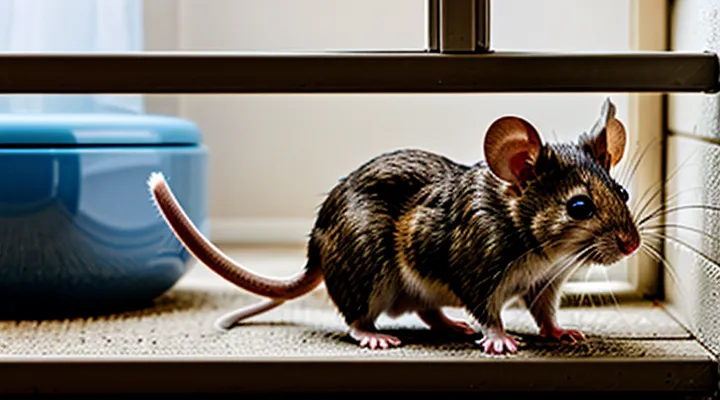
Understanding Mouse Behavior and Entry Points
Common Entry Points
Gaps and Cracks in Foundations and Walls
Mice gain access to homes primarily through openings in the building envelope. Cracks and gaps in foundations and walls provide the most reliable pathways because they are often unnoticed and large enough for a rodent to squeeze through.
Typical entry points include:
- Settlement cracks where concrete has shifted, usually measuring 1‑3 mm in width.
- Gaps around utility penetrations such as water pipes, electrical conduits, and ventilation ducts, often left unsealed after installation.
- Openings at the base of exterior walls where siding or brickwork has deteriorated.
- Expansion joints in foundation slabs that have become displaced or are missing sealant.
- Small holes created by pest activity, such as gnawed wood or damaged insulation.
These defects are most common in older structures, homes with poor maintenance, and properties built on expansive soils that cause frequent movement. Cracks near the crawl space or basement floor are especially vulnerable because they connect directly to the interior environment.
Detection requires systematic inspection:
- Visually examine the perimeter of the foundation for visible fissures, loose mortar, or displaced bricks.
- Use a flashlight to probe low‑lying wall sections, paying attention to gaps around pipe sleeves and vent stacks.
- Feel for drafts with a hand or a smoke pencil; air movement indicates a breach.
- Inspect the underside of the house for signs of gnaw marks, droppings, or nesting material near suspected openings.
Sealing methods must match the material and size of the opening:
- For cracks up to 5 mm, apply a polyurethane caulk that remains flexible with temperature changes.
- Larger gaps (5‑15 mm) should be filled with hydraulic cement or a cement‑based mortar, followed by a layer of steel wool or copper mesh to deter chewing.
- Gaps around utilities are best sealed with expanding foam sealant, then covered with metal flashing or a concrete patch.
- Persistent foundation movement may require epoxy injection or the installation of a crack monitor to prevent re‑opening.
Regular maintenance, including repointing mortar joints, repairing damaged siding, and ensuring proper drainage away from the foundation, reduces the likelihood of new openings forming. Promptly addressing identified cracks and gaps eliminates the primary routes mice use to infiltrate residential spaces.
Open or Unsealed Doors and Windows
Mice enter residential buildings primarily through gaps left in doors and windows. Unsealed frames, cracked panes, and improperly fitted screens create direct pathways from the exterior to interior spaces.
When a door is left ajar or its sweep is damaged, rodents can slip inside without resistance. Similarly, windows that do not close tightly, have broken seals, or contain torn mesh provide easy access. These openings are often located on lower levels, where mice seek shelter and food sources.
- Gaps around door hinges or jambs larger than ¼ inch
- Missing or torn weather‑stripping on entry doors
- Cracked or broken window glass
- Loose or absent window screens
- Open sliding doors without latch mechanisms
Once inside, mice tend to congregate near the points of entry, in kitchens, pantry areas, and utility rooms where food residues are present. They also establish nests in concealed locations such as wall voids, attics, and basements, using the same openings to move between rooms. Sealing doors and windows eliminates the primary route, reducing the likelihood of mouse activity throughout the dwelling.
Utility Openings
Utility openings are the most common pathways through which rodents enter residential structures. Gaps surrounding service penetrations provide direct access to interior spaces, especially when they are left untreated or improperly sealed.
Typical points of intrusion include:
- Plumbing stacks and pipe sleeves that pass through walls, floors, or foundations.
- Electrical conduit sleeves and cable entry points.
- HVAC ducts and vent chutes, particularly those that extend to the roof or attic.
- Cable‑TV and satellite cable openings.
- Dryer exhaust ducts and laundry‑room vent caps.
- Foundation cracks and gaps around sump‑pump installations.
Each opening creates a continuous void that mice can exploit to move from the exterior environment to the interior. The size of the opening need only exceed the animal’s body width, often less than one inch, to permit passage.
Preventive measures focus on eliminating these voids. Install metal or copper flashing around pipe sleeves, use steel wool or foam sealant to fill gaps, and attach tight‑fitting mesh or louvered covers to vent terminations. Replace deteriorated weather‑stripping on utility access doors, and regularly inspect for new cracks after construction or renovation work.
By systematically sealing utility penetrations, homeowners reduce the likelihood that mice will establish a presence inside the dwelling.
Roof Gaps and Attic Vents
Mice frequently infiltrate residential properties through openings in the roof structure. Gaps around dormers, skylights, chimney stacks, and flashing provide direct access to the attic space. These breaches are often unnoticed because they blend with the building envelope, yet they allow rodents to move from the exterior to the interior without obstruction.
Attic vents, designed for ventilation, can also serve as entry points. Standard vent covers may lack tight seals, and damaged screens or missing louver panels create gaps large enough for a mouse to pass. Once inside, mice can travel along insulation, wiring, and ductwork, reaching living areas such as kitchens and bedrooms.
Key actions to reduce rodent intrusion:
- Inspect all roof seams, flashing, and roof-to-wall junctions for cracks or openings larger than ¼ inch; seal with steel wool and caulk or install metal flashing.
- Verify that vent covers are intact, securely fastened, and equipped with rodent‑proof mesh; replace damaged screens promptly.
- Maintain clear access to the attic, removing stored items that block inspection and allow nesting.
- Conduct seasonal checks, especially after storms, to identify new damage caused by wind or falling debris.
Effective sealing of roof gaps and reinforcement of attic vent protection removes the primary pathways that enable mice to colonize private homes. Continuous monitoring and prompt repair of any discovered deficiencies are essential components of a comprehensive rodent‑prevention strategy.
Drains and Pipes
Mice frequently use household drainage systems and pipe cavities as concealed routes for movement and shelter. Moisture, darkness, and easy access to food waste create an environment that supports rodent activity. Gaps around sink traps, bathtub drains, and floor drains allow entry from the exterior or from adjacent rooms. Vertical stacks connect multiple levels, enabling mice to travel between floors without exposure.
Signs of infestation in these conduits include:
- Small droppings found near drain openings or inside pipe clean‑out caps.
- Gnaw marks on plastic or metal pipe sleeves.
- Nest material such as shredded paper or insulation lodged in trap chambers.
- Unexplained odors of urine emanating from plumbing fixtures.
Preventive actions focus on sealing entry points and eliminating conditions that attract rodents:
- Install stainless‑steel mesh or copper screens over all drain openings.
- Apply expanding foam or silicone sealant around pipe joints and wall penetrations.
- Maintain dry conditions by fixing leaks and using dehumidifiers in damp areas.
- Conduct regular inspections of trap covers and clean‑out lids for damage or blockage.
By reinforcing the integrity of drainage and piping networks, homeowners reduce the likelihood that mice will exploit these hidden pathways for habitation and travel within the residence.
Damaged Screens and Vents
Mice often gain access to residential interiors through compromised screens and ventilation openings. Weak points in these components create direct pathways from the exterior to living spaces, allowing rodents to travel unnoticed.
Typical damage that facilitates entry includes:
- Torn or ripped window screens, especially those with large mesh openings or missing sections.
- Cracked or warped vent covers that no longer seal against the frame.
- Loose or detached screen frames that create gaps around the perimeter.
- Corroded metal grilles that have lost structural integrity, leaving holes.
- Improperly installed or inadequately sized vent hoods that leave clearance for small mammals.
Once inside, mice can spread through wall cavities, crawl spaces, and attic areas, exploiting the same openings to move between rooms. The presence of damaged screening also increases the likelihood of secondary infestations, as rodents use the initial breach to establish nests and create additional entry points.
Remediation steps focus on restoring the barrier function of screens and vents:
- Replace torn screen panels with reinforced mesh designed to resist chewing.
- Repair or swap cracked vent covers, ensuring a tight fit against the surrounding structure.
- Secure all frame components with appropriate fasteners and sealant to eliminate gaps.
- Install metal or stainless‑steel grilles in high‑risk locations where rodents are known to probe.
- Conduct regular inspections, paying particular attention to weather‑exposed installations that may degrade over time.
By maintaining the integrity of screens and ventilation systems, homeowners reduce the primary routes through which mice infiltrate private dwellings.
Factors Attracting Mice
Food Sources
Mice infiltrate private residences primarily in search of accessible nutrition. Their foraging behavior targets locations where human food is stored, prepared, or discarded.
- Kitchen countertops and tables where crumbs remain after meals.
- Open containers of cereal, pet food, or dry goods left on shelves or in cabinets.
- Refrigerator door seals that are damaged, allowing entry to exposed items.
- Garbage cans with loose lids or bags that are not tightly sealed.
- Under‑sink cabinets holding bottled water, canned goods, or snack packages.
- Pantry shelves where packaging is torn, torn boxes, or unsealed bags expose contents.
- Food‑spillage in appliances such as microwaves, ovens, or dishwashers left uncleaned.
Mice are attracted to high‑calorie items, especially grains, sugars, and protein sources. Even small amounts of spilled food create a persistent lure, encouraging repeated visits and establishing a food supply line within the home. Prompt removal of waste, airtight storage, and regular cleaning disrupt this supply, reducing the likelihood of mouse activity.
Stored Food Items
Mice are attracted to stored food items because these resources provide the calories necessary for rapid reproduction. The presence of edible goods in kitchens, pantries, and utility rooms creates a reliable food source that draws rodents into residential spaces.
Common storage locations where mice are found include:
- Dry goods cabinets containing cereals, rice, pasta, and flour.
- Shelves holding canned or packaged snacks, especially when packaging is torn or punctured.
- Pet food containers left open or stored on the floor.
- Grain or seed bins in basements and garages.
- Refrigerator or freezer compartments with uncovered leftovers.
Vulnerable conditions that encourage infestation are:
- Packaging without airtight seals.
- Crumbs or spills left on countertops, shelves, or floor surfaces.
- Moisture buildup in containers that softens packaging.
- Clutter that conceals food sources and provides hiding places.
Effective control measures consist of:
- Transferring all dry goods to metal or heavy‑wall plastic containers with tight lids.
- Removing crumbs and spills immediately after meals or food preparation.
- Storing pet food in sealed containers and limiting the amount left out overnight.
- Regularly inspecting stored items for damage and discarding compromised products.
- Maintaining a clean, uncluttered environment around storage areas to eliminate shelter.
Pet Food
Mice frequently encounter pet food in residential environments, especially where food is stored or presented for animals. Open bowls, unsecured bags, and pantry shelves provide easy access, encouraging rodents to explore and feed. The presence of pet food therefore influences mouse activity patterns throughout a house.
Typical locations where rodents meet pet food include:
- Kitchen cabinets and pantry shelves where dry kibble is kept.
- Floor‑level feeding stations in living rooms or bedrooms.
- Basement or garage shelves used for bulk storage.
- Utility closets containing pet treats or supplements.
- Outdoor shelters attached to the house, such as dog houses with food inside.
When mice consume or contaminate pet food, they introduce pathogens, droppings, and urine into the diet. This contamination can cause gastrointestinal upset, nutritional deficiencies, and exposure to zoonotic diseases in pets. Gnawed packaging also leads to loss of product integrity and increased waste.
Preventive actions focus on limiting rodent access to food sources:
- Store dry kibble in airtight containers made of metal or thick plastic.
- Place feeding bowls on elevated surfaces that can be cleared daily.
- Seal pantry doors and install rodent‑proof gaskets.
- Remove food debris and spills immediately after meals.
- Conduct regular inspections of storage areas for signs of gnawing or droppings.
By treating pet food as a potential attractant and implementing strict storage protocols, homeowners reduce mouse activity in common residential zones and protect both animal health and food quality.
Crumbs and Spills
Crumbs and liquid residues create a reliable food source that draws mice into residential interiors. When particles settle on countertops, floors, or under appliances, they provide accessible nutrition without competition from larger animals. Spilled sugars, oils, or fermented liquids also emit scent cues that signal abundant sustenance, prompting rodents to explore and establish foraging routes.
Typical entry points for mouse activity linked to food debris include:
- Kitchen countertops where crumbs accumulate after meals.
- Underneath dining tables and chairs where dropped particles gather.
- Floor edges near trash cans or recycling bins that receive oily or sugary waste.
- Behind or beneath appliances such as refrigerators, stoves, and dishwashers where spills often go unnoticed.
- Pantry shelves and cabinet interiors where crumbs fall from opened packages.
Consistent cleaning that removes visible residues and prevents moisture buildup reduces the attraction of these sites, limiting mouse presence in private dwellings.
Water Sources
Mice in residential buildings are attracted to any location that provides a reliable supply of moisture. Kitchen sinks, especially under the cabinet where condensation can accumulate, serve as frequent gathering points. Leaky faucet aerators and drips from pipe joints create a continuous trickle that supports mouse activity.
Bathrooms offer several water sources that invite rodents. Showerheads that leak, bathtub overflow channels, and damp grout lines retain enough humidity for mice to survive and reproduce. Toilet tanks with faulty flappers allow slow water seepage into the surrounding area, creating a moist environment.
Laundry rooms contribute additional moisture. Washing‑machine hoses that develop cracks or connections that are not tightly sealed release water onto the floor. Utility sinks that are left partially full or that have standing water after use become attractive to mice.
Basements and crawl spaces often contain hidden water sources. Sump pump failures, condensation on cold pipes, and moisture‑laden insulation provide the damp conditions mice need. Small cracks in foundation walls allow groundwater seepage, creating localized wet spots.
Common household items can also retain water:
- Houseplants with over‑watering, leaving soil constantly moist.
- Pet water dishes that are not emptied regularly.
- Refrigerator drip trays that collect condensation.
Addressing these water sources—repairing leaks, drying wet areas, and eliminating standing water—reduces the likelihood of mouse presence throughout private dwellings.
Leaky Pipes and Faucets
Leaking plumbing creates persistent moisture that attracts mice to residential interiors. Water sources eliminate the natural scarcity of liquid, encouraging rodents to explore and settle near the leak.
Common locations of pipe and faucet failures include:
- Under kitchen and bathroom sinks, where joint seals often deteriorate.
- Behind refrigerators, dishwashers, and washing machines, where concealed hoses may crack.
- In basements and crawl spaces, where pipe corrosion produces drips on concrete floors.
- Within wall cavities and ceiling joists, where hidden pipe joints release condensation.
Moisture from these sources softens building materials, providing both drinking water and a suitable substrate for nesting. Mice use the damp area as a travel corridor, moving from entry points such as foundation cracks to the leak site, where they find shelter and food residues.
Preventive actions:
- Conduct visual inspections of all visible pipe connections at least quarterly.
- Repair or replace compromised seals, cracked hoses, and corroded fittings promptly.
- Install leak‑detecting devices in high‑risk zones to alert occupants to abnormal moisture levels.
- Maintain proper ventilation in basements and crawl spaces to reduce humidity.
- Eliminate standing water by drying affected surfaces within 24 hours of detection.
Addressing leaks removes a primary attractant, thereby limiting the areas where mice are likely to establish a presence inside private dwellings.
Pet Water Bowls
Mice are frequently encountered in kitchens, pantries, utility rooms, and beneath sinks—areas where moisture and food residues accumulate. Pet water bowls, especially those left uncovered or placed on the floor, create additional sources of liquid that attract rodents. When a bowl is tipped or leaks, droplets spread across nearby surfaces, providing a convenient drinking point for mice that otherwise avoid elevated or dry locations.
To reduce the likelihood of rodent presence, follow these practices:
- Choose water dispensers with sealed lids or weighted bases that prevent tipping.
- Position bowls on elevated, non‑absorbent platforms away from walls and cabinets.
- Empty and clean containers daily to eliminate stale water and biofilm.
- Inspect the surrounding floor for spills and wipe them promptly.
By managing the availability of water through proper bowl selection and placement, homeowners can limit one of the key attractants that draws mice into residential spaces.
Shelter and Nesting Materials
Mice select concealed spaces that provide protection from predators and environmental fluctuations. Typical refuges include wall cavities, ceiling joist gaps, attic insulation pockets, basement corners, and the space beneath floorboards. Additional sites such as the backs of refrigerators, behind washing machines, and within crawl‑space ducts also serve as reliable shelters because they remain undisturbed and retain stable temperature and humidity.
Nesting material is gathered from readily available household items. Mice favor soft, fibrous substances that can be shredded and molded into a compact nest. Common sources are:
- shredded paper from newspapers, printer waste, or packaging
- cotton or polyester fibers from clothing, towels, and blankets
- loose insulation batts or fiberglass remnants
- dried plant matter found in stored garden supplies
- cardboard fragments from storage boxes or pantry goods
The presence of both suitable hideouts and abundant nesting material creates an environment conducive to mouse colonization. Eliminating gaps in structural elements, sealing entry points, and storing potential nest‑building resources in sealed containers reduce the attractiveness of a residence to these rodents. Regular inspection of the listed locations and removal of soft debris are essential steps in preventing permanent establishment.
Clutter and Storage Areas
Mice frequently inhabit cluttered storage zones within residential dwellings. Accumulated items create concealment, maintain stable temperature, and retain food residues, all of which satisfy rodent needs.
- Stacked boxes and cardboard provide nesting cavities.
- Piles of laundry or seasonal clothing conceal entry points.
- Overfilled basements or attics hold debris that shields movement.
- Unused closets filled with paper, magazines, or plastic bags retain moisture and odors attractive to rodents.
These environments also impede inspection, allowing populations to expand unnoticed. Regular organization, removal of unnecessary materials, and sealing of gaps in walls or floors reduce the suitability of such areas for mouse habitation.
Insulation and Wall Voids
Mice frequently exploit the spaces created by insulation and wall cavities in residential structures. The thermal properties of insulation attract rodents seeking warmth, while the gaps between framing members offer concealed routes throughout the building envelope.
Fiberglass batts, cellulose, and spray‑foam each present distinct vulnerabilities. Fiberglass and cellulose are soft, easy for mice to chew and compress, allowing entry into concealed areas. Spray‑foam adheres to surfaces, sealing entry points but also providing a continuous tunnel when compromised, enabling movement between rooms without exposure.
Wall voids, defined by the empty space between interior and exterior sheathing, function as hidden corridors. Openings at electrical boxes, plumbing penetrations, and unsealed utility entries connect these voids to the interior, granting mice unrestricted access to attics, basements, and living spaces.
Mitigation measures:
- Seal all penetrations with steel wool and silicone caulk.
- Install metal mesh around vent openings and utility conduits.
- Replace damaged insulation with rodent‑resistant materials such as rigid foam boards.
- Conduct regular inspections of cavity access points, repairing gaps promptly.
Signs of Mouse Presence
Droppings
Mouse droppings are a reliable indicator of rodent activity inside residential buildings. They appear wherever mice travel, feed, or nest, leaving a trail that reveals their preferred routes and hiding places.
Typical locations include:
- Kitchen countertops, under appliances, and behind the refrigerator where food residues are accessible.
- Pantry shelves, cereal boxes, and grain storage containers.
- Cabinets, especially those with gaps at the back or bottom.
- Wall voids and insulation, visible through small holes or cracks.
- Attic corners, insulation material, and roof joists.
- Basement corners, around stored boxes, and beneath shelving units.
- Bathroom cabinets and under sinks where moisture accumulates.
- Garages and utility rooms near wiring or pipe openings.
Droppings are usually dark, about 3‑5 mm long, and have a tapered shape. Fresh specimens may appear moist and emit a strong, musky odor; older ones become dry and crumbly. Their presence signals potential contamination of surfaces and foodstuffs, increasing the risk of disease transmission.
Identifying droppings involves:
- Visual inspection of the listed areas.
- Use of a disposable glove and a sealed container for collection.
- Examination under adequate lighting to confirm size and shape.
Prompt removal and thorough cleaning with disinfectant reduce health hazards. Sealing entry points, maintaining cleanliness, and employing traps or professional pest control prevent further deposition of droppings throughout the dwelling.
Gnaw Marks
Gnaw marks are a primary indication that mice inhabit a residence. They appear where rodents need to breach barriers or access food, and their pattern reveals both the species and the level of infestation.
Typical locations include:
- Baseboards and molding, where soft wood yields to repeated biting.
- Electrical wiring insulation, which mice chew to sharpen teeth.
- Food packaging, especially cardboard boxes and plastic containers.
- Structural openings such as gaps around pipes, vents, and door frames.
- Furniture legs and wooden chair supports, often showing shallow, parallel scratches.
Characteristics of mouse gnaw marks:
- Rounded, clean cuts roughly 2‑4 mm in diameter.
- Uniform depth, reflecting the animal’s continuously growing incisors.
- Fresh edges may appear lighter in color than surrounding material.
- Presence of droppings or urine near the marks strengthens the diagnosis.
Identifying gnaw marks promptly allows homeowners to target control measures. Sealing entry points, removing food sources, and setting appropriate traps reduce the risk of damage to wiring, insulation, and structural components. Regular inspection of the listed areas helps maintain a rodent‑free environment.
Scratching Noises
Scratching sounds often pinpoint the exact places mice use for nesting and travel within residential dwellings. The noise originates from rodents gnawing or moving through insulation, wood, or stored materials, and it can be heard at night when activity peaks.
Typical locations where these noises are detected include:
- Attic rafters and insulation, where mice seek warmth and concealment.
- Wall cavities, especially behind baseboards or near electrical wiring.
- Under floorboards and crawl spaces, offering easy access to multiple rooms.
- Kitchen cabinets and pantry shelves, where food residues attract foraging behavior.
- Behind appliances such as refrigerators, stoves, or washing machines, providing shelter and proximity to food sources.
Identifying the source of scratching noises enables targeted inspection and effective control measures, preventing structural damage and health risks associated with rodent infestations.
Nests
Mice build nests to protect offspring and conserve body heat, selecting concealed, warm areas that provide easy access to food and water inside residential buildings.
- Attic insulation or roof voids, where temperature remains stable.
- Wall cavities and behind baseboards, especially where drywall gaps exist.
- Under floorboards or in crawl spaces, protected from foot traffic.
- Behind appliances such as refrigerators, dishwashers, or stoves, where heat and crumbs accumulate.
- Inside storage closets, pantry shelves, or cardboard boxes, where material for lining is abundant.
- Basement corners or utility rooms, particularly near plumbing fixtures.
Nest material typically consists of shredded paper, fabric fibers, insulation, and dried food particles. Evidence includes compacted debris, droppings, gnaw marks, and a faint musky odor. Detecting these signs early allows targeted sealing of entry points and removal of nesting sites, reducing infestation risk.
Odor
Mice generate a distinctive, musky odor that results from urine, feces, and glandular secretions. The scent is most noticeable in confined spaces where rodents build nests or travel frequently.
Typical sources of the smell include:
- Small piles of shredded material such as paper, fabric, or insulation.
- Damp corners where urine stains accumulate on wood, drywall, or baseboards.
- Hidden cavities behind appliances, inside wall voids, or under floorboards where fecal deposits collect.
Odor intensity increases with the size of the infestation and the duration of occupancy. Fresh urine produces a sharp, ammonia‑like note; older deposits develop a sour, rancid character that permeates adjacent rooms. Detection of these scents often precedes visual confirmation, allowing early intervention.
Effective identification relies on systematic inspection of areas with strong, persistent smells. Professionals use scent as a primary indicator to locate entry points, trace pathways, and determine the extent of damage. Prompt elimination of odor sources, combined with sealing of access routes, reduces the likelihood of re‑infestation.
Preventing Mouse Infestations
Sealing Entry Points
Inspecting Exterior Walls
Inspecting the exterior walls of a residence provides the first line of defense against rodent intrusion. Mice gain access through gaps, cracks, and openings that compromise the building envelope. A systematic survey of the outer shell reveals potential entry points and signs of activity.
- Examine the foundation for visible gaps where soil meets the wall; seal openings larger than ¼ inch.
- Check siding, brick, and stucco joints for deterioration; repair or replace damaged sections.
- Inspect roof eaves, soffits, and fascia for loose panels or missing shingles; secure all fasteners.
- Look for utility penetrations—cable, pipe, and vent sleeves—around the perimeter; install steel wool or copper mesh around them.
- Identify signs of nesting material, droppings, or gnaw marks on the exterior surface; clean and disinfect promptly.
During the inspection, use a flashlight to illuminate dark corners and a mirror to view recessed areas. Document each defect, assign a priority level, and schedule remediation. Regular maintenance of the exterior envelope reduces the likelihood that mice will establish a presence inside the house.
Repairing Damaged Screens
Mice commonly infiltrate residential interiors through openings such as gaps around doors, vents, and especially compromised window screens. When a screen is torn or loosely fitted, it creates a direct pathway for rodents to enter, seek shelter, and establish nesting sites in basements, attics, or wall voids.
Repairing damaged screens eliminates a primary access point. Effective restoration includes:
- Inspecting the entire screen frame for tears, loose mesh, or misaligned hinges.
- Removing the broken mesh and cleaning the frame of debris and rust.
- Measuring and cutting replacement screen material to match frame dimensions, allowing a slight overlap for secure attachment.
- Securing the new mesh with spline and a spline roller, ensuring even pressure to prevent future gaps.
- Reinstalling the frame, confirming that it closes flush with the window opening and that locks engage properly.
A well‑maintained screen system reduces the likelihood of rodent intrusion, limits the need for additional pest‑control measures, and preserves the integrity of the home’s envelope. Regular inspection and prompt repair are essential components of a comprehensive mouse‑prevention strategy.
Sealing Utility Gaps
Mice infiltrate private residences primarily through openings that accommodate utilities. Gaps surrounding water pipes, gas lines, electrical wiring, and ventilation ducts provide direct routes from exterior environments to interior spaces. Structural joints, such as those around dryer exhausts and washing‑machine hookups, often contain cracks or spaces large enough for rodent passage.
Effective control begins with systematic identification of all utility penetrations. Inspect each entry point for visible openings, loose fittings, or deteriorated sealant. Prioritize locations where moisture or heat is present, as these attract rodents seeking shelter and food sources.
Seal identified gaps using materials that resist gnawing. Insert steel wool into narrow cracks, then apply a layer of silicone or polyurethane caulk to prevent displacement. For larger voids, use expanding spray foam reinforced with mesh, or fit metal flashing around pipe sleeves. Ensure that all connections are tight and that no voids remain between the utility conduit and surrounding framing.
Maintain sealed barriers through regular audits. Re‑examine utility interfaces after renovations, seasonal weather changes, or after any pest activity. Replace compromised sealants promptly to sustain a continuous defense against rodent intrusion.
Eliminating Attractants
Proper Food Storage
Mice are drawn to unsecured food sources, so proper storage practices are a primary defense in residential environments. Food should be kept in containers that seal tightly, preventing scents from escaping and limiting access points. Plastic or metal bins with snap‑tight lids outperform open bags or cardboard boxes.
Key measures include:
- Transfer bulk items (cereals, grains, pet food) to airtight containers immediately after purchase.
- Store perishable goods in the refrigerator or freezer; discard leftovers within 24 hours.
- Keep pantry shelves clear of crumbs; wipe surfaces after each use.
- Position storage containers away from walls and baseboards, reducing the likelihood of mice reaching them from concealed routes.
Cleaning routines reinforce these controls. Sweep floors and vacuum corners regularly to remove food particles. Empty trash cans daily, using bins with fitted lids that close securely.
By eliminating readily available nourishment, the incentive for rodents to infiltrate living spaces diminishes, leading to fewer sightings of mouse activity within private homes.
Waste Management
Mice are attracted to residential environments that provide easy access to food waste, moisture, and shelter. Improper handling of household refuse creates conditions that support rodent activity. When garbage containers are left open, when organic debris accumulates in kitchen corners, or when compost bins are placed near entry points, mice can locate these sources and establish foraging routes throughout the dwelling.
Key waste‑related factors that encourage mouse presence include:
- Unsealed trash bags or lids that allow odors to escape.
- Leaking sinks, dishwashers, or plumbing that generate standing water.
- Accumulated food scraps in pantry shelves or under appliances.
- Outdoor compost piles positioned against building foundations.
Effective waste management reduces these attractants. Strategies involve:
- Using airtight containers for all food waste and disposing of them daily.
- Installing fitted lids on indoor garbage cans and regularly cleaning the interior.
- Repairing leaks promptly and ensuring proper drainage in kitchens and bathrooms.
- Relocating compost bins to a distance of at least three meters from the house and using sealed units.
- Maintaining a regular cleaning schedule that removes crumbs, spills, and debris from countertops, floors, and behind appliances.
By eliminating readily available food and water sources, homeowners limit the incentive for mice to enter private residences. Consistent waste control, combined with sealing potential entry points, forms a comprehensive defense against rodent infestation.
Eliminating Water Sources
Mice gravitate toward locations that provide reliable moisture, such as kitchen sinks, bathroom fixtures, basements, pet water dishes, and any area with leaking pipes or damp insulation. Access to water supports their survival and encourages nesting nearby, increasing the likelihood of infestation throughout a home.
Removing these water sources reduces the attractiveness of the environment and forces rodents to seek shelter elsewhere, often outside the structure. Effective measures include:
- Repairing all plumbing leaks, including faucet drips, pipe joints, and roof penetrations.
- Ensuring that sinks, tubs, and bathtubs are dried after each use; wipe away condensation on windows and walls.
- Storing pet water containers in sealed, elevated locations; empty and refill them daily to prevent stagnation.
- Eliminating standing water in basements, crawl spaces, and under appliances by improving ventilation and installing dehumidifiers.
- Sealing gaps around pipes, vents, and utility openings to block water ingress and rodent entry.
Consistent implementation of these actions deprives mice of essential hydration, limiting their presence in residential spaces.
Reducing Clutter
Mice are attracted to places that provide food, shelter and concealed routes. Accumulated items in closets, basements, attics and under appliances create hidden niches, protect nesting material and conceal crumbs. Reducing unnecessary objects eliminates these micro‑habitats and limits the pathways mice use to move through a residence.
Effective clutter control focuses on three areas:
- Remove items stored for longer than six months; donate or discard them.
- Store remaining belongings in sealed containers with tight‑fitting lids.
- Keep floor space clear; vacuum regularly to collect debris and droppings.
Maintain clear zones around entry points such as doors, windows and utility openings. Trim vegetation and store firewood away from the building envelope. By limiting hiding places and improving visibility, the likelihood of rodent activity in typical residential locations decreases significantly.
Regular Inspection and Maintenance
Checking Basements and Attics
Mice frequently occupy the lowest and highest parts of a dwelling, making basements and attics prime targets for inspection. These areas provide shelter, stable temperatures, and easy access to structural voids.
When examining a basement, follow a systematic approach:
- Seal all exterior doors and windows before entry to prevent new entry during inspection.
- Inspect walls, beams, and joists for gnaw marks, shredded insulation, and droppings.
- Check utility conduits, plumbing stacks, and vent pipes for gaps larger than ¼ inch.
- Examine stored items, cardboard boxes, and clutter for nesting material.
- Use a flashlight to illuminate dark corners and behind appliances.
Attic inspection requires similar rigor:
- Walk the entire floor space, noting any torn insulation, shredded paper, or urine stains.
- Inspect roof trusses, rafters, and ceiling joists for bite marks and burrow holes.
- Verify that roof vents, skylights, and eave openings are screened and free of damage.
- Examine stored seasonal gear for evidence of chewing or nesting.
- Pay special attention to insulation at the eaves, where mice often build nests.
Visible signs confirm activity: fresh droppings (≈3 mm, dark), gnaw traces on wood or wiring, and a musky odor. Presence of these indicators warrants immediate remediation.
After confirming infestation, seal identified entry points with steel wool, metal flashing, or cement. Replace damaged insulation, remove nesting material, and set approved traps or bait stations in the inspected zones. Regular follow‑up inspections, conducted quarterly, maintain control and prevent re‑colonization.
Monitoring Outdoor Areas
Monitoring the exterior of a residence provides early detection of rodent activity that often precedes indoor infestation. Identifying and documenting movement patterns around the property enables targeted interventions before mice locate entry points.
Typical outdoor zones that serve as conduits for indoor access include:
- Gaps in the foundation or crawl‑space walls
- Openings around utility lines, vents, and pipe penetrations
- Overgrown vegetation touching the building envelope
- Stacked firewood, debris piles, or stored materials near the perimeter
- Drainage channels and gutters that retain moisture
Effective surveillance combines visual inspection with technology. Recommended practices are:
- Conduct a visual sweep of the perimeter every two weeks, noting any fresh gnaw marks, droppings, or burrows.
- Install motion‑activated cameras at identified hotspots to capture nocturnal activity.
- Deploy temporary snap or live traps near suspected entry points to confirm presence.
- Record observations in a standardized log, including date, location, and environmental conditions.
- Review collected data weekly to prioritize sealing of gaps, vegetation trimming, and removal of attractants.
Consistent data collection supports evidence‑based decisions, reduces reliance on reactive pest control, and limits the likelihood of mice establishing colonies inside the dwelling.
Professional Pest Control Considerations
Mice infiltrate residential interiors through gaps around foundations, utility penetrations, doors, windows, and roof voids. Their presence is often detected in kitchens, pantries, attics, basements, and wall cavities where food, water, and shelter are available.
Effective pest management requires a systematic approach:
- Conduct a thorough inspection to locate active pathways, nesting sites, and droppings.
- Seal all identified openings using steel wool, cement, or metal flashing to prevent re‑entry.
- Eliminate food sources by storing products in sealed containers and maintaining routine cleaning of crumbs and spills.
- Deploy snap traps or electronic devices in high‑activity zones, positioning them perpendicular to walls with trigger mechanisms facing the wall.
- Apply rodenticides only where legal and safe, following label instructions and employing bait stations to limit non‑target exposure.
- Install monitoring stations to record activity levels and verify the success of control measures.
- Document findings, actions taken, and follow‑up dates to ensure accountability and compliance with local regulations.
Regular reassessment, typically quarterly, confirms the durability of exclusions and the absence of new infestations. Continuous documentation supports long‑term prevention and facilitates rapid response should mice reappear.