
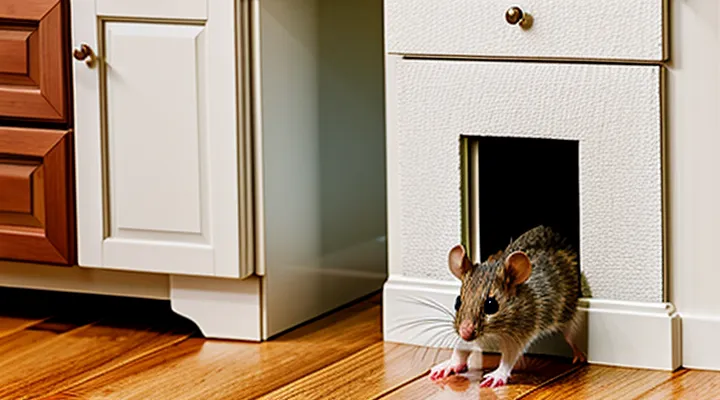
Understanding Rodent Behavior
Why Mice Seek Shelter Indoors
Seasonal Influences on Infestation
Mice activity inside residences fluctuates with seasonal changes, driven by temperature, food availability, and breeding cycles. In autumn, decreasing outdoor temperatures prompt mice to seek shelter, increasing ingress through gaps around foundations, utility openings, and roof eaves. Food stores such as pantry items and pet feed become attractive as natural foraging declines.
Winter intensifies indoor presence. Cold stress reduces foraging range, causing mice to remain near heat sources and nest in insulated wall cavities, attics, and under floorboards. Limited daylight curtails predator exposure, allowing populations to expand unchecked. Insulation gaps, poorly sealed doors, and vent openings serve as primary entry points during this period.
Spring introduces a surge in reproduction; a single female can produce up to five litters annually. The emergence of new offspring raises demand for food and nesting material, prompting mice to explore additional interior locations, including kitchen cabinets, storage closets, and basement corners. Cracks in exterior siding and foundation walls often become newly exploited routes.
Summer conditions encourage exploratory behavior as temperatures rise. Mice may venture outdoors for water sources, yet remain close to the home where humidity levels support nesting. Open windows, unscreened vents, and gaps around air-conditioning units provide convenient access.
Key seasonal factors influencing infestation:
- Temperature decline (autumn, winter) → increased shelter‑seeking behavior
- Reproductive peak (spring) → higher population pressure
- Humidity and water availability (summer) → expanded movement zones
- Structural vulnerabilities (all seasons) → entry points that align with seasonal pressures
Effective mitigation requires season‑specific inspections: seal foundation cracks before autumn, reinforce insulation and entry barriers before winter, monitor reproductive hotspots in spring, and protect exterior openings during summer. Continuous assessment of these temporal patterns limits mouse intrusion throughout the year.
Factors Attracting Mice to Residences
Mice are drawn to residential environments by a combination of readily available resources and structural vulnerabilities. Food residues, pet food left unsecured, and improperly stored pantry items provide a constant supply of calories, making kitchens and dining areas prime attractants. Access to water, whether from dripping faucets, leaky pipes, or condensation on appliances, sustains populations and encourages colonization.
Shelter opportunities arise from gaps in foundations, cracked walls, and unsealed openings around doors, windows, and utility penetrations. Even minute cracks—down to a quarter of an inch—permit entry and enable mice to establish nests within wall voids, attics, or basements. Accumulated clutter, such as cardboard boxes, laundry piles, and stored seasonal items, offers hidden spaces for nesting and protection from predators.
External factors influence indoor infestations as well. Dense vegetation, mulch beds, and debris piled against the house exterior create bridge zones that facilitate movement from outdoor habitats to interior entry points. Poor waste management, including overflowing garbage cans and unsecured compost bins, generates additional food sources that attract rodents to the property perimeter.
Seasonal temperature shifts affect behavior; milder indoor climates during colder months compel mice to seek warmth inside homes, while summer heat drives them toward cooler, shaded interior locations. Proximity to neighboring infestations increases risk, as mice readily travel through shared utility lines, drainage systems, or adjacent structures.
Addressing these attractants requires eliminating food and water sources, sealing all potential entryways with steel wool, caulk, or metal flashing, and maintaining a tidy interior free of clutter. Regular exterior maintenance—trimming vegetation, removing debris, and securing waste containers—reduces the likelihood that mice will approach the building in the first place. Implementing these measures directly targets the primary factors that lure mice into residential spaces.
Entry Points for Rodents
Common Access Points in Homes
Gaps and Cracks in Foundations
Gaps and cracks in a building’s foundation provide direct pathways for mice to infiltrate living spaces. Structural movement, soil pressure, and moisture fluctuations create fissures that are large enough for a mouse to squeeze through, often measuring as little as a quarter of an inch. These openings commonly appear at:
- Joint seams between concrete footings and slab edges.
- Expansion joints that have not been properly sealed.
- Underside of basement walls where mortar has deteriorated.
- Areas around utility penetrations, such as pipe sleeves and conduit entries.
Mice locate these breaches by following scent trails and vibrations. Once inside, they travel along utility lines, insulation, and crawl spaces to reach food sources and nesting sites. Evidence of activity near foundation gaps includes gnaw marks on concrete, droppings in adjacent crawl spaces, and audible scurrying within walls.
Effective mitigation requires a systematic approach:
- Conduct a visual inspection of the exterior and interior foundation surfaces, focusing on visible fissures and joint lines.
- Use a flash light and mirror to examine hidden sections, especially behind siding and under basement stairs.
- Seal identified openings with appropriate materials: hydraulic cement for active moisture areas, polyurethane caulk for small cracks, and steel wool or copper mesh for larger gaps before applying sealant.
- Install metal flashing or lintel covers over utility penetrations to prevent re‑entry.
- Maintain proper drainage around the property to reduce hydrostatic pressure that can exacerbate crack formation.
Regular monitoring of the foundation after repairs ensures that new gaps do not develop and that existing seals remain intact. Prompt detection and sealing of foundation fissures significantly reduce the likelihood of mouse intrusion and subsequent infestation.
Openings Around Pipes and Utilities
Mice frequently exploit gaps surrounding plumbing, gas lines, and electrical conduits to gain access to interior spaces. These openings often result from aging construction, incomplete installations, or repairs that leave unsealed voids. Because rodents can compress their bodies to pass through openings as small as ¼ inch, even minor cracks provide viable entry routes.
Typical vulnerabilities include:
- Uncapped pipe penetrations in foundations and walls
- Gaps around vent stacks and chimney flues
- Spaces surrounding cable bundles and conduit sleeves
- Openings left after fixture removal or appliance relocation
- Cracks around water heater and boiler connections
Effective mitigation requires sealing each aperture with appropriate materials. Use stainless‑steel mesh or heavy‑duty hardware cloth for larger gaps, and apply expanding polyurethane foam or cement‑based caulk for smaller cracks. Ensure that pipe sleeves are fitted tightly and that any exterior penetrations are wrapped with metal flashing before being covered with a weather‑resistant sealant. Regular inspection of utility entry points, especially after renovations or seasonal weather changes, helps maintain a barrier that prevents rodent intrusion.
Damaged Screens and Vents
Damaged window screens and ventilation openings constitute primary entry routes for house mice. Cracks, tears, or missing mesh in screens create gaps as small as ¼ inch, easily accommodating the animal’s slender body. Similarly, poorly sealed vent covers, rusted louvers, or unprotected dryer exhausts leave openings that mice exploit for shelter and food access.
- Structural weaknesses: Frayed screen material and loose fasteners reduce barrier integrity.
- Ventilation flaws: Unscreened intake vents, attic fans, and HVAC ducts lacking proper mesh invite intrusion.
- Environmental factors: Seasonal temperature changes prompt mice to seek indoor warmth through any breach.
- Maintenance neglect: Delayed repair of screen damage or vent deterioration increases infestation risk.
Inspection should focus on the perimeter of each screen, the edges of vent grills, and any areas where weather exposure has caused corrosion. Reinforcing screens with heavy‑duty mesh, sealing vent openings with steel wool and caulk, and installing metal grates on exhausts effectively block mouse passage. Regular upkeep of these components prevents the establishment of rodent populations inside residential structures.
Unsealed Doors and Windows
Unsealed doors and windows constitute the most accessible routes for mice to infiltrate residential spaces. Gaps around frame joints, weatherstripping wear, and improperly fitted screens create openings as small as a quarter‑inch, sufficient for a mouse to squeeze through. Once inside, rodents exploit these entry points to travel between interior rooms and exterior walls, establishing pathways that connect food sources, nesting sites, and hiding places.
Key factors that increase vulnerability:
- Door frames lacking tight seals or damaged sweeps.
- Window casings with cracked or missing weatherstripping.
- Sliding glass doors with worn tracks or gaps at the bottom.
- Basement or garage doors that do not close flush against the floor.
Mitigation measures focus on eliminating the openings:
- Install door sweeps that extend to the floor and replace worn seals.
- Apply high‑quality weatherstripping around all windows and doors.
- Repair or replace cracked frames and ensure screens are intact.
- Use metal mesh or fine hardware cloth to cover vent openings and utility gaps.
- Conduct regular inspections of door and window seals, especially after seasonal temperature changes.
By securing these potential ingress points, homeowners reduce the likelihood of mouse presence and limit the spread of infestations throughout the dwelling.
Less Obvious Entryways
Roof and Attic Vulnerabilities
Mice enter residential roofs and attics through structural weaknesses that provide direct access from the exterior. Gaps around roof trusses, eaves, and soffits allow rodents to slip inside, especially when the building envelope is poorly sealed. Damaged or missing flashing around chimneys, skylights, and vent pipes creates additional entry points. Open or unprotected roof vents, including ridge and attic fans, become convenient pathways if screens are torn or absent.
Insulation deficiencies contribute to infestations. Loose or compressed insulation leaves voids that mice can navigate, while gaps between insulation and framing expose nesting sites. Moisture intrusion from roof leaks softens building materials, making them easier for rodents to gnaw and enlarge existing openings.
Typical roof‑related vulnerabilities include:
- Cracks or holes in roofing material (shingles, tiles, metal panels)
- Unsealed seams around dormers, dormer windows, and roof‑to‑wall connections
- Unscreened or damaged roof vent openings
- Deteriorated soffit panels and fascia boards
- Poorly maintained or missing attic access doors and hatch seals
Addressing these weaknesses involves sealing all exterior openings with steel wool, copper mesh, or appropriate caulking, repairing damaged flashing, installing robust vent screens, and maintaining insulation integrity. Regular roof inspections detect emerging gaps before they become permanent rodent pathways.
Overhanging Branches and Vines
Overhanging branches and vines create direct routes from the exterior to the roofline, allowing mice to climb onto eaves, soffits, and attic vents. The vegetation acts as a natural bridge, eliminating the need for rodents to jump or scramble across open space. Once perched on the roof, mice can exploit gaps around flashing, roof tiles, and chimney crowns to gain interior access.
The presence of foliage against the house envelope also shelters mice from predators and weather, encouraging prolonged activity near potential entry points. Dense vines that wrap around siding or crawl spaces can conceal small holes, making visual inspection difficult and delaying detection of infestations.
Key risks associated with overhanging plant material:
- Increased likelihood of rodents reaching vulnerable structural components.
- Concealment of entry gaps behind foliage.
- Enhanced moisture retention on exterior surfaces, softening building materials and facilitating gnawing.
- Attraction of insects that serve as supplementary food sources for mice.
Mitigation measures:
- Trim branches and vines at least 6 feet from the roof and walls.
- Install physical barriers such as metal flashing or mesh around the base of trees and vines.
- Seal all gaps around roof penetrations, soffits, and vent openings with steel wool and caulk.
- Maintain a clear perimeter of at least 3 feet between vegetation and the building foundation.
Regular pruning and barrier installation reduce the probability that mice will use vegetation as a conduit into residential spaces.
Drainage Systems and Sewers
Mice frequently exploit drainage networks to move from external environments into residential interiors. Moisture within floor drains, bathtub siphons, and kitchen sink traps provides a conducive habitat, while the smooth interior surfaces of PVC or cast‑iron pipes facilitate rapid travel. Gaps around pipe penetrations, poorly sealed pipe sleeves, and cracked or missing caulking create direct pathways for rodents to enter living spaces. Once inside, mice can navigate through vertical stacks, reaching upper‑floor rooms with minimal resistance.
Typical access points linked to sewer and drainage systems include:
- Unsealed openings around pipe sleeves passing through walls, floors, or foundations.
- Deteriorated or missing lintels and flashing around drain lines.
- Open or improperly covered floor‑drain grates, especially in basements and crawl spaces.
- Cracked or broken sewer clean‑out covers that remain exposed to the yard.
- Leaking joints in pipe connections that generate damp conditions attractive to rodents.
Preventive measures focus on eliminating these vulnerabilities. Install tight‑fitting, metal or heavy‑duty drain covers, replace damaged pipe sleeves with insulated, sealed collars, and regularly inspect for moisture accumulation or corrosion. Maintaining a dry, well‑ventilated drainage system reduces the likelihood that mice will use these conduits as a route into the home.
Attractants Within the Home
Food Sources for Mice
Improperly Stored Food
Improperly stored food creates a reliable food source that draws mice into residential spaces. Crumbs, open packages, and uncovered containers release odors that mice detect from great distances, prompting them to explore kitchens, pantries, and dining areas. When food is left in accessible locations, mice establish foraging routes that often intersect with structural entry points such as gaps around pipes, vents, and door frames.
Common sources of poorly secured food include:
- Open cereal boxes or snack bags left on countertops.
- Pet food bowls that remain full overnight.
- Unsealed bags of flour, sugar, or grain products stored in cabinets.
- Stale leftovers in unsealed containers in the refrigerator or on shelves.
- Crumbs and spills that are not promptly cleaned from floors and appliances.
These attractants encourage mice to:
- Enter through the smallest openings, typically ¼ inch or larger.
- Navigate walls and ceilings to reach the food source.
- Establish nesting sites nearby, often in insulation, closets, or crawl spaces.
- Multiply, increasing the severity of the infestation.
Effective mitigation requires sealing food in airtight containers, regularly cleaning surfaces, and storing pet feed in sealed bins. By eliminating accessible nutrition, the incentive for mice to infiltrate and remain in the home is significantly reduced.
Pet Food and Bird Seed
Pet food and bird seed provide readily available nutrition that draws mice into residential spaces. When dry kibble or seed is left uncovered, the scent spreads through air currents and cracks, creating a trail that rodents follow from entry points to the source.
- Open containers allow direct access; even partially sealed bags release crumbs.
- Spillages on floors, countertops, or pet feeding areas accumulate quickly, offering a persistent food supply.
- Storage in cabinets without airtight seals permits odor penetration, encouraging mice to explore adjacent rooms.
Bird seed placed on balconies, porches, or in outdoor feeders often scatters onto windowsills, gutters, and ground cover. The scattered particles become a consistent attractant for mice seeking shelter nearby. Loose seed inside garages or sheds adds to the problem, as rodents use these areas as transit routes into the home.
- Feeders without weight‑activated closures dispense excess seed that falls to the surrounding surface.
- Lack of regular cleaning leaves residual seed that remains attractive for weeks.
- Storing bulk seed in unsealed containers exposes the scent to indoor air, inviting intrusion.
Effective control relies on eliminating these food sources. Use airtight containers for pet kibble, clean feeding stations after each meal, and position bird feeders away from the building envelope. Regularly sweep and vacuum areas where seed or kibble may accumulate. By removing the nutritional lure, the incentive for mice to enter and remain in a residence diminishes significantly.
Crumbs and Spilled Food
Crumbs and spilled food provide a reliable energy source that draws mice into residential spaces. When food particles remain on countertops, under appliances, or on the floor, they create a scent trail detectable by rodents, prompting exploration and entry through small openings.
Mice commonly encounter these attractants in:
- Kitchen cabinets and pantry shelves where packaging is damaged.
- Underneath the refrigerator, stove, or dishwasher where debris collects unnoticed.
- Dining tables and chairs after meals, especially when crumbs are not promptly removed.
- Floor edges near trash cans or recycling bins that overflow or leak.
The presence of edible residues encourages mice to establish foraging routes, which often expand into adjacent rooms. Persistent food sources sustain breeding populations, increasing the likelihood of a full‑scale infestation. Regular cleaning, prompt waste disposal, and sealing of entry points disrupt the attractant gradient and reduce the risk of rodent activity throughout the home.
Fruit and Vegetable Storage
Fruit and vegetable storage creates an environment that readily draws mice into residential spaces. The natural sugars and moisture found in produce emit odors that signal a reliable food source, encouraging rodents to explore cabinets, pantry shelves, and refrigerator interiors.
Open bins, loosely sealed bags, and damaged packaging allow easy access. Crates or baskets placed on the floor provide convenient pathways for mice to travel from exterior entry points to interior storage areas. Overripe or bruised items release stronger scents, increasing the likelihood of infestation.
Effective control measures include:
- Using containers with snap‑tight lids or heavy‑gauge plastic that cannot be gnawed through.
- Storing perishable produce in the refrigerator or freezer whenever possible.
- Inspecting packaging for tears and discarding compromised items promptly.
- Cleaning shelves regularly to remove crumbs, juice spills, and residue.
- Elevating storage units off the floor and away from walls to reduce contact with potential entry routes.
Produce that typically attracts mice the most:
- Apples, pears, and stone fruits.
- Sweet vegetables such as carrots, corn, and peas.
- High‑moisture items like tomatoes, cucumbers, and bell peppers.
- Dried fruits and nuts left in loosely sealed containers.
Maintaining airtight storage, routine sanitation, and prompt removal of spoiled produce limits the appeal of kitchen and pantry areas, thereby reducing the risk of rodent presence throughout the home.
Water Availability
Leaky Pipes and Faucets
Leaking water lines and dripping faucets create a constant source of moisture that attracts mice seeking hydration. Persistent moisture softens building materials, allowing rodents to gnaw through weakened joints and gain entry to walls, ceilings, and crawl spaces. The scent of standing water also signals a reliable food supply, encouraging mice to establish nests nearby.
Key effects of faulty plumbing include:
- Moisture accumulation behind insulation, fostering a humid microenvironment preferred by mice.
- Corrosion and rust that degrade pipe seals, opening gaps large enough for rodent passage.
- Condensation on cold water lines, providing additional drinking sites within concealed areas.
- Increased likelihood of mold growth, which supplies an auxiliary food source for rodents.
Repairing leaks promptly eliminates the attractant, seals potential entry points, and reduces the overall suitability of a residence for mouse habitation. Regular inspection of pipe joints, faucet aerators, and shut‑off valves is essential to maintain a dry, inhospitable environment for these pests.
Pet Water Bowls
Pet water bowls can create conditions that draw mice into residential spaces. Open containers leave moisture accessible, satisfying a basic need for rodents that search for drinking sources.
Stagnant water encourages mice to explore nearby areas. Bowls placed on the floor or near furniture provide a low‑lying water source that rodents can reach without climbing.
Location matters. Bowls left under cabinets, behind appliances, or beside baseboards sit within the typical routes mice use to travel between walls and hidden chambers. These spots also conceal spills, making cleanup harder and increasing attraction.
Preventive actions:
- Use sealed or weighted bowls that prevent easy tipping.
- Empty and refill water daily; rinse thoroughly to remove residue.
- Position bowls on elevated surfaces away from walls and concealed spaces.
- Keep the surrounding floor dry; wipe any drips immediately.
- Inspect the area regularly for gnaw marks or droppings that indicate rodent activity.
By managing water accessibility and bowl placement, homeowners reduce one of the factors that contribute to rodent presence in dwellings.
Condensation Issues
Condensation creates moist environments that attract mice by providing reliable water sources and softening building materials. When warm, humid air contacts cold surfaces such as windows, walls, or pipes, water droplets accumulate, raising humidity levels in adjacent cavities. Elevated moisture encourages the growth of mold and fungi, which serve as food for rodents, while also weakening insulation and structural components, making it easier for mice to gnaw entry points.
Key ways condensation contributes to rodent activity include:
- Increased food availability – mold, mildew, and damp organic debris become attractive foraging material.
- Compromised barriers – swollen wood, rotted drywall, and softened sealants can be penetrated with minimal effort.
- Enhanced shelter – damp basements, crawl spaces, and attic corners provide comfortable nesting sites.
- Improved navigation – moisture reduces friction on surfaces, allowing mice to move more swiftly through tight gaps.
Preventing condensation reduces these risks. Effective measures consist of installing vapor barriers, sealing gaps around pipes and windows, maintaining indoor humidity below 50 %, and ensuring proper ventilation in high‑moisture areas such as kitchens, bathrooms, and laundry rooms. Regular inspection of insulation and building envelopes helps identify early signs of moisture accumulation, allowing prompt remediation before rodents exploit the conditions.
Shelter and Nesting Materials
Clutter and Storage Areas
Clutter creates hidden pathways that mice exploit to move between rooms and reach food sources. Stacked boxes, piles of laundry, and disorganized shelves provide protection from predators and allow rodents to nest unnoticed. When storage areas are packed tightly, gaps form between items, forming ideal burrowing sites and enabling easy access to wall voids and utility spaces.
Key factors linking clutter to mouse activity:
- Accumulated paper, fabric, or cardboard offers nesting material.
- Overfilled closets and basements hinder regular inspection, allowing infestations to grow undetected.
- Disordered storage blocks ventilation, creating warm, moist microenvironments favorable to rodents.
- Unsealed containers and loosely stored food attract mice, reinforcing their presence in the area.
Reducing clutter eliminates concealment opportunities, improves visibility for early detection, and limits the availability of building materials that mice use for nests. Maintaining organized storage spaces, regularly discarding unnecessary items, and sealing all openings are essential steps to prevent rodent intrusion.
Insulation and Wall Voids
Insulation materials and the cavities within walls create concealed pathways that attract mice seeking shelter and food. Loose-fill insulation, such as cellulose or fiberglass, can be displaced by rodents, forming nests that are difficult to detect without opening the wall cavity. Gaps around ducts, electrical boxes, and pipe penetrations allow mice to move between exterior openings and interior voids, where they remain hidden from routine inspections.
Key factors linking insulation and wall voids to mouse presence include:
- Accessible entry points – poorly sealed joints, vent openings, and damaged sheathing provide direct routes into void spaces.
- Warm, dry environment – insulation retains heat, offering a stable microclimate favorable for breeding.
- Food storage – debris and crumbs trapped in insulation serve as an immediate food source.
- Structural damage – rodents chew insulation to create tunnels, enlarging existing voids and compromising structural integrity.
Mitigation requires sealing all exterior cracks, installing metal mesh or steel wool at openings, and using dense, non‑compressible insulation that resists displacement. Regular visual checks of wall interiors and professional audits can identify early signs of infestation before populations establish.
Cardboard and Fabric
Cardboard and fabric create ideal nesting sites for mice inside residential buildings. Their soft texture, availability, and ease of manipulation allow rodents to construct concealed shelters that protect them from predators and temperature fluctuations.
Mice commonly encounter these materials in:
- Storage boxes, especially those left open or stacked near walls.
- Unused clothing piles, laundry baskets, and fabric scraps stored in closets or under beds.
- Packaging material from deliveries, often discarded in basements, garages, or utility rooms.
- Insulation panels that contain fabric or cardboard components, found in attics and crawl spaces.
The presence of cardboard and fabric accelerates infestation by providing food sources. Mice gnaw on cardboard to access trapped paper, cardboard glue, or residual food particles, while fabric fibers can be ingested inadvertently or used to line burrows. When these items are left in damp or poorly ventilated areas, the environment becomes more attractive, encouraging breeding and population growth.
Preventive measures focus on eliminating accessible cardboard and fabric. Store items in sealed plastic containers, keep clothing in closed wardrobes, and promptly recycle or dispose of packaging materials. Regularly inspect hidden spaces—behind appliances, under cabinets, and within wall cavities—to detect and remove potential nesting material before mice establish a foothold.
Prevention and Mitigation Strategies
Sealing Entry Points
Inspecting and Repairing Exterior
Exterior inspection and repair are essential components of a comprehensive strategy to prevent mouse intrusion in residential properties. Mice exploit gaps, cracks, and structural weaknesses to gain access from the outside environment. Identifying and sealing these vulnerabilities eliminates the primary pathways that allow rodents to enter living spaces.
Key inspection points include:
- Gaps around foundation walls, especially where concrete meets soil.
- Openings around utility penetrations, such as water, gas, and electrical lines.
- Unsealed or damaged weather‑stripping on doors and windows.
- Cracks in siding, brick, or stucco that expose interior cavities.
- Uncovered vents, eaves, soffits, and attic access points.
- Gaps beneath crawl‑space doors or garage entryways.
- Damaged or missing screens on exterior vents and chimneys.
Repair actions should be performed promptly:
- Apply steel wool or copper mesh to small openings before sealing with caulk or expanding foam.
- Install durable metal flashing around utility conduits and seal with silicone or mortar.
- Replace deteriorated weather‑stripping and ensure door sweeps make full contact with thresholds.
- Use concrete patching compound or mortar to fill foundation cracks; consider epoxy for larger fissures.
- Secure vent covers with metal mesh screens; verify that soffit and eave openings are closed with lintels or metal flashing.
- Install self‑closing doors on crawl‑space entries; reinforce garage doors with weather‑seal strips.
- Repair or replace damaged siding, ensuring a tight fit against the sheathing and foundation.
Regular exterior maintenance—annual visual checks, prompt repair of weather damage, and reinforcement of vulnerable points—reduces the likelihood of rodent infestation by removing the structural opportunities mice require for entry.
Fortifying Doors and Windows
Doors and windows constitute the most accessible routes for mice seeking shelter inside a residence. Small openings, deteriorated seals, and loose frames provide the passageways rodents exploit.
Typical vulnerabilities include:
- Gaps larger than ¼ inch around door thresholds
- Cracked or torn window screens
- Unsealed spaces between frame and wall
- Weatherstripping that has worn away
Effective fortification measures:
- Install door sweeps that contact the floor evenly; select metal or heavy‑duty rubber models.
- Apply high‑quality silicone or acrylic caulk to seal gaps around frames, paying special attention to corners and corners of recessed doors.
- Replace or reinforce screens with stainless‑steel mesh; ensure mesh is tightly fastened with corrosion‑resistant staples.
- Fit self‑closing hinges on exterior doors; adjust tension so the door latches fully without hesitation.
- Add metal flashing to the upper and lower edges of windows; secure with corrosion‑resistant screws.
Regular maintenance sustains protection. Inspect seals quarterly, replace worn weatherstripping, and verify that sweeps remain flush with the floor. Prompt repair of damage prevents the formation of new entry points and reduces the likelihood of rodent intrusion.
Addressing Roof and Attic Gaps
Mice gain entry through openings in the roof and attic structure. Gaps around vents, eaves, chimneys, and roof‑to‑wall junctions provide direct pathways from the exterior to the building interior. Once inside the attic, rodents can travel to walls, crawl spaces, and living areas, creating the conditions for a broader infestation.
Identifying vulnerable points requires a systematic inspection. Begin at the roof peak and work outward, looking for:
- Cracked or missing flashing around chimneys and skylights
- Unsealed gaps where roofing material meets walls or dormers
- Openings around roof vents, exhaust fans, and attic access doors
- Damaged soffit or fascia boards that expose the attic cavity
Sealing these gaps eliminates the primary routes mice use to infiltrate the home. Effective methods include:
- Installing steel mesh or copper flashing over vent openings, then covering with a weather‑resistant sealant
- Applying high‑quality silicone or polyurethane caulk to cracks in flashing and around roof penetrations
- Using expanding foam insulation with a metal mesh core to fill larger voids, then trimming excess material flush with surrounding surfaces
- Replacing damaged soffit or fascia with properly fitted, pest‑proof panels
After repairs, verify the integrity of the seal by conducting a visual check and, if possible, a smoke test to confirm that air does not flow through the treated areas. Regular maintenance—cleaning debris from eaves, inspecting roof tiles after storms, and ensuring that attic insulation remains intact—prevents new gaps from forming.
A proactive approach to roof and attic sealing reduces the likelihood of rodent entry, limits the spread of contamination, and supports overall building health.
Eliminating Attractants
Proper Food Storage Techniques
Proper food storage directly reduces the likelihood of rodents establishing a presence in residential spaces. Food that is left uncovered, stored in soft packaging, or placed near entry points provides a reliable nutrient source, encouraging mice to explore kitchens, pantries, and dining areas. Eliminating this attractant removes one of the primary drivers of infestations.
- Use airtight containers made of metal or heavy‑wall plastic for all dry goods, grains, and pet food.
- Keep containers sealed after each use; never leave lids partially open.
- Store bulk items in smaller, reusable containers rather than on original packaging.
- Position food storage units away from walls and baseboards to prevent easy access from cracks.
- Clean spills immediately and discard crumbs from countertops, floors, and appliances.
- Rotate inventory regularly; discard expired or stale products that may emit strong odors.
Consistent application of these practices limits the nutritional incentives that draw mice into living quarters. Routine inspections of storage areas, coupled with prompt correction of any breach, sustain a hostile environment for rodents and support long‑term pest prevention.
Maintaining Cleanliness
Mice are attracted to residues, accessible food, and clutter that provide shelter and nourishment. Eliminating these resources reduces the likelihood that rodents will establish pathways inside a dwelling.
Proper food management prevents accidental feeding. Store dry goods in airtight containers, place pet food in sealed bins, and clean crumbs from countertops and floors after each meal. Dispose of waste in containers with tight-fitting lids and remove garbage from the interior at least once daily.
Regular sanitation removes the environmental cues that draw mice. Sweep or vacuum floors, mop surfaces, and wipe down appliances to eliminate grease and food particles. Pay special attention to areas behind refrigerators, stoves, and cabinets where debris accumulates unnoticed.
Maintain a clutter‑free environment to deny rodents hiding places. Keep storage areas organized, discard unused items, and avoid stacking boxes directly against walls. Seal gaps, cracks, and openings in walls, floors, and foundations to block entry routes.
Key actions for effective cleanliness:
- Store all consumables in sealed containers.
- Clean spills and crumbs immediately.
- Empty trash regularly and use containers with secure lids.
- Vacuum and mop high‑traffic zones daily.
- Remove unnecessary clutter from storage spaces.
- Inspect and seal potential entry points.
Consistent application of these measures removes food sources and shelter, directly limiting the conditions that encourage mouse activity within residential spaces.
Managing Water Sources
Mice are attracted to any reliable supply of moisture inside a dwelling. Leaking pipes, condensation on windows, and standing water in pet dishes create ideal conditions for rodents to thrive. Eliminating these sources reduces the likelihood of mice establishing pathways and nesting sites throughout the home.
Key actions for controlling water availability include:
- Inspect all plumbing fixtures regularly; repair drips and replace corroded seals promptly.
- Seal gaps around sinks, bathtubs, and dishwasher hoses to prevent seepage.
- Use a dehumidifier in basements, crawl spaces, and other damp areas to keep relative humidity below 50 %.
- Empty and dry pet water bowls each night; store food in airtight containers to avoid spillage.
- Clean up condensation on cold surfaces with a cloth or install insulating film on windows and pipes.
By systematically removing moisture points, homeowners limit the primary incentive for mice to enter and remain in residential spaces.