
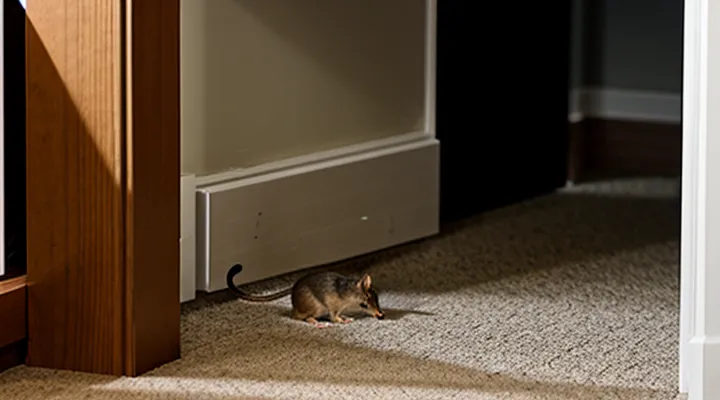
Understanding the Mouse Phenomenon in High-Rise Buildings
The Myth of «Mouse-Proof» High Floors
The belief that apartments above the ground level are automatically free of rodents is unfounded. Mice possess physical traits and behaviors that allow them to reach elevations far beyond ground‑floor dwellings.
Mice climb rough surfaces, grip textured walls, and exploit vertical conduits such as utility shafts, fire‑escape ladders, and exterior brickwork. Their small size enables passage through gaps as narrow as ¼ inch, making even well‑sealed walls vulnerable.
Typical points of presence on a fifth‑floor unit include:
- Kitchen cabinets and pantry shelves where food residues accumulate.
- Bathroom vents and exhaust fans that connect to external ducts.
- Balcony railings and planters that provide direct climbing routes.
- Wall voids surrounding plumbing stacks and electrical conduits.
- Trash chutes and communal waste rooms that serve as entry hubs.
Structural pathways often originate from lower floors or the building’s exterior. Water lines, sewage pipes, and HVAC ducts create continuous routes. Open window screens, damaged sealant, and poorly fitted door sweeps further facilitate ingress.
Effective control measures consist of:
- Sealing all exterior penetrations larger than ¼ inch with steel wool and caulk.
- Installing metal mesh on vent openings and balcony rail gaps.
- Maintaining a strict sanitation regime: store food in airtight containers, clean crumbs promptly, and dispose of waste in sealed bags.
- Conducting regular inspections of pipe and conduit joints, repairing cracks immediately.
- Deploying snap traps or electronic bait stations in identified activity zones, monitoring for captures, and adjusting placement as needed.
The persistence of mice on high‑rise floors results from their adaptability to engineered environments, not from any failure of building design. Eliminating access points and removing attractants remain the only reliable methods to counter the myth of “mouse‑proof” upper levels.
Common Entry Points for Pests
Plumbing and Utility Gaps
Mice often travel upward through the building’s concealed channels. In a fifth‑floor unit, the most common routes are the spaces surrounding water supply lines, waste pipes, and utility conduits.
Typical entry points include:
- Gaps around vertical plumbing stacks where walls meet the pipe sleeves.
- Openings at the junction of kitchen and bathroom fixtures, especially under sinks and behind appliances.
- Unsealed holes for electrical wiring or cable bundles that intersect with water lines.
- Gaps around HVAC ducts that share the same chase as plumbing.
These openings provide continuous pathways from lower floors or the building’s exterior to the interior of a high‑rise apartment. The gaps may be as small as a quarter‑inch, sufficient for a mouse to squeeze through.
Inspection should focus on the interior surface of walls and ceilings near fixtures, using a flashlight to reveal any visible cracks or missing sealant. Sealing methods include:
- Expanding foam or silicone caulk applied to all pipe‑to‑wall seams.
- Metal or copper mesh patches for larger holes before applying sealant.
- Installing pipe sleeves with tight-fitting collars to prevent movement.
Regular maintenance of these sealed areas reduces the likelihood of rodent presence on upper levels.
Wall Voids and Structural Openings
Wall voids and structural openings provide the primary pathways for rodents to move within a high‑rise residence. Gaps between interior drywall and exterior sheathing create hidden channels that connect rooms, closets, and service areas. These cavities often extend from the building’s foundation up through the floor slabs, allowing mice to travel from lower levels to a fifth‑floor unit without exposure to open air.
Typical entry points include:
- Utility chases that house electrical wiring, plumbing, and HVAC ducts; unsealed gaps around conduit and pipe sleeves serve as direct routes.
- Penetrations for vent stacks, exhaust fans, and dryer ducts; insufficient flashing or missing metal collars leave openings the size of a mouse.
- Structural joints such as floor joist gaps, rim joist voids, and wall studs; loose insulation or missing firestop caulk creates accessible spaces.
- Service panels and electrical boxes; undersized covers or deteriorated seals grant easy access to interior wall cavities.
These openings also create favorable microenvironments. The insulation within wall voids retains heat, while the proximity to plumbing supplies water. Both conditions support nesting and food storage, encouraging mice to establish colonies on upper floors.
Inspection should focus on visual examination of interior surfaces, probing for loose drywall, and using a flashlight to trace the continuity of voids. Infrared cameras or moisture meters can identify concealed activity. Sealing measures involve:
- Installing steel wool or copper mesh in gaps larger than ¼ inch before applying sealant.
- Applying fire‑rated caulk or expanding foam around pipe sleeves and conduit.
- Replacing damaged vent flashing and ensuring all roof penetrations are properly lapped.
- Adding metal plates over utility chase openings and securing electrical boxes with tamper‑resistant screws.
By systematically addressing wall voids and structural openings, occupants can eliminate the hidden routes that enable mice to appear in apartments situated on higher levels.
Shared Ventilation Systems
Shared ventilation ducts often extend vertically through a building, linking lower levels with upper floors. In a fifth‑floor unit, mice can travel upward through these shafts if openings, gaps, or damaged grilles exist. Once inside the ductwork, they may drop into apartments through vent openings, especially when suction from fans creates airflow that carries them downward.
Typical entry points include:
- Unsealed duct joints or seams near the roof or attic.
- Damaged or missing vent covers in hallways or common areas.
- Gaps around pipe penetrations where duct material meets the building structure.
- Cracks in insulation that line the ducts, providing shelter and routes.
Evidence of mouse activity within a ventilation system may appear as gnaw marks on duct metal, droppings near vent registers, or audible scratching during quiet periods. Because the ducts circulate air throughout the building, contamination can spread quickly, affecting food storage and indoor air quality.
Mitigation measures focus on sealing and maintenance:
- Inspect all vent covers and replace any that are cracked or loose.
- Apply steel wool or copper mesh to seal gaps around duct seams and pipe penetrations.
- Install metal flashing or mesh screens at the entrance of each vent to block rodent entry while preserving airflow.
- Schedule regular professional duct cleaning to remove debris and identify structural damage.
- Conduct routine building‑wide pest surveys, targeting shared mechanical spaces such as boiler rooms and crawl spaces.
By reinforcing the integrity of shared ventilation infrastructure, the likelihood of rodents reaching a fifth‑floor residence through this pathway diminishes significantly.
Roof and Attic Access
Mice often use roof and attic pathways to reach upper‑level units. Access points include roof vents, chimney flues, soffit gaps, and attic hatch doors that are not sealed. These openings provide direct routes from the building exterior to interior spaces, allowing rodents to travel vertically without encountering floor barriers.
Inspecting the roof structure reveals common entry sites. Look for:
- Unscreened vent covers or damaged louvers
- Cracks around chimney flashing and pipe stacks
- Gaps between roof sheathing and eaves
- Loose or missing attic hatch seals
- Openings around satellite dishes and antenna mounts
Repair measures focus on sealing each gap with steel wool, caulk, or metal flashing, then covering with rodent‑proof mesh. Install self‑closing attic doors that lock firmly when not in use. Ensure all vent covers have fine mesh screens rated for rodent exclusion.
Regular maintenance of the roof and attic reduces the likelihood that rodents will infiltrate a fifth‑floor residence. Periodic visual checks after storms, combined with prompt repair of any compromised seals, keep the building envelope intact and deny mice the pathways they need to enter.
Factors Attracting Mice to Upper Floors
Food Sources and Shelter Availability
Mice occupy a fifth‑floor residence when they can locate sustenance and protected nesting sites. Their distribution correlates directly with the presence of accessible food and concealed refuges.
Typical food supplies in such apartments include:
- Open containers of cereal, pet kibble, or dried fruit left on countertops or in pantry shelves.
- Crumbs and spills on kitchen floors, especially under appliances.
- Unsealed garbage bags or recycling bins that contain food residue.
- Small infestations of insects or mold that provide secondary nutrition.
Potential shelter areas consist of:
- Gaps behind refrigerators, stoves, or dishwashers where insulation or wiring creates voids.
- Wall cavities, especially where drywall is damaged or where utility lines penetrate.
- Storage closets packed with boxes, laundry baskets, or seasonal items that conceal entry points.
- Under floorboards or in the space above ceiling tiles when access panels are left unsecured.
Eliminating these attractants and sealing entryways reduces mouse activity on upper‑level apartments.
Climatic Influences and Seasonal Migration
Mice that occupy high‑rise residential units respond to external weather patterns. Warm summer temperatures increase insect populations and plant growth, providing abundant food sources that attract rodents to lower levels of a building. As indoor climates become hotter, mice seek cooler, ventilated spaces such as kitchens, bathrooms, and storage closets on the fifth floor, where heat‑producing appliances create favorable microenvironments.
During autumn, declining outdoor temperatures force mice to seek shelter. Gaps around windows, utility penetrations, and poorly sealed exterior walls serve as entry points. The seasonal drop in humidity reduces moisture loss inside walls, making interior voids more hospitable. Consequently, mouse activity intensifies in attic‑adjacent ceilings and wall cavities that connect directly to the fifth‑floor apartments.
Winter brings sustained low temperatures and limited natural food. Mice migrate deeper into building structures, exploiting insulated pipe chases and heated rooms. The presence of radiators, water heaters, and constant indoor heating supplies both warmth and moisture, encouraging rodents to establish nests near baseboards, behind appliances, and within pantry shelves.
Spring reverses the trend. Rising outdoor temperatures and renewed vegetation increase external food availability. Some individuals leave the building, while others remain if interior conditions stay stable. The influx of new juveniles during this period raises population density, leading to heightened competition for nesting sites on the fifth floor.
Key climatic drivers influencing rodent distribution in high‑rise dwellings:
- Temperature gradients between interior and exterior spaces
- Seasonal humidity fluctuations affecting wall moisture levels
- Availability of heat sources (radiators, appliances) inside apartments
- Structural gaps that align with seasonal pressure differentials
Understanding these patterns enables targeted exclusion measures, such as sealing penetrations before autumn, reinforcing insulation in wall cavities, and maintaining clean, dry storage areas throughout the year.
Neighboring Infestations and Building-Wide Issues
Mice on a fifth‑floor unit often originate from infestations in adjacent apartments. When a neighbor’s walls, crawl spaces, or utility shafts harbor rodents, the pests exploit the same pathways to reach nearby doors, windows, and vent openings. Shared structural elements create a continuous route that bypasses floor level, making isolated control ineffective.
Common entry points in high‑rise dwellings include:
- Gaps around plumbing stacks that run vertically through the building.
- Unsealed gaps behind baseboards and in recessed lighting fixtures.
- Openings around HVAC ducts that connect multiple floors.
- Cracks in exterior brickwork or siding that align with interior wall cavities.
Building‑wide factors amplify the problem. Poor waste management in communal areas, such as overflowing trash chutes or improperly sealed recycling bins, provides a steady food source that sustains larger rodent populations. Inadequate pest‑management policies, delayed maintenance, and lack of regular inspections allow infestations to spread quickly across vertical and horizontal sections of the structure.
Effective mitigation requires coordinated action: prompt sealing of all identified gaps, routine building inspections, and a standardized extermination protocol applied simultaneously to affected units and common spaces. Without collective effort, mice will continue to migrate between apartments, regardless of the specific floor.
Preventing and Managing Mouse Infestations
Sealing Entry Points and Structural Repairs
Mice gain access to upper‑level units through gaps in the building envelope, such as cracks in exterior walls, openings around pipes, vents, and utility lines, and poorly sealed windows or doors. Even minute openings allow rodents to travel vertically and infiltrate fifth‑floor apartments.
Effective sealing requires durable, non‑chewable materials applied to every identified breach. Common solutions include:
- Steel wool packed tightly into gaps, then covered with silicone sealant.
- Expanding polyurethane foam for larger voids, applied in thin layers to avoid over‑expansion.
- Metal flashing or sheet metal around utility penetrations, secured with screws and sealed with caulk.
- Weather‑stripping on doors and windows, replaced annually or when wear appears.
Structural repairs address the underlying damage that creates entry points. Replace compromised drywall, repair fractured plaster, and reinforce cracked mortar or brickwork with appropriate mortar mix. Where wood framing shows rot or chewing, remove affected sections and install pressure‑treated lumber or metal studs. Ensure roof edges and balcony railings are sealed with flashing and that any exterior cladding gaps are filled with mortar or sealant.
Routine inspection sustains the barrier. Conduct a visual survey of exterior walls, window frames, and utility openings quarterly. Document any new cracks, reapply sealant promptly, and verify that repaired sections remain intact. Consistent maintenance eliminates re‑entry routes and reduces the likelihood of rodent presence in high‑rise residences.
Maintaining Hygiene and Food Storage
Mice are drawn to environments where food residues and moisture are readily available. In high‑rise dwellings, the presence of unsecured food, overflowing trash bins, and damp surfaces creates ideal foraging zones on any floor, including the fifth level.
Effective hygiene reduces the likelihood of rodent activity. Regularly wipe countertops, sweep floors, and disinfect kitchen appliances. Remove crumbs immediately after meals. Store cleaning tools in sealed containers to prevent accidental contamination.
Proper food storage limits access points for pests. Follow these measures:
- Keep all edible items in airtight plastic or glass containers.
- Use metal cans with secure lids for pantry goods.
- Place dried goods (rice, pasta, cereals) in resealable bags with zip closures.
- Label containers with purchase dates and rotate stock to avoid spoilage.
- Store pet food in the same sealed manner and avoid leaving bowls out overnight.
Waste management also influences rodent presence. Use trash cans with fitted lids, empty them daily, and keep recycling bins clean. Dispose of food scraps in sealed bags before placing them in external dumpsters.
By maintaining strict cleanliness and employing secure storage solutions, residents of upper‑floor apartments can significantly diminish the attractions that encourage mice to inhabit their living spaces.
Professional Pest Control Strategies
Mice in a high‑rise apartment typically occupy concealed pathways: wall voids, ceiling cavities, pipe chases, and behind appliances. Their activity concentrates near food sources such as kitchen countertops, pantry shelves, and garbage disposals, while nesting sites appear in insulation, closets, and under floorboards.
Effective professional control follows a systematic process.
- Comprehensive inspection – Certified technicians use flashlights, mirrors, and motion‑activated cameras to locate droppings, gnaw marks, and entry points.
- Exclusion – All identified gaps larger than ¼ inch are sealed with steel wool, copper mesh, or cement. Utility penetrations, vent openings, and door sweeps receive reinforced barriers.
- Sanitation – Residents are instructed to store food in sealed containers, remove clutter, and maintain daily waste removal to eliminate attractants.
- Trapping – Snap traps or electronic devices are placed along established runways, positioned perpendicular to walls with bait placed at the rear. Traps are checked and reset every 24 hours.
- Baiting – Low‑toxicity rodenticides are applied in tamper‑proof stations, positioned out of reach of children and pets. Placement follows label guidelines and local regulations.
- Monitoring – Sticky boards and infrared sensors track activity after intervention, confirming reduction or eradication.
When infestation persists, professionals may implement an Integrated Pest Management (IPM) plan that combines exclusion, mechanical control, and targeted chemical use while documenting all actions for regulatory compliance. Continuous follow‑up visits ensure that newly formed entry points are addressed promptly, preventing re‑infestation in the upper‑level dwelling.