
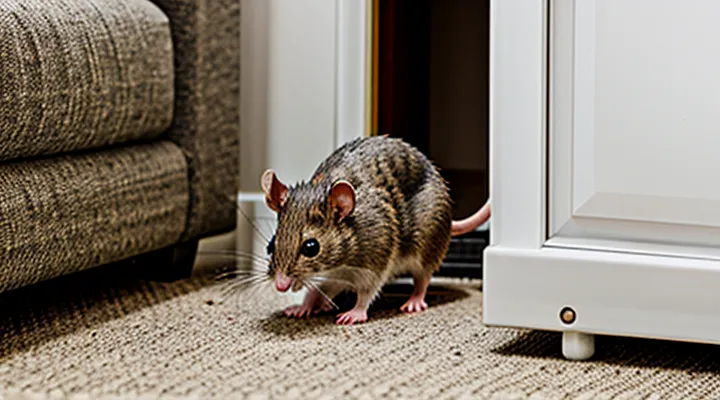
The Allure of Shelter and Food
Food Sources as Primary Attractants
Mice are drawn to apartments primarily by accessible food. Any edible material left exposed provides the energy needed for reproduction and survival, making it the strongest lure for these rodents.
- Untended crumbs on countertops, floors, or behind appliances
- Open containers of cereal, pet food, or dried fruit
- Spilled liquids that dry into sugary residues
- Unsealed garbage cans or overflowing trash bags
- Food stored in unsealed packaging or left in pantry aisles
The attraction intensifies when food is stored improperly. Loose packaging, broken seals, and failure to clean up spills create a continuous supply. Nighttime activity often concentrates near kitchens, pantries, and utility closets where food remnants accumulate. Even small amounts, such as a single dropped peanut, can sustain a small population.
Effective control requires eliminating food availability. Store all consumables in airtight containers, clean surfaces after each meal, and empty trash daily into sealed bins. Regularly inspect pantry shelves for spills or damaged packaging, and keep pet feeding stations away from walls and out of reach when not in use. By removing these nutritional incentives, the likelihood of mouse presence diminishes significantly.
Safe Havens and Nesting Opportunities
Mice seek environments that provide shelter, warmth, and easy access to food. In residential units, these criteria are met by several specific sites.
- Spaces behind appliances such as refrigerators, stoves, and dishwashers where insulation creates a stable temperature and gaps allow entry.
- Wall voids and crawl spaces that connect multiple rooms, offering uninterrupted pathways and concealment.
- Ceiling joists and attic openings, especially where insulation is disturbed or exposed.
- Under floorboards and beneath cabinets, where debris and stored items conceal nesting material.
- Behind baseboards and in gaps around plumbing fixtures, providing direct routes to water sources.
- Inside closets or laundry rooms that contain fabrics, paper, or shredded material suitable for building nests.
Each of these locations supplies the protection and resources mice require to establish a nest and persist within an apartment. Eliminating entry points, reducing clutter, and maintaining tight seals around utilities diminish the suitability of these safe havens.
Entry Points and Access Routes
Structural Imperfections and Cracks
Mice infiltrate apartments by exploiting weaknesses in the building envelope. Small openings, often unnoticed, allow rodents to move from exterior spaces into interior rooms.
- Unfinished or deteriorated plaster joints
- Gaps around window frames and sliding doors
- Cracks in foundation walls or basement slabs
- Openings at utility penetrations (pipes, cables, vent ducts)
- Loose or missing siding, trim, or weather‑stripping
Cracks serve as both entry points and concealed pathways. Even hairline fissures can enlarge under pressure from shifting foundations or temperature changes, creating a continuous conduit from the ground level to living areas. Once inside, mice use these voids to travel unseen, nesting behind walls or beneath flooring.
Sealing structural defects eliminates the primary routes mice use to access an apartment. Apply high‑quality caulk or expanding foam to fill gaps, repair cracked plaster with appropriate filler, and install metal mesh or steel wool at larger openings before covering with cement or drywall. Regular inspection of vulnerable areas prevents new cracks from forming and reduces the likelihood of rodent intrusion.
Gaps Around Pipes and Utilities
Mice infiltrate apartments through openings that surround plumbing, wiring, and other utilities. These gaps often result from construction tolerances, aging structures, or DIY repairs. When the space between a pipe, conduit, or vent and the surrounding wall or floor exceeds a few millimeters, it creates a passage large enough for a mouse to squeeze through.
Typical entry points include:
- Gaps around water supply lines where they penetrate walls or floors.
- Spaces surrounding sewer and drain pipes, especially where they intersect foundation walls.
- Openings around electrical conduit, cable bundles, and HVAC ducts.
- Unsealed gaps at the base of vent stacks, dryer exhausts, and gas lines.
- Cracks where utility shafts meet the building’s exterior envelope.
Mice exploit these openings for shelter, food access, and movement between rooms. The presence of utilities also provides a stable temperature and protection from predators, making the gaps especially attractive.
To reduce the risk of mouse intrusion, follow these steps:
- Inspect all visible pipe and utility penetrations for gaps larger than ¼ inch.
- Apply steel wool or copper mesh to fill small openings, then seal with expanding foam or caulk designed for pest control.
- Use metal flashing or concrete sealant for larger voids around sewer and vent pipes.
- Install bulkhead fittings or pipe sleeves that compress tightly against the surrounding material.
- Conduct periodic checks after renovations or repairs, as new gaps can appear unnoticed.
By systematically eliminating these utility-related passages, the likelihood of mouse activity within an apartment diminishes significantly.
Openings in Doors and Windows
Mice enter apartments primarily through gaps surrounding doors and windows. Small cracks, weather‑stripping deterioration, and improperly sealed frames provide unobstructed pathways for rodents seeking shelter and food.
Typical entry points include:
- Gaps between the door slab and floor, especially if the threshold is missing or damaged.
- Openings around window sashes where the glass does not sit flush against the frame.
- Unsealed spaces around vent covers, air conditioners, or sliding glass doors.
- Cracks in the surrounding wall or foundation that intersect with door or window openings.
Repairing these vulnerabilities—installing tight-fitting door sweeps, replacing worn weather‑stripping, caulking gaps, and ensuring windows close securely—significantly reduces the likelihood of mouse intrusion.
Ventilations and Drain Systems
Mice often exploit ventilation openings and drain pipes to move between the exterior and interior of an apartment. Gaps around ductwork, exhaust fans, and vent covers provide direct pathways. Improperly sealed connections between the building’s HVAC system and the outside environment create entry points that rodents can squeeze through.
Drain systems present additional risks. Sewer lines and floor drains that lack tight-fitting covers allow mice to travel upward from lower levels. Cracks in the pipe material or deteriorated sealants around trap‑doors also serve as access routes. Once inside, mice can travel through the network of pipes to reach kitchens, storage areas, or wall voids.
Typical factors that facilitate rodent intrusion through these systems include:
- Unsealed or damaged vent grilles
- Loose or missing duct insulation
- Gaps around exhaust fan housings
- Broken or cracked drain pipe sections
- Inadequate or absent drain covers
- Deteriorated sealant around pipe penetrations
Addressing these vulnerabilities requires regular inspection of ventilation and drainage components, replacement of compromised seals, and installation of rodent‑proof mesh or caps. Proper maintenance reduces the likelihood that mice will use these conduits to infiltrate living spaces.
Contributing Factors to Infestation
Poor Sanitation and Clutter
Poor sanitation supplies mice with easy access to food and water. Food residues, spilled liquids, and unemptied trash bins create attractive foraging zones, while damp surfaces under sinks or behind appliances provide moisture needed for survival.
Typical locations where mice exploit unsanitary conditions include:
- Kitchen counters and backsplashes where crumbs accumulate
- Pantries or cabinets with uncovered or improperly stored food
- Under refrigerators, stoves, and dishwashers where spills remain hidden
- Bathroom cabinets and utility closets with damp towels or leaky pipes
- Garages and storage rooms filled with cardboard boxes, newspapers, and fabric
Clutter intensifies the problem by offering concealment and nesting material. Stacked boxes, piles of laundry, and disorganized shelves obstruct visual inspection, allowing infestations to develop unnoticed. Loose fabrics, shredded paper, and accumulated debris serve as bedding, reducing the need for mice to seek alternative shelters.
Effective mitigation requires strict hygiene and organization:
- Clean surfaces daily, removing crumbs and spills immediately
- Store all food in airtight containers; discard expired items promptly
- Empty garbage cans regularly, use sealed lids, and keep bins away from living spaces
- Reduce clutter by discarding unnecessary items, consolidating storage, and maintaining clear pathways
- Inspect and repair leaks, ensuring dry conditions in all compartments
Implementing these measures eliminates the resources mice need to thrive, substantially lowering the likelihood of their presence in residential units.
Seasonal Changes and External Pressures
Mice enter living spaces more frequently during specific times of the year and when external conditions push them to seek shelter. Warmer temperatures in spring and early summer increase insect activity, reducing natural food sources and prompting rodents to move toward human habitats where grain, fruit, and stored pantry items are abundant. Conversely, autumn brings falling temperatures and reduced daylight, driving mice to locate warm, insulated areas such as wall voids, attics, and under floorboards. Winter intensifies this trend; freezing outdoor conditions and snow cover limit foraging opportunities, making interior cracks, vents, and utility openings the most attractive entry points.
External pressures amplify seasonal movement patterns. Heavy rainfall or flooding can inundate basements and crawl spaces, forcing rodents to climb higher into a building through drainage pipes, chimney flues, or exterior wall gaps. Construction activity near a property disturbs underground burrows, causing mice to relocate through nearby openings. Urban waste accumulation and improper garbage storage create additional food sources that attract mice to exterior walls and entryways, especially when seasonal food scarcity occurs inside the building.
Key seasonal and environmental drivers:
- Temperature rise in spring → increased foraging outside, shift to interior food stores.
- Temperature drop in autumn/winter → search for heated, insulated cavities.
- Precipitation events → migration from flooded zones to higher structural levels.
- Nearby construction or landscaping → disturbance of natural habitats, new ingress routes.
- Urban waste accumulation → external attractants that lead mice toward building perimeters.
Neglected Maintenance Issues
Neglected maintenance creates entry routes and shelter that attract mice to residential units. Cracks in walls, gaps around plumbing, and unsealed window frames provide unobstructed access from exterior spaces. Damaged door sweeps, missing weatherstripping, and broken vent covers eliminate barriers that normally prevent rodent intrusion.
- Cracked or deteriorated foundation and basement walls
- Unsealed openings around pipes, cables, and ducts
- Broken or missing screens on vents and windows
- Clogged or leaking drainage systems that retain moisture
- Accumulated clutter in closets, attics, and crawl spaces
- Leaking pipes that create damp conditions favorable for nesting
- Deteriorated insulation that leaves voids for concealment
- Improper storage of food waste in unsecured containers
Each listed failure supplies a combination of food, water, and protection, enabling mice to establish colonies within the apartment. Prompt repair of structural defects, regular inspection of seals, and systematic removal of moisture and debris eliminate the conditions that support rodent populations.