
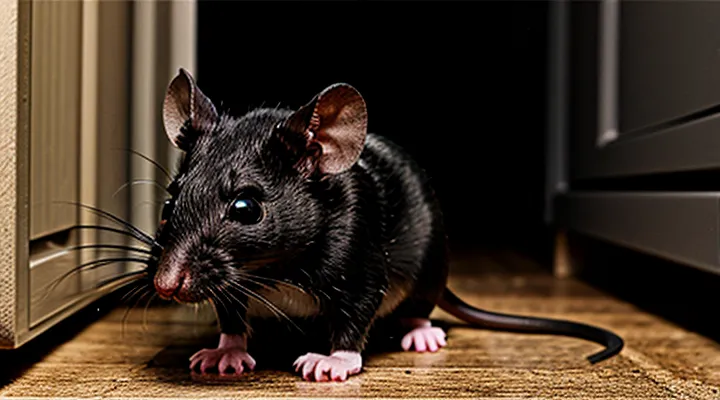
Common Entry Points for Rodents
Gaps and Cracks in Foundations and Walls
Gaps and cracks in foundations and walls provide direct entry points for black mice that appear inside homes. These rodents locate any discontinuity in the building envelope and use it to move from the soil or surrounding structures into interior spaces.
Common locations for such openings include:
- Joint seams between concrete footings and walls
- Cracks around door and window frames
- Gaps surrounding utility penetrations (pipes, cables, vents)
- Openings at the base of exterior walls where siding meets the foundation
- Deteriorated mortar in brick or stone masonry
These defects often result from settlement, moisture fluctuations, or aging materials. Even hairline fissures can accommodate the small bodies of black mice, allowing them to infiltrate rooms, storage areas, and food storage zones.
Identification involves visual inspection of the building’s perimeter, probing suspicious cracks with a flashlight, and using smoke or dust tests to confirm airflow through openings. Infrared cameras may reveal temperature differentials that indicate hidden gaps.
Remediation requires sealing and structural repair:
- Clean each opening to remove debris and loose material.
- Apply a durable, rodent‑resistant sealant (e.g., polyurethane caulk) to fill cracks wider than ¼ inch.
- Install steel wool or copper mesh as a backing layer for larger gaps before applying sealant.
- Replace damaged mortar or concrete sections with appropriate repair mortar or concrete mix.
- Install metal flashing or lintels around utility penetrations and secure them with screws and sealant.
Regular maintenance, including periodic re‑inspection of the foundation and wall interfaces, prevents re‑formation of entry points and reduces the likelihood of black mice establishing a presence inside the house.
Unsealed Vents and Pipes
Unsealed vents and plumbing shafts create direct pathways for black house mice to infiltrate interior spaces. Gaps around HVAC registers, dryer exhausts, and pipe penetrations often exceed the ¼‑inch clearance that rodents can squeeze through, allowing immediate access from attics, crawl spaces, or exterior walls.
Mice exploit these openings to travel between outdoor habitats and indoor food sources. Once inside, they follow the conduit of the vent or pipe, using the enclosed environment for protection while searching for crumbs, stored grains, or pet food. The darkness of the ducts mimics natural burrows, encouraging repeated use of the same route.
Effective prevention requires systematic sealing of all potential entry points. Recommended actions include:
- Inspect each vent, register, and pipe collar for gaps larger than ¼ inch.
- Apply steel wool or copper mesh to fill small openings before sealing.
- Use silicone‑based sealant or expanding foam rated for pest control to close remaining spaces.
- Install metal flashing or louvered covers on exterior vents to maintain airflow while blocking rodents.
- Re‑examine sealed areas quarterly to detect wear or damage.
Regular maintenance of vent and pipe integrity eliminates the primary conduit that black mice use to enter homes, reducing infestations without reliance on traps or chemicals.
Open Doors and Windows
Black mice frequently enter residential spaces through openings that lack physical barriers. When doors remain ajar for extended periods, rodents exploit the unobstructed path to explore interior rooms. Similarly, windows without functional screens or with damaged frames provide direct access to the building envelope.
Open portals also create pressure differentials that draw air—and any small animals—into the interior. Warm indoor temperatures attract mice seeking shelter, while cooler outdoor conditions motivate them to seek a more stable environment inside the house.
To limit ingress through doors and windows, adopt the following measures:
- Keep exterior doors closed when not in use; install self‑closing hinges if necessary.
- Fit all windows with intact, tightly woven screens; replace torn sections promptly.
- Seal gaps around door frames, window sills, and hardware with weather‑stripping or caulk.
- Install door sweeps to block the space beneath entry doors.
- Regularly inspect and repair any damaged hinges, locks, or latch mechanisms.
Controlling these entry points reduces the likelihood of black mice appearing indoors, thereby minimizing the need for subsequent pest‑control interventions.
Utility Line Openings
Utility line openings are the most common routes for black rodents to infiltrate residential interiors. Gaps around electrical conduit, plumbing sleeves, and cable bundles create continuous pathways from the exterior to living spaces. These apertures often result from incomplete sealing during construction, later modifications, or wear caused by vibration and temperature changes.
Typical entry points include:
- Uncapped conduit ends that terminate at exterior walls.
- Drill holes for cable entry that lack proper grommets or firestop collars.
- Service drops where weather‑proofing tape has degraded.
- Junction boxes mounted on exterior surfaces without surrounding sealant.
Inspection procedures focus on visual identification of exposed conduit, measurement of clearance around sleeves, and verification that firestop materials meet rating requirements. Detecting openings early prevents rodent migration and reduces the need for extensive pest control measures.
Remediation involves:
- Installing sealed conduit connectors that compress around cables.
- Applying silicone or polyurethane caulk to fill irregular gaps.
- Replacing damaged firestop collars with UL‑listed products.
- Conducting a final walkthrough to confirm that no voids larger than ¼ inch remain.
Consistent maintenance of utility line penetrations eliminates the primary conduit for black mice, protecting structural integrity and indoor hygiene.
Factors Attracting Mice to Dwellings
Availability of Food Sources
Black mice are drawn indoors when edible material is readily reachable. Their survival depends on consistent access to calories, so any lapse in food protection creates a pathway into residential spaces.
Typical indoor attractants include:
- Grains, cereals, and dried legumes stored in unsealed packaging
- Pet food left out overnight or stored loosely
- Crumbs and spills on countertops, floors, or under appliances
- Open pantry shelves containing cereals, snacks, or baking supplies
- Uncovered garbage cans and compost bins
When these resources are accessible, mice exploit gaps, vents, and small openings to enter. Poor sealing of containers, failure to clean residues promptly, and accumulation of waste provide sufficient nutrition to sustain a breeding population. Seasonal shifts can amplify the problem; cooler months drive mice to seek shelter, while increased indoor heating raises metabolic demand, intensifying the search for food.
Mitigation requires eliminating the food supply. Store dry goods in airtight containers, clean surfaces after each meal, keep pet feeding areas restricted to a limited time, and use sealed trash bins with regular removal. By removing the incentive of readily available nourishment, the likelihood of black mice establishing a presence inside the home diminishes markedly.
Unsecured Pantry Items
Unsecured pantry items provide a reliable food source that draws black mice into residential spaces. When grain, cereal, nuts, or dried fruit are left in open containers, mice detect the scent and enter through the smallest openings. The presence of these foods eliminates the need for rodents to travel far from exterior habitats, allowing them to establish nests within walls, ceilings, or closets.
Key factors that increase the likelihood of infestation include:
- Open packaging or torn bags that expose contents to air.
- Storage on low shelves where mice can easily climb.
- Lack of airtight containers such as metal tins or heavy‑wall plastic bins.
- Spills or crumbs that remain on countertops or floors.
To limit the attraction of black mice, implement the following measures:
- Transfer all dry goods to sealed containers with lockable lids.
- Clean up spills immediately and sweep crumbs from surfaces daily.
- Position pantry shelves away from walls to reduce concealed entry points.
- Inspect packaging for damage before purchase and discard compromised items.
By eliminating readily available food, the incentive for black mice to enter and remain inside the house diminishes significantly, reducing the risk of an established population.
Pet Food and Water Bowls
Pet food and water bowls placed near the kitchen or pantry create a moisture and scent environment attractive to rodents. Spilled kibble and lingering water droplets provide a reliable food source, encouraging black mice to explore interior spaces. When bowls are not secured to the floor, they can be tipped, spreading crumbs that amplify the attraction.
Improper cleaning routines compound the problem. Residual oil from pet food adheres to bowl surfaces, remaining after a single wash. Mice detect these residues through their keen sense of smell, using the bowls as foraging stations. Regular disinfection eliminates the olfactory cues that draw rodents into living areas.
Strategic bowl placement reduces the likelihood of mouse intrusion. • Position bowls on a raised, non‑absorbent mat that can be removed and laundered. • Keep bowls at least 30 cm away from walls, preventing easy access for climbing rodents. • Use bowls with tight‑fitting lids or weighted bases to deter tipping.
Material choice influences rodent activity. Stainless steel and ceramic bowls do not retain food particles as readily as plastic, limiting the scent trail. Ceramic models with smooth interiors are less likely to harbor crumbs after a quick rinse.
Monitoring bowl condition provides early warning of infestation. Visible droppings, gnaw marks, or unexplained food loss signal that mice are exploiting the feeding area. Promptly addressing these signs—by tightening lids, cleaning thoroughly, and relocating bowls—interrupts the rodents’ food chain and discourages further entry into the home.
Food Scraps and Debris
Food scraps and debris create a reliable energy source that draws black house mice into residential interiors. Mice locate edible matter through scent and tactile cues, then establish foraging routes that lead them from exterior habitats to interior spaces where waste accumulates.
Typical attractants include:
- Crumbs and leftover particles on countertops, floors, and under appliances.
- Open containers of pet food, cereal, or dried fruit.
- Stagnant grease or oil residues in kitchen vents and behind ovens.
- Decomposing organic matter in garbage bins, especially when lids are ill‑fitted.
- Spilled sugary drinks that dry into sticky films.
When these items are present, mice gain easy access to calories, reducing the need to travel far from their nests. Consequently, they infiltrate walls, cabinets, and crawl spaces to exploit the resource. Regular removal of residues, sealing of containers, and prompt disposal of waste interrupt this supply chain, limiting the likelihood that black mice will establish a presence within the home.
Shelter and Nesting Opportunities
Black mice enter homes primarily to secure shelter and a place to build nests. They exploit structural gaps, insulation voids, and concealed areas that remain undisturbed by human activity. Warmth, protection from predators, and proximity to food sources make these locations ideal.
Typical nesting sites include:
- Cracks around doors, windows, and foundation walls.
- Gaps between baseboards and flooring.
- Openings in wall sheathing, especially where wiring or plumbing passes.
- Attic spaces with exposed insulation or unfilled joist bays.
- Basement corners with stored boxes or stacked fire‑wood.
- Behind appliances that generate heat, such as refrigerators or water heaters.
Mice favor environments that provide stable temperature, low light, and easy access to building materials for nest construction, such as shredded paper, fabric fibers, or soft insulation. When these conditions exist, black mice are likely to establish a permanent presence, using the shelter as a base for foraging throughout the residence.
Clutter and Storage Areas
Cluttered rooms and poorly organized storage spaces provide shelter, food, and pathways that enable black mice to enter a home. Cardboard boxes, piles of clothing, and stacked paper create insulated cavities where rodents can hide from predators and temperature extremes. These environments also retain moisture and organic debris, which support insects and seeds that serve as a readily available diet.
When storage areas are located near exterior walls, gaps around foundations, vents, or utility penetrations become entry points. Mice exploit tiny openings—often less than a centimeter wide—to move from the yard into the interior. Once inside, the accumulated material offers nesting sites that reduce the need for the animals to travel far in search of suitable conditions.
Key factors that increase the likelihood of black mouse presence in cluttered zones include:
- Lack of regular cleaning, allowing food residues to accumulate.
- Stacked items that are not sealed, providing easy access to nesting material.
- Inadequate sealing of doorways, windows, and utility openings near storage rooms.
- Proximity of storage to garden debris, compost, or pet food supplies.
Mitigation requires systematic reduction of unnecessary items, sealing of structural gaps, and frequent inspection of storage spaces for signs of rodent activity. By eliminating the conditions that favor shelter and food availability, the probability of black mice establishing a foothold in the house diminishes significantly.
Wall Voids and Attics
Black mice that appear inside residential buildings frequently originate from concealed spaces such as wall cavities and attic compartments. These areas offer protection from predators, stable temperatures, and easy access to food sources, making them ideal habitats for rodents.
Wall voids provide direct routes between the exterior and interior of a structure. Small gaps around utility penetrations, unsealed window frames, and poorly insulated sheathing allow mice to slip into the cavity, travel within the stud space, and emerge through floorboards or baseboards. Once inside, they can navigate through insulation, electrical conduits, and plumbing chases with minimal resistance.
Attics present similar advantages. Roof leaks, damaged eaves, and unfiltered ventilation openings create entry points. The expansive, undisturbed insulation in the loft area supplies both shelter and a thermal buffer. From the attic, mice can descend through ceiling joists, crawl behind drywall, or drop into kitchen cabinets via ceiling vents.
Typical pathways for black mice to move from these hidden zones into living areas include:
- Gaps around pipe and cable entries (1‑¼ in. or larger)
- Unsealed soffit or ridge vents
- Cracks in foundation walls that extend upward into the framing
- Damaged or missing roof sheathing exposing the attic cavity
- Openings around chimney flashing and vent stacks
Effective control requires sealing all identified openings with steel wool, caulk, or metal flashing, and maintaining insulation integrity to eliminate nesting sites. Regular inspections of wall and attic spaces help detect early signs of activity, such as gnaw marks, droppings, or nesting material, preventing further infestation.
Basements and Crawl Spaces
Black mice frequently enter homes through basements and crawl spaces because these areas provide the conditions they need to survive and reproduce. Basements are typically cooler, darker, and more humid than other parts of a house, creating an environment that matches the natural preferences of these rodents. Crawl spaces, often unfinished and accessible from the exterior, offer direct pathways from soil or vegetation to the interior of the building.
Key factors that make basements and crawl spaces attractive to black mice include:
- Moisture: Persistent dampness supports the growth of insects and mold, which serve as food sources.
- Shelter: Cracks in foundation walls, gaps around utility penetrations, and unsealed vents create entry points and hideouts.
- Food availability: Stored items, spilled grains, or garbage in basement pantries provide easy nutrition.
- Limited disturbance: Low human traffic reduces the likelihood of detection and removal.
Preventive measures focus on eliminating these advantages. Seal all openings larger than ¼ inch with steel wool, caulk, or metal flashing. Install proper drainage to reduce moisture accumulation and use dehumidifiers to maintain relative humidity below 50 percent. Store food in airtight containers and keep the area clean of debris. Regular inspections of foundation walls, floor joists, and vent screens can identify new entry points before infestations become established.
By addressing the structural and environmental conditions of basements and crawl spaces, homeowners can significantly reduce the risk of black mouse intrusion.
Water Sources
Black mice require fresh water to survive, and indoor water sources often dictate their presence in residential environments. Leaking pipes, especially under sinks and behind appliances, generate continuous moisture that attracts rodents. Condensation on cold surfaces, such as windowsills and air‑conditioning ducts, creates damp patches where mice can drink. Pet water dishes left unattended for extended periods provide a reliable supply. Houseplants with standing water in saucers contribute additional hydration. Clogged or slow‑draining floor drains retain water, offering another hidden reservoir.
Typical indoor water sources include:
- Leaky faucet or pipe joints
- Condensation on windows and HVAC components
- Open pet water bowls
- Plant saucers with excess water
- Bathroom or kitchen floor drains with residual water
- Wet spots beneath refrigerators or freezers
Eliminating these sources reduces mouse activity. Repair all leaks promptly, wipe condensation regularly, cover or remove pet water dishes when not in use, empty plant saucers daily, and ensure drains flow freely. Maintaining a dry interior environment deprives black mice of the moisture they need, limiting their ability to establish a foothold in the house.
Identifying Different Mouse Species
House Mouse («Mus musculus»)
The house mouse (Mus musculus) is a small, highly adaptable rodent that thrives in human dwellings. Its presence inside a residence results from a combination of external populations, structural vulnerabilities, and reproductive capacity.
Typical pathways that allow black‑coated individuals to enter a home include:
- Gaps around foundations, utility penetrations, and door frames
- Unsealed vents, chimney flues, and attic access points
- Cracks in exterior walls, especially near damp or vegetated areas
- Openings around plumbing, electrical conduits, and cable entries
Once inside, the mouse exploits available shelter—kitchens, basements, and wall voids—where food sources are abundant. Female mice can produce a litter of up to eight pups every three weeks, leading to rapid population growth if unchecked.
The dark pelage observed in some indoor mice reflects genetic variation common in wild‑type populations. This coloration does not indicate a separate species; it is a normal phenotypic expression of Mus musculus that can be introduced from outdoor habitats such as fields, gardens, or neighboring structures. Effective control therefore focuses on sealing entry routes, eliminating food and water sources, and, when necessary, employing professional exclusion and trapping measures.
Deer Mouse («Peromyscus maniculatus»)
Deer mice (Peromyscus maniculatus) are a common source of dark‑colored rodents found inside residential buildings. These small mammals inhabit a wide range of environments, from forest edges and grasslands to agricultural fields. Their adaptability allows them to exploit human structures when natural resources become scarce or when weather conditions drive them indoors.
Typical characteristics include a brown to black dorsal coat, a white underbelly, and a tail that is longer than the body. They are primarily nocturnal, forage on seeds, insects, and plant material, and can reproduce year‑round, producing several litters of up to five offspring each.
Entry into homes occurs through:
- Gaps around foundation walls, utility penetrations, and crawl‑space vents.
- Unsealed cracks in doors, windows, and siding.
- Openings around pipes, vents, and chimney flues.
- Unscreened basements or attics that provide easy access to interior spaces.
Signs of infestation comprise:
- Small droppings (approximately 3 mm) found along baseboards, in cupboards, or near food storage.
- Gnaw marks on wiring, insulation, or wooden structures.
- Nests constructed from shredded paper, fabric, or insulation material, often located in hidden corners.
- Audible scratching or scurrying sounds during nighttime hours.
Control measures focus on exclusion and population reduction:
- Seal all exterior openings larger than ¼ inch with steel wool, caulk, or metal flashing.
- Install door sweeps and weather stripping to eliminate gaps beneath entry doors.
- Maintain a clean interior by storing food in sealed containers and removing clutter that could serve as shelter.
- Set snap traps or electronic devices along established runways; position bait (e.g., peanut butter or seeds) at the rear of the trap to increase capture rates.
- Employ professional pest‑management services for severe infestations, especially when structural damage or disease risk is evident.
Understanding the biology and behavior of Peromyscus maniculatus clarifies why black mice appear in houses and guides effective prevention and remediation strategies.
Other Rodent Species
Black mice that appear inside a residence often share habitats with several other rodent species. Recognizing these species helps identify entry routes and control measures.
Common rodent species that may be encountered alongside black mice include:
- House mouse (Mus musculus) – typically gray or brown, but melanistic individuals can appear black. Prefers cracks in walls, basements, and attic spaces.
- Roof rat (Rattus rattus) – agile climbers, frequent attics and roof voids. Usually brown, but dark morphs exist.
- Norway rat (Rattus norvegicus) – larger, burrows in foundations and sewer lines, occasionally enters ground‑level rooms.
- Deermouse (Peromyscus maniculatus) – native to fields and forests, can infiltrate homes near vegetation, often gray but may exhibit darker pigmentation.
- Harvest mouse (Micromys minutus) – tiny, prefers dense grass, may be carried indoors via stored hay or garden material.
These rodents share several ecological traits that facilitate indoor intrusion: proximity to food sources, ability to exploit small openings, and nesting preferences that overlap with human structures. Identifying droppings, gnaw marks, or tracks can differentiate species, guiding targeted exclusion and sanitation strategies.
Preventing Mouse Infestations
Sealing Entry Points
Black mice enter residences through gaps that provide direct access to food, shelter, and water. Identifying these openings is the first step in preventing infestation.
Typical entry points include:
- Cracks around foundation walls and basement floors
- Gaps around utility penetrations such as pipes, cables, and vent stacks
- Openings beneath doors and windows, especially weather‑stripping gaps
- Unsealed holes in exterior walls, soffits, and eaves
- Openings around HVAC ducts and chimney flues
Effective sealing requires durable, rodent‑resistant materials. Use steel wool or copper mesh to fill larger gaps, then apply a sealant such as silicone caulk, expanding polyurethane foam, or cement‑based mortar. For structural cracks, install cement patch or epoxy filler before applying a metal flashing strip. Ensure all door sweeps are intact and replace worn weather‑stripping.
Regular inspection of the building envelope maintains barrier integrity. After sealing, monitor for fresh gnaw marks or droppings; persistent activity indicates missed openings that must be addressed promptly.
Maintaining Cleanliness and Sanitation
Black mice enter homes primarily through gaps in the building envelope, contaminated stored goods, and clutter that provides shelter. Poor sanitation creates food sources and hiding places, encouraging infestation.
Effective sanitation eliminates attractants and blocks entry points. Key actions include:
- Seal cracks, gaps around pipes, vents, and doors with steel wool, caulk, or metal mesh.
- Store dry food in airtight containers; discard crumbs and spills promptly.
- Remove standing water and fix leaks to deny moisture.
- Regularly clean behind appliances, under furniture, and in storage areas to eliminate debris.
- Dispose of garbage in sealed bins and remove it from the property weekly.
Routine cleaning of kitchen surfaces, countertops, and floors reduces residual food particles. Vacuuming upholstery and carpets removes droppings and nesting material, limiting disease risk and discouraging mice from establishing colonies.
Maintaining a clutter‑free environment denies shelter. Keep basements, attics, and closets organized; discard unused items or store them in sealed plastic containers. Periodic inspection of insulation, insulation gaps, and ventilation ducts ensures early detection of potential entry routes.
By integrating these sanitation practices, homeowners reduce the likelihood that black mice will locate, feed, and breed within residential spaces.
Proper Food Storage
Proper food storage directly influences the presence of black rodents inside homes. Food left unsecured provides a reliable energy source, encouraging mice to enter and establish nests. Reducing accessible nutrition eliminates the primary incentive for these pests.
Effective storage practices include:
- Seal all dry goods in airtight containers made of glass, metal, or heavy‑wall plastic.
- Place perishable items in refrigerators or freezers promptly; keep doors closed and temperature consistent.
- Store pet food in sealed bins and remove leftovers after each feeding.
- Dispose of waste in tightly lidded bins; empty them regularly to prevent overflow.
- Keep countertops, floors, and shelves clean of crumbs and spills; wipe surfaces after meals.
Each measure removes a potential food cue, decreasing the likelihood that black mice will locate and infiltrate the residence. Consistent implementation creates an environment where nutritional resources are unavailable, thereby limiting the rodents’ ability to thrive inside the house.
Landscape Maintenance
Landscape maintenance directly influences the presence of black rodents inside residential buildings. Overgrown vegetation, unmanaged mulch, and dense ground cover create habitats that attract mice, providing shelter, food, and pathways to the interior. When garden debris accumulates near foundation walls, it offers concealment and a bridge for pests to reach entry points.
Effective yard care reduces the risk of indoor infestations. Key actions include:
- Trimming shrubs and trees to keep foliage at least two feet away from the house.
- Removing leaf litter, compost piles, and stacked firewood that lie against the foundation.
- Maintaining a clear perimeter of at least six inches of bare soil around the building.
- Inspecting and sealing cracks, gaps, and utility openings that connect the exterior to interior spaces.
Regular pruning and debris removal eliminate the environmental conditions that support mouse populations, thereby limiting the likelihood that black mice will enter living areas.
Signs of a Mouse Infestation
Droppings and Urine Trails
Droppings provide the most immediate confirmation of mouse presence. Fresh pellets measure about 3‑5 mm, are dark brown to black, and possess a pointed tip. Older droppings turn lighter and may crumble when handled. Their distribution often follows the animal’s travel routes, concentrating near food sources, nesting sites, and potential entry points.
Urine leaves a less visible but equally reliable trail. It appears as faint, wet streaks on surfaces and may darken wood or fabric over time. The scent intensifies in confined areas and can be detected with a UV flashlight, which causes urine stains to fluoresce. Persistent dampness or discoloration around baseboards, cabinets, or behind appliances signals active marking behavior.
Interpreting these signs helps pinpoint the origin of the infestation:
- Concentrated droppings along walls indicate preferred travel corridors.
- Clusters near cracks, gaps, or vent openings suggest entry locations.
- Urine stains on the upper side of cabinets point to foraging routes toward stored food.
- Fresh droppings found in concealed spaces (attics, crawl spaces) reveal nesting proximity.
Cleaning should eliminate health hazards and disrupt scent trails. Use a disposable cloth soaked in a disinfectant solution to remove droppings, then apply an enzymatic cleaner to neutralize urine odor. Seal identified gaps with steel wool and caulk, and install door sweeps or mesh screens to block re‑entry. Regular inspection of droppings and urine patterns confirms the effectiveness of these measures.
Gnaw Marks on Surfaces and Wires
Gnaw marks on surfaces and electrical wiring provide direct evidence that black house mice are active inside a dwelling. The presence of clean, crescent-shaped bite edges on wood, plastic or drywall indicates repeated chewing by small rodents that must constantly file their incisors.
Typical gnaw signatures differ by material. On wood, mice leave shallow, parallel grooves that follow the grain. Plastic components show clean, circular cuts with smooth edges. Insulation and cables exhibit frayed, shredded fibers and exposed copper wire, often accompanied by a faint, oily residue from saliva.
Mice target wiring for two reasons. First, the act of gnawing maintains tooth length, preventing overgrowth. Second, the heat generated by active circuits softens surrounding insulation, making it easier to bite through and providing a source of soft material for nest construction. Damage to cables can create short circuits, fire hazards, and costly repairs.
The distribution of gnaw marks reveals the likely origin of the infestation. Marks clustered near baseboards, behind appliances, or at the junction of walls and ceilings suggest entry points where mice gain access from the exterior or from adjacent rooms. Repeated damage along a single route indicates a preferred travel path and helps pinpoint where sealing is required.
Effective response begins with a systematic inspection of all marked areas, followed by sealing cracks larger than ¼ inch, installing steel wool or copper mesh in openings, and replacing compromised wiring. Trapping or bait placement near identified pathways reduces the population and prevents further gnawing damage.
Scratching and Scurrying Noises
Scratching and scurrying sounds often indicate the presence of rodents concealed within walls, ceilings, or floor cavities. Black mice generate high‑frequency footfalls as they navigate tight spaces, producing intermittent scratching against insulation, wiring, or structural timber. The noises typically intensify at night when the animals are most active, aligning with their nocturnal foraging patterns.
Identifying the source of these noises requires systematic observation and inspection:
- Locate the area where the sound is strongest; use a handheld recorder or smartphone app to pinpoint frequency peaks.
- Examine adjacent walls for gnaw marks, droppings, or burrow entrances.
- Inspect utility conduits, vent openings, and gaps around pipes, as these serve as common ingress routes.
- Check attic insulation and crawl‑space flooring for disturbed material and nesting debris.
Entry points often result from structural gaps, damaged weather‑stripping, or unsealed openings around doors and windows. Mice exploit even sub‑inch cracks; sealing these with steel wool, caulk, or metal mesh eliminates access routes. Maintaining a tight building envelope reduces the likelihood that black rodents infiltrate interior spaces and generate audible disturbances.
Prompt remediation—removing nests, setting traps, and applying exclusion measures—halts further scratching and scurrying. Continuous monitoring after intervention confirms that the source of the noises has been eliminated, preventing recurring infestations.
Musty Odors
Musty odors frequently signal rodent activity inside a residence. The scent arises from the combination of mouse excretions, decomposing nesting material, and the moisture they introduce, which encourages fungal growth. Detecting this smell can guide homeowners to concealed infestations before visible damage occurs.
Typical contributors to the musty smell include:
- Urine and feces that stain walls, insulation, or stored items.
- Chewed fabric, paper, or cardboard that accumulates moisture.
- Mold and mildew developing on damp surfaces created by water spillage from drinking sources or leaks that mice exploit.
Identifying the precise location of the odor often involves tracing the strongest scent to concealed areas such as wall cavities, attics, or beneath appliances. Once the source is pinpointed, targeted removal of contaminated material and sealing of entry points effectively eliminates both the odor and the underlying mouse problem.