
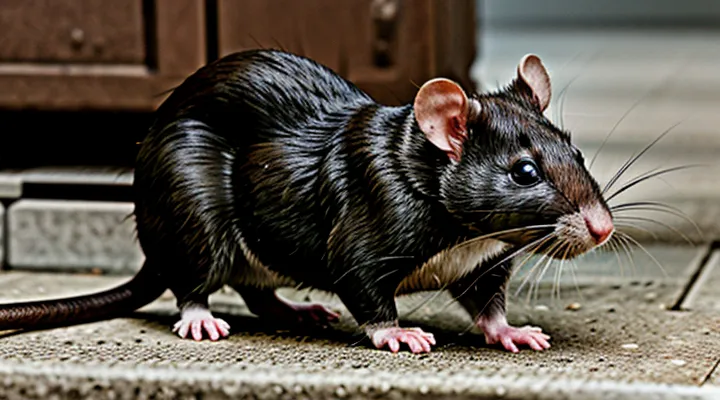
Understanding Rat Behavior
What is «Nocturnal»?
Nocturnal refers to a pattern of activity that occurs primarily during the night and rests during daylight hours. Organisms classified as nocturnal possess physiological and behavioral adaptations that optimize performance in low‑light conditions. These adaptations include enhanced vision or olfactory senses, a circadian rhythm regulated by the suprachiasmatic nucleus, and metabolic processes that align with nighttime energy demands.
Rats exhibit a pronounced nocturnal schedule. Their peak foraging, exploration, and social interaction typically falls within the hours of darkness, with activity intensifying shortly after sunset and waning before dawn. This timing reduces exposure to predators that hunt by day and takes advantage of cooler temperatures, which conserve water and limit heat stress.
Key characteristics of nocturnal behavior:
- Elevated melatonin secretion during the night, promoting sleep‑wake regulation.
- Increased locomotor activity measured by motion sensors or wheel running in the dark phase.
- Preference for dimly lit or concealed environments when seeking shelter or nesting sites.
Understanding the nocturnal nature of rats clarifies why they are most active after daylight fades, informing pest management strategies and laboratory research designs that align experimental procedures with the animals’ natural activity cycle.
Factors Influencing Activity Patterns
Light and Darkness
Rats follow a circadian pattern that aligns closely with ambient illumination. Their locomotor and foraging behaviors increase as light levels decline, reaching maximum intensity during the darkest hours of the night.
During the dark phase, rats exhibit heightened exploratory activity, frequent feeding bouts, and elevated social interactions. Light exposure suppresses these behaviors, causing a rapid decline in movement once dawn approaches. The transition periods of dusk and dawn produce a brief surge in activity as the animals adjust to changing light conditions.
Artificial lighting modifies natural cycles. Low‑intensity night lights can delay the onset of peak activity, while bright, continuous illumination may shift rats toward crepuscular patterns or reduce overall activity levels. Light‑sensitive retinal pathways mediate these responses, allowing rapid adaptation to altered photoperiods.
Practical outcomes include:
- Scheduling traps or bait stations for the first few hours after sunset maximizes capture rates.
- Conducting laboratory observations during the middle of the dark period yields the most representative behavioral data.
- Reducing stray light in storage areas limits unintended stimulation that could interfere with pest management strategies.
Understanding the relationship between illumination and rat behavior enables precise timing of control measures and improves the reliability of experimental results.
Food Availability
Food availability directly shapes the temporal pattern of rat foraging. When resources are plentiful near human structures, rats concentrate activity during the early night hours, exploiting darkness to avoid predators while accessing stored waste. Conversely, scarcity forces individuals to expand their search window, resulting in measurable daytime excursions and prolonged twilight activity.
Key influences of food distribution on activity cycles include:
- Proximity of food sources – short distances reduce travel time, allowing rats to limit movement to the most secure periods.
- Seasonal fluctuations – winter shortages trigger earlier emergence before full darkness, while summer abundance supports strictly nocturnal peaks.
- Human waste management – irregular disposal schedules create intermittent feeding opportunities, prompting rats to adjust their active periods to align with predictable waste collection times.
Empirical observations confirm that rats will shift from a narrow nocturnal peak to a broader, bimodal pattern when faced with intermittent or limited food. This adaptability ensures energy intake while minimizing exposure to threats, demonstrating the central role of resource availability in determining when rats are most active.
Predator Presence
Predator presence directly shapes the timing and intensity of rodent movements. Rats adjust their foraging schedule to reduce encounters with hunting animals, shifting activity toward periods when predators are less active or less perceptive.
- Mammalian hunters such as foxes, feral cats, and mustelids typically operate during twilight and night, prompting rats to favor the deepest darkness or brief daylight gaps.
- Avian predators, including owls and hawks, concentrate hunting at dusk and dawn; rats respond by concentrating activity in the intervening hours.
- Reptilian threats like snakes are most effective in warm daylight, encouraging nocturnal foraging in cooler conditions.
Understanding these patterns refines surveillance and control measures. Timing bait placement, trap deployment, or habitat modification to coincide with predator‑induced activity peaks enhances effectiveness while minimizing non‑target impacts.
Peak Activity Hours
Early Evening Rush
Rats concentrate most of their foraging and movement during the early evening period, roughly between 1800 hours and 2100 hours. This window follows sunset, when ambient light declines but visibility remains sufficient for navigation, and temperatures often drop from daytime peaks, reducing dehydration risk.
Key drivers of the early‑evening surge include:
- Temperature moderation – cooler air lowers metabolic stress and prolongs activity.
- Reduced human traffic – fewer disturbances in residential and commercial areas allow unobstructed movement.
- Increased availability of food remnants – dinner preparation and waste disposal generate fresh sources of organic material.
- Predator avoidance – many avian predators retreat at dusk, while nocturnal predators have not yet reached peak hunting efficiency.
Consequently, pest‑control monitoring and bait placement are most effective when timed to coincide with this 3‑hour interval, maximizing encounter rates between rats and control measures.
Midnight Foraging
Rats exhibit a pronounced surge in foraging behavior around midnight, coinciding with the deepest phase of their nocturnal cycle. Their internal clock shifts activity toward the darkest hours, reducing exposure to visual predators and aligning with the availability of waste and food remnants that are often deposited after human activity ceases.
During this period, rats:
- Increase travel distances by up to 30 % compared to early evening.
- Prioritize high‑calorie sources such as grain, fruit waste, and discarded protein.
- Favor concealed routes, using burrows and underground pathways to minimize detection.
- Adjust foraging intensity in response to ambient temperature, with cooler nights prompting longer foraging bouts.
Laboratory studies confirm that melatonin peaks at midnight, triggering heightened locomotor activity and exploratory drive. Field observations in urban settings show that rat populations concentrate near dumpsters and alleyways precisely when waste collection has finished, exploiting the temporary reduction in human presence.
Understanding this midnight foraging window informs pest‑management strategies. Effective interventions, such as timed bait placement or targeted sanitation measures, should align with the peak activity window to maximize contact rates and reduce the likelihood of bait avoidance.
Pre-Dawn Retreat
Rats leave their shelters shortly after sunset, forage intensively throughout the night, and begin a coordinated withdrawal before first light. This pre‑dawn retreat marks the transition from peak activity to a period of reduced movement as individuals return to nests for rest and thermoregulation.
The shift is driven by the circadian system, which responds to diminishing ambient light and rising melatonin levels. As darkness wanes, visual cues trigger a decrease in exploratory behavior, while internal hormonal changes promote sleep drive and lower metabolic demand.
During the retreat, rats:
- congregate in burrows or concealed crevices,
- limit locomotion to short, direct routes,
- increase social cohesion, often sharing nesting sites,
- reduce exposure to predators that become more active at dawn.
Understanding this pattern refines pest‑management strategies. Traps placed before sunset capture the foraging surge; devices removed or checked before the pre‑dawn withdrawal avoid low‑catch periods. Survey teams scheduling observations during the retreat encounter fewer individuals, improving accuracy of population estimates.
Why This Matters
For Pest Control
Strategic Baiting
Strategic bait placement must align with the periods when rodents exhibit heightened movement, typically during twilight hours and the early night phase. Deploying bait at these times maximizes encounter rates and reduces the amount of product required for effective control.
Key practices for timing and positioning:
- Position bait stations near known travel routes such as wall voids, utility lines, and concealed pathways during the first two hours after sunset.
- Refresh bait every 12 hours to maintain attractiveness during the nocturnal peak.
- Use low‑profile stations that conceal bait from non‑target species while allowing easy access for rats.
- Rotate bait locations weekly to prevent habituation and to cover secondary activity zones identified through droppings or gnaw marks.
Monitoring should focus on the same high‑activity windows; record removal rates and adjust station density accordingly. Consistent alignment of bait deployment with the rodents’ natural foraging schedule ensures efficient population suppression.
Trap Placement
Rats are primarily nocturnal, with heightened movement at dusk and during the early hours of darkness. Their activity spikes just after sunset, continues through the night, and tapers off before sunrise. Understanding these periods informs the most effective positioning of capture devices.
Place traps where rats travel between shelter and food. Ideal locations include:
- Along baseboards and walls, as rodents prefer to run close to surfaces.
- Directly behind appliances, in cabinets, and beneath sinks where moisture and crumbs accumulate.
- Near known entry points such as gaps around pipes, vents, and foundation cracks.
- In dark, concealed corners that lack frequent human traffic.
Set traps shortly before the onset of peak nocturnal activity, typically 30 minutes before dusk. Check traps early in the morning, before rats resume daytime resting. Replace or reposition any unused devices after 24 hours to maintain lure effectiveness. Consistent placement aligned with rat movement patterns maximizes capture rates.
For Homeowners
Identifying Infestations
Rats concentrate their movements during twilight and the early hours of darkness, when food sources are accessible and predation risk is lower. Recognizing an infestation therefore relies on evidence that aligns with these peak activity periods.
Key indicators include:
- Fresh droppings concentrated near food storage, along walls, or in concealed corners; deposits are dark, rod-shaped, and approximately ¼ inch long.
- Gnaw marks on wood, plastic, or wiring, especially in areas that show wear during night‑time inspections.
- Strong, musky odor that intensifies after dusk, caused by urine and glandular secretions.
- Presence of nests built from shredded paper, fabric, or insulation, typically located in hidden spaces such as attics, crawl spaces, or beneath appliances that operate during the night.
- Tracks in dusty or powdered surfaces that appear after dark, revealing four‑toed prints with a distinctive tail drag.
Effective identification also requires timing inspections to coincide with the rodents’ most active windows. Conduct visual checks, set motion‑activated cameras, and place snap or live traps during the first two hours after sunset. Evidence collected at these times provides the most reliable confirmation of an active rat population.
Prevention Tactics
Rats concentrate their movements during twilight and nighttime hours, when foraging and nesting activities peak. Effective prevention must target these periods by eliminating access, reducing attraction, and interrupting travel routes.
- Seal all exterior cracks, gaps around pipes, and vent openings with steel wool, copper mesh, or cement; rodents can gnaw through softer materials.
- Store food in airtight containers; dispose of waste in sealed bins and remove debris that could serve as shelter.
- Install snap traps or electronic devices along known runways, positioning them near walls, under cabinets, and close to entry points during peak activity windows.
- Deploy tamper‑resistant bait stations, ensuring they are placed out of reach of children and pets and refreshed regularly to maintain potency.
- Trim vegetation, remove dense ground cover, and keep landscaping away from building foundations to reduce cover and pathways.
- Encourage natural predators by installing owl nesting boxes or allowing domestic cats limited outdoor access, thereby increasing predation pressure.
- Conduct routine inspections of crawl spaces, attics, and basements; document signs of gnawing, droppings, or urine stains to identify emerging infestations early.
Combining structural exclusion, sanitation, targeted trapping, and environmental management creates a comprehensive barrier that limits rat presence during their most active periods. Continuous monitoring and prompt remediation of breaches sustain long‑term protection.