
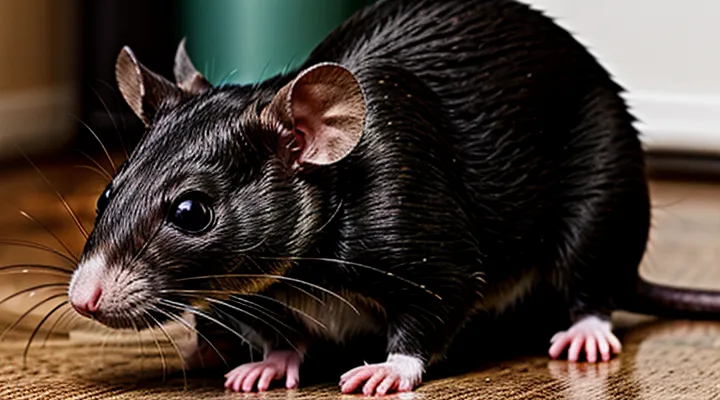
The Appeal of Pet Rats
Why Choose a Rat as a Pet?
Intelligence and Trainability
Pet rats possess a highly developed neocortex that supports problem‑solving and rapid learning. Laboratory studies show that rats can navigate mazes, discriminate shapes, and remember solutions for weeks after a single exposure. Their natural curiosity drives exploration of novel objects and environments, providing a foundation for trainable behavior.
Learning in rats relies on both associative conditioning and observational processes. When a specific cue consistently predicts a reward, rats form a strong stimulus‑response link. They also watch conspecifics, adopting successful strategies observed in their peers. Memory retention enables repeated performance of learned tasks without frequent reinforcement.
Training effectiveness depends on clear signals, immediate rewards, and brief sessions. Positive reinforcement—typically small pieces of fruit, grain, or commercial treats—strengthens desired actions. Consistency in cue presentation prevents confusion and accelerates acquisition. Commonly taught behaviors include:
- Responding to a click or verbal cue by approaching the handler
- Navigating a simple obstacle course
- Retrieving a small object and delivering it to a designated spot
- Performing a “spin” on command
Owners should schedule multiple 5‑ to 10‑minute training periods each day, allowing rest between attempts. Varying reward types maintains motivation, while avoiding excessive caloric intake safeguards health. Monitoring progress through objective criteria—such as the number of correct responses per session—provides measurable feedback and guides adjustments to the training protocol.
Social Nature
Pet rats thrive on interaction with conspecifics; isolation can lead to stress, aggression, and health decline. Their natural inclination toward communal living means they establish a hierarchy, communicate through scent, vocalizations, and body language, and seek constant tactile contact.
When selecting companions, match animals of similar age and temperament, observe initial introductions for dominant‑submissive cues, and separate individuals displaying persistent aggression. Providing multiple tunnels, nesting material, and shared chew toys supports the development of positive social bonds and reduces competition for resources.
Practical guidelines for fostering a healthy social environment:
- House at least two rats together; a trio or larger group further enhances stability.
- Offer daily opportunities for group play outside the cage under supervision.
- Rotate enrichment items to prevent monotony and encourage cooperative exploration.
- Monitor weight, grooming, and activity levels; deviations may signal social tension.
- Maintain a consistent routine for feeding and cleaning to reinforce group cohesion.
By respecting the species’ inherent sociability, owners can ensure mental well‑being, reduce behavioral problems, and promote longevity in their pet rats.
Cleanliness Myths
Pet rats thrive when their environment is kept hygienic, yet many owners cling to misconceptions that can jeopardize health.
- Bathing is unnecessary – Rats groom themselves efficiently. Frequent baths cause stress and strip natural oils; spot‑clean only when a rat is visibly dirty.
- Harsh disinfectants are safe for cages – Strong chemicals leave residues toxic to rodents. Clean cages with mild soap and warm water, rinsing thoroughly before reuse.
- All wood shavings are suitable bedding – Certain shavings, especially pine or cedar, release aromatic oils and ammonia that irritate respiratory systems. Opt for paper‑based or aspen bedding to minimize airborne irritants.
- Rats do not need regular cage cleaning – Accumulated urine and feces raise ammonia levels, leading to respiratory infections. Remove soiled sections daily and perform a complete clean weekly.
- Open water dishes prevent contamination – Exposed water encourages bacterial growth. Use a sipper bottle with a stainless‑steel tip, checking for leaks and refilling daily.
Effective hygiene for pet rats combines regular spot cleaning, appropriate bedding, safe water delivery, and avoidance of unnecessary bathing or harsh chemicals. Adhering to these practices reduces disease risk and supports the animal’s natural cleanliness.
Preparing for Your Pet Rat
Choosing the Right Rat
Where to Adopt
Adopting a rat for companionship begins with locating reputable sources that prioritize animal welfare. Shelters, rescue groups, and specialized breeders are the primary options. Shelters and humane societies often have rats rescued from inappropriate homes; they provide health records and basic acclimation support. Rescue organizations focus exclusively on rodents, offering detailed guidance on temperament and care requirements. Specialized breeders who adhere to ethical standards maintain clean facilities, perform health screenings, and can match rats to prospective owners based on personality and experience level.
When evaluating a potential adoption source, verify the following criteria:
- Licensing or registration with local animal control authorities.
- Transparent health documentation, including vaccination and parasite treatment history.
- Availability of a pre‑adoption interview or questionnaire to assess suitability.
- Commitment to post‑adoption follow‑up, such as advice on diet, enclosure setup, and behavior monitoring.
Online platforms dedicated to rodent adoption, such as Rat Rescue networks or community forums, aggregate listings from multiple rescues. Local veterinary clinics may also display notices for rats available for rehoming. Visiting the facility in person allows observation of living conditions, interaction with the animal, and assessment of staff knowledge. Selecting a source that meets the outlined standards increases the likelihood of a healthy, well‑adjusted pet rat.
Health Indicators
Monitoring a rat’s physiological and behavioral signals provides the most reliable method for maintaining optimal health. Consistent observation reveals deviations before they develop into serious conditions.
- Body weight: stable weight within a 10‑15 % range of adult norm indicates adequate nutrition; sudden loss or gain warrants immediate assessment.
- Fur quality: smooth, glossy coat reflects proper grooming and skin health; bald patches, dullness, or excessive matting suggest parasites or nutritional deficiency.
- Eyes and nose: clear, bright eyes and unobstructed nasal passages are normal; discharge, redness, or swelling signal infection.
- Activity level: regular exploration and normal climbing behavior demonstrate comfort; lethargy, tremors, or uncoordinated movement may indicate pain or neurological issues.
- Appetite and drinking: consistent consumption of food and water shows metabolic stability; reduced intake or excessive thirst requires veterinary evaluation.
- Stool consistency: firm, well‑formed droppings are typical; diarrhea, blood, or mucus indicate gastrointestinal distress.
Record observations daily, weigh the animal weekly, and perform a brief physical check at least once a month. Any irregularity persisting beyond 24 hours should prompt a consultation with a qualified veterinarian experienced in small mammals. Early intervention based on these indicators reduces the risk of chronic illness and supports a longer, healthier lifespan for the pet.
Male vs. Female
Male and female rats exhibit distinct characteristics that affect housing, handling, and health management. Understanding these differences helps owners provide appropriate care.
Males are typically larger, with a broader head and longer tail. They tend to be more territorial, especially when housed alone, which can lead to increased aggression toward other males. Castration reduces this behavior but does not eliminate it entirely. Females are slightly smaller, with a more streamlined body shape. They form stronger social bonds and are less likely to display overt aggression, making mixed‑sex groups easier to manage when spayed females are included.
Reproductive considerations are essential. Unspayed females can enter estrus cycles as often as every four days, producing a strong scent that may attract males and trigger mounting behavior. Mating leads to rapid population growth; a single pair can produce dozens of offspring within a year. Spaying females eliminates estrus cycles and reduces the likelihood of unwanted litters, while neutering males curtails mounting and territorial marking.
Health profiles differ modestly. Males are prone to developing testicular tumors if left intact, whereas females have a higher incidence of reproductive tract infections such as uterine adenocarcinoma. Regular veterinary examinations, including palpation of the testes in males and monitoring of vaginal discharge in females, support early detection.
When selecting a pet rat, consider the following points:
- Size: males larger, females smaller
- Temperament: males more territorial, females socially inclined
- Reproductive control: spay females, neuter males to prevent breeding
- Health risks: testicular tumors in males, uterine issues in females
- Group dynamics: mixed groups function well when both sexes are sterilized
Providing appropriate enrichment, adequate space, and routine health checks accommodates the specific needs of each sex, ensuring a stable and thriving rat colony.
Housing Essentials
Cage Size and Type
A suitable enclosure is the foundation of a healthy rat environment. Rats require ample horizontal space; a single adult needs at least 18 × 12 inches of floor area, while a pair should have a minimum of 24 × 18 inches. For groups of three or more, increase the dimensions by roughly 6 inches per additional rat. Provide a minimum cage height of 12 inches to accommodate climbing structures and vertical enrichment.
Key considerations for cage construction:
- Material: All‑metal cages with a stainless‑steel or powder‑coated frame resist rust and are easy to disinfect. Avoid cages with painted surfaces that may chip and expose toxic pigments.
- Flooring: Solid, non‑slatted bases prevent foot injuries and allow placement of bedding, tunnels, and hideouts. If wire flooring is used, line it with a thick layer of absorbent material to protect the feet.
- Ventilation: Mesh sides and a partially open top ensure airflow, reducing humidity and odor buildup. Ensure gaps are no larger than ¼ inch to prevent escapes.
- Accessibility: Doors that open fully on one side facilitate cleaning and handling. Sliding panels or zippered openings can provide quick access without disturbing the entire enclosure.
- Security: Locks or latch mechanisms must be rat‑proof; simple snap‑on lids are insufficient because rats can gnaw through thin plastic.
Regular maintenance is essential. Remove soiled bedding weekly, clean all surfaces with a mild, unscented disinfectant, and rinse thoroughly to avoid chemical residues. Replace worn wire mesh or damaged panels promptly to maintain structural integrity.
By adhering to these specifications, owners create a durable, spacious, and safe habitat that supports the physical and behavioral needs of pet rats.
Bedding Options
Choosing the right bedding directly affects a rat’s health, comfort, and behavior. Paper‑based products, such as shredded paper or cellulose pellets, are low‑dust, highly absorbent, and safe for chewing. They require frequent replacement to prevent mold growth but are easy to dispose of and inexpensive.
Aspen shavings provide a natural scent and good ventilation. The wood is free of aromatic oils that can irritate a rat’s respiratory system, unlike many softwoods. Aspen produces moderate dust and absorbs moisture less efficiently than paper, so supplemental spot cleaning is advisable.
Hemp bedding offers strong absorbency and minimal dust. Its fibrous texture encourages nest building and chewing. Hemp is pricier than paper or aspen, and it may retain odor longer if not changed regularly.
Fleece liners eliminate the need for disposable material. The fabric is washable, reusable for months, and completely dust‑free. Rats enjoy the softness for nesting, but the liner must be laundered frequently to prevent bacterial buildup, and it does not absorb liquid as effectively as other options.
A concise comparison:
- Shredded paper / cellulose – low dust, high absorbency, cheap, needs regular change.
- Aspen shavings – natural scent, low respiratory risk, moderate dust, less absorbent.
- Hemp – excellent absorbency, low dust, encourages chewing, higher cost.
- Fleece liner – reusable, dust‑free, soft, requires washing, lower liquid absorption.
Select bedding based on the cage’s ventilation, the owner’s budget, and the rats’ nesting preferences. Regular spot cleaning and full bedding replacement according to the material’s absorbency limits maintain a hygienic environment and support overall rat welfare.
Enrichment and Toys
Pet rats require regular enrichment to maintain physical health, mental acuity, and natural behaviors. Without stimulating environments, they develop stress‑related habits, reduced activity, and weakened musculature.
Enrichment categories and common items include:
- Tunnels and tubes: PVC or acrylic passages encourage exploration and aerobic exercise.
- Climbing structures: Ropes, ladders, and wooden platforms develop forelimb strength.
- Chewable materials: Untreated wood blocks, mineral chews, and sisal ropes satisfy gnawing instincts and protect teeth.
- Foraging puzzles: Hide treats inside rolled paper, cardboard tubes, or specialized feeders to promote problem‑solving.
- Sensory toys: Textured fabrics, scent‑infused objects, and mirrors stimulate tactile and visual perception.
Rotate toys weekly to prevent habituation. Introduce new items gradually, observing the rat’s interaction for signs of interest or aversion. Replace damaged or heavily soiled objects promptly.
Select only non‑toxic, chew‑safe materials. Avoid plastics that fracture into sharp shards, painted surfaces with lead, and fabrics that shed loose fibers. Clean reusable toys with mild, unscented soap and rinse thoroughly before reuse.
Implementing a varied enrichment program reduces stereotypic behaviors, enhances weight management, and supports overall welfare. Consistent monitoring and adjustment ensure the environment remains engaging throughout the rat’s lifespan.
Daily Care and Maintenance
Nutrition
Balanced Diet
A balanced diet is essential for the health and longevity of domestic rats. Rats require a mix of protein, carbohydrates, fiber, vitamins, and minerals in each meal. Commercially formulated rat blocks or pellets provide a reliable foundation; these products are nutritionally complete, contain appropriate calcium‑phosphorus ratios, and are fortified with essential micronutrients. Supplement the base diet with fresh vegetables such as carrots, broccoli, and leafy greens to increase fiber intake and supply vitamins A, C, and K. Protein sources—cooked egg, plain cooked chicken, or small amounts of low‑fat cheese—should make up no more than 15 % of total calories. Fresh water must be available at all times; a bottle with a metal spout prevents contamination.
Avoid foods that cause gastrointestinal distress or toxicity. Do not feed sugary snacks, citrus fruits, raw potatoes, or foods high in fat and salt. Chocolate, caffeine, and nicotine are lethal and must be excluded entirely. Monitor portion sizes: an adult rat typically consumes 10–15 % of its body weight in food per day. Offer small portions twice daily to mimic natural foraging behavior and reduce waste. Observe stool quality; firm, dark pellets indicate adequate fiber, while loose or watery feces suggest dietary imbalance.
Regularly rotate fresh produce to prevent nutrient deficiencies and maintain interest. Clean feeding equipment daily to inhibit bacterial growth. By adhering to these guidelines, owners ensure that their rats receive the nutrients required for robust immune function, rapid growth, and active behavior.
Treats and Forbidden Foods
Pet rats enjoy a varied diet, but treat selection requires careful consideration to maintain health and prevent nutritional imbalances.
Suitable treats include:
- Small pieces of fresh fruit such as apple (seedless), banana, or berries; limit to a few bites per day.
- Fresh vegetables like carrot, cucumber, bell pepper, or leafy greens (e.g., romaine lettuce, kale); offer in modest portions.
- Cooked, unseasoned lean proteins (hard‑boiled egg, plain chicken) as occasional supplements.
- Commercial rodent treats formulated without added sugars or artificial colors; follow package guidelines for quantity.
- Small amounts of whole‑grain cereal or unsalted popcorn for enrichment during training sessions.
Forbidden foods are those that cause toxicity, digestive upset, or long‑term health issues:
- Chocolate, caffeine, and nicotine products – contain compounds toxic to rodents.
- Citrus fruits (lemon, orange, grapefruit) – high acidity can irritate the gastrointestinal tract.
- Raw beans, especially kidney beans – contain lectins that are harmful when uncooked.
- High‑fat or salty snacks (potato chips, pretzels, cheese) – increase risk of obesity and kidney strain.
- Processed meats with preservatives or spices – may contain nitrates and sodium levels unsuitable for rats.
- Dairy products beyond minimal cheese or yogurt; rats lack lactase and can develop diarrhea.
- Fruit seeds and pits (apple cores, apricot pits) – contain cyanogenic glycosides.
Providing treats within these guidelines supports weight control, dental health, and behavioral enrichment while eliminating foods that jeopardize safety. Regularly rotate safe items to prevent monotony and monitor for any adverse reactions.
Health and Hygiene
Common Health Issues
Pet rats are prone to several health problems that require prompt recognition and treatment. Respiratory infections, often caused by Mycoplasma pulmonis or Streptococcus species, present with sneezing, nasal discharge, and labored breathing. Early veterinary evaluation and appropriate antibiotics can prevent progression to pneumonia.
Tumors develop frequently in the mammary glands, lungs, and skin. Palpable masses, rapid weight loss, or abnormal swelling signal the need for diagnostic imaging and possible surgical removal. Regular physical examinations increase the chance of early detection.
Dental issues arise from continuously growing incisors. Overgrown teeth lead to difficulty eating, drooling, and facial deformities. Providing chewable enrichment and scheduling periodic dental checks maintain proper tooth length.
Gastrointestinal disturbances, such as diarrhea or constipation, may indicate dietary imbalance, parasitic infection, or stress. Monitoring stool consistency, offering high‑fiber foods, and using deworming protocols mitigate these risks.
Skin conditions, including mite infestations and fungal infections, appear as hair loss, itching, or crusty lesions. Effective treatment involves topical or systemic acaricides and antifungal agents prescribed by a veterinarian.
- Respiratory infection: sneezing, nasal discharge, labored breathing
- Tumors: palpable masses, weight loss, swelling
- Dental overgrowth: eating difficulty, drooling, facial changes
- Gastrointestinal upset: abnormal stool, dehydration risk
- Skin parasites/fungi: hair loss, itching, lesions
Consistent observation of behavior, appetite, and physical condition, combined with routine veterinary care, reduces the impact of these common ailments and promotes a healthy lifespan for pet rats.
Veterinary Care
Veterinary care is essential for the health and longevity of pet rats. Regular professional examinations allow early detection of problems that may be difficult to recognize at home.
A typical health‑check schedule includes:
- Initial assessment at 4–6 weeks of age, before breeding or adoption.
- Follow‑up exams every 6 months for mature rats.
- Additional visits when weight loss, respiratory distress, or abnormal behavior occurs.
Common conditions require prompt attention. Indicators of illness include:
- Nasal discharge or sneezing
- Persistent coughing or wheezing
- Diarrhea or abnormal stool
- Lethargy or reduced activity
- Hair loss or skin lesions
- Unexplained weight loss
Vaccinations are not standard for rats, but parasite prevention is critical. Monthly administration of a veterinarian‑approved ectoparasite treatment protects against mites and lice. Deworming protocols vary; a veterinarian will prescribe appropriate agents based on fecal analysis.
Choosing a veterinarian with experience in small mammals ensures accurate diagnosis and humane handling. Establish a relationship with a clinic that offers same‑day appointments for emergencies such as severe bleeding, respiratory collapse, or sudden paralysis. Keep the clinic’s contact information readily available and maintain a record of all treatments, medications, and laboratory results.
Grooming
Proper grooming is a critical component of responsible rat care. A clean coat reduces the risk of skin infections, while regular maintenance of nails, teeth, and ears promotes overall health.
- Coat inspection: Examine the fur daily for mats, parasites, or bald patches. Use a soft brush or fingertip to remove loose hair and debris.
- Nail trimming: Rats’ claws can become overgrown, leading to injuries. Trim only the sharp tip with a small animal nail clipper; avoid cutting the quick, which appears as a pink line within the nail.
- Dental care: Incisors grow continuously. Provide chew toys, wooden blocks, and safe mineral sticks to wear down teeth naturally. Monitor for uneven wear or sharp edges that may cause oral trauma.
- Ear cleaning: Check ear canals for wax buildup or discharge. Gently wipe the outer ear with a damp cotton ball; never insert objects into the canal.
- Bathing: Full baths are unnecessary and can strip natural oils. If a rat becomes excessively dirty, spot-clean with a warm, damp cloth. Ensure the animal is completely dry before returning to its cage.
- Grooming tools: Use a fine-toothed comb, pet‑safe nail clippers, and unscented wipes. Keep tools sanitized between sessions to prevent cross‑contamination.
Signs that grooming is insufficient include persistent odor, excessive scratching, uneven fur, or visible injuries. Address issues promptly by adjusting grooming frequency or consulting a veterinarian experienced with small rodents. Regular grooming not only maintains appearance but also provides an opportunity to detect health problems early, supporting a longer, healthier life for the pet rat.
Understanding Rat Behavior
Socialization
Introducing New Rats
Introducing a new rat to an existing group requires careful preparation to prevent disease, aggression, and stress. Begin by isolating the newcomer for a minimum of two weeks. During quarantine provide a separate cage, fresh bedding, and identical diet to the resident rats. Observe the animal for signs of respiratory infection, parasites, or abnormal behavior; any issues warrant veterinary consultation before proceeding.
Health screening includes visual examination of eyes, ears, and fur, as well as checking for nasal discharge, sneezing, or lethargy. Conduct a fecal test for parasites and, if possible, a basic blood work to confirm the absence of underlying illness. Document findings and retain records for future reference.
Compatibility assessment focuses on age, sex, and temperament. Pair same‑sex rats of similar size and age to reduce dominance disputes. Introduce a neutral, spacious enclosure where all animals can explore without territorial advantage. Provide multiple hideouts, tunnels, and enrichment items to diffuse tension.
Gradual introduction steps:
- Place the quarantine cage adjacent to the residents’ enclosure; allow scent exchange through a solid barrier for several days.
- Swap bedding between cages to familiarize each group with the other's scent.
- Open a small gate or mesh divider between the cages; monitor interactions for calm behavior and absence of fighting.
- Increase shared time by expanding the opening, always supervising for aggression.
- Once peaceful coexistence is evident for 48‑72 hours, remove the divider and observe the group for at least one week.
Continuous monitoring after full integration is essential. Record social dynamics, feeding patterns, and any health changes. Promptly address injuries or persistent bullying to maintain a stable, healthy colony.
Bonding with Your Rat
Bonding with a pet rat strengthens trust, reduces stress, and improves cooperation during care tasks. Rats are social mammals that read body language, scent, and vocalizations; consistent positive interaction reinforces a secure relationship.
Gentle handling establishes a foundation for bonding. Begin each session by offering a hand for the rat to sniff, then scoop the animal with a cupped palm, keeping movements slow and steady. Avoid sudden grabs or restraining the tail, which can trigger defensive behavior.
Effective bonding practices include:
- Daily interaction: Spend 10‑15 minutes each day in a quiet area, allowing the rat to explore hands and toys.
- Treat rewards: Offer small pieces of fresh fruit, vegetables, or commercial rat treats immediately after calm behavior.
- Enrichment play: Introduce tunnels, chew toys, and climbing structures; join the rat in exploration to create shared experiences.
- Scent familiarity: Gently rub a soft cloth on the rat’s fur, then place the cloth in the cage for the animal to recognize the owner’s scent.
Consistency matters more than duration. Repeating the same routine at similar times each day helps the rat anticipate interaction and reduces anxiety. Adjust the pace to the individual’s temperament; shy rats may need several weeks of patient exposure before showing affection.
A strong bond simplifies health checks, grooming, and transport. When a rat willingly approaches and allows handling, veterinary examinations become quicker, and the animal experiences less fear during necessary procedures. Maintaining this connection requires regular attention, a calm environment, and respect for the rat’s social nature.
Communication
Interpreting Rat Sounds
Understanding rat vocalizations is a fundamental skill for anyone caring for these animals. Each sound conveys a specific emotional state or intention, allowing owners to anticipate needs, prevent stress, and maintain a healthy environment.
Common rat sounds and typical interpretations:
- High‑pitched squeal – immediate alarm or pain; often accompanied by rapid movements.
- Soft chirp or “purr” – contentment, especially during grooming or while nestled in a nest.
- Rapid chattering – irritation or warning; may precede defensive behavior.
- Low rumble or “bruxing” – relaxed, often heard when rats are resting or being petted.
- Short, sharp bite‑like click – curiosity or exploratory behavior; not a threat.
Responding appropriately enhances welfare. When a squeal occurs, inspect the rat for injury, check enclosure safety, and remove potential threats. A chirp signals a suitable moment for gentle handling or enrichment. Chattering warrants giving the rat space, reducing loud noises, and re‑evaluating social dynamics. Bruxing indicates a calm animal; continue providing soft bedding and regular interaction. A click may be an invitation to explore new toys or tunnels.
Regular monitoring of vocal patterns, combined with observation of body language, creates a reliable feedback loop. Recording atypical sounds and correlating them with environmental changes helps identify health issues early. Consistent, accurate interpretation of rat sounds supports responsible ownership and promotes long‑term well‑being.
Body Language
Pet rats communicate primarily through posture, movement, and facial cues. A relaxed rat typically displays a loose body, stretched neck, and gently flicking whiskers. When a rat arches its back, flattens its ears, or pins its tail against the ground, it signals fear or discomfort. Sudden, rapid movements combined with a high-pitched squeak indicate agitation and a readiness to flee.
Key body‑language indicators include:
- Tail position: tail lifted and swaying suggests curiosity; tail tucked against the body signals anxiety.
- Whisker orientation: whiskers drawn back toward the face denote tension; forward‑pointing whiskers indicate exploration.
- Ear posture: ears forward show attentiveness; ears flattened against the head reveal stress.
- Body shape: a stretched, elongated silhouette reflects relaxation; a crouched, compact form denotes defensive behavior.
Understanding these signals enables owners to adjust handling techniques, cage enrichment, and social interaction. Providing safe spaces, minimizing loud noises, and respecting a rat’s warning signs reduce stress and promote health. Consistent observation of posture and facial cues offers a reliable method for assessing welfare without invasive measures.
Common Misconceptions
Addressing Negative Stereotypes
Disease Transmission
Pet rats can carry pathogens that affect both rodents and humans. Understanding how diseases spread is essential for safe husbandry.
Direct contact is the primary route. Bite wounds, scratches, and handling without gloves allow bacteria such as Streptobacillus moniliformis (rat‑bite fever) to enter the skin. Saliva, urine, and feces contain agents like Salmonella spp., Leptospira spp., and Hantavirus; these can contaminate surfaces and be inhaled as aerosolized particles.
Key transmission pathways include:
- Bite or scratch injuries – introduce rodent oral flora into human tissue.
- Aerosolized droplet exposure – occurs when cleaning cages or bedding; risk for hantavirus and Salmonella.
- Fomite contamination – hands, clothing, and equipment can transfer pathogens to other animals or people.
- Vertical transmission – infected mothers may pass disease to offspring, perpetuating colony infection.
Preventive measures reduce risk:
- Wash hands thoroughly with soap after any interaction with rats or their environment.
- Wear disposable gloves when cleaning cages, handling waste, or performing procedures that may cause injury.
- Use sealed, low‑dust bedding and change it regularly to limit aerosol formation.
- Quarantine new arrivals for at least 30 days, monitor for signs of illness, and conduct veterinary screening.
- Maintain a clean habitat: disinfect surfaces with rodent‑safe solutions, remove soiled bedding promptly, and provide fresh water in sealed containers.
Regular veterinary check‑ups detect asymptomatic carriers early. Prompt treatment of identified infections prevents spread within the colony and protects owners from zoonotic disease.
Aggression
Aggression in domestic rats can arise from fear, territorial disputes, or inadequate socialization. Recognize the behavior promptly to prevent injury to other rats and handlers.
Typical signs include lunging, biting, rapid tail flicking, and aggressive vocalizations. These actions often intensify when the animal feels confined, lacks familiar companions, or experiences sudden environmental changes.
Effective strategies to reduce aggression:
- Provide a spacious cage with multiple hiding places and enrichment items.
- Introduce new rats gradually, using neutral territory and visual barriers.
- Maintain a consistent routine for feeding, cleaning, and handling.
- Offer regular, gentle handling sessions to build trust and reduce fear responses.
If aggression persists despite environmental and social adjustments, consult a veterinarian experienced with rodents. Persistent biting or severe fighting may indicate underlying health issues requiring professional assessment.