
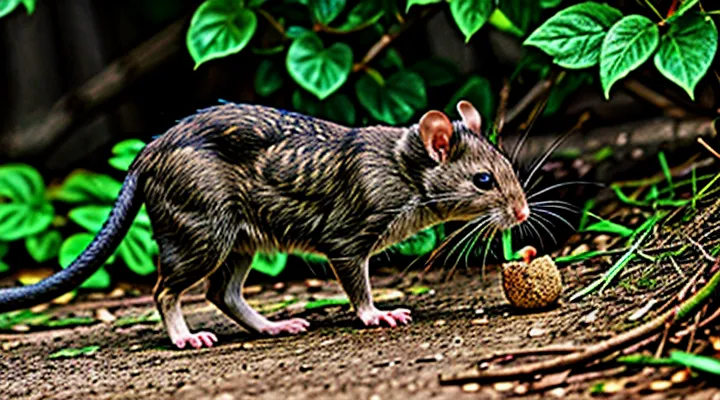
The Omnivorous Nature of Wild Rats
A Diverse Diet
Wild rats demonstrate remarkable dietary flexibility, allowing them to thrive in varied environments. Their foraging patterns rely on readily available resources rather than specialized preferences.
- Seeds and grains from grasses, cereals, and stored food supplies
- Fresh fruits and vegetables, including berries, apples, and leafy greens
- Invertebrates such as insects, larvae, and earthworms
- Small vertebrate carcasses and carrion
- Human-generated waste: discarded food, garbage, and refuse
- Fungi, including mushrooms and moldy substrates
Seasonal shifts alter the relative importance of each category. In spring, abundant seeds and emerging insects dominate; summer brings fruit and vegetable remnants; autumn increases reliance on nuts and fallen fruit; winter forces greater dependence on stored grains and anthropogenic waste. Rats adjust hunting and scavenging behavior to exploit transient opportunities, such as sudden influxes of food waste after storms or agricultural harvests.
This opportunistic feeding strategy influences ecosystem dynamics. By consuming seeds, rats affect plant dispersal and germination rates. Predation on insects can regulate pest populations, while scavenging reduces carrion accumulation. Conversely, the ingestion of contaminated waste facilitates pathogen transmission, linking rat populations to public‑health concerns.
Adaptability and Opportunism
Wild rats demonstrate remarkable dietary flexibility, allowing them to thrive in diverse environments. Their ability to exploit any available food source reduces reliance on specific habitats and sustains populations during scarcity.
Adaptability manifests in several behaviors:
- Consumption of plant matter such as seeds, fruits, and leafy vegetation when animal protein is limited.
- Ingestion of insects, carrion, and small vertebrates, providing high‑quality protein during breeding seasons.
- Utilization of human‑derived waste, including grain, processed foods, and refuse, which offers energy‑dense nutrition in urban settings.
- Seasonal shifts toward stored nuts or tubers during colder months, reflecting anticipatory foraging.
Opportunistic feeding is reinforced by physiological traits. Rapid digestive turnover accommodates varied nutrient profiles, while a keen sense of smell detects volatile compounds from decomposing matter. Social learning spreads knowledge of profitable sites, enabling groups to relocate quickly after habitat disturbance.
Overall, the combination of flexible diet selection and swift response to resource fluctuations underpins the success of feral rodents across ecosystems.
Primary Food Sources
Plant-Based Foods
Seeds and Grains
Seeds and grains constitute a significant portion of the wild rat diet, providing high‑energy carbohydrates and essential nutrients. Rats locate these resources in fields, storage facilities, and urban waste, often exploiting seasonal abundance.
- Common cereals: wheat, barley, oats, rye, rice, and corn kernels.
- Legume seeds: peas, lentils, chickpeas, and soybeans.
- Pseudocereals: quinoa, amaranth, and buckwheat.
- Processed grain products: bread crumbs, cereal flakes, and cracked corn.
Nutritional contributions include rapid glucose release for immediate energy, protein for growth, and fibers that aid digestion. Seasonal variations affect availability: grasses and wild cereals dominate spring‑summer, while stored grain supplies become prominent in autumn and winter. Rats exhibit opportunistic foraging, gnawing through containers, harvesting fallen seeds, and hoarding surplus for later consumption.
Understanding the role of seeds and grains clarifies why these mammals thrive in both natural and human‑altered environments, as the food source supports high reproductive rates and resilience to fluctuating conditions.
Fruits and Vegetables
Wild rats that live outside human settlements regularly include plant matter in their diet, with fruits and vegetables providing essential sugars, vitamins, and fiber. Their foraging behavior targets ripened produce found on the ground, fallen from trees, or discarded by humans, allowing quick access to high‑energy food sources.
Commonly consumed fruits:
- Apples
- Berries (blackberries, raspberries, blueberries)
- Grapes
- Peaches
- Plums
- Figs
Typical vegetables:
- Leafy greens (lettuce, spinach, cabbage)
- Root crops (carrots, radishes, turnips)
- Squash and pumpkin
- Corn kernels
- Peas and beans
Seasonal availability influences selection; rats favor ripe, soft‑fleshed fruits in summer and rely more on hardy vegetables such as carrots and cabbage during autumn and winter. Nutrient intake from these foods supports rapid growth, reproductive success, and disease resistance, while also providing hydration when moisture content is high.
Consumption of plant material reduces reliance on stored grain and insects, diversifying the overall diet and mitigating competition for limited resources. Consequently, fruit and vegetable intake constitutes a significant component of the feeding habits of feral rodents.
Roots and Tubers
Wild rats regularly incorporate underground plant structures into their diet. Roots and tubers supply carbohydrates, moisture, and essential minerals that support rapid growth and high reproductive rates.
Commonly consumed items include:
- Carrot taproots – high in sugars and beta‑carotene.
- Sweet potato tubers – dense starch reserves and vitamin C.
- Beetroot crowns – rich in soluble sugars and potassium.
- Turnip roots – provide glucosinolates and fiber.
- Wild dandelion taproots – contain inulin and trace minerals.
Foraging behavior centers on scent detection and tactile exploration. Rats use their whiskers and sensitive forepaws to locate softened soil, then gnaw through the outer layer to access the edible core. Digging activity often creates shallow burrows that enhance soil aeration.
Seasonal availability influences consumption patterns. In spring, newly sprouted roots present higher moisture content, prompting increased intake. During autumn, larger tubers such as sweet potatoes become abundant, allowing storage of excess energy for winter survival.
Nutritional impact extends beyond individual health. By removing roots and tubers, rats can affect plant regeneration, alter seedling competition, and redistribute nutrients through their droppings, thereby influencing local ecosystem dynamics.
Leaves and Stems
Wild rats incorporate foliage into their diet, selecting leaves and stems from a variety of plant species encountered in natural and urban habitats. This plant material provides fiber, moisture, and trace nutrients that supplement their primarily grain‑based intake.
Common foliage items include:
- Young leaves of grasses (e.g., ryegrass, fescue)
- Broadleaf herbaceous stems (e.g., dandelion, chickweed)
- Shrub foliage (e.g., blackberry, raspberry)
- Tree leaf buds (e.g., oak, maple)
Nutritional contributions of foliage are:
- Roughage that aids gastrointestinal motility
- Water content that reduces the need for separate drinking sources
- Vitamins such as A, C, and K in moderate amounts
- Minerals like potassium and calcium, especially in young shoots
Seasonal shifts affect availability: spring and early summer yield abundant tender leaves and shoots; late summer brings tougher, lignified stems; autumn provides fallen leaf litter that rats may gnaw for residual nutrients. Foraging behavior adapts accordingly, with rats increasing plant consumption during periods of grain scarcity and decreasing it when high‑energy seeds are plentiful.
Animal-Based Foods
Insects and Invertebrates
Wild rats regularly incorporate a wide range of arthropods into their diet. Their opportunistic foraging behavior allows them to capture and consume both terrestrial and aquatic invertebrates whenever these resources are abundant.
Common prey includes:
- Beetles (Coleoptera) such as ground beetles and ladybugs
- Crickets and grasshoppers (Orthoptera)
- Moths and butterflies (Lepidoptera) in larval or adult stages
- Flies and mosquitoes (Diptera)
- Earthworms (Annelida)
- Small crustaceans like freshwater amphipods and isopods
In addition to adult insects, rats often target immature stages—eggs, larvae, and pupae—because of their higher protein content and reduced defensive mechanisms. Consumption of these life stages supports rapid growth and reproductive output, especially during breeding seasons.
Seasonal fluctuations affect availability. In temperate zones, insects peak in late spring and summer, prompting rats to increase invertebrate intake. During colder periods, reliance shifts toward stored seeds and plant material, though occasional scavenging of dormant invertebrates persists.
Physiological studies show that protein derived from arthropods contributes significantly to nitrogen balance, muscle development, and immune function in wild rat populations.
Small Vertebrates
Wild rats frequently incorporate small vertebrates into their diet, exploiting the high protein and fat content of these prey items. Their opportunistic foraging behavior enables them to capture a range of species that are readily available in urban, agricultural, and natural habitats.
Typical small vertebrate prey includes:
- Nestlings and fledgling birds, especially those in low‑lying shrubs or ground nests.
- Amphibians such as juvenile frogs and toads, found near water sources or damp soil.
- Reptiles, including young lizards and small snakes, often encountered in leaf litter or under debris.
- Fish fry and small aquatic larvae when rats have access to shallow pools or drainage channels.
- Juvenile mammals like vole pups, shrew kits, and other small rodent offspring encountered during burrow intrusions.
These prey are selected for their manageable size, ease of capture, and nutritional value, allowing wild rats to supplement their primarily omnivorous intake with dense animal protein during periods of scarcity or high energetic demand.
Eggs
Eggs constitute a high‑protein component of the feral rodent diet. Rats capture and consume eggs when they encounter them in agricultural settings, urban waste, and natural nests.
- Sources – chicken, duck, goose, and quail eggs found in farms, markets, or abandoned nests; reptile and amphibian eggs in wetland margins.
- Acquisition methods – gnawing through shells, breaking shells against hard surfaces, or extracting contents from partially opened eggs.
- Nutritional contribution – protein content of 12–13 g per 100 g, essential amino acids, lipids, vitamins A and D, and minerals such as calcium and phosphorus.
- Seasonal pattern – increased egg consumption during breeding seasons of birds and reptiles, when eggs are most abundant.
- Risk factors – exposure to pathogens (Salmonella, Campylobacter), toxins from pesticide‑treated shells, and competition with avian predators.
Eggs supplement the rat’s carbohydrate‑rich diet, providing a dense source of energy and nutrients necessary for growth and reproduction. Consumption frequency correlates with egg availability rather than preference, indicating opportunistic exploitation.
Carrion
Wild rats regularly consume carrion, exploiting dead animal tissue as a reliable protein source when live prey is scarce. Their opportunistic foraging behavior allows them to locate carcasses through olfactory cues, often within urban waste sites, agricultural fields, and natural ecosystems. Nutrient analysis shows that carrion provides essential amino acids, lipids, and micronutrients that support growth and reproduction.
Key aspects of carrion consumption include:
- Seasonal availability: Decomposition rates increase in warmer months, expanding the window for carrion exploitation; colder periods reduce accessibility but do not eliminate it entirely.
- Risk management: Rats mitigate pathogen exposure by preferring fresh carcasses and by grooming behaviors that limit bacterial colonization.
- Ecological impact: By removing dead matter, rats contribute to nutrient recycling, accelerating decomposition and influencing scavenger community dynamics.
Studies of rodent stomach contents confirm that carrion can constitute up to 30 % of the diet in environments where live prey is limited, demonstrating its significance in sustaining wild rat populations across diverse habitats.
Scavenging Habits
Human Settlements and Waste
Food Waste
Wild rats regularly exploit discarded food, turning municipal and household waste into a primary nutritional source. Their opportunistic foraging allows them to thrive in urban and rural environments where garbage is readily available.
Typical components of the waste they consume include:
- Stale bread, pastries, and other baked goods
- Fruit peels, vegetable scraps, and spoiled produce
- Meat remnants, cooked leftovers, and fish bones
- Processed snack packaging that has been opened or torn
- Dairy products such as cheese rinds and yogurt
These items supply carbohydrates, proteins, fats, and micronutrients essential for growth and reproduction. The high caloric density of processed foods accelerates weight gain and shortens gestation periods, contributing to rapid population expansion.
Human practices that increase waste accessibility—such as unsecured trash bins, overflowing compost piles, and littered streets—directly boost rat numbers. Reducing exposure through sealed containers, regular collection schedules, and proper disposal of food residues limits the food supply and curtails infestation risk.
Pet Food
Pet food provides a balanced mix of protein, fat, carbohydrates, vitamins, and minerals. Commercial rodent formulas typically contain:
- 20‑30 % animal or plant protein (e.g., fish meal, soy)
- 5‑10 % fat (often from vegetable oils)
- 40‑50 % carbohydrate sources (wheat, corn, oats)
- Added vitamins (A, D, E, B‑complex) and minerals (calcium, phosphorus, zinc)
Wild rats consume a diverse array of natural foods: seeds, grains, fruits, insects, and occasional carrion. Their diet is high in fiber and variable in protein content, reflecting seasonal availability.
When pet food replaces wild foraging, it delivers consistent nutrient levels, reduces exposure to toxins, and simplifies feeding. However, the formulation may lack the roughage and diversity found in a natural diet, potentially leading to digestive imbalances if used exclusively over long periods.
For short‑term supplementation or captivity, pet food meets the basic nutritional requirements of wild rats. For sustained health, incorporate occasional fiber‑rich items such as raw vegetables, whole grains, or insects to more closely resemble the original dietary spectrum.
Agricultural Areas
Crops
Wild rats frequently target cultivated plants, especially those that provide high carbohydrate or protein content. Their foraging behavior concentrates on fields where crops are abundant and easily accessible, leading to significant loss of yield in agricultural settings.
Typical crops consumed include:
- Corn kernels and ears
- Wheat and barley heads
- Rice grains
- Soybeans and other legumes
- Sunflower seeds
- Potatoes and sweet potatoes
- Sugarcane and sugar beet tops
Damage results from direct feeding, seed hoarding, and contamination of stored produce. Effective management requires monitoring rodent activity, securing storage facilities, and employing integrated pest‑control measures that limit access to vulnerable crops.
Stored Produce
Wild rodents frequently target stored agricultural goods because these items provide high caloric density, moisture, and easy accessibility. Grain kernels, dried beans, and corn kernels contain carbohydrates and proteins that sustain the animal’s energy requirements during periods when natural foraging is limited.
Typical stored produce that attracts wild rats includes:
- Wheat, barley, and rye grains
- Rice and corn kernels
- Dried legumes such as lentils and peas
- Sun‑dried fruits (e.g., raisins, apricots)
- Nuts and seeds (peanuts, pumpkin seeds)
- Processed bakery items (bread crumbs, crackers)
Moisture content influences selection; products with residual humidity or those stored in damp environments become especially appealing. High‑sugar items, such as dried fruits, offer rapid energy, while protein‑rich legumes support growth and reproduction.
Consumption of these supplies leads to measurable loss for producers and distributors. Damage manifests as gnaw marks, contamination with urine and feces, and reduced market value. Effective mitigation requires sealed containers, airtight storage, and regular inspection to detect early signs of infestation.
Factors Influencing Diet
Habitat and Environment
Urban vs. Rural
Wild rats inhabiting cities encounter a food landscape dominated by human waste, processed products, and refuse. Their diet consists primarily of discarded grain, sugary snacks, meat scraps, and plastic‑coated items that provide high caloric density. Access to municipal trash bins and sewer systems enables constant availability of nutritionally rich, but often chemically altered, substances. Consequently, urban rat populations exhibit rapid weight gain and heightened tolerance to artificial additives.
In contrast, rats living in agricultural or undeveloped regions rely on natural resources and crop residues. Their consumption includes seeds, tubers, insects, and occasional small vertebrates. Seasonal fluctuations dictate reliance on stored grains, fallen fruit, and root vegetables. The limited presence of processed foods results in a diet richer in fiber and lower in refined sugars, influencing slower growth rates and different gut microbiota profiles.
Key distinctions:
- Food source type: municipal waste vs. natural plant matter and insects
- Nutrient composition: high sugar/fat content in cities; higher fiber and protein in rural settings
- Seasonal stability: year‑round availability in urban environments; seasonal variability in the countryside
- Exposure to contaminants: frequent contact with plastics, chemicals, and pharmaceuticals in cities; lower exposure in rural habitats
These dietary patterns shape physiological traits, reproductive cycles, and disease susceptibility, underscoring the importance of habitat context in understanding rat feeding behavior.
Seasonal Changes
Wild rats adjust their foraging patterns to match the resources that become available during each season, ensuring sufficient caloric intake and nutrient balance.
In spring, newly germinated seeds, tender shoots, and a surge of arthropods dominate the diet. The abundance of protein‑rich insects supports rapid growth and reproductive activity.
Summer brings a proliferation of fruits, berries, and soft‑fleshed vegetables. High‑sugar foods provide quick energy, while continued insect consumption supplies essential amino acids.
Autumn is characterized by the accumulation of nuts, acorns, and fallen fruit. These high‑fat items allow rats to build energy reserves in preparation for periods of scarcity.
Winter forces reliance on stored seeds, bark, and occasional carrion. Urban environments augment this diet with human waste, offering a stable but lower‑quality food source.
Seasonal food sources
- Spring: grass seedlings, herbaceous plants, beetles, caterpillars
- Summer: strawberries, raspberries, corn kernels, crickets
- Autumn: oak acorns, hazelnuts, pumpkin seeds, persimmons
- Winter: pine needles, bark fragments, dead insects, garbage scraps
These seasonal shifts reflect the rat’s capacity to exploit diverse habitats, optimize nutrient intake, and sustain population levels throughout the year.
Food Availability
Food availability determines the foraging success of feral rats and shapes their nutritional intake. Rats exploit any accessible resource, favoring items that are abundant, easy to handle, and energy‑dense.
- Grains and cereals (wheat, rice, corn)
- Seeds from wild plants and cultivated crops
- Fresh fruits and vegetables
- Invertebrates (beetles, larvae, worms)
- Carrion and dead insects
- Human refuse (food scraps, pet food, discarded packaging)
Habitat type influences resource distribution. Urban environments provide constant waste streams, sewers, and stored grain, while agricultural fields offer seasonal surpluses of crops. Natural habitats supply wild seeds, fruits, and invertebrates, but quantities fluctuate with weather patterns and plant phenology.
Seasonal shifts alter the composition of available foods.
- Spring – emergence of insects, early seed production, fresh plant matter.
- Summer – peak fruit and vegetable abundance, increased insect activity.
- Autumn – harvested grains, fallen nuts, residual fruit.
- Winter – reliance on stored human waste, carrion, and residual seeds.
Variations in food supply drive population cycles. Periods of abundance support rapid breeding and higher survival rates; scarcity prompts increased mobility, competition, and reduced reproductive output. Understanding these patterns aids in predicting rat density fluctuations across different ecosystems.
Competition with Other Animals
Wild rats obtain most of their energy from grains, seeds, fruits, and insects that fall to the ground or are stored by other species. Their opportunistic foraging enables them to exploit a wide range of food sources across urban, agricultural, and natural habitats.
Competition arises when other omnivores or granivores target the same resources. Primary rivals include:
- House mice (Mus domesticus) that share grain caches and refuse.
- Squirrels that harvest nuts and seeds from the same trees and ground deposits.
- Birds such as sparrows and starlings that forage for seeds and insects on the surface.
- Small carnivores (e.g., foxes, weasels) that may steal larger prey items or carcasses.
Rats mitigate competitive pressure through several strategies. They forage at night, reducing overlap with diurnal species. They exhibit rapid breeding cycles, allowing populations to rebound quickly after resource loss. They also store surplus food in hidden caches, securing a personal reserve that buffers against temporary scarcity caused by competitors.
When food is limited, rats may expand their diet to include higher‑protein items like carrion or arthropods, thereby decreasing direct conflict with species that specialize in plant material. This dietary flexibility maintains rat populations even in ecosystems where other animals dominate the primary food categories.
Nutritional Needs and Feeding Behavior
Water Requirements
Wild rats meet their hydration needs through the moisture contained in food and from direct water sources encountered while foraging.
- Fresh vegetation, fruits, and tubers provide variable percentages of water, often sufficient in humid environments.
- Insects, carrion, and small vertebrates contribute additional fluid content.
- Surface water such as puddles, runoff, and dew collected on leaves are accessed when available.
- Human‑derived sources—including leaking pipes, discarded containers, and irrigation systems—supply reliable water in urban settings.
Average daily water consumption ranges from 10 ml to 30 ml per 100 g of body weight, depending on ambient temperature, humidity, and diet composition. Higher ambient temperatures increase evaporative loss, prompting rats to seek more liquid sources or select foods with greater moisture.
Physiological mechanisms enable efficient water conservation: kidneys concentrate urine, and the gastrointestinal tract reabsorbs water from ingested material. When fluid intake falls below required levels, rats reduce activity, limit urine output, and may shift feeding toward wetter food items to mitigate dehydration.
Prolonged lack of adequate water leads to reduced blood volume, impaired thermoregulation, and eventual mortality. Access to consistent hydration sources is therefore essential for maintaining the health and survival of wild rat populations.
Hoarding and Storing Food
Wild rats regularly accumulate surplus food to offset periods when resources become scarce. This behavior enhances individual survival and supports colony stability during winter or drought.
Rats collect edible material from diverse sources—garbage, crops, insects, and carrion—and transport it to concealed caches. Items are packed into cheek pouches, carried short distances, and deposited in nests, burrows, or hidden crevices. The process repeats until a sufficient reserve is established.
Typical food stored includes:
- Grains and seeds (wheat, barley, corn)
- Nuts and dried fruits
- Soft fruits and vegetables
- Insects and larvae
- Small pieces of meat or fish
Storage locations are selected for protection from predators, moisture, and temperature extremes. Common sites comprise:
- Deep chambers within underground burrows
- Insulated sections of attic or roof space
- Gaps behind walls, under floorboards, or within insulation
- Natural crevices in rocks or tree roots
Accumulated reserves allow rats to maintain metabolic needs when foraging opportunities decline, thereby influencing population density and reproductive success. In urban environments, hoarding contributes to structural damage and heightened disease risk, prompting targeted pest‑management strategies.
Foraging Strategies
Wild rats obtain nutrients by employing a range of foraging tactics that reflect their adaptability to diverse environments. Their approach combines opportunistic exploitation of readily available resources with targeted searches for higher‑quality foods.
- Opportunistic scavenging: Rats quickly locate discarded human waste, fallen fruit, and dead insects, often within minutes of a new source appearing. Their acute olfactory sense detects volatile compounds released by decomposing matter, prompting immediate investigation.
- Nocturnal foraging: Activity peaks during low‑light periods, reducing exposure to diurnal predators. Nighttime movement patterns follow established routes that intersect multiple microhabitats, maximizing encounter rates with hidden food caches.
- Spatial memory utilization: Individuals remember the locations of productive sites, such as burrow entrances near grain stores or water sources, and revisit them after short intervals. Memory maps are reinforced through repeated successful foraging trips.
- Social information transfer: Juvenile rats learn dietary options by observing conspecifics. Demonstrated behaviors include following experienced adults to new food patches and mimicking handling techniques for hard‑shelled items.
- Seasonal adjustment: In colder months, rats increase consumption of high‑fat seeds and stored animal tissue to meet elevated metabolic demands. During warm periods, they shift toward carbohydrate‑rich fruits and nectar, exploiting seasonal abundance.
- Caching and hoarding: Excess food is buried or stored within insulated chambers. Cached reserves are retrieved during scarcity, ensuring a continuous supply without the need for constant searching.
These strategies enable wild rats to sustain a flexible diet across urban, agricultural, and natural settings, ensuring survival despite fluctuating resource availability.
Impact of Diet on Rat Behavior and Health
Disease Transmission
Wild rats consume a diverse array of food sources, many of which serve as vectors for pathogenic microorganisms. Their diet includes grain stores, refuse, carrion, and contaminated water, each providing opportunities for bacteria, viruses, and parasites to enter the animal’s gastrointestinal tract.
When rats ingest contaminated material, pathogens can survive within the host and be shed through saliva, urine, and feces. This shedding creates a cycle of transmission that extends to humans, livestock, and other wildlife sharing the same environment. Key mechanisms include:
- Direct contact with rat excreta that contaminates food preparation surfaces.
- Indirect spread via insects or other animals that feed on rat waste.
- Aerosolization of particles from dried droppings, inhaled by nearby individuals.
- Waterborne contamination when rats defecate in communal water sources.
Specific diseases linked to rat dietary habits encompass:
- Leptospira spp., responsible for leptospirosis, transmitted through urine that contaminates soil and water.
- Hantavirus, spread when aerosolized particles from dried droppings are inhaled.
- Salmonella and E. coli strains, introduced via fecal contamination of stored grains and produce.
- Yersinia pestis, the plague bacterium, persisting in flea vectors that feed on infected rats.
Mitigation strategies focus on controlling rat access to food and water supplies, maintaining strict sanitation of storage facilities, and monitoring rodent populations for signs of infection. Reducing the availability of contaminated food sources directly lowers the risk of pathogen amplification and subsequent transmission to humans and domestic animals.
Population Dynamics
The dietary composition of feral rodents directly influences their reproductive output, mortality rates, and seasonal population fluctuations. High‑quality protein sources such as insects, seeds, and grain elevate fecundity by shortening gestation periods and increasing litter size. Conversely, diets dominated by low‑nutrient refuse reduce offspring viability and extend interbirth intervals, leading to population contraction.
Resource availability fluctuates with agricultural cycles, urban waste patterns, and natural seed mast events. When abundant, food surplus triggers rapid population growth, often observable as exponential increases within weeks. Scarcity imposes density‑dependent regulation: competition intensifies, aggression rises, and individuals experience higher stress‑induced mortality, stabilizing numbers at lower levels.
Key mechanisms linking diet to demographic change include:
- Energy intake: Determines body condition, affecting mating success and survival.
- Nutrient balance: Essential amino acids and micronutrients support embryonic development.
- Food predictability: Seasonal consistency influences breeding timing and synchrony.
- Habitat overlap: Proximity to human waste streams expands food access, altering spatial distribution.
Long‑term monitoring of consumption patterns, combined with population surveys, reveals that shifts in available food types—whether due to crop rotation, waste management policies, or climate‑driven changes in insect abundance—produce measurable effects on growth rates, age structure, and carrying capacity of wild rat communities.
Predator-Prey Relationships
Wild rats consume a diverse array of foods, ranging from plant matter to animal tissue, which positions them as both primary consumers and opportunistic carnivores within many ecosystems. Their ability to exploit seeds, fruits, insects, and small vertebrates creates a direct link between lower trophic levels and higher predators.
Typical components of a feral rat’s diet include:
- Seeds and grains harvested from cultivated fields and natural stands.
- Fruit and vegetable matter found in orchards, gardens, and waste deposits.
- Invertebrates such as beetles, larvae, and earthworms encountered in soil or litter.
- Small vertebrates, including nestling birds and amphibian tadpoles, captured when opportunity arises.
Predators that depend on rats for sustenance comprise:
- Birds of prey (e.g., owls, hawks) that hunt nocturnally or during crepuscular periods.
- Mammalian carnivores (e.g., foxes, feral cats, weasels) that patrol urban and rural habitats.
- Reptilian hunters (e.g., snakes) that ambush rats near burrows or feeding sites.
Predator pressure shapes rat foraging behavior: heightened risk of capture reduces time spent in open areas, encourages nocturnal activity, and drives selection of concealed food sources. Conversely, abundant rat populations can boost reproductive success and population density of their predators, reinforcing the reciprocal nature of the predator‑prey relationship.