
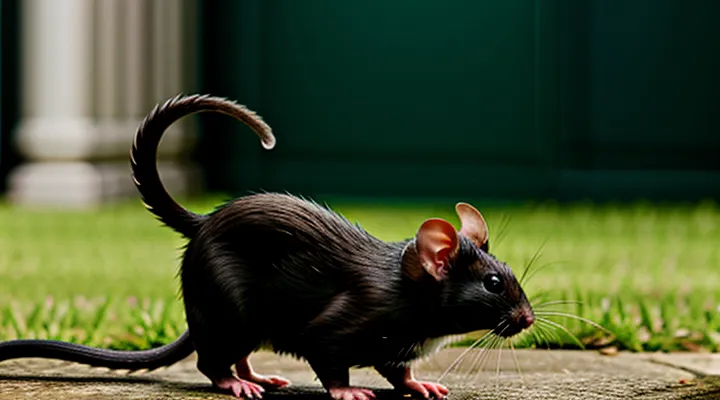
Understanding Fancy Rats
The Domesticated Rat
Origins of Fancy Rats
Fancy rats trace their lineage to the early twentieth‑century laboratory breeding programs that emphasized temperament, health, and coat variation. Researchers in England and the United States selected individuals displaying docile behavior and atypical pigmentation, establishing the first breeding colonies that diverged from standard laboratory strains.
The initial genetic pool derived from wild‑caught Rattus norvegicus introduced to captive environments. Selective mating produced:
- Albino lines, originating from a spontaneous mutation identified in 1900s British colonies.
- Hooded and Berkshire patterns, first recorded in American hobbyist circles during the 1920s.
- Rex and Satin coats, resulting from recessive mutations discovered in German breeding clubs in the 1930s.
World War II disrupted European breeding, prompting American enthusiasts to preserve and expand these lines. Post‑war exchange of breeding stock between continents accelerated diversification, leading to the emergence of newer varieties such as the Dumbo, Manx, and Hairless forms.
Modern fancy rat societies trace pedigrees back to these foundational strains, using documented lineage records to maintain breed standards and health criteria established over a century of selective breeding.
Distinguishing Fancy Rats from Wild Rats
Fancy rats are domesticated rodents selectively bred for coat color, pattern, size, and temperament. Wild rats, by contrast, retain natural coloration, larger body mass, and survival‑oriented behaviors.
Key differences
- Coat and skin – Fancy rats display a variety of colors (e.g., albino, hooded, sable) and textures (hairless, rex). Wild rats possess uniform brown or gray fur with no intentional markings.
- Body size – Domesticated specimens average 200–300 g; wild counterparts often exceed 350 g.
- Temperament – Fancy rats are accustomed to handling, exhibit reduced aggression, and show curiosity toward humans. Wild rats demonstrate heightened wariness and rapid flight responses.
- Health profile – Breeding programs emphasize reduced susceptibility to common diseases; wild rats frequently carry parasites and pathogens endemic to their environments.
- Reproductive control – Fancy rats are bred under regulated conditions, with documented lineages. Wild populations reproduce uncontrolled, leading to genetic variability.
- Habitat – Domesticated rats live in cages with controlled temperature, lighting, and diet. Wild rats occupy sewers, fields, and buildings, adapting to fluctuating conditions.
Distinguishing domesticated rats from their wild relatives informs proper care, veterinary treatment, and legal compliance for pet ownership. Accurate identification prevents the introduction of wild‑type diseases into captive colonies and supports responsible breeding practices.
Common Fancy Rat Varieties
Varieties by Coat Type
Standard Coat
Standard Coat rats display the original, unaltered fur texture of the species. The coat consists of short, dense hair that lies flat against the body, providing a sleek appearance and minimal grooming requirements. Genetic inheritance follows the dominant “standard” allele, which supersedes mutations that produce longer, wiry, or curly fur types. Because the coat lacks specialized structures, it is less prone to matting and skin irritation, making it a practical choice for both novice and experienced breeders.
Typical colorations found in Standard Coat rats include:
- Black
- White
- Agouti (brown with a darker dorsal stripe)
- Beige (light brown)
- Chocolate (deep brown)
- Red (coppery hue)
- Blue (diluted black)
- Lilac (diluted chocolate)
Each coloration adheres to the same coat texture, ensuring uniformity across the breed while allowing a broad visual spectrum for selection. The Standard Coat remains the most common and widely accepted fur type in the fancy rat community.
Rex Coat
Rex‑coated rats possess a distinctive curly fur texture caused by a recessive mutation that modifies hair structure. The curl is uniform across the body, including the whiskers, and the coat feels softer than the standard smooth hair of most pet rats. Because the gene is recessive, both parents must carry it for offspring to display the trait; breeding two carriers yields a 25 % chance of a Rex pup.
Key characteristics of Rex rats include:
- Uniform curl covering the entire body, providing a plush appearance.
- Slightly reduced grooming efficiency; the curls can trap debris, requiring regular cleaning.
- Typically a denser undercoat, which may affect temperature regulation in extreme environments.
- No impact on temperament; behavior aligns with that of standard fancy rats.
Health considerations focus on coat maintenance. The curly fur can become matted if not inspected daily; a soft brush or fingertip massage helps prevent tangles. Skin health should be monitored for irritation, as the curl can retain moisture. Providing a dry, well‑ventilated habitat reduces the risk of fungal or bacterial growth.
Breeding strategies prioritize genetic clarity. Pairing two confirmed Rex individuals guarantees 100 % Rex offspring, while mating a Rex with a carrier produces a 50 % chance of Rex pups and 50 % carriers. Maintaining detailed lineage records prevents accidental introduction of unwanted coat types.
Overall, the Rex coat offers a unique aesthetic option for enthusiasts seeking variety among ornamental rats, while demanding attentive grooming and informed breeding practices.
Double Rex Coat
The Double Rex coat distinguishes itself among fancy rat varieties by its dense, velvety fur that grows in a uniform, plush texture. The hair is short, soft, and stands upright, giving the animal a smooth, almost suede-like appearance. Unlike standard coats, the Double Rex lacks the usual guard hairs, resulting in a consistent feel across the entire body.
Key characteristics of the Double Rex coat include:
- Uniformly short, dense fur covering the whole body
- Soft, velvety texture that resists matting
- Absence of traditional guard hairs, creating a seamless surface
- Limited shedding compared with standard-haired rats
Breeding considerations focus on genetic stability and health monitoring. The Double Rex trait follows an autosomal recessive pattern, requiring both parents to carry the gene for offspring to express the coat. Breeders must track lineage to avoid unintended health issues linked to fur anomalies, such as skin irritation or temperature regulation problems.
Care requirements emphasize gentle handling and appropriate grooming. Regular, light brushing removes loose hairs without damaging the delicate coat. Temperature control is essential; the dense fur provides insulation, so environments should avoid extreme heat. Proper nutrition, including a balanced diet rich in essential fatty acids, supports coat health and maintains the characteristic sheen.
Hairless Coat
Hairless‑coated rats represent a distinct category within ornamental rodent varieties, recognized by breed standards and show listings.
The lack of fur results from a recessive mutation affecting keratin production; both parents must carry the allele for offspring to display the trait. Breeders maintain genetic records to prevent accidental homozygosity for deleterious mutations.
Physical appearance includes smooth, pink or pigmented skin, visible vasculature, and a heightened sensitivity to temperature fluctuations. Coloration follows the same pigment patterns as haired counterparts, but the absence of fur makes markings more apparent.
Key care considerations are:
- Ambient temperature maintained between 68–75 °F (20–24 °C) to avoid hypothermia.
- Low‑dust bedding such as paper strips to prevent skin irritation.
- Daily skin inspection for abrasions, dermatitis, or fungal growth.
- Moisturizing ointments applied only when veterinary guidance is provided.
Health risks focus on skin infections, respiratory complications due to increased exposure, and dehydration from higher evaporative loss. Prompt veterinary assessment of any lesions reduces morbidity.
Handling requires gentle support of the torso and avoidance of pressure on the tail and paws, where skin is especially delicate. Gradual habituation improves tolerance and reduces stress‑induced grooming.
Breeding protocols recommend pairing two carriers to produce litters with a predictable ratio of hairless to haired pups, while tracking lineage to minimize recessive disease expression.
Enthusiasts value hairless rats for their unique aesthetic and the challenge of specialized husbandry; they frequently appear in specialty exhibitions and are sought after by collectors with experience in exotic pet care.
Satin Coat
Satin‑coated rats belong to the group of coat‑type varieties prized for a glossy, reflective fur surface. The satin gene (Sa) modifies hair structure, producing a sheen that appears between standard and hairless textures. Heterozygous (Sa/+) animals display a subtle shine, while homozygous (Sa/Sa) specimens exhibit a pronounced satin finish and often a softer, more pliable coat.
Key attributes of the satin coat include:
- Light‑reflective fur that appears metallic under illumination.
- Slightly longer, finer hair shafts compared to the standard coat.
- Increased susceptibility to skin dryness; regular moisturising helps maintain coat health.
- Compatibility with most other fancy‑rat color and pattern genes, allowing diverse combinations.
Breeding considerations focus on genetics and health. The satin trait follows an autosomal recessive inheritance pattern; breeding two heterozygous carriers yields a 25 % chance of producing homozygous satin offspring, a 50 % chance of heterozygous carriers, and a 25 % chance of non‑satin pups. Excessive inbreeding may amplify skin issues, so outcrossing to unrelated lines is recommended. Proper diet rich in essential fatty acids supports the coat’s luster and reduces dermatitis risk.
Show standards typically require a uniform satin sheen across the entire body, with no patches of standard fur. Judges assess texture, shine, and overall health; a well‑maintained satin rat should display a consistent, glossy appearance without excessive oiliness or alopecia.
In practice, satin coats enhance the aesthetic variety within the fancy‑rat community while demanding attentive grooming and balanced breeding strategies to preserve both appearance and wellbeing.
Fuzz Coat
Fuzz coat is a distinct coat type among fancy rats, characterized by a soft, plush texture that resembles short, dense fur rather than the typical smooth hair. The coat results from a recessive gene that modifies hair follicle structure, producing a uniform, velvety surface across the body. Unlike rex or satin coats, fuzz lacks the wiry or glossy sheen; instead, it offers a matte, tactile quality favored by many exhibitors.
Key attributes of fuzz coat include:
- Uniform length of 2–4 mm, providing a consistent feel without the waviness seen in other varieties.
- Dense fiber arrangement that reduces shedding and minimizes dander, beneficial for owners with mild sensitivities.
- Slightly higher maintenance of moisture balance; the coat retains humidity longer, requiring regular monitoring to prevent skin irritation.
Genetically, the fuzz trait follows autosomal recessive inheritance. Breeding two carriers (heterozygous rats) yields a 25 % probability of producing offspring with the full fuzz phenotype, a 50 % chance of carriers, and a 25 % chance of normal coat. Successful breeding programs often pair known fuzz individuals to guarantee phenotype expression, while avoiding excessive inbreeding through careful line management.
Health considerations are minimal; the coat itself does not predispose rats to specific ailments. However, the denser fur can trap moisture, so regular grooming—gentle brushing and occasional spot cleaning—helps maintain skin integrity. Providing a dry, well‑ventilated habitat reduces the risk of fungal growth.
In competitive settings, judges assess fuzz coat based on uniformity, texture, and lack of imperfections such as bald patches or uneven growth. The ideal specimen presents a seamless, plush surface that covers the entire body, including the tail, without any glossy or wiry sections.
Overall, fuzz coat offers a unique aesthetic and tactile experience within the spectrum of fancy rat coat types, supported by clear genetic principles and manageable care requirements.
Harley Coat
The Harley coat is a distinct pattern among the many varieties of fancy rats, recognized for its stark contrast between a solid-colored body and a sharply defined, lighter mask covering the head, ears, and often the shoulders. The pattern results from a combination of the “Harlequin” gene, which creates a split‑color effect, and the “Self” gene that limits coloration to a single hue, producing the characteristic dark‑light division.
Key characteristics of the Harley coat include:
- Color distribution: A deep base color (e.g., black, chocolate, or blue) occupies the torso, while the mask, muzzle, and sometimes the forepaws appear in a lighter shade such as white, cream, or silver.
- Genetic basis: The Harlequin allele (H) is dominant; when paired with a Self allele (S), the rat displays the Harley pattern. Heterozygous carriers may produce offspring with full Harlequin, Self, or Harley coats depending on the partner’s genetics.
- Show standards: Judges evaluate the sharpness of the color line, symmetry of the mask, and absence of stray patches. A well‑bred Harley rat shows a clean, uninterrupted border between dark and light areas.
- Breeding considerations: To maintain the pattern, breeders pair a Harley with another Harley, a Harlequin, or a Self of the same base color. Introducing unrelated colors can dilute or eliminate the mask.
- Health and care: The coat pattern does not affect health; standard grooming and housing practices apply. Monitoring for skin issues around the mask is advisable, as lighter fur may reveal irritation more readily.
Understanding the Harley coat’s genetics and visual criteria enables breeders and enthusiasts to differentiate it from related patterns such as full Harlequin or classic Self varieties, and to promote its consistent appearance in exhibitions and pet populations.
Velveteen Coat
Velveteen‑coated rats represent a distinct coat variant within the spectrum of ornamental rodent breeds. The coat results from a specific genetic mutation that alters hair structure, producing a semi‑long, soft, and glossy pelage that differs markedly from the standard short, dense fur of typical laboratory strains.
The mutation affects the hair’s keratin composition, yielding fibers that lie flatter against the skin and create a velvety surface. Breeders identify the trait through visual inspection and confirm it by noting the consistent texture across litters. The gene is autosomal recessive, requiring both parents to carry the allele for offspring to express the velveteen phenotype.
Key attributes of velveteen rats include:
- Length: 0.5–0.8 cm longer than standard coat, yet shorter than full‑long hair varieties.
- Texture: smooth, silky, with a subtle sheen.
- Color expression: compatible with all recognized fancy rat color patterns; pigmentation remains unchanged.
- Grooming demand: daily brushing recommended to prevent matting and reduce shedding.
- Health profile: no intrinsic medical issues linked to the coat; however, inadequate grooming may lead to skin irritation.
Care protocols emphasize regular handling to detect tangles, use of a soft‑bristled brush, and periodic inspection of the ventral area where fur can accumulate debris. Environmental humidity should be maintained between 45–55 % to preserve fiber integrity. Nutrition remains identical to that of other fancy rats; no dietary modifications are required for coat maintenance.
Among specialty breeders, velveteen rats command high demand due to their aesthetic appeal and suitability for show standards. Breeding programs prioritize pairings that guarantee homozygous recessive offspring while maintaining overall vigor and temperament. The coat type continues to expand the diversity of ornamental rats, offering enthusiasts a unique combination of visual elegance and manageable husbandry.
Varieties by Ear Type
Top-Eared
Top‑Eared rats belong to the group of ornamental rodents prized for their distinctive ear placement. The ears sit higher on the skull than in standard varieties, giving a pronounced, alert silhouette. This trait results from selective breeding that emphasizes the upward tilt of the ear cartilage.
Physical features include:
- Ears positioned near the top of the head, often appearing almost vertical.
- Standard body size and coat patterns; ear placement is the sole differentiator.
- Typically smooth or rex fur, depending on the breeder’s line.
- Balanced temperament comparable to other fancy rats, with no inherent health issues linked to ear placement.
Breeding considerations focus on maintaining ear structure without compromising skull integrity. Responsible breeders avoid excessive inbreeding, monitor for deformities, and select parents with well‑formed, correctly angled ears. Litters usually display the top‑ear trait in a Mendelian pattern, with a 25 % chance of inheriting the characteristic when both parents carry the gene.
Care requirements mirror those of common fancy rats: regular cage cleaning, a diet rich in grains, proteins, and fresh vegetables, and ample enrichment. Owners should inspect ear canals for debris, as the elevated position can trap particles more readily than lower‑set ears.
Top‑Ear rats attract enthusiasts who value visual uniqueness while seeking the familiar behavior and health profile of standard fancy rats. Their rarity adds collector appeal, yet they remain suitable companions for experienced rat keepers.
Dumbo-Eared
Dumbo‑Eared rats are distinguished by unusually large, low‑set ears that fold forward, creating a rounded facial silhouette. The trait results from a recessive gene; both parents must carry the allele for offspring to display the phenotype. Coat colors and patterns vary widely, matching those of other fancy varieties, while the ear structure remains the defining characteristic.
Key attributes include:
- Broad, forward‑facing ears that may touch or overlap when the rat is relaxed.
- Soft, dense fur that can appear in any standard coloration, from solid black to agouti, brindle, or patterned varieties.
- A calm disposition often reported by breeders, though temperament depends on individual handling and environment.
Breeding considerations:
- Pairing two carriers (heterozygous) yields a 25 % chance of Dumbo‑Eared pups, a 50 % chance of carriers, and a 25 % chance of standard‑eared offspring.
- Maintaining genetic diversity prevents inbreeding depression; rotating breeding lines is advisable.
Health notes:
- Ear cartilage is more delicate; routine cleaning prevents wax buildup and infection.
- Respiratory issues may arise if ear hair obstructs airflow; regular veterinary checks are recommended.
Overall, Dumbo‑Eared rats combine a striking visual appeal with manageable care requirements, making them a prominent choice among enthusiasts seeking distinctive fancy rat phenotypes.
Varieties by Markings
Self (Solid Color)
Self (Solid Color) rats represent a primary classification among fancy rat varieties, distinguished by a uniform coat without any pattern or markings. The coloration results from a single pigment gene expressed across the entire fur, producing a consistent hue that defines the animal’s appearance.
Common solid colors include:
- Black – deep, uniform black pigment covering the whole coat.
- White – albino phenotype with pink eyes and a pure white coat.
- Blue – dilute black, yielding a slate‑gray shade.
- Chocolate – rich brown pigment, lighter than black but darker than red.
- Red – vivid orange‑red hue, often referred to as “cinnamon” in breeding circles.
- Agouti – each hair bears a banded pattern that appears as a solid, warm brown when viewed from a distance.
- Lilac – dilute chocolate, presenting a muted, pastel brown.
Genetic inheritance follows Mendelian principles; a solid‑color allele can be dominant or recessive depending on the specific hue. Breeders must pair individuals with compatible genotypes to achieve predictable outcomes. For instance, crossing two heterozygous black rats can produce black offspring alongside carriers of recessive colors.
Health considerations for solid‑color rats align with those of other fancy varieties. No inherent health issues arise from the coat color alone, though certain pigments may be linked to sensitivity to ultraviolet light in albinos. Proper husbandry—balanced diet, clean enclosure, regular veterinary checks—remains essential regardless of coloration.
Hooded
The hooded fancy rat displays a distinct coloration pattern in which the body is predominantly one color while the head, shoulders, and often the tail tip retain a contrasting hue. This phenotype results from the interaction of the “hood” gene with other coat‑color genes, allowing breeders to combine the hooded pattern with a wide range of colors such as black, brown, agouti, and albino. The contrast is most pronounced when the base color is light, making the darker hood a striking visual feature.
Hooded rats are popular among hobbyists for their clear visual distinction and ease of identification in breeding programs. They require the same standard care as other fancy rats—adequate space, balanced diet, enrichment, and regular health checks. No special health concerns are linked specifically to the hooded pattern, though breeders should monitor for coat‑related issues that can arise in any color mutation.
Key characteristics of the hooded variety:
- Head, shoulders, and tail tip in a darker shade; remainder of body in a lighter or contrasting color.
- Genetic expression controlled by a single dominant allele, enabling predictable inheritance.
- Compatibility with most other color mutations, expanding the variety of possible coat combinations.
- Visual appeal that makes the hooded rat a frequent choice for show entries and pet owners seeking a distinctive appearance.
Berkshire
The Berkshire is a distinct strain within the spectrum of ornamental rodents, recognized for its unique coat pattern and temperament. Originating from selective breeding focused on a specific color mutation, the Berkshire displays a deep, uniform black base with a contrasting white blaze that runs from the nose across the forehead to the neck. This striking bicolor appearance sets the variety apart from more common solid or agouti patterns.
Physically, the Berkshire combines the black base with a crisp, white facial mask, creating a clear demarcation that emphasizes facial features. The fur is typically dense and glossy, reflecting the breed’s emphasis on coat quality. Size and body conformation align with standard fancy rat standards, showing a compact, well‑muscled build without excessive bulk.
Key characteristics of the Berkshire include:
- Black base coat with a defined white blaze on the face and neck
- Dense, glossy fur texture
- Standard size and proportion for fancy rats
- Calm, sociable demeanor favored by experienced caretakers
Breeders maintain the Berkshire line through careful pairing of individuals exhibiting the precise color split, ensuring the stability of the pattern across generations. Proper care mirrors that of other ornamental rats, requiring balanced nutrition, regular handling, and environmental enrichment to support health and behavioral well‑being.
Irish
Fancy rats are categorized by coat texture, color patterns, and body shape. Among the most recognizable groups are the standard-haired, rex, satin, and hairless varieties, each offering a range of colorations and markings.
The Irish variety belongs to the standard-haired group. It displays a smooth, glossy coat with a uniform color throughout the body, lacking any white spotting. Typical colorations include solid black, brown, blue, and cream, as well as dilutes and brindles. The breed’s defining characteristics are:
- Evenly pigmented fur with no contrasting patches
- Compact, muscular build
- Dark, rounded eyes and a short, blunt nose
- Calm temperament suitable for handling
Care requirements match those of other standard-haired rats: a balanced diet, regular cage cleaning, and enrichment items to encourage exploration. Health monitoring focuses on dental wear and respiratory health, common concerns for all domesticated rats.
Capped
Capped rats belong to the category of fancy rodents distinguished by a sharply defined color boundary that separates a dark head from a lighter body. The contrast results from a genetic mutation that restricts pigment production to the cranial region, leaving the remainder of the coat largely uncolored. Breeders identify the pattern by the abrupt line where the black or brown cap ends and the lighter fur begins, typically at the eyes or forehead.
The phenotype appears in several base colors, including black, chocolate, blue, and lilac. Each variant follows the same cap distribution, allowing collectors to combine cap type with other markings such as hooded, blaze, or broken patterns. The cap is genetically recessive; both parents must carry the allele for offspring to display the trait. Consequently, litters often include a mix of capped and non‑capped individuals, requiring careful selection to maintain the line.
Key considerations for owners:
- Monitor skin health around the cap, where reduced pigment can increase sensitivity to sunlight.
- Provide a balanced diet rich in vitamin A to support overall fur quality.
- Separate capped and non‑capped rats during breeding to control trait inheritance.
- Observe social dynamics; capped rats display the same temperament as other fancy varieties.
Masked
The Masked fancy rat is recognized by a striking facial pattern in which the eyes, ears, and muzzle display a darker pigment that contrasts sharply with a lighter body coat. This pattern results from the expression of the “mask” gene, which deposits melanin selectively on the head while allowing the remainder of the fur to retain the underlying color.
Key characteristics of the Masked variety include:
- Color interaction: The mask can appear on any base color, producing combinations such as black mask on a white, brown, or sable background.
- Coat type compatibility: The mask gene does not affect fur texture; masked individuals may be standard, rex, or satin in coat quality.
- Genetic inheritance: The mask trait is autosomal dominant; a single copy of the allele produces the phenotype, while two copies intensify the darkness of the mask.
- Health considerations: No specific medical issues are linked to the mask gene, but standard rat health protocols—regular dental checks, balanced diet, and environmental enrichment—remain essential.
- Breeding implications: Pairing a masked rat with a non‑masked partner yields approximately 50 % masked offspring, assuming heterozygosity in the masked parent.
Breeders often select masked rats for exhibition due to the visual impact of the contrasting facial marking. Owners appreciate the pattern for its aesthetic appeal, noting that it does not influence temperament; masked rats display the same behavioral range as other fancy varieties. Proper grooming, particularly for long‑haired masked specimens, helps maintain coat condition and highlights the distinctive mask.
Dalmatian
The Dalmatian is a recognized variety among ornamental rats, distinguished by a coat that displays distinct black spots on a white background. Spot patterns range from a few large markings to numerous small speckles, each rat presenting a unique arrangement.
Spots result from a recessive gene that suppresses pigment production in isolated patches of skin. The gene is stable across generations, allowing breeders to produce predictable markings when both parents carry the trait. The underlying white base color originates from the standard albino background, while the black spots emerge where melanin expression remains active.
Care requirements for Dalmatian rats match those of other fancy breeds, with two considerations specific to their coat. First, the contrast between dark spots and white fur can highlight minor skin irritations, making regular inspection essential. Second, the white fur may be more prone to staining, so bedding should be kept dry and clean to preserve the visual quality of the pattern.
Breeders value the Dalmatian for its striking appearance and ease of genetic management. The variety enjoys popularity in exhibitions and as a pet, offering the same temperament as standard rats—curious, social, and trainable—while providing an eye‑catching visual element.
Key attributes of the Dalmatian variety
- White base coat with black spots
- Recessive spotting gene ensures consistent inheritance
- No special dietary needs beyond standard rat nutrition
- Requires routine coat inspection to detect skin issues
- Highly regarded in show circuits for aesthetic appeal
Patchwork
Fancy rats are divided into several coat‑pattern categories, each recognized by breeders and show judges. Among these, the patchwork pattern stands out for its striking combination of distinct color blocks on a single animal.
Patchwork rats display two or more sharply defined colors that do not blend across the body. Typical arrangements include a solid base color with contrasting patches on the head, ears, and tail, or alternating bands of color along the spine. The pattern results from the interaction of multiple pigment genes, most often the agouti, albino, and various dilutions, which must be combined in a precise genetic balance to achieve the desired contrast.
Breeding patchwork specimens requires careful selection of parents that carry compatible color alleles. Breeders monitor litter outcomes for clear demarcation of colors, avoiding diffuse or mottled coats that fail to meet show standards. Health considerations remain identical to those of other fancy rats; coat pattern does not influence susceptibility to common ailments.
Common patchwork variations include:
- Half‑and‑Half: one side of the body a solid color, the opposite side a contrasting hue.
- Tri‑Color Patchwork: three distinct colors, each occupying separate body regions.
- Bicolor Block: a primary color with one or two large, sharply edged patches of a second color.
- Spotted Patchwork: a base color overlaid with isolated, well‑defined spots of another shade.
Patchwork rats are valued for visual impact and genetic complexity. Their presence enriches the diversity of coat patterns available to enthusiasts, reinforcing the breadth of options within the fancy rat community.
Downunder
Downunder rats belong to the group of coat‑pattern varieties prized by hobbyists. The name describes a dark‑pigmented body with a contrasting white ventral surface that may extend partially onto the sides. Typical examples display black, chocolate, or cinnamon fur on the back and sides, while the belly, paws and sometimes a thin stripe along the spine remain pure white.
The pattern results from a recessive gene that suppresses pigment production on the ventral side. Breeders confirm the trait by crossing two carriers; offspring exhibit the full Downunder appearance when both parents contribute the allele. The gene does not affect health, temperament, or growth rate.
Physical traits include:
- Dark dorsal coat covering the head, back and tail.
- White ventral fur extending from the chest to the abdomen.
- White paws and, in some lines, a narrow dorsal stripe.
Standard rat husbandry applies: balanced diet, clean enclosure, regular health checks. The white areas may reveal skin irritation more readily, so monitoring for dermatitis is advisable. Grooming requirements match those of other solid‑color rats; occasional brushing keeps the coat free of debris.
Overall, Downunder represents a distinct, genetically defined coloration within the broader spectrum of ornamental rat varieties. Its striking contrast makes it a popular choice for exhibitions and pet owners seeking visual diversity.
Varieties by Color
Agouti Based Colors
Agouti coloration in fancy rats originates from the dominant agouti allele, which creates hair bands of dark and light pigment. The resulting coat displays a subtle speckling rather than solid color, providing a natural, wild‑type appearance that many breeders consider a foundation for more elaborate patterns.
The basic agouti phenotype presents as a medium‑brown base with a faint, darker dorsal stripe. When combined with other genetic modifiers, the agouti base yields several distinct varieties:
- Brown Agouti – deeper brown overall, produced by the brown (b) modifier acting on the agouti background.
- Cinnamon Agouti – reddish‑brown hue, resulting from the cinnamon (c) allele overlaying agouti.
- Sable – black dorsal stripe with a brown or gray undercoat, created by the black (B) allele in conjunction with agouti.
- Silver Agouti – white‑frosted tips on the agouti hairs, generated by the silver (Si) gene that dilutes the pigment.
- Ivory Agouti – pale, almost white coat with faint agouti shading, due to the ivory (I) allele reducing melanin production.
Genetically, the agouti locus interacts with other color genes such as albino (a), which suppresses pigment entirely, and the dilute (d) gene, which lightens the agouti shades. Breeders manipulate these interactions to achieve the desired visual effect while preserving the characteristic banded hair pattern.
Overall, agouti‑based colors form a versatile palette for fancy rat enthusiasts, offering both classic, natural looks and the foundation for complex, hybrid phenotypes.
Black Based Colors
Fancy rats display a wide array of coat patterns, and black‑based colors form a distinct group within this diversity. These hues arise from the dominant black pigment gene, often modified by additional genes that alter shade, intensity, or pattern.
- Black – solid, deep black coat with pink nose and eyes; the baseline for all darker varieties.
- Charcoal – very dark gray, nearly black, resulting from the dilution of the black gene; eyes remain pink.
- Blue – soft, slate‑gray coat produced by the dilution of black combined with the “blue” allele; eyes may appear pink or light brown.
- Agouti (Black‑based) – each hair displays a black tip over a lighter base, giving a speckled appearance; the black tip is the dominant pigment.
- Mink – intermediate between black and brown, with a dark brownish‑black coat and lighter underfur; created by the interaction of black with the brown gene.
- Chocolate – deep chocolate brown coat where the black pigment is partially replaced by brown; eyes are typically pink.
- Lilac – pale, lavender‑gray coat resulting from the combination of the chocolate and dilute genes; retains the black base structure beneath the light surface.
Genetically, the black allele (B) dominates over most other color genes, ensuring that any rat carrying it will exhibit a black‑based coat unless overridden by specific recessive modifiers. Breeders often select for these colors to achieve contrast with pattern genes such as hooded, blaze, or piebald, expanding the visual repertoire of fancy rats.
Albino/Pink-Eyed White
Albino, also called pink‑eyed white (PEW), rats display a complete lack of pigment. The mutation eliminates melanin production, resulting in pure white fur and striking pink eyes that lack the protective pigment found in other coat colors.
Key attributes of albino/PEW rats include:
- Genetic basis: Recessive allele c on the C locus; both parents must carry the allele for offspring to express the phenotype.
- Visual appearance: White coat, pink or red irises, and pink nose leather.
- Health considerations: Increased sensitivity to bright light, higher susceptibility to eye infections, and a tendency toward skin lesions if exposed to ultraviolet radiation.
- Breeding notes: Pairing two heterozygous carriers (C/c) yields a 25 % chance of albino offspring; breeding two albinos guarantees 100 % albino litters but reduces genetic diversity.
- Behavioral traits: No consistent correlation between coat color and temperament; albinos behave similarly to pigmented counterparts when provided identical care.
Proper management mitigates health risks. Provide low‑intensity lighting, avoid direct sunlight, and monitor eyes and skin weekly for irritation or infection. Nutritional support with vitamin A supplementation can help maintain ocular health, though excessive dosing should be avoided. Regular veterinary check‑ups are advisable, especially for young litters, to detect early signs of cataracts or dermatitis.
Overall, albino/PEW rats constitute a distinct category within the variety of fancy rat coat types, defined by their genetic mutation, visual characteristics, and specific husbandry requirements.
Russian Blue
The Russian Blue is a recognized variety of domesticated rat distinguished by a short, dense coat of a uniform, deep blue-gray hue. Breeders select for this coloration through controlled mating, resulting in a consistent appearance across litters.
Physical traits include:
- Coat: short, glossy, blue-gray without markings
- Body: slender, muscular, medium size
- Eyes: dark, round, well‑spaced
- Ears: proportionate, smoothly rounded
Temperament is typically calm, inquisitive, and sociable. Russian Blues adapt well to standard cage setups but benefit from enrichment such as tunnels, chew toys, and climbing structures. Diet should consist of high‑quality rodent pellets supplemented with fresh vegetables and occasional protein sources.
Health considerations focus on coat integrity and skin condition. Regular grooming removes loose fur and allows early detection of dermatitis or parasites. Genetic screening for common rodent ailments, such as respiratory infections, supports long‑term vitality.
Breeding programs emphasize maintaining the pure blue coloration while avoiding inbreeding depression. Pairings are planned to preserve genetic diversity and reduce the incidence of hereditary defects.
Overall, the Russian Blue represents a refined option for enthusiasts seeking a visually striking, docile rat within the broader spectrum of fancy rat varieties.
Mink
Mink is a distinct variety within the community of fancy rats, recognized for its unusually short, sleek fur that differs markedly from the standard long‑haired coats.
The coat exhibits several defining features:
- Length roughly half that of typical rat fur, giving a smooth appearance.
- Dense, glossy texture that reflects light.
- Available in a wide range of colors, including black, brown, agouti, and white, often with solid or pattern variations.
The mink phenotype results from a recessive gene that eliminates the normal hair growth cycle. Breeders must pair two carriers or two mink individuals to produce offspring displaying the trait; heterozygous rats appear normal but transmit the allele to future litters.
Care requirements align with those of other fancy rats, with a few adjustments:
- Regular cage cleaning prevents matting, as the short coat can trap debris more easily.
- A balanced diet supports healthy skin; omega‑3 supplementation can enhance coat shine.
- Monitoring for skin irritation is advisable, since the thin fur offers less protection against abrasions.
Mink rats enjoy a strong presence in exhibition circles, where judges reward uniform coat length, consistent color, and overall body condition. Their unique appearance makes them a popular choice for enthusiasts seeking a distinctive look while maintaining standard rat health standards.
Champagne
Champagne refers to a specific coat coloration found among ornamental rats. The hue results from a dilution of the standard brown pigment, producing a light, creamy shade with a subtle amber undertone. Breeders identify this coloration by its uniformity across the entire body, including the belly, ears, and tail.
Rats displaying the champagne shade appear in several recognized varieties:
- Standard Fancy – the most common form, prized for its smooth texture and consistent color.
- Hairless – lacks fur, revealing the underlying champagne skin tone.
- Manx – tailless, with the champagne coat extending to the rump.
- Rex – features a plush, curly coat that retains the champagne hue.
- Dumbo – characterized by oversized ears that showcase the same creamy coloration.
The champagne coloration is valued for its rarity and aesthetic appeal, making it a frequent selection in competitive shows and selective breeding programs.
Siamese/Himalayan
The Siamese/Himalayan is a distinct variety of fancy rat distinguished by a pointed coloration pattern that mirrors the classic Siamese cat. Dark pigmentation appears on the ears, mask, tail, and feet, while the body remains a lighter shade such as white, cream, or pale gray. This phenotype results from a temperature‑sensitive albinism gene (c), which expresses darker pigment only in cooler body regions.
Key characteristics include:
- Coat: short, dense, with a glossy finish; the pointed areas may be slightly longer.
- Size: medium, typically 250–350 g, comparable to other standard fancy rats.
- Temperament: calm, inquisitive, and generally sociable with both humans and other rats.
- Breeding considerations: requires careful monitoring of temperature during gestation to ensure proper point development; excessive heat can diminish contrast.
Health management mirrors that of other fancy rat varieties: balanced diet, regular cage cleaning, and routine veterinary checks. The pointed pattern does not predispose the Siamese/Himalayan to specific medical issues, though owners should observe standard signs of respiratory or skin problems. In exhibition settings, judges evaluate the sharpness of the contrast, symmetry of the points, and overall coat condition.
Fawn/Amber
Fawn/Amber rats belong to the spectrum of coat colors that result from the interaction of the agouti (A) and recessive amber (e) genes. The base coat appears as a light, warm brown (fawn) with a distinct amber overlay that gives a subtle golden sheen, particularly noticeable on the underbelly and facial mask.
Key visual traits include:
- Soft, uniform fur lacking the sharp contrast seen in classic or harlequin patterns.
- Amber hue most intense on the belly, cheeks, and ears, fading toward the dorsal side.
- Eyes typically dark brown, complementing the warm coat tones.
- Whisker coloration matching the amber shade, creating a cohesive appearance.
Genetically, the amber allele is recessive; both parents must carry the e gene for offspring to display the Fawn/Amber phenotype. Breeders often pair a carrier (AaEe) with another carrier or an amber homozygote (aaee) to achieve predictable results.
Health considerations do not differ from other fancy rat varieties; standard care, balanced nutrition, and regular veterinary checks remain essential. The Fawn/Amber coloration is prized for its subtle elegance and is frequently highlighted in shows and breeding programs focused on coat diversity.
Platinum
Platinum fancy rats represent a distinct color mutation characterized by a silvery‑gray coat that reflects light with a metallic sheen. The phenotype results from a recessive allele that reduces melanin production, leaving the fur with a diluted pigmentation while preserving the typical body shape and temperament of the species.
Key attributes of Platinum rats include:
- Coat: uniform, non‑striped silvery hue; minimal color variation across the body.
- Eyes: typically pink or ruby, reflecting the reduced melanin.
- Size: standard for domesticated rats, averaging 150–250 g.
- Temperament: comparable to other fancy rats; sociable, curious, and easy to handle.
Breeding considerations:
- Both parents must carry the recessive Platinum allele; pairing two carriers yields a 25 % chance of producing Platinum offspring.
- Genetic testing can confirm carrier status, reducing uncertainty in litters.
- Maintaining a diverse gene pool prevents inbreeding depression, which can manifest as reduced vigor or increased susceptibility to disease.
Care requirements mirror those of other fancy rats:
- Housing: spacious cage with solid flooring, regular cleaning to prevent respiratory issues.
- Diet: balanced commercial rat feed supplemented with fresh vegetables and protein sources.
- Health monitoring: watch for signs of respiratory infection, dental overgrowth, and skin lesions, which may be more noticeable against the reflective coat.
Platinum rats are prized for their striking appearance and are often featured in shows and exhibitions. Their rarity, combined with the need for careful genetic management, makes them a focal point for experienced breeders seeking to expand the visual diversity of the fancy rat community.
Rare and Specialized Fancy Rat Varieties
Manx Rats (Tailless)
Manx rats represent a distinct variety of fancy rats distinguished by the absence of a visible tail. The phenotype results from a genetic mutation that disrupts normal vertebral development; the trait follows an autosomal‑recessive inheritance pattern.
Key physical features include:
- Tail length ranging from a few millimetres to complete absence
- Slight curvature of the lower spine in some individuals
- Body proportions comparable to full‑tailed counterparts, with no impact on coat texture or colour
Breeding Manx rats requires careful pairing to avoid homozygous lethal combinations. Heterozygous carriers display a normal tail, while homozygous individuals frequently suffer severe spinal malformations and reduced viability. Responsible breeders perform genetic testing and maintain detailed lineage records.
Care requirements mirror those of other fancy rats: balanced diet, regular cleaning, and enrichment. Additional vigilance for spinal health is advisable, as the reduced tail support can predispose to musculoskeletal strain. Gentle handling and supportive bedding minimize stress on the vertebral column.
The variety attracts enthusiasts for its novelty appearance and is recognised in rat shows under specific breed standards that emphasize tail length, overall symmetry, and sound health.
Dwarf Rats
Dwarf rats represent a distinct group within the broader spectrum of fancy rat breeds, distinguished primarily by their reduced stature and compact body proportions. Adult dwarf rats typically weigh between 150 and 250 grams, considerably lighter than standard varieties, and exhibit a shorter nose, tighter skull, and proportionally smaller limbs. These physical traits result from selective breeding aimed at producing a miniature phenotype while preserving the health standards of the species.
Breeding lines include several recognized types:
- Standard Dwarf – the most common form, maintaining the classic rat coloration and temperament.
- Hairless Dwarf – a mutation that eliminates fur, requiring specialized skin care.
- Blaze Dwarf – characterized by a white facial blaze contrasting with the body coat.
- Satin Dwarf – displays a glossy, satin-like sheen on its fur.
Temperament across dwarf lines mirrors that of larger fancy rats: they are social, inquisitive, and capable of forming strong bonds with handlers. Their smaller size does not diminish their activity level; they remain agile and require enrichment comparable to that of full‑sized counterparts.
Health considerations focus on the potential for respiratory issues linked to the shortened skull, a condition known as brachycephalic airway syndrome. Regular veterinary checks, a low‑dust environment, and humidity control mitigate these risks. Nutritional needs align with standard rat diets, though portion sizes should reflect the reduced caloric requirement of a lighter animal.
Overall, dwarf rats expand the diversity of fancy rat enthusiasts by offering a miniature alternative without compromising the essential characteristics that define the species.
Bristle Coat Rats
Bristle‑coat rats belong to the group of fancy rats distinguished by a coarse, wiry pelage that feels similar to a small brush. The coat consists of stiff, upright hairs covering a softer underlayer, creating a textured appearance that differs markedly from the sleek hair of standard varieties.
The breed exhibits a range of recognized colors, including agouti, black, chocolate, and various dilutes. Pattern variations such as hooded, blaze, and split are also accepted in show standards. Body size aligns with typical fancy rat dimensions, averaging 250‑350 g, while the head retains the rounded shape common to the species.
Proper maintenance requires regular grooming to prevent matting and reduce shedding. Effective routine includes:
- Daily brushing with a firm‑bristle brush to separate hairs.
- Weekly inspection for loose or broken strands.
- Periodic trimming of excess whiskers if they interfere with vision.
Health considerations focus on skin integrity; the coarse coat can trap moisture, leading to dermatitis if not kept dry. Providing a dry bedding substrate and monitoring humidity levels mitigate this risk. Nutrition should remain balanced, with emphasis on high‑protein pellets supplemented by occasional fresh vegetables.
Bristle‑coat rats emerged from selective breeding programs in the early 1990s, targeting the distinctive coat texture for exhibition purposes. The breed is now common in pet‑show circuits, with judges evaluating coat uniformity, texture, and coloration according to established criteria. Breeders prioritize genetic lines that preserve the wiry hair while minimizing predisposition to skin disorders.
Factors Influencing Fancy Rat Varieties
Genetics and Breeding
Fancy rats display a wide array of coat colors, patterns, and body conformations that result from deliberate genetic manipulation. Breeders rely on Mendelian principles to predict offspring traits, using dominant and recessive alleles to achieve desired phenotypes.
Key genetic factors include:
- Color genes: Albino (c), Hooded (h), and Himalayan (h) alleles determine pigment distribution; recessive white (c) masks other colors.
- Pattern genes: Rat (r) produces a speckled coat, while Rex (rx) creates a curly fur texture; both are recessive.
- Size and shape genes: Dwarf (dw) and hairless (hr) mutations affect body proportions and skin condition, requiring careful management to avoid health issues.
- Sex-linked traits: Certain markings, such as the “blaze” pattern, are linked to the X chromosome and follow sex-specific inheritance patterns.
Breeding strategies focus on maintaining genetic diversity while consolidating target traits. Common approaches are:
- Line breeding: Mating individuals within a defined line to reinforce specific characteristics; requires periodic outcrosses to prevent inbreeding depression.
- Outcrossing: Introducing unrelated stock to enlarge the gene pool, reduce deleterious allele frequency, and refresh vigor.
- Backcrossing: Crossing a hybrid with one of its parent lines to stabilize a newly introduced trait.
- Selective culling: Removing carriers of undesirable recessive alleles from the breeding program to eliminate health problems.
Successful programs track pedigrees meticulously, document genotype–phenotype correlations, and apply genetic testing where available. This systematic approach yields predictable outcomes, expands the repertoire of fancy rat varieties, and safeguards animal welfare.
Breed Standards and Registries
Breed standards for fancy rats define the ideal physical and behavioral characteristics for each recognized variety. Standards cover coat texture (smooth, rex, satin, curly), coloration (solid, agouti, harlequin, broken), body shape (compact, slender, muscular), head structure (broad, wedge‑shaped), and ear placement. Judges compare exhibited rats to these benchmarks, awarding points for conformity and penalizing deviations.
Registries maintain official records of rats that meet or exceed the standards. The primary organizations include:
- National Fancy Rat Society (NFRS) – maintains a pedigree database, issues certificates of registration, and publishes detailed breed guidelines.
- American Fancy Rat and Mouse Association (AFRMA) – provides a registration system for U.S. breeders, tracks lineage, and enforces compliance with its standard of perfection.
- European Fancy Rat Association (EFRA) – coordinates cross‑border breeding programs, validates breed purity, and archives exhibition results.
- International Fancy Rat Registry (IFRR) – offers a global platform for breeders, consolidates genetic information, and standardizes terminology across regions.
Each registry requires submitters to present a completed registration form, a photograph of the rat, and documentation of health screenings. Once approved, the rat receives a unique identification number, which appears on all future breeding and show records. Registries also facilitate the exchange of genetic data, helping breeders avoid inbreeding and preserve diversity within each variety.