
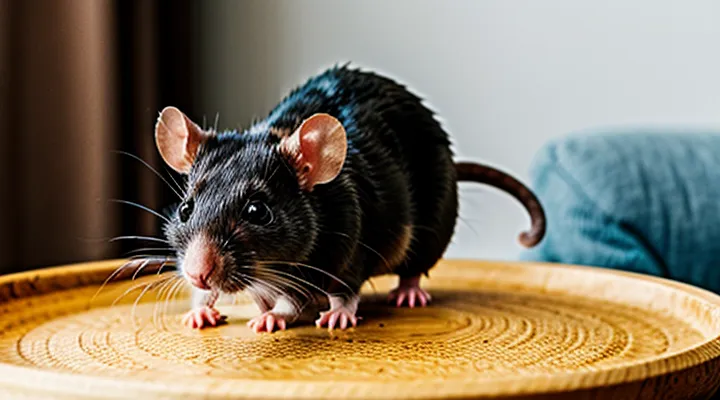
The Foundation of a Healthy Rat Diet
Essential Dietary Components
Commercial Rat Blocks/Nuggets
Commercial rat blocks and nuggets are formulated to meet the basic nutritional requirements of pet rats. They typically contain a balanced mix of proteins, fats, carbohydrates, vitamins, and minerals, with protein levels ranging from 15 % to 25 % and added calcium and phosphorus to support bone health. The inclusion of pre‑biotics or fiber sources such as beet pulp aids digestive function, while fortified vitamins (A, D, E, B‑complex) address common deficiencies observed in captive rodents.
When selecting a product, evaluate the ingredient list for quality indicators: whole grain cereals, animal‑derived proteins (e.g., fish meal or soy isolate), and minimal use of artificial colors, flavors, or excessive sugars. Certified grain‑free or low‑fat variants are available for rats prone to obesity or with specific health concerns.
Feeding recommendations:
- Offer blocks or nuggets as a staple, not exceeding 15–20 % of total daily intake.
- Provide fresh water alongside the dry food.
- Supplement with fresh vegetables, fruits, and occasional protein treats to ensure dietary variety.
- Monitor body condition; adjust portion size if weight gain or loss occurs.
Potential drawbacks include reduced chewing activity compared to raw nuts or whole grains, which may affect dental wear. Some commercial formulas contain high levels of soy or corn, which can be allergenic for sensitive individuals. Regularly rotate brands or incorporate natural foods to mitigate monotony and encourage natural foraging behavior.
Fresh Fruits and Vegetables
Fresh produce supplies essential vitamins, minerals, and fiber that complement a rat’s staple diet of pellets and protein sources.
Safe fruits, offered in moderation, include:
- Apple (core removed, no seeds)
- Blueberries
- Strawberries (halved)
- Raspberries
- Pear (seedless)
- Banana (small slice)
- Kiwi (peeled)
Safe vegetables, suitable for daily rotation, include:
- Carrot (shredded)
- Bell pepper (any color, seeded)
- Zucchini
- Spinach (washed, limited)
- Kale (chopped)
- Broccoli florets
- Cucumber (seedless)
Preparation requires thorough washing to eliminate pesticides, removal of pits, stems, and seeds that may contain toxins, and cutting into bite‑size pieces to prevent choking. Serve 1–2 teaspoons of fruit per day and up to 1 tablespoon of mixed vegetables, adjusting portions for the individual’s size and activity level.
Avoid citrus fruits, grapes, raisins, and avocado, as they can cause gastrointestinal upset or toxicity. Monitor for signs of diarrhea or weight loss after introducing new items, and discontinue any produce that provokes adverse reactions. Regularly vary the selection to ensure a balanced intake of nutrients while preventing overreliance on any single food source.
Protein Sources
Protein must be supplied in adequate amounts to support growth, tissue repair, and reproductive health in pet rats. Sources should be high‑quality, low‑fat, and free from additives that could upset the gastrointestinal system.
- Commercial rat pellets formulated for rodents (primary protein source, balanced amino‑acid profile).
- Cooked lean meats such as chicken breast, turkey, or rabbit (remove skin and fat).
- Hard‑boiled eggs, chopped finely (protein‑rich, also provides vitamin D).
- Low‑fat cottage cheese or plain Greek yogurt (offers casein protein and calcium).
- Soy products like tempeh or cooked soybeans (complete plant protein, avoid raw soy).
- Insects: mealworms, crickets, or superworms (high protein, occasional treat).
- Tofu, pressed and cooked (plant‑based protein, low in fat).
- Cooked white fish (e.g., cod or tilapia), deboned and flaked.
Portion sizes depend on the rat’s age, weight, and activity level. Adult rats typically require 15–20 % of their daily caloric intake from protein; juveniles may need up to 25 %. Offer protein foods in moderation, mixing them with a balanced base of pellets and fresh vegetables to maintain overall nutritional equilibrium.
Healthy Fats
Healthy fats are essential for a pet rat’s growth, hormone production, and cellular integrity. Rats cannot synthesize essential fatty acids, so they must obtain them from the diet.
- Omega‑3 fatty acids – found in flaxseed oil, fish oil, and chia seeds.
- Omega‑6 fatty acids – present in safflower oil, sunflower oil, and corn oil.
- Monounsaturated fats – supplied by olive oil and avocado puree.
Provide 2–4 % of the total caloric intake as fats. Measure oils with a calibrated dropper; a typical adult rat requires roughly ½ – 1 teaspoon of mixed oils per week. Rotate sources to ensure a balanced ratio of omega‑3 to omega‑6, aiming for a 1:4 to 1:5 proportion.
Store oils in dark, airtight containers at refrigeration temperature to prevent oxidation. Discard any oil that develops an off‑odor or visible rancidity, as degraded fats can damage liver function and compromise immune health.
Foods to Avoid
Harmful Fruits and Vegetables
Pet rats can tolerate many fresh foods, but several fruits and vegetables pose health risks and should be excluded from their diet.
- Citrus fruits (oranges, lemons, limes, grapefruits): high acidity damages tooth enamel and can cause stomach upset.
- Grapes and raisins: contain an unidentified toxin that can lead to acute kidney failure.
- Cherries, especially pits: pits contain cyanogenic compounds; the flesh is also high in sugar, increasing the risk of obesity and dental problems.
- Avocado flesh and pit: persin, a fatty acid derivative, is toxic to rodents and may cause respiratory distress and heart damage.
- Tomato leaves and stems: solanine content can produce gastrointestinal irritation and neurological signs.
Vegetables that should be avoided include:
- Raw potatoes and green potato skins: solanine levels are toxic, leading to vomiting, diarrhea, and tremors.
- Rhubarb leaves: oxalic acid can cause kidney damage and metabolic disturbances.
- Onions, garlic, and related Allium species: thiosulfates damage red blood cells, resulting in hemolytic anemia.
- Bok choy and other cruciferous greens in large quantities: excessive glucosinolates interfere with thyroid function.
Safe alternatives consist of small portions of apple (core removed), banana, carrot, bell pepper, and leafy greens such as romaine lettuce or kale. Introduce new items gradually, monitor for changes in stool, appetite, or behavior, and discontinue any produce that triggers adverse reactions.
Sugary and Processed Foods
Sugary and processed foods should be excluded from a pet rat’s diet. High‑sugar items such as candy, chocolate, and sweetened cereals cause rapid spikes in blood glucose, leading to obesity, dental decay, and increased risk of insulin resistance. Processed snacks—chips, crackers, and flavored nuts—contain excessive salts, artificial flavorings, and preservatives that strain the rat’s kidneys and disrupt gut flora.
- No added sugars: eliminate treats with sucrose, fructose, or corn syrup.
- Minimal sodium: avoid foods with more than 0.1 % salt by weight.
- No artificial additives: discard products with colorants, flavor enhancers, or stabilizers.
- Low fat content: reject fried or oil‑laden items that contribute to hepatic lipidosis.
Feeding only natural, whole‑food ingredients—fresh vegetables, grains, and lean protein—provides balanced nutrition without the health hazards associated with sweetened or heavily processed consumables.
Caffeine and Alcohol
Caffeine and alcohol are unsuitable for a pet rat’s nutrition. Both substances act as central nervous system stimulants and depressants, respectively, and can cause severe physiological distress in rodents.
- Caffeine interferes with heart rhythm, elevates blood pressure, and may trigger seizures. Rats metabolize caffeine far more slowly than humans, resulting in prolonged exposure and heightened toxicity.
- Alcohol depresses respiration, impairs motor coordination, and can lead to hypoglycemia. Even small quantities produce intoxication in rats, increasing the risk of accidental injury and organ damage.
Veterinary guidelines classify these compounds as hazardous toxins for small mammals. Consequently, any food, treat, or water source containing caffeine (coffee, tea, soda, chocolate) or alcohol (beer, wine, spirits) must be excluded from a rat’s diet. Provide only fresh water and nutritionally balanced rat chow to ensure health and longevity.
Human “Junk” Food
Pet rats require a balanced diet rich in protein, fiber, and essential vitamins. Human snack items classified as junk food pose significant health risks and should be excluded from their meals.
- Processed meats (e.g., pepperoni, hot dogs) contain high sodium and preservatives that can lead to dehydration and kidney strain.
- Fried foods (chips, French fries) are laden with unhealthy fats, increasing the likelihood of obesity and hepatic lipidosis.
- Sugary treats (candy, chocolate, pastries) provide empty calories, disrupt glucose regulation, and may cause dental decay.
- Salty snacks (pretzels, salted nuts) exceed safe electrolyte levels, potentially causing hypertension and electrolyte imbalance.
- Artificially flavored or colored products (soda, candy-coated cereals) introduce chemicals that can irritate the gastrointestinal tract and impair liver function.
Occasional exposure to minute amounts of plain, unsalted, unseasoned bread or plain popcorn may be tolerated, but these items do not contribute nutritional value and should not replace formulated rodent feed. Consistently offering junk food compromises immune competence, shortens lifespan, and increases susceptibility to metabolic disorders.
Dietary Needs Across Life Stages
Diet for Young Rats (Pups)
Young rats require a diet that supports rapid growth, bone development, and immune function. Their nutritional profile differs from that of adults, demanding higher protein and calcium levels, as well as adequate vitamins and minerals.
During the first three weeks, pups obtain most nutrients from their mother’s milk. After weaning, introduce solid foods gradually to avoid digestive upset. Provide small, frequent meals—four to six times daily—until the rats reach adulthood.
- High‑quality rodent pellets formulated for growth, containing 18–20 % protein and balanced calcium‑phosphorus ratio (approximately 1.2 : 1).
- Fresh, lean animal protein such as boiled chicken, turkey, or hard‑boiled egg, offered in bite‑size pieces.
- Calcium‑rich supplements: shredded plain cheese, low‑fat yogurt, or a calcium powder calibrated for rodents.
- Fresh vegetables (e.g., spinach, broccoli, carrots) for vitamins A, C, and K; limit to 10 % of total intake to prevent excess moisture.
- Limited fruit portions (e.g., apple or banana) for natural sugars; treat as occasional enrichment, not a staple.
- Clean water available at all times; replace daily to maintain freshness.
Monitor body condition and adjust portions if weight gain is too rapid or insufficient. Regular veterinary checks ensure that growth targets are met and that dietary deficiencies are identified early.
Adult Rat Nutrition
Adult rats require a balanced diet that supplies energy, protein, fiber, vitamins, and minerals in proportions that support growth, reproduction, and overall health. Commercially formulated rat blocks or pellets deliver consistent nutrients and should form the core of daily feeding. Each rat typically consumes 15–20 g of these foods per day, depending on size and activity level.
Protein sources such as soy, wheat, or animal‑derived meals provide essential amino acids for tissue repair and immune function. Aim for a protein content of 14–20 % of the diet, avoiding excessive levels that can stress the kidneys.
Fiber maintains gastrointestinal motility and prevents hairball formation. Include a modest amount of insoluble fiber—approximately 4–6 % of the diet—through safe vegetables (e.g., carrots, broccoli) or small quantities of whole‑grain oats.
Vitamins A, D, E, and K, along with the B‑complex group, are critical for vision, bone health, antioxidant protection, and metabolic processes. Commercial diets are fortified; supplemental vitamin drops are unnecessary unless a deficiency is diagnosed by a veterinarian.
Mineral balance, particularly calcium and phosphorus, must stay near a 1:1 ratio to prevent skeletal disorders. Trace minerals such as zinc, copper, and selenium support enzymatic activity and immune defenses.
Fresh water should be available at all times, changed daily to prevent bacterial growth.
Treats—fresh fruit, nuts, or boiled egg—can be offered sparingly, not exceeding 5 % of total caloric intake, to avoid obesity and nutrient imbalance.
Regular monitoring of body condition, coat quality, and fecal consistency provides immediate feedback on dietary adequacy and guides adjustments when necessary.
Dietary Considerations for Senior Rats
Senior rats experience slower metabolism, reduced activity, and a higher risk of dental wear, all of which demand adjustments to their daily nutrition.
Protein should remain a core component, but the quantity can be modestly lowered to prevent excess strain on kidneys. High‑quality sources such as cooked chicken breast, boiled egg whites, and low‑fat cottage cheese supply essential amino acids without excess fat.
Fiber becomes critical for maintaining gastrointestinal motility and preventing constipation. Incorporate measured amounts of timothy hay, shredded wheat, and soft, cooked vegetables like carrots, zucchini, and peeled sweet potato.
Calcium‑phosphorus ratio must stay close to 1:1 to support bone density and dental health. Offer calcium‑rich foods—plain yogurt, small pieces of low‑fat cheese, or a calibrated calcium supplement—while limiting phosphorus‑heavy items such as processed seeds and nuts.
Adequate hydration reduces the likelihood of urinary issues. Provide fresh water daily, supplemented with moisture‑rich foods such as cucumber and cantaloupe.
Regular weight checks and dental examinations help detect early signs of obesity or tooth overgrowth. Adjust portion sizes and treat frequency accordingly; limit sugary snacks and replace them with low‑calorie options like a few pieces of apple or a pinch of dried rose hips.
Suggested senior‑rat diet components
- Cooked lean meats (chicken, turkey) – 1–2 g per 100 g body weight
- Low‑fat dairy (cottage cheese, yogurt) – 0.5 g per 100 g body weight
- Soft vegetables (carrot, zucchini, pumpkin) – 1 g per 100 g body weight
- Timothy hay or shredded wheat – 2 g per 100 g body weight
- Calcium supplement (if needed) – as per veterinarian dosage
- Fresh water – refreshed daily
Consistent monitoring and gradual diet modifications ensure senior rats maintain health, mobility, and quality of life.
Special Dietary Needs (Pregnancy, Illness)
Pregnant rats experience increased demand for protein, calcium, and essential fatty acids to support fetal development and milk production. A diet enriched with high‑quality rodent pellets that contain at least 20 % protein and added calcium carbonate helps meet these needs. Supplementary boiled egg whites, cooked lean meat, or low‑fat cottage cheese provide additional protein without excess fat. Calcium sources such as crushed eggshells (finely ground) or calcium‑fortified greens (e.g., kale, collard greens) should be offered daily, while a modest amount of omega‑3‑rich foods like flaxseed oil or small pieces of fish can improve litter health.
Illness alters nutrient absorption and energy requirements. During recovery, caloric density should be increased while maintaining digestibility. Soft, warm foods—such as pureed sweet potato, pumpkin, or mashed banana—are easier to ingest for rats with oral lesions or gastrointestinal distress. For respiratory or metabolic conditions, low‑sugar, low‑fat options prevent excess weight gain; unsweetened applesauce or plain yogurt (in small quantities) supply probiotics and mild calories. Electrolyte balance can be supported with a pinch of unflavored Pedialyte powder mixed into water, ensuring hydration without adding sodium overload.
Both scenarios benefit from regular monitoring of body condition and fecal output. Adjustments to portion size should be made promptly if weight loss or gain exceeds 5 % of the rat’s ideal body mass. Veterinary consultation is advisable when persistent vomiting, diarrhea, or weight fluctuations occur, allowing precise formulation of a therapeutic diet tailored to the animal’s specific health status.
Supplementation and Treats
Beneficial Supplements
Supplementation can address nutritional gaps that are difficult to meet through standard feed alone. Rats require specific micronutrients for bone health, immune function, and coat quality; targeted additives help achieve optimal levels.
- Calcium carbonate or powdered bone meal – supports skeletal development; 0.2 g per kilogram of daily feed for adults, slightly higher for growing juveniles.
- Vitamin D3 (cholecalciferol) – enhances calcium absorption; 400–800 IU per kilogram of diet, administered in fortified pellets or a liquid drop.
- Omega‑3 fatty acids (fish oil or algal oil) – promote cardiovascular health and a glossy coat; 50–100 mg per kilogram of feed, mixed into soft foods.
- Probiotic blends (Lactobacillus spp., Bifidobacterium spp.) – maintain gut flora balance; 1 × 10⁶ CFU per gram of feed, sprinkled onto pellets.
- Vitamin C (ascorbic acid) – prevents scurvy in rats with limited fresh produce; 10 mg per kilogram of diet, soluble in water.
- B‑complex vitamins – support metabolism and nerve function; 0.5 mg of thiamine, riboflavin, and niacin each per kilogram of feed.
Supplement selection must consider the rat’s age, health status, and existing diet composition. Over‑supplementation can cause toxicity, especially with fat‑soluble vitamins (A, D, E, K) and minerals such as calcium and phosphorus. Regular veterinary evaluation ensures dosages remain within safe limits and allows adjustments based on blood work or observed health changes.
Safe and Enjoyable Treats
Treats enhance enrichment and reinforce training when they meet safety standards and appeal to a rat’s natural preferences. Select items that provide nutritional benefit without compromising health.
- Fresh fruits: small pieces of apple (core removed), blueberries, strawberries, or banana. Offer no more than a few bites per day.
- Vegetables: carrot shavings, cucumber slices, peas, or bell‑pepper strips. Choose low‑sugar, low‑oxalate varieties.
- Protein sources: cooked, unseasoned chicken, boiled egg white, or plain low‑fat cottage cheese. Limit to 1–2 teaspoons weekly.
- Commercial rat treats: products formulated without added sugars, artificial colors, or preservatives. Verify ingredient list before purchase.
- Whole grains: unsalted popcorn kernels, plain oatmeal, or cooked quinoa. Provide in modest portions to avoid excess carbohydrates.
Guidelines for serving treats:
- Size each piece to fit comfortably in a rat’s mouth; oversized pieces pose choking risk.
- Introduce new foods one at a time, monitor for digestive upset or allergic reaction over 48 hours.
- Maintain a balanced base diet of high‑quality rat pellets; treats should never exceed 10 % of total caloric intake.
- Store fresh items refrigerated and discard leftovers after 24 hours to prevent spoilage.
- Avoid toxic foods such as chocolate, caffeine, citrus peels, onions, garlic, and raw beans.
By adhering to these criteria, owners provide enjoyable rewards that support dental health, mental stimulation, and overall well‑being while preserving the integrity of the rat’s nutritional plan.
Moderation in Treating
Treats should complement, not replace, a rat’s balanced nutrition. They provide enrichment and can reinforce training, but excessive indulgence leads to obesity, dental wear, and nutrient imbalances.
- Offer treats no more than 5 % of daily caloric intake.
- Limit portions to a few small pieces per day; a single pea, a slice of apple, or a tiny piece of cooked egg suffice.
- Choose low‑sugar, low‑fat options such as fresh vegetables, small fruit cubes, or plain unsalted nuts in moderation.
- Avoid processed snacks high in salt, sugar, or artificial additives; these can cause gastrointestinal distress and long‑term health issues.
- Rotate treat varieties to prevent overexposure to any single ingredient and to maintain interest.
Monitor body condition regularly. Weight gain, reduced activity, or changes in coat quality indicate the need to reduce treat frequency. Adjust portions promptly to maintain optimal health while preserving the rewarding aspect of occasional treats.
Water: An Absolute Essential
Importance of Fresh Water
Fresh water is a non‑negotiable component of every rat’s diet. Without adequate hydration, metabolic processes slow, waste elimination becomes inefficient, and the risk of kidney and urinary tract disorders rises sharply.
Insufficient water leads to dehydration, manifested by sunken eyes, reduced skin elasticity, and lethargy. Dehydrated rats experience elevated blood‑urea nitrogen levels, which strain renal function and can progress to chronic kidney disease. Urinary crystals form more readily in concentrated urine, increasing the likelihood of blockages and infections.
Effective water provision follows several practical rules:
- Supply water in a sturdy, chew‑proof bottle equipped with a stainless‑steel or glass drinking tube to prevent contamination.
- Replace the water at least once per day; more frequently in warm environments or if the bottle shows signs of cloudiness.
- Keep the bottle away from food dishes to avoid accidental spillage and bacterial growth.
- Ensure the water temperature remains within the ambient range of the enclosure; extreme cold or heat discourages drinking.
- Regularly inspect the tube for blockages and clean all components with mild, unscented detergent followed by thorough rinsing.
Monitoring intake is straightforward: observe the water level drop each day and note any sudden decrease. Early signs of dehydration include dry mouth, sticky fur, and reduced activity. Promptly address any irregularities by checking the bottle’s functionality, confirming the water’s freshness, and adjusting the enclosure’s humidity if necessary.
Consistent access to clean, fresh water underpins the overall nutritional plan for pet rats, supporting digestion, organ health, and long‑term vitality.
Water Delivery Methods
Adequate hydration is essential for a pet rat’s overall health and metabolic function. Fresh water must be available at all times, and the delivery system should prevent contamination and spillage.
- Bottle with stainless‑steel sipper tube: provides a sealed source, reduces bacterial growth, and allows precise monitoring of consumption.
- Heavy‑glass water dish with a low rim: stable on the cage floor, easy to clean, and suitable for rats that prefer drinking from a shallow container.
- Ceramic bowl with a weighted base: resistant to chewing, maintains temperature, and can be placed on a raised platform to keep water away from bedding.
- Automatic drip system: delivers a continuous stream, mimics natural water sources, and requires regular cleaning to avoid biofilm buildup.
Routine maintenance includes daily inspection for cracks, weekly thorough cleaning with mild detergent, and monthly replacement of sipper tubes or bottle caps. Position the water source away from food dishes to avoid cross‑contamination, and ensure the container is low enough for the rat to reach without strain.