
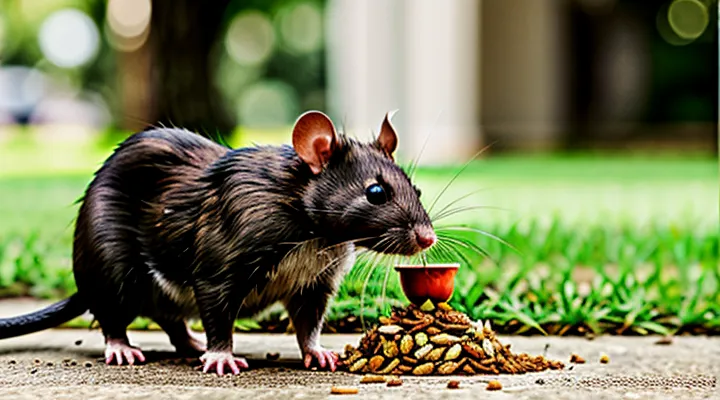
The Foundation of a Healthy Rat Diet
Essential Dietary Components
Proteins for Growth and Repair
Proteins supply the amino acids required for tissue growth, cellular repair, and enzyme production in rats. Adult laboratory and pet rats need approximately 14–16 % of their daily caloric intake from protein, while juveniles and breeding females may require up to 20 %.
- Cooked chicken breast, skinless and boneless
- Boiled eggs, whole or whites only
- Low‑fat cottage cheese or plain yogurt
- Soybean meal, isolated or in soy‑based pellets
- Mealworms, dried or frozen
These items provide complete or highly digestible protein, delivering essential amino acids such as lysine, methionine, and tryptophan. Incomplete sources (e.g., grains alone) should be combined with complementary proteins to achieve a balanced amino acid profile.
Supplemental protein powders (e.g., whey isolate) are useful for short‑term needs, such as during weaning or after injury, but should not exceed 5 % of total diet weight to prevent excess nitrogen load. Water intake must remain adequate to support renal excretion of metabolic waste.
A practical feeding schedule allocates one to two tablespoons of mixed protein foods per 100 g of total diet, distributed across daily meals. Monitoring body condition and growth rates ensures the protein level matches physiological demands without causing obesity or renal stress.
Carbohydrates for Energy
Carbohydrates supply the immediate fuel rats need for movement, thermoregulation, and tissue repair. Rapidly digestible sugars raise blood glucose, while starches and fiber provide sustained energy and support gut health.
Suitable carbohydrate sources include:
- Whole grain rolled oats, barley, and brown rice
- Whole‑wheat or oat‑based laboratory pellets formulated for rodents
- Fresh vegetables such as carrots, peas, and sweet potatoes (cooked or raw)
- Limited portions of fruit (apple slices, berries) for natural sugars and antioxidants
- Legume‑based treats (lentils, chickpeas) offering complex carbs and protein
In a nutritionally balanced regimen, carbohydrates should represent roughly 45–55 % of the total caloric intake. Daily portions depend on the rat’s size, activity level, and life stage; a typical adult laboratory rat receives 15–20 g of mixed carbohydrate foods per day.
Excessive simple sugars—found in candy, sugary drinks, or highly processed snacks—can lead to obesity, dental disease, and metabolic disturbances. Monitor body condition regularly and adjust carbohydrate portions to maintain a lean physique.
Fats for Vital Functions
Fats supply the majority of caloric density in a rat’s diet, delivering a concentrated energy source that supports rapid growth, thermoregulation, and reproductive processes. Essential fatty acids—linoleic (omega‑6) and α‑linolenic (omega‑3) acids—cannot be synthesized by rodents and must be obtained from the feed to maintain cell membrane integrity and hormone synthesis.
Recommended inclusion rates range from 4 % to 8 % of total diet weight, depending on life stage and activity level. Juvenile rats benefit from the upper limit to meet heightened metabolic demands, while adult maintenance diets may remain near the lower threshold.
Key functions of dietary fats:
- Energy provision for basal metabolism and physical activity.
- Precursor supply for prostaglandins and other signaling molecules.
- Facilitation of fat‑soluble vitamin absorption (A, D, E, K).
- Contribution to the structural composition of neuronal myelin.
Common, nutritionally suitable fat sources include:
- Sunflower or safflower oil (high in linoleic acid).
- Flaxseed oil (rich in α‑linolenic acid).
- Fish oil (provides EPA and DHA, beneficial for brain development).
- Small amounts of animal fat (e.g., lard) for additional saturated fatty acids.
When formulating a balanced rat diet, ensure that added fats are unsaturated, free of trans‑fat contaminants, and stored in airtight containers to prevent oxidation. Regularly monitor body condition and adjust fat levels to avoid excessive weight gain or deficiencies in essential fatty acids.
Vitamins and Minerals for Overall Health
Rats require a complete spectrum of vitamins and minerals to maintain physiological functions, support growth, and prevent disease. Deficiencies manifest as coat deterioration, skeletal abnormalities, reduced fertility, or immune suppression. Adequate intake relies on balanced food formulations and strategic supplementation.
-
Vitamin A: essential for vision and epithelial health; 300–500 IU per kilogram of body weight daily; sources include carrots, sweet potatoes, and fortified rodent pellets.
-
Vitamin D3: regulates calcium absorption and bone mineralization; 500–800 IU per kilogram daily; obtain from exposure to ultraviolet light and fortified diets.
-
Vitamin E: antioxidant protecting cell membranes; 30–50 IU per kilogram daily; present in wheat germ, sunflower seeds, and commercial mixes.
-
Vitamin K: necessary for blood clotting; 0.5 mg per kilogram daily; found in leafy greens and liver.
-
B‑complex vitamins (B1, B2, B6, B12, niacin, folic acid, pantothenic acid): support metabolism, nerve function, and red blood cell formation; levels vary, but complete rodent feeds typically meet requirements; supplemental brewers yeast or meat meals can augment intake.
-
Vitamin C: rats synthesize it endogenously; supplementation only required under stress or disease conditions.
-
Calcium: 0.5–1.0 % of diet dry matter; critical for skeletal integrity and muscle contraction; provided by dairy products, bone meal, and calcium‑rich pellets.
-
Phosphorus: 0.4–0.8 % of diet; partners with calcium for bone health; sources include fish meal, meat scraps, and grains.
-
Magnesium: 0.1–0.2 % of diet; involved in enzymatic reactions; available in nuts, seeds, and whole grains.
-
Potassium: 0.2–0.5 % of diet; supports nerve transmission and fluid balance; found in bananas, potatoes, and leafy vegetables.
-
Sodium: 0.1–0.2 % of diet; required for electrolyte equilibrium; present in salt and processed feeds.
-
Trace minerals (zinc, copper, selenium, iron, manganese): each serves specific enzymatic roles; typical concentrations in high‑quality rodent chow meet rat needs; excessive supplementation can cause toxicity.
Monitoring body condition, coat quality, and activity levels provides early indicators of micronutrient imbalance. When dietary analysis reveals shortfalls, adjust the feed composition or add a calibrated supplement to achieve the recommended concentrations. Consistent provision of these vitamins and minerals underpins overall health and longevity in pet and laboratory rats.
Commercial Rat Food: A Good Starting Point
Understanding Nutritional Labels
When selecting commercial rat food, the information on the packaging provides the most reliable basis for a balanced diet. Nutritional labels list the percentages of protein, fat, fiber, and carbohydrate, allowing precise adjustment of macronutrient ratios. For laboratory or pet rats, aim for protein levels between 15 % and 20 % and fat content below 5 %, while maintaining at least 3 % fiber to support digestive health.
The label also identifies essential vitamins and minerals. Vitamin A, D, E, and B‑complex vitamins appear as percentages of the recommended daily allowance (RDA) for rodents; values near 100 % meet basic needs. Calcium and phosphorus should be present in a ratio close to 1:1 to prevent skeletal problems. Trace minerals such as zinc, copper, and selenium are listed in milligrams; adequate amounts are critical for immune function.
Ingredient lists clarify the source of nutrients. Terms like “whole grain wheat,” “dehydrated alfalfa,” or “animal‑derived protein” indicate quality. Avoid products that list “by‑products” or “meal” without further specification, as these may contain indigestible or low‑quality components.
Key points for evaluating a label:
- Protein %: 15–20 % (animal‑based sources preferred)
- Fat %: ≤5 % (low‑fat formulas reduce obesity risk)
- Fiber %: ≥3 % (promotes gut motility)
- Vitamin and mineral percentages: near 100 % of rodent RDA
- Calcium : phosphorus ratio: ~1 : 1
- Ingredient clarity: specific, recognizable foods rather than vague by‑products
By comparing these data across brands, owners can select a formulation that meets the nutritional requirements of rats without excess calories or missing micronutrients. Regularly reviewing the label ensures that dietary adjustments remain aligned with the animal’s health status and activity level.
Choosing High-Quality Pellets
Choosing high‑quality pellets is essential for a nutritionally complete rat diet. Pellets provide a consistent blend of protein, fiber, vitamins, and minerals, reducing the need for precise portioning of separate foods.
Key attributes of premium pellets include:
- Protein content: 15‑20 % from animal‑based sources ensures muscle maintenance and growth.
- Fiber level: 5‑7 % promotes digestive health and prevents gastrointestinal blockages.
- Vitamin and mineral balance: Adequate levels of vitamin A, D, E, B‑complex, calcium, phosphorus, and trace elements support vision, bone development, and immune function.
- Ingredient quality: Whole grains, legumes, and defined protein meals without excessive fillers, artificial colors, or preservatives.
- Palatability: Natural aromas and textures encourage regular consumption, reducing selective eating.
- Safety certifications: Production under GMP standards and third‑party testing for contaminants such as mycotoxins and heavy metals.
When evaluating brands, verify that the label lists specific ingredients in descending order and provides a guaranteed analysis. Avoid products that rely on vague terms like “by‑products” or “meal” without clarification. Selecting pellets that meet these criteria simplifies daily feeding routines, ensures nutrient adequacy, and contributes to the overall health and longevity of pet rats.
Supplementing the Diet with Fresh Foods
Safe Fruits and Vegetables
List of Acceptable Fruits
Rats thrive on a varied diet that includes fresh fruit, which supplies essential vitamins, antioxidants, and hydration. Offer fruit in moderation to prevent excess sugar and digestive upset. Suitable options are:
- Apple (seedless, skin removed)
- Blueberries
- Strawberries (halved)
- Raspberries
- Blackberries
- Pear (cored, skin thin)
- Kiwi (peeled)
- Banana (small slice)
- Melon (cantaloupe, honeydew)
- Grapes (seedless, quartered)
Each fruit should be washed thoroughly, cut into bite‑size pieces, and presented without pits or seeds that could cause choking or toxicity. Introduce new items gradually, observing the animal’s response for any signs of intolerance. Rotate selections to maintain nutritional balance and keep the diet engaging.
List of Acceptable Vegetables
Rats thrive on a diet that includes a variety of fresh vegetables, providing essential vitamins, minerals, and fiber. Select vegetables that are low in oxalates, sugars, and potential toxins; offer them in modest portions to prevent digestive upset.
- Carrots (raw, peeled)
- Broccoli florets
- Spinach (limited quantity)
- Kale (trimmed, small pieces)
- Bell peppers (any color, seeds removed)
- Zucchini (sliced)
- Cucumber (peeled)
- Green beans (steamed, unsalted)
- Peas (fresh or frozen, thawed)
- Celery (thin strips, core removed)
Introduce new items gradually, monitor for adverse reactions, and remove any wilted or spoiled produce promptly. Maintain a balanced mix with protein sources and grains to achieve comprehensive nutrition.
Occasional Treats and Protein Sources
Cooked Meats and Eggs
Cooked animal protein provides rats with high‑quality amino acids, essential for muscle development and tissue repair. When selecting meats, choose lean options such as chicken breast, turkey, or lean beef. Remove all visible fat, skin, and connective tissue before cooking. Boiling, steaming, or baking without added salt, spices, or oil preserves nutritional value while eliminating pathogens. Cool the meat to room temperature, then cut into bite‑size pieces (approximately ¼ inch cubes). Offer 1–2 grams of cooked meat per 100 grams of body weight, no more than three times weekly, to prevent excess protein and caloric overload.
Eggs supply a complete protein source and contain vitamins A, D, and B‑complex. Use only fully cooked eggs; hard‑boiled or scrambled without butter or seasoning are appropriate. Slice or crumble the egg into small portions, limiting the portion to 0.5 grams per gram of body weight per serving. Incorporate eggs once or twice a week as a supplement rather than a staple.
Key considerations for safe inclusion:
- Verify that meat and eggs are fresh, free from spoilage, and cooked to an internal temperature of at least 74 °C (165 °F).
- Store leftovers in a sealed container in the refrigerator and discard after 24 hours.
- Observe the rat for any signs of digestive upset after introducing new protein sources; adjust portion size or frequency if necessary.
Balanced incorporation of cooked meats and eggs enhances protein intake while maintaining overall dietary equilibrium for healthy rodents.
Dairy Products in Moderation
Dairy can be a useful supplement for pet rats when offered in limited quantities. It supplies calcium, protein, and vitamins such as B12, which support bone health and metabolic functions. However, many rats are lactose‑intolerant; excess lactose may cause digestive upset, including diarrhea and gas.
Guidelines for safe inclusion:
- Choose low‑fat options: plain yogurt, cottage cheese, or small pieces of hard cheese.
- Limit portions to ½–1 teaspoon per adult rat, three times per week at most.
- Observe individual tolerance; discontinue if signs of gastrointestinal distress appear.
- Avoid flavored or sweetened dairy products, as added sugars and artificial additives can disrupt gut flora.
When dairy is incorporated correctly, it enriches the diet without compromising nutritional balance. Regular monitoring ensures that the supplement remains beneficial rather than problematic.
Nuts and Seeds (Limited)
Nuts and seeds can enrich a rat’s diet with protein, healthy fats, and micronutrients, but they must remain a minor component. Excess calories from these foods can lead to obesity and nutrient imbalance.
- Suitable options: sunflower seeds (unsalted), pumpkin seeds, almonds (thinly sliced), hazelnuts, walnuts, and peanuts (unsalted, unshelled).
- Unsuitable choices: macadamia nuts, Brazil nuts, and any nuts with added salt, sugar, or flavorings.
Recommended limits:
- Offer no more than 1 – 2 teaspoons per rat per week.
- Provide a single, small portion (approximately the size of a pea) at a time.
- Rotate varieties to prevent overreliance on a single nutrient source.
Potential concerns include high fat content, risk of mold, and possible choking hazards. Observe rats for signs of digestive upset after introduction and discontinue if adverse reactions occur.
Preparation guidelines: store nuts and seeds in airtight containers in a cool, dry place; grind larger nuts to a coarse consistency to ease chewing; rinse seeds to remove dust before serving. Incorporate the limited portion into a balanced feeding schedule that prioritizes high‑quality pellets, fresh vegetables, and occasional fruit.
Foods to Avoid
Toxic and Harmful Items
Rats require a diet free from substances that can cause illness, organ damage, or death. Recognizing and eliminating hazardous foods is essential for maintaining health.
- Chocolate, especially dark varieties, contains theobromine, which rats cannot metabolize.
- Caffeine‑containing products such as coffee, tea, energy drinks, and certain sodas stimulate the nervous system and may lead to seizures.
- Alcohol intoxicates rodents, depresses respiration, and can be fatal even in small quantities.
- Raw or undercooked beans, particularly red kidney beans, hold phytohemagglutinin, a toxin that damages intestinal cells.
- Avocado flesh and pit contain persin, a compound toxic to many mammals, including rats.
- Citrus peels and large amounts of citrus juice cause gastrointestinal irritation and can disrupt calcium balance.
- High‑salt foods, including processed snacks and cured meats, increase blood pressure and risk of kidney failure.
- Sugary candy, gum, and artificial sweeteners (especially xylitol) can cause rapid blood‑sugar spikes and, in the case of xylitol, lead to hypoglycemia.
- Moldy or spoiled grains, fruits, and vegetables produce mycotoxins that impair liver function.
- Metal objects such as aluminum foil or copper wire may leach metals that are harmful when ingested.
Avoiding these items prevents acute poisoning and supports long‑term well‑being. Provide only safe, nutritionally balanced foods and monitor for signs of distress after any dietary change.
High-Sugar and High-Fat Foods
High‑sugar and high‑fat foods can rapidly disrupt the nutritional balance required for healthy rats. Excess simple carbohydrates elevate blood glucose, increase the risk of obesity, and may cause dental decay. Concentrated fats raise caloric density, promote lipid accumulation in the liver, and strain the cardiovascular system.
Typical items that should be excluded from a rat’s regular diet include:
- Candy, chocolate, and sugary pastries
- Fruit juices, sodas, and flavored milks
- Fried snacks, potato chips, and salty crackers
- Processed meats with added sauces or marinades
- Commercial baked goods containing butter, shortening, or oil in large quantities
These products provide calories without essential vitamins, minerals, or fiber, and they often contain additives harmful to rodents.
Limited, occasional exposure to small portions of natural sweet or fatty sources can be tolerated if they serve a specific purpose, such as enrichment or medical supplementation. Acceptable options are:
- Fresh fruit pieces (e.g., apple or berries) no larger than a few millimeters, offered no more than twice a week
- Unsalted nuts or seeds, portioned to 1–2 % of daily intake, ensuring they are low in saturated fat
- Small amounts of plain, low‑fat cheese or yogurt, provided they are lactose‑free to avoid digestive upset
When incorporating any treat, monitor body weight, coat condition, and activity levels. Adjust the core diet—commercial rodent pellets supplemented with fresh vegetables and a modest protein source—to compensate for any additional calories.
In summary, high‑sugar and high‑fat foods belong only in a controlled, infrequent capacity. Consistent exclusion of processed sweets and greasy snacks preserves metabolic health, supports dental integrity, and sustains the overall dietary equilibrium essential for laboratory and pet rats alike.
Dietary Considerations and Best Practices
Feeding Schedules and Portions
A consistent feeding schedule stabilizes metabolism, supports growth, and prevents obesity in pet rodents. Offer fresh food at the same times each day—typically morning and evening—to align with the animal’s natural crepuscular activity. Provide a measured portion that meets caloric requirements without excess; calculate daily energy needs based on weight, age, and activity level, then divide the total into two equal meals.
- Adult rats (150‑250 g): 20‑30 g of commercial pellet mix per day, split into two 10‑15 g servings.
- Juvenile rats (under 8 weeks): 15‑20 g of pellet mix daily, divided into three 5‑7 g portions to accommodate rapid growth.
- Pregnant or lactating females: increase total intake by 20‑30 % and distribute across three feedings to sustain milk production.
- Senior rats (over 18 months): maintain standard adult portion but monitor body condition; reduce if weight gain occurs.
Supplement each meal with limited fresh produce (no more than 10 % of total volume). Vegetables such as carrots, broccoli, or leafy greens should be washed, chopped, and offered in small quantities. Fruit treats remain occasional rewards, not daily staples. Water must be available at all times, refreshed daily, and presented in a leak‑proof bottle to prevent contamination.
Water: The Unsung Hero
Rats require constant access to clean, fresh water to maintain physiological functions. Dehydration can impair kidney function, reduce activity levels, and increase susceptibility to disease.
- Daily intake varies with diet composition, ambient temperature, and activity; typical adult rats consume 30–50 ml per 100 g body weight.
- Water should be supplied in a leak‑proof bottle with a stainless‑steel or plastic sipper tube; bottles must be inspected for cracks and replaced regularly.
- Temperature influences demand: in environments above 25 °C, water consumption may rise by up to 40 %.
- Nutrient‑dense diets increase metabolic water production, but they do not eliminate the need for external fluid sources.
Monitoring water consumption provides an early indicator of health issues. A sudden decline may signal illness, blockage, or equipment failure, while excessive intake can precede renal problems or diabetes. Record the volume consumed each day and compare it to baseline values for each individual.
Water quality affects oral health and digestion. Use filtered or boiled tap water that has cooled to room temperature; avoid chlorinated or heavily mineralized sources. Replace water at least once daily to prevent bacterial growth.
In summary, consistent provision of safe, adequate water supports organ function, thermoregulation, and overall vitality in rats, making it a critical component of any balanced feeding regimen.
Special Dietary Needs
Young Rats and Pregnant Does
Young rats require high‑quality protein, essential fatty acids, and ample calories to support rapid growth. Their diet should contain:
- 20–25 % protein from sources such as soy, casein, or boiled eggs.
- 5–7 % fat, preferably from sunflower oil or fish oil, to aid brain development.
- Complex carbohydrates (e.g., whole‑grain oats) for steady energy release.
- Calcium‑phosphorus ratio near 1.2:1, supplied by powdered bone meal or fortified pellets.
- Vitamins A, D, E, and B‑complex in levels meeting the NRC rodent recommendations.
Pregnant does need additional nutrients to sustain fetal development and milk production. Adjust the adult formula as follows:
- Increase protein to 25–30 % and add 2 % extra lysine.
- Boost calcium to 1.5 % of the diet and phosphorus to 1.0 % to maintain skeletal health.
- Include 0.5 % vitamin D3 and 0.2 % vitamin E to support embryonic growth.
- Provide omega‑3 fatty acids (e.g., 0.5 % fish oil) for placental function.
- Offer unlimited access to fresh water and a small daily portion of moist feed to prevent dehydration.
Both groups benefit from a consistent feeding schedule, clean containers, and regular monitoring of body condition. Adjust portions based on weight gain: young rats should increase 3–5 g per week, while pregnant does should gain 10–15 g each week of gestation. If weight loss or signs of deficiency appear, supplement with a balanced rodent multivitamin powder according to the manufacturer’s dosage guidelines.
Senior Rats
Senior rats experience slower metabolism and decreased dental efficiency; their diet must reflect lower caloric needs while supplying sufficient nutrients to support organ function and bone health.
Protein should constitute 14‑18 % of total calories, sourced from high‑quality options such as cooked chicken breast, boiled eggs, or low‑fat cottage cheese. Excess protein can strain kidneys, so portions should be limited to 1 – 2 grams per day for a 300‑gram adult.
Fat intake must remain modest, around 4‑6 % of calories, to prevent obesity and hepatic strain. Acceptable fats include a teaspoon of unsalted sunflower oil or a few pieces of blanched walnuts, providing essential omega‑3 and omega‑6 fatty acids.
Fiber is critical for gastrointestinal motility, especially as dentition deteriorates. Offer 2‑3 grams of soluble and insoluble fiber daily through plain rolled oats, steamed broccoli, or a small amount of high‑fiber pellet formulated for senior rodents.
Micronutrients require careful balance. Calcium‑phosphorus ratio should stay near 1.2:1; supplement with crushed calcium carbonate tablets or fortified leafy greens. Vitamin D3 aids calcium absorption, while vitamins A, E, K, and B‑complex support vision, immune response, and metabolism. A daily multivitamin designed for small mammals can fill gaps without overdosing.
Water must be fresh, clean, and available at all times. Adding a few drops of electrolytes to the drinking bottle can encourage intake during hot weather or illness.
Feeding schedule should consist of two small meals spaced 12 hours apart, preventing overconsumption and allowing regular monitoring of appetite. Portion sizes shrink by 15‑20 % compared to younger adults; adjust based on body condition scoring.
Regular health checks—weight measurement, coat assessment, and dental examination—inform dietary tweaks. Any sudden change in consumption, stool consistency, or activity level warrants immediate veterinary consultation and possible diet modification.
Rats with Health Issues
When a rat suffers from a medical condition, its nutritional plan must be tailored to support recovery and prevent complications. A balanced regimen supplies adequate protein, fiber, essential fatty acids, vitamins, and minerals while limiting excess calories, sugars, and unhealthy fats.
Core adjustments apply to most ailments:
- Protein sources such as cooked chicken, boiled egg whites, or low‑fat cottage cheese should constitute 15‑20 % of daily calories.
- Fiber‑rich vegetables (steamed broccoli, kale, carrots) aid digestion and promote gut motility.
- Omega‑3 fatty acids from small portions of fish oil or ground flaxseed help reduce inflammation.
- Fresh water must be available at all times; consider adding electrolyte solution for prolonged illness.
Condition‑specific guidance
Obesity or diabetes – restrict high‑calorie treats, replace with measured portions of leafy greens, and incorporate a modest amount of complex carbohydrates like cooked quinoa. Monitor body weight weekly.
Dental disease – provide softened foods such as warm oatmeal, mashed sweet potato, or soaked pellets; avoid hard nuts and seeds that exacerbate tooth wear.
Respiratory infections – increase humidity in the enclosure, offer warm broth‑based foods (low‑salt chicken broth with shredded meat) to encourage fluid intake, and limit dry, dusty ingredients.
Gastrointestinal upset – introduce a bland diet of boiled chicken, white rice, and pumpkin puree in small, frequent meals; eliminate spicy, fatty, or fibrous foods until symptoms subside.
Regular observation of appetite, stool quality, and weight informs necessary modifications. Veterinary consultation remains essential for diagnosing underlying issues and confirming that dietary changes align with prescribed treatments.
Monitoring Your Rat's Health Through Diet
A rat’s diet provides a direct window into its overall condition. Regular observation of physical indicators, combined with systematic feeding records, allows owners to detect health changes early.
Weight fluctuations are the most immediate metric. A stable or gradual increase in body mass reflects adequate caloric intake, while sudden loss suggests illness, stress, or nutrient deficiency. Weigh the animal weekly using a digital scale, record the value, and compare it to a baseline established during the first month of life.
Coat quality mirrors internal health. A glossy, dense fur coat signals sufficient essential fatty acids and protein, whereas dullness, thinning, or excessive shedding points to deficiencies or dermatological issues. Examine the back and sides daily, noting any alterations in texture or color.
Stool consistency and frequency reveal digestive function. Firm, well‑formed pellets indicate balanced fiber and proper gut flora. Loose, watery, or unusually hard droppings may require adjustments in fiber sources or the addition of probiotic supplements. Keep a log of stool observations for at least two weeks before making dietary changes.
Activity level and behavior serve as indirect measures of nutritional adequacy. Rats fed a complete, varied diet typically display high curiosity, rapid climbing, and regular grooming. Lethargy, reduced exploration, or excessive aggression can signal metabolic imbalances, prompting a review of vitamin and mineral content.
Implement a feeding journal that includes:
- Daily amount of each food component (pellets, fresh vegetables, protein treats)
- Types of fresh produce offered and their portion sizes
- Observed weight, coat condition, stool characteristics, and activity notes
- Any supplemental vitamins, minerals, or probiotics administered
Cross‑reference journal entries with veterinary check‑ups. Blood panels can confirm deficiencies in vitamin A, B‑complex, calcium, or iron that may not be evident through external observation alone.
Adjust the diet based on collected data: increase high‑quality protein if muscle tone declines; add leafy greens for vitamin K if clotting issues arise; supplement omega‑3 sources for coat improvement. Gradual changes, not exceeding 10 % of total intake per week, reduce the risk of digestive upset.
Consistent monitoring transforms diet from a passive provision into an active health management tool, enabling prompt intervention and supporting long‑term vitality.