
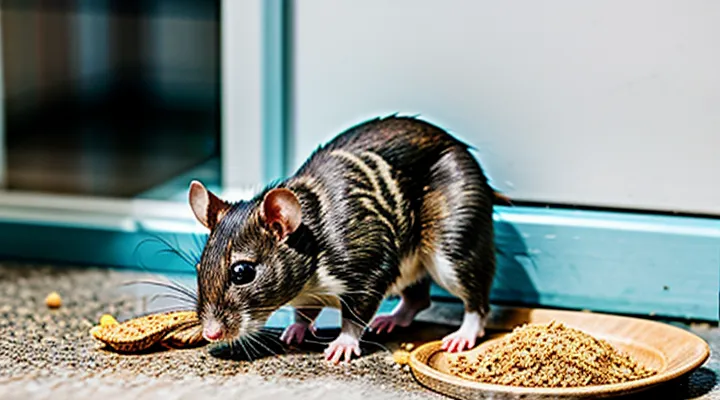
The Importance of a Balanced Diet for Pet Rats
Understanding Rat Nutritional Needs
Macronutrients: Protein, Fat, and Carbohydrates
Domestic rats require a balanced intake of protein, fat, and carbohydrates to support growth, reproduction, and daily activity. Each macronutrient contributes specific physiological functions that, when supplied in appropriate proportions, maintain optimal health and prevent metabolic disorders.
- Protein: Essential for tissue repair, enzyme synthesis, and immune function. A diet containing 18–22 % crude protein meets the needs of adult rats; breeding females benefit from 22–24 % to sustain gestation and lactation. High‑quality sources include soy, fish meal, and egg white powder; avoid excessive meat byproducts that may introduce unwanted fats.
- Fat: Provides concentrated energy and facilitates absorption of fat‑soluble vitamins. Rats thrive on 4–6 % total fat, with a balanced ratio of omega‑6 to omega‑3 fatty acids around 5:1. Inclusion of sunflower oil, flaxseed, or fish oil supplies essential fatty acids without raising cholesterol levels.
- Carbohydrates: Supply readily available energy for locomotion and thermoregulation. A carbohydrate content of 45–55 % of the diet, derived from whole grains, oats, and wheat bran, ensures stable blood glucose while delivering dietary fiber for gastrointestinal health.
Adequate water access is mandatory; rats will not regulate fluid balance effectively without constant availability. Adjust macronutrient ratios during life‑stage transitions—juvenile, adult, and senior—to accommodate changing metabolic demands and prevent obesity or nutrient deficiencies.
Micronutrients: Vitamins and Minerals
Domestic rats require a balanced supply of micronutrients to support growth, reproduction, and immune function. Vitamins and minerals must be present in appropriate quantities; excess or shortage can lead to clinical problems.
Vitamins
- Vitamin A: essential for vision and epithelial health; provided by carrot, sweet potato, and fortified rat chow; target 2,000–3,000 IU kg⁻¹ diet.
- Vitamin D3: facilitates calcium absorption; supplied by exposure to natural sunlight or fortified feed; aim for 400–800 IU kg⁻¹ diet.
- Vitamin E: antioxidant protecting cell membranes; found in wheat germ oil and sunflower seeds; recommended 30–50 IU kg⁻¹ diet.
- Vitamin K: required for blood clotting; produced by intestinal flora and present in leafy greens; 0.5–1 mg kg⁻¹ diet is sufficient.
- B‑complex (B1, B2, B3, B5, B6, B7, B9, B12): support metabolism, nerve function, and red blood cell formation; abundant in whole grains, meat, and organ off‑cuts; typical rat diet delivers 2–5 mg kg⁻¹ total B‑vitamins.
Deficiencies manifest as poor coat condition, weight loss, neurological signs, or abnormal bleeding. Over‑supplementation, especially of fat‑soluble vitamins A, D, E, and K, can cause toxicity; monitor intake and avoid high‑dose supplements unless prescribed by a veterinarian.
Minerals
- Calcium: bone mineralization and muscle contraction; sourced from dairy, bone meal, and leafy greens; target 0.8–1.2 % of diet dry matter.
- Phosphorus: works with calcium for skeletal health; present in meat, fish, and whole grains; maintain a calcium‑to‑phosphorus ratio close to 1:1.
- Magnesium: enzyme cofactor and nerve transmission; found in nuts, seeds, and whole‑grain feed; 0.1–0.2 % of diet dry matter.
- Potassium: regulates fluid balance and cardiac function; abundant in fruits and vegetables; 0.5–0.8 % of diet dry matter.
- Sodium: required for nerve impulses; limited amounts in commercial chows; 0.1–0.2 % of diet dry matter.
- Iron: oxygen transport; supplied by meat, liver, and fortified pellets; 80–120 mg kg⁻¹ diet.
- Zinc: immune response and skin integrity; present in meat and whole‑grain feed; 30–50 mg kg⁻¹ diet.
- Copper: involved in iron metabolism; found in liver and whole‑grain feed; 6–10 mg kg⁻¹ diet.
- Selenium: antioxidant enzyme component; available in small quantities from fish and fortified mixes; 0.05–0.15 mg kg⁻¹ diet.
Signs of mineral imbalance include skeletal deformities, dental problems, lethargy, or abnormal fur. Excess mineral intake, particularly calcium, phosphorus, or copper, may precipitate renal stress or organ damage; adjust formulations based on laboratory analysis when possible.
A commercially prepared rat diet that meets established nutrient profiles, complemented by occasional fresh produce and protein sources, typically satisfies micronutrient requirements. Regular health assessments and, if needed, targeted supplementation under veterinary guidance ensure optimal micronutrient status for pet rats.
Consequences of Poor Nutrition
Poor nutrition in pet rats leads to rapid health decline and reduced lifespan. Inadequate protein impairs muscle development, weakens immune response, and slows growth in juveniles. Insufficient calcium and phosphorus disrupt bone formation, causing skeletal deformities and increased fracture risk. Lack of essential fatty acids results in dry skin, poor coat condition, and impaired neurological function.
A diet deficient in vitamins produces specific disorders:
- Vitamin A shortage → night blindness, respiratory infections, compromised epithelial integrity.
- Vitamin D deficiency → rickets, hypocalcemia, weakened dentition.
- Vitamin E insufficiency → oxidative stress, hemolytic anemia, reproductive failure.
Mineral imbalances also produce measurable effects. Excess sodium raises blood pressure and stresses renal function; low potassium interferes with nerve transmission and cardiac rhythm. High copper levels can cause liver toxicity, while inadequate iron leads to anemia and lethargy.
Behavioral changes often accompany nutritional deficits. Rats receiving inadequate calories exhibit reduced activity, decreased exploratory behavior, and diminished social interaction. Chronic hunger triggers aggression and stereotypic chewing, increasing the likelihood of injury.
Reproductive performance is highly sensitive to diet quality. Females on low‑protein regimens produce smaller litters, experience higher miscarriage rates, and may suffer prolonged lactation periods with insufficient milk production. Males on nutrient‑poor diets show reduced sperm count and motility, compromising breeding success.
Overall, suboptimal feeding schedules accelerate disease onset, elevate veterinary costs, and diminish the quality of life for domestic rats. Proper nutrient balance is essential for maintaining physiological stability, optimal growth, and long‑term vitality.
Staple Diet: Commercial Rat Food
Choosing High-Quality Pellets or Blocks
Ingredients to Look For
When selecting food for pet rats, prioritize ingredients that supply balanced protein, essential fatty acids, vitamins, minerals, and fiber. High‑quality animal or plant proteins support muscle growth and tissue repair; whole grains and legumes provide sustained energy and digestible carbohydrates. Fresh vegetables and fruits deliver antioxidants, vitamins A and C, and additional fiber that promotes gastrointestinal health. Healthy fats, such as those from flaxseed or fish oil, contribute to neural development and skin condition. Calcium and phosphorus must be present in a ratio close to 1:1 to maintain strong teeth and bone density, while vitamin D facilitates calcium absorption.
Key ingredients to include in a rat’s diet:
- Lean meats (chicken, turkey, lean beef) or soy‑based protein isolates
- Whole‑grain cereals (oats, brown rice, barley) and legumes (lentils, chickpeas)
- Fresh leafy greens (spinach, kale, romaine lettuce) and cruciferous vegetables (broccoli, cauliflower)
- Low‑sugar fruits (blueberries, apples without seeds, strawberries)
- Flaxseed, chia seeds, or fish oil for omega‑3 fatty acids
- Calcium‑rich foods (plain yogurt, cottage cheese, fortified rodent blocks)
- Vitamin‑rich supplements (vitamin E, B‑complex) when dietary sources are insufficient
Avoid ingredients that lack nutritional value or pose health risks, such as processed snacks, high‑sugar treats, citrus peels, and raw beans containing lectins. Consistent inclusion of the listed components ensures optimal growth, immune function, and longevity for domestic rats.
Ingredients to Avoid
Domestic rats require a diet free from substances that can cause toxicity, digestive upset, or long‑term health problems. Certain foods commonly offered to pets pose specific risks and should never be included in a rat’s daily menu.
- Chocolate and cocoa products – contain theobromine, a stimulant toxic to rodents.
- Caffeinated beverages or foods – caffeine interferes with heart rhythm and nervous function.
- Raw or undercooked beans (especially red kidney beans) – contain lectins that damage intestinal lining.
- High‑fat processed meats and salty snacks – lead to obesity, hepatic strain, and electrolyte imbalance.
- Citrus peels, onions, garlic, and related Allium species – cause hemolytic anemia and gastrointestinal irritation.
- Sugary candies, soda, and artificial sweeteners – promote dental disease and metabolic disorders.
- Moldy or spoiled grains – introduce mycotoxins that impair liver function.
- Dairy products in large quantities – many rats are lactose intolerant, resulting in diarrhea and nutrient malabsorption.
Eliminate these items from all feeding regimens. Replace them with balanced rodent pellets, fresh vegetables, lean protein sources, and limited fruits. Consistent avoidance of harmful ingredients supports optimal growth, immune competence, and longevity in pet rats.
Benefits of a Commercial Base Diet
A commercial base diet delivers a precisely formulated nutrient profile that meets the physiological requirements of domestic rats. Consistency in ingredient composition eliminates the variability inherent in homemade mixes, ensuring each meal supplies adequate protein, essential fatty acids, vitamins, and minerals.
- Balanced protein levels support muscle development and tissue repair.
- Controlled calcium‑phosphorus ratios promote skeletal health and reduce the risk of metabolic bone disease.
- Inclusion of pre‑biotic fibers aids gastrointestinal function and fosters a stable gut microbiome.
- Fortified vitamins (A, D, E, B‑complex) prevent deficiencies that can impair vision, immune response, and energy metabolism.
- Mineral enrichment with zinc, selenium, and copper sustains enzymatic activity and antioxidant defenses.
Manufactured diets undergo rigorous quality control, reducing contamination risk and providing traceability of ingredients. Shelf stability extends storage life, facilitating reliable feeding schedules without frequent replenishment. Cost efficiency arises from bulk production, offering a competitive price per nutrient compared with sourcing individual components.
Overall, a commercial base diet simplifies nutritional management, delivers scientifically validated nutrient ratios, and minimizes health complications associated with imbalanced or inconsistent feeding practices.
Healthy Supplements and Treats
Fresh Fruits and Vegetables
Safe Options for Rats
Domestic rats thrive on a diet that combines commercial pellets with a selection of fresh, safe foods. Pellets should form the foundation because they provide balanced nutrients and prevent deficiencies.
- Fresh vegetables: kale, spinach, broccoli florets, carrots, zucchini, bell pepper. Offer small, bite‑size pieces daily; remove any uneaten portions after two hours.
- Fruits (limited): apple (core removed), pear, blueberry, strawberry, banana. Provide no more than one teaspoon per rat per day to avoid excess sugar.
- Whole grains: cooked brown rice, oatmeal, whole‑wheat pasta, quinoa. Serve cooked, unseasoned, and cooled.
- Protein sources: boiled egg white, cooked chicken breast, low‑fat plain yogurt, cooked lentils. Limit to a tablespoon per rat three times weekly.
- Treats: unsalted nuts (almond, walnut) in very small amounts, plain popcorn, small pieces of cheese. Use sparingly as supplemental calories.
Avoid foods that contain toxins or high fat, salt, or sugar content. Exclude chocolate, caffeine, raw beans, onion, garlic, citrus peel, and processed snacks. Always provide fresh water and clean the feeding area regularly to prevent bacterial growth.
Foods to Avoid
Domestic rats require a diet that mimics their natural omnivorous habits while avoiding substances that can cause acute or chronic health problems. Certain foods present clear risks and should be excluded from any feeding regimen.
- Processed meats (e.g., bacon, ham, salami) – high fat, sodium, and preservatives increase the likelihood of gastrointestinal irritation and cardiovascular strain.
- Caffeine‑containing items (coffee, tea, energy drinks) – stimulant effects can cause rapid heart rate, tremors, and seizures.
- Chocolate and cocoa products – contain theobromine, a toxin that impairs cardiac function and may be fatal.
- Citrus fruits and juices – acidic content can damage the oral cavity and upset stomach acidity.
- Raw potatoes, especially green or sprouted portions – contain solanine, a neurotoxin that leads to vomiting and neurological symptoms.
- Onions, garlic, and related Allium species – compounds interfere with red blood cell function, potentially causing hemolytic anemia.
- High‑sugar sweets (candies, pastries) – promote obesity, dental decay, and metabolic disturbances.
- Dairy products (milk, cheese) – many rats lack lactase, resulting in diarrhea and nutrient malabsorption.
- Alcoholic beverages – depress central nervous system activity and can be lethal even in small amounts.
- Salted snacks (chips, pretzels) – excessive sodium leads to dehydration, renal overload, and hypertension.
Eliminating these items from a rat’s menu reduces the risk of toxicity, organ damage, and premature death. Continuous monitoring of food choices ensures optimal health and longevity for pet rodents.
Protein Sources
Cooked Meats and Eggs
Cooked meats and eggs supply high‑quality protein, essential amino acids, and a range of micronutrients valuable for the growth and maintenance of domestic rats.
When selecting meat, choose lean cuts such as chicken breast, turkey, or lean beef. Remove all skin, visible fat, and connective tissue before cooking. Boiling, steaming, or baking without oil or seasoning preserves nutritional integrity and eliminates harmful additives. Limit each serving to approximately 1 – 2 grams per 100 grams of body weight; for a typical adult rat (200–250 g), this equals 2–4 grams of cooked meat per feeding. Offer meat no more than three times per week to prevent excess protein and fat accumulation.
Eggs provide a balanced source of protein, vitamins A, D, E, and B‑complex, as well as minerals such as selenium and iron. Use only fully cooked eggs—hard‑boiled or scrambled without butter, oil, or salt. One small egg (≈ 50 g) can be divided into several 0.5‑gram portions, suitable for a single rat. Incorporate eggs into the diet no more than twice weekly to avoid cholesterol overload.
Key safety guidelines:
- Cook thoroughly; raw or undercooked products may harbor Salmonella and other pathogens.
- Avoid seasonings, sauces, and processed meats (e.g., ham, bacon, sausage) that contain nitrates, sugars, or excessive sodium.
- Store cooked portions in a refrigerator for no longer than 24 hours; discard any leftovers that develop odor or discoloration.
- Observe each rat for digestive upset after introducing new protein sources, adjusting portions accordingly.
Balanced inclusion of these protein sources, combined with a varied base diet of grains, vegetables, and fortified pellets, supports optimal health, muscle development, and immune function in pet rats.
Dairy Products in Moderation
Dairy products can provide rats with calcium, protein, and certain vitamins, but their lactose content makes them unsuitable as a staple.
Typical dairy options include plain yogurt, low‑fat cheese, and small amounts of cottage cheese. These items supply minerals and probiotic bacteria while delivering fewer fats than whole‑milk products.
Feeding recommendations:
- Offer dairy no more than once or twice a week.
- Limit portions to ½ teaspoon of yogurt or a pea‑size cube of cheese per adult rat.
- Choose unsweetened, unflavored varieties to avoid added sugars.
- Introduce new dairy slowly, monitoring for adverse reactions.
Signs of lactose intolerance or overconsumption include watery stool, bloating, and reduced appetite. Persistent symptoms require immediate removal of dairy from the diet.
Store dairy in the refrigerator, discard any product that smells sour or shows visible mold, and always serve at room temperature to prevent digestive upset.
Grains and Seeds
Whole Grains
Whole grains supply dietary fiber, complex carbohydrates, and micronutrients that support digestive health and steady energy release in pet rats. Their structure resists rapid breakdown, allowing the gut microbiota to ferment fiber into short‑chain fatty acids that aid intestinal lining maintenance.
Recommended whole grains include:
- Oats (rolled or steel‑cut, uncooked)
- Brown rice (cooked, without added salt)
- Quinoa (rinsed, cooked)
- Barley (hulled, cooked)
- Whole‑wheat pasta (cooked, plain)
When offering whole grains, limit the portion to no more than 10 % of the total daily ration. Measure roughly one teaspoon per 100 g of body weight and adjust based on the animal’s activity level and body condition. Provide grains in small, bite‑size pieces to prevent choking and to encourage natural foraging behavior.
Preparation should eliminate additives, sugars, and artificial flavorings. Rinse grains thoroughly, cook with water only, and cool before serving. Raw oats may be offered in moderation, but most whole grains benefit from gentle cooking to improve digestibility.
Avoid feeding moldy or stale grains, as mycotoxins can cause hepatic damage. Rotate grain types regularly to prevent nutrient imbalances and to maintain dietary variety.
Healthy Seed Options
Seeds can enrich a pet rat’s diet when selected for nutritional value and digestibility.
- Sunflower seed (unsalted, dehulled) – high in vitamin E, magnesium, and healthy fats; suitable as an occasional treat.
- Pumpkin seed (raw, unsalted) – rich in zinc, phosphorus, and omega‑3 fatty acids; supports skin and coat health.
- Flaxseed (ground) – source of alpha‑linolenic acid and fiber; improves gastrointestinal function when mixed into regular feed.
- Sesame seed (lightly toasted, unsalted) – provides calcium, iron, and B‑vitamins; useful for bone maintenance.
- Chia seed (soaked) – delivers omega‑3s, protein, and soluble fiber; aids hydration and satiety.
Limit seed portions to no more than 5 % of total daily intake to prevent excess fat or calorie consumption. Offer seeds in small, measured servings, and monitor for signs of intolerance such as diarrhea or weight gain. Store seeds in airtight containers at cool temperatures to preserve freshness and prevent mold growth. Incorporate seeds into a balanced regimen that includes commercial pellets, fresh vegetables, and occasional protein sources for optimal health.
Occasional Treats
Small Portions of Human Foods
Small amounts of human food can complement a rat’s primary diet when chosen carefully. Only foods that are plain, low‑fat, and free of additives should be offered, and each serving must be no larger than a pea‑sized piece.
- Cooked chicken breast, plain and unseasoned
- Hard‑boiled egg, yolk only, finely chopped
- Fresh banana, a thin slice (no more than 2 mm)
- Cooked carrots, steamed and cooled, small dice
- Unsweetened plain yogurt, a teaspoon
Each item should be introduced one at a time, observing the rat for signs of digestive upset. Limit human food to 5 % of total caloric intake; the remainder must come from a balanced rodent pellet or laboratory‑grade mash. Avoid processed snacks, sugary treats, salty foods, and anything containing garlic, onions, chocolate, caffeine, or artificial sweeteners, as these are toxic to rats.
Limiting Sugary and Fatty Items
Excess sugar accelerates weight gain, disrupts gut microbiota, and raises the risk of diabetes in pet rats. High‑fat foods contribute to hepatic lipidosis, cardiovascular strain, and reduced lifespan. For these reasons, sugary and fatty items must be limited in every feeding plan.
- Avoid commercial sweets, candy, and sugary cereals.
- Exclude fried snacks, buttery pastries, and processed meats.
- Restrict nuts and seeds high in oil unless portion‑controlled.
- Eliminate fruit juices, soda, and flavored milks.
- Limit cheese and full‑fat dairy to occasional, small servings.
Replace prohibited foods with low‑calorie, fiber‑rich options such as fresh leafy greens, plain cooked vegetables, and small portions of whole‑grain cereals. Protein sources should consist of lean lean meats, boiled eggs, or specialized rodent pellets that meet nutritional standards. This approach maintains energy balance, supports healthy organ function, and promotes a longer, more active life for domestic rats.
Foods to Absolutely Avoid
Toxic and Dangerous Items
Chocolate and Caffeine
Chocolate contains theobromine and, to a lesser extent, caffeine—both stimulants that rats metabolize poorly. Even small quantities can cause hyperactivity, tremors, rapid heart rate, and seizures. Toxic dose of theobromine for rats is approximately 100 mg per kilogram of body weight; a single bite of dark chocolate may approach this level for a typical pet rat weighing 250 g.
Caffeine, present in coffee, tea, and many energy drinks, produces similar effects. A dose of 50 mg per kilogram can trigger arrhythmias and fatal cardiac arrest. Because rats ingest food quickly, accidental exposure often results in a rapid rise in blood concentration.
Recommendations:
- Do not offer any chocolate, cocoa products, or foods containing chocolate chips.
- Exclude coffee beans, brewed coffee, tea, energy drinks, and supplements that list caffeine as an ingredient.
- Store sugary treats and human snacks in sealed containers to prevent accidental ingestion.
- If a rat consumes chocolate or caffeine, monitor for signs such as restlessness, vomiting, rapid breathing, or loss of coordination; seek veterinary care immediately.
Preventive measures eliminate the risk of stimulant toxicity and support overall health in domestic rats.
Citrus Fruits (for males)
Citrus fruits can be included in the diet of male domestic rats when offered in limited amounts. Their high vitamin C content supports immune function, while potassium and folate contribute to overall metabolic health.
Key nutrients in typical citrus portions include:
- Vitamin C: 30–50 mg per 10 g of fruit, sufficient to offset the rat’s limited endogenous synthesis.
- Potassium: 150 mg per 10 g, aids electrolyte balance.
- Fiber: 1–2 g per 10 g, promotes gastrointestinal motility.
- Natural sugars: 3–5 g per 10 g, provide quick energy but may affect weight if over‑fed.
Benefits specific to males:
- Vitamin C assists in collagen formation, supporting tissue integrity during growth phases.
- Adequate potassium supports muscular activity, relevant for breeding males with higher activity levels.
Risks and management:
- Acidity may irritate the oral cavity; monitor for excessive drooling or reduced food intake.
- High sugar content can lead to obesity and dental decay; balance with low‑sugar staples.
- Over‑consumption may cause loose stools; adjust portion size accordingly.
Recommended feeding protocol:
- Offer ½ ‑ 1 cm segment of orange, mandarin, or tangerine two to three times per week.
- Remove seeds and peel; present only flesh to avoid choking hazards.
- Observe the rat for changes in appetite or stool consistency; discontinue if adverse signs appear.
- Adjust portion size downward for smaller or less active individuals.
When integrated with a balanced staple diet of pellets, grains, and protein sources, citrus fruits provide supplemental micronutrients without compromising digestive health in male rats.
Uncooked Beans and Sweet Potatoes
Uncooked beans contain protein, fiber, and essential minerals such as iron and potassium. Raw legumes also hold antinutrients—phytic acid and lectins—that can impair digestion and cause gastrointestinal upset in rats. Soaking beans for 12‑24 hours, discarding the soaking water, and rinsing thoroughly reduces these compounds. After soaking, beans may be offered in small, bite‑size portions (no more than ½ teaspoon per 100 g body weight) a few times per week. Monitor for signs of bloating or diarrhea; discontinue if symptoms appear.
Sweet potatoes are rich in carbohydrates, beta‑carotene, vitamin C, and dietary fiber. When served raw, they provide a crunchy texture that encourages chewing, but their high sugar content can lead to weight gain if overfed. Peel the tuber, cut into thin strips, and rinse to remove surface residues. Limit raw sweet potato to ¼ teaspoon per 100 g body weight, offered no more than twice weekly. Observe for excessive stool softness as an indicator of overconsumption.
Key considerations for both foods:
- Soak beans, rinse thoroughly, and serve in minimal quantities.
- Peel and slice sweet potatoes; avoid large pieces.
- Introduce each item gradually, watching for adverse reactions.
- Balance with a staple diet of commercial rat pellets, fresh vegetables, and occasional protein sources.
Proper preparation and controlled portions allow uncooked beans and sweet potatoes to contribute variety and nutrients to a domestic rat’s diet without compromising health.
Other Harmful Substances
Domestic rats require a diet free of substances that can cause acute or chronic health problems. Certain foods, chemicals, and additives pose specific risks and should never be offered.
- Chocolate and cocoa products – contain theobromine, which can cause tremors, seizures, and cardiac failure.
- Caffeine‑containing items (coffee, tea, energy drinks) – stimulate the nervous system, leading to hyperactivity, elevated heart rate, and possible death.
- Alcohol – depresses central nervous system function, resulting in respiratory distress and organ damage.
- High‑salt snacks (chips, pretzels) – induce electrolyte imbalance, kidney strain, and hypertension.
- Citrus peels and large quantities of citrus juice – high acidity can irritate the gastrointestinal tract and damage tooth enamel.
- Processed meats with nitrites or nitrates – may cause methemoglobinemia, reducing oxygen transport in the blood.
- Artificial sweeteners, especially xylitol – can cause rapid insulin release, leading to hypoglycemia and liver failure.
- Raw or undercooked beans, particularly kidney beans – contain phytohemagglutinin, a toxin that damages red blood cells.
- Moldy or spoiled foods – produce mycotoxins that impair liver and immune function.
- Household chemicals (cleaners, pesticides, antifreeze) – ingestion or inhalation results in organ toxicity and neurological impairment.
Owners should read ingredient labels carefully, avoid feeding human snack foods, and keep all non‑food chemicals locked away. Substituting safe, nutritionally balanced rat pellets and fresh vegetables eliminates exposure to these hazards and supports optimal health.
Foods That Can Cause Choking Hazards
Rats require a diet that minimizes the risk of airway obstruction. Certain foods possess shapes, textures, or sizes that can become lodged in a rat’s throat, leading to choking or respiratory distress.
- Whole nuts (almonds, walnuts, pistachios) – hard shells and large pieces can block the airway.
- Large seeds (sunflower, pumpkin) – irregular edges may catch in the throat if not broken into tiny fragments.
- Raw vegetables with fibrous stalks (celery, asparagus) – long, rigid fibers can act as splints.
- Uncooked pasta or rice – slippery, compact masses may settle in the throat.
- Whole grapes or cherry tomatoes – smooth skins and size increase the chance of blockage.
- Hard candy or sugary treats – solid, dense pieces can be difficult to swallow.
- Bones or cartilage from meat – sharp fragments can puncture or obstruct the airway.
When offering potentially hazardous items, reduce size to no larger than a pea, crush or grind to a fine consistency, and supervise the rat during consumption. Replace risky foods with safe alternatives such as finely chopped carrots, small pieces of fruit, or softened pellets specifically formulated for rodents. Regularly inspect the cage for leftover pieces that may pose a delayed threat.
Hydration: Water is Essential
Providing Fresh, Clean Water
Rats require continuous access to fresh, clean water to maintain physiological balance and support metabolic processes. Water should be provided in a bottle with a stainless‑steel or heavy‑duty plastic sipper that prevents spillage and contamination. Replace the water daily, or more often if the bottle becomes dirty, cloudy, or shows signs of bacterial growth.
Key practices for optimal hydration:
- Use filtered or boiled, then cooled tap water to eliminate chlorine and impurities.
- Ensure the water temperature remains between 15 °C and 25 °C; extreme cold or heat can discourage drinking.
- Position the water source away from food dishes to reduce the risk of droplet contamination.
- Inspect the sipper tip regularly for blockages and clean it with a mild detergent followed by thorough rinsing.
- Monitor each rat’s intake; a reduction of more than 20 % of typical consumption may indicate illness or water quality issues.
Signs of inadequate hydration include dry mouth, sunken eyes, and reduced skin turgor. Prompt correction of water quality and availability mitigates health risks and supports overall well‑being.
Types of Water Dispensers
Domestic rats require constant access to clean water, and the choice of dispenser influences hygiene, consumption monitoring, and cage space utilization.
A bottle water dispenser, typically a glass or plastic container with a stainless‑steel sipper tube, delivers water on demand. Advantages include reduced spillage, easy attachment to cage bars, and straightforward volume assessment by reading the bottle’s markings. Limitations involve potential bacterial growth at the tube tip if not cleaned regularly and the need for periodic refilling to prevent air bubbles.
A bowl water dish provides unrestricted drinking but may encourage contamination from bedding, food, or droppings. Materials such as ceramic or stainless steel resist rust and are dishwasher‑safe, facilitating thorough cleaning. Shallow designs limit splashing, yet constant monitoring is necessary to ensure the water remains fresh.
A gravity‑fed bottle combines the sealed nature of a bottle with continuous flow. The bottle hangs above the cage, feeding water through a tube that remains open, allowing rats to drink freely while minimizing leaks. This system reduces refill frequency but requires vigilant cleaning of the tube interior to prevent biofilm formation.
A water gel pack supplies moisture within a sealed gel matrix. Rats lick the gel surface, obtaining both water and a small amount of electrolytes. Gel packs are compact and eliminate spill risk, yet they may not satisfy the high fluid intake of active rats and must be replaced daily to prevent drying.
An automatic drip or fountain system circulates filtered water through a small pump, delivering a fresh stream. This setup discourages bacterial stagnation and encourages natural drinking behavior. The complexity of the equipment demands routine filter changes and power reliability.
Key considerations when selecting a dispenser:
- Material durability: stainless steel or glazed ceramic resist corrosion and are easy to sanitize.
- Leak prevention: sealed bottles and sipper tubes minimize moisture damage to bedding.
- Ease of monitoring: clear volume indicators simplify tracking daily intake.
- Cleaning frequency: designs that allow disassembly promote thorough hygiene.
- Space efficiency: compact dispensers preserve cage floor area for enrichment.
Choosing the appropriate water dispenser aligns with the broader goal of maintaining optimal hydration, supporting digestion, and preventing disease in pet rats. Regular inspection and cleaning remain essential regardless of the dispenser type.
Dietary Considerations for Specific Life Stages
Young Rats (Pups)
Young rats require a diet that mirrors the high growth rate of their early life stage. Energy density, protein quality, and essential micronutrients must be supplied in proportions that support rapid tissue development and immune function.
Protein should constitute 20–25 % of the total caloric intake, sourced from animal‑derived proteins such as boiled egg whites, lean chicken, or commercially formulated rat‑pup formulas. Fat supplies 10–15 % of calories, with emphasis on omega‑3 and omega‑6 fatty acids found in fish oil or small amounts of softened sunflower seed oil. Carbohydrates provide the remaining energy, preferably from easily digestible grains like rolled oats or cooked rice.
Weaning typically begins at 21 days of age. During the transition, introduce solid foods gradually while maintaining access to the dam’s milk or a high‑quality milk replacer until the pups consume at least 90 % of their diet from solids. Feedings should occur three to four times daily, with portions adjusted to body weight gain of 2–3 g per day.
Recommended solid foods for weaning and post‑weaning:
- Softened commercial rat chow formulated for juveniles
- Cooked egg white, shredded chicken, or low‑fat turkey
- Small pieces of steamed carrots, peas, or sweet potato
- Fine‑ground oatmeal or rice mixed with a few drops of vitamin‑D‑enriched milk replacer
- Calcium supplement (e.g., powdered bone meal) at 0.2 % of the diet
Key considerations: avoid high‑sugar treats, raw beans, and foods containing caffeine or nicotine. Monitor for signs of malnutrition, such as lethargy, poor coat condition, or stunted growth, and adjust the diet promptly. Regularly weigh pups to ensure consistent weight gain and to detect health issues early.
Adult Rats
Adult rats require a balanced diet that supplies adequate protein, fat, fiber, vitamins, and minerals to maintain health and reproductive fitness. A commercial laboratory‑grade or high‑quality pet rat pellet should form the staple, providing roughly 18–20 % protein, 4–6 % fat, and essential micronutrients. Supplement the pellet with fresh vegetables such as broccoli, carrots, and leafy greens, ensuring a total vegetable portion of 10–15 % of the daily intake. Include a modest amount of fruit (e.g., apple slices, berries) no more than 5 % of the diet to avoid excess sugars.
Key nutrients and sources:
- Protein: boiled egg white, cooked chicken, low‑fat cottage cheese.
- Healthy fats: small portions of unsalted nuts, seeds, or a few drops of olive oil.
- Fiber: whole‑grain pasta, cooked brown rice, oat bran.
- Calcium and phosphorus: plain yogurt, small pieces of cheese, fortified rat blocks.
- Vitamin C: bell peppers, strawberries; rats synthesize this vitamin but supplemental sources support immune function.
Water must be available at all times in a clean bottle with a stainless‑steel spout to prevent contamination. Replace water daily and monitor for leakage.
Foods that can cause toxicity or digestive upset must be excluded:
- Chocolate, caffeine, alcohol, nicotine.
- Raw or processed meats with high fat or strong seasoning.
- Citrus fruits, onions, garlic, and high‑salt snacks.
- Moldy or spoiled produce.
Feeding schedule should consist of continuous access to pellets, with fresh vegetables offered once or twice daily. Remove uneaten fresh food after four hours to prevent spoilage. Track body condition by feeling the rib cage and assessing coat quality; adjust portions if the rat gains or loses more than 10 % of its body weight over a month.
Treats should not exceed 10 % of total calories and must be introduced gradually to observe tolerance. Rotate treat varieties to provide nutritional diversity and prevent boredom.
Regular veterinary check‑ups, combined with the outlined dietary framework, support optimal growth, longevity, and disease resistance in adult pet rats.
Pregnant or Lactating Does
Pregnant and lactating female rats require increased calories, protein, and specific micronutrients to support fetal development and milk production. Energy intake should rise by 20–30 % compared with maintenance levels, while protein should be at least 18–20 % of the diet by weight.
- High‑quality commercial rodent chow formulated for breeding animals, containing balanced vitamins and minerals.
- Fresh vegetable matter such as kale, spinach, and carrots to supply vitamin A, calcium, and fiber.
- Small portions of boiled egg, low‑fat cottage cheese, or cooked chicken for additional protein and calcium.
- Limited fruit (e.g., apple slices) for extra sugars, offered sparingly to prevent digestive upset.
- Clean water available at all times; consider a bottle with a small metal spout to reduce contamination.
Monitor body condition daily; a modest weight gain of 2–3 g per week indicates adequate nutrition. Adjust portions if the rat appears overly thin or begins to accumulate excess fat. After weaning, gradually transition the diet back to standard maintenance formulation while maintaining protein levels for recovery.
Senior Rats
Senior rats experience reduced metabolic rate and slower digestion, which calls for adjustments in daily intake. Energy requirements decline, but protein must remain sufficient to preserve muscle mass. Offer 1.5–2 g of high‑quality protein per 100 g of body weight, sourced from lean cooked chicken, boiled eggs, or commercial rat pellets formulated for adult animals.
Key nutrients for aging rodents include:
- Fiber: 3–5 % of diet to promote gastrointestinal motility; provide plain cooked carrots, green beans, or oat bran.
- Calcium and phosphorus: balanced ratio (≈1:1) to support bone health; include low‑fat cottage cheese or calcium‑fortified pellets.
- Omega‑3 fatty acids: anti‑inflammatory benefits; add a teaspoon of fish oil weekly or offer small amounts of flaxseed.
- Vitamins A, D, and E: essential for vision, immune function, and skin; ensure pellets contain adequate levels or supplement with a veterinarian‑approved multivitamin.
Hydration is critical; replace water daily, keep the bottle clean, and supplement with moist foods such as unsweetened applesauce or plain yogurt to increase fluid intake.
Monitor body condition weekly. A gradual weight loss of more than 5 % signals inadequate nutrition or health issues and warrants veterinary assessment. Adjust portions if the rat appears lethargic or over‑weight. Regular dental checks are advisable, as older rats develop tooth wear that can limit food consumption. Provide softened pellets or soaked kibble to ease chewing.
Overall, a diet that balances reduced calories with maintained protein, enriched fiber, essential minerals, and targeted supplements meets the physiological needs of senior rats and supports longevity.
Common Dietary Problems and Solutions
Obesity and Weight Management
Obesity in pet rats arises when caloric consumption exceeds energy expenditure, leading to excess fat deposition and increased susceptibility to metabolic disorders. Regular weight checks enable early detection; a healthy adult rat typically weighs 200–300 g, with variations depending on strain and sex.
Primary contributors include high‑fat commercial mixes, unrestricted access to treats, and lack of opportunity for natural foraging and exercise. Reducing energy density of the diet and encouraging activity are essential components of weight control.
Effective weight management combines diet modification, portion control, and activity enhancement. Feed a balanced base ration that supplies adequate protein (18–20 % of calories) and limited fat (≤5 % of calories). Offer fresh vegetables in modest amounts to increase fiber and satiety while lowering overall caloric load. Eliminate continuous availability of high‑calorie treats; replace them with small, low‑energy options such as cucumber slices or occasional pieces of apple.
- Provide measured daily portions based on the rat’s target weight (approximately 1 g of dry mix per gram of desired body weight).
- Schedule feeding times (2–3 meals per day) to prevent constant grazing.
- Incorporate enrichment items (tunnels, chew blocks, climbing structures) to stimulate movement.
- Record body weight weekly; adjust portion size by 5 % if weight trends upward.
- Limit treats to no more than 5 % of total daily calories, using low‑sugar, low‑fat selections.
Consistent monitoring and disciplined feeding practices maintain optimal body condition, reduce the risk of obesity‑related complications, and support overall health in domestic rats.
Diarrhea and Digestive Issues
Diarrhea in domestic rats signals an imbalance in gastrointestinal function and often reflects inappropriate nutrition. Rapid stool flow can dehydrate the animal, disrupt electrolyte balance, and impair nutrient absorption, making prompt dietary correction essential.
Typical dietary triggers include excessive sugary treats, high‑fat foods, sudden changes in feed composition, and low‑fiber diets. Fermented or moldy pellets, raw vegetables with high water content, and unbalanced protein sources also provoke loose stools.
Visible signs comprise watery or mucoid feces, increased frequency of defecation, reduced activity, and a dry, sunken abdomen. Weight loss and a rough coat may develop if the condition persists.
Immediate dietary actions:
- Replace current feed with a bland, low‑fiber diet such as plain commercial rat pellets without added seeds or nuts.
- Offer small amounts of boiled, unsalted chicken or scrambled egg to provide easily digestible protein.
- Provide fresh, dechlorinated water at all times; consider adding a pinch of electrolytes designed for small rodents.
- Limit treats to a maximum of 5 % of total caloric intake for the next 48 hours.
Long‑term prevention measures:
- Maintain a consistent diet; introduce new foods gradually over a week.
- Ensure fiber content of 15–20 % of total diet using timothy hay, oat bran, or shredded wheat.
- Avoid high‑sugar items such as fruit juice, candy, or sweetened cereals.
- Store pellets in a cool, dry environment to prevent mold growth.
- Monitor portion sizes to prevent overfeeding, which can overwhelm the digestive tract.
If diarrhea persists beyond 24 hours, stools contain blood, or the rat shows lethargy, weakness, or loss of appetite, seek veterinary care promptly. Professional assessment may require fecal analysis, hydration therapy, or targeted medication.
Nutritional Deficiencies
Domestic rats require a balanced diet to avoid deficiencies that compromise growth, immune function, and reproductive health. Inadequate nutrition manifests as weight loss, poor coat condition, skeletal abnormalities, and reduced litter size.
Typical deficiencies include:
- Calcium: Insufficient intake leads to weakened bones and dental problems. Provide calcium‑rich foods such as plain yogurt, low‑fat cheese, and fortified rodent blocks.
- Vitamin C: Rats synthesize this vitamin, but high stress or illness can increase demand. Offer fresh bell peppers, broccoli, or a small amount of vitamin C supplement.
- Vitamin E: Deficiency causes muscle weakness and reproductive issues. Include sunflower seeds, wheat germ, or a commercial rat vitamin supplement.
- B‑Complex vitamins: Lack of B1, B2, B6, or B12 results in lethargy, neurological signs, and poor appetite. Supply whole‑grain cereals, eggs, and liver in moderation.
- Essential fatty acids: Omega‑3 and omega‑6 shortages impair skin health and immune response. Add a few drops of fish oil or a small portion of flaxseed.
Preventative measures:
- Base the diet on a high‑quality commercial rat mix that meets established nutrient profiles.
- Supplement with fresh vegetables, fruits, and protein sources no more than 10 % of total intake.
- Rotate protein options—cooked chicken, boiled egg, or boiled lean beef—to ensure varied amino acid supply.
- Monitor body condition weekly; adjust portions if weight fluctuates beyond a 5 % range.
- Conduct periodic veterinary examinations, including blood work, to detect subclinical deficiencies early.
Correcting an identified deficiency involves increasing the specific nutrient through diet or targeted supplementation, followed by re‑evaluation after two to four weeks to confirm restoration of normal health markers.
Allergies and Sensitivities
Allergic reactions in pet rats often stem from specific protein sources, grain components, or additives. Typical triggers include soy, wheat, dairy, and certain nuts. Symptoms may appear as sneezing, nasal discharge, skin redness, itching, or gastrointestinal upset such as watery stools and reduced appetite. Rapid identification of the offending ingredient prevents chronic inflammation and supports overall health.
When an allergy is suspected, eliminate the suspected food for a minimum of two weeks while monitoring the rat’s condition. Reintroduce foods one at a time, observing for recurrence of symptoms. This systematic approach isolates sensitivities without compromising nutritional balance.
Key considerations for a hypoallergenic diet:
- Choose a base of plain, high‑quality rat pellets free from soy and wheat.
- Supplement with fresh vegetables such as kale, broccoli, and carrots; avoid those with known pollen residues.
- Offer lean protein sources like cooked chicken breast or boiled eggs, ensuring no added seasonings or dairy.
- Provide small amounts of fruit as occasional treats, selecting low‑sugar options and excluding citrus.
- Use calcium‑rich supplements only if a veterinary assessment confirms deficiency, avoiding generic multivitamins that may contain allergens.
Regular veterinary consultation confirms that dietary adjustments meet the rat’s nutritional requirements while minimizing exposure to allergens.
Introducing New Foods Safely
Gradual Introduction
When changing a rat’s diet, introduce new foods slowly to avoid digestive upset and to allow the animal to recognize flavors. A step‑by‑step approach minimizes the risk of diarrhea, loss of appetite, or refusal of the entire diet.
Begin by adding a small portion—approximately 5 % of the total daily intake—to the existing feed. Observe the rat for 24–48 hours; maintain the same proportion if no adverse signs appear. Increase the new component by another 5 % every two days until it constitutes the desired share of the ration.
Key practices during the transition:
- Offer fresh items alongside familiar pellets rather than replacing them outright.
- Provide the new food in the same location and at the same time each day to establish routine.
- Record any changes in stool consistency, weight, or behavior to detect intolerance early.
If symptoms such as soft stool, reduced activity, or food refusal occur, revert to the previous proportion and extend the adjustment period before attempting further increases. Consistent, measured introduction ensures a balanced diet while supporting the rat’s health and willingness to accept new nutrients.
Monitoring for Adverse Reactions
Effective monitoring of pet rat diets requires systematic observation of behavior, physical condition, and waste. Record any deviations from normal activity patterns, appetite, or coat quality within 24‑48 hours after introducing a new food item. Immediate documentation supports rapid identification of problematic ingredients.
- Reduced food intake or sudden refusal of meals
- Lethargy, trembling, or uncoordinated movements
- Diarrhea, abnormal stool consistency, or blood presence
- Excessive scratching, skin lesions, or hair loss
- Swelling of the face, paws, or abdomen
If any of these signs appear, isolate the suspect food and revert to a known safe diet. Conduct a brief fasting period of 12‑24 hours, then re‑introduce foods one at a time, allowing 48‑72 hours for observation before adding the next item. Maintain a log of each trial, noting the specific food, quantity, and observed reactions.
Regular weight checks supplement visual monitoring; a loss of 5 % or more of body weight signals a serious issue. Veterinary consultation is warranted for persistent or severe symptoms, especially if respiratory distress, convulsions, or rapid weight decline occur. Consistent record‑keeping and controlled dietary changes minimize the risk of adverse reactions while ensuring optimal nutrition for domestic rats.